7 Proven Resilience skills
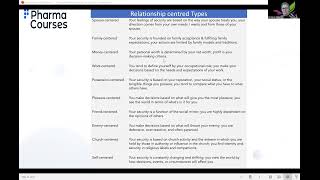
In this live webinar, Dr. Hanan Selim welcomes a global audience of doctors, pharmacists, nurses, students and other health‑care professionals. She frames the session around the urgent need for resilience in the post‑COVID medical environment, where burnout, exhaustion and loss of purpose have become widespread. Dr. Selim introduces a three‑stage resilience framework—Independence, Interdependence, and Improvement—and then presents the core curriculum: the "7 Rs" of resilience. Each "R" is explained with personal stories (including the loss of her mother), practical examples, and interactive polls. The Rs cover: (1) Reliable Truth – confronting mortality and aligning with what truly matters; (2) Rooted Confidence – building confidence on a foundation of competence; (3) Relatable Connections – cultivating supportive relationships; (4) Relationship Types – recognizing different security‑centred relationship patterns (spouse‑centered, family‑centered, money‑centered, etc.) and their influence on resilience; (5) Relentless Action (implied through discussion of perfectionism) – moving beyond perfectionist paralysis to take decisive action; (6) Reflective Mindset – using reflection to grow and let go; and (7) Continuous Improvement – integrating the previous Rs into an ongoing growth loop. Throughout, Dr. Selim emphasizes authenticity, self‑mastery, and the importance of balancing personal well‑being with professional duties. The webinar blends motivational storytelling, audience interaction, and concrete habits that participants can apply immediately to thrive rather than merely survive in modern medical practice.
Chapters
I'm Dr. Hanan Selim. I'm an international speaker, award-winning author, and recognized by global gurus as the most influential thought leader in health and wellbeing. And like I always say, speaking from the stage, I love it because I feel the energy, I get the nods, I get the cross eyes if somebody doesn't understand me. But the way we have it here with technology, thank God for it, on Zoom, we wanna keep the energy up, but we wanna see who's on the call, who, to get you guys involved, participate. So without further ado, I want to know who's on the call. What background do you have? What industry do you work in? Are you a pharmacist? And we sometimes have a lot of students. Are you a student? What practitioner are you on? So, oh, wow, already getting a few chats here. Let's see who's on the call. Emma Esther Garcia, good afternoon to you. Where are you calling from, and what practice or profession are you in? Dr. Abu Bakr, hi doctor, how are you? Iman Azem, hi doctor. Iman Azem, professor at Lebanese University Public Health. Wow, that's amazing. Thank you so much for joining us. And Dr. Suleiman Al-Awadi, I think that is. Good evening from Yemen. Okay, so Dr. Suleiman, what kind of doctor are you? Who else? Faisal, community pharmacist from Qatar, thank you for joining us. Ellaria is a student at Faculty of Pharmacy. Which part of the world are you calling in from, Ellaria? I think that is. Muhammad Ibrahim, Muhammad Ibrahim, hi, how are you? Who else? Iman Azem, you're welcome. Maryam Alawi, Okay, good day. She's a nurse, Maryam. Thank you for joining us. Or actually a nurse intern, sorry about that. Uh, Sally Anwar. Hi, Doctor. Hi, how are you, Sally? Thank you for joining us. Muhammad Ibrahim. Muhammad is saying, I'm Dr. Muhammad Ibrahim. Okay, sorry. Welcome, Doctor. And, and that is very important, by the way, that Dr. before the name is not just the Dr. We worked hard for that, um, DR to be part of our name. So we all understand it's very critical to have it part of our name. We worked really hard for that, right? Uh, Dr. Kazim is from Iraq. He's a GP doctor. Thank you so much for joining us today. Rehabs is saying, uh, she's a pharmacist from Morocco. Wow, we have like the whole globe with us today. Uh, so Mohammed Ibrahim is saying he's a surgical resident in Saudi Arabia. Wow, thank you for joining us. Dr. Mohi is clinical toxicologist. All right, thank you for joining. Which part of the world are you calling in from, Dr. Hanan Selim? Lamia is a pharmacy student. Yep, I knew there was going to be students on here today. Welcome from Lebanon. MD Manawer is a Saudi pharmacist. Okay, pardon me if I don't spell, you know, pronounce your name correct, because, you know, knock it off or take it off as being an American. Two things we're really, really bad at. I'm originally from Egypt. I grew up in the US, so I could say I'm primarily American because I've been there since I was 7 years old. But 2 things we don't do very well: pronunciation in names and geography. Okay, so Asil is from Yemen. Welcome, Asil. Rana is, uh, Rana Salah from Egypt. All right, my posse's on here today from Egypt. I just came back from Egypt, by the way, 2 days ago. Muhammad Ibrahim is saying no, no, no. Muhammad, Dr. Muhammad, no, no, I don't, I'm just playing, you know, I'm just saying. Rana, I'm a clinical pharmacy pharmacist. Uh, Kaddous, I'm trying to pronounce the last name. Uh, Emily Figali, Emily's pharmacist from Lebanon, welcome. In Amna Nassim, she is a nutritionist, very nice, thank you, from Tunisia. Uh, Maryam, assalamu alaikum, Dr. Maryam Salman from Bahrain, general physician, thank you. I attended your last webinar, so you know my age, Dr. Maryam. You know my age, right? Because we had that last webinar, everybody was guessing my age. We won't do that today, okay? So just let you know. Nasser, good afternoon to everyone. I'm Nasser Derarini. I hope I said that right. Professor of English, specific purposes in medical education, risk factors for CVD, for COVID, I believe, from Algeria. Thank you. I think it's Lounesi Ali University. Wow, thank you so much. Um, Abanoub Samir, I should pronounce that right because you're from Egypt, right? Clinical pharmacist. Uh, Nima Sambo, finally a medical student from Ajman. All right, someone in UAE. I'm actually speaking to you guys from Dubai. I'm living in Dubai right now. Maryam Salman, yeah. Uh, I think I said something that you're saying yeah to. Okay, don't remember. Uh, Shorouk Ashraf, uh, Abu Dave from Egypt, a student. Okay, I guess you're student in pharmacy, right? Kazim is pharmacy student in Lebanon. Iman, Iman, okay, Iman, al-salamu alaykum, Iman from Egypt. Okay, thank you so much, Iman. Ah, Maryam, you didn't have to do that, Dr. Maryam. It's 53, yes, yes, it's 53. All right, so now this webinar attendees know my age. Okay, no worries, no worries. I'm very proud. I'm very happy. I'm in a very happy space right now. Don't mind Telling my age? Not at all, but you look so young. Thank you for your age, mashallah. Thank you, thank you so much. I think, Maryam, you on the last webinar, you, you guessed at my age at like 30 or something, so I love you for that. Thank you. Oh wow, a lot of people coming on. Muhammad from Egypt. I gotta get the full name, from Egypt, the pharmacy student. Thank you so much for joining us. Uh, Nurhada is, thank you for the webinar. All right, thank you. I hope I got everybody. Don't be upset at me. Uh, okay, so we got one more, Fernando, pharmacy student. Okay, thank you, Fernando. Thank you everyone for joining me today, really appreciate it. Uh, keep up the energy, let's keep moving ahead because we have a lot to cover on today's webinar. Okay, let me find my slides. I think I'm still on vacation mode because I just came back, so forgive me if there's a lapse somewhere, somehow. Okay, let's see. Let me do this. Am I, am I ready? Yeah. Aha. Yeah, full screen. That was what I was going for, and it worked. Okay, so like I said, my name is Dr. Hanan Selim. Thank you everyone who was on the last webinar joining us again today, and thank you for all the new attendees as well. So today we're going to be talking on a really interesting topic. And of course, I'm in Dubai, so of course I have to use some photos from Dubai Expo 2020. So bear with me, okay? Very proud to be in Dubai, very proud of the Expo, very, very proud of the vision of UAE and to be part of it. So today we're going to be talking about resilience. And of course, we were resilient to bring the Expo, and that's why the reason I want to use the Expo photos, right? Going through COVID, going through all all these economy issues, the flying in and, and the restrictions and social distancing and, you know, the vaccines, the PCR tests, all that. But yet we were able to come through in Dubai to bring the Expo. So 7 proven resilience skills for doctors. And to be quite honest, I think these resilience skills could fit any person because as human beings we want to be resilient. And coming out of this epidemic situation, we have a lot going for us becoming resilient, going through this turmoil of this epidemic. But what is important is not just be resilient in a negative or a positive way, but with a purpose. And that's, I think, the core message that we want to bring to you guys today, how to be resilient with authenticity, how to be resilient that's going to work for you instead of against you, and then positive and moving forward full steam ahead, just like we did, like I mentioned, with the Expo. And not only do that in this resilience, We want you to grow. We want you to thrive and not just survive in what we call the modern medical environment. So very excited. It's very close to my heart, today's webinar. So you could see the energy. I'm like really full of energy, and I want you guys to be on board and be full of energy. And please, if you have any questions or anything, please drop it into the chat. I'm going to check it on, you know, frequently, just for two things: to see if everybody's on board with me, you could hear me, see me, understand what I'm saying, and if you guys have any questions. Okay, awesome. So we're gonna be actually discussing the 7 most important methods. Okay, so whoever's been on my webinars before, I love using acronyms. I love making the webinars practical and to be able to use it moving forward in your life, right? So I— what my mission is, is to give you some lessons, some food for thought, if you will, as well as be able to have it used in a practical manner that you could just, you know, fit it into your own life, in your own practice, in your own career, right? So it's all about thriving and the skill sets that you're going to need in this modern, what we call modern medical environment, right? And it's all not just when we say modern, we always thinking of technology, research, things of the sort, but it's actually some of the skill sets are going to be a bit familiar to you. It's just I want to emphasize it and remind you of it because it's very, very important and critical in being part of what we're talking about, which is resilience and thriving. So before the epidemic or before the pandemic, we had an epidemic of physician burnout, right, with many physicians caught in a cycle of exhaustion, cynicism, and loss of purpose and drained, right? When is all this going to come to an end, right? It was very unexpected, and you were just doing 24/7, not knowing whether whether you're coming or you're going, operating sometimes on 2 to 3 hours of sleep, exhausted, right? And all because of all the change and uncertainty because of the virus has brought certainly doesn't help, right? So it's now imperative than ever that physicians and healthcare professionals as well have built the resilience to continue moving forward from all the pressures and stress that our careers bring. You have to be on your toes and of course be ready before it actually hits home, right? I think that's one of the critical information and things that we could leverage on is to build the bridge before— for our, you know, there's an expression in the U.S., right, where people are just taking action and they say just do it and, you know, jump off and build the parachute on your way down. Now with, with With COVID we, that doesn't work anymore, right? We have to be prepared, plan, and create a strategy and build it in order to relieve a lot of the pressures and the situations and frustrations that we all went through as healthcare professionals because of this pandemic. So in the 25 years, yes, now you know my age, I worked as a healthcare professional and coach, and I've seen 7 habits. These are really 7 resilient habits, thought patterns, and practices that distinguish those who can thrive despite pressure and those who cannot. And I've seen it continuously working here in the, in UAE, as well as of course we've all seen it on a global level. And there's actually 7 specific resilient, what I call them the 7 Rs for resilience, that are the difference between a fulfilling and purposeful career without the burnout of that we all sometimes are put through because of our profession, especially being a practitioner and a doctor, especially being on your feet all the time, right? So thriving in the modern medical environment, what does that mean? Well, thriving defines the effectiveness, and I kind of hinted that when we first started, right, that it's actually we want to be effective and not only efficient, because the balance of this, obtaining a desirable patient result with caring for that which produces those results, meaning we as ourselves have to be ready, prepared, fully resilient, and aware, and be able to help our patients in the best possible, most effective, efficient way, right? So our values govern that and our behavior, while modern medical principles ultimately determines the consequences and the results. I know it's a mouthful that I'm trying and that I've just said. We're going to dive deep in all of that particular statement, and I think this is the foundation and letting you guys know what we're going to be building on throughout this webinar. So I see a few people here on the chat. Just want to make sure everybody is here. Ah, Dr. V is here with us. Good evening to everyone. Good evening to you, Dr. V. Um, Ruhi Naz is saying good afternoon. Good afternoon to you, and thank you for joining joining us today. Okay, everybody hears me, sees me, wonderful. Let's move forward. So I was thinking like, what is like the 30,000-foot view that you can start once we go to the specific 7 steps or 7 Rs of resilience that you could kind of like— where, where does the— that overview, where does that particular R or step of resilience goes into as an, as the overhead or the topic or the heading, if you will, that we're trying to place these. So I'm going to give that to you in the next slide or two so you don't have to try to imagine or figure out which one goes where. Just so you are aware, there's a heading, if you will, or a category that all these steps falls onto, and, and the reason I'm creating this category, as you'll see, is one leads to the other, and we want to get to the final step of the ultimate resilience that creates that ultimate resilience in our career as human beings and as professionals. Okay, I hope that made sense. So now there are 3 critical areas, like I said, and we will, that we will dive into for thriving in the modern medical environment. Okay, so the first one is we're going to talk about independence, right? Your independence as a healthcare professional, as the doctor who's on the floor, on, on the, um, you know, uh, creating or helping these patients as well as helping yourself, right? So we're going to talk— I, I believe, as a, as a professional, um, you know, working in the U.S., um, in, in Manhattan on the P&T committee, Pharmaceuticals and Therapeutics Committee, I learned that it doesn't start with the patients. It actually starts with you yourself. And I think that's going to be a focus for everyone because resilience is not something that's going to be given you on a silver platter. It's something that's going to be a skill set, if you will, that has to be created from the core, from you, to be able to keep going, to thrive, like we've been saying, and grow and scale as a professional to help others. And we want to make an impact as well while we're doing that. So independent Consistency and attendance is very, very important because it goes back to you being the human being that you are before you are the doctor, right? There's a really important saying that I love as well is the entrepreneurship is not really about the business, it's about the person that's running the business, right? So again, this is the same similar situation. I believe that healthcare professionals is about who you are, your uniqueness that you bring to the table that makes a difference in people's lives and not only your own, okay? So, independence, talking about you as the person, is very, very important. That leads to something we call interdependence, where it's at the level where what you're doing, your impact, is going to have that positive effect in this situation on your patients, on your colleagues, on the career, on the environment, on the hospital, on the organization that you work at, so there is going to be a uniqueness between what you bring as an independent into the interdependence where there's a match and a harmony we create from both worlds, right? And then we take that and we create the improvement, right? So this kind of all meshes up into what we call the ultimate resilience. Now, how do we go from independence to interdependence to improvement on that which we are already doing as an exceptional, well in resilience in being a doctor or a healthcare professional in the modern medical environment? Well, there are actually steps to it, right? Just like any scientist, right? You look for the structure, the framework, the steps, the 7 Rs in this situation. So there's actually 7 proven resilience skills for doctors and I believe for healthcare professionals as well. And here it is, Expo 2020 picture, okay? Just saying, I love it. There are, what are the 7 proven Rs or what we call habits, resilient habits? That are important in the modern environment? Well, they're the reliable truth, right? It's going to be— it's a particular topic, and I'll let you know in a minute why it's very— it hits home, this particular R, because the— and I'll let you know actually from a personal perspective why I was actually visiting Egypt. And it was, um, on an ultimate— on a bigger level, you would imagine that it's some— it's a It's a traumatic event, if we will, for any person who's experienced any loss in the family, right? But I came to understand, and this was what number one for me as the first R for everyone, especially healthcare professionals and doctors. And we need to— we understand it at some level, but we— it's always in the back burner until you experience a loss or a situation where it's a huge, huge reminder. And I wouldn't do it justice if I don't bring this particular, or reliable truth in this particular webinar because coming from that recent experience, it's a big reminder and I want to also remind everyone who's on the webinar today. Rooted confidence. Yeah, we talk about confidence, we talk about competence, but really, really we need to understand what confidence is all about. It's not having the, you know, the many letters after our names or having the certificate from the webinar today or Or having, you know, your boss saying, oh, well done, you know, or that feedback of the patient saying, thank you, you saved my life. It's all combination of all that. And we're going to dissect that, what that all means in just a minute when we go through this particular R, as well as relatable connections. Okay, no one is an island. Now we, we feel as healthcare professionals and doctors who are on the call that we are the go-to, the ultimate solution to everybody's health. Health issues or health crisis. I mean, we experienced it, you know, being on the front lines through this pandemic, right? And we feel that, you know, we are the top of what— the top leaders in this profession to help everybody else. But who's helping us? Who's looking after us, right? And the most important person or people are the people that you have connected with, the people in your environment. And this is why it's very important to have the resilience to go through having relatable connections in your environment to become resilient. Because a lot of people think resilience is all about me taking care of the situation, going through, becoming strong and stronger, and just pushing through the obstacles, pushing through those challenges, and, and pushing through to making them opportunities. Like, we always hear these pep talks, right? But actually The truth of the matter is resilience is also about connections, about the support that you need going through this process and this journey. Relationship types. Now, this is going to be an eye-opener for everyone, right? Because as soon as we say relationships, you think all family, you think, you know, your kids, your colleagues, you know, the friends or things of the sort, right? But you're going to be coming in for a big surprise and really, really focus on the real true relationship types that are within your fingertips to become resilient and going through this journey. Role, right? We all play an important role as healthcare professionals and doctors in contribution, right? We contribute always our time. I mean, our shift is up, right? Nurses on here, I saw some student nurses, pharmacists, healthcare professionals, toxicologists, even professors, right? We're always the last to punch out. right? You see all these corporates, like the whistleblowers, 5 o'clock they punch out, they're out, right? Us healthcare professionals, we're the last. We put more shifts than our original shifts, right? So it's all— we understand this, saving lives, helping patients and their health and well-being, and of course we're all about contribution, right? But there's a different role and different kind of contribution that we should look at that and having this in mind as the R for resilience. Relax and let go, right? Okay. So actually I've been on 3 meetings today. I was running, I was in, because of the expo, there's so much rush hour. It's like the rush hour here in Dubai is like 24/7, right? And I literally was, was driving like a crazy woman so I could come up on this webinar for you guys, right? But what did I do? I gave myself 5 times, relax, relax, let go, and now being able to focus on the webinar without losing a step in my energy. And I'm sure everybody feels it and is aware of and being authentic, right? But there's a different kind of relax and let go for you guys as well that we would be— you would really appreciate, especially, especially, you know, being healthcare professionals and we always have to give the bad news, right, to the family or bring, you know, the bad news to the patient of being a certain diagnosis or things like that. And sometimes we become so emotional and, and we, we hold ourselves strong for the patient, for the family, for the friends, but then we need to also take care of ourselves and relax and let go. And of course, we can't leave that without the reflect mindset, right? We have to have the positive mindset to grow, scale, and move forward in our resilience and what we call thriving instead surviving. Okay, so I see some chats on here. So, my name for attendance and certificate, that's probably with Arthur, not me. Madam is saying patient and doc relationships. Yes, exactly, Madam. Thank you so much for that. Good afternoon, Hosam, how are you? Thank you so much for joining us. Okay, wonderful. So how does this all fit into these independence, interdependence, and improve Okay, so here are your 7 Rs or habits. So I'll tell you, so the 3 critical areas of resilience, that's where the 7 resilience actually come in. So in the first, second, and third R or habit, resilient habit, are focused on, like I said, independence or self-mastery from— and then we're going to move from dependence on the technology and the equipment and, you know, things of the sort to independence, right? And of course, Rs 4, 5, and 6 are all focused on developing teamwork, collaboration, communication skills, and moving forward what we were calling about from independence to interdependence, because then you're moving from a self-mastery, self-focused situation where we're thriving at that situation or at our independence independence. And now we want to be able to leverage that into working with others, for example, working with colleagues or teamwork or in a company, right? And then of course, our— the 7th R, or the R7 resilient habit, is focused on continuing growth, right, improvement, and embodies all the other Rs, right? So this is just, um, an overview, if you will, so you don't have to keep going and thinking, well, where does this R go, how does that go with independence, or does that fit with interdependence? It's right there for you. And we'll move forward with the specific R's, the 7 proven resilience skills for doctors. Okay, so let me just look at here. Sally, Anwar, Amina, Atiyah. Hi, Sally, how are you? Thank you for joining us. Okay, wonderful. All right, so reliable truth. So this, like I mentioned, is very, very close to my heart because last I heard is that death is inevitable. We all believe that, right? Illness is too. So of course, thanks to the pandemic, this is more in the forefront than ever before, right? But how often do we lose sight of these truths and delude ourselves that death and aging affect others but not us. And like I mentioned, I went through— the reason I was in Egypt was because my mom passed away. And it was a— it was a kind of hit home when you lose someone so special, so close to you, that death is inevitable. And it made me really relook and refocus at what really matters, right? What we hang ourselves on, you know, these delusions of materialistic things or pushing this person so we could be advanced in our career and so on and so forth, right? I mean, we always, as healthcare professionals, we always have to give the bad news, but we don't so much feel that that, you know, we would be standing in their shoes and receiving the same bad news. And yes, we delude ourselves that death and age affect others, right? But actually, in truth, we're humans, right? Where we are always going to— you know, death is always going to be part of the nature of the game, right? We come and we know we're going to exit one day. So the cost of these illusions are actually twofold, right? Firstly, ignoring the impermanence of life means that we spend our days sleepwalking and biding time that won't be there forever, right? We can spend hours on charts and then come home and scroll through Facebook and LinkedIn instead of taking in the goodness of those we love. And I didn't get, unfortunately, a chance to see her and say goodbye or hug her or spend the time with her because I was in Dubai and she's in Egypt. So this I want to bring everybody's attention. I know you guys are on the webinar, you know, you're excellent professionals, you want to be able to, you know, grow and exceed, get the awards and everything. But really, really, truth, the reliable truth, and what matters is our relationships, our love for the people who are important in our lives. And just understanding and standing in the goodness of those we love instead, because I'm guilty of it as well. I've told my— my mom said, I want to see you, make sure you come, I want— I miss you, I miss the kids. But of course, you know, my hours at the ministry— I work at Ministry of Health in Dubai— I didn't, you know, my colleagues were on vacation, I couldn't take time, um, you know, the— then it was Eid, and then, you know, it was too expensive, the tickets, you know, we make up all these silly, silly excuses, and of course when you look at it and you really— what's more important? Is it the career? Is it the certificates? I saw someone looking on for a certificate and the name and the CE hours and all that, but really, really we need to stop and reflect and so we don't move with broken wings, if you will, that will stop you in your track, will really make you forcefully re-evaluate the goodness in life, the goodness in who we love, and the things that really cherished to us. I mean, I'm guilty of it, of, you know, my kids not studying with them because I have to, you know, excel at my career, or I wasn't giving enough time to my friends because I had an exam the next day. The students on here, right? So yes, all of these things are very, very important, But really, really, I couldn't go on with this webinar with this in my heart without sharing it with everyone, that really, really the goodness of those we love is really just as important, just as critical in creating the resilience. And of course, truth builds trust. Once we are having reliable truths, believe me, I, I've been there, done that, and I'm here to tell you it's actually very, very much important. Is that when we face the truth in our lives and make it reliable truth, not what Google says, not what the statistics supposedly say, but the experiences, is actually going to build the trust in our career, the trust in ourselves. We're going to talk about confidence as well. It's going to trust— have trust in our bosses, organizations. And believe me, once we just get grounded and focus on the things that's important in our lives, that's going to build the trust, it's going to build the career, it's going to build everything. Everything else is secondary and will come to you. And ever since I came back, which was, uh, last Sunday, the Sunday that just passed this morning, that has been my focus. How could I make my relationships happen? I don't stop. And, and every morning I say good morning to my kids and I hug them and I say I love I love you, because you don't know when the next moment will be. You don't know what the next event will happen. Hopefully, you know, we've been through the pandemic and it's been the worst, but, you know, we also have to look inside our relationships, inside our own lives, and look and make sure we find the goodness of that which we love and those we love. Okay. And secondly, that thinking that we and our families won't experience pain, the sickness, the tragedy, leads to so much suffering when difficulty inevitably arises. That's another lesson I learned. We can feel like life has been unfair to us and that we deserve better, but it's actually— I've come to understand that it's actually karma, because what you focus on is what you're going to get. If you're going to focus on the career and just advancement and me, me, me and moving forward, And it's forget everything else that's really precious because time doesn't stop for anyone. So we need to do better, be better, and people we love deserve better as well. Resilient clinicians recognize this, by the way, that misfortunes of life happen to everyone. And they react with strength, with compassion, wisdom, when they do. And that's exactly how I went through this particular misfortune of losing my mom. I came to understand the strength that I very happily inherited from her, the compassion and wisdom. And believe it or not, I never took the time to understand all the good that she's been doing. But let me tell you, um, you know, in Egypt and in, in our religion and everything what you're left with is your reputation, the good word, the good word that people say about you. And oh my God, I heard so many good words about my mom, how like every single person at that day was happy to come to say, you know, your mom did this for me, your mom did this for that, your mom saved my marriage, your mom saved my kids, or your mom helped with the payment for this, or you know that. And that And that was so not surprising. I know my mom was a very giving person, but then it made me understand her wisdom. It made me understand her compassion that I had forgotten on my journey to being excellent in my career and, you know, working for the best and being the best and being the leader in this particular health and well-being industry, if you will, right? I am proud, and I know she was proud, but I wish I would have been able to just sit and listen to her advice, her wisdom, and understand more of the person that she was and the compassion that she had so that I could be able to move it forward. So thank you so much for listening to my short story, Understanding, and I hope this This story was not just to tell a story, but it's really a reminder of this really, really important truth, and that is the reliable truth that we are at risk at any time. God forbid, nothing as tragic as losing someone, but this is always a reminder to remember the goodness of those we love. Okay, so let me look at the chat really quick. I believe some Someone wrote something. Hopefully you see me. Well, Dina's saying, I'm glad to join you today. This is my first webinar with you. I'm Dr. Dina from Iraq, started working as a doctor since 5 years ago. Welcome, Dina. Thank you so much for joining. And Toka is saying, I totally agree with you, Maryam. Oh, thank you, Dr. Maryam. She's saying heartfelt condolences. May Allah bestow her highest place in Jannah, inshallah, inshallah. Thank you so much. So let's move on to the next R, which is the rooted confidence. Yeah, so I always love this, uh, picture. Which comes first, competence or confidence, right? The egg or the chicken, right? So that's kind of like, um, or the carriage and the horse, if you will, right? So what do you think comes before? Iman is saying I need records of webinars, please. Sure, the recording, you mean? Sure, sure. Short. No worries. So everybody, just to get you out of that, uh, crunching story of mine— sorry. So I want to get you all involved, involved, your energy back up. Um, so what is more important? Any votes on here today? Competence versus confidence. Okay, so Dina, Tolga, Maryam, Dr. Maryam, Qasim is saying confidence. Iman is saying confidence. Very good. Let's get some water. Gahdan is saying competence. Okay. Shaima is saying competence. Okay, so we got— oh, I lost count. So we got a bit of even— well, actually now more it's competence than confidence. Okay, great. So we'll look into that now. So confidence is the belief in one's abilities, is actually rooted in competence. Okay, so if you're not competent in what you're doing, will you feel confidence doing it, right? If you don't, if you're not competent in surgery, for example, we have someone here who's a surgeon, I believe it was, back when we were doing the introduction. Dr. Hanan Selim is saying you have to be competent before you become confident. Absolutely, right? Interrelated to each other, yes, but actually one is rooted into the other, so in order to really be very confident, it's actually rooted in your competence, and actually clinicians gain, or doctors, healthcare professionals gain confidence by being able to demonstrate their competence in real situations, right? So self-confidence is a confidence, sorry, is by identifying your individual strengths, and when we are noticed for our strengths, we soar high and are self-motivated to overcome challenges, and of course this is key in order to gain that arm habit we call resilience, right? So we need to be able to sharpen the saw. We're going to talk about that in a little bit with the competency, and I think everyone on here today on this webinar is always sharpening the saw, if you will, improving their skill sets, improving their knowledge to be able to have what they feel would make them competent, right? Because it's rooted in competence that will give ultimately their confidence, right? So a lot of people say, well, confidence, you know, is a skill that you could learn. You know, you meditate or you, you know, you use certain— what is that— affirmations, competent, I'm confident, you know, and all that. Really, it comes from deep, deep within. And one of the key tools to become or root suited to confidence is of course competence, and we all are doing that with our CE credits, with our, you know, trainings and with the certifications and just growing in our profession as healthcare professionals. So this is actually— I hope nobody saw that next picture. So going back, just as a fun part of the webinar, off track for a minute there, with the chicken and the egg, what came first? Right? It's all been like an age-old situation where, you know, what came first, the chicken or the egg? So we'll take a vote. And actually, I delved into it, and there's scientific evidence and research, and I'll give you the answer. So moving forward from this webinar, you have the answer of which came first, the chicken or the egg. So let's see who's on here, just to make it a little bit fun. Dina says the egg. Okay, So, oh, Muhammad Ibrahim is saying— Dr. Muhammad Ibrahim is saying competence is the road to confidence. Absolutely. So Dina Toka saying egg. Amina is saying egg. Ah, Shayma saying chicken. Aiman is saying the chicken. Dr. Waleed, the egg lately. Okay, lately. Okay, uh, Nama is saying the egg. Jihad, egg. Oh, so okay, so all A lot of Azza saying chicken. Rakan is saying, uh, egg. Safa is saying chicken. Uh, Apple is saying maybe the egg, Dr. Hanan Selim. Okay, you're on, you're on good track. Shahdan is saying chicken. All right, so the age-old question: which came first, the chicken or the egg? Are you ready for the answer? Drum roll, please. Okay, anybody have a— no? Okay, anyway, The answer is the egg. Egg already existed before any of these came, which is the turtles— what are we talking about— turtles, lizards. And this is actually a scientific evidence-based research that shows which came first, the chicken or the egg. It is the egg. So if you guys want to Google this, uh, please go ahead and, uh, you will find that the answer is the egg. So all the winners on here who got it right, So yes, so, um, Rakan, uh, Jihad, Nama, uh, Dr. Walid, thank you. Amina, Toka, Dina, everybody, thank you so much. You participated very good. Your answer is correct. Uh, Iman is saying yes, she's so surprised. Uh, Toka's saying yay. Okay, very nice. All right, so I made it a little fun for you you guys. Okay, cool. Let's go on to the second— third R, I should say— relatable connections. Okay, so who's a perfectionist on here? I know I can't see you, but write P for perfectionist, right? I'm guilty, guilty of it as well. So Shahadan is perfectionist. Oh, Clarissa, too many Ps there. You're You're definitely a perfectionist. Toka's P. Amina's me. Yeah, okay. Lamia, me too. Okay, Sarah, P. Muhammad, hi. I'm not raising my hand for saying hi, it's, it's being guilty of being a perfectionist. Okay, so yeah, so I'm sure people, you know, who are not answering on here, writing P, be honest. Okay, you are either two things: not participating or not being be honest. Okay, so I got another chat on here. Uh, Oppo is saying, um, I think that's your phone, that's not your name, right, Oppo? So yeah, please write your name. It says, me too, Dr. Hanan Selim, I pick every single hair on the floor. Okay, so you're, you're, you're beyond a perfectionist. Okay, you're called what we call OCD, obsessive compulsive. Okay, I'm guilty of that as well, so I could relate. All right, so in healthcare, you definitely aren't alone. Yeah, so this is what I'm saying. All you healthcare professionals, even some students who are into pharmacy, you came into this profession because you're a perfectionist. It's a trait that helped us all get into and survive our training, our academics, our just passing, what is it, organic chemistry. I hated that, but I passed. I passed. So we wanted, we all going for that A, right? Some of us even the A+, right? And then we are definitely want to excel. And you guys on, on here today, you are perfectionists. You're sharpening your saw, right? Doing excellence, getting the certifications, getting the CE credits, right? So it's a trait that gets in our way as well as we progress in our lives and careers, right? It keeps us sometimes stuck. Like, um, who was it that was picking up all each single hair on the floor? Lord, right? Why would you do that, wasting so much energy and time, right? So exactly, Clarissa says, not organic chemistry cries in the corner. Yes, yes, I know. I'm sorry I brought up the O word, the bad O word, OC word. Uh, let me say, medicinal chemistry is even worse than organic. Yeah, I know. Tell me, we, we were spoon-fed all the chemistries in the world, and I don't know why. Shahdan says, I loved it. Oh yeah, you're the ones who always got the A+ and like, oh, what'd you guys get on, on that exam, right? And we make you, you rub it in, right? Anyway, so, um, we have to stop. We have to stop being perfectionists. We can find ourselves overly focused on living the perfect life, right? On getting every one of our perfectionist, right, on having the perfect exterior, right? And I think the person who was asking for the certificate on their name, he's also perfectionist, but they didn't have— they didn't put the P on there. And, you know, you staying quiet inside it, like, you know, I don't want to show up for this one, right? So all these expectations create a mountain of pressure on us, you guys. So feeling a need to get things perfect creates anxiety around the experience, right? Whether it's charting, spending time with our kids, or picking up a new hobby, or all that anxiety is actually exhausting. And, you know, even joining the gym, it has to be, you know, especially the women, right? You have to have that perfect outfit, the newest sneakers or shoes, to go to the gym, just go to the gym already, right? So that's what we're talking about with resilience. In resilience, you have to go and be able to just focus on getting the action done, right? It's about taking action and not just getting information, information, analyzation, and then thinking about comparing, doing the research, and then taking action, right? So resilient clinicians recognize that perfection is largely an unattainable goal. And they realize that doing their best is what they set their sights on, right? If you feel that you put it all, you put in your all, you did your best, that is enough, right? So they accept and enjoy the bumps in the road that come along the way. So enjoy the ride. I love the saying that, you know, it's not about the destination to where you're going, but about the journey. So if you're focusing on, it's about the destination and being perfect, perfect in what you're trying to achieve, you're not going to enjoy the journey. If you're, for example, taking a road trip, right, and you're not going to look at the scenery, taking in the nature, right, and you're just focused on getting there on time— like I'm guilty of sometimes— but getting there on time, where, where it's supposed to be, what you're supposed to be saying, what you're supposed to be doing, and focusing on the destination, it kind of loses the value, loses journey experience and the, uh, the, the having that, uh, as a fulfillment part of the destination as well. So any— okay, so Qasim is saying pharmacology is the worst of them all. Okay, so I'm bringing a lot of memory back, bad, bad memories for everybody. Yeah, I know what you're saying. Uh, Iman is saying you're a great lecturer. Thanks. Oh, you're welcome, you're all You're welcome. Okay, so let's talk about relationship types, right? So we're gonna go through a lot of relationship types, right? The spouse-centered— your feelings of security are based on the way our spouse treats you. Your direction comes from your own needs, wants, from those of your spouse, right? So, uh, if, if, if your spouse approves of your work, then you're worthy, right? No, No, that's not it. Sorry, spouses out there. Family-centered, right? Your security is founded on family acceptance and fulfilling family expectations. Their actions are limited by family models and traditions. And being from— coming from the Middle East and from this culture, I'm also guilty of that, right? Or we're money-centered, right? Your personal worth is determined by your net worth. Profit is your decision. Making criteria. These are all the different relationship types and centered around, right? Possession-centered, right? Your security is based on your reputation, your social status, or the tangible things you possess, right? You tend to compare what you have to what you have of others, right? Am I ticking a lot of boxes for a lot of people here today? No? No? Okay. So, pleasure-centered, you make decisions based on what will give you the the most pleasure. You see the world in terms of what's in it for you. Friend-centered— your security is a function of the social mirror. You are highly dependent on the opinions of others. Enemy-centered— we have a lot of some of those in our lives, unfortunately. You make decisions based on what will thwart your enemy, meaning you are defensive, overreactive, often act paranoid. If you see them, like if you're in the same room and you see them smiling in the corner, oh, they're saying something bad about you and or making fun of you, and it has nothing to do with you sometimes, or actually 90% of the time anyway. Religion-centered, right? Your security is based on the religious activity, the esteem in which you are held by those in authority or influence in the religion. You find identity and security in religious labels and and comparisons, right? So in Islam, we say, oh, uh, mutadayyin, right? He, he prays 5 times a day. I see him giving charity. I see him, you know, he's gone to the pilgrimage, you know, he's filling all the pillars of Islam, right? And that is actually, um, it's part of, of our religion, but it's not going to be a relationship-centered type, right? And often Sometimes we get so disappointed because we thought they were one person or acting— it was a cover for something or acting a certain way, and they turned out to be something else, right? So we have to be also be wary and focused on these things as well. Self-centered: your security is constantly changing and shifting. You view the world of decisions, events, or circumstances that will affect you. Okay, so who has actually been guilty of any of these Nobody, right? Nobody except me. Uh, one of these at least. No, no. Okay, so what, what I'm going to tell you right now, uh, so let's see who's, who's the honest person on here. Okay, Oppo, by your name. Many of these. Thank you, Toka. Yeah, so actually, you know, the first person, you know, even though it's not 100% or certain situation or perhaps even if it's 1% that you felt, right, that you would raise your hand, because one of the— Shayma says it hurts. Yes, honesty is the best policy, and it hurts along the way. But guess what? These— the good news is, is these are not the important relationship types, right?
More from Dr.


Deep Shifting Method to Clear Problems For Paying Clients (and for yourself) in 10 Mins or less!