How to become Fit and Fabulous without dieting
In this live webinar Dr. Hanan Selim addresses health‑care professionals, students and the public on practical, non‑diet‑centric strategies for weight management and obesity prevention. After a brief introduction and participant roll‑call, she frames obesity as a major public‑health crisis linked to chronic diseases, mental health, and socioeconomic costs. She argues that lasting weight loss requires addressing root‑causes—psychological, hormonal, medication‑induced, and lifestyle factors—rather than prescribing generic diets or pills. Dr. Selim introduces the "5 S" framework (Simple, Specific, Sustainable, Supportive, Self‑aware) for a holistic approach, and the "3 B" toolkit (Brain training, Breathing, Body movement) to re‑wire mindset and curb emotional eating. She emphasizes SMART goal‑setting, the "speedy diet" (high‑protein, low‑carb meals consumed in a specific order: salad → vegetables → protein → carbs) and the importance of stress‑release techniques, sleep, exercise, and avoiding harmful habits. Throughout, she engages participants, gathers real‑time feedback, and provides actionable steps for clinicians to counsel patients on identifying emotional drivers, mapping life‑stage influences, and implementing behavioral counseling. The session concludes with a recap of tools, encouragement for 2022 health goals, and gratitude to attendees.
Chapters
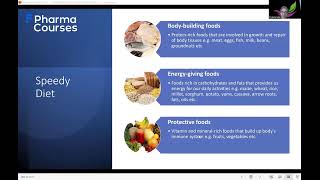
and well-being. And I love, love, love talking from stage. But we're not able to do that so much anymore. But we have to connect, we have to interact, and I want to learn who's on the call today right now. So whoever's been on my webinar before knows the drill. So we go to the chat, let me know who's on here, where you're calling from, what's your background? Are you a pharmacist? Are you a student? Are you a doctor? What specialty are you in? And yeah, let's— oh, wow. Already 75 people are on here. All right. So let's get on. I should have 75 responses then. OK. So please join. Who's on here today? So Aida Kandil is on with us and is a pharmacist. OK. And who else is on here today? So Iman Adzem from Lebanon, professor at Lebanese University Faculty of Public Health. Wonderful. Thank you for joining us. Maryam, a high school student. Oh, wow, okay, so we're starting really, you know, you guys, I think you guys are the X generation, I think, or Z generation, I forget. I'm millennial, so you know how old I am. So you guys are always ahead of the game. I love that about you guys. So you're joining us today as even so you see what the future holds for you if you want to go into healthcare, very nice. Dr. Maryam is a clinical, I think, Maryam, Maryam Al-Salm. Clinical Pharmacy, Dalia. Hi, Dalia, how are you? Lookman Hospital, I think. Oh, let me expand this chat so I could read. Um, yeah, Lookman Hakim from Lookman Hospital, pharmacist from Malaysia. Very nice. Okay, we have amazing around the world. Benjamin Bumatao. Okay, so let me explain to you guys something about me. I grew up in the U.S. And being, you know, quote unquote American, as Americans there's two things you need to know about us, right? We cannot pronounce names very well. And another thing is we're very bad in geography. Okay, so that's just a heads up. So please forgive me if I misspell or mispronounce your name. So we have here Delia El-Sabawi. I think that is a pharmacist. Oh, sorry, I think it's a Sulakana. Sulakana, she's a nurse. Thank you for joining us, and I apologize for the pronunciation. Gloria Aminullah. Gloria is a nurse. Oh, Saudi Arabia, thank you for joining. Saad, I think is Saad Sohail, is a pharmacist. Delias El-Sabawi. Okay, I should know how to pronounce your name, right? From Egypt. I'm from Egypt also. Thank you for joining us. Dr. Bashir, Bashir, Yemen. Okay, welcome, Dr. Sarah Benchik. Oh my God, Sarah is from Morocco. She's a PhD student. Mustafa Jalal. Wow, everybody, it's amazing group, very, very engaged, very involved. Dr. Rahman, thank you. Pharmacist from Egypt. I think Matos Perez. Okay, hi. I'm not sure where you're calling from. Um, so Bashir from Yemen, uh, Saad from Yemen. Wow, a lot of people from Yemen today. Houssem, Houssem, okay, from Yemen, a medical student, very nice. Younalkis is from Qatar, okay. Also Asma, Asma Zargoon from Libya, medicine. Jenny is a nurse from, I, I'm not sure, Hamas, okay, sorry. Muhammad Saad is the ICU registrar Register. Okay, intensive care unit. Uh, Bilal. Okay, Bilal is good. I can say Bilal. Bilal is Sheikh. Okay, Egypt. Okay, my posse are in here. Uh, he's a pharmacist. And, uh, Dr. Mohi Seliman, Baghdad Medical Sciences. Wow, amazing. Hagar, uh, Mona, Monia, I should say. Uh, everybody, thank you so much. Oh my God, I have like my chat here is just like is exploding. Okay, great. Let's, let's keep the energy up. I'm sorry if I didn't say your name, Zainab. I have to say Zainab because that's my mom's name. So Zainab Muhammad, I have to send a shout out to her. Uh, pharmacist from Iraq. Okay, cool. Lana from Lebanon, um, the pharmacist as well. Nasser. Wow. Radwa. Hajar. Okay, amazing, amazing. Wonderful. Thank you so much for the engagement. Let's keep it up. Let's keep up the energy and let's get started because we do have a lot to cover today. And it's a very, very important topic. Let me share my screen because what do we— what's around the corner? It is the new year. And what is everybody's mind is on what? It's on losing weight, right? Their new year resolution. Let me expand this if I can find it. Okay, let's see now. Nope, nope, that's not going the right direction. All right, let me see where— oh, here it is. Okay, wonderful. Technical difficulties right now. All right, here we go. All right, so yeah, so 2022 is around the corner. Yeah, happy New Year. So I can't believe this year just went like really, really fast. And on everybody's mind is what? Losing weight, right? The New Year resolution. So this is just the perfect time, perfect information for you guys to answer those amazing questions everybody comes to you and the million-dollar question is, how do I lose weight, right? So yeah, so this is an important topic and we're going to be talking obviously about weight management and obesity prevention, right? Because where I come from in the US, I'm originally from Egypt, but I grew up in the US. So what do we say? We say prevention, an ounce of prevention is worth a pound of cure, right? And it's important that we understand how to even prevent it because then we'll avoid a lot of this, you know, ups and downs, trial and errors, and all the other complications that goes along with obesity. OK, cool. I'll be jumping in and out on the chat, you guys. In case you don't hear me or see me, just say— I guess, I don't know. If you don't see me or hear me, I don't know. Just get on the chat and tell me, where are you? OK? So Salwa is saying, dietitian from Lebanon. Hello, happy New Year to you all. Thank you. Hezbollah Abd al-Malik is with us as well. All right, cool. Let's get started. So I'm a big fan of acronyms, right? I like to simplify things. I like to make things very, very practical, and you be able to take the information, remember it without wasting a lot of time to study hard or jot down a lot of notes and things of the sort. Nothing wrong with writing things down, but I really, really want to make sure that you have the impact information where it makes sense and it's actually practical to implement right away. So 5 S's are the simple, strategies we're going to be talking about to overcoming obesity that stipulates, of course, health. And as we've been talking about, prevention is really important as well to avoid leading to physical and even mental health side effects that comes with obesity and weight management and prevention, especially during these times of stress and uncertainty. A lot of people being locked up at home because of the pandemic, what do they do? Watch Netflix. America again. Netflix. And junk food, right? So that's actually— this pandemic has really, really not only hurt us financially and economically and health from the virus, but also, you know, the weight gain and depression and everything. The statistics are just— the numbers are absolutely crazy with what's going on. So anyway, let's talk about obesity. So what is actually obesity and how this can actually affect public health? We have some nurses on here today who are into studying public health and students as well. And I want to mention that it actually is one of the biggest issues that we're facing in public health today, and it's a big, big problem, especially, believe it or not, in developed countries worldwide. And it's actually becoming quickly an issue across all the world, as a matter of fact, and is confirmed by numerous, numerous studies. From a public health actually perspective, obesity is one of the major risk factors and a prerequisite to a lot of the chronic conditions like diabetes, cardiovascular diseases, high blood pressure, and cancer. It's very important that we focus and pay attention not only just the glamour and fitting into our favorite dress or pants or jeans or whatever, and looking good in pictures, but it's also actually going to be a major factor and a risk factor in our overall health and well-being and may even lead to a lot of these chronic conditions that's also affecting public health in a major, major way. So obesity actually also affects the quality of life, right? There's a grave public health threat because of it. There's serious, even more, more serious than what we call opioid epidemic, believe it or not, increases the risk of developing a whole host of diseases. We've been talking about the major ones, the cardiovascular, the diabetes, but there's other issues. And actually, I'll talk about being in this, you know, I was also one, one day obesity, obese, and I was, I'm going to talk about a little bit about my personal journey in this ordeal, right? So it's actually not only for, for women anyway, as affect you from, from, you know, diabetes, cardiovascular, high blood pressure and all that, that all that, but hormonal imbalance, things like endometriosis, polycystic ovarian syndrome, infertility. So there's all, there's a whole slew of host of diseases that this could be a potential risk for. And of course, it's 3 times more likely to develop colon cancer. So, I mean, we are talking from the, the world, uh, chronic conditions that we're already trying to tackle. And this public, um, health issue and risk factor is a big one that's going to help us reduce that, uh, public health and diabetes and all these other chronic conditions. And it's actually 2 times more likely to develop a high blood pressure, and it's, of course, as we've been saying, a risk factor for heart disease and cardiovascular. So, weight management, right? So, imagine project management, right? So, what do you, what do you do first? It's such an overwhelm. It's such a, you know, a way that you need to tackle it at the least resistance, if I may say that, because I mean, we're going to get into all the numbers of the industry, the obesity and the wellness industry and the trillions of dollars that's being poured in this because people want to lose weight, right? People actually want to be healthy. They want to live a healthy life. They don't want to develop all these chronic conditions, but it's just not working. And there's variables that happen to need to be addressed instead of just prescribing the diet, the exercise, and the pill that, you know, whatever fad formula that's just hit the market that everybody's just running to, to try to lose the weight, right? So patients trust the advice of you guys, the healthcare providers, the primary care providers on weight management. But there's actually, like I mentioned, various variables or barriers that hinder the effective counseling and treatment of patients with overweight or obesity. So I want to take you guys through this webinar are to kind of give you the heads up, a different, you know, when you look at a prism, right? You look, there's two sides, right? The medical aspect as well as the conventional, the prescribing and all that. But there's also a behind the scenes of what that patient is going through, what some certain issues and things that you could actually, from a holistic aspect, from both sides that we could implement to help the patient lose fast the weight as well as keep it off, right? And I want to mention here, weight loss, the success anyway in weight loss is not just losing the kgs or the pounds or being on that journey. The success of weight loss is keeping the weight off, right? Because we've always seen people who are on diets and get off the diet and have these yo-yo back and forth results and sometimes actually gain back all the weight they lost. And of course, and even more some extra to go along with that, right? So healthcare professionals like you guys are going to often sometimes lack this other part of the perspective that— and this kind of training in what we call behavioral counseling and the interdisciplinary framework, if you will, the step-by-step that are actually going to be very, very simple to, you know, give this piece of advice to your patients to be able to completely holistically in a comprehensive lifestyle intervention and giving them the lifelong results, not the temporary results. And so most of our webinar today is going to focus on how to approach a patient with obesity strategies from back and forth from both sides. So we have this holistic view and variables that might be affecting them as what we call the root cause. And this word is going to be, you know, interchanged a lot on this webinar because there is a root cause. There's a reason why these patients are obese. And unless we take out you take out the root, remove that which is causing all of it, then no matter how much, you know, medicine, no matter the surgery, no matter the diets and the exercise and sleeping well and eating well, it's not going to work. And we've seen here the numbers, and this is actually statistics from 2017. It's a $4.2 trillion industry and growing. Why? Because everybody wants to look good, feel good, and avoid of getting in trouble with all these chronic conditions that is skyrocketing across the world. But why isn't it working? Why is this number getting bigger and bigger? Because people are looking for a solution and they're willing to pay top dollar for it. Right? So, we are here to not only just prescribe just the, you know, this drug or that medication or diet or exercise or nutrition. Right? Because we don't even need to tell patients how to eat well, sleep well, don't go to McDonald's, don't drink Coke or Pepsi, right? Don't eat after 7:00 PM or right in the evening. They know all that. They know this information, right? They could just go into and ask Mr. Google and a whole different intermittent fasting and the paleo diet or this diet. And all this information is overwhelming for a lot of these patients. And they think and they try and should follow these recommendations and these diets, and yeah, they work a little bit, but then of course they fall off the wagon before they even got on the wagon because it's very difficult. There's habits that need to be changed, there's a lifestyle, there's a lot of variables that we're going to be talking about right now that you need to actually have in the back of your mind when you're actually counseling and helping your patients and even yourself, right? So what are some secondary causes of obesity? Well, secondary causes are of obesity like I kind of hinted at, which would be like the endocrine disorders, the hypothalamic disorders, the hormonal disorders, the congenital conditions, the things like endometriosis, polycystic ovarian syndrome, and things of the sort. What we mean by secondary is actually these are the causes of obesity, right? So when we know about the big ones, the diabetes, the cardiovascular, the high blood pressure, right, but also the secondary Also, in the long run, actually fatty liver is actually another secondary cause of obesity. And of course, metabolic syndrome, right? When the weight is there, you're not able to function and the metabolism actually goes down when you actually need it to go up. And of course, genetics also plays an important role. And also medications, insulin, sulfonylureas, antipsychotic medicines like haloperidol, clozapine, risperidone, olanzapine, and lithium, right? These are also some medications that actually cause to bring, you know, the extra straw that broke the camel's back, if you will, right? That actually goes into this pot of complications that result in even more and more obesity for patients. And also, psychological factors, emotional eating. We're going to get into emotional eating actually because that's one of the major issues for obesity, as well as lifestyle living, eating too much and not moving too little. We all know that, right? Not getting off the couch, watching Netflix, having those snacks and chips next to you, right? All been there, done that, right? I'm guilty as well, by the way. So the W World Health Awards— sorry, World World Health Organization statistics on obesity is actually mind-boggling, to be honest with you. So since, you know, 2007, the statistics have actually tripled. In 2016, more than 1.9 billion adults 18 years and older were diagnosed as being overweight. Of these, over 650 million were obese. 39%, 39% of adults age 18 years and over were overweight in 2016, and 13% were obese. And most of the world's population living in countries where overweight and obesity kills more than underweight. 39 million children. It's not only an adult issue anymore. It's actually affecting children as well. Under the age of 5 were overweight overweight or obese in 2020. Okay, I'm going to say that number again. 39 million children under the age of 5, 5-year-old, okay, were overweight or obese in 2020. That was like just last year, right? We're not talking in 2007 or 2016. Over 340 million children and adolescents Americans age 5 to 19 years of age were overweight or obese in 2016. Of course, we've already seen this number increase with the epidemic of the virus, right? And of course, the good news is it's preventable. So it's the key here to mention that prevention is the best cure for obesity and these conditions without suffering of going through all the hassle of a diet and so forth. Now, I know a lot of people are going to wonder, so what is the BMI? What is the— you know, how— what is the criteria or the charts or measures, if you will, that the World Health Organization defines obesity and overweight? Well, overweight is a BMI of greater than or equal to 25. Obesity is a BMI greater than or equal to 30. And yes, it does vary between men and women, these particular charts, but in an average, if you will, BMI provides actually the most useful population-level measure of overweight and obesity. And of course, the World Health Organization is also using this as a criteria to bring on these statistics and these numbers that's actually affecting the adult adults as well as the children. And for children, also, of course, the age needs to be considered when defining the overweight and obesity. So there's that specificity as well. So children under 5 years of age is going to be a different BMI for children over 5 years of age. I should say over, not under. So overweight to height is the greater, you know, 2 standard deviations. So World Health Organization Child Growth Standards Median, for example, would take that as well when they're defining the BMI for this group of— age group, I should say, for the children. And of course, obesity is weight for height greater than 3 standard deviations above what the World Health Organization defines as the growth standard median for children. So I'm sure this was going to be coming up as a question. So what is the BMI? Defines, or what are the standard measures that the World Health Organization and doctors and, and of a lot of practitioners use as a measurement tool to define if someone is obese or if someone is overweight. So I see a lot of chats on here. So Asma Ramadan is saying because of our lifestyle, Monia is saying eating behavior. Yes, insulin. Yes, insulin causes resistance in the metabolism and all and can cause cause obesity. Yes, internet. The internet is worst place to go. Then yes, but yet here we are. Here we are talking and learning on the internet. We can't, you know, we can't blame technology, right? We have to take more control over our health and well-being, right? Thank you for your feedback on all this. Thank you. So what are these simple step-by-step information then the 5 S's that we need to understand to help ourselves, help our patients and clients, if you will, with obesity. So like I mentioned earlier, it's the root cause. We have to understand what is happening behind the scenes that we could actually alleviate that or obliviate that and help the client and the patient while they're on their diet or their exercise and all all the wonderful suggestions we all know about, but nobody does because they're too busy, it's too hard, or it's, you know, it's just not easy enough for them, right? And of course, this involves the habits. So before we even go there, before we even go on to what is the perfect diet, what is the perfect exercise, how many hours of sleep do you need to do, and all these amazing, amazing tools that really, really work to lose the weight, but just getting our, you know, clients and patients to actually start and be motivated to do something that might be looked at as being difficult or changing their habits. But I think a good start would always be understanding what is driving it, what is the drive of the obesity. I mean, we mentioned some medications, we mentioned, you know, certain conditions, if you will, and we mentioned, you know, the, the, you know, the junk food and all that that goes along with it. But what is the exact story customized ideal or root cause that's causing the obesity in the first place. The stress, right? We all tick off the stress box when we're dealing with obesity or trying to lose weight. Oh, I don't have time. It's too hard. I'm too stressed out. I need my cigarette. I need my, my, my Diet Coke. I'm drinking Diet Coke. So that's really good. Better than regular Coke, right? All the reason and excuses, right, to get back off the wagon before you even got on it. So we have to address What is the stress, quote unquote, which is a very vague and general terminology in my book, but we'll get into that and we'll understand the stress release methods that we could help with our clients as well. And by the way, these are all things that are actually scientific proven and research has, has been done in a holistic approach, right? And of course, you have to have goals, right? You have to have realistic goals because people think, all right, I'll lose 50 kgs in a month or because because there's a wedding around the corner, right? Or the anniversary is coming up, or the birthday, or the reunion, right? The high school reunion. We have to go in looking all smashed, losing the weight, looking perfect, right? So they come in and they want to lose 50 kgs in like, you know, 30 days, and it's just not going to happen, right? So you have to have clients and patients actually create what we call SMART goals, and we'll get into that as well. Well, and everybody wants to lose yesterday the weight, right? Yesterday, when do you want to lose the weight? Yesterday, last week, last month, last year, right? But it doesn't work like that. So we have to give them a lifestyle diet, what we call a speedy diet. You want to do it fast, you have to go slow, right? That's the motto here with the speedy diet. In order to go fast in losing the weight, you have to approach it in a slow way, changing your lifestyle and becoming that lifestyle forever, not yesterday or just tomorrow or for the reunion or for the wedding or whatever is coming around the corner, right? And of course, we have to have a detox because with the obesity, you have a lot of toxins. You have a lot of, you know, the fatty liver. You have all these wonderful things that just, you know, stay in our body even though we lost the weight, right? We have to give them a detox because that kind of kicks within the weight loss. And of course, we'll talk about that as well. So let me see who's on here talking. Habib says, because prevention is extremely important than treatment. Absolutely. Stress, like midterm of pharmacy. Yes, midterm, finals, even during the holiday, there's always stress when you're, when you're a student. So Mustafa, I understand you completely. So Abdus Salam has just joined us. He's saying greetings from Libya. Mahreen is saying inactiveness. Okay, great. And Micheline, yes, achievable goals. Absolutely right, because if you don't have SMART goals or achievable goals, you're already setting yourself up for failure, right? Because your body doesn't work like that. You might be like in, you know, ahead of the game, you know, you're racing this race of this, you know, diet race, but your body is here that's the turtle, right? The turtle that's just, you know, trying to catch up with the rabbit. You're thinking you're already over there, but you're still, you know, the body is trying to catch up with you and moving at its own pace because that's the way it works, right? And Salwa is saying it's mainly stress. I see it with almost all my patients. Absolutely. And we're going to get into that as well, which is important. We need to address, you know, because stress actually plays plays a major, major role, especially for emotional eating. So what are the 5 S's? How do we actually approach this 5 S's simple strategy? So the root cause, right? So if we look at it from this iceberg illustration, for example, right on the top, what is observed is the weight, right? The obesity, the BMI, the measurement, and all the numbers and everything that goes along with it, right? The actual behavior, the actions that the client or patient is taking, and the results that they get, which is obesity, right? But what we need to actually look is go behind the scene, go deep dive a little bit to understand what is the emotion, what is the habits, what is the fears, what is the experiences or self-limiting beliefs that they have. They'll never lose the weight. And of course, like, what is it? I think it's Einstein. Right? Insanity, right? He defines insanity, and actually obesity and trying to lose weight is perfectly described as insanity. What do people do? They do the same thing over and over again expecting different results, right? So that's why everyone kind of like, you know, tries something, dabbles in it a bit, and then they don't lose the weight, or they don't lose it as fast, or they gain it back. So they try something else, and they try something else, and they try I'm going to try something else. Right. But at the end of it, they're just trying the same thing over and over, trying to lose the weight. And obviously it's insane and it will not work. So we have to deep dive, understand what is this? Is it a self-esteem issue? Is it a pride? Is it a trauma that's actually happened? Was there some kind of abuse? You know, I'm not saying that we're all going to be counseling and psychologists. Right. But we could present it in a way to have a conversation, understand the story, understand when did obesity actually happen. So, or not happen, start, right? So you could actually figure out which timeline the person has been, you know, having an issue or a trauma or a problem that you could actually help understand what perhaps what area in there do you, would you be able to suggest as an approach to help your patient and client as the root cause, right? We're going to get more and more into that, right? So it's important to understand also what drives people to having this emotional eating, right? We all as human beings have emotional drivers, right? As they say, emotion is energy in motion. It drives you in a certain way. And of course, And of course, because of our flight, fight, or freeze mechanism, right, you're either going to fight and try to lose the weight, or you're going to run away from the diet and just do your usual habits, or freeze or get stuck or surrender or get depressed and, you know, not move forward with achieving your goals in your health and well-being, right? So it's worth a while for you guys to understand what are some drivers, emotional eating drivers, that allow people to not allow people actually to lose the weight. One of them is the driver of personal development, growth, right? We're too busy. We don't have time for a diet. We, like this gentleman here, is typing away and of course just eating on the go, right? We don't have the time because we want to have growth and succeed and excel and be able to achieve our success, whether in a career or business or our financial success. Success as well. A contribution, right? Obliging, right? We are sometimes— even they have Doctors Beyond Borders, right? There's amazing doctors who don't do it for the money or the fame or anything, but they actually travel all the way to certain parts of Africa where there's famine, and they're trying to help these unfortunate poor populations Right. But at the end of the day, yes, it's a contribution that they're giving, but it's a drive. It's an emotional drive as well. What is it that they're trying to achieve from this? It's a contribution drive that drives humans as well. So even though he's not actually, or that person is not getting any financial gain, or getting a trophy, or recognition, or whatever it may be, but that is actually their emotional drive of contribution. So as well, contribution is another emotional drive to be able to look, you know, like they're giving to society or community, right? Uh, significance and self-worth is another emotional drive. If, if people are, were, you know, were bullied, for example, uh, growing up as, as, um, you know, in, in school, um, that is going to affect their self-worth, that's going to affect their self-esteem, right? And that could actually be a void that they're trying to fill with emotional eating as well. The being loved or belonging or being needed is another emotional drive. And I've seen a lot of people who weren't getting in obesity who didn't have the time or attention from their loved ones or their parents or even were even teachers, right? Or maybe they were living with their grandparents, right? And the grandparent is too old because their mom and dad wasn't available, or they passed away, or whatever it may be. And I've seen these people always comparing themselves to others, right? Or because they were even compared to from their parents, right? So I know, you know, um, certain people or parents, uh, not being bad parents or anything, oh, we could always hear to a child, oh, why couldn't you be like your older brother? Or why Why couldn't you be like your other sibling? Or why can't you be like your friend? She's always, you know, no one's pushing her to study, right? Or why couldn't you be like your, your first cousin? Look at their success, right? So growing up, actually, when you— the parents are telling this to their children, they don't feel being loved or appreciated or belonging because they were always compared to other people in the family. Achievement, right? They're, they're trying to have this high pedestal to be accepted, to be, um, you know, because, you know, at— from, from, from the dinosaur age, right? If you don't fit into the group, if you're not going to be accepted into your community, you're going to be thrown out. And if you're thrown out, you're going to be eaten by— get eaten and die, really, because you're always protected in a group or community. Right? So if they have the feeling of they're not fitting in or they're not achieving that group or a sense of community, as well as an emotional drive, is also key to people emotionally eating and having this void. Of course, having this drive that's going to be there. Excellence. I mean, you guys being on here, I'm not saying, you know, this is your emotional drive, but excellence as healthcare professionals, we always want to be on the cutting edge. We want to always be, you know, what's new in the medicine, what's new in the research, what's new happening in the medical field, because that's a drive for us, Right. Excellence. To always have our toolbox filled with the information that's needed, because at the end of the day, we're striving to do and go above and beyond that which everybody is doing and striving for excellence. Right. So that's another emotional drive. And of course, if people sometimes don't feel they are, they're excellent and in their life or excellent in their finances or excellence because that's their standard, right? That will also create a void and emotional eating and, of course, being one of the drives. Diversity. So diversity is all about, you know, people who don't like to stay in one place, one relationship, one workplace, or, you know, they like to be in different environments, right? Else they get bored or they don't, you know, they don't want to, you know, they don't want to, they don't feel like like it's, it's, it's really fulfilling or affecting their purpose in life or something like that. So they're always into change. They always want change, right? And some people, like we had with the pandemic or the epidemic, you know, being stuck at home, not being able to, to go out because of the virus and restrictions and the social distancing and all that, right? So being stuck at home actually causes emotional eating, and it's one of the emotional drivers. And if people are very high in this emotional drive of diversity and change and just being out or extrovert or whatever, that— and confining them in that way and restricting them is actually going to backfire. It's going to create again another void and create this emotional eating process. Again, security. If people are not secure financially, if they're not secure in their marriage or relationship, if they're not secure in their job, even because of, again, with this economic changes that we're all going through. And that's also going to affect them on emotional drive as well and trigger them to emotional eating. So there are actually certain phases of people's life, and you could actually pick up on which of these phases that actually the emotional eating or the weight kind of started, right? Even as children, you know, we talked about the statistics, these huge numbers for children even under 5 years of age. And you'll understand why when we talk about the different phases of people's lives and why it's going to affect them in that age group. Okay, so we have something called the imprint period, right, which is from 0 to 7 years of age. And, um, it's the emotion that usually happens is hiding, right, around found this. Have you ever, you know, asked your— a 5-year-old or a 6-year-old, right, who did this? Or like, you know, the crayon on the wall or whatever, and they deny it, right? They hide or they, they run away, right? Because that's our instinct, right? And if, um, that's between 0 and 7 years of age. Modeling period, when we start to model our parents, our people we look up to, our, you know, a or a singer or an actor or a celebrity that we love, right? We start dressing like them and having makeup like them, right? And they're actually— this is the age from 7 to 14 years of age. And then they start to pretend, right? When you're playing a role that's not you and you're actually modeling someone else, you actually start habits like pretending in this time period. And of course, 14 to 20 years of age, 21 years of age, socializing period, right? You're always then at this, you know, teenagers, right? They're always trying to prove, right, of, uh, I'm an adult now, I'm a big boy now, I can make my own decisions, I could do this, I don't need mommy or daddy anymore, right? So they're at this age in, in our life, and which is the socializing period, we're trying to prove ourselves, right? Proving ourselves. And of course, between the age of 21 to 35 years of is the business persona, meaning that we're well established who we are, our personality, our perspective on life. So then we start to defend, defend our values, defend our principles, defend our who we are, what we, you know, what we stand up for, right? So this is another situation where we start. And all these sources that this starting to evolve from hiding, pretending, proving, and defending, they all come from our environment, right? From family, from friends, our challenges that we have from church or religion or school, from the culture or our geography where we actually grew up. And of course, the economics and standard, if you come from a wealthy family or not so wealthy or modern or middle family, a class family, right? So, of course, let me just look at the chat really quick. Everybody can hear me? Ah, Dr. V, how are you? Welcome to our webinar. Okay, good evening to you as well. Wissam is saying thanks for what, I'm not sure. Amonia is saying yes, and for that the patient must come to terms with his or her body. Yes, absolutely. Okay, so let's get back. Uh, beauty standards also play a big role. For example, 10 years of age. Yes, of course. Um, in fashion, to be very skinny. Yes, look at all the magazines, right? Um, Maryam, very, very true. Thank you for sharing. Uh, Noha, good evening to you as well. Zainab, thank you so much. She's very informative. You're welcome. All right, let's get back to the, uh, presentation. Okay, so what is the first thing we want to do and what is the steps now that we understand the time periods and these different stages in life versus the emotional drivers, right? There is a formula that we're coming to that we're going to be giving to you guys right now, right? So you want to check their habits. You want to understand, are they hiding? Are they defending? Are they pretending? Or are they proving something, right? You'll always hear it in the language. Right? My mom doesn't listen to me, or if it's a child or whatever, are they pretending? So you always are able, once we understand and define the different phases of life, of their life, and you'll always hear it in the language and you'll always be taking you to a time period of when this overeating or this lifestyle uh, started to happen, right? And you could always understand, well, is the story when they were 7 years old or when they were 14 or when they were 17? And these are in brackets. You'll understand their habits and understanding are what are they doing in life and perception in that way, right? You also want to check the source. Is it the mom that's saying or comparing them or the parents to their sibling, other siblings or cousins or whatever? Is it the friends that's bullying them? Believe it or not, friends bully. Yes, if friends like them, who needs enemies, as we say in the US, right? But yes, is it their colleagues at school? Is it a school? Is it— sometimes I've even heard that even the teacher was actually bullying the students. You'll never amount to anything. You'll never be good at anything. You're going to fail. You're stupid. Or all these certain languages that are very harsh, especially during these younger brackets from 0 to 14 years of age and so on, right? And then, of course, you want to write down the 10 top reasons for doing the habit, for doing the emotional eating, right? And you could actually give this as an exercise to your client or patient. And believe me, there's something called neuroplasticity. I'm sure everyone on here is very familiar with it. When they start, there's a connection between writing and that part of the brain we talked about, your fight, flight, or freeze part of the brain, right? So you'll be able— they'll be actually writing. If you ask the right question and just give them this small framework or timeline, if you will, then they'll be able to connect what is the story, what is the root cause that's creating wreaking havoc in their health and well-being. And as soon as they finish writing the 10 answers or the 10 reasons, always have them to look at answer number 5, and they will be shocked. They will look at you like you're doing some kind of voodoo or something. How did you know this was my root cause? Because what happens is, if we look at that iceberg, what we see versus the root cause, the emotion and everything else, right? Once they start writing, they're thinking, right? The conscious mind, which is the top of the iceberg. But once they go up to 5, number 5, answer number 5 to number 10, the subconscious kicks in. And as you see in the iceberg, the water level, so number 5 would actually be the word that they agree on, which is the conscious mind and the subconscious conscious mind, and that's your answer. They kind of— the subconscious and the conscious kind of feed answers and kind of compare notes, if you will. And this number 5 answer is usually the number— the root cause that is the reason, if you will, or the story, if you will, that's causing them to be on this obesity or emotional eating, if you will. Journey. So I just want, uh, how to name after 35 years period of life— business persona. It's called a business persona. It's in every psychology book, by the way. This isn't me coming up with this stuff. This is actually scientific evidence-based. You could actually look it up at the 4 phases of a person's life. Uh, so Marie says no access to the survey. Please check what survey Um, okay, so Monroe is calling in from— good afternoon to you, Monroe, from Saudi Arabia. So I'm not giving you, uh, on any survey, so I'm just giving you the tools and the overall idea of how to reach to the root cause, right? And I have to tell you what the habits are, the reasons behind the habits. I want to tell you the source of where it might be. So you could actually kind of leading your client or your patient to kind of zoom in on the root cause, right? Because if you're in open sea, open water, right, you're going to drift on many reasons, many possibilities of what the story or the root cause might be. So this is kind of like bringing in the oars on the boat, making you go in the direction to actually find out what the root cause is behind behind the obesity. Okay. All right, we will. I will, I will give you the link. Okay, I can give you the— I don't know where it is right now. I have to— she's talking about a survey requested by phone. Okay, okay, okay. Well, there actually, there is a link actually that actually goes through doing all this stuff for you. I thought you guys were referring to that, but anyway, let's move on. So stress release. Oh, this is the tick box that we all refer when something goes wrong, it's stress, right? So this is actually, um, amazing, amazing, uh, tools that you could— it's— they're so simple and, but it will get, um, the client's mind, um, away from the story, away from the root cause, and, and focus more on their SMART goals, which we'll get into in a minute. So let me explain. So the mind cannot do two negating factors at the same time. What do I mean by that? Like we all know, the sun and the moon Moon will not come out at the same time, right? And vice versa, the Moon won't come in the day and the Sun won't come at night, right? That's a fact. We all agree on that, right? So the mind also will not be happy and sad at the same time, right? So once you get the brain and the mind training on a certain pathway, it's hard to go on the other side, which is depression, overeating, emotional eating, and get into to this arena, right? So what are these 3 Bs? I don't know how much time we have. Okay, we do have a little bit of time. Okay, so the 3 Bs is what we call, the first B is brain training. So technically what you need to do to go from a negative mindset to a positive mindset, it actually takes 3 seconds. You don't have to like take out half a day or go on a retreat to actually become more positive thinking. Because once you're in the negative aspect, negative thinking, I can't do this, I'll never lose the weight, I'll be forever this obese, a self-esteem issue, I'm not good enough, I'm not smart enough, I was always teased, I was bullied, maybe they're right. And all these negative mindset and negative thoughts always will go and stop and freeze impedes your clients from achieving their weight loss goals or weight management goals. So one thing to actually prescribe for them that's not just medicine or diet pills or vitamins or an exercise or diet routine, but to actually start doing something called the brain training. The brain training actually for you guys as well as health professionals and the students. Okay, pay attention on here today because What the brain training does, it keeps you focused, it releases happy chemicals, and of course releases healing chemicals, right? So that detox we were referring to early, I know it sounds a bit out there, but believe me, it does work. I think a few of my students who were on the webinar when I talked about the 3 Bs before came on there and they said, wow, Dr. Hanan, And one of them, I don't know if she's on here today, she said, I was going into a meeting, I was really nervous about it, and I did your 3 Bs, I did your brain training, and I nailed it. I did so well. Because what happens is once you start thinking, I'm going to fail, I'm going to mess up, I'm not going to speak well, I'm going to— people are going to make fun of me, or I'm not going to lose the weight, or blah, blah, blah, that's going to be your focus. Because at the end of the day, What you focus on is what you're going to get, even though that's not what you want to get. Okay, so this brain training actually keeps your mind focused. And, you know, at one point some people don't even have to reach out for their morning caffeine or their coffee because they're just getting up out of bed, they do the brain training, and they are ready to go without running to their morning coffee, or for me, morning tea, because I'm a tea drinker. I don't like coffee. But anyway, so it's counting from 100 to 1 backwards. Okay, 100, 99, 98, 97, 96, 95, 94, and so on and so forth. And you could do it in any language you want. Okay, English, Spanish, Chinese, Filipino, Arabic, whatever, you know, makes you comfortable, right? So in the morning, as soon as you get out of bed, you count from 100 to 1 backwards. And for the students on here, I would do it twice a day. This is amazing for your tests, for your exams, when you're going in and you're really, you know, anxious or fear, and you don't know, you know, how you're going to do because it's a very difficult exam or whatever, or the professor doesn't like you, whatever it may be. I've been through all that in, in pharma school. So brain training really, it really is helping. Okay, so the next one is breathing. And I'm not talking about, you know, there's a lot of, you know, meditation and yoga breathing techniques. This is one, it's very simple. Remember, it only takes 3 seconds, right? So these are the tools that quickly, before you reach for the fridge and open it up and take out the ice cream cake or take out, you know, the big pie or your favorite favorite steak with fries and all the dressing, right? I'm talking about Thanksgiving because of the US, right? That's what we do on Thanksgiving, the big turkey leftovers. We have to finish it, right? So it's right there sitting in the fridge looking at us every single day when we open the fridge, right? But anyway, before you reach for the fridge, before you reach for the cookie, before you reach for the whatever it may be, you gotta give these tools to your clients and your patients, and that will stop them in their track, right? 666, meaning that you take 6 breaths in on the count of 6, and you hold on the count of 6, and you exhale on the count of 6. And that kind of brings it all back, takes away all the emotional drivers that was actually been a program that's been happening ever since they started to gain the And of course, something called the body or peripheral vision. So the body is if they're sitting down having these negative thoughts, you stand up. If you're inside, you go outside. If you're upstairs, you go downstairs. If you're in the kitchen, go to the bedroom. Just as soon as you— the movement of your body on the outside will actually make a shift shift in your mind on the inside. And these are very simple, they're very practical, that you could start consulting with your clients and your patients on to get them just the mindset part on the right track and allowing them to fixate on that which they control versus which they cannot control. And they surrender to the pudding or the ice cream cake. Don't do that. Tell them to do the 3 Bs. And you don't have to do all 3 Bs together, by the way. You could use, for example, the brain training in the morning and in the evening, especially for the students on here. You could, if during the day, you know, the ice cream truck, you know, is outside and you don't want to really go out there and get the ice cream, right? So you could give them another tool during the day, count 6, 6, um, sorry, breathing, the 6, 6 breathing technique. Or if you're in that room, you know, Having these negative thoughts just move outside from that area or space that you're standing or sitting. Okay, let me just look at the chat. I know Shayma says, "Thanks, Dr. Hanan Selim Selim, for this valuable information." You're welcome. Okay, "Habib, click enter after the word." Okay, that's not me. Okay, I'll get back to you. You guys are confusing me. All right, so SMART goals. We talked about this, right? If, you know, if, if they're gonna have a goal of losing 50 kg in 30 days, it's not gonna happen. So what you wanna do instead is tell them that you want to create specific goals, right? That's going to be measurable, that's going to be doable, it's gonna be attainable for their BMI, their weight, their height, right? You go into all this information with them. It's going to be relatable. To their body's metabolism, their body size, and everything like that. And of course, it has to be within a time sensitive, right? If you tell them to lose, I don't know, 5 kgs, which is the norm, or 4 kgs in the 30 days, you know, then you have to be more, you know, have a plan of how we're going to achieve that in that amount of time via diet, via exercise. Right. What is important is not all about just the goals, it's about the focus. You want them focused and understanding what it is they're trying to achieve in the amount of time they're trying to achieve it and make sure it's attainable, because then if it's not attainable and they put high standards because they're stressed because of an event coming up or whatever it may be, then they're actually setting up themselves for failure. Okay, then we want to get into this speedy diet, right? Which is going slow will actually get you there faster. Putting everything in the right— the lifestyle, the diet, the— all the program in the right way that's going to fit that client or patient's situation or their body and height measurements, that would be more of a slower process in the beginning, but once they're on it, it's going to go fast in the long run. My video is on, right? You guys can see me? Okay. Anyway, so what you want to do with your clients is make sure that they have what the end goal is, the SMART goal, and create what we call a means goals. So let me get you guys involved really quick. Do you guys know what the difference is between an end goal and a means goal? Now I could call on you guys because now I have all your names, everyone who has participated, so next webinar they're like, oh, she's gonna call on me, I'm not gonna give my name. Just kidding. Okay, so what is the difference between end goals and means goals? Okay, with Sam, Jessica, Hala, Alayli, Fahima, Iman. Come on, where are my Egyptian posses on here? Um, Libya, Qatar. Uh, who else was on here? Um, Saudi Arabia. Now I know where you guys are from, what your names are. Now I'm gonna know where you're Yemen. Abdullah. Okay, so no one— yes, okay, cool. All right, cool, everybody's getting waking up again. All right, good. Uh, Abdulrahman is from Egypt. Yes, okay, Abdulrahman, you tell me then. Dr. Hanan Selim, my name is Abdulrahman. Hi. Okay, who else? Who— where's my Egyptian posse? My Libya posse? Lebanon posse? Dr. Omar, clinical pharmacist from Egypt. All right. Tunisia. Yes, my Syria and Tunisia posses— posses. Lebanon. All right. Saudi Arabia. Some— we had some Saudi Arabia. We had a lot of Yemen. Lebanon. Okay. Aleh, thank you. Nur, Lebanon. Marwa, Tunisia. Rawan, Egypt. Egypt. Okay, but to Lebanon. Okay, a lot of Lebanon. Uh, Philippines, Jessica. All right, Iraq, Bahrain, Nasser, uh, rehab. Okay, rehab from Egypt, nutritionist. Okay, wonderful. All right, so, oh, a lot of Egypt. Muhammad, uh, Shaima, Algeria, Miriam, Hadil. Wow, we have like the United Nations here today. Lebanon. And Farm D from Yemen. Abdelmalek, Algeria. Wow, Libya, Philippines, Saudi Arabia, India, Algeria. Oh my God, Dubai! Finally someone like me from Dubai, living in Dubai, Al-Shaima. Okay, Malaysia, Lukman. Morocco, Palestine, Hadil. Oh my God, this is absolutely amazing. Thank you. Kurdistan, Shemal is on here. Sunil, Okay, Sunil from Dubai. All right, so where's my Dubai posse? I feel like I'm the only one living in Dubai right now. Ah, Brunei is Farah. Samah from Lebanon. Sri Lanka is on here. Russia, Lebanon. Wow! Oh my God, I forget the presentation. I'm just loving this. Everyone— Niva from the Man, Saudi Arabia. Wow, wow, wow. Oh my God. Habibi says, because you're always the best, Dr. Hanan Selim. Oh, thank you. Ammonia from Morocco. Oh my God, I have to go to Morocco one day. I love, um, I've seen the nature and the beauty. I have to— you guys have to invite me to Morocco. India. I've been to India as well. Mumbai. Kuwait. I haven't been there. Uh, Elizabeth Ahmed, okay, Dr. Micheline, okay, she wants to know when the webinar ends. Okay, let's get back. She's, she's getting me back on track. Thank you, Dr. Hanan Selim. All right, okay, awesome. All right, so anyway, the end goal is the absolute— is your destination, okay? That's pretty much it. Where you want to be, what is the weight, and what, what time frame, or what is the is the, um, the, um, what does that look like, uh, what is the actual, you know, weight that you want to achieve in that time frame. Now the means goals is your journey, is the steps that you're going to take to that destination that we've been talking about, which is your end goals. Okay, so what you want to create is instead of like a 1 month, 30 days, or 60 days, or 90 plan for your clients or your patients, you want to create an end goal. Where do they want to be in 6 months, for example, which is ideal? And then they start the smaller increments, going slow. Remember we talked about going slow to get there faster, right? So we want to create a plan, a 3-month plan, that they will be able to create that momentum to get to that destination and the end goal, right? All right, let's talk about the speedy diet. So a lot of people think, you know, eating fruits and grains and vegetables and protein, high protein, low carb diet, low carb, high protein diet, whatever you're talking about, which is whatever the latest fad diet is. But ideally, ideally, you guys, is that you want to eat what is easier to absorb on the stomach first. Meaning you want to eat salads. And what I'm talking about when we break this up is not about— it's a— you can't mix, um, you know, your protein and your vegetables and your salads all like in a sandwich, right? Like we talk about McDonald's, right? They're actually very smart. And I'll tell you the secret, and I'll tell you the psychology why their business is thriving with McDonald's and these fast fast food places. Don't tell them I told you, okay? So what happens is when you mix the carbs, the protein, which is the meat, the salad, the sauces, and all that, when it hits the stomach, it actually triggers your hunger and not your satiation of, or feeling full, if you will, right? It actually, when you combine all these different categories together in a Sandwich. And what do they give you after the sandwich or the hamburger? They give you the fries, right? And what do you do with the fries? You add a Coke. And if, of course, after you eat all that, it triggers you. They know that it— this, um, combination will actually trigger hunger than actually feeling full. And what do you do? You spend more money and you eat. You buy their— what is the apple pie or, or their cakes or whatever it may be. They bring you in with the $5, right? The sandwich for $5, right? McDonald's. And then when you go in, you, you want to add the fries and the Coke, and then you end up spending $20, $25. And then because you're triggered so much from combining all these foods, you go for the— what? The desserts, right? So that's the secret that these, um, fast foods— but the reason why they do that, because they know the psychology. You cannot mix your salads, your proteins, your carbs together and mush them up and then take them in, because then your stomach doesn't know what to do with all all this, right? Do I digest the carbs separately or the meat or the protein separately? So anyway, when you're putting a diet, it's not really a diet, it's a lifestyle. Okay? So what you want to recommend to your clients or your patients is that you want to start with the salad. If you see a plate, you have your salad, your protein, your carbs, and your vegetables. You always want to start with the salad first because that's the easiest absorbed and broken down by your stomach. Then you want to tell them to eat your vegetables. Everything has to be separate. So a lot of people will ask me also, well, how long before, you know, after you eat the salad, do you have to wait until you eat your veggies and so on? I said, it's no. Once you finish your salad, then you start your veggies, and then you eat your protein, and then finally your carbs. And what happens is it's really not a diet. By the time you eat your salad, your veggies, your protein, you're full. So the amount of carbs will be smaller. You won't have as much fries or, or, you know, a pasta or whatever it may be, right? You will have it. And that's what is what we're looking for is this high protein, low carb diet so that the absorption is faster. You— once the absorption is faster and once your body absorbs the nutrients that you need, automatically automatically you're going to be full, and hence you're going to be full for a longer time, so you don't have to be always snacking and eating between meals. Okay, Maya is saying, thanks, Dr. Hanan, very informative and amazing webinar. Oh, you're welcome, my pleasure. Okay, very good. So you guys, you get it. So a lot of people will say, well, I'm not going to eat salads and protein and, you know, in the morning. Right? So you have to see, for example, for breakfast, so you're having, um, your bread and eggs, for example, right? So you would have to see which one is easier to eat and absorb, which is of course going to be your protein before the carbs, right? So you guys get it. So you— let's say you're eating salad and, and carbs, or salad and protein, right? Then you think which one is lighter to eat first. So then you would eat the salad and then the protein, right? Let's say you have veggies and carbs. You would eat the veggies first and then the carbs. So what I'm saying is whatever the combinations that you have on your plate, you go with the lightest food category that's going to be absorbed and broken up and having the benefits benefits from the nutrients. So at the end of the day, the Speedy Diet, once you eat this way, you're going to be having bodybuilding foods like protein-rich foods that are involved in growth and repair of the body tissues, right? You're going to have energy-giving foods because a lot of people, what you see, you'll know they're on a diet is because they're so lethargic, they're so tired, they can't wake up, they have circles, dark circles around their eyes, right? Then you see, you're like, oh, you're on a diet, aren't you? So this avoids all that because you're not dictating, because when you say you can't have that to your mind, right? What is the first thing you're going to crave? That which you can't have. So you're not actually restricting them to eat whatever they want. So they don't feel like they're going to be wanting it more. And of course, eating more and getting back onto the weight, coming back, that is right. And then, of course, you're going to have protective foods, right? You're going to get minerals. Minerals and the vitamins that are rich, that's going to be helping your immune system, of course, and feeling full and be able to have the energy, right? So, again, diet is a high protein, low carb diet. Exercise, moderate exercise for upper respiratory, to avoid upper respiratory infection and immune system. You want sleep, which is, you know, if you're having shorter sleep durations. Of course, you want the mind and body to be on track. You have to release the stress as well. Of course, cigarette smoking and all these other habits, alcohol, all are going to be one of the things that you want to also speak to your clients about to try and avoid as well. So overall, of course, the mental health and well-being should be considered as the person or the client's responsibility. I mean, being proactive, understanding their habits and the source of where these habits are coming from. And of course, the 3 Bs that we talked about to getting them focused, having that positive mindset, right? And of course, supplements, you know, the, you know, if you find, for example, going through the story or the root cause because there's actually a trauma there, you know, there was some kind of abuse or, you know, something that's outside your profession, you could always recommend therapy. You could always, you know, have these different ideas maybe that you would have for your client and patient. So, in conclusion, by applying the lessons we have identified on the webinar today and by capitalizing on the innate resources, which is the program, the mind, the body, and the brain, and all the amazing, amazing innate ideas and resources the body is already programmed with, we're able to now only help in a healthy lifestyle that can turn patients' fitness goals into reality, health and happiness into reality, and to drive the transformation using what we call the emotional drive drivers for you, not against you, right? Obesity affects all your overall well-being at all levels, including your finances, your relationships, your career, and even getting on you to get into certain diseases, right, across all your life. So you need to develop the proactive control over your environment that's affecting you physically, psychologically, based on the research, the epigenetic science, and the cutting edge understanding of what is happening behind the scene, behind, um, below the iceberg that we've been talking about, and giving your clients and patients control over their own life and not be at the surrender or the, um, you know, the different, uh, diets and, and fads and formulas and, and this and that. And it's actually very simple, um, tools that we've talked about today today that you could get to your clients and patients getting back on the track and getting to their ideal goals. So if anyone has any quick, quick questions, I think we went a little bit over time. I'm sorry about that. So I hope it was worthwhile. I really wanted to be a value-packed webinar giving you all the ideas, all the tools, because it's not going to work without understanding these other parts of the equation that will help with your clients and your patients. So Abir is saying thank you very much. You're welcome. Hala is saying thank you, Dr. Hanan Selim. You're welcome. Uh, Ada, thanks a lot. Asma, thank you. You're welcome. Okay, awesome. Also, thank you. So no questions. Nasser, it was lovely having you and the rest of the participants. Thank you, Nasser. Be safe. You too. And I wish you all an amazing amazing holiday, and inshallah 2022 will be wonderful. No COVID and everybody doing healthy, doing well, and I'm looking forward to, um, an amazing, amazing 2022 for everyone, inshallah. Vanessa, thanks, Dr. Hanan Selim Selim. You're welcome. All right, so this is a wrap.
More from Dr.


Deep Shifting Method to Clear Problems For Paying Clients (and for yourself) in 10 Mins or less!