Managing depression and mental health during stress
Dr. Hanan Selim presents a framework for managing depression during stress using her "5 S's" system and the "3 B's" technique (breathing 6-6-6, body movement, peripheral vision) to shift negative mental states in three seconds. She maps emotional drivers to defense mechanisms and offers SMART goal setting and brain-training exercises for regaining control.
Chapters
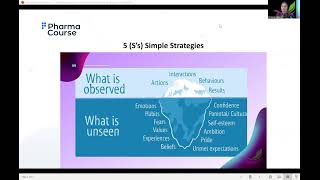
My name is Dr. Hanan Selim. We have a very interesting topic today. I think it's very good that we bring this information to you during the pandemic. Don't know what's going to happen with the Delta virus and everything else, so a lot of stress. People are stressing out everywhere, worrying about getting locked in and everything. So I think this would be a great way for you guys to, you know, get on board and kind of take some tools or tips and tricks, if you will, away today because this information you're not going to hear it anywhere in the world. You're not going to read about it anywhere in Google unless you Google me, because actually I'm the author of this system and I'm very happy to bring it to you guys and taking in the tools. And I'm not going to hold anything back So what I would suggest while I say hi to everyone who's joining, because that's part of my to-do list when I get on the webinar, is to perhaps grab some pen and paper so you could, you could write this information down so you don't forget it, because it's very useful, very unique, cutting-edge, scientific, evidence-based, you name it. It's very, very interesting. To say the least. So I would really hope that you guys stick till the end and really just take everything in because at the end of the day, I am a scientist and you guys are healthcare professionals. So I did my diligence, if you will, to make sure this is evidence-based, it's scientific, and it's proven so that you could just take it in and use it without any hesitation. All right, so let's see who's on the call. The— all right, so attendees. So I think I need to open— yeah, let me open the chat, just give everybody a holler. So yeah, so everybody, this is part of the deal. If you guys just could get on the chat and let's see who's on the call, where you guys are calling from, your name, your background. Are you a pharmacist? Are you a student, for example? Are you a doctor? Are you a specialist? Be really cool to be interesting to have everyone see where everybody is calling in from. All right, so we have Tala Osman, pharmacist from Lebanon. Hi, Tala. Roa, I think, the best Lebanese pharmacist. Oh, we have a lot of Lebanon on today. Um, Muhi Suleiman, Iraq, clinical toxicologist. Very nice. Marie, what is it? I think Marie, I think that is. Muhammad, good day. Marie or Marai, I think, uh, pharmacist from Libya. Okay, very nice. Yasmin, clinical pharmacist from Egypt. All right, all my Egyptian posses are on. Marwa, how are you? I'm also— this is— you could tell, right? I'm from Egypt too. Uh, okay. Roi, sorry. Okay, thank you. Ismail, I think, from Kurdistan. Sorry, sorry, I really, I have this tendency to butcher names, so forgive me if I don't pronounce your name correctly. Bashir, pharmacist from Iraq. All right. Rehav from Morocco, wonderful. Mikaela, pharmacy student from Philippines, but currently in Qatar. All right, well, welcome to you. Hajar, a hospital pharmacist from Algeria. Very nice. Okay, amazing. All right, so let's get started because we do have a lot to cover today. Abdullah, pharmacy student, Palestine. Thank you, welcome. All right, so let me go ahead and share my screen. All right, so yep, I hope everybody can see it. I'll be checking in once in a while to see if I'm like— if everybody could still hear me, see me, any questions. So I will be checking in, but in the meanwhile, I really want to get started, get you this information as soon as possible. All right, like I said, my name is Dr. Hanan Selim. I'm an international speaker, I'm an award-winning author, and I'm actually recognized as the pharmacist of the future, as well as recognized by the Global Gurus as the most influential thought leader in health and wellness. Well-being based on this fantastic system that I'm going to be sharing with you guys today. All right, so it's an interesting topic, I must say, in managing depression and mental health during stress. So make sure you guys get involved. Thank you so much for sharing where you're from, your name, your background. But let's keep up the energy. Let's keep up the engagement, if you will. So that we can get feedback from you guys and make sure that everybody is getting the information correctly. If you have any questions, by all means, please ask. And also, I wanted to mention something else. Yeah, it'll come to me, but let's continue anyway. Yeah, so I'll be discussing what we call, what I call the 5 S's. And whoever knows me and been on my webinars before, they know that I like to use 5 S's, 5 P's, 10, 6 H's, whatever, just so I could bring in a simpler fashion so that when you go away from the webinar, you can say, oh, 5 S's, and you could hopefully name what the steps are in a strategic way. And this is what we're going to be discussing, which is the 5 S's of simple strategies for overcoming stress that stipulates efficiency and productivity at work, as well as avoid leading to depression, mental health issues, and things of the sort. And we all know that this is not It's not good to be on this path because not only does it affect your mental health and your physical health, but of course your productivity, your career, and functioning properly in your daily basis, so especially during, like I mentioned earlier when we first started, especially during these times of change with the pandemic and a lot of uncertainty with the new virus and all that we've been hearing from the World Health Organization. I'm sure everybody's just sick and tired of hearing about the pandemic and the virus, but what to do? It's here, and it's going to be staying for a while, unfortunately. So our focus today is— or our webinar will be on the importance of self-care as a priority and some quick tools, like I mentioned, and tricks to quickly get you on the path from any kind of darkness, quote unquote. We'll define all this and get into diving more so you understand what we're getting to in this webinar that keeps actually a lot of people stuck and stranded in their own, what we call regret or self-pity or stuck somehow somewhere. So this is an interesting question. And I remember now about the engagement part where I want to see what you guys have an idea about what we're talking about today. Like, what is your definition? What do you feel, if anything, if you don't have any technical definitions, like what is your feedback of what mental health, for example, in this situation means? So I'll just hop on here to— if I can get to the chat. All right. Yeah, here we go. Chat. Yeah, so, uh, hi Fatma, how are you? Everything okay? Great, great. So yeah, I was actually posing a question to everybody. What is mental health mean to you? Is it like people who are like schizophrenia or having really locked up somewhere in a hospital room or taking a lot of medication like Prozac, antidepressants, sertraline, or things like that? What is your— because I see a lot of guests today and attendees from the Middle East. Part of the world. And, you know, in this part of the world, I think, um, a lot of things— a lot of people think it's kind of like taboo, uh, mental health or mental illness or, you know, um, that kind of word. Um, so yeah, uh, Karima, hi, how are you? Thank you for joining. So my question, everyone who's joined, and I'm gonna pick on you guys that if you don't answer, I'm gonna pick out some names and point you guys out as if we're in the same room, ask you this question. So I think it's Yasmin or Marai, Mohi, Ruai, Tala, Marwa. So what do you guys think? Yeah, is it— what is, what is it defining mental health to you? So Fatma, Nadia, Abdullah, Ajar, Michaela, uh, see, so next time I'm on the call, on the webinar, you're not going to put your name, are you? She's going to pick on me. No, uh, Marwa, yes, thank you for answering. The ability to manage stress in a healthy way. Did you Google? Did you go away and Google, uh, avoiding panicking, doing healthy activities to avoid depression? I like that, Marwa. Thank you, thank you for that. Nadia says mind peace. Karima says mental health is an important issue in my specialty in community medicine. Yes, thank you, Karima. Thank you. Okay, great. So this is your neck of the woods, if you will. Marwa, no, I promise I didn't Google it. Okay, thank you. I was just making fun. Ismail is emotional and psychological feeling. That's a good point, Ismail. Yes, you're going to— we're going to touch base on that. Thank you Thank you for sharing that. Marai, I think it is, mental health means to be free of any mental illness. Okay, Nasser says good afternoon to everyone from Algeria. Hi Nasser, thank you for joining us. So Nasser, tell us, you'll be the last one to answer, what is mental health to you? How do you define it or how do you feel? You know, you don't have to have any technical definition or anything. So Hodger says, I think it's a kind of satisfaction and inner peace. All right, awesome, very good. So I guess you guys are getting, are getting to what I'm trying to make a point. Yeah, so mental health doesn't mean you have to be any locked up in any hospital, you know, be on a bunch of medication, have any technical, you know, psychological issues like schizophrenia or anything like that. It's actually in our daily lives. And that's why it's very important to bring this point to everyone's attention because it actually includes, like someone already said, I forget the name, I think Marie or Marai, emotional, psychological, and social well-being. So you guys, each one of you actually touched base on each of these points. And it affects how you think, how you feel, and how you act. It also helps to determine how we handle stress, which we're going to get into that a lot today, how to relate to others, like relationships, how to make healthy choices. Okay, mental health is actually very important at every stage of your life, from childhood, adolescence, actually through adulthood, and we're going to actually tell you and give you some information, detailed information, of actually what each of these stages or phases of life, how that is going to implement and affect your decisions, your relationships, how you feel, your personal personality, even how you, how you perceive the world and things of the sort. Okay, so it's very good. So I wanted to take the time and get you guys your feedback so you are aware that it's not something that has to be extreme for us to be talking on mental health. So over the course of your life, if you experience any kind of mental health issues, that includes sadness to all the way to depression, your thinking, mood, and behavior actually can be affected. So there are actually many factors that contribute to mental health problems, and this includes biological factors, lifestyle habits, life experiences, what we call the story, if you will. And I'll define what I mean by that in a minute, what we call the story that can be created as a critical life phase. And it's going to be quite interesting to learn about you guys yourself today and actually take that forward to help others, whether it's your patients, your friends, your family, and everyone that you love. So it's actually contributed by not only your environment, like your work or like your relationship or going through a divorce or going through a marriage. That's stressful too, by the way. And it's also culture. It includes family, religion pressures, and it actually boils down to your environment. As I want to mention here, the point about environment, and I'll talk about a little bit what I mentioned earlier, that it's actually scientific and evidence-based. Because it used to be that we used to think that it's our genes, our DNA that predisposes you to disease. But actually, Actually, the cutting-edge modern science like epigenetics shows that, and it's proven over the years, that it's actually your environment that predisposes you to disease, whether we're talking mental health or we're talking physical health. Okay, and what do we mean by environment? So it's actually going to affect you psychologically and physically. So we're going to get into that a little bit, a couple of slides after this. So make sure you're able to, you know, focus and pay attention because there is a lot of stuff we're going to cover and I'm going to be going through a little bit faster. So I want you to make sure you absorb this information because it's very critical, especially, especially during these times of change. So I mentioned before, there are actually 4 phases in your life that we create what we call that story or understanding or creating that perception on life and how we handle stress actually is coming from those phases in life. So there is the first phase that we call the imprint period, and it's usually between when you're first born, 0 to 7 years of age. And you see next to it is that when we learn how to hide, right? So I'll give you a simple example. Like, we've all done this, I'm sure, you know, and when you did something wrong and mom asks you, did you do this? And your answer is like, no. So you're hiding. This is first way that you learn that you start to hide things, right, from— so you don't get in trouble. And this is actually triggered in a certain part of the brain. I will talk about that in a minute. So from 7 years of age to 14 years of age, there is something called the modeling period. You start to model your mom, you start to model your dad, your environment. You're— if you're school, of course, you're going to, you know, have your favorite teacher you want to model, or, you know, a friend that you think is pretty and you want to look like that pretty friend and things like that. So this is actually when we start to pretending, right? So hiding, pretending is actually not really negative or positive at this point. But this is a learning process that triggers that part of the brain at that time period. Okay, we're going to get that a little bit, um, that's the host. Okay, so socializing period is 14 to 20 years, 21 years of age, and this is where we start to prove ourselves, prove our existence, prove we're different, right? We know all those teenage years, right, when your mom says do this, you're like, no, I don't have to because I'm myself, I, I want to do this myself. You're all grown up, right? So this is when you, when you start to prove yourself or prove your existence. Okay. And then from 21 to 35 years of age is what we call your business persona. And this gets a little tricky because you start to have your ego. What we call the ego is when it really becomes strong and it's actually built on all those previous phases, which is your imprint period, your modeling period, your socializing period. And then you start to defend your beliefs, you defend your religion, you defend your culture, you defend your kids, you defend your husband, you defend your work, you can defend your career. You know, we— you know what I'm getting to, right? So this is actually, um, the ego that becomes developed, and you, you, you start defending your beliefs and everything else that goes along with it. And where does all that, um, come from? It comes from many, many sources that we mentioned earlier, which is your environment, and that These sources include your family, include your friends. And we're going to get into what I call— I actually developed and been researching it for over 17 years, and we call the environmental challenges that tend to go under the radar. And your mind or your story gets comfortable with it, if you will, and kind of, you know, it's part of life. It's what to do, you know. It's stress and everything like that. So it's actually these environmental challenges that actually build up and causes the mental health, that causes later even the physical health, right? And we'll get into a lot of that in a minute. But for layman's terms, it goes back to the epigenetics where we spoke about, where it's your environment that you surround yourself with that's going to affect you. Physically. Okay, the sources also include religion, include school, includes where you grew up, where you live now, this geography if you will, and of course economics. And we all know that finances is a big one for everyone when we're stressed, you can't somehow pay the bills. So Ayat Muhammad says, what is defending? I think I mentioned it, right? You're, you're, you're defending is your ego. So I don't, I don't want to, um, give anything to, um, to, to get ruffle your feathers, if you will. But let's say religion. Religion is a really, really, uh, hot topic for a lot of people. So what do you do? The first thing is you, you say, um, you defend, right, your religion. You, you defend, um, you know, hijabis. And I grew up in the US and, and wearing hijab, you know, you're defending my hijab, my religion, my right to wear the hijab, you know, like that. Um, Nasser says defending your valley is not— you're not defending our dreams. I don't know what that means, but yeah. So, well, see, don't try to— okay, so Nasser, I see what you're doing here. So you're trying— so don't try to put any negative, uh, connotation or positive. Because let it be, because that's just our human development. This is where we start getting these attributes or these tools. We could use them as tools, if you will, that we protect ourselves, right, at the end of the day. And we, we, we try to put ourselves, you know, and position ourselves in the world, how, how we operate in the world. And these are just you know, things that we developed over the phases of our stages in our life. So Nasser says, I totally agree with you, values more than dreams. Okay, yeah, so don't— like I said, please take it for verbatim. Don't, um, because I know, I know when with our minds you're like, oh, that's good, oh no, that's bad, no, good, bad, good, bad, and you try to, you know, figure out, well, is this good if I'm doing this? And I'm sure everyone going through this webinar, you're going to say, well, 'Oh, I'm doing that,' or 'Oh, maybe that's bad, I should stop doing that,' or, or 'Oh, well, I'm doing more of that, maybe that's good, I should do more of that.' Don't, don't try to, uh, for example, hijab is a value. Yes, well, it's a religion value, um, culture, um, whatever, you know, it's, it's, it's many things rolled up, right? So this is what I'm saying, it's, it don't try to, uh, categorize if this is good, bad value, or attribute. Just take it for what it is. Um, but holiday is a dream. Okay, now, so I guess you're looking forward to your holiday. All right, cool. Let's, let's, let's move on. Okay, so, um, now, now think of it this way. Let me, let me give you a metaphor. You have a car, okay? That vehicle needs petrol. In the US we call it gasoline, but, you know, for, for being in— I live actually in Dubai, so in this region we call it petrol. Okay, so what do you— what are you for? If you have a vehicle without petrol, it doesn't actually, um, do anything, or does it move? Right? So actually, this is where the 8 drivers— I want you guys to understand, because this is the petrol to these things that we've been talking about from these phases, whether it's hiding, pretending, moving, proving, or defending. Okay, so emotions is actually, as you see in that little picture on the side, emotion is actually energy in motion. So this is actually the fuel or the drivers. It's actually emotional drivers that kicks in these mechanisms or these tools that we talked about, which is defending, hiding, proving, and defending. I forgot them now. Hiding, pretending, proving, and defending. Okay. And we all have these because we're all over, I'm hoping, 21 since we're, you know, we even have students on here. Um, so we all went through all those phases and now we've developed each of these, uh, tools that we're talking about. So, all right. So let's talk about the first one. Okay, so a lot of professionals, like especially people who go on to get their bachelor's and then— sorry, master's and their doctorate, they're very much— and even you guys on here today, this is a big driver for you or else you wouldn't be showing up on this webinar, right? And growth and personal development, understanding, you know, getting the information, getting the knowledge, always being on the cutting edge, always being in front of, you know, having the resources, if you will. So this is actually a big driver for everyone on here because you want to better yourself in your knowledge and your skills. Okay, so personal development is actually an emotional driver for you. Okay, obliging or contribution is also an emotional driver. So I'll give you an example what I mean by that. So there's something called Dr. Beyond Borders, right, where they actually travel all the way to Africa, they devote their time, their energy, and their effort, and they're not really monetary anyway getting anything back. So you, you think that, oh, you know, they're not doing it for anything, they're doing it for their, their, you know, out of their heart and just, you know, paying it forward, if you will, and just trying to help others. But they actually are doing it, even if they're not doing it for financial gain, they're actually doing it to fulfill an emotional driver that we call contribution or obliging. So at the end of the day, what I'm trying to tell you guys is it's all going to boil down to one of these emotional drivers that drive you guys to do certain things and do it in a certain way. Okay. Another one is significance and self-worth. So again, if maybe you guys are on here because you're health professionals, you want to go on to advance degrees and, you know, doctorate degrees and more other degrees and things of the sort. So again, significance and self-worth is also going to be a driver for you. Love and belonging, being needed, is also an emotional driver. Achievement and execution, so what I would call that is you're always um, let's say, doing excellence. Like, excellence and achievement go hand in hand, kind of. And it's coming up, actually. Excellence is the next one. So it's not about you finishing a project, it's you finishing your project and getting an award for it, for example, or getting, you know, your boss saying, oh, this is the best, um, project ever done, or something like that, right? So you're always not only driving to do things just the way, you know, because you, you're just filling a task, but you go above and beyond to make sure that it's excellent in its delivery. Of course, diversity. So people like me who like to travel a lot, for example, like I've, I, I traveled all over the world, and diversity is a big driver for me because I like not only a change in, you know, going from, you know, Abu Dhabi to Dubai. No, I like a total change in scenery, if you will. So Morocco is on my list, by the way. Lebanon is on my list. Well, actually, growing up, when I was 4 years old, I lived in Libya as well. Saudi Arabia. I've been everywhere. So yeah, so diversity, I guess, giving you an example. Would be that people who want like change of scenery, change, a lot of change in their environment, diversity is a very, very big driver for them. And of course, security. I'll give you an example for that. So people who are frugal, they don't like spending money too much, okay? So they like to, you know, because they feel money is their security, so they hold on for a rainy day or whatnot, right? So that's a way— a security in a job and security in a relationship, like in a marriage. So security could be a big driver for, for people as well. So any of these actually is the fuel that will exaggerate those things that we spoke about in these phases. So if you, if you feel like you hide a lot or you you know, not pretend in a negative way, but pretending, um, that your marriage is okay because you don't want to divorce because of security. You don't want to lose that security in the marriage. Then you have to— and the security of losing your kids. Like, a lot of women go through that and pretending their marriage is okay, right? And they develop that somehow between the age of 7 to 14, uh, proving, proving your self-worth, for example, as, as well is in here. You see, uh, self-worth here, uh, number 3, significance and self-worth. You're always, you know, proving you're right, right? Um, and also in business persona, you're going to see this being even more exaggerated when you're dealing in life, dealing with people, um, and, and trying to solve a problem, situation, place, or thing, okay? Let me just take a breath and see who has, um, any question. So Hodja says, is any of those drivers more important than another? Absolutely not. Um, they're all, um, not in importance to me or anyone else. It's actually the more importance to you because you actually develop them more so, um, during one of those, uh, phases. So it depends on the circumstances. No, no, no, no. So let me— good question. Okay. So let me get out of this. So let me go here. So these are actually embedded. Okay. So another thing I should have mentioned, which is these phases are now part of— and these things are now part of your DNA. Right? They're what we— it's just like imprinted in, like, you know, your imprint on a fingerprint or something, or an eye print. They're actually— you cannot really change them even if you wanted to. You just could leverage them, understand this is what your drivers are, and you could actually focus them or fuel them in a way that's going to be benefit to you than work for you than against you. And this is what— why it's important that I mention these tools is because this is what happens with stress. I mean, I'm going ahead of the webinar, but just, just to drive a point home, is that when you get these, um, drivers working against you versus working for you and making it, uh, the emotional energy in motion, uh, being negative energy rather than positive energy. I hope that answers your question. Anybody else? Hi, Dr. V, welcome. Thank you for joining. Yes, so Hodja says, are we driven by them? Yes, we can't, uh, yes. So I'm gonna get into that. Okay, good questions, Hodja. Okay, just, just hold on. Let me just, um, bring it into focus a little bit at a time so that you guys, uh, at the end of the webinar, you're like, oh, okay, I get it, right? But if, again, if you have any still any questions at the end, please let me know. All right, so these are, uh, the 5 S's, and why we're talking— well, these are not the 5 S's, but let me explain why we need these 5 S's to begin with, these simple strategies, because just like Hodger had proposed a really, really good question is that, well, these are behaviors, right? Can you change your behavior? So a lot of people So say if, like, let's say dieting, for example, if I eat better, exercise, sleep better, and things of the sort, I'm going to lose weight, right? Easier said than done, right? Because if you try to change the behavior at what we call at the eye level or the obvious level of what I have here, this diagram of the iceberg, you're not going to really change anything, right? You have to go below the iceberg, below the water level, change those which is going to give you the results that you want, which is the obvious, what you can see on the top of the iceberg. So this is, I think, was like my best way to explain that you actually need to understand what's these drivers, what's, what's kicked in these drivers, as well as what phase it was kicked in, in order to be able to, like you said, control it or have it more useful in a positive way than a negative way and become all stressed about it and get stuck. Okay. I hope that makes sense. So as you see here, the right at the water level, you know, the first thing we look at is your emotions. And we discussed on that, right? The energy in motion or emotional drivers. Then right beneath that is what you develop with habits. Then these habits, or if they're not controlled, You have fears and then the values. We spoke about that. Someone mentioned it in their feedback on the chat, experiences and beliefs. And that also reflects in your confidence and also has an effect with the culture and the parental guidance. And, you know, if anybody on here knows what I mean, if you went through as a child your parents getting divorced, I mean, that's going to actually have an effect for you, on you, through— depending again if it was in the imprint period, um, the adolescent period, or the business persona or personality period like we spoke about, um, that's going to emphasize those, uh, tools, which is hiding, pretending, defending, and proving. Okay, so you see like everything kind of builds on to the next, and it may sound a bit complicated and overwhelming, and you feel like, oh my God, there's nothing we can do. And it's, no, no, that's not it. I'm just gonna— I'm just letting, uh, building the foundation will explain everything to you so that we— when I give you the tools or the, the, the understanding of what you can actually do about it, it makes sense. Okay, so what we're doing here with these, uh, 5 simple strategies is, again, we're looking— we're not having anything to do with the actions, the interactions, the behaviors, or the results. Okay, we're actually going below that which is unseen. That's going to actually have that ripple effect to the obvious in your behavior, in your results, in your control of the, um, getting stuck and controlling the stress and things of the sort. Let me just go in and see any chat. So how's your saying? Yep, thank you. You're welcome. Dr. Naz, hi, how are you? Good, thank you. Welcome. Maryam says sometimes understanding destroys has made things more complicated. No, no, don't go there. Don't go there. Don't get upset yet. All right, just wait. Hold on. I'm just, you know, laying down the foundation. Okay, we're going to go in and there's good news. There's good news. Don't get upset. All right. So and it's actually very good news because if you just take away that because you're behaving a certain way, it's not the end of the world. Okay, it's just a matter of understanding what is driving it. What is the emotional drive? What is it that I developed during a certain age period that we could understand? Because awareness is key. I think awareness is 90— I shouldn't say give that much, but anyway, 70, 60 to 70% of the solution. Okay, just being aware of this information and understanding where it's coming from is actually giving you control rather than blaming the husband. Because what happens usually in stress, we blame the husband, well, or the wife. We blame work or the boss. We blame the kids. We blame the school. We blame the teachers. We blame the finances. We blame our weight. We blame, um, I don't know, we, we blame, okay? We blame the— we, what we call, we do the blame game. Okay, and once we realize we don't need to blame anymore, because once you blame the husband, the wife, the, the finance and everything else out there, you're actually giving control away from you to it. You're giving that energy in motion that you should hold on to to get the results and be driven by it to a positive outcome. You're losing that control, you're losing that energy, you're losing that potential that you actually should be in control of to get what you want in the end, and the results, the behaviors, the interactions, and the actions in the end. So what this is, um, I'm trying to do here is just allow you to say, don't blame even yourself, because again, when you start blaming is when you lose control to that which you are blaming. You have to start looking inward Right? In the US, we have an expression: don't look at the index finger, look at the thumb. Right? When you're pointing, don't look at what you're pointing at. Actually, you should be pointing with the thumb. Look at you. Okay? What can you— what have I, or what has happened? What is the story? What is the emotion? What is the energy in motion, if you will? That is creating this in my life, that is giving this stress in my life. Okay, I actually, I went on a tangent here, but I'm very passionate about this and I love your questions and your interactions that everybody— so I want to make sure I get you the, the in-depth, uh, answer and just, and not just giving a yes or no kind of thing. Okay, but thank you so much for that question, it was very, very good. So Bashir, what you call people who make our success easy and not worthy. So I guess this is a perfect example of Bashir blaming. So yeah, so don't, don't say, oh, it's the boss, he gave it to, you know, I'm senior, I've been working here for 10 years, I'm supposed to get the promotion, not, you know, Smith here, John, who just hopped on 6 months ago, and now they're giving him. It's not fair, it's not this, it's Once you do that, you're going to give that power to the 6-month person who just joined and power to the, the boss. Okay, when in really in reality you should focus and say, oh, okay, so why did I lose out on this, right? What can I do better? What can I focus on? What is— why is he getting hired, uh, or getting the promotion rather than me? What skills does he have that I don't have? You know, it's asking the right question rather than blaming, I guess, is what I'm trying to bring to your attention. Okay, anyway, so here are the 5 S's, or 5 simple strategies for overcoming stress. Like I've been talking about, what is the story? What is the root cause? What is happening? What is the emotional drive? What are we doing? Are we pretending? Are we hiding? Are we proving? Are we defending? Is our ego in the way, right? Is it my way or the highway that we have an expression in the US, right? No, it's, is it your opinion or my opinion or the right opinion, right? So it's always, it takes two to tango, like we say, right? So it's all, look at your story before we look outside of us, because when we give, when we look within and we take charge and we take in control, Okay, we are in power. So this is— Roger, I think you're the one who asked the question— this is where you are in control. And once you are in control, you can thrive instead of just survive. So one of the things is story. What is the story? What is the root cause for, uh, happening, or, or this stress that is happening? And then we want to talk about the stress relief. Okay, how do we release this? Stress. And we want to create SMART goals. I'm going to be talking about that. I'm coming off on a tangent, but I really, really want you guys to go away with this, being empowered, and hopefully paying it forward to people around you, because then, you know, the world would be at ease. We could focus, we could find the solution to the situation instead of creating more problems, stress, and then get them on the wrong path. Okay, so SMART goals. How do we create SMART goals? And I'll talk about that. Really, really important. And you guys, if you don't have a pen already or pen or on paper, please, please go ahead because I'm going to go through these exercises with you and make sure you get some practical things that you could actually start learning about yourself and implementing. Okay. And the fourth S is Speedy Achievement and System Detox. Okay, so let's get right into it. I'm just really quick look at the chat. SMART goals, Karima said. Yes, SMART goals, actually. So this is actually an acronym, S-M-A-R-T. We're going to get into that, what they all mean. And I'm trying to really, really simplify it. Make it practical for you guys as much as possible, so you guys could actually start implementing this stuff, right? So specific measure. Yes, yes, yes, yes, exactly. Yes, reliable. Yes, yes, very good, very good, Karima. Yes, very good. Yes, yes, we're going to talk about that. Just give me a second. I didn't make that up. Yeah, that's— I'll let you know which one is my thing and which one, you know, I borrowed. All right. Story. Okay, so like I said, how do you find the story? Well, first check your habits. Okay, remember that iceberg we showed you? Okay, there's the habits, there's the fears, there's the emotions, and, and things of the sort. And that have to do with hiding, defending, pretending, and proving. So that's number one. What do you— be honest, actually, if you really, really want to benefit from this, Don't let ego come into this, right? Put it on the side for just this, for the next 20, 25 minutes, okay, until we finish this webinar, okay? Really, really be honest with yourself and take this, um, as a, as a new perception or a new way to handle, um, maybe certain things are happening for you guys right now in your life and you're not finding the solution. You're feeling stuck, you're feeling afraid, you're feeling all these these really, really, um, difficult emotions, if you will. So this is time to, you know, clean house, look at your life, look at what actually you're doing that you can actually change and be responsible for and take back control. And that way you're going to be finding the solutions, okay? So look at your life. Are you hiding things a lot? Are you defending? Are you pretending? Are you proving? And one of the things that will trigger you, I'm letting you know, know right now, as we are going through this webinar, you're going to get triggered. You're going to have certain memories come up. You're going to have certain, you know, defenses or ego might come up, whatever. Let it be. Just, just observe it for now. And then, you know, go back and look at this more detail. Okay. So check the source. Now, okay, I'm defending a lot, and you could tell actually here. Let me just go back a minute. Here, you'll remember an experience, you'll have some memory that might come up during this conversation, right? And you'll realize, oh, I was actually 7 years old, or I was 14 years old, or I was 15 years old when you know, this memory happened, or actually, you know, 22 years old, things like that, right? Well, you know, actually just from the age of the memory, you'll know actually which of these are actually corresponding and finding yourself. All right, then you ask the question, am I doing this? Let me just move forward. Am I actually hiding, pretending, defending, or proving? Because these are defense, these are your defense mechanisms. Okay, and again, now, was it with a family member? Was it with— from a friend? Was it in school? What is the source of this, um, habit that I've developed? Okay, and then write down the top 10 reasons for doing that habit. Okay, this is very powerful when you write down those 10 reasons of hiding, defending, pretending, or proving, what I want you then to look at the answer number 5. Okay, so if you want to like just, um, while I go through the webinar, actually do this because I won't tell you why the answer number 5, because what happens is we're very smart human beings, okay? So we set up ourselves to get that answer right when there is no right or wrong answer. Right? It just is. And if you try to get the right answer, make it positive, make it, you know, not that bad, or just so you feel good about it, right, you're defeating the system. You're trying to defeat the system, which is not going to— it's not going to benefit you. So if I were you, just, you know, while we go through this, I know you're going to try to listen, and get the, you know, get the information as we're working. But if I tell you why it's number 5, you're going to set up yourself for getting that right. Okay, so I'll tell you at the end. I'll tell you at the end of the webinar. If I forget, please remind me. Okay, so let's look at the chat really quick. Dr. V, very informative, interesting session by speaker. Thank you, Dr. V. Appreciate that. All right, cool. So what's the next S? All right, so stress release. Now, I don't mean go do yoga or meditation. Yeah, beautiful tools and techniques. And I don't mean go like on the Himalayas. And I would love to do that, by the way. But these are really actually very practical Very easy, but very, very powerful. And I would really, really advise everyone on here to try it out at least for 30 days, okay? And then see how you actually start looking at life, looking at your relationship, looking at the finances, looking at work, looking at the boss, looking at yourself, okay? Whole different ball game. And then you'll be in control won't have to worry about getting stuck or stressed and becoming more resilient in finding the solutions. Okay, here's the big one: brain training. By the way, this is my, my stuff, okay? Didn't borrow this. This is my research, science, evidence-based, all the, the whole nine yards. Okay, so brain training. What is brain training? So look at it this way. When you go to the gym to really strengthen your muscle, right? You're, you're, you're doing it every day, every day, or to lose weight or whatever, right? So what we're, we're doing here is brain training, is strengthening the mind. When you strengthen the mind, everything else falls into place, okay? So you start releasing happy chemicals, healing chemicals, and actually reducing that which is the opposite, like cortisol, inflammatory chemicals in your body. And how does this work? Well, in the morning, before you reach for your caffeine, before even getting out of bed, you would count from 100 to 1 backwards. 100, 99, 98, 97, 96, 95, 94, 93, 92, 91, 90, and so on. Okay, what does that do? See, when you count from 1, 2, 3, 4, 5, it's, it's actually not going against the— it's making it difficult for your mind to, to— how do I call it? It creates resistance for your mind. Okay, so when you create resistance, it forces your mind to pump that happy chemicals, healing chemicals, right? And gives you a lot of focus and a lot of energy. So I have people who I've worked with anyway that were able to kick the habit, whether it be caffeine Coca-Cola, whatever that were, they were, were their go-to energy drink or whatever, they gave it up because they find that this brain training actually gave them the focus and the energy to focus on that what you do want rather than what you don't want. Okay, so it's worth mentioning this really, really takeaway information for you why this is so powerful. So the mind doesn't um, it cannot focus on two negating factors. What does that mean? Meaning that just like the sun and the, the moon will not appear at the same time, right? It will only focus on one thing only. So while you're focusing on the negative, like for stress and being stuck and sadness and depression, if that's what you're focused on, that's what you're going to get. So when you train the mind to release these happy chemicals, forcing it to release the happy chemicals and the healing chemicals, it's kind of hard to focus on the negative because you're releasing the happy chemicals to only focus on that which is positive. So you're always pushing your mind to focus on that pathway rather than this pathway. For example, you cannot be happy and sad at the same time. You cannot be excited and calm at the same time, right? And that's because your mind cannot be focused on both at the same time. It's one or the other. So it's actually training your mind to be focused on that which is positive, releasing the chemicals which is going to help you and work for you rather than against you. Okay, the next B is breathing. Now I know a lot of people who heard about yoga and meditation and the breathing techniques that's out there. But this is actually the simplest way to get those, again, happy chemicals or those healing chemicals and put your brain on the right track rather than the stress track. And that is 6-6-6 breathing. And that just basically takes— take 6 breaths in on the count of 6, hold your breath on the count of 6, and then release your breath on the count of 6. Or more. Okay, and that again does the same thing for the body. Now the peripheral vision or move the body. Okay, so body is not actually— I'm talking about, you know, exercising or things of the sort. No, technically, technically, okay, I'm sitting right now and I'm talking to everyone on the call, right? And all of a sudden I started saying, oh, everybody hates me on this call, nobody's getting it, they think I'm a crazy person, you know, all these negative things going through my mind, right? But what I can do then is if I get up— I'm not going to get up now because I guys have you guys on here— if I get up and actually walk from where I'm sitting. So if I'm sitting, I stand up. If I'm inside, I go outside to my balcony, for example. If I'm inside, I go out and take a walk, for example. If I'm in one room, I I go to another room. If I'm watching TV, I go to the kitchen. Literally, literally, the position of your body will shift your mind. So if you're in a situation sitting and you're thinking these things, as soon as what happens on the outside of your environment where you're at is going to change that which is on the inside, which is your mindset. I hope that works. One more point that I want to mention to you guys that why this is really, really effective is because it actually takes literally 3 seconds to go from negative to positive, which is really, really cool because that means that before you dive in deep into that negative pathway of stress or depression or mental health issues, you're able to pull yourself out, taking the advantage of those 3 seconds and get back on track. If any of these tools, they don't take more than 5 minutes, and that's all you need to kick you out of that negative pathway where you're going to end up getting stuck and not finding a solution and diving even deeper into whatever depression, sadness, and stress. Okay. Let me just see if anybody is on here. Yes, deep breathing exercises. Yes, Ahmed, thank you. Yeah, so I'm just sharing, um, these 3 Bs really, really worked. I've worked on them, um, and it's the simplest thing. And see, if you're going to take out time to meditate, or you're going to take an hour to meditate, By the time you get there and trying to control the thoughts in your head, trying to control, you know, your body being centered, trying to control the environment, shutting up the kids, shutting up the husband, or whatever it may be, right, you're already beyond the 3 seconds. You're actually beyond the 15 minutes or even 5 minutes, right? And then you get stressed and then, you know, then you don't get the results. But this It's like, it's like an anchor before you get into that path because it's really, really difficult or it's not like, you know, unbearable to get out of it. But it's worthwhile to have some kind of anchor to get you out before you're in. And it's a lot easier, you know, as healthcare professionals, that prevention is the best cure. So we have an expression in the US, um, an ounce of prevention is worth a pound of cure. This is the same thing. If it's— if you can prevent getting stuck, getting into stress, and getting into this negativity, then it's better than trying to fight it. This is not fighting it. This is not— this is allowing yourself not to get into it in the first place. That makes sense. Okay, here's the SMART goals. I think it was Karima. I think it was Karima. Yeah, Karima, here's your SMART goals. Okay, so Karima, go ahead. She said it already. SMART: S, specific. M, measurable. A, attainable. R, relatable. And T, time sensitive. Why is this important? Again, we're— what we're— the topic here is not to get stressed or depressed or any having any mental health issues. Right? Because the way I describe it— I love metaphors— is because let's say everyone here is— we're in a boat, okay? And we have two oars in the boat. And if you don't have goals, if you don't have destination that you're trying to get into, and that's like leaving the oars in the boat and just letting— allowing the waves and the sea to take you wherever it wants. And usually 9 times out of 10, it's not going to be a place you want to go. And that's where we get stressed. That's why we get upset. Why I'm not getting this? Why I'm not getting the promotion? Why I'm not getting— why isn't my spouse understanding me? Why are my kids not listening to me? Why am I working so hard and I don't have a million dollars in the bank? Whatever. Okay, you need to have SMART goals in order to get that which you do want and not what you don't want. Okay, so again, we spoke about the 3 Bs to get you the focus and the energy. So what are you going to focus and get the energy for? right? Not to spend it on that which is— you cannot control, but to spend it on which you can control. And this is where SMART goals become very, very useful and very, very helpful. So what you want to do is you want to— in every, um, I don't know if I have it here. Yeah, I'm going to talk about it, how to get the SMART goals. Okay, so, so basically what you want to do is create what we call end goals and means goals. So I made here an example, okay? Finances, family, health, and career. These are usually the 4 big ones that everybody is wanting to improve one way or another, right? Either your health, your finances, family, or relationships. If you, if you're not married or if you don't have a family, you know, we could talk about your extended family, parents, family like this. Or it could be, um, uh, relationships, right? Whether it be relationships at work or whatnot, you could change that to relationships and then career and so on. Okay, now what is it that you want? I know this is the million-dollar question, so I'm asking you, what do you guys, each one of you, what do you want in your finances? What do you want for your family or your relationship to look like? Like? What do you want your health to look like? What do you want your career or whatnot, whatever quadrant you want to look at, right? And then what I would do is I would then score from 1 to 10 each of those quadrants. For example, 1 being the worst, 10 being the best, okay? So do you score finances being the best as 10, family being 1, health being 4, and career being 7, right? So where do you start? You start with the lowest mark. So I think finances was one. I would go straight to finances, right, and start with that as your focus of your, your goal. Because believe it or not, your wheel of wellness is all of these combined. Your life is all of these combined. They're not— the way I structured it is for your mind to understand how you should use this system. But in actually, if there's something wrong in your finances, it's going to affect your health, it's going to affect your relationships, and it's going to affect your career. Okay, so either or, your relationship is going to affect your finance, it's going to affect your health, it's going to affect your career, and so forth. So they all have affecting on each other. But the one way, and the easiest way, and the fastest way, is fix that which is the lowest and the one that's crucial that's going to be able to, be able to leverage it on all those other areas like your relationship, your health, and your career. Okay. Now, what is this end goal and means goal? So I won't ask— I usually ask this point what every— what it means for an end goal or means goal, but I'll just, just explain it because we already ran out of time. But I want to finish this and give you guys all the information. So the best way to explain it, I'm in point A, I'm standing here, point A, and I want to go to point B. And from point A to point B takes about 6 steps to reach. Okay, so point B is actually my end goal. These 6 steps to get to point B is what we call your means goals. Okay, so I hope that makes you understand what I'm getting to. So once you have a goal in your finances, like I don't know, I want $1 million by 2030. Okay, let's take finances, for example. Okay, so $1 million is not gonna just pop up in your bank account, right? You have to do something to get that $1 million. What are those steps that you're gonna get to having that money that you feel will give you whatever, financial freedom, or success or whatever your goal is in that quadrant that you're looking at. Okay, so what you need to do is then take that quadrant and create the steps that's going to lead you to achieving that end goal. I hope that makes clear. So when you get goals, you want to focus on what you want that's going to give you happier, healthier mental health. Health, okay? Because if you're stressed about finances, you're stressed about your relationship, or I'm not saying all of them are together, uh, you're stressed about your health, or you're stressed about your boss or your career, that's going to affect your mental health. It's going to give you the stress that you don't want, because then you're going to not be able to achieve everything that you're set out to do, okay? Let me just really look quick. Marwa just graduated, so I really want a job, but I'm so afraid of failure. So career and finance. Okay, so I— what I would do instead of saying— because, okay, so your mind is very clever, very clever. Okay, so on, on the surface, what we saw about the iceberg example, it's going to be obvious to you that career and finances are key. But if you don't have the confidence, and if you have all those issues that's underneath the iceberg, that water level, it's, it's not going to give you— I mean, you're going to— you— I'm not saying you're not going to get what you want. I'm just saying it'll be easier, faster to get what you want if we clear that which is only underneath the iceberg to get the results and the actions that you want and the behaviors that are on top of the iceberg. Okay, so don't, don't— you need to do the work. and I'm giving you guys the system. This is it. It's just taking action, right? Going through these simple, simple strategies will get you at least, if not all the way there, but at least on the right track to getting there. Okay, now let's talk about the system. Okay, so your overall actually mental health and well-being should be considered as your responsibility. Everything in your life is your responsibility. Everybody takes that as bad news. No, it's actually good news. When it's your responsibility that it's gone bad, you have the solution that's gone good. Because guess what? You created that which is the situation you're in, on purpose or not. Is it from defending, hiding, proving, or pretending You know, so do the work, investigate, be your own detective in your own life, and find out what is actually hiding behind the scenes underneath the iceberg that you could actually look at, improve, and that will get you the results that is your, um, obvious scene above the iceberg. Okay, so in other words, you want to be proactive, you want to understand your habits and your source that we spoke about a minute ago on the previous slides, and you want to be focused. And how do you get focus and energy? We spoke about the 3 Bs. Okay, so this one I really want to— I don't want to skip it because it really, really drives the point home. Okay, now you know these guys, uh, Warren Buffett, and which is the biggest, uh, investor, biggest billionaire in the world, and of course everybody knows Bill Gates. So it's interesting, they were both at this conference and someone asked them a really, really interesting question and they said, what is the one, one thing that led to your success? One thing only. And they both answered it in the same breath, believe it or not, and they said focus. Their focus— they focused on the one thing and one thing only. That's what made their success. So this is a point to be taken. If the biggest billionaires out there understand this, and it's very simple, okay, not getting stuck. So in other words, if you want to talk about investment, you don't go to Bill Gates, you go to Warren Warren Buffett because that's his focus. And if you want to talk about Microsoft or technology, you go to Bill Gates, not Warren Buffett, because that's his focus. So just to drive the point home, focus is key. These 3 Bs are very, very important. Understand the, the sources and the, and the things that's going to get you stuck out of the way and become proactive and take responsibility for your life. So here's some takeaways for you. I would look into, of course, we talked a lot about taking responsibility for your life, the habits of eating well, sleeping well. Of course, if you do have extreme case of depression or any of those, you know, technical issues where, you know, whether it be suicide tendencies or anything like that, you do need to of course, go into checking therapy. Of course, conserve your energy. We talked about emotion, energy in motion. Of course, movement is key, whether physically with exercise or what we talked about with the third B. Um, actually, I forgot to mention one, uh, body, uh, which I, I should— I showed it to you on the slide, which is peripheral vision. If you really want to expand your awareness Okay, because sometimes when we get stuck, and this is really important, I want to take an extra minute to talk about this. When you're stuck, you're focused, you have focal vision. Okay, so let's, let's take this phone. So when I'm stuck, I'm looking at the problem, my, my both my eyes, my energy, my focus is on the problem. Even though the solution might be right here, I don't see the solution. I don't see being in control and I get stuck because I'm too focal vision. So what is the opposite of focal vision? Is something called peripheral vision. You open your awareness and it's quite easy. So what you can do is if anywhere in your room, just try it today for like for the heck of it, right? This crazy lady giving me all this weird stuff to do, but anyway, just try it. Give it a go. And then when you sit anywhere, like I'm sitting right now, and right in front of me in my room, I could find a small black or small dot in front of me that I could focus on for 5 minutes. And without moving— if you want to just Google it, peripheral vision, how it's done— but I'm, but I'm letting you know, without moving my eyes or moving my head I try to take in my surroundings, okay, while I'm focusing on this one thing on the wall or on the closet or whatever, the small, small piece or dot. I could actually, without moving my eyes, I could see what's in my right hand here, okay, and I could see what's on my left side, and I take everything in. I start naming it, right? I see what's on the ceiling, okay, I have my ceiling fan. And I see what's on the floor, carpet, shoes, things like that, microphone. I could see the screen, you know, take everything in without moving your eyes or your head. That expands your awareness. When you expand on the outside, like I mentioned, you expand your awareness on the inside, and it allows you to focus and find the solutions. Okay. So, in conclusion, by applying these lessons we have identified on the webinar today, capitalizing on what I call your innate resources that we learned from our experiences, and that mental health can turn this— your goals— I'm losing battery, one second. Mental health can turn your goals, your health, and your happiness into reality. To drive the transformation, use what we call your emotional drivers for you, not against you, and that's where you get stuck. So mental health affects your overall well-being at all levels, including your finances, relationships, career, even physical health across all your life. You need to develop the proactive control over your environment that's affecting you physically and psychologically. That we mentioned is actually based on science, and it's called epigenetics and research. Control over your life is not blaming that which is outside, like people, places, and things. That's where you lose control and get stuck in stress. So a specific SMART goal gives you the capabilities to enable and sustain changes towards ways of working. Thank you so much. I really, I'm sorry to keep you guys waiting till the end longer than I should. You can't hear anything? My, I'm so sorry. Hopefully, um, if, if, um, Arthur, you're on here, if you could send over the recording, that would be great. Marwa says thank you so much, absolutely great session. Thank you for listening to me and bearing with me. I hope I was able to give you that practical information and you guys do it and put it in use. So focus— Karima says I must focus on study well to succeed in my exam, get good job to improve my salary. Okay, good. Um, so, but I would do, uh, Karim, I would go through the, the steps, okay? Because that's what your, your mind just give me the, the answer when you don't need the answer. You need to go through the process, ask the questions, and then get the answer, if you know what I mean. So go through the, the information that we got you guys today. Really nice. Um, Michelle, very inspiring. Thank you. Miriam is saying very informative session. Thank you. Welcome, Rehab. Thanks a lot, Dr. Hanan Selim. You're welcome, Hodger. Thank Thank you very much. I learned a lot and willing to apply it all. You're welcome. Uh, Joel, thank you so much, an eye-opening discussion. I hope so. Thank you. That is why, you know, I'm really on here and really drilling in the information, trying to answer as much as possible so you guys actually benefit from this information. And Mariah, thank you for your informative session. You're welcome. Abdullah, thank you, Dr. Hanan Selim Selim. You're welcome, Alia. Why do we choose number 5? Oh yes, thank you. Okay, oh, anyway, if you guys didn't do it, so here's the thing. Number 5, no, okay, so let me get out of here. All right, let me go back to the iceberg. I think when it becomes visual, you'll understand. All right, here we go. So remember when we talked about the top of the iceberg and below the iceberg? Okay, so number— so when you, you start thinking and you start writing from 1 to 5, is actually your conscious mind. Your conscious mind is what you think is the action, the behavior, the results, and the interaction, what is observed on the top of the iceberg. Okay. 5 through 10 actually dives deeper and it goes underneath the iceberg. Some emotions, some habits, some experiences, some beliefs might come up, some values, any of those mixtures might come up. Now, what's interesting, if we, if we say the iceberg, on top of the iceberg is 1 through, um, yeah, 1 through 5, and then below the iceberg is 5 through 10. Now look at the water level. So the water level is that word which is the agreement that your conscious and your subconscious agreed upon, and that usually, usually is your root cause and the point of focus that you should indulge in and find out why that word came up. And what I would do is I would write that word, number 1 through 10 under that word, and then go through the process again, writing all the words, one-word answers that's related to that that beginning word and look at number 5 again, take that word, and then it just allows you to dive deeper through the layers between, below the iceberg level, and to explore the emotions, the habits, the fears. All those words are going to come out in those, um, numbers that we just did. So thank you for reminding me. Oh, I would have been very upset chat if we didn't— if I didn't answer this. If you can name 10 reasons, um, no, you will. Okay, so good question. Thank you, Maryam. All right, so remember we talked about the 3 Bs to focus, right? So what I would do when you go away from the webinar, just sit, take a deep breath, relax, do one of the 3 Bs, whether count from 100 to 1 backwards do the peripheral vision, which is focused on that one dot, and then take everything in, or do the breathing. I would do the 100 to 1 first and then look at your— start writing the 10 reasons. And when I would talk about the 10 reasons is one word. Don't write sentences, because when you start writing sentences, you go like I was doing earlier on the webinar, is you go on on this tangent of talking about a lot of things without actually coming back to the subject. Okay, so what I would do, and I wouldn't fight it, like I wouldn't say pizza, like I'm talking about that, or I'm talking about this, or if I'm talking about that and then pizza comes up, or fries comes up, or like you, you start arguing with that. What is that? Must be wrong. That might not— must be right. Don't argue with it. Whatever comes to mind, write it down, and it always means something, because the more it doesn't make sense to you and obvious to you on the type of the iceberg, the better, because that means you're just diving even more deeper underneath the iceberg. I hope that answered your question. All right, so mental health is a person can do with regard to their physical, psychological, emotional well-being. All right, uh, so Suggest me some good books for mental health and fun psychology. Okay, you could read my book, Sarah. It's called Second Chances. You could find it on Amazon. I discuss all this on that book. Okay, which mental disorders are related to this pandemic stress? Stress and sadness, depression, stuck, all the things that we mentioned on this webinar. Ahmed says, this is Dr. Ahmed Ibrahim from College of Medicine, Zaku. Iraq, thank you for the nice, very good lecture. Okay, you're welcome. Certificate, so you could ask Arthur on that. All right, so I guess we ran out of time. Uh, thank you so much, you guys. Oh, let me go to the— if you guys have any, uh, questions, or I guess want to reach me, you could contact us here. @pharmacourses. All right, thanks, Sarah. Thank you, Maryam, everybody. Hadjar, uh, Kenan, I think that's Alia, Moray, Abdullah, everybody. Thank you so much, and, uh, see you guys on the next webinar.
More from Dr.



Deep Shifting Method to Clear Problems For Paying Clients (and for yourself) in 10 Mins or less!