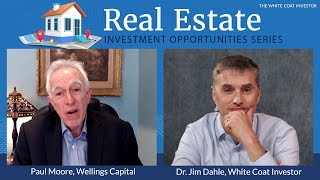
This is a YouTube video titled "How to Succeed Investing in Self-Storage" containing a discussion about the impact of high interest rates and housing market conditions on self-storage returns. The conversation involves at least two speakers analyzing market trends, investment strategies in tertiary markets, and operational improvements in self-storage facilities. The content is from July 18, 2025, but does not include Jim Dahle as a participant.
People aren't moving as much the last year or two due to interest rates being higher and having to swap a 3% mortgage for a 7% mortgage as well as housing prices continuing to be high and climb due to supply shortages. How is that affecting your self storage returns? With people not moving, are they not putting their stuff into self storage?
It's absolutely affecting self storage. You guys probably all notice that if you're anywhere near a medium sized to large sized city, there are storage that have popped up everywhere in the last decade. So you've got an oversupply problem first of all. Secondly, you've got a big boom from COVID that's certainly slowed down since. And third, you've got this lack of people moving. And this is why I didn't mention this very clearly, but Wellings Capital loves to invest in tertiary or even smaller than tertiary markets. Imagine investing in ishpeming Michigan population of a few thousand. We have a very large self storage facility there. That's absolutely crushing it. Beeville, Texas I mentioned that one other small towns like Grand Junction, Colorado, when you invest in tertiary markets and you're getting these assets that are extremely poorly managed. I can tell you stories of homeless people in the one in Las Vegas where my operating partner acquired it, kicked out the homeless people. It's illegal and unsafe for them to live there anyway and double, basically double the income in a year of that facility when you get deals like that. The macroeconomic factors you mentioned, Jim, don't play as big a role.
The hosts of the White Coat Investor are not licensed accountants, attorneys or financial advisors. This podcast is for your entertainment and information only. It should not be considered professional or personalized financial advice. You should consult the appropriate professional for specific advice relating to your situation.