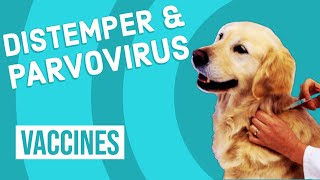
Dr. Lara (Lera) Clone explains what vaccines do, the components of the distemper-parvovirus (distemper, adenovirus, parainfluenza, parvovirus), why leptospirosis is often given separately, and why distemper/parvo is a core vaccine (along with rabies). She describes how maternal antibodies (colostrum) influence the puppy vaccine schedule, demonstrates giving a vaccine (right shoulder, 25‑gauge needle), and lists common vaccine reactions (vomiting, diarrhea, sleepiness, injection‑site soreness) with timing (within 1 hour to 3–4 days).
Chapters
Hey, guys. Dr. Lara here today. I'm here with Alexa. Alexa is here today for one of her vaccines. And as you guys can tell, she is nervous. You know, that's why you see the trembling in the Pantene. That is something that is very common. Just think of it like kind of when you go to your doctor's office, or at least I know when I was little, or even now as an adult, when I go to get blood drawn, I get nervous as well. And so the vaccine that she's going to be receiving today is the distemper parvo vaccine. Now, vaccines, what exactly is a vaccine? The purpose of a vaccine is to go ahead and help the body create immunity against certain diseases. Now, the vaccine, the way that it does that is they have different particles. Some, sometimes there are killed virus. We have what are called killed virus vaccines, and then modified live virus vaccines. And so what we do is they go ahead and they mix something in with the vaccine or with those particles that cause. Purposely causes inflammation and then causes the body to come in to investigate what exactly is going on, take that information back, and then go ahead and retrain the rest of the immune system on how to go ahead and defend itself against whatever particular organism or viruses are in that particular vaccine. In this particular case today, the vaccine would be distemper, what we call distemper parvo. And so the vaccine is actually called distemper. It has distemper virus in there, it has adenovirus in there, it has parainfluenza, and it has parvovirus. It does not. The vaccine that we use does not have leptospirosis in it, because it is one of the parts of the vaccine that causes the most allergic reaction. So we separate that out. There are a lot of other. There are other veterinary hospitals that do feel comfortable giving that particular lepto and December combo vaccine together. We. I prefer not to. Okay, so parvovirus. What is parvovirus? Parvo is a virus that attacks cells that reproduce very quickly. Those are typically cells that line the intestines, also white blood cells. And sometimes the parvovirus can also attack the heart cells. So sometimes what will happen is the patient's immune system will drop so low that they're kind of like a person who is immunocompromised or immunosuppressed. It's kind of like an HIV patient. Sometimes the December. That is something that can be treated if they're treated aggressively. Most dogs actually recover. But it is something that does require aggressive treatment. Especially if the dogs are getting from it. Okay. Distemper virus. Distemper virus is a neurologic disease, and that means that it attacks the brain, typically will end up causing seizures. There is no treatment for that particular disease. It is something that if the dogs get it the majority of the time, as of right now, it is fatal. So it really depends on the prevalence of that particular condition in your area. I live in Miami, and I know that in Miami, the prevalence of that particular condition is very, very high compared to where I practice in Coral Springs Parkland. In this particular area, it is nowhere near as prevalent. And so that is one of the other things that is in this particular vaccine. There's parainfluenza, which is, again, like the influenza virus. That is not something that's super common, and if it is, it's something that we don't typically end up treating patients for. And the adenovirus is something that sometimes causes some GI disease, maybe could potentially cause some hepatitis. So those are some different things. This in particular is considered what we call a core vaccine, meaning a major vaccine for, you know, defending against the most common illnesses. Rabies is the other core vaccine. Those are the only two vaccines that I consider core. Anything outside of that is not considered a core vaccine for me particularly. Okay, the. This is the last vaccine that Alexa will be getting for the December and parvovirus vaccine because she is still a baby or just kind of finishing up her baby series. Puppies will start off with a. They'll drink their mother's first milk. That first milk is what we call colostrum, and it has some antibodies, which are some things that help to defend itself against different illnesses in the wild, not parvovirus and distemper virus. And then over time, those antibodies will drop. What ends up happening, though, is if you give a vaccine in the time frame while those antibodies are still high, those antibodies will interfere with your body's immune system having what we call long lasting immunity. So that's why you'll see veterinarians give a series of those vaccines to puppies and kittens, versus when I get an adult dog or an adult cat in, I give one vaccine, and then typically between two to four weeks later, I'll give a booster. Okay, so right now what I'm going to do is Alejandra's going to help me give this vaccine. Normally, we give the December cargo vaccines in the right shoulder. So we're going to go ahead and give this in the right shoulder. If you can hold for me, e I'll kick it off. Let's see here and then let's see here. So we use a 25 gauge needle just to go ahead and let's see here. Sometimes dogs will Yelp. 1, 2, 3. Alexa is a champ. No yelping, nothing. The vaccine sometimes. Let me check. Check my notes real quick. Make sure I'm following everything. Vaccines sometimes can cause reactions. You guys can watch the video. We have a video that talks about vaccine reactions to give you a 10 second version. Vomiting, diarrhea, sleepiness, soreness at the injection site. Those are the most common vaccine reactions. If you have any concerns, reach out to your veterinarian. Let them know. Vaccine reactions can happen typically within an hour to three to four days. Other than that, if you guys have any questions about this particular video, please leave it in the comment box. If you found this video helpful, please give us a thumbs up. Subscribe and if you know somebody who needs to watch this, please share it with them. Thanks for watching and be safe. It.