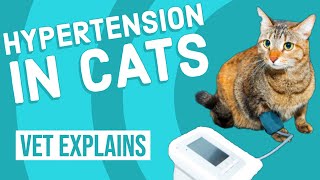
A veterinary educational YouTube video by Dr. Lera Clone explaining hypertension (high blood pressure) in cats using a 16-year-old neutered male domestic shorthair named Pele as an example. The video defines normal and abnormal systolic blood pressure ranges, outlines categories and common causes (especially secondary causes like kidney disease and hyperthyroidism), describes oral and transdermal treatment options (Amlodipine, Benazepril, telmisartan), and summarizes monitoring and prognosis for older cats.
Questions this video answers
About 80–120 mmHg (speaker also notes up to 140 mmHg can be considered normal).
Around 150 mmHg.
Hypertension: ≥160 mmHg; Severe hypertension: >180 mmHg.
About 80%.
Amlodipine (once daily).
Chapters
Hey guys, Dr. Lehrer here today. I'm here with Pele. Pele is a 16 year old male neutered domestic shorthair cat. And so Pele, the topic of the video today is going to be hypertension. The different causes, how to manage it and what to expect afterwards. All right, so hypertension, what is hypertension? Hypertension is when we have elevated blood pressure. There are a couple of different categories as to hypertension. Hypertension, normal blood pressures for cats and dogs on, on, on the normally or on the average is usually between 80 to 120 or 120 systolic of 120 over a diast of 80. The cats can have elevated or dogs as well can have elevated blood pressures or systolic blood pressures. That's typically what we're going to be looking at. Systolic is when the heart pumps and contracts and pumps all the blood out. And so it can go as high as 140. That's what we would be considered totally normal. Then once it goes up to 150, that's considered pre hypertensive and then anything above 159. So 160 and above is considered actual hypertension. Above 180 is considered severe hypertension. And so that's kind of the deal with, you know, what exactly is hypertension now in regards to what are the different causes of hypertension? Hypertension can be, there's situational hypertension which essentially just means like, kind of like when you go to the doctor's office, your blood pressure will go up because you're at the doctor's office and you're nervous. Same thing happens with cats and dogs. Then there's primary hypertension, which we don't know what the actual cause is, otherwise known as idiopathic hypertension. And then there's secondary hypertension. Secondary hypertension makes up 80% of the hypertension that we actually see. And the what secondary means is there's another disease causing the hypertension. And and so some of those diseases can be kidney disease. Whether it's acute kidney disease, meaning like it just happened, he drank something and it's causing kidney damage. Chronic kidney disease, which is, hey, he's a 16 year old cat and his kidneys are starting to wear down. The way that I explain it to people is it's kind of like, like tires, you know, after a while the tread on the tires gets low. So in theory that's kind of what's going on, could be going on with him. Hyperthyroidism is something else that could cause that. So he does suffer from hyperthyroidism. And then some other things could be diabetes mellitus, hyperadrenal cortisol, otherwise known as Cushing's. They could have something called pheochromocytoma, which is a tumor which sits right on the adrenal gland. So that's something else that could potentially cause it. Now going into how to treat it. So most of the time we're going to be able to go ahead and manage the blood pressure. When we have an elevated blood pressure, we will go ahead and start them on oral medications. Some of those medications can be turned into transdermals, which are medications that are made into like a gel or cream and then it's rubbed on the inside of the ear. So that way you don't have to worry about trying to shove that down your cat's mouth. The primary medication that we usually go with is something called Amlodipine. That's a once a day medication. And the secondary medication that we would go with is something called Benazepril. There is a newer medication called Telemasartan. It's supposed to be in place of Benazepril. It's in the same very similar drug class kind of it is, but it's not. It is supposed to be safer, but it's super expensive because it just came out, I want to see within the last year or two. The other thing is in regards to the, some of the things that can cause increased blood pressure. Some medications can actually cause increased blood pressure. Prowen, which is also known as phenylperopidolamine, that's something that's used for urinary incontinence, non steroidal anti inflammatories. I had no idea that that could cause it. I'm wondering if it's, if it causes kidney damage and then causes that. That was just something that I found in my research when I was doing, when I was preparing for the video. And so what we did was we went ahead and we rechecked Pele's blood pressure. About three to five days in. The blood pressure was already starting to come down. And now I think I want to say we're about 10 to 14 days out and Pele's blood pressure is awesome. It's. I want to say, I think it was like between 120 to 130. You know, he's. That's exactly what we want and that's in the hospital now, granted, one of the things that we did was we went ahead and measured his blood pressure as soon as he came into the hospital in a dark, quiet room. And so that's something that definitely helps versus if you have a patient that's sitting there, you know, for a prolonged period of time, or there's, you know, other dogs or cats in the area, that's something that can really stress out the patient. If I have a patient that is actually does have an elevated blood pressure, sometimes I'll try to have the owners measure the blood pressure at home to see if the blood pressure is elevated at home or if it's just because they're in, in the office. Otherwise, high blood pressure in or hypertension is something that is most commonly seen in older cats. Some middle aged cats, so like between 5 to 9 is considered middle aged above 10 that is the primary group of patients that we'll see. And as long hypertension in and of itself is not something that will go ahead and be the demise of them, we don't typically have to put them to sleep for that. It's because the other disease that's causing the hypertension, like kidney disease or something like that, that gets worse and then they end up having to be put to sleep. Otherwise they have a pretty good prognosis. If you guys have any questions about this video, please leave it in the comment box. If you found this video helpful, give us a thumbs up. Subscribe, subscribe and if you somebody know somebody who needs to see it, please share it with them. Take care of yourself and be safe.