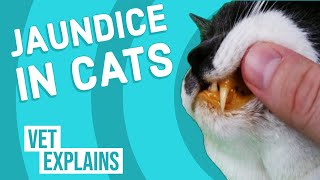
Veterinarian Dr. Lera (Lara) Clone examines a 10-year-old female spayed outdoor cat presented for limping and during the routine physical identifies yellowing of the eyes, ears and gums consistent with icterus (jaundice). She explains that jaundice is a sign — not a disease — usually caused by liver dysfunction or red‑cell destruction (hemolysis), outlines likely differentials (infection like cytauxzoonosis or babesiosis, immune‑mediated hemolysis, cancer, liver infection), and describes the diagnostic approach (bloodwork including liver values and RBC counts, followed as indicated by abdominal imaging such as ultrasound or X‑rays). She cautions against empiric antibiotics before PCR/DNA tests for blood parasites and recommends discussing pros/cons of tests with the veterinarian.
Chapters
Hey guys, Dr. Lara here today. I'm here with this 10 year old female spayed cat. She's an outdoor cat and she was being brought in because she was limping. And the people in the neighborhood wanted to get her checked out because they were worried that something might have happened, like she got into a fight or she potentially got hit by a car, something like that. If I move you over here, kiddo. So we ended up going ahead and whenever I do a physical exam, I always do the same exam. It doesn't matter if they're limping or not or whatever it is. And so one of the things that I do when I do my physical exam is I come over here and I take a look at the white of the eye. Now if you take a look at the white of her eye, I don't know if you guys can appreciate it, but it's kind of yellow. And when I. The other places that I'll look for that will also be. And you can actually appreciate it more on the ear, the ear looks kind of yellow and then the other place that I will look is in the mouth. And so when you look at the gums, the gums will look kind of yellow as well. And so that's something that's part of my normal exam that I do every single time. And that is very what we call icteris or jaundice. That's not an actual disease. What it is, it's a symptom. It's a symptom of something major going on with the liver or something major going on with the red blood cells. And so whenever you have a patient or a pet that is yellow, that is a problem, like I said, either with the liver or the blood. And a lot of times what we're going to try and do is, you know, we're going to end up wanting to do some blood work to see what the actual liver values are looking like. We're also going to want to look at the red blood cell count to see if there's any indication of anemia or anything like that. And then the other thing that eventually is going to be done is we are going to end up looking into doing X rays and, or an ultrasound for sure of the abdomen. And there are things that, you know, blood work only helps us so far so much. The diagnostics. One of the specialists that I work with, the way that they put it was all the diagnostics are complementary of each other. So what one diagnostic or test helps with may not help with something else. And so some people Might think, oh, hey, you know, I don't understand why I have to do all these different tests. And because there isn't one test that gives you all the information. We have certain tests which give us different bits and pieces of the puzzle or different parts of the puz that help us to figure out what's going on and also what the treatment options are. So at this point, you know, what we're going to do? We're planning to do some blood work. We're gonna start off there, and then depending on what we find on that blood work, that's gonna go ahead, and it's usually gonna send us in the direction of putting her on, you know, doing an ultrasound of the abdomen, specifically looking at the liver to see, you know, if there's any evidence of infection or if there's any evidence of any sort of cancer. Those are some different things that could potentially be causing this. There could also be what we call an immune mediated disease. That's where the body starts attacking itself. And if the body does start attacking itself, sometimes if it's damaging the red blood cells, the red blood cells, when they're broken, can cause the body to be kind of jaundice or yellow. The other thing is there are some infectious diseases, something called cytoxonosis or babesiosis. Those are some different examples of infectious diseases that are transmitted in the blood that can cause damage to the red blood cells. So that's usually there's a special test for that where you're looking, if the patient is anemia or anemic, where you're looking for those specific organisms. When doing those kinds of tests, you have to be careful in terms of just throwing patients on antibiotics and that kind of stuff, because those tests check for the DNA or RNA material of the organisms, and if you have them on something that could potentially be treatment, it will lower the number of that organism. And then it's going to make it more difficult to go ahead and have that test come up positive or indicate that there is the presence of those particular organisms. So at the end of the day, it is something that you definitely want to be having conversations with your veterinarian about, you know, what can be done, what are the pros and the cons, and then make the decision moving forward. If you guys found this video helpful, please give us a thumbs up if you otherwise subscribe. And if you know somebody who needs to watch it, please share it with them. Thanks for watching. Take care of yourself and be safe. Sam.