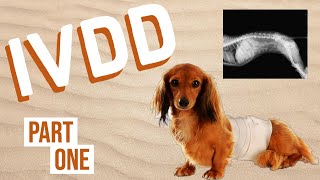
A short educational YouTube video (Part One) about intervertebral disc disease (IVDD) in dogs. Dr. Lara and Dr. Lera Clone present a case example: Theodore, a four-year-old male neutered French bulldog suspected of IVDD. They describe common signs (hind-leg weakness, difficulty rising/standing to urinate, muscle loss) and demonstrate spinal palpation to elicit pain—noting the mid-back is a common site of disc pressure. The video advises contacting a veterinarian or veterinary neurologist for concerns.
Questions this video answers
Intervertebral disc disease
Slipped disc, bulging disc
Theodore — four-year-old male neutered French bulldog
Chapters
Good morning guys. My name is Dr. Lara and this is Theodore. Theodore is a four year old male neutered French bulldog. And Theodore we suspect is suffering from something called IVDD and that stands for intervertebral disc disease or a lot of people will know it as a slipped disc or a bulging disc or something like that. And so the way that we realized that, or mom and dad realized that Theodore was potentially having some problems was that he was having some difficulty his back legs where it seemed like he was having, you know, he wasn't. He was kind of weak in his back legs, maybe a little difficulty standing up when he was peeing. And so those were things, some signs that for us, you know, tipped us off that he could be having some problems with his back. When you go to your veterinarian, if you suspect some sort of issues, you'll.
Notice that he's very, very skinny up here and it's because he's potentially losing muscle and that's because it could be painful and so he won't use these muscles as much. Normally when you go to the veterinarian and they are checking for any evidence of this, they will usually firmly push down in the back along the column to see if they have any pain. The most common spot is to have it right here in the middle a little bit because that's where the most pressure is going to be put versus right here and here. You'll have less issues because you have more support from the shoulder, shoulders and the hips. Alright guys, if you have any other.
Questions or concerns or any sort of comments, please just let us know. Or you can just reach out to your local veterinarian or your veterinarian urologist. Have a great day.