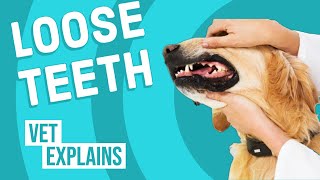
Dr. Lera Clone walks through why small-breed dogs get loose teeth, using a 7-year-old Yorkie named Gypsy as an example. Periodontal disease is the most common cause, but fractured jaws, cysts from unerupted teeth, and broken tooth roots can also loosen them. Dental X-rays under anesthesia are needed to know what's really happening, and complex cases should go to an oral surgeon.
Chapters
Hey guys, Dr. Lara here today. I'm here with Gypsy. Gypsy is a seven year old little Yorkie and so she's coming in today. The topic for today is loose teeth. Now loose teeth is something that's very common in smaller breed dogs. The most common cause of loose teeth in small dogs is what we call periodontal disease. Now we have done a video on periodontal disease, but there are many other possible causes for loose teeth. So when you come over here, I don't know if she's gonna. Burt, do you think you could give me a hand? So she's very, you can see she's actually very, very excited and loving and Gypsy too. So if you come over here, you can see she's already got several teeth missing. But this tooth right here, see how it moves, that should not happen. Thank you, Bert, I appreciate that very much. So some of the different things that can happen is a, she could have had what's called a fractured mandible. So the mandible is the lower jaw and the mandible kind of comes in together as a Y. It's two separate bones and then there's what we call the mandibular symphysis. And so that's almost like an epoxy that holds the two pieces of the jaw together or glue, super glue or something like that. And so what happens is that can result of trauma that can result from periodontal disease. The reason that periodontal disease would cause it is because you have multiple, you have all these incisors right in this particular area which sit right by the symphysis. And there's a ton of crowding there. And so when there's a lot of crowding of teeth, that makes what we call the self cleaning mechanism not be able to work as well. And so therefore now that infection comes into here and then it comes down the roots and then starts eating into to the mandibular symphysis. Something else that could potentially cause loose teeth could also be cyst. So dogs, most people have probably heard of cysts, sebaceous cysts on the skin and that kind of stuff. So the cyst that I'm talking about is typically that right now is in the actual bone of the jaw. And that usually will happen as a result of teeth that never erupted, which means there were adult teeth usually that sat in the jaw. And then the body never sent the signal for the tooth to go ahead and shoot up and to come out or erupt. Now that is something that can stay small and not cause an issue, or it is something that could potentially go ahead and grow and cause major, major damage. And so that's something else. Trauma now, trauma to the tooth in and of itself. I have seen it before in other cases where we will go ahead. We're doing X rays on a patient, and teeth are loose, and we find periodontal disease. And then there are other teeth that we find when we're doing X rays on the rest of the mouth where it looked normal on the outside, but it was fractured right at the gum line or right below the gum line. And. And even then, what happens is if the tooth is not pushed in the right direction, depending on where the fracture is or the break on the tooth is, the tooth may not be loose. And I've seen this before, where we go ahead and we push the tooth like this, inward, no issues. And then while the patients are under anesthesia, they go ahead and they push the tooth from the inside of the mouth, and the tooth pushes or moves. And so it's something where there are a lot of different possibilities as to what can cause loose teeth. It is something that will require general anesthesia and dental X rays to go ahead and figure out what the actual cause of the loose teeth are. The. At this point in time with veterinary medicine, the only way we can do dental X rays is with general anesthesia. We have. I've tried it when I first took over my practice and doing dental X rays with, like, a light sedation, and I ended up having dogs chomped down on my digital dental sensor, which cost several thousand dollars to replace. So it's. Unfortunately, at this time, the technology does not exist for us to be able to go ahead and do the X rays without anesthesia, especially in dogs like this. We go ahead and we work with oral surgeons who. They go ahead and this is their area of expertise. And it is something that I used to go ahead and mess around in the mouth, and now I no longer do that. Just because these people are people who do multiple oral surgeries a day, multiple oral surgeries a week. And so they are very skilled at what they do, Especially in a small dollar like this, you're very, very likely to. Or increased likelihood of breaking the jaw if you don't know what you're doing. And if you don't know what you're doing, you're not as comfortable. You. You're also gonna have the patient be under anesthesia more time than they should be, which increases the risk of anesthetic complications. So at the end of the day. Like I said, there are several causes. You're gonna need to go ahead and do dental X rays. It's gonna require general anesthesia. And if you can go with a oral surgeon, it is something that I do recommend. There are some oral surgeons that are board certified and some oral surgeons that are not board certified. Talk to your veterinarian to see which ones they work with or who they recommend and go from there. If you guys found this video helpful, please give us a thumbs up below. If you have any questions about this particular topic, leave it in the comment box. Otherwise, subscribe. And if you know somebody who needs to see this video, please share with them. Be safe and thanks for watching. Sam.