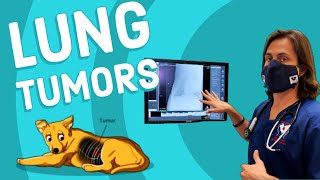
Dr. Lera Clone examines Bode, an 11-year-old Labrador with chronic gagging that turned out to be a lung tumor near the heart. Antibiotics and cough suppressants didn't help, but thoracic X-rays found the mass. Surgery can work if the tumor is fully removed, though risks matter more at his age.
Questions this video answers
11-year-old Labrador retriever.
Routine bloodwork normal; heartworm test negative.
Three-view thoracic radiographs (right lateral, left lateral, and dorsoventral/dorsal-ventral).
Chapters
Hey guys, My name is Dr. Lehrer. Today I'm here with Bode. Bode is an 11 year old lab and he's coming in because he's been having a history of kind of like this retching, gagging, where he kind of does this thing where he's like, you can't see it, but kind of thing. And so, you know, sometimes it could be tied to some sort of infection or if they have a polyp over here, sometimes it can be tied to if there's some pressure being put on the windpipe or from an enlarged heart or something like that. So a lot of times, you know, when we have those kinds of things, we'll want to do some sort of blood work to make sure that the heartworm test is negative. We'll also want to go ahead and look at, considering, you know, maybe doing regular blood work just to make sure that we don't have any indications of a major white blood cell count elevation or anything like that. Sometimes if people want to go ahead and do what's called empirical therapy, what we'll do is we will do some antibiotics or maybe some cough suppressants, something like that, just in case if there's a potential suspicion for kennel cough. Now, in this particular case, we ended up doing X rays on Bode just because the, the cough suppressant wasn't working, the antibiotics weren't working, and the blood test had come back normal, and the heartworm test had come back negative. When we ended up doing the X rays, we noticed something quite obvious. And this was the first X ray. So when you look at the X ray, this is the windpipe right here, and then this is the heart right here. And then this ball looking thing is a tumor. And so when we shoot X rays on patients, you always want to shoot, especially at least on the thorax or the chest, you want to shoot three films. The reason being is when we shoot the other side, this is the left side down. You can barely see this tumor. Now we know that the tumor is here, so you can see this outline right here. But otherwise sometimes people to an untrained eye might not notice that. And then when we had them on their back with him on his back, you can see this tumor over here. And it's a pretty sizable tumor. I mean, it's almost the size of his heart. So surprisingly, tumors like this have a pretty good prognosis in regards to the fact that this is something that is usually surgically treatable. And if they're able to get it all out, then the patient actually has a great outcome. The question is whether or not people choose to move forward with some sort of treatment, surgical treatment, and 11 year old dog. So there are some risks that you have to weigh and figure out what it is you want to do. There's also the possibility that this particular growth may be slow growing and may take a while before it actually causes a problem. But he's already starting to have some clinical signs. So if you guys found this video helpful, give us a thumbs up. Subscribe. And if you know somebody who's got a dog that's coughing, gagging, or retching or something like that, share this video out. Thanks for watching. Hope you're being safe and take care of yourselves.