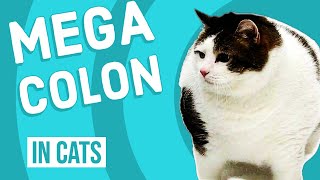
Dr. Lera Clone walks through a cat named Oreo's severe constipation and possible megacolon, diagnosed by abdominal X-rays. Most cases are idiopathic, but kidney disease, pelvic trauma, and neurologic problems can cause it. Treatment starts with laxatives and low-residue diet, but severe cases need subtotal colectomy, which often causes postoperative diarrhea.
Questions this video answers
Five‑year‑old male neutered domestic shorthair cat.
Cisapride and lactulose are mentioned as treatments; metoclopramide is noted as no longer recommended.
Subtotal colectomy (removal of part of the colon with reattachment of the remaining bowel).
About five days.
Chapters
Hey guys. Dr. Lara here today. I am here with Oreo. Oreo is a five year old male neutered domestic shorthair cat. And the video for today is going to be regarding megacolon. So what that is typically how it's diagnosed and then usually one of the different ways to go about treating it. All right, so Oreo's coming to me today because for a second opinion in regards to potential constipation, they had gone to their previous veterinarian and the veterinarian said that they were concerned about a potential megacolon and if the cat needed surgery, they did not feel comfortable that they were going to be able to do the surgery at that particular location. So the young lady called looking for places that could potentially handle it. So when I spoke to mom, you know, I had told her about some of the potential things that could be going on and also the cost of surgery as well, which was something that mom was doing and just because she was trying to anticipate it. And I had told her, I said before we get into a surgery that's going to be thousands of dollars, I said, let's go ahead and let's do the X rays first to compare them or see where we're at prior to, you know, before we were before and where we're, we're at right now. And also to get the official diagnosis of megacolon, if indeed. Well, that's what it is now. When we did the X rays today on Oreo, I didn't see obvious megacolon. And typically what megacolon is, is a lot of times more severe megacolon. You're gonna have like, the colon is going to be like, just like right here and then the anus is gonna be right here and then the, the feces or the poop is gonna start backing up so much that what's gonna end up happening is you're gonna have almost like a comb like effect where the colon or the descending colon is gonna start stretching like this. On the X rays that we did today, a lot of stool backed up and larger stool than normal as well as more what we call radio cake. So it was more dense than usual. And I saw that on the descending colon and I even saw it on the transcending colon. So that to me lets me know, hey, look, we're definitely constipated for sure. But I don't think we're, you know, if we are starting, if we do have megacolon, we're in the very early stages. That being said, one of the Things that makes cats more prone to megacolon is obesity. And as you can see, Oreo is a little fluffy. And so that is one thing that could potentially make Oreo more prone to constipation and therefore leading to potential megacolon. Now, megacolon, the majority of time that cats develop megacolon, it's what we call idiopathic means we don't know what the cause is. I remember idiopathic meaning because it's a fancy way of saying we feel like idiots because we don't know what the cause is. And so that's something that seems to be the most common situation with cats who have megacolon. Sometimes cats can have megacolon as a result of narrowing of the hips. So if they got hit by a car or something like that, and they had a fractured hip, and then the hip healed over time without surgery, then that is something else that can cause what we call stenosis of the pelvic canal, which means the canal gets smaller and therefore it makes it more difficult for the feces or the poop to kind of move through. It can take even years after the accident or the trauma before the patients will actually start having issues as a result of that. So that's something to keep in mind as well, because some people might think that it might happen in me immediately, and that's not necessarily the case. Now, what you will typically see with cats when they have constipation or megacolon, of course, difficulty defecating, straining to defecate, which is pooping, if they're not passing stool on a regular basis. So a heads up, the colon is made to store poop. And the thing to keep in mind is if your pet or cat happens to go a few days without pooping, it doesn't mean that you necessarily need to run to the veterinarian right at that moment, but it is definitely something to just kind of go ahead and keep your eye on. It's common for patients after anesthesia. Depending on what drugs have been used, especially if narcotics are used, those can sometimes cause constipation or opioids. Rather, opioids can cause constipation. So that's something that I'll see on a regular basis with some of my patients post surgery. In regards to actually getting the diagnosis, X rays is going to be the way to go ahead and get the diagnosis that we have actual megacolon. Now finding the actual underlying cause, that's going to be another story. Sometimes it could be caused by some sort of neurologic disorder. If there's an issue with the nerves moving the poop through the intestines could be tied to if there's a mass in the intestines and so that's potentially causing an obstruction in the flow. Also could be tied to if there's a stricture in the. That means like a kind of like where the lumen gets much smaller because there's been some sort of trauma or something like that. Those are some of the more common causes besides the idiopathic megacolon. And then in regards to treating, depending on the severity of it, in this particular case, we are going to try what we call medical management, which means we're going to use drugs to see if we can go ahead and get his intestines, moving the poop out and keeping that normal and making sure that things don't accumulate. We're also going to use a low residue diet. Some of the different diets that have been discussed are the ion zucanuba, low residue. There's one through Purina, their prescription line called en, and I think even Hills has a product called id, which those seem to be some low residue. Some people might think that it's a good idea to go ahead and put these patients on high fiber diets. Depends on who you ask. But it seems more consistently that the specialists prefer not to have them on high fiber diets. That will create large bulky stool because then we're more concerned that that might just lead to more constipation. Again, if it gets really bad to where you have that cone like effect or those kinds of things, those patients will need what we call a subtotal colectomy, which means that part of the colon is surgically removed and then another piece is attached to where it was cut, removed where the section was removed. And that usually will help the patients to go ahead and have a much better quality of life. Usually you won't need any sort of drugs or anything like that. They may have some diarrhea after the surgery. They might not want to eat for a few days. But it will be important to make sure that your cat does eat within five days. If your cat doesn't start eating within five days, definitely going to need to look at potentially getting a feeding tube placed just because we want to get everything going again. One of the other things that could potentially cause constipation or megacolon is if the cats are having kidney disease. Kidneys go ahead and control how much water is being absorbed or let go. And if the kidneys are letting go of too much water, the body will try and compensate by go ahead and sucking more water out of the feces and the intestines. And so that can make the stool harder and then lead to having the stool become more difficult to actually get out. So those are just some of the more common things that can cause megacolon in cats, some of the different ways to go about treating it. And some of those drugs that I didn't mention really quickly were cisafride. Metoclopramide is no longer recommended, and using stuff like lactulose, those are things that just kind of get everything going. You guys found this video helpful? Please give us a thumbs up if you subscribe. If you know somebody who needs to watch it, please share it with them. If you have any questions about this particular video, leave it in the comment box. Thanks for watching. Have a great day and be safe.