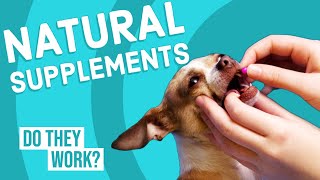
Dr. Larry covers natural options for dog skin allergies, including omega-3 fatty acids (which take 3-4 months to work), turmeric, aloe, and weekly medicated baths. He also discusses diet quality and experimental stem-cell treatments as alternatives to immunosuppressive drugs like Apoquel and Cytopoint.
Chapters
Hey guys. Dr. Larry here with Ginger and this is one of my dogs, if you guys are new to the channel. And so the topic for today is going to be regarding supplements or natural treatments for dog skin, that is allergies. And so I anticipate a lot of times when people are asking about supplements or natural therapy, the reason they're asking for that is because they want to avoid some of these drugs which are immunosuppressive drugs. Some of those drugs are Apoquel, also cytopoint, atopica, steroids, any drug which we use for allergies, or any of those drugs that I just mentioned that we use for allergies. Sometimes people will refer to them as immunomodulators. What that means is it either makes the immune system more effective or suppresses the immune system. Anytime that we're using any of those drugs to suppress the immune system, the hope is that when we have these allergies, the immune system on, in theory is on a 1 to 10 scale, 10 being where it should be tip top, that when they're having allergies it's at around a 15 or 20. And so what we're trying to do by going ahead and using these drugs and is we're trying to suppress the immune system down to about a 10. So that way the immune system does not have an overreaction to things that it shouldn't typically have an overreaction to. So some of the different natural things that we can look into using are omega 3 fatty acids, aloe juice, turmeric are some natural supplements that can be used. And so normally the Omega 3s, the products that I'm going to recommend are typically going to be individual products. And the reason I recommend them individually is because we have dosages for a lot of these things that we know have anti inflammatory effects. And these are not just anti inflammatory effects for the skin, but they're also anti inflammatory effects for the whole body. And so if you have a product that has turmeric and aloe and omega 3 fatty acids in it, what ends up happening is they're probably not going to be able to get the therapeutic levels of all those things in one capsule or not even two. And so that's why I typically will recommend, you know, different forms and individual products. Right here we have one of our Omega 3 fatty acid shoes. And when you look at the Omega 3s, typically what you're looking for is you're looking for what's called the EPA and the DHA. And so that's how we dose the omega 3 fatty acids, it's on the amount of milligrams of EPA and DHA. If you don't have that information in regards to the milligrams of EPA and dha, then it's going to be really hard for anyone who is trying to dose that supplement for your pet accurately. They're not going to be able to do it unless they have this information. So if a product says it has 7,000 milligrams of omega 3 fatty acids, that's fantastic. What are the doses of the EPA and dha? If you don't have that information, then we're not going to be able to accurately diagnose. We're not going to be able to accurately go ahead and dose it. And so therefore we're just going to have to try it and see. Secondly, when you're using omega 3 fatty acids, you have to realize it's going to take about three to four months before you're going to. You wanna get down? Okay, I'll put you down. It's gonna take about three or four months before the supplements will hit their peak levels. And so therefore, you need to be aware that it's not something that you can just use when you're having a flare. You're actually gonna have to use this most likely before you even have a flare. So that way it's in the system long enough so it has time to ramp up. The other thing that I typically will recommend is something called, or I talked about is turmeric and aloe juice. Royal Canin is not a sponsor of ours. This is just one of the products that we have in stock. And this particular food called Skin Support, it's not for food allergies. It's actually for seasonal allergies. And the reason it's for seasonal allergies is because it has aloe and turmeric supplementation already baked into it. Now, if you look at the ingredients and that kind of stuff, they're not. It's not the cleanest food. But if you're looking for something, let's say that your dog is difficult to go ahead and, and give pills to and that kind of stuff, this is a great option for something that already has the supplements in it and has shown to be effective. Okay. The other thing that I would say that is, quote, unquote natural is potentially looking at removing physically the allergens from your dog's coats. So the way that you would do that is you would bathe them. A lot of times if I have patients who have bad allergies. They're not flaring, but they have bad allergies. And we're just doing some sort of maintenance is bathing them at least once a week. Typically I am going to recommend a medicated shampoo and we'll go ahead and potentially have that for you. But the medicated shampoo that I normally recommend is called duo chloram. Duoxyl chlorhexidine. And that's something that has been shown to go ahead and get the bacteria that grow out of control under control if you bathe them frequent enough. Okay. One of the other things that, that you could potentially look at doing if your dog is having allergies, there is a thought of potentially even using stem cells. This is something that's super exciting. Stem cells is just in the infancy in regards to the treatment and what is it is that we can actually do with it. So it's something that I'm super excited about. The other thing that you want to take into consideration is food. Now when we're talking about food, and this is something that's maybe a little bit more airy fairy and that kind of stuff is going ahead and making sure that your dog is getting food that doesn't have a bunch of inflammatory stuff in it like corn and a bunch of fillers and that kind of stuff. And so my dogs are known to have allergies to chicken, but when I was feeding my dogs raw food, that didn't really, you know, that was a cleaner diet. They would eat chicken with no problems and they wouldn't have any sort of vomiting or diarrhea or gassiness or anything like that. So. So that could potentially take us down a whole other rabbit hole in regards to if you're feeding your dogs, let's say organic chicken, it doesn't matter if you're feeding them organic chicken or organic beef, if those animals are eating corn, then you are essentially feeding your own pet corn. And the thought is if corn is inflammatory, and I would think it potentially makes our pets more likely to have allergies than not. And so that's the whole thought process on, you know, dogs having allergies, why it's happening so much more frequently now than it was before and that kind of stuff. But if you guys have any questions about some of the things that we've talked about, please leave it in the comment box. If you found this video helpful, give us a thumbs up. Subscribe if you know somebody who needs to see this, share with them. Thanks for watching. Have a great day and take care of.