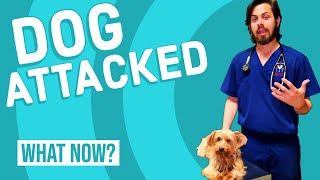
Dr. Lera Clone walks through what happens after a dog bite: vets shave and inspect wounds, check for deep tears and abscesses, start antibiotics and pain meds, and run blood work. Bigger concern: animals often seem fine at first due to adrenaline but get worse the next day as inflammation sets in.
Chapters
Hey, guys. My name is Dr. Lara here at Heron Lakes Animal Hospital. Today I'm here with Lady. Lady's a Yorkie, and lady came in because she had been attacked by another dog about a month ago. And Lady's been acting kind of lethargic since that particular episode. Now, there is a little bit of debate between the family as to whether or not she's improving or she's getting worse. That's usually common. So I don't want you guys to get upset. Typically, one person will say one thing, oh, my God, they're doing terrible. The other person will say, what are you talking about? She's doing fine. And so usually as a veterinarian, I will get the opinion or the opinions and average them out. Okay. In this particular case, the video is going to be primarily about what to expect after a dog attack or a dog bite and how your pet might be acting afterwards. So initially, right when dogs typically come to me, the first thing that we're going to do is we're going to go ahead, we're going to try and isolate where the bleeding is coming from. If there is any sort of bleeding, we'll typically want to shave those areas down to take a look at a better look at the wounds. And then we're typically also going to want. You want to go on the floor, kiddo? Put you on the floor. We're going to put on the floor. Sometimes dogs get a little nervous on the table, so that's okay. So what we're going to do typically is we're going to go ahead and we're going to look at potentially checking to see if there's any sort of a deep tearing bite, which usually means the dogs will grab onto the little dog usually shake, and when they do that, it lifts the skin off the. Under the tissue underneath. And now there's a possibility of a big pocket being able to form where we could have an abscess filled with pus. Okay. If we have a tearing wound or something like that, a lot of times what we'll do is we'll get an instrument, we'll stick it in there, or even a culture at. And we'll go ahead and try and culture to see if there's any specific bacteria going on. And that way we can have them on the appropriate antibiotics to try and reduce the chances of a bigger potential surgery down the road. The other thing that we're typically going to do is we're going to go ahead and look at putting them on some antibiotics and some anti inflammatories the anti inflammatories. Obviously, most of the time when patients come to see me right off the bat, they're usually not painful. And the reason being is because they have a bunch of adrenaline going through their system at that time. Usually what will end up happening is the day after you might notice that they start acting a little bit more lethargic. They may be limping, maybe they might not want to eat. And that's because now all the trauma that happened during that initial event, the inflammation has built up and now they're starting to really feel it. That's also a lot of times where you as the owner might find some other lesions or spots where maybe they were bit or scratched by the other dog. Because at that time those more superficial wounds may have weeped serum or blood or leaked, something like that. And then it starts to form a little crust and then you feel it. Because of course now your puppy or your baby is starting to not feel so hot. The other thing that I want you to take into consideration, whenever we have these patients that are bit by a bigger dog and these are smaller dogs, if they are bit on the chest, typically it is going to be important that we shoot X rays on the chest and the abdomen because we want to try and see if there's any damage or compromise to those particular cavities, the abdominal cavity and the chest cavity. If there is some sort of compromise where maybe there's a hole that goes all the way through or maybe an organ has been lacerated, we really want to go ahead and try and catch that with an X ray. We may not be able to catch everything on an X ray, but it's going to be the first thing that we're going to try. Okay. The last thing that typically we're going to do, we talked about antibiotics, we talked about some anti inflammatories and pain medication. We typically are going to want to do some blood work. When we do the blood work, we're going to be looking at the white blood cell count to see if it's high, low. We're going to be looking at the liver and kidney values to make sure that those values are in the normal range. Because sometimes what can happen is those drugs that we use, the anti inflammatories, are metabolized by the liver and the kidneys. And if there is a problem there, we as a veterinarians should go ahead and stay away from those particular drugs because that could have a more harsh impact on those particular organs. All right, so that's kind of what to expect after a dog bite from your pet, from your vet, and the overall experience. If you guys have any questions about this particular topic, please leave it in the comment box. If you found this video helpful, give us a thumbs up, subscribe and share with somebody that you think needs to see it. Thanks for watching and have a great day. Good girl.