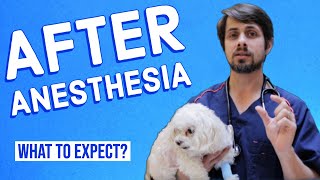
Dr. Lera Clone shows what recovery looks like after your dog gets general anesthesia, using her dog Lola after dental work. Expect about 50% energy for the first day, then roughly 10% improvement every 12 hours. Coughing from the breathing tube usually lasts 24 to 48 hours, and narcotics can cause constipation for 2 to 3 days.
Questions this video answers
About 50% of normal energy.
Increase by about 10% every 12 hours (e.g., 50% this evening, 60% next morning, 70% next evening).
Between 24 to 48 hours after anesthesia.
Up to two to three days may be seen; notify your vet if it exceeds that.
Offer 1/4 of normal portion, wait ~30 minutes; if kept down, offer another 1/4; repeat to a maximum of 3/4 of normal for that evening.
Chapters
Hey guys, My name is Dr. Larratt here at Heron Lakes Animal Hospital and today we're here with Lola. Lola had some dental work done today and that dental work had to be done under general anesthesia. Dental work is very common in these smaller breed dogs as they're prone to periodontal disease because they have so much crowding in their mouth, they have all these teeth and such little space. And so the teeth are not as easily cleaned with what we call the self cleaning mechanism. Now the reason for today's video is more about what to expect after general anesthesia. So when I talk to mom and dad today, what I'm going to tell them is first things first, they got to expect loader to be at 50% of her energy level this evening. Then her energy level should increase by about 10% every 12 hours. So tonight it'll be 50%, tomorrow morning 60%, tomorrow evening 70%. Sometimes patients will respond faster, faster than that. But if you expect them to be normal by tomorrow morning and they're not normal, then clients will get concerned. And so usually I say, let's set the bar a little low and then we'll go ahead and see how she does after three days. Next thing, it is common to expect a cough after general anesthesia as dogs will have what we call an endotracheal tube. And so what I'm going to do is I'm just going to grab a tube right here and this is one of those tubes that normally we would put into the dog's throat. And as it goes down the throat, sometimes it can cause irritation. And so it's very common to see dogs and even humans cough between 24 to 48 hours after surgery or a general anesthesia rather. Next thing. It is very possible for dogs and or cats to have some GI disturbance or a stomach upset after anesthesia. That can range anywhere from soft stool, so liquidy diarrhea, to all the way where they are constipated. And the reason people will say, well, why would they get constipated? Because sometimes we use narcotics. Narcotics are known to go ahead, not only provide great pain management, but they're also known to sometimes cause constipation. I have seen some patients where they will not poop for maybe two to three days after anesthesia. That can be considered normal. If your pet is not defecating for two or three days, be sure to let your vet know just so that they can be aware of the situation. But I wouldn't want them to go much more than that. The Other thing, when they are eating in the evenings after anesthesia, you want to offer them just a small amount. Typically what I tell people is give a quarter of what you normally offer in the evenings. They keep that down for about a half hour. You can offer them another quarter. If they keep that down for a half hour, offer another quarter and cut them off at three quarters of what they normally eat in the evening. If they don't want to eat that evening, start the whole process the next morning. It's totally normal. Some patients may not want to eat in the evening. The other thing is, with water, you're still going to want to just offer them small amounts of water because sometimes they will not get water to drink through the day when they're there, but they will get IV fluids. So normally you don't have to worry about them being dehydrated. But if they try to drink all the water at once, they may end up vomiting. And we want to try and avoid any sort of stomach upset. Okay? One of the other things that I want to point out to you guys is she has this little bandage on her arm. This bandage right here is where she had her IV catheter. And we go ahead and we shave that area so that way it's as clean as possible to reduce the chances of any sort of infection. The only drawback with that is when mom and dad take this bandage off when they get home, it's going to be shaved really close to the skin and that area can be kind of irritating. So you have to make sure that they don't lick the area raw and causing trauma just because it's really itchy. So we'll usually use one of these E collars, and you guys have seen these in the past. We talked about the different collars that can be used. This not only helps to prevent protect her mouth, but it also helps to protect her IV catheter site so that way she doesn't lick it raw. If you guys have any other questions about what to expect after anesthesia, please let me know in the comments. Otherwise, if you found this video helpful, give us a thumbs up. Thanks for watching and have a great day.