Entrepreneur Redemption Story From CEO To Federal Prison
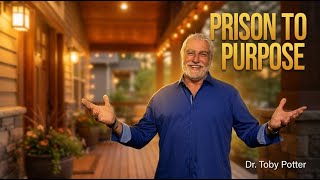
The video records the inaugural webinar from a new studio hosted by Toby, featuring guest Brenda Ringwood, a former RE/MAX franchise owner, janitorial business entrepreneur, and real‑estate investor who faced a federal fraud case that led to a high‑security detention and a 30‑year potential sentence, ultimately reduced to a 72‑month plea. The conversation begins with technical setup banter before moving into Brenda’s background, the partnership and financing missteps that resulted in criminal charges, her experience in a federal holding facility, the violation of attorney‑client privilege, and her spiritual conversion while incarcerated. Brenda describes how she rebuilt her life after release, launching ministries such as “From Felon to Fabulous” and “Become the Better You,” producing a TV show, speaking engagements, and a forthcoming sales training program. The dialogue also covers themes of money as a tool, the importance of equally yoked partnerships, racism and white‑privilege insights from prison, practical advice for re‑entry support, and the role of faith versus religion. Toby interjects with reflections on sales coaching, the value of mindset, and upcoming projects, while other participants (Nick, Tate, Rick, Henry, Randy, Michelle) contribute logistical comments. The session ends with a call to gratitude and encouragement for listeners.
Chapters
Where's he gonna— you know, no, which one you sitting in? Okay, I'm just gonna throw my phone out here.
Here, there.
Um, I wasn't going to have it on there like we were talking about. Yeah, um, I can change it.
It's not— yes, you got one of these.
If you like seeing yourself on here like this Or I could also, I guess I could whip around this screen and show people on this that like it almost looks like you're talking to them because they're right here on the monitor here by the camera.
So you're going to be going to look up there. Yeah.
Which camera are we looking at?
So, so we've got this one here that's directly on you.
That one's live.
The red's live.
Okay.
And then this one sees both of us.
Um, do you have a switch thing?
Yeah, you're gonna produce something.
Yeah, and I guess it is mirroring your—
it's mirroring your influx. Should not be. I haven't even logged in yet. Who logged in?
Me.
Oh, you logged me in. Okay, okay. It's like I didn't log in.
Okay, so does your—
can you talk to—
hello, Nick, how are you today? He'll get reloaded with him.
Get out of here, Randy!
Can you go in your office and talk?
Yeah, speakers work. Speakers work.
This is the first time with the new stuff.
Yeah. Okay, perfect. Oh, that's awesome.
Thank God.
God, everybody has to have a nick.
I don't know what kind of camera is this one, or is it just—
so that's the Blackmagic.
Okay.
We don't like it. In fact, we've ordered 2 more because they're 2 different cameras. So we're going to take this one and put it out there.
Okay.
So that when we do stuff out there on the beach— this one, yeah, because it's a widescreen, it gives it better. Yeah, but we've got 2 more coming to— so that we have 2 exact same cameras.
We don't like the Blackmagic.
We don't like the Blackmagic.
Order 2 more.
Not 2 Blackmagics, 2 other cameras. 2 other cameras. Um, this one, uh, In 2019, we got this one when I was doing all those videos. It has limitations, and so, um, it's, it's high-end.
7 years old.
Well, it's like back then it was like a C. Yeah, it, it was the top of the line then. Uh, the guy that was my film guy, um, was a director for the, um What was, what was that guy's name?
Chris.
But who's the, who's the guy that he worked for, uh, that went to jail? Um, yeah, for murder.
Um, oh my.
Yeah. Uh, you know the, you know the guy, um, he's the lion guy. He had the, the Lion Safari and all that here in Texas. Tiger King. Yeah, I kept saying Lion King, but I knew it wasn't like— so he was the film director and all that for the Tiger King guy here in Texas who got into another squabble with a lady who also had a lion safari. And he was, he was blowing up the internet and all this with his filming and lions and tigers and all that crap. And she started reporting him for abuse, uh, bad facilities and all that. And so he set out a murder-for-hire on her, got busted on it, went to prison, is still there. But then Chris, of course, left the guy and came to work for me. So he, he did all those YouTube.
He got pretty close to it. Yeah, yeah, it was him with the lady that had hired an undercover FBI agent for $700. I said, that should be your first. It should have been 4 years. Yeah, I don't know if it's because of her age. She was 60-some years old. The lady would never shower, ever. I mean, it was, it was bad when the guards are coming to you to ask you to beg her to take a shower.
Yeah, tell her.
Yeah, I got her to do it, and I handed her a toothbrush when she was in there.
It is 7:55.
Oh, Pat screwed you up.
Uh, all right, so, um, it's good.
This, you know, like I said, this is what I'm gonna be showing.
So that's that right now is what— yeah, so we're just waiting. And you have— you have the ability to admit? I do. Okay, go ahead and let them in.
And red is live. Red is—
red is live. Oh, the top right.
Here, gonna have everybody.
Yeah, they won't really— I mean, yeah, put them up there and then Brenda and I will talk here. Yeah, yeah, yeah.
You even got your little timer.
Yeah, so that was one of the things that Chris hated. Chris hated that I talked so long because I had no, no schooling, and so he'd give me a content and I would just go on for 7, 8, 10, 12, 15 minutes. He says, you can't do this, I need minute, minute and a half. Clips. I'm like, dude. So, um, now can you hear me? Those are speakers.
So you're—
I just turned your audio on, so your audio video is on.
Okay, so we are live. You should both have anyway. And you're watching for, uh, I am. I know won't be, uh, on— oh, she might. She's at the airport flying back from Los Angeles, uh, from the JT Fox mega event this weekend. Um, she did reach out and say that she might not be here, be on.
For some reason it turns off your video.
Well, that ain't cool.
I don't know.
That ain't cool.
Oh, that's what you're— that's what he sees.
Yeah, that's the audience. Yeah. Jay, how are you, my man?
You can hear us, right, Michelle? Okay, better.
Tate is driving. You're still muted, buddy.
Yeah, I'm, uh, on the road to Florida this morning, so going to visit family.
Family? You got a property to rehab. You don't have time for family, buddy. How far is the drive?
Uh, I did half of it. I had to go to, uh, to Atlanta yesterday to give my daughter some stuff, so now it's like 5 and a half hours, and I'm, uh, I got like 2 hours out of the way already.
Cool, cool, cool, cool. How's our project coming along?
Pretty good. Uh, he, uh, did the, um, he painted the ceiling Uh, he's done the— I would say the repair, the, the damaged floor joists, the, the major area down there. So, um, now we're just waiting to, um, I guess move on with the installation. Uh, well, he's gonna actually do the, the walls now and then do the floors last so you don't have to worry about paint and all that stuff getting on, on the, uh, on the laminate flooring.
On the flooring. Okay.
So, and then I'm waiting on the, uh, inspect— inspector— inspection for the, the paint for the ceiling.
Yeah, and you're probably not gonna get much out of the city this week, so, um, we can get— he can get as much done this week, and then you can have them come in there next week and we can knock that out and maybe wrap that thing up pretty quick.
No, Toby, we ordered an inspection with, um, Trinity.
Trinity? Okay, I'm sorry.
And it got accepted, so they should be reaching out to you today.
I was thinking you talking about the, the city inspection.
No, we sent an inspector out.
Gotcha. Good, good, good, good, good.
And I was able to pull the permit and all that stuff. So, uh, it's just a matter of the city coming back out once we get all the little nuances taken care of. So that, that should not be a major—
Okay, good deal.
Is that the new office?
This is the new office. This is the new studio. You guys are getting, uh, the inaugural launch. This will be the first, uh, webinar Zoom that we've ever done. In fact, Nick's been up here since about 3 this morning making sure everything's all set up, rocking and rolling. But it's good. It's— what do you guys think?
I like the decor on the walls.
Yeah, good, because my wife was giving me crap about it. So I'm glad you said that, Tate. I'll send you an extra $50 for supporting me.
Toby, office looks great.
Thanks, Rick. How are you, buddy? Super.
Hi, Brenda.
Hello, how are you?
Matching KC.
Ah, uh, how's the— you still getting some cold weather up there, Rick?
Uh, it's gonna be about 54 today, but winter starts the end of this week.
Good deal, good deal. Good morning, Henry. How are you, buddy? Good, Toby. How you doing, sir? Good to see you. Doing good, doing good. Hey, uh, Henry's waving at you.
I can't see behind.
What time is it? Somebody got a clock? 8:03. 8:03. All right. Good morning, everybody. How are you doing? Randy, you're going to reach out to half a dozen people and see where we're— where our group is. I'm on it.
By the way, congratulations, Toby.
Thank you, sir. It was— it was an amazing event. It was beautiful. Great, great group of people. Great crowd. So it was awesome. And now I get to quit 2 of my 3 jobs because now I can start working toward retirement.
That's never going to happen.
You're right.
I don't see that happening.
Yeah. All right, good morning everybody. So, um, hope everybody had an amazing weekend. Um, as you may remember, we had a wedding last night. Uh, Rick alluded to it. It was phenomenal. And some stuff, there was, um, a little bit already posted, but you know, it, it was a a closing of a chapter that was long in the making. And you just don't realize how much God is involved, how much he is always in control, designing and developing, orchestrating, architecturally designing and engineering our lives. Yes. And, and last night you saw the end of the chapter. You saw all that he had done for the years. And, and I'm, I'm real excited. So I want to, uh, welcome, uh, our guest this morning, Brenda Ringwald— Ringwood. Oh my gosh, Ringwald— Ringwood. Um, Brenda has been an amazing partner with me, with the Unshakeable Self, with, um, all that we're doing on the coaching, on the speaking, and, um, the foundation of transformation of lives. Um, you know, we've always had this vision, we've had this passion, we never had the right leadership to guide, direct, and, and implement. We ran into you 7 months ago, about that. May, May, yeah, 7 months ago. And, um, the chemistry was amazing, the alignment was unbelievable. And, um, another God thing, another— and, and another God thing because, um, you know, it's, it's— as I've shared, this is always something I wanted to do for years. And, and through the companies that I've owned, I was always through the employees, inspiring, guiding, coaching, directing, and hoping that they could become better, have better lives, financial security and all that. But that's a small, small reach when you only have 20, 30, 40 employees.
But it was your practice.
That was my practice, yeah. It was a 30-year practice run. But now we're reaching hundreds of thousands. And so I asked Brenda to be on the call today Brenda has an amazing story, an amazing story. Brenda, uh, has a lot of the background that, that we have in financial. She had a RE/MAX franchise, she had a janitorial company, uh, anything facilities, I had it. Yeah, yeah. She was a, uh, a seropreneur and had grown and built many, many businesses and, um, got clouded by the world I did. And, uh, the decisions we make will shape our life, but the life we want should shape our decisions. Brenda made some decisions that really wasn't what she, uh, realized they were going to be. And so I'm going to turn this over to you, to Brenda, because I want you to tell everybody, um, a little bit about where you were building your companies and how the noise around you influenced you, how that— the consequences of that transformed your life.
Consequences.
So everybody, welcome Brenda Ringwood.
Well, thanks for having me. You know, I— we talked, talked about cactus and everything that God does, and sometimes we don't see it when it's happening. Yeah, but we don't see his hand in it then. But about 20 years ago, I was on a RE/MAX cruise and I was listening to Bob Proctor. He was the speaker on the cruise. And I said, I'm gonna do that one day. And my husband's like, oh boy, here we go. Because he knows that's usually when you start something. But I didn't. Instead, I went a different way. But I was in, I have never had a job after high school ever. I have been an entrepreneur. I've owned all of my own businesses, always had to go find the money. And we grew some successful things. And it was either pay the IRS or invest in real estate. So we started investing in real estate. Which led me to owning 5 RE/MAX brokerages, one of which was commercial. Right. So I was doing a lot with events there and with women's ministry. So I was, I've been a believer for a minute, but I got involved with the wrong people. And you know, be careful what you pray for.
Yeah.
Because I was praying for something that I wanted, but I realized I already had it after the fact.
Right.
So the, the career was not the way that I wanted to go. But my life was really good, but I wasn't happy. So I had the things, I had the family, I had the kids, I had all of that, had a great childhood, all the toys, everything, all materialism that the world can offer. Everything. Yeah, everything. Had a house in the middle of 32 acres with another 88 acres. Yeah, it was, it was all there, right?
Yeah.
The boat, the RVs, the motorcycles, the cars, the cars, the cars. Employees. We had over 300 full-time employees. That's a lot for janitorial.
That's a lot.
But I was miserable in a company, in a life that I had built for myself because I wasn't happy. And I wasn't happy at the time because I wasn't following God's will for my life. So I was trying to do it myself. And I was praying, you know what, God, I, I need an out. I need something to fulfill me. So instead of relying on God, I decided I was going to do it myself. And I got hooked up with the wrong people. Just like you tell your kids, don't hang out with them. I did that, and I was coming out of cancer.
Isn't that amazing? To, to segue on that, we tell our kids, they don't listen. We get frustrated, irritated, and agitated. They go through this pain, this, this realization, and they come back, and we welcome them.
Of course.
And God got just as upset, just as irritated, agitated, frustrated. Waited for you to go through your path, and then when you realized and recognized, he welcomed you back in open arms.
He did. And he's not only welcomed me back, he has blessed me tremendously. And I realized I was seeking the world's acceptance.
Yeah.
Instead of looking right where I was and seeing what I had right around me right then. So I came home one day and Dennis pointed, my husband pointed at my forehead. He said, where are you? And I said, I'm right here. What do you mean? Where am I at? He said, no. You're not somewhere, you're somewhere else. And that, that got me thinking. And he, he begged me to not do a deal that I did. And I was at the brunt of some things that shouldn't have happened. Landed me in prison for 4 years.
Prison. Now, wasn't it a 32-year sentence?
Oh, it was up to, it was, yes, I was looking at 30 years.
30 years.
30 years.
30 years in prison.
In prison.
How old were you?
I was 46.
Man, you would've been 76 coming out.
I would probably would not have been married.
Doubt if he would have hung around that long. He's an awesome guy. But hey, girl, that's a lot for anybody.
I do have to preface this story because everybody always says, oh, he waited for you. Now wait a minute. Why is it okay for the woman to wait for the man but not for the man to wait for the woman?
Exactly.
Yeah. So I have to preface it.
You do. But 30 years, he might have drawn the line.
But, you know, I will tell you that I never thought I was going to do 30 years. But to my family, they didn't know.
Right. You don't know.
Don't know.
And you know that the sentence, 30 years, usually on good behavior, out in half of that.
So the feds don't need to—
Well, not the feds. Yeah, yeah, yeah. But so you would figure at least 15 to 20 years for a full service sentence.
Yep. So I finally signed a plea and I never had to go to the physical prison. But I was in a federal holding facility, which is high maximum security.
It's everybody. It's not the glamor that we saw with Eddie— Bernie Madoff and all those guys. They're playing pool and playing cards. Yeah, yeah, yeah. You were in federal high security. Maximum security.
Yes.
With all the murder, everything.
Robbing in the same room, though.
Yeah. Even though you were white collar, you were thrown in with the blue collar.
Such a very small percentage. 95% is usually drugs or violent crimes. So I finally got a plea for 7 years, 72, 6 and a half years, 72 months. And during that time, so it's one thing to get saved in prison, right? But when you're saved going into prison, I ruined my testimony. Oh yeah. My story was anybody that I'd ever talked the gospel to. Yeah. It was, it was bad. And, and I, it took me a year. I was in prison. I was mad. I was angry. I was blaming everybody. It took me a year to get on my knees, repent, and finally accept my own actions, my own decisions, my own part of the story.
And that's a long year.
It was a long year. And, and I didn't know anything at that time. We were still fighting the case. I, I didn't have a plea. I was still looking at 30 years.
No, no resolution in sight.
None.
You're mad at the world. You're behind here in a 4x6 cell with a bunch of crazy 80 women.
Yeah, try living with 80 women. I mean, it's that story alone.
Oh, I'm good.
I will tell you though, I met a lot of really cool people, and I also met a lot of really bad people. And I met some that really shouldn't have been in there and met some that never needed to come out. And that's— I never had ever dreamed that's—
and there's that mix there. It's not just all bad. No, there's some that just got in bad situations, bad circumstances. There's some that created those situations, circumstances, and it's every level in between.
Absolutely. And I also had never really experienced racism until I went to prison.
Wow. Or think about that.
Or white privilege.
Yeah. Yeah.
You just don't know what you don't know. It was, it was a rude awakening to see that part of life because it's there and it's, people live that life every day. So finally I signed a plea for the 72 months and my case wasn't as good as what my prosecutor thought because he had to listen to my phone calls with my attorney. And the only remedy for that, they have to let you out. There's, they don't pay you money, they don't get rid of the stigma. You're still a felon, but they had, they had to let me out and he violated my rights. But it happened 2 months after I got there.
And you didn't know about it?
I didn't know about it for 4 years. And as soon as we found out, it still took 8 months to get me out.
Even once they recognized and realized the violation, you still gotta go to Had to go through the courts. You're behind bars, 4x6 cell, 80 women, dropped to your knees, surrendered, and then what happened?
Spent the next 3 years in peace. It was the weirdest thing.
So this was an internal release?
It was a battle.
So it's like Paul now in prison, didn't care, no big deal, it is what it is.
I started talking to women about Christ. And just living my life that way. I wouldn't watch— so in prison where I was at, we had 3 TVs. You had to listen to them on headphones or read because you can't have the sound with everybody watching different TVs. I wouldn't watch anything secular or read anything secular until I did a Bible study. So every day, if I wanted to read a book or watch TV, I had— or even the newspaper, I had to get into the word. And I did that. And I had a, a radio.
Yeah. That's with a discipline that you created.
It is. I, I made, just made sure that if I was gonna change, I had to do it every day. If I do it and do it every day, knowing me, it was just gonna start today.
Yeah.
Be gone tomorrow.
Right.
Every day I did this. Every day I, I prayed, I fasted, um, I repented on so many different, different levels. Those layers were being peeled back. God would reveal more and more and more of my sin, and I could see all of that leading up. Where I was at. And I, I basically got put in a corner and made bad decisions. I got into business with somebody I shouldn't have. So that unequally yoked is not just for marriage.
No, it's life.
It's for life.
That's it. It is. And, and, and I'm glad you brought that up because, uh, 30-some years into the business world, um, everybody's always asked me, how, how come it's always only been you? No other CEOs, board of directors, partners. I've tried it.
It doesn't work.
Doesn't work. And, and my, my family will attest, we've had several different partnerships, um, and, and if you're not equally yoked, if you don't have the same vision, passion, drive, aspirations, it doesn't work. And so I have so much aspiration for those who have partnerships that have great success.
Absolutely.
But But I've heard more that I had a partner and they tried to steal from me. I had a partner that tried to sabotage it. I had a partner and they, they went, they spun out and went a different direction. Once we hit a certain level of success, everybody kind of went their own way because they could do it better, faster, quicker, whatever.
So they thought that you got the success because you were right, because you were partners.
Yes, right, right. So the unequal yoke isn't just marriage. It is every bit of every purpose in life.
Well, we had bought, I needed to buy some real estate and I was in a great banking relationship with our bank, been there for years. And my banker said, I'm gonna switch banks. Can you wait on this loan and go with me somewhere else? And I said, sure, but you gotta talk to the seller. She's the one that's in a hurry, right? To sell. Uh, he switched banks. And we needed more money down there. Their lending guidelines were different, so I didn't have it. I only had, I think we had to put down $600,000 or $700,000. I, I only had what I had. Yeah. So I found a partner to do the rest, but I didn't know him. So one of my real estate agents had just did a transaction and he needed to flip that money. He had just sold a huge subdivision. So we partnered and within the first year I was paying 100% of the bills for a building I only owned 50% of. Just like that. So you start getting frustrated and, and doing things. And when the notes and stuff came due again, he was nowhere to be found. So I had to sign to keep the building that my offices were in. Um, he was nowhere to be found, found, even though he was still on the loan, he was still on the deed. Now it's my signature.
Correct.
And that's how things started.
That's how things would get. Yeah. It, uh, We've seen, and as a lender, we see so much fraud as a hard money lender, even more so because we're unregulated. There's no database of bad actors. And we, we— problems that we shouldn't, but just because they just don't smell right, we're like, I just— I don't know what's wrong. I can't find out what's wrong. I can't pinpoint it. It just doesn't feel right. So we're going to say no.
And see, looking back, that's why they say say hindsight's 20/20.
Yeah.
He had cash, but he didn't have the revenue coming in. He didn't have the income. So he cash flow, he couldn't finance the building. I had the cash flow, I had the revenue coming in and he had what I was missing. Now I could have went back to the other bank, right? And just did it the way I was originally gonna do it.
Correct.
But I didn't. And then I find out that those two guys are friends. And so is the lady that I was buying the building from, that he had financed that building for her 20 years ago.
Wow.
That was like the odd man out on that.
Yeah.
And that's all I'm gonna say there.
That's good. That's fine.
But so he's leaving and it was our balloon note that had come due that I had to sign and I had to put another $200,000 down just to be able to, to keep what we had. Again, of a building that only 50% of, I'm doing all of the, all of the money on it, which is, that's fine. Lesson learned. And the big picture, money's just money. It is. It's just money. It's the tool.
It's just a tool. I try to teach this more so than anything in life. Uh, when I'm coaching salespeople, It's the hardest transformation for them to recognize and realize that the money is a byproduct of who you can become.
That's right.
But everybody chases the money. I want to get into sales because it's unlimited. And I was that way. And I don't— I went— when, when we lost all the money in the 2008 crash and I went to work, I would not take a salary job because I didn't want to be capped.
And you would have been, right?
I, I know I'm worth half a million to a million dollars a year. Don't give me $150,000 salary. And so making them a half, right?
Yeah.
Making them all the money. And so that was probably one of the things that I was very dogmatic about. But then when I'm teaching, coaching, and training, I tell people, you've gotta forget about the money because the minute the money doesn't come, your world gets turned upside down.
That's right.
We have a lot of people that are on sales, that are in sales on the call, and, and, and I need them to understand and recognize money is only a byproduct of who you can become.
That's right.
One of the things that we're getting ready to launch is a, is a, uh, a sales course. Um, and, and the probably the foundation of it is how to become extremely successful and never recognize the value of the dollar bill. Because I've seen so many people, and most people who get into sales are dead broke. They're looking for a quick commission.
They're also spending it before it even comes.
They're— yeah, they're spending it before it comes, or they're— yeah, they're cashing checks they don't have yet. And therefore now it is there. And it's where the scripture says that the root— the love of money is the root of all evil. It's not money. That's right. It's the love of it, the aspiration, the drive, because it causes you to make bad decisions. It causes you to get desperate. It causes you to do things that you normally would not do because you're chasing that fame, you're chasing that materialism, you're chasing that, that title.
Um, and it doesn't get you anywhere.
It will get you worse off.
It does. It does.
Yeah, we did it. We've— everybody heard my story. We chased the boats, the yachts, the, the, the, the Troy Aikmans and all that. And, and where are they at today? Not in my life.
So that's exactly how it works. It's exactly how it works. So if you remember, I said 20 years ago.
Yeah.
Met with Bob Proctor, wanted to do this, right? So I'm in prison. And I'm thinking, how in the world did I get here? This is crazy. Because I'm Brenda Witness. This is not, you know, this is not me. This is not how things— this is not my life.
Right.
And I'm sitting there and I said, okay, 7 years. By the time I had signed that plea, I was already 3 years in.
Oh, wow.
Yes.
That's a long 3 years.
3 years to not know. but I was still at peace because I was, I was in the word. Uh, time was not really slow for me. God had really protected me. He kept my mind whole. In fact, I was at so much peace that my attorney thought maybe I had lost my mind.
Oh, because most girls, just like no big deal.
Yep. And she, she had a, a psychiatrist come in and evaluate me and she called my mom and my mom, my mother said, I told you there's nothing wrong with her.
That's hilarious.
She did. And I, I did everything they asked me to do. So when we finally figured out what was going to happen, we had a, a come to Jesus meeting with my attorney, who is not a believer. And she said, your faith is beautiful. I, I've never seen somebody— I told her I was walking out of there. I was never going to end up in prison. I got to see my family every week. Because it's in the same town every week. That doesn't happen. And in feds, you get shipped out everywhere and multiple times. You're not— you don't stay always at one place. So that's the Con Air thing. You're traveling in chains and you have to go to the doctors in chains. And I was only, uh, 2 years out of cancer at the time, so I was still going to the doctors every 4 months. Uh, yeah, it was, it was bad.
So you got some— but you got some freedom. But because of all that, you were able to kind of get out.
I was, but I changed my mindset.
Yeah, right, right.
And that's, that's where it came. And it wasn't even the getting out part. I needed to change. I had gotten so hard that I didn't love people anymore. And that, that was tough because I had always wanted to help people. So to have that removed from me, it changed me. And I was starting to love people again, and the people that I was with. And I wanted to do missions, and my husband said, we're not doing that, we got 4 kids, I'm gonna travel. Okay, but I got to do missions in prison, right? Careful what you preach. So I'm on this highway, right, this fast-paced highway, and God's given me exit after exit after exit to get off, but I don't. So he slams that prison cell down in the middle of the highway. Now I have a new testimony because he tells us that if he loves you, he's gonna chasten you, he's gonna discipline you. So through that, I understood that I really was his. I was his. And the chasing of the hand is real if you're his, right? And that discipline, although it was hard and needed, was also beautiful. And when I got out, I said, I'm gonna do things your way. And that's when we started becoming The Better You, because I realized people were in prison that never went. Our doubts, our insecurities, what other people say, their opinions. You're in prison. You're in a mental prison. And that's what we're doing right now. So now I call myself From Felon to Fabulous, and we have a TV show.
Yeah.
About that where we're sharing anything fabulous on whoever was a felon that has changed their life. So we've got, uh, correctional officers, my wardens on there, senators. Anything that's teaching about corrections, and it's not the person who is in and out. These are people who have changed their lives through, through treatment and then doing something with it. And it, it is. And so I get, I speak all over now. So the whole Bob Proctor thing is coming to fruition. Could this have happened 20 years later? Because I didn't listen. I was doing it my way instead of God's way. And when you're doing it your way, it ain't gonna happen. No. At the level. There's, there's this thing on social media. So there's this small plane pulling up, and it's a big plane, but it's pulling up and it says, my way, my plan. And then comes the ones that go overseas, this huge plane soaring by that says, God's plan. And I needed to do that. So I was able to take all those church years, those educated years at church. So I knew scripture and I would listen to songs on the radio And I would say that's scripture, you know? So you're, you're listening to music and reading the Bible in a whole different way.
You're seeing it through different eyes.
Yes. And when you see that and you experience the love that I felt in that jail cell, it's powerful. Oh, it's, I can't even begin to tell you. And if people would give God that chance to share that love, you will change. And when he says he changes lives, he changes lives. But you have to commit, you have to serve.
Well, and I think that's the one thing that people, um, fall short on, is that he's not going to ever force anything upon us. He'll never force us to love him, follow him, worship him. But the minute we do, he just opens up the floodgates.
Yes.
But it's, it's, it's a— you have to commit first.
You do, you do.
As a parent, um, we try to guide, direct, mentor, and share But every now and then, and it's, uh, the, the— as a, as a child becomes a teenager, young adult, they try to cut their own path. They kind of move out, move away, do things their own way. Um, and I love the, the analogy that, you know, as a, as a young child, parents are mean, you know, always telling us what to do. And then as a teenager, parents don't have a clue. They had no knowledge. But then as a young adult, holy shit, mom and dad did have a clue, and they're back. Yeah. And I think we as adults— yeah, now they're back, you know, wanting, can I not be a kid again? But I think we as adults that really have that foundation of Christ within us have done that same thing. Um, you know, we, we worshiped at a young age. I was saved at the age of 10, and I, you know, Didn't know anything different. But as I became a young adult, I wanted to do things my way and was okay knowing and living and pronouncing my faith to Christ. But I wasn't living for him. I was living for me. There's a huge difference. And that's where I think people don't say, we are a Christian. Saying you're religious doesn't make you.
I religiously wash the dishes.
That's right. We take a shower.
That's right.
Yeah. And, and I think once our society removes religion from faith, it's relationship. It's relationship. It's spiritual. And that's where, uh, I was talking to one of my nephews last night about our trip in Africa, and I said, you know, in Africa, uh, he said, what is the, the, what is the religion there? And I said, well, it's not really religion, it is true faith. The Christian, uh, communities are faith-driven, not religious. That's right. They are devout. They are dedicated.
They worship better than we do.
I'm telling you, from what, 8 in the morning until 8 at night. I mean, we can't—
they're not saying the pastor's running long.
Cowboys are coming up in 10 minutes. I gotta go. I mean, they go from morning to night. And I was sharing that with him, and we— and he said, well, we as Americans are spoiled. I said, oh yeah, you know, uh, I've seen multiple pastors be removed from churches because they preached too long.
And that's sad.
It's embarrassing.
The music and the announcements is longer than the service.
Yes. Yeah, of worship announcements, and the pastor gets 25 minutes, which is why we're all there. I mean, we're there to worship.
Yeah, by not going to church.
That's right.
And you can hear the word by not going to church. But we're called to fellowship with other believers, and that's why we're called to go to church. And you need to be shepherded. You have to have that leader.
Yes. Yeah. So, uh, Become the Better You is your foundation. Uh, how long has that been out and about?
About 5 years.
5 years now. It started during COVID Yeah, which is the worst time to start any kind of public speaking.
It was great for me because I, I knew what I wanted to do but I was still holding back. I was holding back. I was afraid. I was embarrassed. I was ashamed. I, you know, that, that stuff is horrible, what it plays on your mindset. So now I've come outta prison and I literally had nothing cuz we had a house fire. So when I say I had the clothes on my back, that's all I had. Everything burnt down. Um, and we, I remember going to Walmart. I didn't even know what size I was because I had, you've been wearing prison, gorgeous, gorgeous. Yes. Small, medium, extra large, 2X, 5X, whatever they had. Sometimes you were wearing a pair of pants with the ponytail holder. That's whatever they had is what you got. Yes.
No real fashion statements in prison.
No, they thought there was though. So that I got stripped of everything vain. I couldn't wear my contacts and I have Coke bottle glasses. My eyeballs are this big in my glasses. No hair dryer. No curling iron, no makeup, nothing. I mean, you're literally washing your hair and brushing it out. They would have barbershop occasionally that you could go to, but if you, if you had court, they'd let you borrow the blow dryer to go to court. Outside of that, that was it. That was it. And the, the whole experience of being, I mean, I literally had everything ripped out, but then when I got out, my family, I was, I was just thinking, I thought I had to make up time with them. And my mother said, stop it. You can't make up, let's make up lost time. What you can do is start rebuilding the relationships. And I never had a missed visit. They always came. And to this day, I can tell you, I have a key to all my children's homes. I can go pick up my grandbabies whenever I want. My relationships with them got stronger. My relationships with my husband, with my parents, with my cousins got stronger. And the ones that didn't, I didn't need them in my life anyway. So, but the one thing I made a point to do, I said, If you're gonna get on stages, you need to go back and you need to talk to who did wrong, who they think might have wronged you, even if you, you didn't believe so, or anybody else on the list that could have been wrong. And I did that. Some people would not talk to me. That door is still open if you wanna come.
Yeah.
Some people said okay and we squashed it. Yep. And some people we picked right back up where we left off.
And those are the true people.
That's right.
So, uh, you've shared a story about your dad. A background of what your— who your dad was.
My dad, military.
Yes, Colonel.
Colonel.
Colonel.
Green Beret.
Green Beret.
Decorated Special Forces.
Yeah. So you come out of prison, hey Dad, I'm gonna get on stage and tell my story, and he's like, the hell you are.
That's exactly what happened. He said, I don't think so. So I went to the church that I had started attending, their church, before I went in, and then I just kind of disappeared, right? So our pastor's 78 now, so he's He's my dad's age. And I said, I'm going to go talk to the pastor because I'm sure he wants to know where I've been. And he's not a big internet guy or anything like that. And my dad said, I'm going with you. And I said, well, I think I'm okay to talk to the man by myself. And he says, why do you need to talk to him? He didn't want me sharing that story. And so when I told him the story, he said, oh, well, will you share with our senior citizens group or luncheon? I said, sure. My dad, when we got home, he said, are you sure? Because this is now telling a piece of his story, right? And I said, Dad, this is something I have to do. And I shared that story. What I didn't realize, this is the percent senior citizens. But afterwards, it was the best thing that could have happened because my dad gave me the biggest hug. He says, you did an amazing job. And he says, I've forgiven you. For everything that's happened. And now he's my biggest fan, right? You know, he's— he watches all my stuff. Uh, he— we actually live with my parents, and people say, well, it's not about the money living there. My parents are older, and I'm an only child. And, uh, because we had the house fire, Dennis had moved with them. And during that time, we didn't know where we were going to go, right? If I had to go to an actual prison, I was going to end up probably in Texas because of my medical. And he was just gonna Get a free quilt and go down and, and why buy a house? Right? So my dad sat us down. He says, I know you're probably looking to get a place. He said, but we'll have to sell this if you don't live here. Because the land, my husband takes care of all of it. And parents are in very good health, but they're not. That makes any sense. My mom had a stroke 11 years ago, has high blood pressure issues and, and things that she needs help with. Although she still gets on the chair and climbs to the top of the counter to get stuff out. She travels with me anywhere to go.
Yeah.
My dad's a diabetic. He's had 3 knee replacements in one knee. They just never work, never work, never work. He's had both his shoulders done. He's got a screw and a plate in his ankle and he gets dizzy so he can't get up on that tractor and stuff. He, I mean, he can, but we don't let him. Yeah.
Right.
And he said, I'll have to sell this and this is your home. I'm an only child. And my kids were like, mom, we don't want them to have to sell. Why don't you, why, why wouldn't you stay there? So that's why we're there. We'll probably build a little something out there, but it wasn't, it if I wasn't able to do that, and this is God again, I don't have a mortgage payment. I don't have everything. We split bills. I wouldn't be able to be able to travel and do the things, especially then. I can now because we built a great company. But then I didn't have any money. Yeah, it was perfect. But because it was COVID, I was sharing my story virtually. Yes. Getting on stage after stage after stage, sharing the story and meeting some amazing people. But right before COVID I had attended an event with Dr. Reuben West, and he helped me get my confidence back. See, your family, they didn't want me to speak, right? Because it wasn't that they didn't feel— my, my husband didn't even care that the story was out there. He didn't want me to get hurt.
Yeah.
So it was more of a, uh, protection, right? Right. But then he also realized that that's not the woman he married.
So there's a lot of haters out there.
There, there is.
There's a lot of haters.
Yep. Which is why I didn't wanna be a hypocrite and went back to everybody and talked to 'em. Yeah. You know, could I give 'em back money? Could I give them back the life employ— I employees got when I went to prison that everybody lost their job. You know, it was a big, they, some of 'em didn't get their last paychecks because the feds came in. They take everything. There's nothing. They freeze everything. There's nothing. And there's a lot of people that got hurt and, um, I can't change that. But I did go to them, those that would want to talk to me. And tried to at least have the conversation. And it was tough. It was tough. And I was shocked at the amount of people who did not hate me. You think it's the whole world. It was really just the small—
I think that's where we get in our own way. We create more, more problems in our heads than is in reality. Well, real quick, um, I wanted to open it up if anybody has any questions. Ask Miss Brenda anything. Um, just, uh, pop your hand up or unmute yourself and fire away. Rick, what you got, buddy?
Uh, just give me 2 seconds. I gotta get rid of this phone call. Okay, can you call me back in 20, 30 minutes? Just in a meeting. Thank you. I've been waiting all weekend for that damn call. Brenda, you mentioned Bob Proctor.
Yes.
Did you know he was Canadian?
I did know that.
Did you know he grew up around downtown Toronto and King Street?
That part I did not know.
About 5 blocks away from me where I grew up.
I knew the man.
Yeah, he— a lot of the— I bought all of his books, listened to all of his stuff. Yeah, it was set on probably 5 or 6 sessions on that cruise ship.
That's awesome.
Wonderful man.
Who else?
Hey, I'll just take— she mentioned, uh, Brenda, you mentioned that, uh, you, your rights were violated. I kind of got lost in that, that translation. Can you expand upon that?
As to why? Absolutely. I actually had several rights violated. My first, my first right that I was— that you're, uh, you're— there's client-attorney confidentiality, so you are not allowed to record client-attorney phone calls because you are supposed to be honest with your attorney. You're supposed to talk to them. You can tell them anything, and that stays between the two of you. So by listening to those phone calls, he violated my right.
This was the prosecutor.
This is the prosecutor trying to better his case. And how we knew that is I was actually in court and he said the exact words that I had said on the phone to my attorney.
How did he know that?
Exactly. And so when we started investigating, this office was at the Kansas City, Kansas federal courts, uh, prosecutor's office was already violating other people's rights. They— it was called the Black Case, if anybody wants to look it up, where they were listening to attorney's recordings. They were actually watching and hearing in the rooms. Yes, on the phones. And that's information. And they also didn't let me vote. And people said, well, you're not supposed to vote when you're in prison. That's not true because I had not signed a plea yet and I had not been found guilty. So you're innocent until proven guilty. And I should have been able to vote by absentee ballot. So I sued when I got out. Not for money. And now you can— all the federal holding facilities across the country, if you're just a detainee. I was not technically an inmate.
Felt like one.
And the ACLU, uh, yeah, ACLU picked it up. My attorney called and she says, you won't believe this, the ACLU's picking this up. But do you see God's hand?
Yeah.
In all of this? Yes.
So there's several confirmation things that, as you guys were talking, just got confirmed to me. And I just want to say thank you for sharing your story. It's very impactful. Continue, by all means, continue to share your story. It is wonderful to hear.
Thank you.
And I will tell you, there was a time where I did— I wanted to speak, but I wasn't going to speak about that. And my very first event I had, I was back when I was doing this, I didn't know about Sizzle Reels. When before prison, we didn't do that. We didn't have the internet and all the social media. Like we had it, but not at the level we do it now. So I was gonna have my own event so I could have my own footage. And as I was walking up the steps to that, I looked at the, the person that was playing our stuff and I said, don't play that PowerPoint. And I shared my story. That was nothing but God saying, I told you. And I did.
That's remarkable. Remarkable. All right, anybody else?
Uh, yeah, can I ask a question?
Sure, please.
Yeah, good morning. Yeah, I'm— thank you for sharing your testimony, um, Brenda, but I'm just curious to know, um, what is— what was or what is your life's, uh, Bible verse when you were— oh, in those times.
So it's Revelation 20:15: for anyone's name who is not written in the Book of Life will be cast into the lake of fire. Because we are called, we are commissioned to share the word of God. And I had always wanted to do that. I had been doing that. So for me, I needed to abide by that and make sure people understood what having their name in the Book of Life meant. Wow, thank you.
It reminded me, when you were doing the conversation with Dr. Toby, it reminded me of the story between Paul and Silas from Acts 16:25-26. So it's what it was like, they were imprisoned, um, for several years, or probably, and they had been suffering as well in the, in the prison. And then what they did was they kept on praising and worshiping God, and then something miraculous happened. That's why they get out of it, and Your life testimonies is somewhat almost like that, that you were— you have been in the most challenging times of your life for many years, but now look at you sharing your story, sharing the greatness of God to everyone. Thank you.
You know, absolutely. The only difference between me and Paul is he got thrown into prison for preaching the word of God. I'm gonna give him his credit.
Yeah, yeah, he was. Yeah, and he never stopped. He never that, um, I think that if we all could take the, the wisdom from Les Brown that says, what other people think of you is none of your business. And, and we get so caught up about what is this person going to think, what is this person going to say. And of course, with social media, I get, you know, and we post every day, and there's always somebody who has an amazing slap in the face comment. And then I go to their profile and they have like 4 followers and no post. I'm like, really, dude?
It doesn't matter. Yeah, they're not worth the time.
You got to be kidding me. Thanks. Thanks for the bump. Because every time somebody comments or they bumps us back, so I say thank you for the banter. Thank you for the bump. You just put me back to the top and now another 10,000 people will see it. But you need to get a life.
They do. They scroll for that stuff.
They scroll.
But here's the thing that people don't understand. I said that they had listened to my phone calls 2 months in. It wasn't revealed because I wasn't ready. God had not yet changed my heart.
Yeah, you could have been out in 6 months, right? And you would have fallen right back into the same rut.
And the business would have still been there, all of these things. So God removed all of the distractions. That's what we're doing.
We can go to almost every chapter of the Bible. I doesn't matter. What prominent individual within the Bible you want to read, they all went through that same transformation.
Look at Moses, you know, some of it is overnight, but it's the years of the discipleship that gets you to the faith. You can make the decision overnight, but you still doesn't mean you're gonna know the Bible.
And then you have to go through the grooming, the sculpturing, all that application.
Yes, you have to apply it.
It is, uh, you know, it says that one day in God's eyes may be a thousand years in our world. And, and so probably the biggest fight that we have as humans is the timing of God is just never in our—
I never question it anymore.
Yeah.
And I will tell you, I know the girls that—
trust me, I know we're working on that.
The girls that I was in there with, there was 3 other ladies who I was able to discipleship. They all got out in 4 years too. One of them was looking at 12 years, one was looking at 8, uh, one was looking at 6. We all got out in 4 years. Now, we didn't get out the same time because we came in at different times, right? But I was able to go back in and visit one of the girls.
That's what she said.
And she says, I've been waiting for you to come, but I couldn't go in. You had to be out a year, and she said, I got saved after you left. So, and that, you know, you could have— she could have wrote me, right? And she's doing amazing, and she got out like 6 months later.
What you got, sweetheart?
Good morning, everyone. Sorry I can't come to the phone because here you get a ticket. Um, and I don't want no ticket right now. Um, pleasure to see you. Um, it's, it's a story that I've not exactly had before, but because I am part of my church prison ministry, it's like I'm hearing a lot of these, um, stories, and I see this is a story of redemption. So I thank God for your life.
Now I know why I give, I give Christ that credit.
Yes, yes.
Now I know why Toby wanted me to connect with you, because I was like, okay, I called her, but she seems not to understand what I'm trying to tell her. So now I understand fully why he wanted that connection, because he knows that my calling is to actually help individuals that's coming out of the, you know, of the prisons, out of the justice system, out of the foster care. That's what my foundation is about. And I know that you told me to send you some information, but I couldn't connect, make the connection then, because I didn't think you understood what my whole story was about and why I wanted to do what I'm trying to do. So I will be reigniting that connection now. But my question for you is, for someone that's trying to— not trying to, that's in the middle, no, in the steps, in the process of getting this calling in place, that's housing this individual. I have, well, no, I have to get all the NAS, NARL licensing stuff in place. I'm in the process of putting all the paperwork together, but I need the house. So, but you say get the house, filling it up, it won't be an issue. I have two churches here, my mother church and my, um, we call them, um, little church. It's all like father and son, um, that's very, very strong into this prison ministry. And I see the need each time that we go to like minister. And what would you advise somebody that's gonna be in that position? What would you advise as a Christian and as a business owner?
So are you referring to the business owner or the person coming out of prison?
What would you refer— how would you advise them on how to handle situation? Even though I'm getting all of the education and all of the, um, all of the coaching for people that's already doing it, but as someone that's been in that situation like when you came out, what are the things that you need to put in place for them to know that they are loved, they are accepted, and just now it's time for you to turn things around?
The best thing you can do for them to help them is— yes, they're going to need some things, but the best thing that you can do is to be consistent with them and to make sure they do that themselves. You cannot do it for them. If you do it for them, the minute you step out, they won't know what to do and they'll end up right back in. But if you can help them to understand what it is that they need to do through the steps, but make them do the steps, now they're learning. But they might need some deodorant, some toothpaste, some clothes, that stuff. Yes, you can help them with, but they have to go get the job. They have to show up for the job. They have to do the job. Otherwise it's just going to be a revolving door. But those are the things that you can do is just basically encourage.
Yeah, the plan— one of the plan is to outsource financial literacy, and I have social workers and case managers that's ready to help make sure they have locations in place. If they don't have one, get one so they can get established. And the goal is to make sure that they are able to have their own apartment or even purchase their own house before they leave the house. So it would be 2 in the room for accountability purposes so that they can relate to one another as to what happened, what do we need to do now, what are we doing next, what do I need to do to be able to go get somebody else so we can get them reestablished when I'm established. That's, that's—
there's also a fine line there. So you also have to remember, and I, I lived with these folks for a long time, a lot of them are still going to come out unchanged and go right back into the old ways. And they will use you for everything that you're giving them. And the minute that you don't give them, they will walk away. Yeah. So you have to have discernment on who you're gonna help. And I would only put my time and my money and anything that I have into those who truly want to change. If they don't wanna change, then you're wasting your time, resources you could use for somebody that really does.
Definitely.
That would be questionnaire that will make them fit or not. I've already been seeing some of these people will really be ready to change, some will not. I have an idea. Thank you so much for being here.
No, you're welcome.
All right, anybody else real quick? We got 1 or 2 more minutes and then we got to Rally, rally, rally! All right, thank you guys. Brenda, thank you so much.
Thanks for having me.
Uh, as always, it's an honor and a pleasure to have you in our lives.
I just like to see you in person.
Uh, it's fun. Um, next week we'll have Dennis on.
Oh, good luck with that one.
The husband behind the scenes. We'll, we'll prep, we'll We'll find out. Dennis, for 4 years, what did you do? Uh, but no, thank you guys, everybody. Um, you know, it is so profound and, and it's so remarkable to see how this is evolving, seeing how this is growing, and, and the lives that we're impacting. And so, you know, um, as we shared last week We all have a purpose in life. We all have a calling in life. We all have a destiny. And it's up to you to make those choices, make those decisions, and make those commitments. So as we go into Thanksgiving weekend, every person needs to take 5 minutes and just reflect. And your life may not be exactly where you want it to be or how you thought it should be, and that's okay. But more importantly, take the time to reflect on all the greatness that you have, because unfortunately there's a lot of people that didn't wake up this morning. There's a lot of people that aren't given a continuation. You were chosen. To continue. You were chosen to create, establish, and endure God's kingdom. So if you understand this, you recognize it, and you accept it, this is the week to be very, very, very thankful for all that you have and all that you can achieve and all that you can become. So I thank each and every one of you. Have a blessed week. Be safe. There are some crazies out there, so be safe and continue to power on. You guys have a great, great week and Happy Thanksgiving to all of you. See y'all.










