EP 01: What The Health!?!
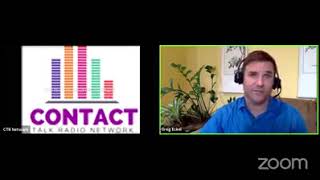
Dr. Greg Eckel, a naturopathic physician and acupuncturist, launches a podcast focused on root-cause medicine and health span rather than disease management. He draws on his wife's neurodegenerative illness and clinical cases of disease reversal to argue that US healthcare overemphasizes drugs while ignoring environmental toxins and epigenetic factors that drive chronic illness.
Questions this video answers
253-397-5594
$8,508 per person (per capita, 2011)
$536 million per year (advertising budget for Humira)
~$60,000 per year (approximate drug cost for Humira)
About 1–2% per year (he cites recent data over the prior decade)
Chapters
253-397-5594. All right, well, welcome everybody. My name is Dr. Greg Eckel and I am the host of the what's the Health? Podcast. My venture into the podcast world. We're really excited to be bringing this to you. Been in clinical practice since 2001 in downtown Portland, Oregon. And I'm really excited, you know, we're bringing healthcare that is gonna promote thriving. We really think that, you know, what is missing in our healthcare discussion and just on the planet is really our healthcare really should bring us into a thriving state, not just survive or, you know, where can I get my drugs covered from? But, you know, the community of what we wanna live in is really to promote this concept of thriving. So we're super excited to bringing it to you on the contact talk radio. And you know, we wanna look at this word thrive. You know, you don't really get that so much in the healthcare debate and or discussion around yourself. So, you know, a bit of, you know, flourishing is another word that I'd like to promote out there. And it is what we've been doing. You know, I like to say I don't like to compare my patients to the general American public because they are diseased and sick. And we're going to cover that. We're going to talk about the current state of affairs in the United States and in healthcare in general with our own bodies and really address and assess all of the levels of healing from biochemical, physiological to basically spiritual. We're gonna cover it all here on this discussion. And again, just super excited to be here with you. So if you find any value with this, I want you to, you know, share it with your friends and family and we can really make a movement and help change our health. So from here, you know, how did I get here? So I've been in practice since 2001. I'm a naturopathic physician and licensed acupuncturist. And I was in the early 90s in Portland, Oregon. I was a preschool teacher, Montessori preschool teacher. And I was watching at that time three to six year olds being put on Ritalin. And my poster child was Michael. I like to say he included others in his learning and, and he was a rambunctious dude. He definitely was all over the place to this child, to that child running around. Definitely wild dude, but he had a full lot of life in him. And at that point I was an assistant in the Montessori classroom. I'm definitely a Montessori child wannabe. And the head Teacher advocated for his parents to say, hey, I think that was just really the beginning of attention deficit disorder and adh. And she advocated for the parents to take Michael to the physician where, lo and behold, he was diagnosed with add. And I remember the first day he came into our classroom. And, you know, it really. It was super sad. You know, he was slumped over in his chair and that little sparkle that should be in the eye, you know, that one I'm talking about, if you have kids out there of seeing kids, it's that little sparkle. It was gone. He was just slumped over. It was such a sad day. And, you know, yeah, sure, he stayed in his seat, but he just was not the same kid. He did not have that life. And, you know, it was so inspiring to me. I just thought, there's got to be a better way to treat these kids. And, you know, I always knew if I went back to school, I wanted to be in service to people. And so that aspect of, you know, seeing Michael just slumped over, I also had an experience at that time. I had a booth at Portland Saturday Market. I was making kaleidoscopes and handmade marbles. Yeah, old 90s Portland dude, I guess. And with that, I was a vegetarian at the time, and I thought a very healthy. I thought, oh, vegetarian is very healthy. But I was not feeling very well and I was run down and just really no energy. Just thought, man, I'm in my early 20s. What is up with this? This would be my vibrancy here in life. And a bunch of friends, community directed me to the National College of Natural Medicine. It's called National University of Natural Medicine now. And I went in there and providers, they addressed my diet and they came back. So I did a little diet diary. I came back in and they called me a junk food vegetarian. You know, here I am, you know, young dude thinking he's eating well, eating vegetarian. But it was all packaged food, right? I was, you know, I was vegetarian. So I was like, very healthy. No, it was basically vacant, empty food. And that is, you know, I think it was brilliant that they just addressed my diet. I just changed my diet and I felt better. I thought, wow, I could really get behind this. And here I'm seeing Michael, this boy that was just drugged from 3 to 6 years old. And so I had all of these different paths leading me into naturopathic medicine. And while there, I got into energetics and Chinese medicine. I also have a master's of science of Oriental medicine. So I really got where, you know, east meets West. Naturally we bring together full spectrum healthcare and address people where they are, meet you where you are, and create plans that actually get wind in your sails and get some momentum and movement. You know, there's no right way or wrong way to do health. I think there's only your way. And that's what our goal is, is to design programs and treatments specifically personalized to you. You know, I could have 12 people come into the room and everybody with the same kind of chief complaint, let's call it fatigue, right. Like my junk food, vegetarian foray and medicine. And they will all get different treatment plans based on what they bring, what their genetics are, what their stress levels are, what's their relationships, what's their community like. So all of these facets that we look at of I call it addressing heart centered beings moving through time and space. You know, there's this concept in Chinese medicine that the heart is the Emperor Empress. There's no word for mind, body medicine. So when we talk about this concept of the thriving, we want the heart or the Emperor Empress. We're addressing heart centered beings as a heart centered being to you, a heart centered being. We want to make sure we're addressing and assessing all of the facets of health. It's not just oh you for this condition, here's this natural product or here's this drug. You know, in Oregon, with my degree, I have a DEA license, I can prescribe any drug on the planet. I just choose not to at this point in my career because the, you know, I'm just amazed every year at what our bodies can do to heal themselves given the right information. Like to say, I do a lot of nothing all day. And so we really want to bring, you know, we assess, we figure out what is the root underlying cause and address you at that level. And that's really, you know, when we bring back a thriving individual is that's how you do it. You address at the root imbalance. You don't just cover up symptoms or disease process. You know, the medical model as I see it today is we have a disease management symptom based model of care, meaning we're just treating symptoms. And by covering up symptoms, you know, I'll have people come in with a laundry list, let's say 50 over 40 items on my intake form. And that's critical mass for me. I just learned long ago I drew the line in the sand when somebody hits 40 symptoms on my intake form. Form, it's a 13 page intake form, so it' sit's pretty lengthy. But somebody hits that many symptoms. I know that all of the facets, they've got so much stress and inflammation in their lives that all of the organ networks are under the gun. And so to address that level. So that's kind of a, you know, pretty steep curve of what we're talking about. We've got somebody with a lot of symptoms and we're gonna have to put a lot of information over here to get that body balanced out. But by addressing from the heart component of really bringing that heart back into health care, we can make great strides and make some great movement for folks because you know, it really is figuring out what is the motivation, what's the underlying cause and you know, how do we affect change the best for you or your loved ones or your family. And it is that whole pursed in healthcare that we want to promote. So in there we get this really the emperor, the heart centered medicine as one aspect of that thriving. Fast forward to today. Just recently have gone through major life changes and really it helped basically lift the veil for me and really show a lot of interconnectedness in the world and really how I'm practicing medicine today. Over this last year I lost my wife to an incurable neurologic condition called Kurzfield Jacob disease. And as you can imagine, I mean there's a lot of grief over the last year as well. But there's been, you know, I'm really trying to turn that personal tragedy into some really great benefits for the world and really uncovered some amazing, amazing remedies and what I'm calling them of Soraya's gifts. So you know, she passed of this Crisfield Jacob disease, which is a rare neurologic condition similar to mad cow syndrome in cattle. So if you remember back in the 80s in England and Europe, they had that outbreak of mad cow syndrome and the beef, they had to eradicate a bunch of their cattle in Europe because of this prion. It's a basically a misfolded protein. So no known cure. So as loving husband and as a clinician and naturopathic doctor, I thought, you know, what the hell, I'm going to swing for the fence, let's see what we can do, right? There's no known cure. Let's just go for it. Maybe we're going to uncover, maybe there'll be a miracle, right? I'm open to that. Went into the medical literature and uncovered a tremendous amount of research around regenerative medicine, stem cell therapy. I found remedies out there for proteins, all kinds of chronic neurodegeneration. So As a result of that, I've got a book coming out called Shake It A Fancy Approach to Parkinson's Solutions. So I've wrote the whole process up in there that's coming out here in 2019. I have an online summit as well around chronic neurodegeneration. And you know, really using the platform of what I went through, you know, around, you know, death and dying, around, you know, dealing with a loved one with chronic illness. And it was, you know, what Crisfield Jacob looks like is within two months, it's rapidly progressing dementia. And then my wife couldn't talk anymore. Then we basically watched her just disappear over a year. And just a brutal, brutal process. It really has informed me as a being on the planet, as a clinician, as a practitioner, has brought out more empathy and love. Really the way that I made it through was just basically to surrender to the whole process, to life, and just allow and receive and, you know, it really is a tremendous growth opportunity of just allowing what is out there in the world. And it really opened up my eyes of a discussion around health. You know, one of the things that I am hoping to accomplish here is to change the debate. It drives me batty when I hear we're battling cancer or we're going to fight against this autoimmune or, you know, really around the big C word. It comes up a lot for people is like, I'm going to fight against this or I'm. It's a battle or there's this, you know, this other thing in me. And really the debate and it comes back to this Chinese medicine approach of heart centered medicine is, you know, maybe we can take some learning from the process and not accept the disease process. I mean, it can be very big motivating factor for us to change our lives, to change our relationships, to have the conversations we need to have, you know, with. With what I went through is like basically poof, gone. We weren't able to have some of those like, you know, ending heart to heart conversations that you would imagine or you see in the movies, right? So we had to discover other ways of communicating with each other. And, you know, really that is what has helped me kind of lift that veil of separateness that we experience in this plane. You know, if that. And I would love your comments or questions at any point during this podcast down the road, I want to hear from you. You can find us@naturecuresclinic.com and please write to me. I want to know what's going on with you and if you have Specific questions about health. I'd love to answer those. And so we can do them right here. I'm here weekly on Contact Talk radio from 2 to 3. But on this process of the veil is thin or lifting of the veil and this communication component, these psorias gifts, I want to share those with the world. And you know, basically I'm lecturing, I've got, I'm coming out online with some more information for folks. And really my purpose and passion is to help as many people as I can achieve optimal wellness through an integrative care model. So again, it is where that east meets west and where those come together naturally is really what we're after. And you know, your body can heal way more profoundly than you think it can. You know, current state of affairs in the United States. We've got average American over 55 on two to three pharmaceutical medicines. You know, our healthcare debate, you know, the US is last in healthcare. In developed nations, we have the most expensive healthcare. You know, some stats that I looked up before coming on today, we had, you know, US ranked last of developed nations. So there were 11 nations that this study looked at. We had the most expensive care, $8,500. $8,508 per person, per capita. That was 2011. And the least healthy population. So, you know, there's a total disconnect when I'm talking to people, I'm out lecturing, I'm lecturing to patients and the public and I ask them, you know, who here has heard, oh, that symptom is you're just getting old, right? Like we hear that all the time, like, oh, you're tired, you're fatigued, you have aches and pains, maybe you have a little bit of memory issues, you know, like normal aging. And so that word, normal, I do not like that. I don't want to compare my population base, my patients to the general population. The style of aging that I want to promote and that I do promote is what I call this thriving model, right? I used to live in Vienna, Austria and I was as a 20 year old in college, I did a semester abroad and I was hiking mountains with 80 and 90 year olds. The only difference for me and them, they were using ski poles and it took them a little bit longer to get to the top of that mountain. And that is the style and the type of aging that I think is normal, healthy aging. What we're seeing now and what happens is it's so common that, you know, I'll ask a room full of 100 people okay, here, you know, who has back pain, who has headaches, who has knee pain, and you know, 90, 95% of the hands go up in the room, you know, and I have people hold their hands up and I say, okay, now look around, look how common this is, right? So most providers are seeing this sick, diseased model of care and our aging population that's getting worse and worse. And they're thinking, the providers are saying, well, this is normal, because look, everybody has it, right? You might be thinking that yourself. Like, well, geez, you know, Jane and Joe down, my neighbors, they all are feeling the same way. Well, they're feeling the same way because they're under the same environment, they're living with the same stuff. And their, their thought process is the same as well, you know, a case in point on this recently. So what, you know, what is normal versus what is common. And those are all very common symptoms that I in our diseased, sick society in North America. And what I'm here to say is that is not normal. You know, those are wake up calls. Those are like the little, you know, little shiny flags saying, pay attention to me, pay attention to me. I'm out of balance. And so what you got to do with that is, you know, it's not like, take this purple pill and all of your symptoms go away, right? That's what gets marketed to us, about $12 billion a year. If I had $12 billion a year, we would be living in a much different culture and society. One that people are thriving, they're off of their drugs, they're more creative, they're more productive, they're more happy, they've got more energy, right? There's a lot more love in that society because we've got happier, healthier population out there that are more creative, more productive. That's what we can actually create here now, right? We just got to get educated. The root word of doctor is doseri or teacher. And that's what I, you know, I started my career as a preschool teacher and so I'm still educating today. And that's why I'm bringing it online onto this platform. So I'm hoping to reach millions. So help me out with that. So on that, you know, our healthcare system is broke, right? We've got providers going into agreement with dysfunctional individuals that are sick and diseased looking for the next drug. You know, I've got people that come into my office for consults and they'll say, oh, I'm doing pretty fine, I'm doing pretty fine, doc. You know, I ask them, fine, huh? What, what happens if you stop those five drugs that you're on and, you know, they pause and they get really serious and they look at me and they say, well, doc, I couldn't do that. I'd die. It's like, well, that's not fine. You know, your body actually can heal itself. I've had folks with hemoglobin A1Cs for diabetes. That's a three month window or marker of their sugar imbalances in their body. At 14%, that's uncontrolled, raging diabetes. We've been able to get them under 6.5%. So these things, I'm not saying everybody gets cured or we get to reverse everybody's symptoms, but if you work at it and you haven't had past that point of no return, you know, I'm not the doctor to, you know, limit your body's healing abilities. All too often I get patients in here, they've been given death sentences, right? They got a diagnosis of cancer, you got six months to live. Mrs. Smith, you know, there's no way that the physicians have that much power, but that thought of implanting that into the patient's mind is a death sentence, especially if the patient goes into agreement with the professional in the room. So, you know, you really want to watch, you know, what we, what we do put up here in the old noggin, Our brains and minds are powerful, powerful, creating machines and can really create our reality in multiple ways than one. So, you know, we're looking at the healthcare system, right? We can all agree it's busted and it's broken, and there are a lot of great, smart, brilliant people working on this puzzle here. I'm taking it directly to you because I think that you've got the power to actually make the change. And you can do this by the choices that you're making, by the decisions that you make, by what you put into your brain and what the thoughts are that you're, that you're also thinking in there because that stuff comes out. All too often. I get people resigned to their health. Just saw a gentleman the other day with diabetes. He's 80, he doesn't like vegetables. Right. His wife's really just nagging him, trying to get him to eat those vegetables. And by golly, he just doesn't like vegetables. So there are, there's a lot of things we can do for him. You know, I do want him to start eating vegetables, but we got to figure that out. You know, it's not my way or the highway, but there are multiple roads to Wellville is the way that I call it. So, you know, on this healthcare as a general system being broken, you know, if Dr. Eckel was in charge, number one, there would be no direct to consumer marketing. The advertisements on television, go ask your doctor, they're laughable. You know, I don't consume a lot of mainstream media because it's a negative Nelly. Like it is total bombardment into a fear state for most of the population. I've actually put multiple patients on a diet from mainstream media because of the fear that they get put into. And it's almost like a mind control really. You know, when you look at it, it's like, man, you tune in, if I tune in and I look at how many ads for drugs are out there, it's astonishing. Like we really, once I understood, like we're walking around in a pharmaceutical cloud out here, folks. And once you, once you see it, it's like, wow, you know, you get through. It's almost laughable, right? They go through all of those side effects and it always ends in death, right? And the number four cause of death in the United States is actually doctors. So, you know, there is something to watch out for here in that you've got to watch what you're being sold, right? I mean, you know, I teach my kids on the advertising front, they're just selling soap. That was the early advertisements out there. And so you look at, man, there's a lot of money going out there. Case in point. Humira, you probably heard about this. This is the new kid on the block. And it's a blockbuster drug. It is a biologic drug. This is only for a small subset of the population. But I knew we lost the healthcare debate when we started talking about drug coverage, right? Are my drugs covered? That's not drug, that's not healthcare policy. That is a drug care policy. Humira. $536 million a year advertising budget. Advertising budget. You know, there is an amazing return. I mean, it's a blockbuster drug. You go look up the how much money they're making on that, right? It's like a $60,000 a year drug where the patient with insurance has got either no copay or a $4 copay. And so what is going on with that? That's a big one for rheumatoid arthritis. There are tons of things we can do for rheumatoid arthritis. This regenerative medicine. There's some amazing things there that we've seen folks with rheumatoid arthritis Improve with regenerative medicine program. So I'm not going to say we're treating rheumatoid arthritis with regenerative medicine, but I've seen people that have received regenerative medicine with rheumatoid arthritis get better. So we've got this climate of drug policy and drug control. So Humira, $536 million, right. Advertising budget. They're getting a tremendous return. So that's why we're seeing those ads everywhere. I mean, I've, even when I've watched, I thought, well, maybe I could use some Humira. Right? I mean, that's how convincing and well written these ads are. Right. In a marketing component. So number one, we need to get rid of direct to consum marketing. They don't have it in Canada. That's kind of a sane country up there. A little bit too cold, but they love hockey. But the healthcare reform, really, we lost the debate when we started talking about drug coverage. Right. I know it's a big thing for so many seniors and general population because that's what we've been taught, right? Oh, I'm ill. I must need a medication. Right? And I'm here to tell you, over 18 years of practice, I keep getting more and more confidence with what our bodies can do given the right information. So my job as Dr. Doceri teacher is to remove obstacles to cure. So we've got to get, we got to figure out, okay, well, what kind of lifestyle stuff is happening for you that may be contributing to the imbalance or the root imbalance, and then can we remove that stuff, get some new information into your system and then have your body and it's an inherent innate wisdom heal. And I have seen stage four cancers go away. I've seen autoimmune conditions go away. I've seen neurologic conditions improve, such as Parkinson's and ms, peripheral neuropathy. These things are not supposed to correct or cure. So I don't call. I'm not curing anything. It's the person's body. It's your body that can heal itself given the right information. That is the basic tenet of naturopathic medicine. The body heals itself. We just have to figure out, you know, what's the strands we got to listen to you and trace those things back to the root underlying imbalance. And I will tell you time and time and time again, I'm way more confident. I like to say I do a lot of nothing all day. Right. I'm listening. I create an environment where I do not go into agreement with limiting beliefs. We figure out how do we get momentum for you or for your loved ones. And then we go after that and we set the stage and we go towards it. That's how healing works. And over and over and over again. You know, it's amazing. I get to see a lot of spontaneous remissions here at Nature Cures in Portland, Oregon, you know, pretty incredible. Ah, so welcome. So we made it to halfway through. If you're just joining us again, this is. I'm Dr. Greg Eckel, and this is what the health. And I'm so excited to be bringing this podcast to you. If you just tuned in, you can go to my website@naturecuresclinic.com and click on the button there. We'll have it up and you can watch from the beginning. And I hope you share this with your loved ones and help me get the message out, because I think it's time. You know, last summer. I'm originally from Western Pennsylvania, Johnstown, Pennsylvania. It's outside of Pittsburgh, kind of down the border, foothills of Appalachia, really beautiful area, just north of West Virginia, Western Maryland border down there in the corner. You know, really just salt of the earth folk. And it was an amazing upbringing. I'm sitting back there with my family at a family reunion. We're at Eat N Park. Eat N Apostrophe Park. And I'm sitting there, I'm sitting there with my kids and my Aunt Joan. And I'm looking around and, okay, this is a food buffet. I will tell you that. It's a food buffet. All you can eat buffet. I love going there as a kid, but so it's still open back there. And I look at every table and I'm looking around and like, holy cow, obesity is rampant. It's just everywhere back there. And it's basically, it's a food desert, right? You go into the grocery store, 5,000 square feet of. There's no real food in there. It's all packaged, it's all processed, it's got a bunch of preservatives. And, you know, it just is not great for health. And so we wonder, where does disease come from? And perhaps, you know, we're doing it with our forks. But it dawned on me, like, man, this is over the top. My family, my people, this, you know, I consider, basically, we're all one. Just pretending to be a little bit separate in this plane. You know, this interconnectedness of us. All these folks are being treated as a product. You know, how much can we shovel down their gullet. And then how many drugs can we get them to maybe feel a little bit better? Or they start one drug, then you got to do another drug for the side effect of the first drug, and then you got to do another one. You know, they get into that polypharmacy thing. So it's like, you know, people are now becoming. They're just like cogs in a wheel of how much profit can we make off of them? Which I think is criminal, you know, And I'm putting the stand, I'm putting the flag down to say, wait a minute, we got to bring the healthcare back for thriving. This is, you know, it's gone on too long. And I think it's time, you know, people are, we're not doing well out here. And I want to really make sure that I'm a voice of reason. I can be a trusted source. We're going to use research, we're going to use clinical evidence, and we're going to use what works. You know, one of the components with being in practice for so long. I used to employ seven providers here at NatureCures. And it was kind of the running, you know, I became a clinician's clinician, right? So I send providers out to the conferences. They come back with like, hey, doc, here's the latest, greatest research. We've got to use this product. And we would try it out with 50 to 100 patients, and just nothing happened. And you thought, wait a minute, you know, how can that there. Nothing happened. We got this great research. Why didn't it work clinically? So I really want to share with you during these podcasts and the folks that I interview, I want to share, like, practical, tangible things that you can do to increase your lifespan, right? Your health span is the concept. So, you know, healthcare to promote thriving. And let's work on our health span, you know, the way that I want to live, I want to live a full, rich, abundant life, you know, thriving on all fronts, right? With my brain, with my brawn, and with community and just do amazing things. We can all do that. But, you know, and then I just want to drop dead. Like, I don't want to suffer. Like this component of aging, this normal aging that we see, or again, remember, I'm calling it common aging is disease Sick America. And I don't want to promote that. You know, another facet of that, of that component is around laboratory ranges. So a lot of folks don't understand there is nothing normal about laboratory ranges. You know, it's a reference range. It's two standard deviations around an average just recently. Well, there's been a couple changes in that over the last two decades of medicine. So one that I wanted to share is around testosterone. Just. And this kind of leads into the next segment of the show. Today, testosterone levels for men have been shown to be decreasing 1 to 2% every year. And after the age of 40, this is new. And they've been decreasing that way for about a decade. Just in this last year, the labs have changed the reference range for testosterone used to go up to 1100 or 1200. They dropped at about 300 points down to 900, which is now accommodated, basically, the castration of men in America. Because the reference range, if you're on the reference range, you think, oh, good, I'm on the reference range, all must be well. Well, no, there are definitely ranges that are optimal for your health. And you want to go to a functional medicine, naturopathic doctor, integrative medical practitioner that will help you sort that out because you do not want to compare yourself to the general population. So two standard deviations around an average. So what does that mean? The American taking two to three drugs, sending their blood work in, typically when they are ill, and then you're getting compared to the sick, drugged American. So I don't do that in my practice. The naturopathic community does not do that. And we want to promote thriving and wellness and there are optimal levels in there. But case in point, you know, the reference ranges, again, are not healthy levels. So we really want to watch, you know, when we are talking about health and thriving, what does that mean? So again, I would want to promote this health span. You know, I have gone on public television saying I want to live to be 150 years old right now. Don't look at me like you think I'm crazy because, you know, if you could do it again, not like what you're seeing out there, but if you could do it with your mind, with your muscle, and with community, why not? Like, this is a pretty amazing, amazing physical plane. This world that we are living in is beautiful. And, you know, it should not be taken for granted. I'm grateful every day for another day of life, especially, you know, after going through basically losing the love of my life. I definitely, you know, I'm so glad I had Sariah in my life and she taught me so much and had. It was an amazing love. And I wish that for that everybody could experience love like that. But I will tell you, the loss has definitely made me way more grateful for being Here and for being in this plane and, you know, being able to hear the birds sing and watch the trees breathe and, you know, go down to the beach or to the mountains or, you know, sit around the dinner table with my family and, you know, listen to their stories and watch and see them grow. You know, these things are, you know, if we get into that gratitude model, that's a component of healthspan and that aspect, you know, I don't take anything for granted these days and, you know, life can be too short. So my encouragement to you, if you aren't living the way, if you're not feeling the way that you want to feel or think, if something isn't right, please reach out to me or find a practitioner that will listen to you and that will address root causes and imbalances and really help promote thriving for you because you are capable of getting there. How does it happen that we're not thriving? Right. So as a physician, as a naturopathic physician, one of my mentors, Dr. Bill Mitchell, he's a co founder of Bastyr University, I remember it fondly. He's passed off the planet at this point, but he called the naturopathic profession the immune system for Gaia. And it has so struck in my mind. As physicians, we're responsible for addressing the root imbalances and causes of illness. Well, you look at that, it's not just this individual sitting in front of us, it is also our environment. There's this concept in Chinese medicine, as you are in the macrocosm, the macrocosm is in you. Well, what does that mean? You are in the universe. The universe is in you. Or you can also say more basically. And what I've taken to saying is, I am the universe, the universe is me. Because we are. We wouldn't. We're innate intelligence expressed folks, you know, so you gotta really get that in there. Like, you came here for a reason and I want to help you actualize that. So it's not just like, you know, how many Netflix shows can I watch this weekend? You know, like, really, like, let's get out there. A lot of people need our help and our service and our creativity and our, you know, our abundant thinking. So that's what I'm promoting here, you know, is healthcare that promotes thriving. And we can do it. It's a lot of fun when you get into that flow as well. So, well, where does it come from? So this component of naturopaths as Gaia's immune system. So we've got to address my Job. You know, what I learned with this process with my wife Sariah was, wow, this illness may not even be hers. Like, it could have been multiple generations ago, right? We're talking about epigenetics and genetic expression. So it could have been traumas in the lifeline, which has made my job so much harder as a physician that I've got to address. Like, so many people don't know what their family trees are, right? We've got all of these gene tests and genetics, and we definitely play that in, you know, with a big asterisk. You are not your genes. You may express your genes given the right information, just as your ancestors did. But also traumas of your grandmothers and great grandmothers may have triggered some events that are now coming to fruition. So we want to address at that genetic level, but also we look at then the environment, right? So that's one meta. Meta epigenetic component, like could have been generations ago, these traumas. So we're going to look at, as we go forward, we're going to go into family constellation work. Some of my favorite ways of getting at those root imbalances, right? So we're looking at family constellation work and you know, on the mind aspect also in an epigenetic fashion. So we're going to cover those coming up, coming down the road. In fact, I'm going to take a note of that. We're going to talk epigenetics. And then so from there, then we look at environmental topics. And this one is near and dear to me. I studied policy and management studies and environmental science as an undergraduate in Central Pennsylvania, Dickinson College. And it really is, you know, back then I was thinking, boy, we better save the humans. Like, so much for save the whales. Like, we're, we're the dying breed on this planet because we're wiping out species and cutting down the trees. And, you know, again, this concept of what happens in the macrocosm, your environment happens in your body, right? I mean, we could trace this back to. We've got Rachel Carson of Silent Spring to help, you know, really elucidate. In the 60s, the DDT was in the water that then people were drinking that was causing cancer and all kinds of health issues, right? So the environment, your environment matters. So we want to look at, you know, what are. I just took some notes on, you know, what are some of the things that are affecting us? And, you know, this is not to be discouraging or overwhelming. You know, when you get into environmental medicine, it can be very depressing. Processing when you look at, wow, we are getting exposed. We're just swimming in this soup of what is 82,000 chemicals a week in the United States, right. There's 1700 new chemicals coming online every year that the EPA, you know, basically just rubber stamps says, yeah, that's fine. But there's been no toxicity data done on these. Like only about a quarter of the chemicals have been tested for the health consequences. So you know, what am I talking about? What's Dr. Eckel talking about? So you know, you look at, you know, most recently Flint, Michigan with lead in the water, right? And I don't even know. I don't think they've cleaned the lead out of the water in Flint, Michigan. But at the time of Flint, Michigan, I did a quick research and I looked in western Pennsylvania and Pennsylvania. Pennsylvania had, there were 10 communities that had more lead in their drinking water than Flint, Michigan did at the same time. Great website to go check out is vox.com, vox.com and they did by municipality. So you can check your water to see are you getting lead in your water? Lead is a heavy metal. Lead lowers your iq. Lead has serious consequences to your nervous system. And we're looking at dementia, Alzheimer's, Parkinson's, all of these neurologic conditions going are on the rise, right? Yes. Okay. We've got a health, you know, we've got our aging population of the baby boomers now coming through the healthcare system. But also we have this level of toxicity or level environmental component that we're living in and we're swimming in this. And if you don't do anything to address or assess that level of toxicity in your life, then youyou know, you're basically at cause like these things are affecting you whether you think they are or not. So some things I got the heavy metal so you know, we'll do a heavy metal assessment when necessary. When I learned about it as a student, you know, there was no way I started testing everybody and I was like, oh geez, what do we do with this? You know, the NHANES data, which is a database of North America, looks at levels of toxicity in individuals and it basically says we all have heavy metals in us. The question is, are those heavy metals causing you a health issue? So you know, we want to look at that, but this is just the general setting of the stage of where we're going with what the health, you know, these things we got to address this. This is coal. You know, mercury comes from coal fired plants for energy. Right. So if we change our energy Policies, we get different sources of energy. We're not then toxing ourselves out. What happens in the environment happens in the microcosm, macrocosm, microcosm in the body. Pesticides, dioxins. We got plastics. So that plastics that componen the castration of men that I talked about, well that's coming from plastics in the environment. They're estrogenic effects and they're lowering men's testosterone. In addition to creating all kinds of endocrine or hormone imbalances for women as well. We created this fire retardants. This is an up and coming smoking gun. 1. You know, if you fly a lot, if you're in the airlines, airplanes, you know, you get a lot of off gassing, especially from those new planes with the plastic and then the fire retardants and the seats. National Geographic just did a June expose on this. And you know, it really is, we've been addressing it in the naturopathic community for 40 years. Is this environmental toxicity component. And then the hugest one is glyphosate. And you've heard of this. I was thinking it was banned in the eu, but I just met a Spanish fellow and he said it was not. But one of my personal heroes is Professor Serolani. He's out of France, he did the research in France where he was showing glyphosate is the listed active ingredient in Roundup, which has been proven to cause cancer. Well, his lab actually showed that roundup was 99 times more toxic than just glyphosate by itself. So the rats and the mice in his lab, Roundup had 99 times bigger tumors, faster growing tumors. When you look at the whole product aroundup, I mean we got this stuff, they're selling it like candy out there. Like there's ads of spray your yard to get rid of the dandelion. You know, maybe we need the dandelions in our yards. You know, when you look at what actually they're doing, they're replenishing the soil, they're bringing calcium back in. So you know, instead of toxing your environment because you're swimming in it, maybe like let's listen to nature and follow it and really nourish and nurture it because we're part of it, right? So let's stop being at war against our environment and really embrace and listen because it's there teaching us, right? We live in it, we're. It's our home, right? We're toxing our home and expecting to get better, which it doesn't make any sense on any level when you look at it that way. Right. You know, so that component of levels of toxicity, we're going to talk about that more. We're going to talk about liver detox, we'll talk about colon detox. We're going to talk about how do you create a sanctuary or environment starting in your bedroom, into your home and then, you know, let's move out from there and change our communities because these are the products that we're using. You know, skincare products, they're renowned. You know, just a bad detox joke, but I'll share it today. You know, really looking at this joke about, you know, women wear, you know, eat about one pound of lipstick a year and then the average male, you know, eats about two. All right, that was a bad joke. I'm sorry. And it may not have come across very well, but you get my point. Like we, you know, these things that we're putting on our skin go into circulation and there's really very little regulations on what can go into those products. So one great website for this. Another resource is Environmental working group. It's EWG.org I support them with some of the finances of the clinic because they do some just astounding. They've got, you know, like the dirty dozen list for organics versus non organic foods, vegetables and fruits. They do a best seafood. Seafood bioaccumulates heavy metals right in the sea. The larger fishes like swordfish are rot with mercury. So a lot of times when I'm doing heavy metal testing, you have to tell patients to not eat fish because they're getting exposed to metals that way. So we really want to come back into a discussion around clean air, clean water and clean food. These are the basics and I would say are fundamental human rights that we need to get make a priority for ourselves. You know, as we start taking better care of ourselves. The after the off product of that is we start taking better care of the planet. Once we start realizing we're interconnected, we can't just live up here in the gray matter we really pretend to in the West. You know, the more intellectual I'm going to be, you know, working more on the computer and I'm going to, you know, migrate up into the gray matter. But that's where all kinds of dysfunction comes from. That's where mental illness comes from. So really bringing it back, bringing the heart back into medicine and bringing more love really is really what it, what it comes down to. But so we've got this whole component of air, water and Food. Now if you're not overwhelmed enough, you know, the next piece has been a hard one and I actually, I debated on bringing this up or not, but I am going to address it because the root, you know, we got to address root imbalances. And when we look at it, you know, a friend sent me an article earlier in 2019 this year and it really, it made me look right. And I'm talking, you know what I'm going to bring up, right? This is like we're already off the cliff with global warming and climate change. And you might be thinking, come on doc, you got to bring that up with the healthcare debate. Yeah, climate change. So it doesn't mean that everything is just going bad, it just means that we are off the cliff and we've got to make some radical changes. And I think by getting a healthier population we can increase our creativity and we can really come up with some solutions that get this thing turned around and we get our home back in order, we get Gaia, Mother Earth protected because we're thriving again. We don't even have a sustainable program or planet at this point and that's what we really need to do. But this is our home. We're living on the thing and it's toxed out and it, you know, it's given us all kinds of symptoms and signs. Well, how does that affect our health? Well one, you know, you look at just North America, we're seeing tick borne illness go crazy rampant on in North America. Well, why our winters aren't as cold. Well what so the bugs, those, the ticks don't die and then they flourish and then they, they're infecting more people with illness. So we're seeing around the globe that occurring with all kinds of, you know, insects and ticks. And so this isn't like let's divide, you know, devise more insecticides to get them. It's like let's go to the root imbalance, we're warming the planet. Like let's get our farming policy under control, let's get our energy policy under control, let's make some changes at that level. But we can start with ourselves and then in our house, in our families and then move out from there. So I don't bring it up to overwhelm you, but it is a component that you can know Dr. Eckel is thinking about this and how this impacts our health because it has far reaching issues and health impacts. So we really want to look at that. You know, again, that one, you know, it feels like Ah la la la. I'm not going to listen because it's just too much. And I've been there, I just bring it up. I think, you know, everything is as it is. We need to really assess what that is. And you know, one of the articles I read in just prep for this was, you know, a lot of scientists only talked about a 2 degree as a worst case scenario. 2 degrees, we're up 1 degree Fahrenheit but once we get to 2 degrees and we're on track to basically maybe even 3 to 4. So it's not to create fear or overwhelm, it's just looking at the realities and the possibilities of what could occur. And we're not there yet. But 2030 is not too far away. We're 2019, the launch of this and I think we can do it. I'm very hopeful. Call me a radical optimist, but again I leave the door open for everybody when they come into my clinic. I'm not going to limit the possibilities, I'm not going to limit my beliefs, I'm not going to limit your beliefs. And I am a firm believer that miracles do happen, but we've got to manifest them like we can do it together but we've got to get healthy and we can't be toxin out our brains, we can't be fatigued, we shouldn't have brain fog. You know, there's, that's not an abundant state to be making decisions or to help change the planetary trajectory or to change your health or your family's health and to bring more love into this conversation. So you know, we are, this is some of the paths that we're going to take together here and I'm hoping, you know, I'm going to bring in some of the world's top experts on a lot of these topics and we're going to get into some deep conversations. I'm going to ask people about their personal beliefs, their practices, what are their, what have they found to really move the, move the needle for their own healthcare? Right. You know, a component is the biohacking component. So I'm big into and I said I want to live to be 150. So there's one, one test I did that was very interesting. It was by tellow years. I have no connection to them. But you can measure your telomerase level, which is basically a DNA, it's off the DNA to tell you how old are your cells, how old do your cells think they are. And I was so pleased my cells came back and they're thinking they're 17 years younger than my biologic age. So, you know, that felt good. Like I'm walking my talk, I'm living my medicine, I'm out, I'm getting my sleep, I'm eating well, I'm hydrating, I'm drinking clean water, I'm cleaning my air. You know, I'm getting in a hyperbaric chamber, I'm doing, you know, laser therapies, pemf, pulsed electromagnetic frequency. You know, I'm playing with all of this stuff because I get it. If I'm going to be the leader of a thriving movement, I've got to be thriving. And you know, honestly, I will tell you, I feel very vibrant. I feel strong, you know, I get good sleep, I feel a lot of love and that aspect, we've got good connections and community. You know, the vision of really where we're going is really more love. Right? This component of Dossieri or Dr. Dr. Is teacher. And that's what I'm hoping to educate you and your for you, your family and your community. And we can really make a difference here. We're bringing more love, more creativity, more energy so you can get more or you know, just receive more, but also thrive. You know, healthcare should be promoting thriving and that's what we're after here. On what the health. You know, I want you if you just listen, if you just turned in tuned in. I'm Dr. Eckel. This is what the health. I invite you to my website, naturecuresclinic.com where you can catch this whole show. Please share it with your friends and family and come on at 2 o' clock on Tuesdays on Contact talk radio. We're going to be here having this conversation. You can always tune into your favorite podcast venues and subscribe to our station on our channel. Subscribe to my show. Would love to have you along for the ride. Should be really interesting, a lot of fun and we're going to thrive together. So really want to encourage you to come on back and share. You know, this component when you look at this heart is the emperor empress and the concept of there's no word for mind body medicine in Chinese medicine. So I'm going to bring it back. Bringing the heart back into healthcare here. You know, heart disease is the number one killer in North America and we got to look at why that is. And so you know, our, we got to nourish our hearts, our emperors, our empresses and that's the type of medicine that's the way I'm going to talk out here. Talking directly to the heart, from my heart to yours. So please share this with your families, your loved ones, and I look forward to having you along for the ride.
More from Dr.

EP. 197 Brain Regen: Harnessing Essential Oils for Cellular Health and Longevity

EP 196 WTH?!? Unlocking Cognitive Health with Your Genetics with Elwin Robinson






EP 190 WTH?!?: Mind-Body Mastery: Harnessing Movement, Breath, and Sound with Jeffrey Williams

EP 189 WTH?!?: Nourishing Connections: Lynne Bowman on Family Meals and Healthy Living


EP 187 WTH?!?: Clearing the Air: Dr. Kevin Smith on Nasal Health and Migraine Relief