Empower kids with neuroscience🧠 #mindbodyspace #podcast #resilience #neuroscience
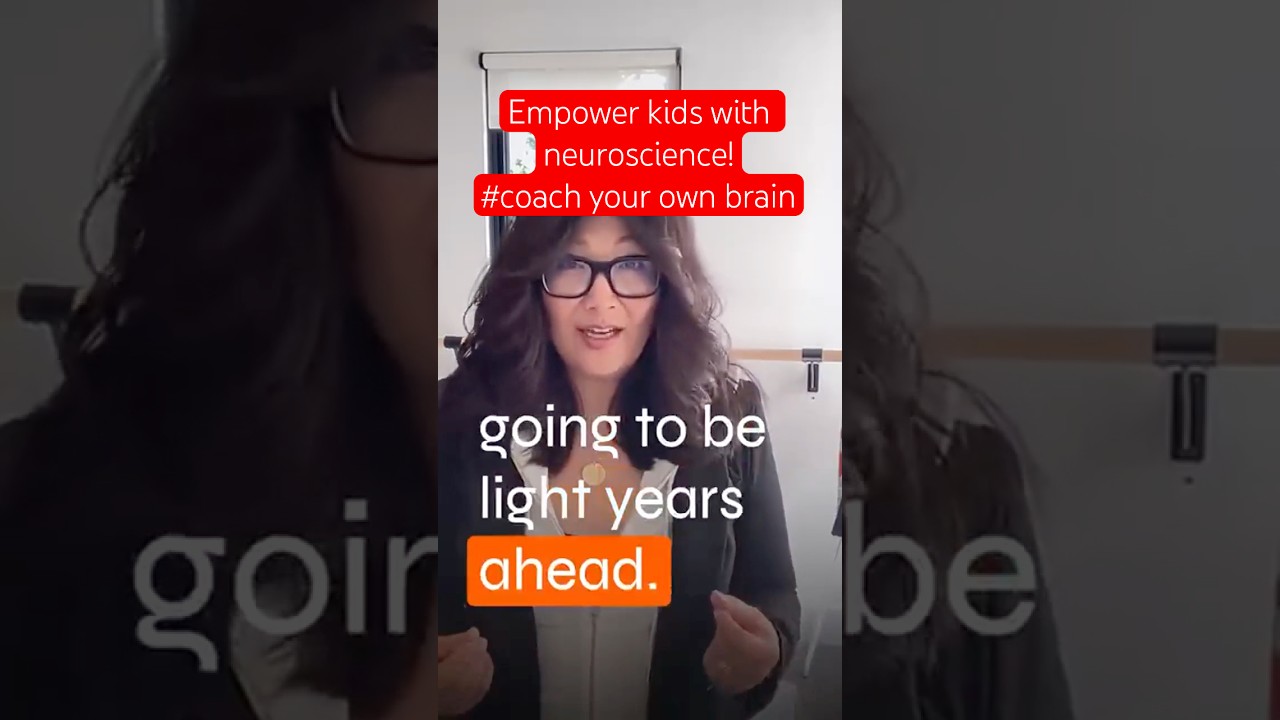
In this brief spoken segment, the speaker argues that children are not taught about their own brains, the interaction of mind, body, and environment, and the importance of the nervous system. They claim that even though parents cannot protect kids 24/7, providing children with knowledge of how their brain works, how the body communicates with the brain, and the value of healthy habits can give them a significant advantage. The speaker emphasizes that early exposure to neuroscience can make habit formation easier, foster empowerment, and set children up for long‑term resilience and success.
Chapters
More from Juna









Don't Ignore Symptoms and How to Cope With A Diagnosis : With Harvard Psychologist Ellen O'Donnell

3 Habits To Prevent Acid Reflux — Dr. Peter Belafsky MD PHD Director of Voice & Swallowing
