Let go of thoughts with brain talk #podcast #brainlearning #cognitiveexploration #healthyparenting
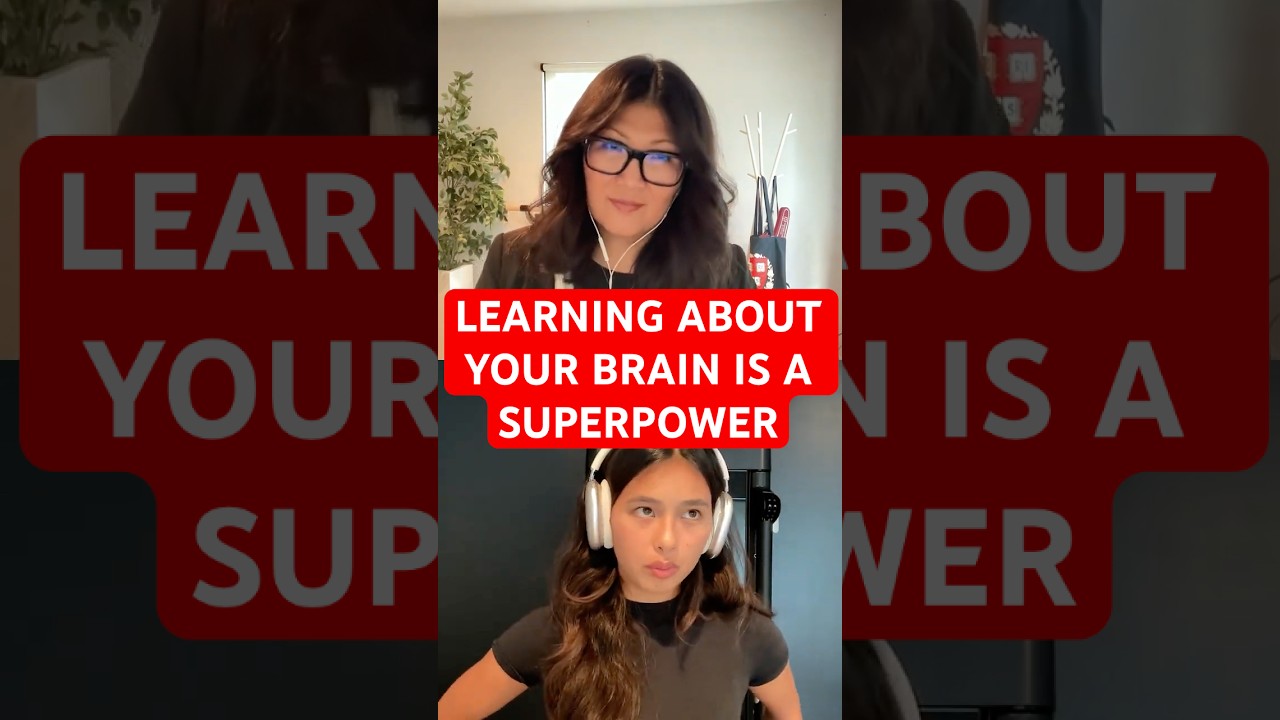
In this conversational segment, Speaker A explains why learning the underlying neuroscience behind brain‑based tools is crucial. By recognizing that practices activate specific regions such as the prefrontal cortex and occipital lobe, the tools feel more tangible and confidence in their use grows. A personal anecdote about taking a sophomore‑year neuroscience class—where concepts like myelin were reinforced by earlier family exposure—highlights the value of introducing brain science early, when the brain is highly malleable. Speaker B asks about the empowering effect of this knowledge, and Speaker A emphasizes that every human behavior originates in the brain, making a deep understanding of its processes a powerful source of personal empowerment and potential unlocking.
Chapters
More from Juna









Don't Ignore Symptoms and How to Cope With A Diagnosis : With Harvard Psychologist Ellen O'Donnell

3 Habits To Prevent Acid Reflux — Dr. Peter Belafsky MD PHD Director of Voice & Swallowing
