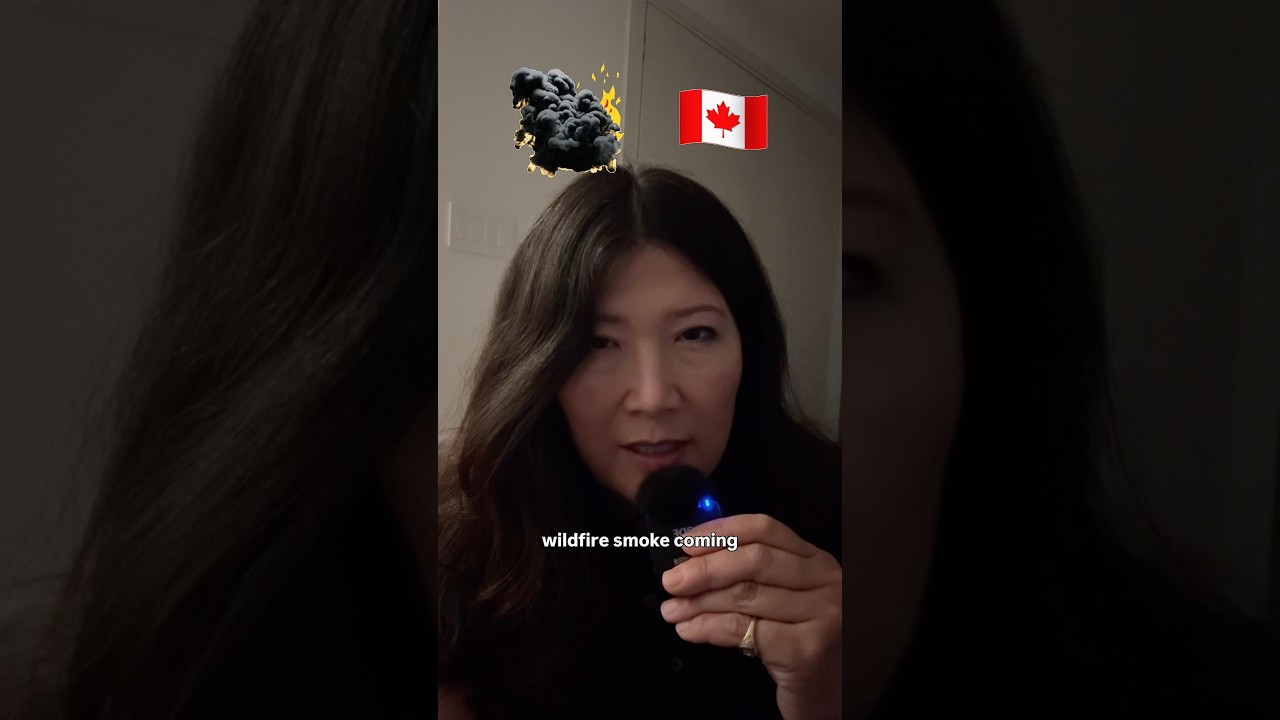
Dr. Juna Bobby shares how to protect your lungs and brain from wildfire smoke. Wear an N95 mask outdoors, keep windows closed, switch to induction cooking, and use a HEPA filter or build a DIY Corsi-Rosenthal box indoors. Fine particles from smoke enter your bloodstream, so reducing exposure now matters for long-term health.
Chapters
So I walked outside today to that eerie orange glow that we're sadly more familiar with now than ever before. I'm in the Northeast, so we're in the way of that wildfire smoke coming down from Canada. It gives me a little bit of a panic attack when I see that. Like everything else, we can be a little more prepared, and that helps us to decrease our stress response. So for me, being prepared means that I have an N95 mask. I use this brand Kind when we're in like orange and red zones. Also try to decrease the amount of gas cooking that you do inside of the home because now you want to really keep the windows closed and you want your, the indoor air to be clean. And that's one of the reasons why I got an induction cooktop because the, one of the biggest pollutants of indoor air is a gas stove. Vent on because then that's just increasing negative pressure in your home. So like you're sucking out cooking fumes and then it's causing a negative pressure and that pulls in air from the outside through all the leaks that come into your home, under doors, around windows, all of that. So the idea is to keep the clean air in, keep it clean, and keep the dirty smoky air out. The reason is because these little tiny particles, they not only get inside your lungs, but that they get into your bloodstream. So we don't want that. So next thing is to make sure you have a good air filter. I splurged on an Austin air filter system because I had construction on my home about 7 years back. And so I got these things. They're pretty expensive, but the price is kind of dropping and it's— I think it's worth the investment at this point because we're going to keep having these forest fires and such. If you don't want to splurge right now for that ultra high HEPA filter, then you can make a makeshift one. You can just get these filters. They're— well, you want MERV 13, but you don't want to go too much higher because then it might heat up the motor and break the fan. If you want, you can also do what they call a Corsi-Rosenthal box. These filters, you slap a cardboard side to the bottom and then you make a box basically behind your fan. This makes it so that the resistance of the air coming in is not so bad that it's going to break your fan. So part of being resilient is understanding what the toxins are in our environment and avoiding them as much as possible. So go ahead and get your N95s and your filters. If you don't have them this time around, make sure you store them up for next time. I'm Dr. Juna Bobby MD, a double board certified physician. Follow for more tips in my Relax to Soar system to keep you performing at your best while staying at your healthiest and hopefully happiest.