A YouTube video by Shilpa Sayana, MD explaining the concept of "leaky gut": damaged intestinal tight junctions allow food particles and microbes to enter the bloodstream. The speaker describes common causes (long-term antibiotics, NSAIDs like ibuprofen/naproxen, toxic burden, chronic stress, infection) and shares personal Genova food-sensitivity test results showing improvement after functional medicine treatment, emphasizing that leaky gut can be healed.
Chapters
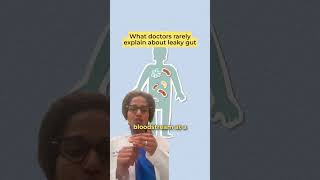
A lot of people ask me, what is a leaky gut? And we do diagnose people with leaky guts a lot in our function medicine practice. I wanted to show you an image of a gut, a healthy gut lining to the left and a more damaged gut lining to the right. And that's where these tight junctions that should be nice and snubbed are damaged and more leaky or more inflamed, allowing things such as foods and particles to come from the small intestine into the bloodstream at a much higher rate. And what causes this? Things such as a long history of antibiotics, a long history of ibuprofen or aleve, a lot of toxic burden, a lot of chronic stress, infection. All of this can damage the gut lining. I also wanted to show an example of my own Genova testing, looking at my gut lining through a food sensitivity test. And this is me a while ago. This is me currently. And the goal of the test is to not have any color. The more color you have, the more of a damaged gut lining it is. So you can see from my first one, I had a pretty leaky gut because I've had a long history of chronic antibiotics being born to physicians who, at that time of medicine, there was a lot of antibiotic use. And I healed my gut lining using functional medicine principles, and that's my gut lining now. So that's what a leaky gut is. It's not something that has to be permanent, and it's something that there are lots of tools that can help and heal.