Cardiologist Dr. Tiffany Di Pietro explains broken heart syndrome, a stress-induced condition that mimics a heart attack but leaves coronary arteries clean. The American Heart Association reported about 135,000 cases in the past decade, mostly in women over 85. Prevention involves meditation, box breathing, and stress management.
Chapters
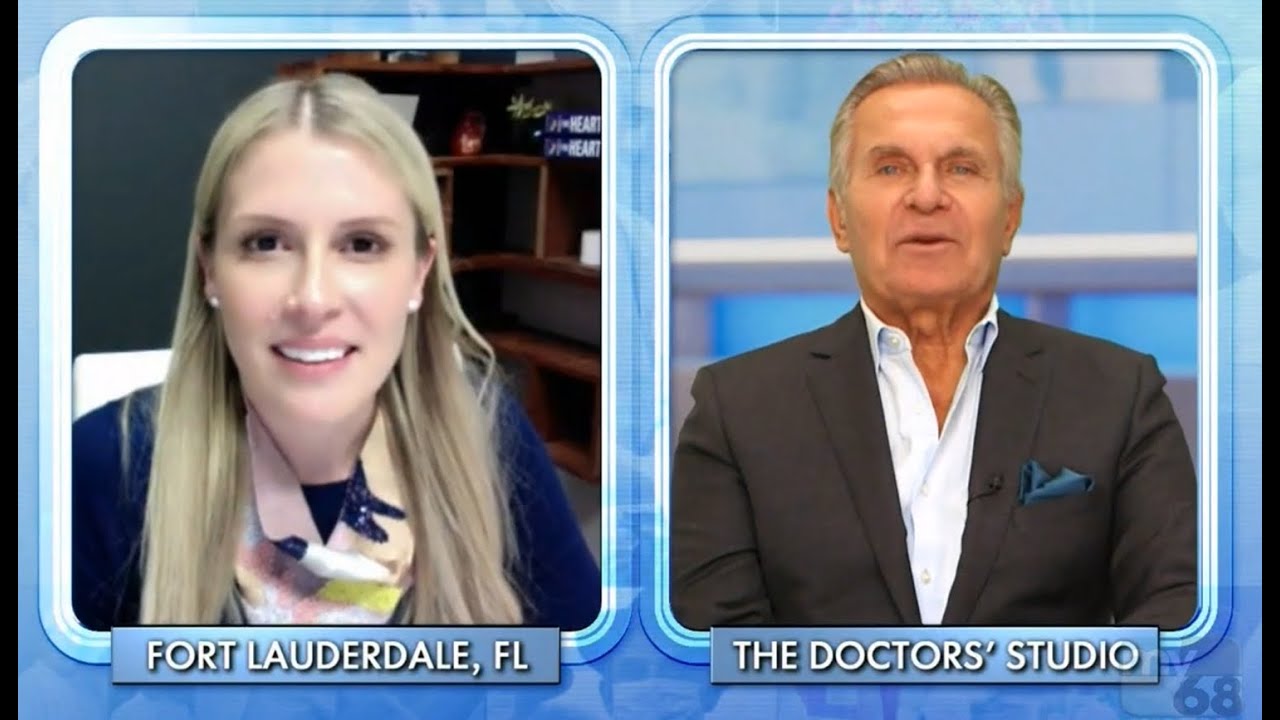
Love hurts, but did you know you can actually die from a broken heart? It's called broken heart syndrome, and it's on the rise. Joining us via Zoom to explain more is cardiologist Dr. Tiffany Di Pietro. Welcome back to the show, Tiffany. How are you?
Thanks, I'm great. How are you?
All right. I'm gonna learn something here. What exactly is broken heart syndrome?
So broken heart syndrome, in the world of cardiology, we refer to it as a stress cardiomyopathy. And essentially what it is, is it's an emotional response from a cardiology standpoint. And so what happens is people have this crazy emotional response to something. Usually it's a sudden death or a divorce in a relationship. And what happens is it affects the heart's ability to contract. The problem is that patients present to the hospital with the exact symptoms of a heart attack. Exactly, they're having chest pain, they have EKG abnormalities, they have cardiac enzyme leakage in their bloodstream. And so we have to end up taking these patients to the cardiac catheterization lab, and then we find out, well, all of their arteries are clean. And so what's going on? And then we look back and they tell us, oh, my husband left me, or oh, someone passed away. And, you know, this was only diagnosed in 1990, originally in Japan, actually. And so we're seeing more and more numbers come up with this stress cardiomyopathy or broken heart syndrome, figuratively and literally.
So it's definitely on the rise, you're saying?
Definitely on the rise. The American Heart Association, the Journal of the American Heart Association, actually just came out with some research showing that there's been 135,000 cases over the past 10 years. And they kind of drilled that down and said, well, who's getting this? And most of the time they're actually older women, like over 85, almost 90% of the time it's an older woman. And we're not exactly sure why. We do know that women typically have more anxiety and depression diagnoses. And we do know that those typically go hand in hand when it comes to this broken heart syndrome.
All right, doc, what is the difference between a heart attack and broken heart syndrome? How do you make that differential diagnosis?
The difference is patients with a stress cardiomyopathy or broken heart syndrome actually have completely clean vessels most of the time. And so we take them to the cath lab and then we do the cardiac cath and we say, all the vessels are clean, what's going on? But the heart takes on this very interesting shape. And so it's kind of ballooned out at the bottom and squeezed in the middle. And it's shaped just like a Japanese pot called a takotsubo pot. And so in Japanese, it's called a takotsubo cardiomyopathy. That's where they catch octopus in, in Japan. Wow.
All right. It's all about prevention, Dr. Sizemore. What can we do to prevent this condition?
I tell all of my patients in my office, regardless of what their diagnoses are, you have to control your stress levels. Because if we can control our stress levels, we can control some of our hormones that make our blood pressure higher, make coronary disease worse. So I talk about meditation with almost all of my patients. Almost everybody should be meditating on a daily basis. And then kind of checking in with themselves emotionally to see what they can do to kind of control it. Because when it comes to a stress cardiomyopathy, broken heart syndrome, besides stress management, there's really nothing you can do.
All right, for our viewers out there though, if you do have chest pains and shortness of breath, don't disregard it as being stressed out or saddened by an event. It's extremely important to get to an emergency room as soon as possible Broken heart syndrome is not something you can self-diagnose yourself. You need an expert like Dr. Sizemore. So Dr. Tiffany, can you stick around for the next segment?
Yep, let's do it.
All right, we've gotta give our viewers some tips. Coming up, Dr. Tiffany will reveal key ways to improve your mind and body connection with an emotional fitness checkup. You don't want to miss it. Physical fitness is seen as the pinnacle of health, but it's becoming more and more clear that being emotionally fit is just as important. And cardiologist Dr. Tiffany Di Pietro is still with us here today. So tell us, what's the first tip to staying emotionally fit.
So, you know, you can check your regular pulse, like your heart rate, right? A normal pulse, 60 to 100. But we talk about checking your emotional pulse, right? Check in with yourself. How are you feeling? What's stressing you out? How do you cope with the things that are stressing you out? So kind of just taking a step back every day, either at the beginning of the day or at the end of the day, and kind of check in with yourself. 'Cause we all know that we can feel ourselves getting a little heated at times. So just kind of check in, step back and say, what can I do differently tomorrow to make my day a little bit better?
I like it. There's always room for improvement. Doc, what else do you suggest?
Then there's something actually that the Navy SEALs do. It's called box breathing. So when you feel your blood pressure going up and you feel getting a little stressed out, we call it box breathing. So you take a deep breath in for 4 seconds, you hold it for 4 seconds. So we're making a box. Then we exhale, hold it for 4 seconds, right? So we're creating a 4-second interval for each one. And that kind of helps vagal tone, calm everything down, get your heart rate down and regroup. So it's called box breathing and it works very well. It's a form of meditation and mindfulness also.
Awesome. You also say it's important to set your intentions. Tell us about that.
So this is something I actually do every morning. My husband probably thinks I'm crazy. So I kind of sit up in bed in the morning, I put my head down and I say, what's my day gonna be like, right? And it's kind of like, I am healthy, I am wealthy. You kind of set your intentions every morning. I'm gonna have a good day. My office is gonna go smoothly. No one's gonna upset me. And you know, in surgery, they're actually starting to do this. So surgeons, what we've seen, and there's actually been some trials about this, and surgeons who after a surgery step out with their entire team and say, okay guys, what went right in this surgery today? And what went wrong so nothing bad happens again? And you regroup, with your team. And so just like we see it in teams, I tell my patients, do it yourself. Kind of regroup at the end of your day. You know, what got me set off? What put me on the wrong tracks? And what can I do tomorrow to try and not get off those tracks again? So just kind of setting your intentions and your outlook for the next day.
Love it. Such great information. Thank you so much, Dr. Sizemore.
Thanks for having me again.
All right, stay tuned. We'll be right back.









