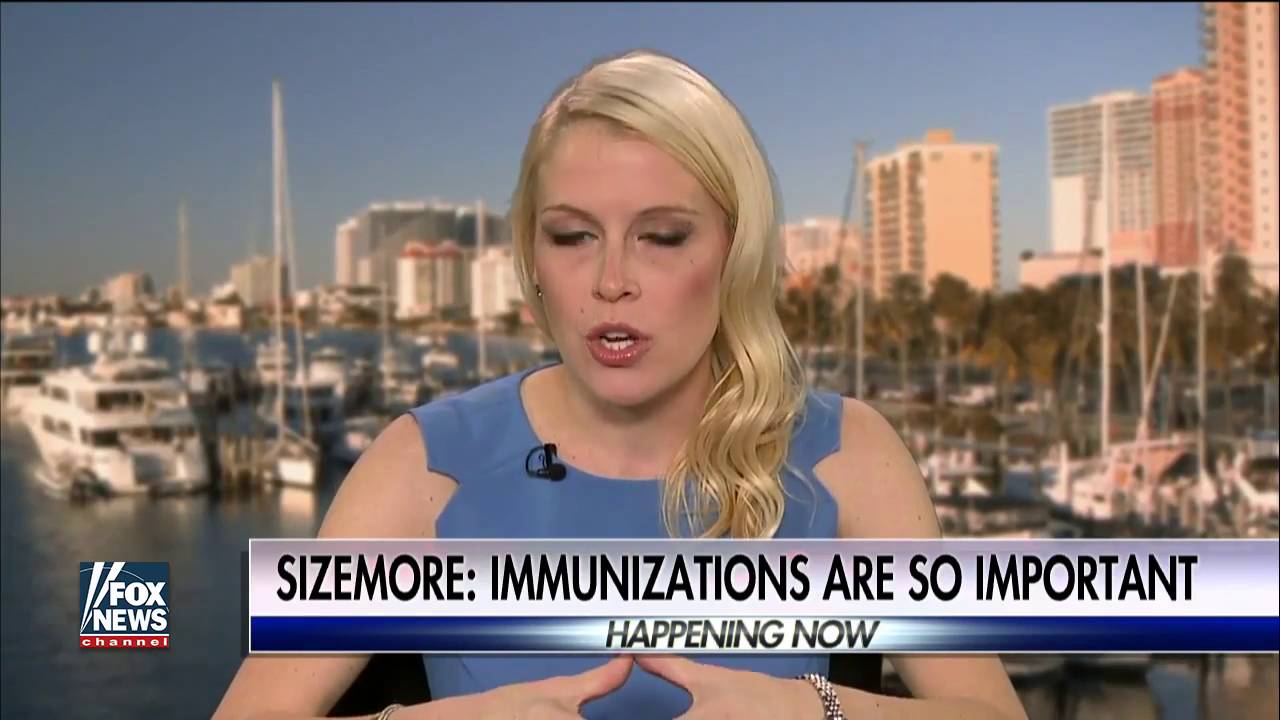
In a Fox News segment, the Arkansas Department of Health’s investigation into a mumps outbreak is discussed. Over 1,800 cases have been reported to the CDC across 44 states, with Arkansas alone seeing 427 suspected cases, many among schoolchildren. Dr. Tiffany Di Pietro explains the standard two‑dose mumps vaccination schedule (first dose at 12‑15 months, second at ages 4‑6) and its effectiveness—about 78% after the first dose and 88% after the second—emphasizing that the vaccine is not 100% protective. She notes that unvaccinated children (due to allergies, religious or medical exemptions) and close‑quarter environments allow outbreaks to occur, though vaccinated individuals who contract mumps typically experience milder illness. The Arkansas health department’s policy requiring unvaccinated children to stay out of school for 26 days is justified by the virus’s incubation period of 16‑26 days, ensuring symptoms would have appeared before return. The segment concludes with a brief inquiry into the seriousness of mumps, highlighting typical symptoms (fever, chills, muscle aches, swollen neck glands) and the generally mild nature of most cases.
Chapters
Arkansas now. The Arkansas Department of Health is investigating a mumps outbreak that may have infected hundreds of people. And as we looked into this story, we found out that mumps is an infection more prevalent than you might think. So far this year, there have been more than 1,800 cases reported to the CDC in 44 states. In Arkansas, there are 427 suspected cases, many of them schoolchildren. Dr. Tiffany Di Pietro joins us now with more on this story. Dr. Di Pietro, what Tiffany Di Pietro, one of the questions when we talk about mumps is you think, wait a minute, I thought this, I thought this was, you know, an old-fashioned condition that you had to worry about. Why, why is it still around?
Well, the mumps vaccine, we give 2 doses typically, one around 12 to 15 months of age and one, the second dose between usually ages 4 and 6. After the first vaccine, there's about a 78% effectiveness of the vaccine working. At the second vaccine, it goes up to about 88%. So the vaccine is not 100% You know, it doesn't 100% of the time prevent the vaccine. Obviously there are some children who for either allergies, religious reasons, or for whatever other medical reasons they cannot obtain the vaccine, so we rely on this kind of, you know, herd immunity. But these outbreaks typically happen because it's close quarters. So even people who do— who did get the vaccine, they can be still susceptible to getting mumps. And if they do get the mumps, usually it's a more mild case of the disease. So it is not 100%, but there's a reason we rely on these.
Yeah, I think our viewers would be surprised. I know I was to think, "Wait a minute, I was vaccinated for the mumps," but to find out, well, there still is a small chance, but there still is a chance that you could get the disease. The health department in Arkansas put out to parents that if their child wasn't vaccinated for whatever reason, that they were not allowed to return to school for 26 days. Talk to us about that time frame. Why 26 days?
That has to do with how long it takes the virus to really show itself. So you could have the virus and not even be having symptoms for anywhere between 16 and 26 days. So we know around the 26-day mark you're gonna start— you should have started to have symptoms by that time frame. So that 26 days is really to be sure that you're not having any of the symptoms like the fevers, chills, the muscle aches, the swollen glands in your neck, and then you're kind of given the clear that you probably don't have the virus.
How dangerous is the mumps?
Typically it's not. It's more kind of an annoyance more than anything. It's kind of— you can imagine having a bad flu, kind of feeling really bad and having a very swollen neck. But, you know, there are some cases, and it's very rare, where it can affect your brain. You could get a viral, what we call encephalitis. You could get pancreatitis, and in very few instances, deafness. Those bad things typically happen to adults who get mumps, kind of like when adults get chickenpox, it's much, much worse than children, but it can potentially, in a small amount of people, be very fatal.