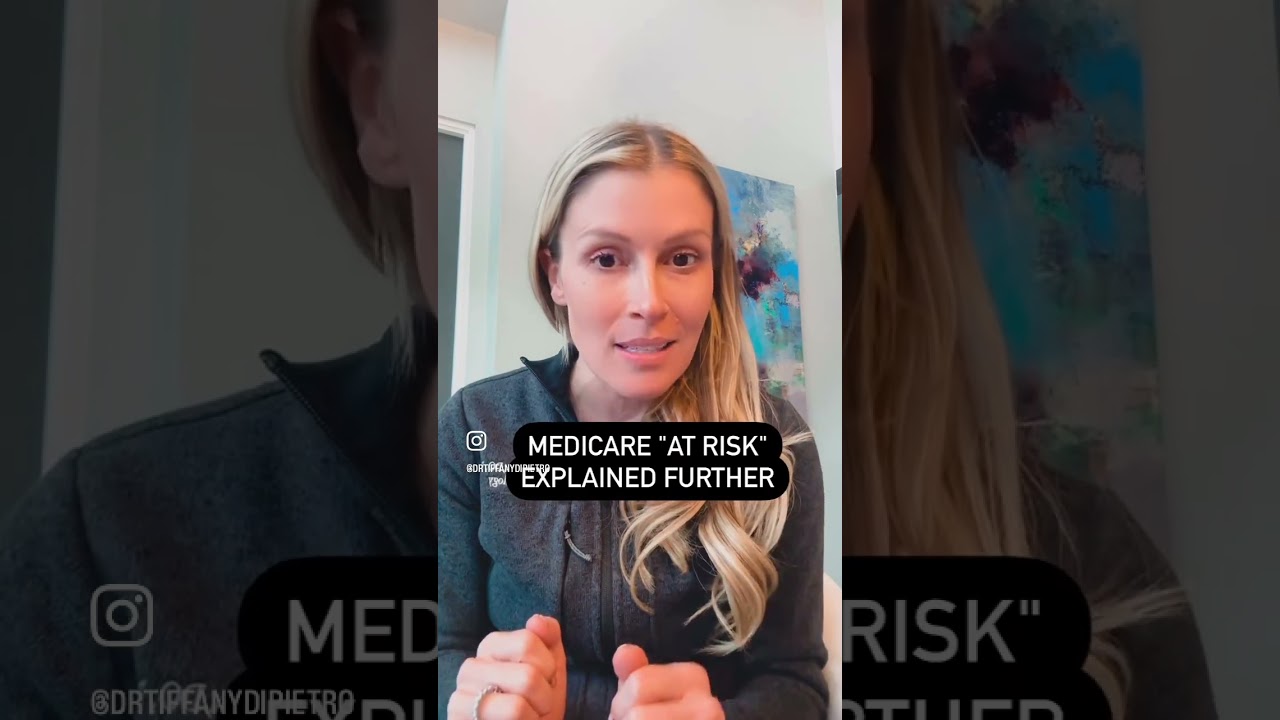
Tiffany Di Pietro explains how Medicare Advantage risk contracts, particularly in Miami, use perks like free transport to attract patients while cutting corners on care. She describes missed heart murmurs that later became full-blown heart failure, arguing that cost-saving incentives lead doctors to under-refer patients and provide substandard treatment.
Chapters
So a lot of these risk contract groups, and there's a lot of them in Miami, they are a little sneaky. So they make free transportation and there's like coffee and pastries inside and they take you to and from the appointments and they wine and dine. And it really is a very nice doctor's office in a nice environment. But the problem is, is it's all extraordinarily superficial the vast majority of the time. I've taken care of these patients when I trained down in Miami and these patients would come in, with their perceived wonderful Medicare Advantage plan risk contract. They'd come in through the, the ER with full-blown heart failure. And inevitably every time they would say, well, this is the first time this has happened. I just saw my doctor last week and they said I was perfectly healthy. And I could hear the murmur from across the room in a busy, loud emergency room. There's no way that that doctor who put a stethoscope on this patient's chest did not hear this murmur. They just opted because the patient was feeling fine to not send them for an echo and to do a full evaluation. And now the patient's in the hospital with full-blown heart failure because these companies, and truthfully sometimes these doctors, save money. The companies therefore make more money and the physicians make more money by not referring and by not sending out for testing, and it's not the right thing. So again, from the patient perspective, it can seem wonderful, but if you don't know how it works on the back end, you could grossly be, be being taken advantage of, which I have a serious problem with. Some healthcare is obviously better than none, but it's not the best.