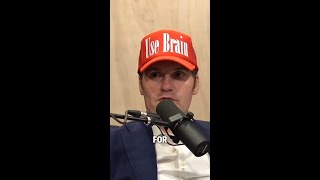
He Got $500K in 0% Business Credit Cards (Here's How) | Dylan Vanas featuring Jack McColl

Jack McColl explains how he obtained $500K in 0% business credit cards by understanding bank underwriting and strategically moving credit limits across Chase, American Express, and Bank of America. He used the funds for e-commerce, real estate, and Bitcoin mining without income verification or collateral.
Chapters
What you just said about helping little people with the financial system. So could you like, re explain that so that people could hear and then we'll talk?
So I help people legally and ethically take advantage of the banking system for their own financial gains. The elites take advantage of the banking system. A lot of people without the proper intelligence or just knowing how to navigate certain things, they get taken advantage and they end up paying a lot of interest, etc. Successful people pay very little in taxes, not because they're doing it illegally, just because they know the game. And so I understand the banking rules very good, but understand what the underwriters want to see. And now I've taught over 3,000 people on exactly how to get max funding on all these different business credit cards.
Jack, thanks for coming on. Great. We're talking. The best conversations happened before the podcast and we started going there and I just like, hey, we got to shut up because like we're going to get into good stuff. But really interesting like what you just said about helping little people with the financial system. So could you like re explain that so that people could hear and then we'll talk about it.
So yeah, a hundred percent. So first of all, thanks for having me. Really, really excited to be here. But so I help people legally and ethically take advantage of the banking system for their own financial gain so they can get access to, I think the best specific credit product, leverage 0% interest credit cards, and then use that money to inject into their business or their real estate deals to put themselves in a much better financial position. The elites take advantage of the banking system and I feel like a lot of people without the proper intelligence or just knowing how to navigate certain things, they get taken advantage and they end up paying a lot of interest, et cetera. So I like helping people build strong credit, build strategic bank relationships so they can get access to these 0% interest business cards so they can use that money, put it in their business and hopefully see much better financial success.
Yeah, it's like the wealthy people understand what the, you know, how to game the financial system big time. And there's like small things that most people don't know. I think I feel like, and especially like, like the lower class people don't know. And so, you know, I heard this thing, I remember Post Malone, I mean you might have seen it where he made a video, you know what I'm talking about. Or he said like if the system starts falling, like credit cards stop working, something else, you know, the radio, the cell phone system goes down, you don't have a radio, you got three days to get out of your city. And he's like, go buy a house on top of a hill in the middle of nowhere, Idaho, in Idaho or Utah, and you know, buy some protection and just post up there. Yeah. And I mean, you said you live in Utah now, so I don't know if that's what you did, but I'm curious to know your thoughts on that.
Yeah, I mean, I'm very pro freedom. I think it makes a lot of sense to take certain levels of risk as an entrepreneur to put yourself in a much safer scenario. I think it makes a lot of sense to be able to control your own schedule. And I think when you are a business owner entrepreneur, you can have that flexibility to control your schedule instead of working for someone else or working for the government, whatever it may be. I really value of controlling my schedule and I feel like when I help people get access to certain types of money from the banks, they can put that into their new business or scale their current business to the next level so they can make more money, have some extra money to then put themselves in a more safe, more desirable environment.
Yeah. So basically you just, you know, ways to help people get funded, right?
Yeah. And very similar to it. Similar in the sense of the tax code. Like a lot of successful people pay very little in taxes, not because they're doing it illegally, just because they know the game, they understand the tax code, they understand the incentives of the government. And if they can play those within those rules and allocate money in certain areas, then they pay zero in tax. And so I understand the banking rule is very good. I understand what the underwriters want to see. So. So I help people navigate those banking rules and making them as attractive as possible to the underwriters. So then it makes it very easy to get approved for max funding on a per card and a per bank basis. So then hopefully they put that money in their business, whether it be buying more equipment, buying a new studio, investing in certain aspects of the business that's going to make them a good return over the next year, or even having extra money to do more real estate fix and flips, for example. And a lot of people I work with will put that money right into their business and have a much better financial situation.
And it's 0% for. It's like 12 months or something. Right.
Generally nine to 18 months. Most cards are 12 months.
And so you get a return by the end of the 12 for sure.
Yeah. It doesn't work for all business models, but a lot of business models it does. Like if you can see a return, a good return in a 12 month period, then perfect. And like whether you be in E commerce, you know, drop shipping, real estate, there's a lot of different ways to use this money. And so that's what I help people do.
Yeah, so the idea is basically we're trying to get a head start in whatever the, whatever the business is. Right. So like rather than you paying, go and get a bank loan. Is that part of the strategy or no?
Well, not specifically a bank. I don't like bank loans because they come with interest. And so I like people, I like helping people get access to credit.
Yeah, but the trade off is like you get a 4% or 8% interest loan and you hold it for three years or you get a hundred thousand dollar credit card with a 22% interest rate, that's 0% for nine months, then it goes into it. Right. So there's like a trade off you're really banking on.
There is a trade off. Yeah. The advantage of the 0% cards, it's a shorter period of 0% on a bank loan. You're paying interest, but it is a longer period. But a more savage approach would be to take advantage of both. So for example, someone that I helped, I think I got approved for about just under $300,000 he used on a 0% card. He used that money as a down payment on a purchase of a business and used the cash flow of that business that he purchased to then pay off the balance on that credit card.
How do you buy a business with a credit card?
Well, you can liquidate the credit into cash. Into cash. Excuse me. And there's different ways to do that. So there's just different merchant processors or different companies that can facilitate that transfer.
Okay, got it. So I think like with you, I was, when I was prepping and doing some research on you before this, I saw. Yeah, you look good. Don't worry.
I like the beautiful screens. You look good too.
You know, you guys can't see this, but there's like ginormous screens where we're like what, like probably like 3ft wide so we can look at ourselves. So if I look this way and. Yeah, that looks that way. But so dude, I saw that you'd done like, you'd started some businesses. I'm guessing this is years ago. Hoverboards and the inflatable couches. Yeah. The irony is like I, I did those same businesses, both, not the hovers I did. Okay. Lounge sacks.
Nice.
At like, like state fairs. So that's exactly what you did too?
Yeah.
Okay. I did it in like the Pacific North. I'm from Canada originally, but like Pacific Northwest and up in Canada. Were you doing in Washington at the time?
Yeah, we were.
Okay. We watched.
We would sell them a lot at music festivals.
Okay. Yeah. I mean we would go to like, like, like Washington State Fair, like Puyallup. I don't know if you know what those are, like some of those big festivals or big fairs. But I was like, oh, damn. And you probably used funding, right? Credit cards. Maybe you did, maybe you didn't get those businesses started. Is that the idea?
So at that point, it took me eight years to figure out the whole credit card funding strategy and really took me a long time to even know that it was possible. So on my first few business ventures, I didn't have access to this type of funding, which is a huge mistake. And that's why I'm so passionate about helping people understand that this is an option especially for American citizen, have the best access to the banking system in the entire world. But on my first business, I self funded. That was the hoverboard. And I missed out on millions of dollars because I only had $5,000 to inject into that business. So our growth was slow. When I got to the second business, that was the hoverboard business, I knew I need needed money and so I.
Brought up was the hoverboard or the loungers.
Second one was the loungers. Yeah, second was the loungers. So at that business I knew I need needed money to scale, so we brought on an equity partner. The huge mistake I made is I gave away 51% of the company because they're going to bring X amount of money, X amount of relationships into all these different events where we could sell the loungers, etc. So we did move a lot quicker. But I brought on the wrong partner and our, our agreements were super weak because I was naive and it was just unfortunate. So I had to buy that partner out. But it did show me that having access to more money that to inject in the business really catapulted our growth.
Sure.
But I had the wrong partner.
Yeah, okay. Yeah, that makes sense. So then you're like, okay, we need money to start a business, grow a business. My first business was selling flying squirrels. You know, like they're called shear gliders. They're like, do you know what I'm talking about? They're effectively flying squirrels. They're like the. You've probably seen them on animals. Yeah, they're real animals, and they jump and they have these, like, webbings. They can, like, glide. And we saw them at, like, state fairs and trade shows. And that's when I started to see, like, oh, there's these lounge sacks, which are hot. But my first into that business was I had a $25,000 credit card, and that's how I bought inventory, and that's how I got the business started. So I understand that that's like, you know, that's the model, and I forgot that that's how I got started, but.
Nice.
You know, I probably wouldn't be sitting here today if I didn't have access to that capital to be able to start the first business.
Yeah, no, it's very helpful. And even, like, when I went on the Ryan Pineda show, he was talking about all the personal credit cards that he used. I think. I think he was flipping couches at the beginning on his credit cards, and then he was using his personal credit cards for his real estate fix and flips before he even knew about the business cards, which we'll talk about the difference of. But I think one thing that insightful for your listeners is before I found the loungers, I think you kind of saw them at, you know, online or. Where have you found them? I found them after our hoverboard business.
Did you go to China?
We went to China.
Canton Fair.
Yeah.
Okay.
Yeah, we. We. At that point, our hoverboard business was declining because all the. It got saturated. Etc. So we're like, let's go to the Canton Fair, the largest, I think the largest trade show in the world for products. Nice. And we're like, let's go find a different rideable product so we can put under the glider brand. And on the last day of the third week, we saw a manufacturer that was selling the loungers. And a week before, my mom sent me a video of this company. Yeah, it went viral. They were selling them in Europe, and I was like, oh, I haven't seen this in the US Yet. We have a manufacturer right in front of us. We could order some right here, go put our logo on them and go sell them in the States at music festivals, at state fairs, things like that.
And.
And that's what we did.
Nice. We ended up. I ended up doing the opposite. After the lounge sacks, I went to find a rideable, and we ended up getting these scooters and the brand that ended up becoming the big one to sell the same one we had was called Swagtron and they had those rideables, but then literally a year later is when Bird and those scooters popped off. And so it's really interesting because for me at the time it's like, oh, right concept, right product, wrong concept, right. And so I think when it comes to business with that structure, it's like, okay, cool, like you had the right product and right concept. You had the lounge sacks and you sold them at a festival. Right. Or whatever. But I had the same product, but I didn't have the idea put a GPS on it and make people pay to use it, rent it. So I think that's just something that's important. And when it comes to business, like what do you think when people come, they get capital, they work with you guys, like, how do you help them determine like where to put that money so that it goes to good use? And it's not something that ends up being a flow swap.
So I don't specifically give instructions or really like huge advice on where to deploy the money. It's generally the people that I'm helping is they have a business concept they've already started and then I help them get the capital so they can bring that business to the next level. Okay, maybe it's someone like who's already done one or two real estate fix and flips and they know that if they had more money, they can do six more flips over the next year, whatever the numbers are. And so I help them basically get capital to turn on the gas instead of like, oh, I'll get you this capital, Then I'll teach you this new business model that has some, you know, I think serious liability. So I just help people who have somewhat of a proven model and I help them get the capital so they can bring that model to the next level.
Yeah. Yeah. Cool, man. So did you grew up in, in Pacific Northwest? At what point did you say, like I'm going to be an entrepreneur? And like, I'm going to go, did you move or did you stay there in your first businesses?
I knew I wanted to be an entrepreneur young. Even in like in middle school when I was, I don't know, 12 years old, I was buying bulk blank skateboards and I was spray painting them and I was selling them to friends in school. And so I was always inspired to be an entrepreneur because I saw my dad as a small business owner. He's a software programmer, one man team, very small business, but made enough money to create some, some freedoms in his life. He worked from home brought us on a couple trips a year on snowboarding, things like that. So I saw the, the freedom that it created for, for the family and I knew I wanted that same freedom. So I first started just making a video production company and I was making different video marketing videos for different companies. But then one thing that became very beneficial to me is when I started these different products like the hoverboards and the loungers and, and then the travel company after that. Because I had this skill set of making really good content. Then I started making really good content for my brands. So our, our hoverboards, we had like the sickest content, the sickest content. We had influencers that we would shoot and we had such a good brand. So we were selling a hoverboards for $1300 instead of the competitors selling them for like 4 to $600.
You're selling them online or you were selling them at events.
The hoverboards we're selling on Facebook ads. Okay, yeah, for 13 it was the same product but we were selling it for double the price just because we had the most amazing like beats style brand. And then we did the same thing for the, for the loungers, we were selling it for like 80 to $100 instead of the competitors selling them for 40 or 60 bucks just because we had such a, a good looking brand. And so that was a good skill set I brought to my businesses. And then you know, each, each business lasted for a couple years I would say, then I would move to the next one. The longest one I've been doing is what I'm currently doing, which is helping people get the business funding, which I've been doing for the last five years.
Okay.
But for me it's, it's the only option. Like I will figure what I need to figure out to, to maintain being a business owner, being an entrepreneur. Because I value controlling my schedule more than most things. I don't want to have someone else controlling my schedule. I'd rather make a hundred grand a year and control my schedule than make 175 grand a year and have someone else control my schedule.
Yeah, makes sense. And do you like, are you into personal development? Like any that side of stuff? Business wise, no, but personally, you tap it. So here's the thing, here's why I ask. Most successful people have like most entrepreneurs have a similar story. They're doing some, some form of business thing when they're young, in their teenage years. Yours was skateboarding, some people selling weed or whatever. Right. And then, and maybe Even you did that. You know, who knows? But then they evolve, and then, like, there's some turning point, right, when they realize, oh, I can actually do this either. It's finding a mentor, reading a book, studying success. And all successful people, they operate on success patterns, success principles. Right. Either unconsciously or consciously. And so it's interesting for me to understand if someone's like. For me, I was the guy. I was reading personal development books at 16. I read Think and Grow Rich when I was 16.
That was the first book I read. And that book changed my life for sure.
How old were you when you read it?
I was a little bit later. I think I was maybe 20 years old, if not a little bit later. I really didn't like books because the books that we would. They would make us read in. In school were like, for me, at least, it was like the fiction books, and I didn't really like this. The fiction stories, I was like, not really my thing. But then I read Think and Grow Rich. I'm like, this isn't. This is incredible. I want to. I want more of these type of books. And so then I started reading a bunch of books.
And you probably read like, rich dad, poor dad, and like, the whole.
Yeah, several of Kiyosaki's books.
Nice. So, yeah. So you have then, like, some level of conscious success. And for me, I have, like, my goals written down. I'd put them on my mirror, I'd read them every day. But other people, like, they come in, they just, like, operate on success patterns even though they're not conscious of it. And so there's probably some people, like, in your. Your life, like your dad, like, your dad had, you know, some stuff. But whether he was, like, writing his goals down and constantly creating it, I want to understand, like, where your inspiration to actually create this came from is what I'm trying to understand.
You know, I just saw my dad do so many, in a sense, unconventional things that created unconventional efforts, or, I mean, results. Unconventional results.
And.
And I just really wanted those same freedoms. I wanted to be able to work from home, go on trips when I want, and not have to go to an office. And I really valued that. So I saw that with what my dad was doing on his small business, I just wanted to recreate that. And, you know, I just don't like having to listen to other people specifically. And so if I'm having a job and they say, oh, you have to go to this. You have to talk to these people. You got to do all these things. I don't like that. So I want to create my own freedom. I did have a few jobs. I delivered pizza at Domino's. I sold car insurance out of American family Insurance. And after my. Then I worked for a social media app. I was doing marketing and video production for Yik Yak, which was very popular at the time.
Like, on, like, it's just like. It was just hate. That was like the whole. The whole.
Unfortunately, the. The concept didn't spin the best.
But it was so cool, though. It was like, hey, local area, you can like.
It was like an anonymous Twitter based on location.
Yeah.
But people just couldn't handle the anonymous factor. But anyways, I worked for that company. That was a great experience. Learned a lot for sure. And I do think when you. When you have a W2 job, I think it's so important either to be making a ton of money or learning a ton. I think the learning a ton is more important. And so each of my working opportunity, W2 employment, I was learning a lot. And after I built and sold a travel a tour operating company, I then started to work for the company who bought us. And I worked for them for about a year and a half. And the first year, I was learning so much. I was learning how to build representative teams. I was learning how to speak in front of groups. I was learning how big companies operate after they just raised, I think it was $20 million. And so I was learning a lot. And I was working for someone that was a very elite person, and I was learning a lot. After I determined I wasn't learning as much, I was like, this is probably my. My cue to go do something else. And so I ended up quitting. I moved to Bali, Indonesia. I was doing Airbnb Arbitrage over there for a bit until Covid knocked the business down. And then I got into consulting and E commerce.
That was right around Covid.
Yeah.
Okay. And then were you. Were you, you know, your credit stacking? That's the name of your program, right?
Yeah.
And so were you, like, stacking credit cards? Is that what your whole thing was?
Yeah.
You're about to pull out a stack of credit cards or something.
Oh, I actually forgot my stack. It's in my. My duffel. You want to pass it over, Ted? It's in one of the side pockets.
How big's the stack?
You know, I didn't bring my full book. I have e. I have like 60 credit cards. one point. I had a lot more that were open, but I keep like a side stack of maybe 15 cards that I use.
Right. So you have the stack at all point?
I have the stack, yeah. But so basically in 2020 I started to. To learn about credit and learn about the benefits and like specifically the benefits of business credit cards is as you may know, but for your listeners is one you can get much higher. The camera here, here's the stack right here. And this is, I mean there's like 15 in here and a few in the back of my phone. But my mate, my big stack is like a big. It's almost like a trading card book.
Yeah.
And it has like over 50 cards. It's. But I don't use them as much. This is my, my stack that I use consistently like every other day, if not every day. But basically I was learning about you can get higher limits on business credit cards and you can do that without showing proof of income, without tax returns, without collateral, and then 0% for the first nine to 18 months. And so at that point it basically solved all of my financing issues on my three previous businesses. Like the first one I self funded. The second one I brought in an equity partner, had the wrong partner. And then third, the travel business, I brought in a loan and I paid interest on that loan. But on the fourth business, which was several E Com drop shipping stores, I got a lot of, a lot of credit approved because I had really good inside information from these business relationship managers. So I started to understand what the underwriters were looking for. And then I realized I could customize my credit profile to what they're looking for and I can build a relationship with each of these banks in terms of what they value, like having a personal credit card, a business card already opening up certain bank accounts, things like that. So I did all these things and I was playing the game and doing things that they wanted to see. So then it became really easy for me to get approved for very high limits. So in that first 14 months, I got approved for about $500,000. And then I used a lot of that to start several online like E commerce, E Comm, dropshipping stores. And one of them was, did over a million the first year. And so I was like, this is absolutely insane. The fact that I cracked the code on getting access to this type of funding, I put it into something tangible, a business that was making monthly profit into my pocket. That was awesome. And so I realized that there has to be a lot of other people that don't know how to get capital like this. And so that's when I started credit stacking in 2020. And now I've taught over 3,000 people on exactly how to get max fund on all these different business credit cards.
Nice. Cool. Yeah, man. I mean that's, that's. Here's the thing with business credit cards that I've, I've seen from my experience is that it's like most business credit cards that like I create. I've had my businesses and I could be doing it all wrong. They're like some degree of charge card. Right. So hell, they'll give us like an 80, like even Amex. Right. So like Amax says you can't carry a balance. Right. Are there max as you can?
Yeah, there are Amex. You can carry balance like the American Express Business Blue Cash. This card right here, this is a 0% card. There's two of these. They look the same. One's the business plus, the other is the, the business cash. So you can get two of these and you can get 25 to 50 grand.
One for business, one for personal.
They're both business.
Okay.
Yeah. So these are credit cards. They have a fixed limit. The charge cards like the Amex Business Gold and the Business Platinum. Like these two right here. These are charge cards. Like probably you put your advert advertising spend on this business goal to get four points per dollar spent. These, you don't really. They want you to pay it back every month.
Yeah. And you're only really using those for points for the benefits of like I get a. Use a lounge. Use lounge or I stack points or whatever.
Yeah, yeah. And so this is the best card to put advertising spend on because you get 4 points per dollar spent. That's Amex Business Gold. But it, IT caps at 150,000 in spend in a calendar year. So for guys probably like you and many others who spend more than 150,000 on ads in a calendar year, then you want to have a secondary card to put that ad spend on. That could either be the Chase Business Inc. Preferred, which also gives you 3 points per dollar spent, but up to about 150 in spending cap. But then the brand new Chase Business Reserve Card, that card has no cap on the rewards for advertising and does 3 points per dollar spent. So if someone has a business that's spending several hundreds of thousands on ads in a calendar year, the Chase Business Reserve card is for sure the best because there's no spending cap on that three points per dollar spent.
Yeah. What we used to do with the Amex is I think they changed is we just get like a whole bunch of them. So you get like, employee cards, then you get like. And then you can have like, your other business have, like, I think it was like, 10 cards under each one. Yeah, but didn't they just change that like, last year?
You can have several business Golds on each entity. It's not super simple to do. If you have an Amex rep, it does become more simple. But if you have several entities, then you could get one of these for each of the entities.
Got it. Okay. Yeah. Cool. And so for you, day to day, like, what card? If you're going for dinner, like, what are you. What do you. What do you.
Oh, for dinner? Absolutely. Either. Most of my dinners are business expenses. I'd absolutely put that on the AMEX Business Gold because that gives me 4 points per dollar spent.
It's the top categories on that, right?
It is four points in the top two categories, and those categories are dining, advertising softwares, and office supply stores.
So the top two of those four.
The top two each month. Exactly.
Oh, okay.
And if it's a personal expense for dining, then I put it on my personal AMEX Gold.
Nice.
I basically have the best card, and I think this is important to people that want to earn the most amount of points per dollar spent. You want to have the best card for each of the categories that you're spending in, like dining. Okay, cool. I have those goals that we just talked about every. Actually, I'll pull a couple more out. On the business side for travel, the Chase Business Inc. Preferred and the Chase Business Reserve card. And then everything else, I put on the American Express Business Blue plus card, which is 2 points per dollar spent. So no matter what I'm spending on, I'm at least getting 2 points per dollar spent, better than 0 on a debit card and better than 1 point per dollar spent like you get on the Amex Business Platinum. This card is really. The Business Platinum is really not a good card to earn points unless you spend a lot of cash through the Amex portal. Then you can get 5 points per dollar spent through the Amex Travel portal. But if you leverage points correctly, you can get a lot of free travel from your points, like I do. So I never spend really too much money on flights or travel. So I don't like the Business Platinum.
So all of the. Is the Inca charge card.
The Chase Business Inc. Preferred is a revolving guard.
Okay.
So this one doesn't come with zero percent interest, period, but you can leave a balance if you need. I don't like leaving a balance, of course, because it. It's Chart, it costs, you know, 20 to 28% interest if you leave the balance. But it is really, unless they have.
Some promo offer or something. Right.
Not on the Ink preferred, but there's two ink cards that do have 0% periods, which is the Ink Unlimited and the Ink Cash, which the Chase Inc. Cash and Inc. Unlimited. Those are really good cards for 0%. They give very good limits, 0% for 12 months. And then one thing that's a really big deal that a lot of people don't understand is there's three banks that you can move available limits to new cards at that same bank. So at Chase, you can move old limits on business cards to a new Chase business card. Same with bank of America. Same with American Express. The reason why that's a huge deal is say, for example, you have a $50,000 Chase business credit card and you get to the end of the 12 month 0% interest period and note there's then there's no more 0%. Now you can get a brand new Chase business credit card with 0%, maybe on different business or their second 0% card and say that limit is only $20,000. Well, you can move that old expired $50,000 limit over to the brand new $20,000 card, closes the old one. But now you have $70,000 on this brand new 0% card. And then you can do that again the next year and the next year all the way up to $150,000 in total credit limits before Chase requires looking at your tax returns.
Okay. And they'd want to see whether you're.
Making money or they want to see good profitability.
Okay.
But it's easy to scale up to that 150k of total business credit at Chase just by doing that year over year and of course staying in good standing with payment history. And you can do that same concept at bank of America and at American Express. You can roll the available credit of an old card to a new card at that same bank.
So majority of people that come and work with you that you're they're. Are you doing a done for you or are you doing a education on how to do it?
We have both offers, primarily the coaching, which is credit stacking. We do have a done for you offer which is called scale with funding. But in both are absolutely fantastic. I'm more of a believer in teaching people the skill so they have the skill because it's been an amazing skill for me and my several businesses. So I want to teach people how to do it themselves. So we don't so they don't just do it once, but they can do it two times, three times, four times for the rest of their journey. As an entrepreneur, if someone just doesn't have the time, they don't want to learn it. We have it done for you to help them get the capital and generally that's getting them like $80,000 in, in a 60 day period, if not a little bit quicker. Sometimes we give people $200,000 on one kind of funding round, but other times it's a little bit less, like 80 to 100 grand.
Okay. And a funding round is what's going to all the different banks and saying, hey, give me money.
Pretty much, yeah. The first step is to optimize the personal credit report. We look at over 10 different aspects of that credit report and give them recommendations on here, pay this balance down, maybe apply for this card. We're going to remove these hard inquiries. We're going to maybe add an authorized user if the ages is young. So we optimize the report and then we look at the state that the business is registered in and that will tell us what funding options they have available to them. If the business is registered in Florida, there's different options in Florida than someone who has a business in Nevada. And so we look at our, our database basically and then figure out, okay, this is the sequence of cards we're going to apply with. Does that person have one business or two business businesses? If someone has two businesses like 2 LLC, that person has a better chance of getting more funding approved. So at some banks, like Chase, for example, instead of applying for both of the 0% cards at Chase on the same business, we would do one card on business, one, the second card on business too. That way we have a much higher chance of getting approved for the total $150,000 just at Chase alone. And then we would go to other banks based on the state that they're registered in.
Yeah, it's cool. Well, why is this? Why is it not easier? Why don't more people know about access to funding and know all the programs that different banks have?
Well, it's not taught anywhere unless you work with someone who became an expert like myself and there's other people who've become experts over the years. But it's, you know, it's like tax, you know, they don't teach you this tax strategy in school. They don't teach you business funding in school. Even at a good university like I happen to go to at University of Washington, they don't teach some of the best things. These are things you have to figure out yourself. You know, like everyone has to file a tax return. Why don't they teach you that? If you study business at a good school, makes you wonder, right? So why don't they teach you about business funding? If you're studying business, why don't they? Well, they don't want people to succeed. They don't want people knowing how to play the game like an expert. They want people to get jobs. If there's too many people that are business owners and entrepreneurs, you know, I think there's less control. They want certain people not doing that. And I want to help, needs that.
The system needs employees right now. Because the system. If everyone was entrepreneur, the system wouldn't function.
It's true. But that's. That's their incentive. They want people in those roles, so that's why they don't teach it. But I want to. I'm really passionate about what I do because I want to help people. Because I feel like if you get stuck in that trap, you get stuck in the matrix, you get stuck, stuck with a job, and you're capped at a specific salary. Maybe it's 200 grand, whatever the number is, you know, it's not making 600 grand or more. And the only real chance of doing that is, is through becoming a business owner and owning possibly like multiple businesses or becoming an investor. Right. So I really help people with this education so they can bring their business to the next level. And I think if people don't have access to money, it becomes very difficult to get their business to the next level.
Yeah, because then you're just operating on cash flow.
And for a lot of people, that's hard. It was very hard for me. My first business, like I mentioned, I had 5,000 bucks that I put into the business account along with my business partner. We had 10K. And it was slow growth. And we had a massive opportunity cost because selling the hoverboards was super popular. But we only had 10,000 to start. If we kind of saw the trend and thought, like, okay, we have $600,000 of access right now, we can buy the inventory up front, ship it over from China, sell all of it, we would have made so millions of dollars. 100%. And I think for some people, you know, you might not need the money today, but maybe you need it in three months, maybe you need it in six months. And it becomes, for me, at least, a much bigger peace of mind, knowing that one, I have hundreds of thousands of dollars in business lines of credit if and when I need. And two, I have such good, strong personal credit that I know that I can go to most of these banks, apply for another 0% card, and get approved for a 20 to $75,000 limit. And that's a really good peace of mind.
Nice. What do you obviously like, your main business is the coaching and the helping people. What do you do with your money? Like, are you investing it or you just travel a lot? Like, what are you actually putting your money into?
Real estate and bitcoin. Okay, those two main things. And bitcoin miners. Okay, those are the three main things for sure.
Okay. Bitcoin miners are able to make like profitable and turn a profit right now.
For sure, big time. Yeah. I've bought two large Bitcoin mining packages, one in 2022 and one in 2024. A huge benefit about bitcoin mining is you get with bonus depreciation being back to 100% with a big beautiful bill, you can write off a significant portion of that investment on these bitcoin miners. So say for example, you invest in $50,000 as a business of bitcoin miners, you get a significant portion of that $50,000 as a tax write off. So if someone's in a, we'll call it a 24% tax bracket, you know, it's a pretty, pretty good sized deduction. And a lot of people could either put that on a business line of credit or they just have the cash to do it. But then you're earning the passive income through what the bitcoin mining machines are mining. And then with the appreciation of bitcoin, it's done good for me.
What percentage of your network do you have in crypto?
Percent.
Yeah.
Quite high.
Like more than 50.
Yeah.
Okay. So I was there, I had like, like significant amount and I started getting stressed every time the fluctuations. So I realized, okay, I'm too highly leveraged and I had to reduce it, but I had a very high amount. Do you feel that stress at all?
I do feel that stress, but I also think that at my age of 32, I'm more, I can take more risk. And I am a very big believer in bitcoin and where it's going to go. Currently, I'm quite happy with my exposure into bitcoin and a couple other cryptos, but primarily bitcoin. So now over the last year I've been kind of diversifying and shifting my efforts into, into real estate.
Okay.
Single family. And then I'm working on a 4 Plex here. The next couple months.
So you bought crypto. You're kind of holding it. Are you still at like, do you add, do you buy more?
Yeah, you do, but less than I used to.
Yeah.
Yeah. Last year 24, I was like, dude, and previously like I've been buying bitcoin for, since, well, long time, you know, buying and selling. But like the last year I've had the strongest conviction and I've been into crypto hedge fund and you know, I'm, I'm, I'm big on bitcoin.
Nice. And bitcoin is like your bed. You don't, you wouldn't say like Ethereum, Solana, other coins.
I just don't understand it as much and I just really appreciate the very fixed supply of bitcoin. And I think in, in the crypto hedge fund, I'm in a partner and you know, they're doing some of the trades and have some of the blue chip cryptos so I just let them think about that. But I just buy, buy bitcoin proper and then I can also borrow against my bitcoin at around 6ish percent which a lot of people don't know you can do. You can do that in the defi space on a protocol called AAVE. So if you have got one Bitcoin worth today $115,000, you can borrow 50% of it on AAVE and only pay about 6%. It's variable but I think right now it's around that. So you have a bitcoin and then you can borrow 50% of it at 6% and then use that money to put into a real estate deal or a different investment, etc.
Is anyone buying bitcoin borrowing against their bitcoin to buy more bitcoin and then borrowing against that bitcoin?
Yeah, I know someone who's done that and at the time he did that, it worked out really well. But it of course increases your risk.
Of course, Yeah. I mean, because then the sell off would be insane. Right. A small drop would liquidate everything.
Yeah.
If you get lucky and the market goes up.
Cool.
But I think right now I don't know where, honestly with bitcoin I feel like we're like, like it's, everyone was thinking there's going to be some crazy bear. It's kind of been more slow. Right. Still bearish. But I, I think that like that crazy breakthrough hasn't happened.
I don't think it has yet.
And do you think, you think it's still going to happen?
You know, I have mentors that say it's still going to happen. I have others that kind of say it's a little shaky, I might go down but. But I'm not really into it to try to time the market as much. Generally if I'm trying to time the market I. I make a mistake and I do the wrong thing. So I more have the mindset of just accumulating bitcoin over time and just accepting that it's going to be going up and down because I have the conviction that in 2, 5, 10, 20 years it's going to be significantly worth more.
So when did you move to Utah and why?
I moved a year and a half ago to Utah from a small town in Washington. But I was living in Southern California for several years, most recently San Diego.
You didn't want to move to Portland or something? You know a nice Portland is far too very liberal city.
Portland is far too liberal, too dangerous and just too diverse. I think there's a lot of problems. So when I was in San Diego I just, I think it's a great place. I have a lot of family there, friends, etc, but I just personally didn't see myself wanting to live there and starting a family. I just wanted more space, more freedom and I and Utah and like a state like Idaho provides those freedoms etc. So I just want to make sure that I and my family and loved ones and you know, future wife and kids are in the best possible environment. And so I'm still looking for that best exact place to, to really kind of you know, settle down and start to build like a awesome compound with dirt bike track and a gun range.
And like you don't have like a property right now.
Not that I'm building out. No, I, I'm in, I'm in the phase where I'm getting more rental properties and I don't want to buy a primary residence until I have more rental properties. I want to put my money to work sooner before I get a primary residence.
What kind of rentals are you buying?
Single family so far but I'm working on a four plex.
Okay. Yeah. Have you considered any bigger deals?
No, I haven't.
Okay.
I mean maybe a little bit. I know less about it.
Yeah, I mean I am working on 144 unit right now in Texas right next to this massive development that Elon Musk and Starlink is developing. So it's going to be this big, this big project out there.
So for a deal like that, like how many partners are involved?
Well, there's three gps on it. So general partners and then like, it's like they're raising capital to fund it. So it's a syndication. Are you familiar?
Yeah.
So it's a syndication and accredited investors can put the capital in. So it's like an eight and a half million dollar deal. Nice. Yeah. So lots of opportunity. And if you want to explore also, like there's. I think the best thing like is. Is for larger deals like that is just kind of like being a part of a deal to see how it goes through before and then eventually doing your own.
Yeah, yeah. You learn a lot through an opportunity like that. For, for me, I think one of the things that was attractive on buying single family was, was if you do certain things you can qualify. Because I'm not a real estate professional, I have active businesses, et cetera. But there are certain things you can do in the calendar year to qualify as a real estate professional. To use that to do a cost segregation study. Single.
Okay.
But I know you're going with that. If you have a, if you have a wife that can be the real estate professional.
If she's a realtor and she's, you know, searching properties all day long. Yeah.
So I don't have that. But. So if I buy a single family and I can rent it on Airbnb for average nightly stay, seven nights or less, participate at least a 100 hours and more than anybody else, then I can qualify as a real estate professional in that calendar year. Do a cost segregation study, use the depreciation now back to 100% against my active income.
So as doing short term rentals, you can cost the whole property.
Yeah.
In the same way you could as a. As like a real estate professional.
Exactly.
Okay.
And then January 1st, either you keep it as a short term rental or you just convert it to long term. Yeah. And have someone else manage it.
So it's the same concept as like buying a truck under section 179. Right. Your bonus, appreciating the entire asset in the first year.
A lot of it. As much as the government will let you.
Yeah, yeah. And the same thing with the short term rental in the house is what you're saying.
Exactly. Yeah.
That's cool.
And so it's like something where you basically, if you look at the size of the down payment and then the size of the deduction you get in many scenarios, if we'll call it $50,000 down payment, and then you get, for example, $100,000 deduction on your taxes.
Yeah.
So.
So investing passively into a Deal makes less sense for you because you're, you're cost sagging and you have these other tax strategies that are part of it.
In terms of the tax perspective. Less attractive. Possibly. There's possibly different. Awesome things about the syndications, of course, but not on the tax side. Exactly.
Yeah. Cool. And you talk about freedom. What does freedom mean to you?
Freedom for me is being able to control my schedule, live where I want, travel where I want, hang out with who I want, fly my. I just bought an airplane and became a private pilot last year. Fly the plane, winning where I wanted.
Airplane.
I bought one.
Oh, you bought one? Yes.
Became a Cessna 206.
Nice.
We were going to fly to Vegas two days ago, but unfortunately the. It's been a bit windy yesterday and.
Yeah, it was really windy.
So last minute we're like, we're not going to fly it, we're just going to fly commercial. So we sat. Last minute. Was that middle seat on Southwest.
Oh my gosh. I surprised you got like had to get.
But we were trying to fly our plane here.
Yeah, yeah, that'd be cool. I took a couple lessons in a, in a Cirrus SR22. It's like they say it's like the Rolls Royce airplane type of thing, like luxury. I'm like, this is not, this is like a regular. This is like regular plane, you know, four seater maybe.
It's like a very luxury one for the size.
It has the parachute, right?
It has the parachute. It's very small. Four seater goes pretty fast. Consider that plane for sure. But you can carry less weight, less people.
How many seats in yours?
Six, but we took two out. So it's kind of like four people with bags and gear instead of six with like no bags.
Sure, yeah, you know, that's cool.
But I, I'm very pro freedom and I keep on. You know, everyone's definition of freedom is different. Is different. So I think it's very important for people to define what that definition is and making sure you take massive steps to reaching that. Like, I want to buy a piece of property, have some animals on it, just build some really awesome things on it that my kids and myself will have a lot of fun on. I grew up on a five acre piece of property in Washington and it had tons of privacy with the trees. We had a dirt bike track on it, a pool, trampoline, nothing extravagant. Like my dad just built it all. But like it was so fun.
Yeah.
And so I want to have that fun with, with my future kids. So I want to make sure. That compound is in the most amazing place that's safe, surrounded by like minded people. And I think, I personally find that, I think in Idaho that that's going to be next on my adventure list. I've been a few times. But we might move there.
It's nice up there too. Like it is nice and I feel like it's like more like Washington. But like Washington is becoming like. Even though the majority of the state is like very conservative, it is becoming a much more liberal place which is because of the metropolitan areas. Right?
Yeah. And I just can't do the super, super liberal stuff.
Pink hair?
No, can't do it.
Why? Why? What's the.
It's just so crazy. I just feel like they have these ideas that just really don't align with me and I think in general, I don't know, they're. I don't know when idea. When you, you don't align on certain things. I think there's a lack of trust between the people and I feel like if you hang out with people that are more aligned with you, it just feels like more of a community. So I think it's important to, to put yourself in an environment of like minded people.
Yeah.
If you're a liberal, fantastic. Go, you know, hang out with in a liberal state.
Perfect.
I think, you know, there's many options in, in the country if you're more right leaning, you know, then I personally wouldn't live in a blue state. I'm gonna live in a red state if that's me.
Well, majority of Washington is red if you look at it on a map though.
Yeah, it's, it's like all the cities in, in the, in the country, they're all blue cities.
Sure. Yeah.
Yeah, that's.
I wonder why. Maybe it's the emfs. It's the red. Is the WI fi or something turning people gay.
Yeah. Or like. Yeah, the, the tap water. The tap. I think, I think that, I think the tap water is turning people gay and I think the tap water is making people, guys more feminine and I think the girls less fertile because there's birth control in the water. Do you know why that is?
Why there's birth control in the water?
Yeah, here's why. So when girls take birth control, it's, you know, specific hormones or whatever and then, you know, it comes out in urine and then the urine ends up in the water treatment facilities. And if you study and you look at the water filtration systems of the different cities and the tap water. I don't believe that any of these big cities have a filtration system that filters out the. The birth control hormone. And then so basically it just stays and circulates in the water. So when you drink the tap water, you're consuming some level of birth control. Estradiol, I think is the. The word for it. And so if guys and girls are consuming that through the tap water, then they're naturally becoming less fertile.
Yeah.
And. Or more feminine. So I think having really high quality water is really important.
Yeah. I just did a podcast on, like, the whole thing was about water. And the guy had. He runs a. It's called flow water. And he runs. He has these. There's machines in hotels. It's good, right?
This is the best I've ever had.
Yeah.
Coconut love.
It is. Yeah. Shout out Vinnie. I met him at a Cool Hatters event like, seven years ago. He had a booth there. He had these coconuts that he was trying to sell. He'd like. He would, like, open a coconut for you. And then like, five years later, he evolved into. They're in Walmart now. It's crazy.
Wow.
Yeah. Yeah. But the whole thing was about water. And it's just like, I, you know, I've been. I've understood. I've been like, big in on, like a water snob for, like, six years really understanding it because even, like, Even, like alkaline water, even like reverse osmosis water on its own is inherently bad.
Because of the lack of minerals.
Because. Lack of minerals. Yeah. So you got to remine Mineral. Mineral. Mineralize them in the right way. Right. And then like. And then like, bottled water is crap because microplastics, it's like, what option do we have? Right. Go to a spring and fill up. Well, there. How many? Like, in Vegas, there's none. Right. So there's solutions, but. But there's fluoride, which. There's, like, other things that fluoride with and in the water. You're familiar with that.
Yeah.
And chlorine. Other chemicals. You drink the tap water here while you've been in Vegas.
Really? Try not to. Very little. Extremely.
Chlorine. Yeah. You can taste it.
It's terrible.
Yeah. So, I mean, it's. That's definitely important. And I haven't heard the birth control thing, though. That's interesting.
Super interesting. I feel like many. I feel like we're attacked on so many different levels, so many different angles. The microplastics, the stuff in the water, the stuff in the food. Like, I think if people don't have very strong Opinions on things and don't either stand for something or don't make specific actions in their life to get the best products. You know, I think it's. There's many. I think the trend of things, if you're just going with the flow and not doing the research on what you're doing, purchasing and consuming and wearing and the environment you're in, I feel like there's a lot of negative things happening. Even like the clothes you wear, like the polyester underwear, you know, it makes guys have less testosterone touching the receipts. I mean, maybe some people haven't heard about these things, but I, I look into them and studies don't look good.
When did you start considering these concepts more?
Primarily over the last two years because.
Like around Covid or. Or after.
Yeah, I'd say covet. I'd say covet is what it started. Like the vax.
You got four of them, right?
Eight.
Dude. When I went.
I'm just kidding, I did not get any.
Dude, I wanted to double up. So I went from one place, they gave me the Pfizer and I went to. Drove the next place and got Moderna and I went to the third place and they gave me the JJ right in the stomach.
Are you joking?
Yes, I'm joking.
Yes. Insane.
Yeah. I only got six boosters. No, I didn't get it. Yeah.
Shout out, dude.
I mean, I. I'm from Canada and I couldn't see my family for three and a half years. Yeah, during that period they couldn't come here and I couldn't go there and I wasn't gonna go fake a card and like risk my, you know, status. So.
Yeah, I really was. I mean, everyone's situation was different. But you know, in hindsight, you know, I'm. I'm really grateful I didn't get it.
Yeah, I mean, I was expecting more of a fall off. Like I was like one of the people that took the vaccine gonna start dropping dead.
Right.
Like it never happened.
It's. Dude. I mean, some of the data looks pretty bad. I just looked at this Pfizer and it's data they're posting and it's like several hundred percent increases or even like thousand percent increases on some of these things, like infertility, on like heart issues. I forgot the list. But it's like insane increases on all these like insanely bad things.
And at least now they're materially, materially admitting the fact that it didn't do anything. Right. And they're acknowledging it, which we all know. And then like fauci's all this stuff. But interesting thing is my sister's a naturopath. So, you know, the naturopath is.
I don't know.
There are doctors instead of an md, they're an nd There's. It's a doctor. She goes through the full doctor school, but they study natural. Natural remedies. She's. And so people come to her as like a last resort type of thing. Okay. And she's seeing so many issues, and when she traces it back, she's identifying many, many cases where it's infertility. They're. They're, you know, females are bleeding and weird patterns not consistent with the cycle. Right. That's bad. And it's like, when did this start? Well, I got the vaccine and then like, this happened. Or like heart issues, myocarditis, like, this is all very real stuff. And I don't know why. Right. Like, like we asked the question, like, why is this happening? Is it. Is it intentional or is it ignorance? And I don't know.
I think it's on the intentional side. Yeah, that's what I think. And I think when you ask enough questions and you go deeper and deeper and deeper, a lot of things I think, point to global elites. And then you ask yourself, who are the global elites? And then you make your own decision.
Yeah. And then the question is like, you look at. We look at certain. So for me, my. I started processing this in covet as well. Okay. And for me, I saw it was a London Real interviewing David Ike. Okay. You know who David Ike is?
I'm pretty sure he's like conspiracy there.
So you a British dude and London Real is like another guy. And what he said, this is like, right as Covid started happening. He said, they're going to go cashless, they're going to do this. He lists off all these things, force vaccines before any of this happened. And then he followed it and said, when you know where they're going, you can see everything unfold within it. And he said, the intention is control over everything. And then you'll start to see. And he started planting these seeds. And I didn't really think too much of it at the time, but then like a month goes by and I. I see forced mandatory masking muzzle you shut you up. Right. Then I see like other things for separation. Then we go cashless and all these little things are happening. And he. I'm like, oh, that guy said this like three months ago. And so then I started asking the questions. Right?
Yeah. And then you see, you can't work in the UK if you don't have the digital id.
Is that still the case or just you're saying back then.
No, now it is. The Prime Minister, dude just said, if you don't have digital ID and get all the information on there, brand new thing. And then in Vietnam, it was basically, they said this similar thing, and for the people who wasn't doing it, they were freezing their bank accounts. So that's why I think, like, having bitcoin and being in a safe environment around, like, many people is so important. Like, if that happened in Vietnam, where they freeze your bank account because you're not going to do something like digital ID and they freeze your bank account has, you know, most of your assets. If that's the case and you don't have bitcoin, you're in a much weaker position. So I think, like, even Andrew Tate, he said if he didn't have bitcoin and crypto. Oh, yeah, he would have been in a much worse situation because they froze all of his assets except the bitcoin.
Yeah. For me, I, you know, I. I have plenty of dry food, you know, the, the stuff that lasts 20 years, lots of water, lots of protection. You know, I think like, like satellite radios are other things that people should be getting just in case, you know, I have a vehicle that we, you know, additional vehicle that we could take anywhere we want. Also have an electric vehicle. That would be fucked. Like the first thing. Yeah. So, yeah, question. People are in control, in control of this. There's elites and we can point to, like, Rockefellers, this, that Hillary Clinton, you know, whatever. George Soros. But one night I haven't been able to process is Donald Trump and Elon Musk. What do you think with those guys?
I really. I think Elon's great. I think Elon's great. I think overall, Trump is pretty good. I've lost a bit of support for.
Him since because he hasn't released the thing, the files.
You know, I was pretty supportive when I voted for him, you know, a year ago, but I think he's doing some pretty good things. But there's some things he's like, obviously cracking under some, some serious pressure on, unfortunately, with the relationship between the two of them. You know, I. I don't.
I don't know. I didn't. I didn't mean the two of them. I just meant, generally speaking, independently, because.
I think Elon is a great, absolute, huge, positive force for the country and, and humanity. I think especially with buying Twitter, major for free speech. Like, I think there was a lot of censorship happening and I think that really saved it. So that's a huge thing for. For Elon, I think. One thing I heard, and I don't know the exact validity of it, but I think when, when DOGE was analyzing the info, the information within the government, when they're doing all those audits, I heard something like some of the Doge team was also either the Palantir team or somehow connected with Palantir. And so I just hope that some of the information that the DOGE team had access to within the government is not now information that Palantir has. I don't know the validity.
Sure.
But it's one thing I heard.
And what would they be using that data for?
I mean, Palantir is trying to get as much data on everyone. Very, very deep data and information on people so they can, you know, have surveillance and just understand what every single person is doing. Very anti privacy type stuff.
Yeah.
So I think that's a. That's one of the threats that I think we have.
Yeah. Well, it's interesting, man. We'll see how it plays out. I mean, definitely in Canada, like, they're like, Canada's gone crazy. And like, I got. I like got out of there in a good time. And you know, it's just like the, the restrictions there. What's happening in the UK is crazy.
Crazy. I feel bad. It's. It's like bad.
Yeah. In. Even in, like in Australia during COVID it was crazy what they were doing there.
Yeah. And I think when you look at how bad countries can get in a short period of time, like the uk, like Belgium, like some of these other EU countries, you. You, I wonder at least, okay, could. Could it get that bad here in States? And I think it did.
It did.
It was not as bad.
Well, I mean, did you live in Utah?
Where did you live during COVID California a bit.
Oh.
You know, and I was traveling a bit. But during COVID was bad for sure. But let's talk just like post Covid, you know, I mean, we obviously saw them do crazy things during COVID for sure. But now it's like we're in 2025. We see what's happening in the UK in Belgium with all these immigrants coming in and, you know, these crime statistics are out of, out of control. And so I look at, you know, the States, I think we have way better resources. I think we have better management. And I think there's obviously huge benefits of the States. And I don't think it could get that bad as it is in Europe, but it's, it's potentially could happen. You know, you watch how bad it got in in many European countries in a short period of time. So, like, if that potential could happen here, I don't think it is, but there's a possibility. So do you want to find yourself on the more prepared side or the less prepared side? And that's why, like, I'm more inclined to take bigger risks to, you know, have bigger financial gains. So I can just make sure that I'm putting myself in the best possible position.
Yeah, Covid was like, the thing is, like, question is it can it get that bad here? I believe it can. Like, it was the point where people were peer pressuring you. If you didn't wear a mask, like, like this mask that doesn't do anything, like, like the data shows it does nothing. Right. And I'm sitting in an airplane being forced to wear this. Like, this is a bad idea and you're getting shamed. You're getting forced into it. Like, what happened is they pushed all these things and then they saw that there was starting to be a push back and then they pulled back. Right. So if I'm going to test someone, if I'm going to test, like, how much I can put. Yeah, exactly. And then when you react, I'm going to pull back. And that's what happened. And so, you know, as happy as I was when they started to pull back, some of the requirements, it's definitely concerning because, like, majority of society fell for it. Even people that I thought were like, smart, intelligent people. And the beauty of it is, like, certain people started being aware of it and waking up to it. So. Yeah, I appreciate that conversation. Dude, last question for you before we can chat about how people connect. Is that what's it like working with your brother?
Working with my brother is one of the best things ever. We've had many different business ventures together. Generally it was me, we started some stuff together. Was generally like, I was making this business. And then Ted, my brother was always such a massive contributor to the business, whether on the sales side, whether it be like on the operation side. He was always a massive contributor. So I always got him involved. And then currently he's a. He's a massive partner on all the current businesses that I. That I run. And it's great because we rarely argue, we agree on most things. If he's passionate about a decision, I'll generally trust it. And if I am passionate, he'll generally trust it. So we can move a lot quicker and more in sync with each other. And I feel very fortunate, very grateful to to have that relationship and that trust. Because I know it's not a a super common thing, but it is pretty cool.
Nice. How can people connect with you, learn more about your programs, all that stuff?
Yeah, I'm sure there's gonna be a link down below. My Instagram is Jack McCall McC O L L or Credit Stacking.com podcast for anyone interested in having me help you get business funding at 0% to bring your business to the next level, but Otherwise just Jack McCall on Instagram. Shoot me a DM. Would love to chat.
Cool.
Awesome.
Thanks for coming.
Awesome. Thanks, Dylan.
More from Dylan

Why One Conversion Path Won’t Convert Everyone - Choose the Right Funnel #Marketing #Sales
Why Your Business Is Losing Customers Before They Even Get a Chance to Buy (It's Not What You Think)