The Man Behind Liver King's Growth | Dylan Vanas featuring John Hyland
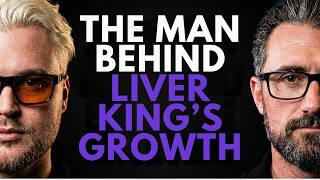
In this interview, Dylan Vanas talks with talent manager John Shahidi about scaling personal brands and talent management. Shahidi explains the need for platform‑agnostic audience ownership and introduces the upcoming book and course "Authority OS," a comprehensive guide covering brand strategy, positioning, content pillars, hook psychology, and community monetization. He details a deep‑hooks clinic, collaboration with neuroscientists to measure EEG/EKG responses to content, and a planned neuroscience project. The conversation shifts to Shahidi's personal legacy, emphasizing being a good father, caring for people emotionally and physically, and building businesses that benefit his family. He shares his Instagram handle (J_hy) for direct connection and references past tech experiments. The interview wraps with plans to promote Authority OS via affiliate links and to foster a community of creators focused on authority rather than mere views.
Chapters
Attention is the new currency. Those who have it are able to command people to do pretty much anything. You saw early on, 2,000 people coming to a dance audition all over the country.
You know, I was listening. I'm a big fan of Gary Vee and you know, for a very long time he's like just post, post, post. He or she that adds the most value is most valuable. And so I've lived by that forever. You don't need a high powered agency like this to get behind you if you don't have the it factor. So what is that it factor?
I have to ask you about Liver King. So he came to you. He wasn't Liver King, he was Brian Johnson. Effectively. He said, I want to have a.
Million followers in a year. He just wanted on Instagram. His metric was I want a million followers on Instagram.
All right, John, so thanks for coming on.
Thanks for having me.
So I'm excited to talk to you about a couple of things. I want to learn how you built Build a Beast, right, and built these dance events that really grew into these massive events in the dance community. And I also want to talk about how that transitioned into building personal brands and virality online. And I guess just to start off, maybe you could help me understand what got you into the world of personal branding and talent management.
Yeah, definitely. As we were talking before, you know, I, I just like taking care of people. And I was dating this girl in my young 20s and she was a pop star in her teens and then kind of a resurrection of her career. And so I went on the road with her. There was no road manager. They're just like, hey, go perform here, go perform there. I'm like, they're not going to invest in someone going on the road with you. And I ended up sort of managing her quasi. And I had a blast with that. And when I moved to New York, by fault, I ended up rooming and becoming friends with this guy. And right before we were going to move to la, he went on Big Brother and his name's Nick Uhas. He's the host of Blown Away on Netflix. He's done a bunch of stuff. He has a huge YouTube channel. And he went on, he went on Big Brother and I said, hey, while you're in there, I'm gonna arrange everything and completely get your, you know, your platform set up. We're gonna arrange. We went on it, ended up going on a tour interviewing all the house guests from when we went on an RV trip from New York to la, moving there as soon as he got off Big Brother and it ended and we stopped at all the house guests houses along the route and did like YouTube episodes with them. Then we got out to LA. That was cool. We did some YouTube stuff and I actually moved to LA to start a personal development program which is like the millennial version of Tony Robbins. It was called Burn the Boats. And I co wrote an audiobook called Design youn Destiny with my partner at the time, his name is Brazil. And he was really, really big in the dance community. He ended up pioneering those dance videos that went super viral of them in dance classes. And they do groups and back in the like mid teens, late, yeah, 2015, 2016, they started going super viral and it was a way for record labels to break tracks. But. But yeah, that was, that was kind of my first array. I ended up just being the business guy and the entrepreneur intrapreneur of a bunch of people that I was around, friends that happened to have some media visibility. And I ended up just kind of architecting, you know, how they were going to monetize it.
And so that was. You're saying that's the evolution of Build a Beast or.
Well, that was the evolution of my management, like getting in talent management by.
Accident through going on.
Yeah, well, I just wanted to take care of like, you know, Nick was like, hey, you know why I'm in the house, we gotta get stuff set up. And they have no contact with the outside world. And he's gone for two months, you know, on the CBS a lot in Studio City. And I did. And when we got out, we had a, you know, a pretty cool tour lined up and kind of being a quasi media channel for our follow up to CBS Big Brother. And then when I got out to la, I got entrenched in the dance world and Brazil was working really, really close with this really big choreographer that had a huge YouTube channel. He had the most viral video, like his Beyonce upgrade. You had more views than the Beyonce music. Who was it? Wildebeest Adams.
Okay.
And. And you know, we had been working with him, so. So our whole thing was like, let's piggyback off of these choreography classes with our live events for Burn the Boats where we could do goal setting, workshop.
State management, and do this in combination with.
Combination with the choreographer. So we would do this thing for an hour and a half and then they would have an hour and a half class and we could tour with that because they all wanted to go to the class anyway and they were paying a bunch of money and we're like, let's piggyback this and kind of combine forces and do this. Really cool.
Are these like youth dancers or adult dancers?
Yeah, youth, Youth, Yeah. For the most part. Teens, young adults trying to break into the hip hop and commercial dance space. They were also like not only just doing dance videos, but choreographing for. He was like T Pain's main choreographer back in the day and doing a bunch of big commercial jobs for television and film. And so we ended up. He came to me one day and said, I want to monetize my brand. And I said, well, he had this dance troupe called I'm a Beast. And it had like, I don't know, 15 to 30 of the most influential teen dancers in the space. So in North Hollywood, in LA is like the Mecca of dance. And so we ended up. He had like the first year, there was like 150, 250 people that came to audition for this dance, this dance group that were just putting out YouTube videos and performing. Year two, 2000 people travel from all around the world for like a six hour audition. Then he came to me. I went to that when we were first getting to know each other. And he goes, I want to monetize my brand. And I said, well, you have 2,000 people flying from around the world to come audition for the dance company. Let's turn this into a dance festival. And he was like, what? And he goes, have you ever done that before? I said, no, but we'll figure it out. It'll be fun.
At the time, you hadn't had done much business, had you?
Well, no. Growing up, I was always an entrepreneur. I did some business in New York, did some business back home growing up and then. So I just always had a knack for creating things. I love it. I'm very much a visionary and a creator. So having a great partner like Sam, who you've had on here before, who is a diligent operator and very, very smart, it's a perfect mix. But anyway, so he came to me and we put this festival together. It got dubbed the Coachella dance and it was the hottest event ever put on in the commercial dance space. So how it was formatted, we had like five days. We started off of Burbank, California. We had the convention center and we did, you know, personal development workshops, dance classes and all this shows, battles, all this stuff of the best choreographers in the world. So like the creative director for Bieber and you know, for the Jacksons and everybody was there teaching class, performing, and then we culminated it with you had to go to the event to audition for the dance company. And I think we had something like 10 or 12,000 people through the doors first year. And then we moved to the Fairplex or the LA Fairgrounds, and it was just. It was massive. So that's how I got started with Build a Beast.
The thing about that and some of the other things in your story, even up until just recently, recently in recent times, is you prefer to stay behind the curtain, right? It's like you're. And what I'm hearing when you're talking about this, it's almost like there's some magic that you like to create platforms for other people to share and grow. So I wonder if that is. Was that like a strategic decision or is that just kind of how things unfolded? Starting with your girlfriend you went on tour with. There's literally the same idea. Till again, till literally, like six months ago, you've been the guy that's like, pulling the strings behind the scenes.
Why? That's a great question. I like architecting things. I like building things. I don't need the spotlight. I've always. I've always been trusted by people who had the spotlight to say, like, take care of me. My girlfriend at the time did it. She was getting taken advantage of and wanted someone to be there to take care of her and no one else was. Nick couldn't trust anybody. And, you know, he's like, yo, we have. You know, you have this moment in time, like going on Big Brother, a huge show. How do we capitalize on this? A lot of people are reactive in the media space. You know, you have this moment of fame, and then what do you do with it? I've always wanted to just put people that had incredible talent in a position to win and benefit from that. I've had a knack for business, and I haven't had a knack of being on camera. I haven't had a want to do that. I don't have an ego. And not saying that people that want to be in front of the camera do, but I had no desire to. And I was like, hey, I'm just going to help people do what they do best and go from there.
Thanks, man. Was there ever a time where being behind the curtain for you actually led to some kind of impactful moment, either for the business or one of your clients that maybe, maybe if it was someone who was trying to get ahead of the scenes, wouldn't have ever actually accomplished?
I think it builds a ton of trust. I let the star be the star. And I think that when you have some type of notoriety and fame, I believe that the wolves come out and the circle inevitably has to get smaller. There's a reason why LeBron James has his homies from high school running his entire empire. You can go down. There's a ton of celebrities, athletes, and people who have had success that, you know, take their team with them. I've done that with one DS to the company that Sam and I built. But, but I think that going back to your question, I think that when you're in a position of and you have everybody jawn at you, everybody looks at that as an opportunity. And, you know, I knew that if I did right by them, you have to have the yin and the yang. You have to have, you know, somebody behind that supporting you, having your back, having your best interest in mind and doesn't care about what the limelight or attention. That's for that person, that's for the celebrity, that's for the influencer, that's for. In the build a beast case, the, the, the choreographer. I always get pushed to talk and talk about how we built this. I never had, you know, a reason or a want to. And it keeps balance, it builds trust. And I think that incredible things are done that way. When people stay in their lanes, attention.
Is the new currency and those who have it are able to command people to do pretty much anything. You saw early on 2000 people coming to a dance to audition, right? From all over the world, all over the country. So that being said, is there ever time you're looking at these people and wishing you had started getting your brand out earlier?
You know, I was listening. I'm a big fan of Gary Vee and you know, for a very long time he's like just post, post, post, post, post, post, post. You know, I have two kids, 8 and 6, almost 9 and 7. And I just, you know, it was something where I was involved with shooting so much. We were basically a powerhouse media company and we were shooting a ton of content all the time. We were shooting, shooting, shooting. I was helping strategize and script for people on camera. How do we distribute that? How do we do this? And when I went home, I wanted nothing to do with it. And that still kind of rings true today. It's changed a little bit now because we were writing a book and putting out a course and all of this stuff. So I know I have to get out and talk about now what we're experts in and very well known for. But yeah, in hindsight Yes. I might have started posting and putting a little strategy into it earlier, but I also think there's mysterious intrigue of, you know, who's this guy behind the scenes building these things? That's interesting. I have a couple thousand followers and I don't care. Even now, I don't care about the fame. I don't want media attention. I want to share.
Guys, do not share this podcast.
No, no, no. But it's interesting because now, now I get to add value. It was never about that. It was about adding the most value I possibly could. And then everything else falls in because I live by a very important thing, that he or she who is most valuable or. Sorry, he or she that adds the most value is most valuable. And so I've lived by that forever. And how do I add the most value? And I know everything will fall into place and going from there. Yeah. You know, my partner Sam has leaned into it a lot, and I say, you do that. You. You could be. You could be it because we're married, him and I. And so. And so I say, you know, you can do that. And then I'll. I'll get on podcasts and I'll go, do, you know, my evangelizing in my way. But I'm not going to spend my time creating content. I'm going to, you know, spend my time building businesses.
So as it relates to your agency, 1DS, which is hybrid talent management, talent marketing. Right. What do you look at when you bring on a new client as far as identifying, do they have the X factor? And can we amplify this?
Yeah, that's a great question. I think. I think right now. So. So there's. There's two sides. Right? So. So we have three very distinct parts of one ds. One is a marketing agency that does brands like, you know, typical CPG products or anything. Predominantly in health and wellness, we do personal branding, which was, I. E. The liver king. And then we have a media company where we monetize media across a bunch of platforms like Facebook, Snapchat, and all these different things. And so, you know, when bringing on a talent, are they doing something extraordinary and unique? And, you know, I think, you know, there was obviously these metrics. It's like, hey, you have to have a minimal follower count. You need to have this stuff because brands are looking for this stuff that's on the talent management side, on the brand side. Yeah, you have to be special. You know, we get approached by a ton of personal brands, and some of them just aren't a fit because it's, I don't want to say it's a waste of time, but you don't need a high powered agency like this to get behind you if you don't have the IT factor. So what is that IT factor? You know, somebody with an extraordinary message stands for something and is making a positive impact. That's like what Sam and I have agreed on. We won't take people doing wrong, building brands, selling things that are hurting people. And then on the talent management side, it's like, hey, hey, do you have outlets to monetize your brand that aren't being exposed or taken advantage of yet? We can come in and do that. So there really isn't a defined criteria, but as you know, when you see a brand or a person, you know they have it. And, and if they're doing good in areas and we know, hey, if we just can put a team around this person, they could build a really positive and impactful ecosystem. We typically, you know, partner with them.
That's cool. So with that being said, your team uses the MAX framework, right? Can you break down what that is and how it works with brands?
Yeah, we, we kind of dubbed this acronym called max and it's measurable, actionable and extraordinary or unique and you know, either where. So going back to your last question, do they have it right? That stuff is, is what they are talking about measurable? Can they communicate that and take action on these things? And is it unique and extraordinary for us as an agency? And kind of how the ethos came about is every single strategy we put together, every action we take as an agency, can we measure this? Is it actionable within the budget and framework and confines we've been dealt? And is it unique and extraordinary? And if it ticks those boxes, we rock and roll. If it doesn't, if one of those are missing, we can't measure this. It's not actionable within the framework and it's not unique or extraordinary. It's not good enough. And we usually send people back to the drawing board then. So that's been a good North Star for us to stay on top and kind of at the cutting edge of what we do. And it's been kind of the rallying, crying ethos of 1ds for a couple years now.
I have to ask you about Liver King.
Yeah.
So he came to you. He wasn't Liver King, he was Brian Johnson. Yeah, effectively. He said, I want to have a million followers in a year. Right. You guys did it in seven months.
Yeah, five months. Five months to the day. To the day.
Wow.
Five months to the day. And it was just on. He just wanted on Instagram. His metric was, I want a million followers on Instagram. But in that same time period, I think we built him up, what, a million followers on TikTok or in that same time. And he didn't even know he had a TikTok until he had a couple hundred thousand followers.
Did you say 2 million? 2 million followers in that same time frame?
Yeah. And then he had 3 million aggregate in five months and he started from zero.
And this wasn't. You guys didn't buy the followers? It wasn't any of that?
No.
So what was the driver behind that growth? And how do you guys handle the controversy, the steroid stuff, when that came up?
Oh, that's two amazing questions. Well, first he had, he had built a supplement brand called Ancestral Supplements. And part of the core ethos of that was these nine Ancestral tenants. And they were like eat, move, sleep, shield, ground, sun, bond, fight. I think those were them. That might have been eight. But, you know, he. Everything he preached, his company led at Ancestral all had to do with these nine Ancestral tenants. And when he wanted to go online, I mean, he was, he's the real deal. You know, everything that he was, we amplified it and put on steroids, the media steroids. But, but, but I mean, he came to us and said, hey, you know, I, I am, I want to branch out. I want to build a bunch of supplement offshoots of my main brand with glandulars. Glandulars is like putting liver basically bovine organs into a pill. Liver, trachea, spleen, heart, all of these things that you would eat if nose to tail eating, like eating the whole cow, put them in a pill. And so we helped him build a brand because he wanted to be able to use that platform to be able to launch a bunch of a dental specific offshoot of that and a gut specific offshoot of that and all these different things. And so he gave us a task. I think we beat out five or seven agencies from what he told us, and we pitched different. And from.
Had you guys done an actual campaign or you're just saying from Price Go.
What's interesting about this is that he was our first personal brand that we did with the agency mindset. So like, I don't know of any, but taking the agency model, you're very familiar with this on how to build brand and sell things and then implement that same framework for an individual. I don't, I don't know of anybody that, you know, Obviously you have people with personal brands that have done things, but we took our exact frameworks and how we operate with brands and installed that into him. And it was wildly successful. I mean, if it wasn't for Andrew Tate, who you told me sat in this chair, it would be. He was the most viral person in the early 2000 and twenties, and it was. It was quite incredible. Yeah, it was great. Now, how we handle the controversy? You know, the entire time that we were working with him, the first question I asked when I visited him, I said, you know, how are we going to handle these steroid allegations when they come up? Because, I mean, I. And he's like, no, no. But he is the hardest working, works out harder than anybody, eats crazier and better than anybody you've ever met. So, like, if anybody could have had the physique, naturally, it was him. Blood, he calls it blood boiling workouts. And he's not kidding. Twice a day. He's an animal. Animal. Works out four hours a day, three, four hours a day. So. So when you're around him spending time and he's eating raw liver by the pound, or, you know, a pound a day, and. And he's doing all of this stuff, you're like, if anybody could look like that, naturally it's this guy. And so we kind of backed off and let it so much. I've said this before, but we even did and installed a bunch of parody content ideas on him doing steroids. There's a famous one of like, him, you know, he's dressed up as a doctor and he's playing both roles, himself and him as a doctor. And he comes into the doctor's office and he's like, hey, you know, hey, we got your blood results back. And he goes, oh, what doc? And he goes, you're 100% primal. And they go back and forth and do this thing and, and, but we. We literally played in and we're building up content ideas and he kept denying it and denying it. And, and so when it came out, like, we were blindsided. A lot of the interesting fact there, too, is that, you know, we architected everything. His messaging, his content, every single thing that anybody experienced from the Liver King for two and a half to three years from his launch until that happened, or about six months after that happened, as we divested with him, was 100% ours. Every single thing, from posting to shooting to copywriting, every single building website like ebooks, every single thing was us and. And building up his other brands and branding his supplements, the offshoots that he did, we did everything. And so, you know, going from there to, to, you know, you know, this all coming out, that's not how we do business. And, you know, we had to face it head on. Well, sorry, what I was saying was that, you know, we got accused of putting that together too. Right. The good and the bad. Right. Like you can't be responsible for the entire brand and then what not take it when something goes wrong. And so for a long time, I mean, we have people coming and saying, oh wow, amazing marketing agency Stuff, YouTube videos about analyzing the building of Liver King and all this stuff. And then comes out this. And it's like 1ds orchestrated this lie as well. And so we had to kind of detach the caboose from the train because, you know, we don't do business that way. But, but anyway, we helped him through that and, and divested. And that was, that was a, that was a tumultuous journey, but it was a fun one nonetheless. Learned a lot. And it became, you know, one of, if not the craziest personal brand story since it's been a thing. Everybody looks at the Liver King and then even more so now that there's like a huge Netflix documentary out on it. It's pretty wild.
How do you go ahead go about balancing creating a content that's controversial, yet other content that's storytelling and how do you balance that, especially when creating someone like that who's very polarizing figure.
Yeah, well, we live by this thing. Single signal versus noise right underneath the entire. So we'll use Liver King as an example. Underneath the entire thing was the nine ancestral tenets. How can we drive people back? And it was like here to replace what the modern world has taken out. And basically we're on our phones, we're eating crap food, we're not sleeping. Right. All of these. We're not getting our feet. When's the last time our feet touch the grass and you start or actually go out and get sun on our face?
Did he come up with all this? Or he came to you with this or you guys orchestrated that?
He came to us with the nine ancestral tenants. We simplified and branded them and then put them together and packaged them and then created the content strategy for each. And how we're going to funnel people into the ecosystem and then move them on to supplements and an ebook and a community. I mean, we had events planned. We pitched a ton of stuff. We pitched it, you know, NFT project at the time that with utility to him. He had access to a lot of interesting things too, so. And the means to do it.
And he came with the name Liver King. He was like, I'm Liver King.
Yeah, he was being called Liver King.
So people were calling him that. But then you guys took that in like, hey, let's make this the thing, right?
Well, yeah, he had no following. Not, not, no, no following. He was making some random cameos on the Ancestral Instagram channel. But no, because he. He owned it. But yeah, he came to us and. And said, package this up. And you know, we did. How we landed him was, you know, our creative director at the time put together like at the. The front page of the proposal was his logo. We created for him. And we basically created his entire creative treatment for his brand and pitched it to him on page one of the proposal and took a picture of his face. I mean, it's his logo. Go to his website and see a picture of his face and his beard and wrote Liver King in this kind of old tribal writing. And then that morphed into creating. We created the world primals, which was identifying the group and the community that people could, you know, be a part of. And we could easily identify what's primal and not primal, subprimal. And then all of the ancestral and tribal symbols to all of his tenants. And then how do we talk about these and how they all tie up? But yeah, it was pretty well architected.
How did he. What was his background where he had the means to be able to afford not only working with you guys, because you guys are definitely a premium company and then at the same time invest into all the other aspects that came with it.
Yeah, I mean, he had a very successful supplement he owned, like, to my knowledge, he was the biggest in the glandular space, they call it. Right. Putting organs and pills or before working with you guys. Yeah, yeah, yeah. And quite well with that.
And it's still likely doing well.
Yeah, yeah. I don't know the exact effects that that what happened had, but he was doing quite well before media attention. I know that the brands that he created, I don't know this like number wise, but I know that he was on a mission and we are creating a lot of brands and that has since ceased. And so Ancestral, I mean a lot of people, he has brands out there that no one even knows he owns. And so Johnson and Johnson. Yeah, Johnson and Johnson. That's wild. Yeah, but, but, but, yeah, so, so I don't know how big of a hit. I imagine a hit he, you know, he got, he got hit pretty hard. And the documentary was supposed to be somewhat of a redemption story to that to tell his story, but yeah, I have no idea.
So when it comes to all this branding, personal branding specifically, what's the secret to staying relevant and adapting to the times?
Well, I think that there's two layers to it, right? Authority or influence is built on a foundational message that is adding value. I believe people can have fame, but that doesn't mean they have authority. And so, you know, I'm going to resort it back to the liver king because it makes sense for most people. Liver king was a CEO of the ancestral lifestyle dubbed. Right. And so if you wanted to learn about the ancestral lifestyle, you went to him. It wasn't him working out, eating liver. There was an underlying message to that that led people the viral videos were the top of funnel and then they learn more about the ancestral tenants, right? You have people watch, they spectate, then they subscribe, then they become part of a community and then they convert to clients. Right? And so we took him from and all the crazy videos that went viral were very top of funnel spectating and then they would subscribe and learn more about the ancestral tenets. Oh my gosh, I tried this, hey, just eat liver and do push ups. Just eat liver and move. Just put good food in your body and work out. And people were, you know, seeing results. I mean it's, it's a no brainer. And so, and so then, you know, I believe that the same thing works back to anybody. You have to have this foundational layer of messaging that is unique and what we call the old game versus the new game of not chasing trends, not doing what everybody else is doing, but identifying your own lane that you can own and then staying up with the times is playing into algorithms. How are people liking to consume content? What's happening? Then it gets down to the tactical framework. The problem is with most creators is that they focus on the tactics of getting views in these. And we call it, you know, well, it's vanity, right? They go after all of these metrics, how many views am I getting? You know, what does this look like? But they're not building or being known for anything. We have a lot of influencers over the years that we've managed that are get a ton of views, have a ton of followers, but they can't sell anything. Brands partner with them and give them money based on their audience and they don't sell a thing or very, very little. We also have, you Know people and talent that have very small and really engaged followings that do very, very well for brands. And so I think that how do you stay relevant and succeed today is you have to have a fundamental thing you believe in that adds value, and then you build on that with playing the tactical warfare that all these platforms are changing algorithms and all the buzzwords that people talk about. But that has to be layered on top of something that means something that really you establish and are known for or it doesn't work. You can get views, but it's busy for busyness sake.
Yeah, makes sense. There's people I know who have millions of followers that can't even pay their rent having attention. And even if they're still getting millions of views on their videos, having attention doesn't necessarily mean you can convert it. So what are the keys that you can see in a brand that can be monetized and be highly profitable brand like Liver King was at the peak versus some of these influencers that ultimately can't sell anything?
Yeah, great question. Interesting stat to what you just said. The creator economy is a $250 billion industry and 97% of creators will quit in 18 months and are making less than minimum wage. When you average out how much time is going into the content, I think the average is $13 an hour. And so. So, you know, I think what's the. What's their unique position? What is their message? We start everything with a. We go through invisible enemy. Most people looking left and right at the competitors know what are the consumers dealing with? And what's an enemy that people aren't talking about? An example of this is like complexity. People believe that, you know, things have to be complicated to be professional or worth anything. People are looking at, you know, this velocity vortex that motion equals success. It doesn't. Right. And so there's all these invisible enemies we go through. But when you lay all of this out, you create a brand, you have a unique position in the market, you have a unique message as a person to create authority. And we know that if that's just packaged up like Liver King, if it's packaged up in a strategic way, and there's stages to this, we have something of value that people want to sell. We just need to bring more eyeballs to it. We have a message that will resonate with people. Excuse me. We have a message that will resonate with people. And we see like, hey, this has, like I said in the beginning, I don't think there's an exact formula for it, but I think if somebody's adding value and they have something and solving a problem for somebody, it can be monetized. It's when you see a bunch of people that, you know, do flip for a living, right? And jump if they're not turning that into a course and have, and have authority around that thing of teaching people how to do a backflip. People are just doom scrolling and watching their content and thinking, wow, that was cool. Now, okay, now somebody might be extremely talented at flipping. Okay, so how do we get them to teach a bunch of people how to flip on social media and have a course in the background, which you're an absolute expert at, and be able to funnel people in through strategic events, through strategic media, and through strategic moments that we create and partnerships and collabs and all of this stuff and the tactical warfare to get people to learn how to flip. I want to learn how to do a backflip. I can't. And, and so, but, but most creators out there haven't gone down that journey of what does this look like? They just create content for content sake. And that might be cool, but a lot of these people are looking at this like they want to be content creators. You know, I have an 8 and a 6 year old ask them what they want to do. They want to be, they want to have a YouTube channel. They're watching that Jordan matters and Salish matters. They're watching the Mr. Beast of the world. But those have to be aligned with, you know, what does compounding long term growth and value look like? And I don't think, I don't think people are doing it proper for the most part. So when you go back to your question, how do you identify who has it and who doesn't? Somebody with a unique message, someone who's an expert in their space, someone who can add value and they just need a team around them or it doesn't have to be us. They just need help building from being a person with a camera to being able to make this an actual career and build something from it that lives longer than them just holding up a phone.
You mentioned Jordan and Salish matter. It's crazy. I saw that. I had no idea who these kids, that kid and the guy were.
Yeah.
And then I saw the video. Did you see the one that went viral like a week or two ago?
Which one?
They closed down a mall.
Oh yeah.
She launched her makeup brand or something and the mall was like thousands of people. Like, what the heck? I've never heard of this kid. It's Crazy how there's these people that these, you know what you call them, like little pockets of just influence.
Well, we created the launch video for that for Sincerely Yours, her skincare line, if you go look, I think it launched on September, August 30th on her, on Jordan Matters YouTube. We shot a oner announcing her skincare brand.
Oh, wow. And you guys work, you guys work with them?
We work with them on this. Oh, we shot the video for it.
Why was that event so crazy? And why had I never heard of it until people were talking about it on social.
Jordan Matter is a genius. Jordan Matter actually comes from the dance world. He's a photographer and he, he was creating photography books and he ended up, you know, needing to create a social following and he came up with an idea that was like a photoshoot, 10 minute photo shoot. I forgot the exact name of it, but basically his 10 minute photo challenge series where he would basically have published photos that he would shoot with an influencer in 10 minutes. And he was living in New York at the time. And so they would go around. I think he was living in New York, but it was, most of it was in New York City. They were living in New York at some point in time. And so then his kids grow up and he is an absolute mastermind at garnering Attention. Like Mr. Beast, right? When you watch it, you just can't look away. You know, some of these really, really good YouTube creators, they have, they're extremely good at attention and retention and, and he, he's a master at it. And, and so, but, but going back to it, I mean, I don't let many people watch or, sorry, I don't let my kids watch many people's YouTube videos. This is wholesome. It's challenges. Like Mr. Beast, they even have some innuendos that they use, you know, kind of like.
But a kid doesn't get it.
No, the kid, but, but still, like, you know, it's there. And when you have an 8 and a 6 year old wanting to watch a show and all they're hearing about is seeing feastables and seeing this and seeing that and prime and oh, Logan, Paul. And like, like it's it. We're inundated with this stuff, especially the influencer economy.
So you're saying that's bad. You're saying, well, I don't want to.
Say it's bad for. I mean, you know, hey, we can, we can get into the conversation about, you know, attention span and, you know, content, content playing into our short attention span. But also an abundance of this content, adding to the short attention span, and around and around we go. But I think that, you know, when. When, you know, it's a wholesome channel for kids mostly. I imagine between 7 and 15 is like kind of Salishes. Salish. Yeah, yeah. Which is basically turned into her channel. It's a family channel. But she's the star now, and. And she's good. She's relatable. They're not perfect, and it's just really, really well done. And I think. And they're authentic, like they are authentically themselves. There's a few families that we work with and, you know, that have kids and. And stuff on the talent management side that have similar, you know, channels. But I think they've probably done the best job at having wholesome content. So I say, you know, what makes this kid blow up? It's relatable, and parents will let the kids watch it. And. And they've jabbed for a very. So why did that go viral? They've jabbed forever. Jordan's been jabbing for. And when I say jab, you know, jab, jab, jab, jab, jab, Hook. Right. Gary Vee method. They've been jabbing for 10, 15 years, and they finally pulled the trigger to launch a skincare brand because Salish was having trouble finding something that was good for her skin. She has very sensitive skin. So they created one, and it's going to be very successful. But they jabbed and added value for a very, very long time. When they say they're going to have a meetup, you know, 30,000 people showed up.
Was that what it was?
30,000. It took over the American Dream mall in New Jersey. They got shut down because of it. So. So obviously the stream was having problems because there were so many cell. I mean, there's what, 30,000 cell phones in a mall all at the same time, trying to post to do stuff. And then. And then on top of it. Yeah, they had. I think they had 5,000 products to give away. They weren't gonna have enough. But the live stream was wild as soon as we woke up, because it happened on the east coast. As soon as we woke up, the kids were like, oh, we gotta watch this, because they got to go to set and when we were shooting and. And stuff and meet Salish and Jordan and the family. And so that was the first thing they wanted to do. But it's wild, man. These kids.
What did you do for the promo video?
We shot everything. It's pretty cool. Yeah. So at Our heart. Like, we have a lot of production clients too. So we shot commercials and feature documentaries and a whole bunch of different stuff. Content is our game. And so they tapped on us to create this promo video that felt like a YouTube video, but that was actual commercial. And we turned it into a 3 1/2, 4 minute masterpiece of announcing. It's pretty cool. You got to go watch it.
Was it posted on their main channel?
Yeah.
Just as like a normal video.
Yeah. It says I have a secret. And it has her between two guys, like her childhood friend that everybody like.
Boys, like.
Yeah, boys. Boys, yeah. Her age. One is Nadal, who, you know, had. She's been friends with for years. And one of us, like, this new interest that like wants to date her and it's cool. You gotta go watch it.
Okay, I'll check it out.
Yeah.
So her dad already had a fan base, a following, a platform, and a skill set on knowing how to create content. How can someone who doesn't have that already break through? In today's age where everyone, like you said, your kids, everyone wants to be an influencer, what do you see the people breaking through, actually being and doing? Because there's still people that break through. Right. It's harder. But what are those people doing?
Well, I think, I think we talk about this a lot. I'm going to reference Gary Vee because he's the goat, but for a long time it was post, post, post, post, post, post, post. How many times can you post? How many times can you post? It's, it's free. It's like, like when the platforms were younger, you're getting a lot of organic reach just by giving them content. Right. They needed content to monetize and sell ads. So now there's an abundance of content and it needs to be good now. So whether you're a comedian, an entertainer, a business owner, an aspiring entrepreneur, mindfulness, wellness, health, fitness, whatever it is, I think that, you know, you need to get in the mode of posting and get comfortable on camera, which is probably where Gary Vee's old. Not old, but Gary V's philosophy of getting content out there, getting content, getting reps in matters. We just talk about this, Sam and I, last night, and let's put as much content out as we can just so we can get the reps in. Like when a client signs with us, we say, hey, you know, you're going to have a, we're going to have a bunch of content ideas, all the stuff you're passionate about that if, if I was to if you were going to be on a TED Talk right now, tomorrow, what would you talk about? Or in 15 minutes, what would you be talking about? And just let them go and have them shoot themselves, have them see themselves on camera, have them look at themselves with no sound, have them read the words they're saying without seeing or hearing themselves, and then have them listen to themselves with no video. And from an auditory, a writing and a visual standpoint, how do you look and sound and feel? And what do you get from watching yourself? Right. How do we get reps in? And then from there it's like talk about something that is interesting and then we go through it in our course and AOS book and stuff like this. Um, but, but like, how do you find that unique position? How do you separate yourselves from other people that are doing it the same? And then how do you just create a content engine where you can create really, really good content? Because I believe quality is key. Now we're seeing it. Social media platforms have now turned into more of a for you page, like a for you page where it doesn't matter how many followers you have, you can get attention by creating good content. It didn't used to be like that. I don't know, there's, there's rumors all the time with these algorithm. It changes, but we have a lot of clients with millions of followers. I don't know what the aggregate is now that we represent on the talent side, but it doesn't matter anymore. Now obviously people are going to get pinged if you have a million followers are going to see it, but if it's not good, they're not going to promote it. And, and so going back to it, it's, it's get reps in and get comfortable in front of camera. It's find a unique position and, and, and, and, and you can hone that in through these reps as well as, you know, having the strategy and roadmap on how to do that, which we outline. And then it's, and then it's putting quality content out and building community. And it's not easy content. I think that like, you know, my daughter thinks this. We went on a spring break trip to Disney and she, I gave her one of my cell phones that I have and she's filming the whole trip like a vlog style, going to Disney. And I'm like, all right, now you're gonna edit it. She's eight. I put her in front. I'm like, get her all set up. And, and I'm like, no, this is the game.
Yeah. And, and that video's gonna go nowhere. She wants it to go out that.
She thinks she's gonna post it. She's like, hey guys. She's literally picking it up, saying, hey guys, we're here doing this. And I was like, who are you talking to? Right, right. She's like, she thought about it. She's like, well, nobody. But, but I think it's just content creation is a, is a job. It's a job. And so if you're going to do anything, do it strategically and do it right. If you're going to put time and energy into it. And I think that comes from having the strategy and roadmap laid out on. Like, you know, how, how do you actually build? Because then why become a content creator? You have to be getting views to monetize a YouTube channel. And YouTube channel is the hardest platform to build over, but over time it's the most valuable. You know, this. Right. And so, and so I think that you have to commit to it and want to do it. And I think the easiest way to do that is to have something we're talking about and have a unique angle because then you can set up a camera and you can have content ideas flowing and there's an abundance of things you could discuss and talk about. Then it's just how do we package it up and make it perform?
It sounds like the formula is create content to get good at creating content, especially for people who aren't there yet, and then develop the content that's going to be really good and probably fine tune that over time. See what's resonating with people, lean into that, develop your pillars. And to what your point was earlier, you need something that you can stand behind that does good in the world, helps people like the nine ancestral pillars had, that can be like the fundamental building block of your stuff. And then you build from there.
Yeah, exactly. And you know. Yeah, yeah, 100%. I think, I think that, you know, getting reps in. Why are masterminds and coaching and mentorships and all of this stuff so important is because like in business books and, and everything, well, how can we learn from the people that came before us so we don't make the same mistakes? There are a lot of people that started out in content, just started shooting stuff and didn't know what was going to happen. But there was, there was obviously, you know, a scarcity of content at the time.
Sure.
And then you just kind of learn as you go. I look at content the same way as we look at any social media is the same as traditional media copywriting, right? Eugene Schwartz. Right. The best copywriter ever. When you start looking at these things and breaking it down, we need to grab attention, and we need to retain them, and we need to get them to take action. Okay, so how are we going to grab attention? Well, you need to be talking to the right people about something they're interested in or, Sorry. Well, more of like, hey, how do we do something crazy as a hook. But second, how do we retain them? We got to be talking to a niche community in the target audience about something that they have a problem with or something that they're really interested in or interested in or don't know. They need to solve it. There's a ton of different angles there. And then it's like, okay, well then how do we then take that and add value and get them to take action, to change their life in some positive way or. Or solve a problem for them? And that's the same thing. There was copy, it was radio, it was tv. Right? Like, you know, it's. It's the same exact thing as today. You know, I was talking about AI content creation, and AI content creation is. They're like, oh, what about all this AI content you created? I was like, it still has to be good content. There's going to be an abundance of shit content in this world. Like, good content is good content. And there's a formula and a scientific approach to content psychologically. And I think once you get it down to what you said before and you build that, like, hey, I'm interested in this. I got reps. I'm comfortable in camera, comfortable creating content, comfortable writing, I'm comfortable doing all this stuff. Then it's about like, then how do you take these things in this roadmap of saying, hey, how can I cut corners and take advice or take a, you know, buy a roadmap or have somebody work with me to help me figure out all the mistakes of content creation that have come before. And that's kind of where we step in, in a way, shape or form, right? It's like, you know, yeah, people can go out and create content themselves, but, you know, there's. There's a learning curve to it. But getting reps in, like you said, is the most important.
Operating at this level has got to be crazy stressful. The stuff you're going through, campaigns that come, you know, one way or another. Do you have any kind of mindfulness or personal development practice that helps you stay grounded?
Yeah, gratitude Celebrating wins. I think a lot of the times entrepreneurs or people in any, in any field are constantly chasing the tail of the dragon. Celebrating wins is a big deal. Being grateful. I meditate every morning. I get up early and get ahead of my day. I like being ahead of things. But yeah, I think Tony Robbins said this. When you have gratitude, no negative emotions can live in that state. You can't be, you can't be grateful and bored. You can't be grateful and sad. The negative emotions that we have, when you're in a full state of gratitude, these things can't exist. And I have to remind myself of that every day. I love it when the things that we have now our younger self wish for, yet we're still not grateful for them and chasing that pot of gold or whatever we are chasing. And I think we have to take a second and be mindful right of these things and be able to stop and smell the flowers and celebrate and do it with people you love. I have a contrarian viewpoint that you don't do business with your family members or people that you love. I spend more time in my business than any other area of my life and I want to do that with people that I love and adore. And I, and I want to take those people on the journey with me. And so yeah, but, but overall gratitude.
Within your organization, do you lead your team and your organization in a mindful way? Any kind of core values or personal development practices that you instill in the team?
That's a great question. As you know, the bigger you get, the harder it is to manage these things. Right. How big are you guys right now across the spread? 50 or 60, I think that fluctuates. We were up to 70 at one point. And then what with contract, we have a bunch of jobs going on with contractors. It's. It gets. Goes all over the place. But mindfulness with the team state management's a big one, I think. I think with our team at celebrating wins, we have a very, very, you know, we're, we're very diligent on open door. Anything goes one. Another thing is that's really, really great is meritocracy. Ray Dalio talks about this. Any idea wins. We're very flat when it comes to that. Right. We're not vertical where hey, I'm the creative director. So my idea wins. I think when people feel they have a voice and feel that they're on the mission and are incentivized by being creative and solving problems, I think fosters a much healthier Work environment meritocracy is a big one. A good idea wins. We've had people come up with some of the most incredible ideas. My brother, sitting at this airport in Vegas a few years ago said, hey, I think we should change all of our logos and our icons to have a pink ring around it. And like, voila, we did it. Then all these big social companies started copying us when we were in these meetings and seeing all these things pop up and that, that's obviously a small example. But you know, hey, good ideas win. And I think when, when, when. I don't want to say it's insignificant, when the smallest role in your company feels like they have a voice and everybody's on the same mission together, I think it creates a really, really cool environment. And yeah, that's, we're, we're very adamant about that.
At my company, on Fridays we do, we call our victory lap. And it's basically team meeting for everyone on the team. And I've done this with my previous organizations where we had teams like as big as 50, 60, 70 people. Right now we've got like 25. So it's good enough for us to go around through everyone. And we just, everyone shares a win. Personal business. It's fun, we hang out. But this past week, on last Friday, which was yesterday, I guess I had sent one of our clients landing pages in the morning. I said, hey guys, take a look at this before our meeting. And everyone, I want you to come in with one thing that you like about it and one thing that we can get improve on. And we went through everyone down to like the most junior media buyer or the most junior, like technical person who doesn't normally have a say on any of this stuff. And it was really interesting. It was a really fun project that we did. Took 15 minutes to go through everyone. I said 30 seconds go boom, boom, boom. And there was some freaking good ideas from people that I would have never asked on. There was one thing, it was like, there was one line that someone had pointed out who I was. Like, it was like, if you're thinking about sharing a room or like, if accommodations can be an issue, you can share rooms with other people. Comment. There was like some line, something like that. And he had made a point about it being a little weird and maybe a turn off. And so like remove that line from the funnel. But like, it was just really fascinating to see. Oh, look, every person within the organization has valuable insight to share. So let's open the door for that.
I think now more that's Incredible. Now more than ever, I believe people are desperate for connection now more than ever. No politics, no anything. But the world to me feels like it's getting crazier and crazier by the day. And Covid separated us a lot. It's crazy just giving somebody a voice and making them feel like they matter. The impact that can have now more than ever. I believe it's always. It's always like that. You implementing something from a junior person and their idea getting implemented was their biggest win in their professional career up to that point. That stuff matters. And far too often business leaders get egos and there's a hierarchy to what's a good. No good idea is a good idea. It doesn't matter who comes up with it. And good execution is good execution. And yeah, you giving a voice to that person is. Or your entire company is awesome. And it's going to bear a lot of fruit.
Thanks. So with you being a father, I know you're mindful of what you allow your kids to consume.
We talked a bit about it very much.
And monitoring their screen time and being aware of that. How has being a father shifted your view on social media and marketing?
We're inundated with stuff. Media marketing, commercials, content all the time. I think I have an interesting perspective on this because I believe that media and marketing just do. Do. Yes. Everyone can argue dopamine. You know, we're crushing this stuff. And there's a ton of psychological effects that consuming content at the rate we are. You know, my better half the other day said like, I don't remember what I was doing before social media. Like what was. What were we doing with our days? I don't, like, I really don't remember. I mean I remember having a Nokia phone and I needed a text. I need to push like the number four times to get like s. You.
Know, you got really good like while.
Driving you're like, oh, bro. Yeah, yeah, yeah. So it was like when they came out with number with actual letters, I was flying. And there was Snake, right?
And Snake.
Snake. On the Nokia, a little snake would go around. Every time it ate an apple, it got longer.
Oh, the game.
Yeah, yeah, yeah. And that was like it. That was Snake at the game and you know, texting and like know it surfaces.
The pong game or the game where like the breaker, the brick breaker.
Yeah, yeah, yeah. But, but no, I, I think, I think that. I think it does a lot of good. I think it exposes the world to a bunch of solutions that we didn't have kids, though. Screen time, marketing, it's the same thing we have been met with. I imagine parents were saying the same thing when radio became accessible and a kid could put a radio in the room and all of a sudden you had another voice and influence in their head. Or when a TV came on and maybe you were out and obviously times were a little more lax back in the day when TV came out. But, you know, kids were able to turn on a channel and watch TV and typically that was adult programming. Right. Or, you know, adults on TV and cartoons are crazy. You can watch some cartoons, brother. Crazy. But, but I think it's instilling good values as a parent and you know, and you know, there's always been filth and craziness in the world, but you know, it's, it's, it's our job, I think, I think internally regulating ourselves as well as, you know, when you're a parent, regulating your, you know, your kids and trying to raise them in a, in a positive way within confines you think are best for them. I think it's, you know, good values and drilling those home and, and just being conscious of these things because I, I also believe that on the flip side, these same marketing and mediums in which we're worried about are giving them more opportunity than ever before. And you know, they can go on. I let my kids play on mid journey and I let my kids play on stuff and teach them things and, and, and they're creating wild stuff like, like, and it's obviously dinosaur eating pizza on moon. It's like, no, no, no, watch. Let's go to, let's go to this LLM. Say what you want to create and let's create a really robust and look at the difference. And I'm trying to teach them how to interact with these things. So like I, I think that, you know, all of these platforms and technology platforms have also raised incredible opportunity for young people. And when used. Right, right. Like anything can be used for good or evil and you know, you want to try to lead them in the right direction.
Do you consider yourself spiritual or guided by any deeper spiritual principles? And how does that relate to, like, do you make decisions in business and life from intuition or other spiritual concepts?
Yeah.
Are you religious?
I grew up Christian and I went to, I think we were Methodist or I forgot Luther. I don't know what we were growing up Christian though. Went to church all the time. Went to a Christian middle school, Baptist middle school.
I just realized Christian Methodist is very close to Crystal Methodist.
Yeah, yeah, exactly. That's funny. But yeah, Grew up in a somewhat, you know, somewhat religious household. Not really. Kind of my grandparents more so. And then. And then kind of, you know, went along my own path. I took a world religion school in college and learned about Taoism and Taoism, Buddhism, which I love. Buddhism, Thai Buddhism. Not Chinese Buddhism, Thai Buddhism, they look at Buddha as like a philosopher, and Chinese Buddhism, they look at him as a God. And so he was just like one of them, but, you know, he was a philosopher and they look at it a little different. Spent some time in Thailand and learned.
The parallels to how Christians see Jesus. In many ways, they're just not the. In a different sense. Like in the. In the sense of how he was with his disciples, in how he was teaching. He's like a philosopher, right?
Jesus, yeah.
And Buddha.
Yes.
In a similar sense.
Yeah. Yeah. A lot of them have very, very tight parallels. Right. But I think when it was broken down to me some years back that God and energy are basically defined as the same thing, can't be created or destroyed, always was and always will be, and is the supreme power and like, energy. And so I shifted from being this, you know, secular religion type to God is everything and everywhere. What we live here is heaven or hell. It's what we make of it. We wake up every single day and decide if we want to live in heaven or hell. And I've turned. I think the Bible is the most incredible scripture and piece of work ever put together. All you have to do is take God out of that and anything and put the word energy and it makes a ton of sense. It doesn't matter if you don't believe in, you're an atheist or you believe in this or believe in that. When you take out scriptures and take out these names and just put energy in it, that shifted my focus to where positive energy, what you put out into the world, you get back. There's an equal and positive reaction to everything that changed the way I treat people. I think that people put out energies, we have to listen to it. So in business, making decisions or leading or any of this stuff, we get gut feelings and they mean something. And often we don't listen to them. Try taking a second and breathe and listen to ourselves and know that all of us are putting out frequencies and energies. And if you take a second to be mindful, you can pick up on it. And I think in general, if we just have and create a little bit of space for ourselves to think and to absorb and to do stuff, we can come in Tune with that. And I try to do that as much as I can.
Yeah, intuition's like a muscle. And as we. We can actually train our intuition. And so one thing that is, I think, really great for people to do. And I've. I've done. I've. This is how I develop my intuition where I can. I can feel yes or no on. On things. And so what I do, what I was doing is I was. Would make where I had decisions in life I would feel into. I feel as little as which way do I turn? Oh, I have two ways to leave my neighborhood. I can go this way or go this way. Which way do I go? And also I have two ways I can go home to. When I'm driving home, I would make little, little decisions to that or what I'm going to eat. Like, small, inconsequential things. But there's a thought that comes in that says, oh, you should go this way or go this way today. But we don't know whether that's the right or the wrong way. Right. Because sometimes you're. Sometimes that voice is actually not the right voice. And so what I did to strengthen this is every little decision I had in my life, I would feel into that, okay, that voice is saying this, or I'm feeling this decision. And then I would. After going through that, I would analyze the consequences of that decision. And then I go, okay, so that voice said this. Therefore, I now feel like that voice is the no voice. This is the yes voice. Right. And over time of doing that only took about a year for me of doing that. Every single decision I made to be able to now beforehand, I can feel into it, okay, that's the yes voice. That's the no. Where it's gotten so strong, where I actually, in my throat, I'm able to. I feel like I can. I have a physical sensation now that I've been able to tune into with intuition.
Yeah. Where'd you learn about that?
I went to this. This place that teaches an old Indonesian form of martial arts. But they basically distill it down to, like, what they used to do, like warrior training. It took 20 years to learn this stuff. And they only taught these to, like, the ascended masters. And I went to this. This place where they teach it in five days. And so you go in immersion and you learn some forms of breathwork and some forms of movement, but they put a blindfold on you and they train you to see without your eyes. And by the end of it, I was able to with like 90% accuracy make. Basically the way they do it is they'll put an object in front of you and. Or in your. In your. In your field. So like, basically the. The evolution over the five days is by the end of it, they put a cone, like a standing cone that, you know, like football teams use. They'll put it around your body. You're wearing a blindfold and you feel in. Where is it? And then you grab it and so there's a cone that's this thick around your body. And with 90% accuracy. I could go and be. It's here and grab it with a blindfold on. And so that was cool. That was. That's what led the. The. Let me strengthen my intuition where I would go into that same feeling. So, okay, where's the cone at in this decision? Right. Should I do business with this person? Where's the cone at?
Right. Yeah. Well, that is incredible. People have powers to feel these things and channel energies and bring things in. And I didn't know it could be trained. That is very, very interesting. I'm going to have to go see this Indonesian sensei.
We have. We all have gifts that we have, but our society, like our whole programming in our youth is to like, remove those. Those gifts you have. And I think that some of the most successful people have learned either consciously or unconsciously to rewire themselves to what their natural inherent gifts are like. We are all connected and there is more happening. Right. Christians call it this thing. Buddhists call it this thing, whatever. But ultimately, fundamentally, what you said is God cannot be created or destroyed. Right. What was the other thing?
Always has and always will be.
Always has and always will be as the supreme power.
And energy is that energy is just that. But that's amazing. You'll have to give me that info.
Yes, I will. I have a couple last things for you. One, when it comes to campaigns that end up controversial, you went through with Liver King were very heightened. 1. I'm sure there's been other controversies. What's the playbook for Crisis management?
Yeah, Owning it. Being honest and transparent and authentic. People are very, very quick. There are a few things that are unforgivable. I think lying is one of them. But if you make a mistake, I think you have to own it. The company just did that with the whole thing at the hockey game or whatever, when the CEO was found with the bookkeeper HR person. And then they hired Gwyneth Paltrow to be the.
That was so funny.
That was amazing. How do you it turn what was.
It was a Coldplay concert.
Yeah, yeah, yeah, yeah. But. But, like, we're human. People make mistakes. And. Because what is marketing and what is. It's a collection of people with, like, a common belief in something. Right. Like, and so it's a community. Right? Like, you could be in Coca Cola or Pepsi community. Right. Like. Or like, you actually break it down. You have these things, and. And the brand or the person, the leader of that community is not perfect, but it's how you really handle it and how you can turn these. What I believe are potential crises. It's a moment in time where a decision matters more than most. And it's like, what decision do you make and that matters. Authentic truth. Owning it, being vulnerable and. And ultimately doing better and not just saying it, like, doing it. And there's countless stories of brands and people in the past that have made mistakes and completely owned it. A lot of people we love. You just can't lie. I think when you lie, you need trust. People trust you. Like, we all make mistakes. When you burn that trust, it's insanely hard to come back from. Damn near impossible. Brand equity trust. These things take years, decades to build and can be eroded in moments. We saw it with Budweiser. Right. Budweiser owned it, though, when they messed up with it, or in their community's eyes, with the Mulvaney, Dylan Mulvaney stuff.
They owned it. I feel like they. They didn't.
Well, they. They walked away, but they. They realized they messed up and then went back to the roots. They took a huge. So. So you're right. At first they didn't, but they had to correct course. And now partnership with the NFL, bringing in some. Some creative directors that make sense to their brand. They didn't correct course as quick as you and I could have if we made a mistake.
Right. They should have came out with a statement three days after stuff started going out.
Wow.
We listened to our audience, our customers, like, thank you, guys.
Cracker Barrel did that really good.
Cracker Barrel did that. They did. Just in time.
And they. Because. Because it was swirling. It was swirling. It was swirling for a week or two. Then they took action, and the CEO.
Came out saying, oh, we're. We got to get with the times. Like, just totally out of touch.
Yeah.
Right. You have some corporate person in a desk that doesn't understand what a brand's about. Mm. But they were able to correct course fast enough. Right. Whereas Budweiser.
Yeah. And you're. You're. You're right, come to think of it. Yeah. I'm Looking at what Budweiser is doing now and they got back to the roots.
Which good on them, right?
Yeah. Well, I'm thinking. Yeah, I'm thinking of, you know, how could have coke done a better. And you're right, you hit it. They should have came out immediately with it. I think, I think there's a lot of people trying to go woke. A lot of brands trying to go woke and not better, worse, whatever. Like appeal to everybody, whatever. Have your audience no opinions about it, but there's a lot of backlash that came from that. Yeah, Cracker Barrel did a good. Actually that's the most relevant example of a brand doing a really, really good job. A brand that, that we're quasi working with. You know, this, this, the CEO is having a lot of. It's this new AI grill. It's called Sear Grills. It's amazing. Check it out.
It's Sierra Grills.
S E R Like searing a steak.
Okay.
S E R Grills. It's this like AI robotic thing that like clamps down and has these burners. You can cook a steak from raw to medium rare, like 70 to 90 seconds.
Oh, wow.
And it sits on a countertop. It's.
How much are they?
Like three or four grand.
Okay.
Not, not 10K. No, no, no. It's badass.
I want one of those robotic cooking centers.
Yes, exactly. Like push the thing and ingredients. No, but, but like he wasn't communicating. Everybody had put down deposits and stuff and I hit him up. I'm like, hey man, like what's going on? And he just come to find out he's a guy sitting in London all by himself running this brand. And he's an engineer. No. And he's like just trying to build like the world's most advanced piece of cooking machinery. And coming from medical supply space. And I was like, dude, you just got to communicate with people. And they kept getting pushed back and getting pushed back. But he was very, very honest and he kept talking. Vandy Chips just did this too. They ran out of chips for all of August. I have a subscription to vanity chips because they're the only chips. Well that I know potato chips done in tallow and they were out. And I was like, where the heck is my order? And they, they owned it and said we should have communicated a much more. We're moving facilities. But. But they were a week behind. But they made me feel like just them sending that and owning the mistake personally as a consumer made me just want to buy more from them.
They should have leaned into it and been like exclusivity wise, like they should have been.
Yeah, we're too busy. We can't make your chips. They did, they did in the email. They sent a series of them. But it wasn't until my, you know, order had been delayed two weeks. But, but I think, I think we see authenticity as trust building. And yeah, Coca Cola was a bad, I mean, sorry, but otherwise there was a pack. We'll cut that one. We'll cut that one.
What if you, what if you can't make good on the thing? Right? So let's say in the event of the girls, people put deposits down. And what if he can't? What if he never is able to manufact the grill? You know how to. And then like how does someone like you as an organization helping with their marketing and him like not saying that's gonna happen, but. Yeah, or, or even with Liver King, right. Like there's no going back. I think it's a better example.
There's, there's a line, like down the middle of this there's a line. Right.
And you feel that was crossed in that case.
Well, I mean you just can't lie. Like, and it's not just Liver King. I think you can't be dishonest if you stand for something wholesome and you're honest with people. You can mess up and your chips can be delayed two weeks and your grill can take three months extra to pass inspection. But yeah, there's lines you can't cross. People can do whatever they want to do individually. So when we're talking about like from a marketing standpoint, trust is everything. Trust is everything. You know when you see a color or a logo or product and you've interacted with that for a long time and you trust it, you know what to expect from them every single time. There's been tons of brands that have sold to a big conglomerate and then they try to cut costs and cut corners, right? And still the high quality brand that everybody knows of, but no, it's not. And it's, it's, it's met with, it's, it's, it feels deceptive. When there's deceptive and lying or deception and lying, I don't think you can come back from that. So, so I mean, so in that case, like, what were we going to do with Liver King? Like stick around and like cats out the bag and you lied about the biggest thing there is. And to us, like, we can't save you from that now somebody says the wrong thing or is Insensitive about something. I mean, you have the biggest podcast in the world that got a lot of trouble. He was very honest and face it head on.
Joe.
Yeah, recently. Well, no, no, the big controversy with him saying a whole bunch of stuff. He faced it head on and was very honest and he apologized. There's a ton of people, like countless times of people making mistakes, mistakes, not lying, making a mistake. There's a difference. And so you're in my eyes, if you lie and you cross some of these lines, you just shit out of luck. You kind of got to play the hand, you know, chips how they fall. And you obviously want to do your best and like, like Liver King still has to walk like the people that have made mistakes and lied and done these things. Like he still has a life and is still doing stuff and hopefully learn from that and rock and roll and live lead a better life. And I do, I do believe people deserve second chances. But when you have that much momentum and that much trust and obviously that's going to deteriorate and you can't do anything about it, I think it can be turned into a positive when those, when that line's not crossed.
Having seen how that unfolded, is there a world that you think strategically from him maybe totally unrelated to you guys, that something could have been done differently in the situation that could have course cracked it and made it so that it didn't have the downfall it did and it was still moving in the right way?
Oh boy. I don't know. I don't know. I think if I was to come on the podcast right now and swore up and down to you that I was 8ft tall and you never saw me stand up and I went to the next podcast and said I was 8ft tall and went to the next podcast I was eight feet tall and told everybody how tall I was. And then I show up somewhere and I'm actually like five foot, right? And everyone's like this, I'm a joke. Like if I tell you I'm eight foot tall and then you and I stand up right here and I was like, oh man, I'm just kidding. I'm five foot. But I like feeling tall sometimes and playing, I think like a one thing, you could play with that. If there's like a one off thing, you can, you could spin it and you can. We, we could have figured something out. He went on numerous large podcasts and said this. So I don't know, it was like it was bought into hard.
I feel that he likely got on the Spot one time, the first time and didn't know how. It didn't have the answer for that maybe. And then that just became. Because you guys could have leaned into. If he had been honest about it, it would have been fine.
Like, oh, like no one. No one. I'm on, I'm on. You know. Hrt. Yeah.
The tenth ancestral tenant is like enhance if you have to.
Yeah. We call them the Trennets. Yeah, no, but, but, but. No, the, the but like, yeah, like to optimize your hormones is a completely normal thing and a helped optimizing thing. Like, it's not, it's not crazy if.
If you guys had found out beforehand and, and you didn't, you had you'd made the decision like, hey, we want to, like we want to work through this with you before this came out. Is there something that could have been done?
Well, yeah, I mean, I mean like, like PR is that for like crisis management? And you say like if you're get ahead of it. Oh well, it's like, show me where all the skeletons are and let's figure out how to deal with this. And it's not being deceptive, it's just like how people have skeletons.
Sure.
And like if you're a good person and you believe, well and like all this stuff like, which I believe Brian Johnson is a great, is a good guy, he's fun to be around, he means well and I like him as a guy. And so like, yeah, we would have been able to maneuver around this stuff and we would be able to guide that path in a different direction. We weren't, we were just on the outside as everybody else. But I think there's a lot of situations like that. You know, you bring in a PR team to, you know, handle public relations and you know, how things are viewed and how things are, you know, put together and spun and hey, the media can run with one word and create, you know, havoc with anything. And you know, I think, I think you have to have your bases covered. Especially, you know, as you know, I think, I think it's very interesting because I don't think a lot of the people that, that get fame. It's interesting, right? Like celebrities, typical celebrity. Right. You get like media training. So say, say like you and I start in a movie and we're going to go on a press tour. We have a media trainer coming in and telling us like, how do we talk? What do we do? There's so much money invested in these things. Traditional celebrities and athletes and stuff were coached on what to Say you see it best in hockey, too.
Yeah.
You watch hockey interviews. They're the most boring thing in the world.
Oh, my team was awesome.
Yeah, Coach. They all stand. Exact thing, bro. Every. And that's. And. And they are very well trained. And it's. It's team. And they never veer from that. And then.
What a great reference.
Yeah.
For people who don't watch hockey, that probably makes no sense.
But yeah, hockey. Hockey.
As a Canadian, it's like, yep, us.
Fellow Canadians in here. But. But, yeah, so. So. So then. Then you. You hand a phone and a million followers to somebody with access at any time to just go live or to post something to an audience and not this curated, manicured thing where, like, humans are humans and ego and influence does some crazy things to some people. And. Yeah, I don't know. I think a lot of people, we need to bring back media training and like, and how to protect this stuff. I think the authenticity of it, though, is why social media is so interesting too. But. And hey, the crazy stuff is polarizing. But, yeah, I think, like I said, there's a line you don't cross. You can get out and ahead of anything. But number one thing in the world is authenticity. The number one thing. People will forgive a ton when you lie to them. No bueno.
So thank you for sharing that. Yeah, I know that's not the easiest conversation to have.
Yeah. You know, I don't like, like, you know, Liver King's a great guy. We had a great time together. I and our whole team enjoyed our time with him. I don't like talking about it a lot.
You had to talk about it through a whole Netflix documentary.
I know, I know. And that kind of gave me the past because we would never do this. That. That gave me the pass. And he recommended that I needed to be in it to tell the story. And. And if it wasn't, I wouldn't talk about it. Well, I wouldn't. Because, you know, we take our relationships with our clients very, very seriously. And just like a pr, if you're skeletons in the closet or anything, like, we got to see, we had an intimate look behind the curtain, and we do with a lot of clients and a lot of business. Businesses and stuff. And we don't talk about it. We sign mutual NDAs, and it's good to go. That's why I won't talk about any specifics with any of this stuff. But, you know, I kind of got the pass with the. With the doc to be able to give a little peek back behind the curtain in a story that a lot of people are interested in. Other than that, I wouldn't be talking about this at all.
Who produced the documentary?
This team full well. 73 out of the UK.
And they came to you guys like, hey, we want to talk with you.
Yeah, he said, he called me and said, hey, I need you in this documentary. It's not going to be complete without one. DS's having a. You know, you guys built this crazy thing and I was very apprehensive and I was the only one in the whole film that got last looks before I signed my release. So I got to see it before I gave them my release. But I trusted them. Had a great couple calls with Joe Perlman. He's the director, awesome guy. And was able to sign off on what I did because just like that, I didn't want to have any negative light shed on him.
I think he was really fairly.
Yeah, yeah, I know. And he did a really, really good job. I was in a lot more than we thought I thought we would be. And, and it was cool. But, but, you know, I think that was really, really important to, to, you know, we think it's, it's, it's a covenant and it's like a business relationship like that is. Is very important to protect and I wanted to protect that. We still do. We will never talk about clients without their permission and their explicit consent of like, hey, yeah, I don't care. Talk about that. We haven't even had the opportunity to or need to or even want to.
Up until recently, you guys were pretty much only accessible if you had a fortune of money or sponsors or some kind of massive audience behind you. But for that ordinary person, maybe successful business person that wants to kind of build their brand, it was like almost like hard for them to come with and be able to work with you guys because you're very premium and not everyone is willing to go hard into premium. You guys more recently launched a way for people who aren't the crazy fortune of people who want to come a little bit, which has been cool. I've referred over some clients for that.
Yeah.
And they've all said they're loving it, by the way.
Yeah. Thank you. Appreciate it.
And you're soon here going to be releasing something that's going to be even more accessible.
Yeah.
Do you want to talk a bit about that?
Yeah, yeah. You know, we, we can't scale fast enough and we did want to make something accessible. I believe that there are a lot of people like my kids. They're not old enough to do that but you know that want to learn how to create content and how to you know, build authority in a space and make it do work for them. And you know, we're all about building compounding value and IP and something that you can take. So if a platform disappears, how do you own your audience and how do you build name for yourself and how do you do this stuff? Because it's not platform dependent, it's you're building, you're building a reputation for yourself and authority in a space. So Sam and I, yeah Sam, my business partner and I wrote a book called Authority os. It's a complete guide to personal brand content strategy. It's probably the most impactful that I've read of sheer social that I know it is Existence. How do you come up with the brand strategy, the three act story arc? How do you come up with the positioning? How do you before that how do you identify your old game? What's the cost of that? What's the new game you're playing, how you're positioning yourself? What are the invisible enemies? Then we go all the way through building your brand, then building a content series and different content pillars in which you can add value. How to build and then how to build a content engine to be able to do that for you and work for you and then how to build community and then community and monetization are their own things. Those need an entirely different book on. We have the last two chapters on that on monetization or community. The monetization but we call them episodes. But yeah we have that. That's going to come out. The course is coming out and we're going to offer some coaching within that. But there's, there's a hooks clinic, there's a deep, deep hooks deep dive in there on hook psychology. How to, how to, you know, from the different hook archetypes to the different like kind of reptilian things that we psychologically do. We're going to team up with the neuroscientists to do some of these, some tests on you know she does works with big brands on them seeing a product or a color or a piece of content and measuring EEGs and EKGs and all these different things on how you react to things. So a lot of thought has gone into this and we're going to continue developing it. The neuroscience project is going to come out in a few months. But yeah, we're constantly trying to find ways how to make this stuff more accessible and we finally done it with authority os and we're really excited. We're finishing it up right now as a course, and that should be coming out sometime in November. Right now, we're slated for it, like, early November, at least by Black Friday. And, yeah, that's going to turn into community. We're going to build a whole bunch of stuff off that and create a real content community of people in the trenches, doing this for clients, like, doing it for a lot of clients and just sharing alpha for everybody and helping build a community around people that don't just want to create content and get views, but want to build authority and make content work for them.
Yeah, that's awesome. I love that. And once it's ready, we can link out some stuff in the podcast with that affiliate link.
Yes. I got you, brother. I got you.
Wrap it up here. What is the way that you want to leave a legacy?
You leave everyone like this?
No, I just felt like it with you.
That's great. This is gonna. I want to leave the world better than I found it, and I want to take people on an amazing journey. I want to be somebody. I want to be known as somebody. And this is not to the world. It's the people that matter to me. I took care of everybody emotionally, physically. I was there, and I was a good dad. I think. I think. I think as you have kids, that's your greatest mission in life. Everything I do now is for them. Yeah, everything I do now is for them. And building businesses and trying to. You know, I think. I think as parents, we want our kids to live and lead a better life than we have, and it's our job to try to help them do that and pass on what we've learned, and they can mix that with all a bunch of stuff they're consuming. But, yeah, being a good dad and somebody that took care of people and took people on this wild journey we call life and have fun while doing it.
I love that. Thanks for coming on. People want to connect with you. What's the best way to do it?
Jy On Instagram. On Instagram.
Yeah. Nice.
Yeah, thanks.
It's a very random handle.
Well, I know, I know. And. And, you know, I tried. My buddy launched an app way back in the day. It was like a clipping. It was. It was like stitching. But this is back in 2014, 2015, and I got John on it. I was like one of the first users, like, dude, if I got John.
On Instagram, and then John Shahadi, the.
Yeah, I know, I know. He's got it. And I was like, bro, no chance y' all ever get. Never, never, never. But.
But.
Yeah. Yeah. So J underscore hy on Instagram. Cool.
Thanks for coming on.
Thanks, brother. Appreciate it.
More from Dylan
Why One Conversion Path Won’t Convert Everyone - Choose the Right Funnel #Marketing #Sales
Why Your Business Is Losing Customers Before They Even Get a Chance to Buy (It's Not What You Think)