Emma Naylor-Weston covers four business models (coaching, consulting, freelancing, hybrid), how to find clients through cold outreach and networks, and pricing strategy. She walks through a case study of Emma Clark who left her job to freelance and consult, and explains how to build runway: three months of sales plus two months expenses plus one year strategy.
Day four of the Employee to Entrepreneur Challenge. I know that this week for so many of you has already shifted. So whether you're attending live or you are watching on replay and it I know that this week alone is going to have shifted so many things for you. I have been sending out the recordings every single day and it's been so incredible to see so many of you watching the replays, going back and watching the full time going back. And I've seen all your notes that you're sharing online, that you're tagging me in. And I just really want you to know that I see that some of you have been messaging me saying I can't attend live, but I've been watching the replays and sending me all of your notes and some of you have been here every single day showing up. So day four for me is where it starts getting really, really juicy. So what we've worked through so far, we've looked at building your exit foundation, we've looked at turning your skills into your high ticket offer. We've looked at visibility that attracts. We've done the foundations for you. We've really started building that. And this is where, as I said, it starts getting juicy because that's all the stuff that's like fantasy and thinking. And this is where actually we're going to start putting things into practice. We're actually going to start putting things into practice for you in real time. So now we know. We know that you want to quit and that you want to move.
Right?
That's a given. We know that you want to quit and that you want to move. We know your simple offer formula. We know who you help, we know what you want to help them doing. And we've also written out your visibility story. And I read through some of them that you've sent me. Some of you sent them privately, some of you sent them on the group. And reading each and every one of your stories has just been so incredible. To really learn more about why you're so passionate about the work that you're doing, why this work that you're doing is more than just for fun or for a side hustle, you're really going in and actually saying, this is me, this is my story, this is me, warts and all. This is the good, the bad, the ugly. And this is the story that I've built and I'm so proud of each and every one of you for continuing to do it. Even in the moments when it gets difficult, you know, going back and looking at our story and Looking at everything in the journey we've come on, yes. Can feel really cathartic and can feel amazing, but it can also feel very overwhelming. It brings a lot of things to the surface that maybe we didn't know it was there or things that maybe we thought we'd work through. And I just really want you to know that that's the point where so many people are like, oh, no, I want to keep the surface level. But the people you want to serve, the businesses you want to serve, the women, the impact you want to make, you need to be willing to go deep into that work to make sure that actually you really understand that point in that mission and that vision. As we said, your mission and your vision is bigger than you. So, as I said, we've done those three steps. Now it's time to figure out what you are creating and how to deliver your services. This is the part where it starts to get really juicy and fun. So I broke this down into four different sections. And these are the four businesses that most of the women who come into my world start. And the reason being. And we'll talk through the reason of each one. But these have the least barrier to entry. You're not creating a product that's a bricks and mortar that you need to get manufactured before you can start making money. All of these, you can pretty much start making money today if you want it. So let's dive in. The first one is coaching.
Right.
And I know a lot of you here. Actually, let me know in the chat if you're looking at opening or starting a coaching business. Like, let me know in the chat if coaching is what you're thinking of doing.
Me?
Yeah, I know there's a few others of you that are doing a little bit of coaching you might resonate. Jesse said coaching as well. Yeah. So coaching, you're selling a transformation. You're helping someone get from point A to point B, through support, through framework, through mindset. Pretty much what we've been doing over the last five days. And coaching can be incredible for you if you love holding space for people.
Right.
If you love holding space and you know that that's what you really enjoy doing, coaching is going to be the thing for you if personal growth is. Is what you love and you could talk about it all day, every single day, helping others to make empowered decisions, teaching frameworks, guiding breakthroughs, and the different kind of coaching businesses that you can start. A life coaching business, coaching, career coaching, health coaching. And I really want to invite you to think, actually if the Coaching business you're starting today feels good. Run with that, you can evolve and you can change.
Right?
And I was going to include some screenshots, but I couldn't find any on my old Instagram. But when I thought, I think I erased a lot of it from my, from my memory, which is sad because there's a feeling of me where I felt so embarrassed about how I started. But actually it's part of my journey. But I started as a life purpose coach coach, helping people figure out their life purpose. Then I moved into career coaching because I realized what a lot of people were doing when they were coming to me for life purpose coaching is they were like, it's their career. And I was like, your life purpose isn't your career. But cool. Since all of you are coming to me, let's pivot into career coaching. And then what I realized was a lot of the women that I was speaking to in career coaching were like, hey, I want to leave my job and start a business. So that's how I evolved into the kind of coaching and work I do. I didn't start by doing this kind of coaching. So that's my invitation to you is thinking if you love holding space, personal growth, helping others, coaching is probably the route that you want to go down. When we're thinking about from a scalability route. Yeah. Coaching is so scalable. Programs, masterminds, group offers, Right. For a really long time I was only doing one to one coaching. Only doing one to one coaching. I did a group coaching a while ago and then I came back and then just did one to one and thought this is, this is the only kind of coaching I want to do. But what I really realized was actually every single woman that was coming to me was having the same blocks, was having the same like wanting the same breakthroughs. So what I realized was actually groupers and masterminds is, you know, is all the work that I do now actually I can hold space for people and I can create communities of women and movements of women and not have these women in silos and actually let them learn from each other and listen to each other. So it is scalable coaching. And if you're thinking about starting coaching now, a one off, a one hour coaching offer, a resume revamp, a health audit, whatever it is, whatever the field that you're going into, create something small and start. Create something small and start. The second thing that we can look at is consulting and your selling strategy. Who's looking at starting a consulting business? Let me know in the chat. If any of you are looking at starting a consulting business and if you're thinking, well, I'm doing coaching and consulting, I also have something for you. So you're selling the strategy, right? You are the expert brought in to assess, fix, optimize something that you know how. And it was interesting. I was on a walk with one of my neighbors the other day and we were talking and she was like, so what did you do? Like, what's your job? And we were talking about it and she was like, how did you get into that? And I was like, you know that person? Someone's like, hey, here's a problem. I was always the person was like, I can fix it. And she's like, but how did you learn to do that? And I was like, I don't know. I just kind of said yes and figured it out on the way. She was like, I wish my brain worked like that. I was like, it does. You are allowing it to work like that. You are saying, I've only done this type of consulting and therefore my skills aren't valuable anywhere else. I've only done strategy and therefore I can't do operations. I've only done tax audit. So therefore my finance skills are out the window.
Right.
But actually you have so many skills that you can bring into the consulting world and actually you are the expert in specific areas and this is going to be perfect for you. If you love solving problems like I do. If you're direct, strategic, action orientated, you're done just being like the go to person. Like again, that person in the company where it's like, oh, don't worry, Laura will fix it. Oh, don't worry, Michelle will fix it or Eileen will fix it.
Right.
It's actually, yes, you want to be the person that fixes it, but let's get you paid for it. Let's get you paid for the experience and the work that you are doing. And it can start with a power hour, an audit or an offer. An audit offer based on your industry background. Right. Something super simple, super, super easy. So we've got coaching, we've got consulting, and I see a few of you saying in the chat that. Let me have a look. What you guys saying in the chat? Yeah, some of you are starting that it may be part of my services, but not the main part. I would say that my business falls into consulting. I definitely sell a strategy, but not in such a literal way. Okay, so then what we want to be having a look at is there's a freelancing option and that's where you're selling the execution. So you're hired to do the work. And again, you may be a hybrid of a few of these.
Right.
So let me know in the chat who's thinking about freelancing, who's thinking about going into freelancing? You may not have thought about it before, but it might be something you're interested in doing. You get hired to do the work, the deliverables, the management, the creative solutions. Yes, at first. Me too. Yeah. Okay, cool. So there's a few of you who are thinking about going into freelancing as well. Three of you in the chat saying, oh, we've got another one. Yeah, hybrid. Yeah. This is perfect for you. If you're multi skilled, you love implementation. You want to keep it simple and client led. You want fast cash and a low barrier to entry. When I first started my business four years, four years ago in like three days, I think I started freelancing, consulting, kind of coaching. I sort of did a blend of all of these because what I realized was I was multi skilled, multi passionate. I was the person that was like, hey, we've got this problem, hey, we have this gap and I would fix it.
Right.
And what it really made me think was I could just take on so many different projects and options, which was a really good way for me to learn and, and understand the types of people I liked working with. I freelanced in finance, I freelanced in the coaching industry, I freelanced in the wellness industry. And it really started niching me down and saying, what do I like doing, what do I not like doing? Freelancing isn't something that's massively scalable. It can be with an agency or team model. So for example, if you, if they hire you as the freelancer and then you outsource to people, right. You're kind of going to be moving into more of an agency model, which isn't necessarily a bad thing, but it's harder to scale. However, like freelancing is a great way to get in. Freelancing is a really, really good way to get in and start thinking about cool. There's this project that needs to be done. Someone said we need a project for three months, for six months. Cool. You can jump in there maybe once you've left your 9 to 5 to get some guaranteed income in. Freelancing is a great way to bridge the gap between the 9 to 5 and then actually going all in on your business.
Right.
And again, you can start now with like a package or a project based offer Companies are always looking for freelancers, right? It was interesting. I saw a LinkedIn post, I think it was today that was like, we've never seen more people jumping into freelancing. And the reason for that is A, hiring at the moment is a little bit more difficult than usual, jobs aren't hiring as much and B, people want autonomy, people want flexibility. And we also live in a day and age where like I had one of my clients and this is really cool what we did for her. She wanted to do six months working, six months off every year. That's how she wanted to work. She wanted to stack the cash for the first six months of the year and then the second half of the year she didn't want to work, she didn't even want to have masterminds, projects, nothing. She, she just wanted complete time off. And what was really cool was like every, I've been working with her for like three years now. Every single year they come back and be like, cool, we've got another project for you coming in six months time when you come back. And then if that wasn't available, she'd find different work, she'd find different strategies. So freelancing is a really, really good way to like bridge the gap between where you are and what you're doing. Nula's just asked, are there any tips on how to find freelancing projects? They aren't recruitment sites and depends on having a. I'm going to come back to you on that question because I have a really something I want to share with you, but I'm going to finish up this, I'm going to come back to that question. So put a pin in that for two seconds and I will come back to that. The next thing that we want to think about is what I call consulting. Okay. It's basically the strategy and support. So let me know in the chat if you probably think you fall into the coachsulting category where you're doing the coaching bit, but you might actually be doing some execution and then you might actually be inside of the business but also like doing some strategy but then doing some bits and then kind of, yeah, coaching consulting. That's what it is. Yeah, coach salting. And I figured out the word of this probably a few years ago and I was like, that's a really interesting word because I feel like that really makes it clear on what I actually do. Because if you need me to just do the strategy, I can do that. If you need me to actually support you again, I've had some clients Be like, hey, I want you to coach me on how to start a business, but then can you actually help me do the back end stuff? Because you've done it before, right? So that's what you want to be thinking about is there's like so much opportunity. And the reason I wanted to share like this coachsulting with you is because you don't have to fit it into one thing, right? There can be a blend of things, but coach salting is going to be good for you if you've got both the lived experience, but the strategic brain and planning as well. Right? You want to teach people, but you also want to lead. And like, you want to really blend between like the mindset and the coaching and. And then like the strategy stuff, right? You want to be able to do both. And it is scalable in a sense. Again, you can think about frameworks, group models coming in, hiring freelancers as well, Right. So there's like a lot of different routes that you can go down with this. And when I built out this kind of model for one of my clients, what we really found was actually she could leverage a lot more people inside of her network and inside of her community to say, hey, I've got this project. Do you want to come in? Because you're an expert in this and you're an expert in that. So she was really good at like pulling people together.
Right.
And it's really easy to start. Like, again, we'll talk, we'll talk about how to kind of find these clients and how to find everything, right. When it comes to these, because they're a little bit different in terms of just like advertising. But there's a hybrid model where you can support, you can advise, you can coach, you can do all of that.
Right?
So those are the four main models. Now I want to pause for a second. I want to talk about money before we talk about money. I want to talk about clients and how we're getting clients.
Right.
Obviously we spoke yesterday about the visibility strategy. We spoke yesterday about how to bring in these clients, Right. We spoke how to be seen. But when it comes to thinking about freelancing and coachsulting and consulting a little bit more, that is going to require a lot more cold outreach, right? It's going to require a lot more speaking to. It's going to require leveraging your network and speaking to people, right? So something I always did, I come from a sales background. I have no issue messaging people being like, hey, have you got anything? Can I work for you? Can I do something Right. So I think what's important to think about is when it comes to this, we want to make sure that again, we're positioning you as the expert, even if you're doing something a bit more general in terms of like freelancing or consulting. Um, who was it who asked me that question? Can you let me know in the chat what it is that you would be freelancing on? Because I'd love to be able to like, specify that a little bit more for you. What I would be saying is speaking to people in my industry, right, Understanding how do they hire freelancers, what kind of companies hire freelancers? What are they actually looking for when it comes to that, and then putting together your like, pitch deck, your pricing, what you offer, how you work, what you do, and then literally reaching out to companies and saying, like, hey, this is what I do. These are my skills. I'd love to have a chat with you, whether it's for now or whether it's in the future, right? These opportunities you have to create more for yourself. I would say when I first started, I had a little bit of a network just from again, being in the wellness space and being in the, in the finance space. And I, I kind of leveraged that a little bit more. But then what was great about that was people could then introduce me to other people and I have no issue saying, hey, like, I have a few more hours that I'm available to freelance. Like, do you have any friends that own these kind of companies and, you know, networking and making sure I'm getting in front of the right people. And I think post Covid, networking massively changed, right? Everything's online now. I used to so many networking events, I used to literally go to networking, networking events every single week. And since COVID everything's online, everything is a much more black and white. Like, do I need this person? Yes or no, Right? So I think what we have to do is create your own way of networking and thinking, right? Who are the companies I want to work for? Who are the people that really inspire me that I would love to have an opportunity to like, work at their business or do something with them, right? And what we really have to think about is why would they hire you, right? So if we're going into a company saying, hi, I'm a freelancer and I can help you, so what, so what, what's the value add? And what we have to think about when it comes to the value add is it's. It's one of two things. It's either Savings or a big return on investment. Everyone's motivated by cash. And that's why I'm saying let's talk about money, right? Because it's like, what is the return on investment that they're getting? Are you going in and doing recruitment and saving money? Because actually you're really good at hiring and their churn rate is less so they don't have to replace people. Are you going in? And actually you are, you know, minimizing. Yeah, you're. Yeah, you charge a lot in the beginning, but you're a marketing age. You're a marketing founder, marketing agency and you're going in. But actually what you're helping them do is reduce costs. So yeah, the initial investment is high, but actually if they hire you, you can like reduce their cost by 20% over the year.
Right.
So it's thinking about like, why would they hire you? And these companies have to be able to justify it to themselves, to their bosses and whoever's signing it off. What have we got here in the comments? Helping clients create better structure in their organization so they can make better decisions faster. Getting them to implement better processes and controls and governance which is aligned to their business needs. Okay, so when we say better structure in their organization so they can make better decisions, we want to think about, so what, what do better decisions mean for them? It means less time wasted. It means better return on investment. It means less churn of people. Like, what does that really mean? So I would dig deeper that before you think about then going into businesses, because then when you can go into businesses, you can say, hey, I've got a framework that is going to help you do X, Y and Z and save X, Y and Z.
Right?
So what we need to be thinking about is like, rather than better processes and controls, it's like actually, how can you get them to the business needs quicker? How can you save them more money? How can they make sure that like what they're investing in you, they're going to see back tenfold, not necessarily in cash, but, but in the way that their business runs so that in the long run things can run better or whatever they deem better. So we need to be speaking their language when we're sending pitch decks over or we're sending over, you know, and actually I'm gonna, I'll talk about my clients in a minute. When we're thinking about what we're sending over in the conversations that we're having, what do we need to send to them and what's important.
Right.
So that would be My. That would be my invitation to you. But I also want you to think about when it comes to money and it comes to them spending money, whether it's a business, whether it's an individual, whether it's a small business, a big business, we need to be thinking about money, right? We need to be thinking about, do they deem this valuable? Do they deem you coming in as a freelancer valuable? Because if they don't, it's going to be hard to get over that barrier. And so that's what we need to be thinking about is pitching yourself as that. Cool. So we can move on to a little bit about money. I always talk about money. I love money. Does everyone love me? Let me know in the chat if you love money. Don't feel shy. This is a safe place to talk about money. I love money. I've always loved money. And it's interesting because coming from such a corporate background, we weren't really allowed to talk about it. Actually, in my contract it said you cannot discuss your, your salary with other people. I was like, that's fucking weird. Like, that's really weird. But it's because a lot of companies don't want each other to know what they're earning. They want to make sure that, like, people aren't like, well, I should be earning more than her. This isn't fair. I worked in the people operation side. I knew how much everyone was getting paid in companies, and it was great. And I loved visibility. And that's where, for me, the visibility aspect is so important, right? So one of the reasons so many people stay in their 9 to 5 is because of money, right? They stay in their 9 to 5 because of money because they worry I'm never going to make any money. I don't know how to do this right? And 54% of people are starting a side hustle to make more money, right? I live in the States, I live in Miami, where everyone has a job, a side hustle, a second job, a third job, another hustle, right? Because in order to live somewhere like here, everyone's got a hustle, right? But what I really want us to think about is instead of being in the hustle consistently, let's go all in on the business. Let's go all in on the business and go, actually, what do I need to do and create while I'm still in my 9 to 5? How can I start actually making money while I'm in my 9 to 5, right? So I want to ask you and let me know in the chat Below, how many of you think about money when making decision. When making, like, any decisions, right? So, like, when you go into a shop, if you see a top and you're like, oh, my God, I love that. Do you look at the price? I know that sounds really weird, right? Do you look at the price? Are you like, oh, my gosh, I really want to get this. You see the price. Has anyone ever gone into, like, a super expensive store? And you're like, oh, I love this. How much is it? And they tell you. And you're like, I'm just gonna think about that. I'm just gonna. You haven't got the nerve to be like, oh, no, it's really expensive, right? Or like, oh, that's a bit out of my budget. We do that. Oh, I'm just. I'm just gonna think about it. And you never go back to that store, right? So many of us have money at the forefront of our decisions, right? So I think what's really, really important to be thinking about and catching yourself is when you're thinking about leaving your nine to five is money. The thing that is stopping you is money, the thing that is keeping you stuck. And I know for so many of you, you're like, well, yeah, because I'd leave my 9 to 5 tomorrow if it wasn't for the money, right? And I really want to talk about this money side of things, because we don't want money to be the reason that you're stuck in something. And I really shifted my mindset when I was working in a 9 to 5. I shifted it to my 9 to 5 as my investor. And that really shifted things in my brain because instead of saying, oh, my nine to five, it's so annoying. I'm like, oh, my business has got a diet. My business has got an investor. My 9 to 5 is investing in me to invest in myself. My 9 to 5 pays the coaches that I hire. My 9 to 5 pays for the coaching certifications that I want to do.
Right?
My nine to five pays for this, pays for that. And I was so thankful every single time my paycheck came through the front, like, came through in my bank account. I'd be like, thank you so much for my investor. And that's how I really, really was able to switch my mindset, because I became thankful for my 9 to 5 rather than seeing it as a burden. And that really changed the way I saw money, because I used to see money as I need money to live. But actually, it's like, I get to have this Money to invest and make more money in myself. And I want to talk to you a little bit about money, right? Again, I'm super transparent about money. I will send you literally anything you want to know about money. I want to show you. When I was back in my nine to five, I got paid once a month, right? We come at the end of the month sometimes. If my boss was in a good mood, maybe I'd get a bonus once a year. When I was in sales, it was obviously a little bit different. But this is basically what would happen, is we'd all get that one paycheck and it'd be great. It'd be fine. And then we pay our rent, we pay our bills, pay our mortgage, and then we'd have a little bit of pot left, and we go, well, I'm just gonna save it for a rainy day. I'm gonna save it in case the world ends, right? And then at the end of it, you've got like £100 left. And you're like, okay, well, what the fuck is it? What's this gonna do? Oh, it's fine. I'll get paid again next month. And we have that consistent feeling, right? I've now created a business that pays me multiple times a month, multiple times in 24 hours, right? And it doesn't every single time have to be 5,000, 10,000, 20,000, you know, like some of these payouts here. But it can be a nice little 200 on a Wednesday. I can go to a gym class and I can see someone bought something for $88, and I'm like, oh, there's another little payout. Because I've now built a business that allows me to do that through the likes of coaching, consulting, freelancing, scaling up my business, doing all of that, right? I don't know how much money I'll make in June. And how exciting is that? Like, how exciting is that? That I don't know how much money I'll make in June, and I can decide at any given moment that I want to make more money, right? What I do know, at the start of every single month, I already know how much I'm making. So I've started creating monthly recurring revenue so I never start a month on Xero again. That's the way I've created my business. Some people like to get paid in full. I don't. Payment plans are my love language. Never offer. I never, never pay me in full. I love a payment plan, right? Because it means that every single month I'm getting it. And that's how you, that's how you start giving yourself a salary.
Right.
We talk about the consistency of salary. I've now created a consistent salary. Women are in my programs for six months, for a year. I could tell you for the next six months or the next year minimum what I'm going to be making. And no one can take that away from me. Unlike a 9 to 5, no one can take that away from me. That is my money and my business. And that's why I really wanted to share this with you. Because in my company, when I was working nine to five, I didn't have $22,000 cash months. I didn't get two payouts in 24 hours. I didn't have 10 to $15,000 cash months, like being the norm and knowing I was minimum going to make that at the beginning of each month. And this is where the conversation around money and your relationship with money is so important and the strategy you have behind it and how you set up your business. And your brain needs certainty to feel safe. Exactly as someone said, like the consistency, the safety. But when you create a timeline, it calms your survival response.
Right.
And this is about teaching your brain that freedom is not a threat. Freedom of running your own thing is not a threat because you can create a strategy that creates safety for you. So I want to start thinking about building out your freedom timeline and your exit strategy.
Right.
So these are the questions I want you to start thinking about. This isn't your task. This is something else we've got to ask later. But I want you to think about these questions. When do I want to leave my 9 to 5? You need to give it a day. You need to give it time. The second thing is, what's the minimum income I want coming in before then? Let me know in the chat how much you want to be making before you leave your nine to five or before you, you know, rebrand your business or wherever it is you are, how much you want to be making in your business before you leave. Laura said. I love when people are transparent about me. I love talking about it. I dislike it when I get into lack mindset and worry about money. But also I love the challenge of not having consistent income. I think when my backup is against the wall, I make moves.
Yeah, right.
Sometimes, Sometimes we've got to pull the rug from under our feet. I remember when I quit my job, I had two months of. I know I'd one month of bills in my account and I got that. Yeah, but you've got a husband and he'll pay for you. And I was like, at that time we were living, like, we weren't living. We didn't have the money we have now. The success he's got in his career now, the success I have, it was literally like we were relying on my income as well.
Right?
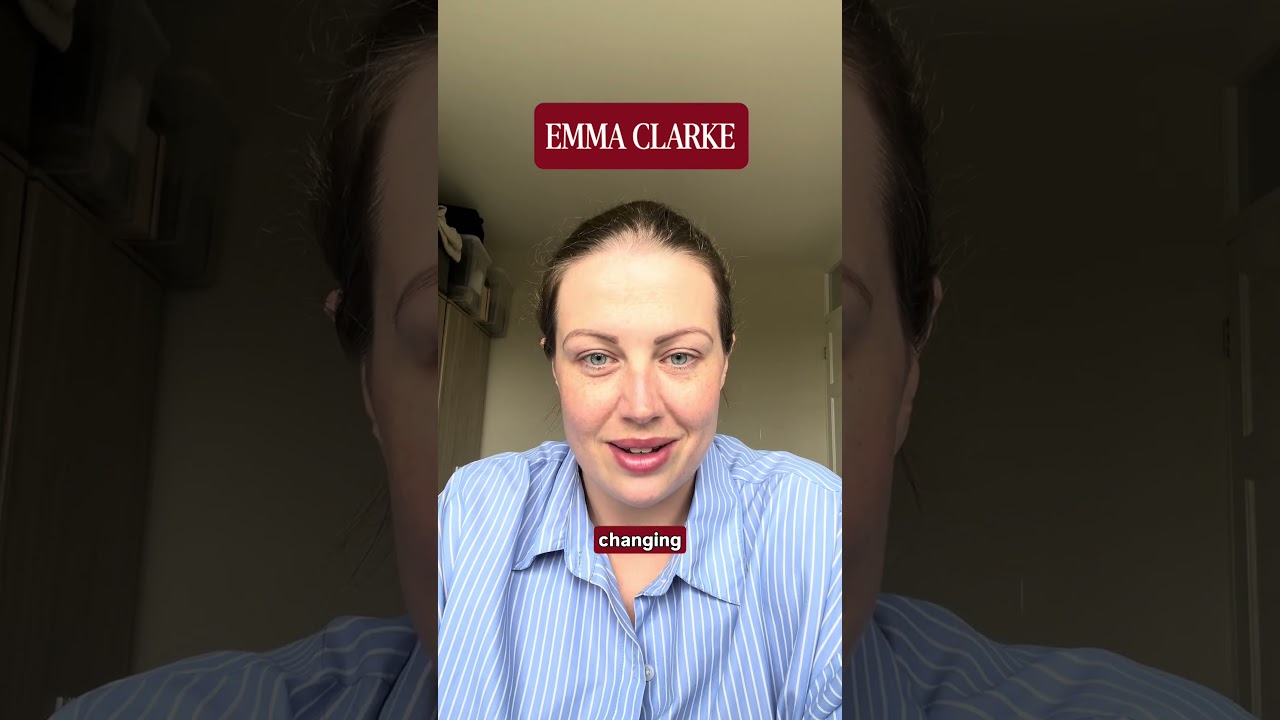
But it's really easy to make excuses for other people, like, well, she's married, about her husband, makes loads of money, or about her parents, like, all the reasons why they can do it and you can't. And I used to do the same, but then I got really fucking clear on, like, when do I want to leave and what's the minimum I need to be making? And I got really clear and had like honest conversations with, right, what do my finances look like? Pull everything out, understand that. See where my expenses were, what was I paying for, what did that look like? Not from a lack mentality, but from an understanding mentality. And I want you to also think, like, what's the first action that you want to take this week to move towards that, right? Because after this week, obviously we've got final day five, day five tomorrow. You've got all of these tools. What do you need to do to move that forward? Like, what do you need to actually move forward? And that's what I want you to think about. What's the action? So before we jump into the how of doing this, I want you to meet my beautiful client and lovely friend, Emma Clark. So when Emma came to me, she was still technically in her 9 to 5. She was on that leave, she was on maternity leave. And we were talking in the DMs and she was like, oh, I don't want to go back, I don't want to go back after maternity leave.
Right?
She knew for sure. She was like, I do not want to go back after maternity leave.
Right?
So since Emma has been working with me, she's quit her 9 to 5, she's launched her consulting business and she's getting paid amazing day rates, right? We put her day rate together, we put her offer together. She's been doing some consulting work, she's building her coaching business on the side too. And she's already signed consulting clients. So I wanted to bring Emma up just for her to share a little bit about her story, a bit about the blocks that she worked through, how she's gone from being a full time employee to shifting her mindset, which I will let you know, was over the last few weeks ago, Emma's been in my, one of my programs for I think it's like three and a half, four months now. And it was a few weeks ago where she messaged, she sent me a voice note going, I think I've just left, I think I've just left my nine to five. And I was like, wow, she's really doing this. So I wanted to bring Emma up and again I wanted to just introduce her for her to talk a little bit about her story, about what she's done and also feel free to ask any questions. So Emma would love for you to share. Thank you so much for coming. First of all, would love you to share a little more about your journey. Yeah.
Hi everyone. If I'm honest, I was so scared and I will share this with Emma anyway, I was really scared about jumping in because I was just a bit like, well, I know what my 9 to 5 is like, but I also don't know, like the unknown. I had mindset blocks in terms of a who, who the hell would want to hire me? I have a new baby. Like, they can't, they're very expensive. And I was just like, I don't know how I'm going to afford that and my lifestyle and make it work, basically. And so Emma and I did a lot in terms of my mindset. We worked out. You know, part of me was just like, oh, I just want to do coaching. But actually the consulting side of stuff has given me that stability. And whilst I was thinking about handing my notice in, I had a lot of conversations with friends who were like, you're crazy, like, why are you turning away from your stable job? And I actually pivoted and was like, well, what makes my job stable? Because I could go back to work after Matt leave and be made redundant in two weeks. Like that for me was just a bit like, no job is stable. And what appealed to me the most is so that I, I do a mixture of freelance and consulting is the fact that I have that freedom and flexibility and I have a consulting job next week. And how I've been quite cheeky really, because I basically handed my notice in to my 9 to 5 and then said, hire me as a freelancer because I know full well that they couldn't get me, couldn't get a replacement for me. Even my mat leave. I think they've had three, three people cover my job whilst I was gone. And so I've had like a two week break, so to speak, in terms of finishing out the company and then, yeah, I start consulting there next week. I've got, I secured with them A three day kind of commitment each week for six weeks and then we will kind of review. But those three days I then can work across the five days. So it works with my little one because at the moment we just don't have child care. She doesn't start childcare till, till July. But I was like, I knew I needed to build that and if I told myself in January this year that I was going to quit my job and fully jump in with the whole freelance consulting and then also the coaching on the side, I probably would have told you to start off if I'm honest. And I probably would have told you absolutely no way. Your mental and like, don't get me wrong, like I still have some mindset wobbles every now and then because it's just a case of it is the unknown and I am stretching myself a bit more and because we are like, Emma is like literally up leveling me every week. She challenges me and the amount of content I'm now producing for my coaching side of things. But also like with my LinkedIn posts and when I announced my quitting of my job last week on LinkedIn, I have had, God, almost a hundred reactions and 35 comments and so much so the traction is there and it's probably one of the best things I've ever done.
So thank you. And I know that you also did, you did some consulting a few weeks ago for another company as well, didn't you? And then you've obviously got your coaching stuff and your mum groups and, and like all of these incredible things and I really, it's so interesting like hearing you say it all together, right, because we've obviously been working together for like three and a half months and it's like these things have been drip fed.
Right.
Like I want to be really transparent with you, Emma didn't come to me day one and go, here's all my LinkedIn content, here's all my offers, my MVPs, my high ticket offers, let's go. It's been a process but actually now looking at three and a half months in going, wow, you've built these offers, you've built these lead magnets. We're in the process of building out funnels and doing all of these things and it's like actually really seeing that all come together is such a testament to you, Emma of like it's challenging but you threw yourself like straight in and you've actually shown up and done the work.
Right?
It's no golden ticket to just say cool, jump into a coach or jump into a program. But actually, you've shown up every single day, every single week with commitment going, this is really what I want. And you got so clear on that. And it's such a testament to you that you've made it happen. So thank you so much for sharing this.
I also just want to say, like, I. When I was having those conversations with consulting clients, I was really nervous about sharing my day rate because I was like, firstly, who the hell is going to pay this? But I went in and I was like, you know what? This is my day rate. And I had the consulting work that I did like a couple of weeks ago. They were like, yeah, that's fine. And then it was like, shit, maybe I should have charged a little bit higher. But I was just astounded and it was just validating all of the work that I've done. So, ladies, you can definitely do this. I have every faith.
Thank you so much, Emma. Well, thank you so much for coming in. It's great to see you here as well. So, moving on, from what Emma has said, obviously, this is why I really wanted to bring Emma up, because we've done so much of this work. And actually what I really want to make sure is this. Your notes just don't sit there. You don't just sit with all these ideas in your head and in your notepad, right? We really want to make sure that you're actually implementing the work that we are speaking about. And this is so important. This is so, so important, right? Someone asked, how do you work out what your day rate should be? So I would be saying, in terms of your day rate, what you want to be thinking about is how much would you make a day in your current job. But obviously you then need to think about tax, you need to think about paying into your pension. You need to think about all of those things as well. And then I always add just like 20% for, like, you know, a little extra. So I would always say we need to go in with a day rate that feels like a bit of a stretch. And also it then gives you room to negotiate. So if you go and think about, right, what's the price you're being paid for at your company, how much do you need to add on for, like, taxes and pensions and contributions in office space, all of that stuff, whatever that's going to look like, plus then add like an extra 20%, then it gives you a little bit of wiggle room to feel good about that. It also depends if you're freelancing consulting Five days a week or if you're doing it three days a week. So if it's three days a week, then there's like a little bit more where you can charge more because then you're like, actually I still need to find things like potentially the other two days. So it really depends on how you're planning on setting up your freelancing and consulting business as well. So jumping into this is where we want to start and this is what I want you to really think about based on kind of what Emma's just said as well, right? Should I. And talking about money, should I invest now even if I'm not 100 clear on my businesses, right? Should I move? What do I need to do? Should I invest in a. And talking about this, like, should I spend money on branding? Should I spend money on a business coach or social media? Like, what am I meant to be doing? Should I wait until I have clients before learning how to start a business? Right? It's a bit of a catch 20, a bit of chicken and egg situation. It's like you need to make money to invest, but therefore you need to invest to make money to know how to actually do all these things, right? So there are so many questions that are going to be coming up for you around this. Like, should I invest now? What does that look like? How should I be moving? What are the things I need to be doing?
Right?
And the things that I want to say to you is, you can't market what you don't understand, right? So if you don't know what your business is, you haven't got your messaging right? You don't really truly know what your offers are, what your low ticket offices are, what your lead magnets are, your freebies. You're not going to be able to sell that. You also can't sell what you haven't built, right? We need to be building things to be able to sell it. We don't need to build the whole thing, but we need to be building something for you to be able to sell, right? You can't grow what you're too scared to start, right? I know that sounds really obvious, but everyone's like, well, you know, when I get some clients, I'll. I'll feel really confident. Like, you've got to start with zero clients. You've got to start with zero Instagram followers. You've got to start with rejection after rejection. It does happen, right? You can't leave your 9 to 5 where your plan is still in your notes app. And like I Love you guys. And I used to do this as well. Like, I'm gonna write my business plan out, and now I'm like, that's just not how it works, right? I can't build a business in my notes app. I need to have the things in place. And you can't scale chaos. I've tried. Believe me, I've tried. I've tried to scale. When I first started a business back in 2019, before COVID I tried to start. I started trying to scale, and I was like, this is a mess because there's no strategy, there's no roadmap, there's no understanding of what this actually looks like, right? So my invitation and my conversation with you is, you can't wait for clarity and then invest in your business, right? You can't master the marketing, and then you don't master the marketing, and then magically have a thriving business. You don't need 100 clients before you're allowed to position yourself as the expert. You move, and then the clarity comes. You invest, and then the plan takes shape. You take the action, and that's what builds the business, right? And I always say this around you don't become a marathon runner by waking up one morning and going, I'm gonna run a marathon today. You don't go, I'm run 26 and a half months. I've never run before. You show up when it's uncomfortable, when you get on the treadmill and you're out of breath after 5k, right? You go up, you get on the treadmill, when actually you hate running and it feels really uncomfortable. But after a few miles, you realize it's okay. You have to take the action, and that's what builds the business. But so many of us wait until we have the results to be, like, cool. That's what I'll do. And I remember when I first made an investment into my business, I. It was a. It was a time and money investment, right? There was two things. I was in my 9 to 5 and I wanted to do this, and I invested in a coaching certification. It was probably. I think it was like $3,000, something like that. And I remember giving myself all of the excuses, like, it's too expensive. I can't do this. I don't have enough time. And like, thank I didn't. This is the reason I'm here four years later. I know if. I genuinely know in my call, if I had not made that decision to invest my time, my money, my energy, I gave up my evenings every single night. I would finish work at 5 and I would stay in the office from 5 till 8, then I would commute home for an hour, literally, have dinner, go to bed. Because I knew that this was the work I was meant to be doing. And I knew that waiting didn't create the results. Movement does and decisions do. And this is your move, right? This is what I want to share with you. And I know I spoke about it the other day and a few of you have already messaged me and reached out to me, this is your move. If you are sat there saying, I need to move, I want to start my freelancing business, I want to get clients, I want to do something, I want to scale something. Leaving this five day challenge, yeah, it's going to get you so far. But this is the move that we need you to make, right? And this is my 12 month mentorship. And this is not for everyone. I will be honest with you, this is not for everyone. This is only for the woman who's actually ready to start her business and start moving and growing. This is, this is not for everyone. But what's cool about the space that I've created is it's a hybrid space of masterminding group coaching on demand, pre recorded one to one calls with me. And if you're sat there going, what's my next move? This is it. This is the, this is the business. And this is the program that's going to give you the clarity on your exact business model, how you launch it, what you want to launch, what your minimum viable product is, how to create your first premium offers, how to price your freelancing, how to price your day rate, learning how to market in a way that feels exciting and non sleazy. No one wants a senior salesperson to map out your exit strategy to understand. And some of you have said, I want to make 6k, I want to make 4k before I leave. Cool. That's what will map out how do we get you to those 4k months, those 5k, those 10k months feeling safe? How do you create visibility so that dream clients are literally coming into your inbox being like, hey, how do I work with you? Hey, I saw you talking about this. How do we shift your identity from being a really high performer employee to being that empowered CEO? And how do we build a business so that you can scale right when no one wants to just be delivering the whole time? Learn how to scale. We want to learn how to take the coaching, consulting, the freelancing and turn it into something that allows you to work less and pays you more. Exactly as I said. So you can launch the business that's been living in notes app to replace also surpass the salary. My salary is now six times what I used to earn in corporate. Six times. I genuinely never thought it was possible. And you learn, you're going to learn how to show up like the CEO that you were always meant to be to build the systems, build the confidence and the clarity and actually build the life of freedom and impact that you came here to live. I mean this with so much like this isn't just a fun little side business. Like this is like a legacy that you're building. And I was listening to a podcast the other day and I about it and I was like the work that we're doing today is the legacy we're building. It's not just a fun thing that we're doing. This isn't just something we're doing for a year. These are actually the foundations and the legacy that we're building. And I wanted to show you a little bit inside the portal of what this looks like. You have one to one messages and calls with me or so many on demand modules, live calls. You've got Emma AI which is just about to launch which is really exciting. We've got weekly reviews, you've got access to everything that I launch. It's literally everything you need in one place. I'm also just about to start the her she she sells sales system which is something on LinkedIn. So if you know that your clients on LinkedIn there's such opportunity there. This is literally going to be the most forward thinking place if you are really serious and as I said it's not for everyone but if you are genuinely serious about starting your business this is the place you're going to want to be. And exactly just a bit more of like done for you. Templates, plug and play templates, expert speakers. We had my lawyer come in a few weeks ago and talk to the whole community about the legal side of things what you need to do. We have a breath work facilitator. We have a cycle syncing. We actually someone, we had someone come in the other day and do about emotion codes. We've got so many incredible things. Some messaging experts experts. This is the the one place where everything is going to be and this is exactly what I wanted to create. So I want to show you this is going to be the fast action bonus that is only available for 72 hours. Okay. And I want to create this as a no brainer because I want to create a space whereas many of you can jump inside. Okay. I want to create a space where as many of you can jump inside. Because as we spoke about money before, I don't want money to be the reason that you can't jump inside of this program. And I'm so passionate about this work. So I wanted to give you guys a fast action bonus. As I said, that's valid for the next 24 hours. So what that will look like is you will get one month extra inside. So at the end of your program, instead of it being a year, you have an extra month plus you'll get the 90 minute one to one bonus session with me where we're literally going to sit out and whiteboard it in real time and map out your business, map out your plans, map out your strategies and get so, so clear on how we're going to create those 20,000, the $30,000 months, how you're going to leave your nine to five and actually go all in on your business. And so this is what it is, 40 off for the early bird. So usually we've got standard, we've got vip. Standard is the standard program that we spoke about. Everything's included in that, the vip. You're going to get four one to one strategy sessions with me across the year. You'll get direct one to one access for me throughout the whole 12 months and you'll get private weekly reviews. So you'll literally have me in your back pocket market. This is really where the coach salting idea came from such a long time ago. I was thinking, how can I be more hands on but still create an incredible community of women. And as I said, It's 40 off at the moment. So if you want to do the standard, instead of it being seven and a half thousand, it's four and a half thousand, pay in full. Or as I said, my love language, it's $375 for 12 months. There is nothing else on the Internet right now that you will be able to get this level investment. There is nothing else out there. Believe me, I've looked, I've spoken to people. There is nothing else out there. Or if you wanted to go all in for the VIP for the ladies who are like, no, I'm going all in. It's going to be $6,000 or $500 for 12 months. This, this offer for you guys is valid for 72 hours and this pricing will never, ever exist. And to give you a bit of context, when I first started coaching my three month coaching program was $1,200. It's now at $7,500. So I guarantee that this price is never going to be any lower. This is the price that it's going to be. So if you really are serious, grab out your phone, drop me a DM and say, I want to learn more about, I want to learn more about this offer because it's, it's gonna go and this price will never exist. So if that is of interest, send me a message. Drop me a message. We can voice note about it and see if it's the right fit for you. As I said, not the right fit for everyone. But if you are interested in it, drop me a message. So based on everything we've done this week, there's an order for things, right? An order of working through everything. And this is no different. So this is what we need you to build. This is the proven three to work framework for quitting your nine to five without risking your finances. This is the way I do it. So you need three months of consistent sales. You need to be able to show your nervous system, hey, I know how to make sales. Hey, my business is validated. Three months of consistent sales. And then what we want to think about is we want two months of expenses covered. Two, four. I'm not talking like, oh, when I get this money. And then I'm talking two months ring fenced in an account that you don't need to touch. And then what then happens is three months of consistent sales that then starts paying for things. We're not. The aim is not to use this money. The aim is for the two months to be, to be sat there if you should need it. But by this, the three months of consistent sales is going to start paying for that. Then the final thing you need is the one year of strategy, which is again done inside the freedom circle. You need the one year of strategy because what we can often do is get super excited in the beginning. Oh my God, this business, it's growing. It's amazing. And then what actually happens is we fall off things slow down the momentum. Life happens. Families, kids, holidays, whatever it is. So actually having that one year of pure strategy is going to make it so much easier for you to go, right, this is the roadmap I'm following. And again, that's exactly what I do. Inside of the freedom circle with you, whether it be one to one, whether it be in a group element, you get all of the strategy done for you and done with you. So your task for today is Mapping out your exit plan. Right, so monthly monthly money map. What's your baseline income goal? Think bills, lifestyle, savings. The number that lets you go. I can breathe when I wake up in the morning. Thinking about your offer and lead strategy based on your skills. And what's the simplest way to start bringing income in today? All of you want to start bringing income in today. We don't want to be spending six months building something. We want to be starting to bring some income today. The third thing is the weekly action plans. What is the one consistent action that you can take each week that moves your business forward? What does that look like? The fourth thing is the exit milestone.
Right?
So creating three clear milestones, Side hustle, launch, complete book two clients, save three months of Runway, whatever that looks like for you. Whatever feels good. Again, our brain loves strategy because strategy equals safety. And then the final thing is thinking about the transition ritual plan. How you energetically and practically leave the 9 to 5 or launch the new business. What does that need to feel like? How do you need to lean into that? This is the freedom blueprint. And your exit becomes inevitable when you plan.
Right?
When you plan, it becomes visible, and then it becomes inevitable. So many of us have big, big ideas, and we never sit down and actually do the plan. And that's what we want to do. So these are the big takeaways. You're not walking out in chaos. You're going to be walking out with conviction and a solid plan. You need to set the date and reverse engineer your income goals. You need to know what you're walking into, not just what you're walking away from. You need to know, what am I walking into? What does this business look like? What's the money making? What are the big goals? How am I going to do this? And next thing is starting to replace your income while you're in your job. If you are still in the job, starting to replace that. Okay, so these are the big, big takeaways. And this exit plan is going to allow your system to breathe, to feel, okay, we've got the strategy, We've got the plan. We know what we're doing. And if you implement this with the three previous days, by tomorrow you will have a really good Runway and a plan to actually build on and be able to actually turn from an employee to an entrepreneur in literally such a short amount of time. So I wanted to open up again for some hot seat coaching. If anyone has any questions that they want to ask, I would love to invite you in to share. If you just Go ahead and drop in a chat hot seat, that would be great. And then I can come and see if anyone has any questions. Let me have a look. Aileen, I know you had a question yesterday that we weren't able to get to. Did you want to jump in today?
I don't know, I. So for me, everything's been brilliant so far. This. This isn't really a question.
This is last.
Suppose it's a question. I know that what's happening now is. It's like it's. It's the. Yeah, that's not very well in theory, Emma.
So.
And I know this, and I know we've talked privately, so I'm in a slightly different position to some of the ladies here. But actually the business I had is like my 9 to 5. It was struck it what I was. I was dying in it. I'm just gonna like the safe space, ladies. I was already running a business, my own business for five years and I am dying in it. I mean, just so I'm trying to extricate myself from that before I start the next one. So this is kind of. There's a big, massive shift there. I think all I'm gonna say is, I think this is what I needed today was the. But how do you do it? Like you say, if you know the how.
If it's.
If there's a how to do it and you follow that, then you start to kind of get the progress.
Yeah.
So this today actually probably answered the question that I had yesterday, which was like, how. How do you push through it? That's the thing. How do you push through it?
Because.
We are all capable.
100 but being bitten before.
Yeah.
So I think that was a bit of a thank you for sharing that because I think it's such a valid thought of, you know, as I said, I started a business in 2019. Nine months in, I quit it and went back to working in a tech business. Yeah. And what I really realized was like, I didn't need necessarily just more strategy. Yes, I needed the framework and yes, I needed that, but I needed like a full mental, mental internal up level to go. Cool. What, what did I learn, what happened, what went wrong, but then also understanding what are the steps I need to take forward. And one of the things I did in 2019 was I didn't have a strategy, I didn't have a framework, didn't know much about the coaching world. I didn't know much about any of this. I didn't know someone could help me. I didn't Chat. GBT obviously didn't exist. It's like, I didn't have any of this support. And what I really realized was, like, I was, like, shooting in the dark and then getting annoyed, wasn't getting the results that I wanted. But actually, I wasn't putting strategy and everything in place to allow me to figure out, okay, what is the thing that I want? Yeah. Someone asked me what was the thing that I wanted? I was like, I couldn't tell you. And that's where I realized that that was the big mistake. Yeah.
And then I think it's just that. And then what. How that's coming up for me now is what do I charge? How do I figure that out? Because I can come up with any data rate you like and go, I'm totally worth that. But then when it came to. And what's your duty?
Okay. It's like, I can totally charge that. There's that side of it. But then there's also that I feel worthy of it. They're two different things. That's it.
Intellectually, I've got it.
Intellectually, I know I can charge X amount per day. Cool. I've got the proof, I've got the receipts. Yeah. The worthiness I feel around money. Yes. I feel that I could charge that.
Right.
And it's always a really interesting question when people ask about day rates. Right. Right. And my first thing to you is. And it's again, when we're pricing coaching programs or offers or anything to do with pricing, I've had some clients message me and say, does this look good for pricing? I'm like, how does it feel for you if someone called, if someone messaged you today and said, hey, I want to hire you and pay you this day rate? How does that feel in your body? Are you like, oh, God, that's too cheap. I wish I hadn't done that. Or were you like, oh, my God, yes. That feels so good and exciting. Like only, you know. You know, what feels good in your body. But it's just a bigger conversation because I know your work, Kayleen, and it's like, cool. Is it done on a package? Is it a retainer? And that's the thing we're thinking about as well.
Right.
Is like, you want to start making this monthly recurring revenue in all of these spaces. How do we then set these packages up? So, yeah, that's definitely something to think about. But thank you. So brilliant.
Thank you.
Thank you, Laura. Go ahead and unmute yourself.
Well, I guess you have to sort of, because it is exactly that mine's more about like how do you set your day?
Right.
I think more what I meant by that question was more about, I get muddled as more of a creative and less of a financial person about all the little nitty gritty bits to think about. So like you mentioned like tax. I'd never even considered like how to include that in my day rate before. As in like to think of it as an overall make me sound really not wise. But it's more that I don't specifically think about it when setting prices. I just think about like the overall what I'd like to have every month. So I was just writing notes down, I was going, wait, how do I work out how many days? And I was getting confused, which is why I just wanted that question answered.
What we want to think about right, Is for example, if you're charging, let's say, let's say you're charging 200 for a day, I'm just going to throw the number 200 app.
Right.
The likelihood is I think working days that you work a year if you were in a full time employment is like 220 days. Okay. So I'm just going to throw that out there. So that's the equivalent of 44,000 pre tax.
Right.
So if you want to think about it that way, it's like, would you take a full time job at $44,000? Like obviously that number you wouldn't. But like would you take a job at 44,000? No, you wouldn't. Okay, cool. So that's not the right number for, for you.
Right.
And so then it's thinking like, okay, if it's going to be 300 times 220, let's say it's like that's 66,000. Okay, that's pre tax, but I have to pay tax. So actually it's like then you know, you start at 20%, then you increase after you're a certain amount, you're then at 150, then have to pay 45%. So it's like actually you have to be thinking about like how do you want to structure your business and how do you want to structure the payments that you're making in the income?
Right.
And that's where a lot of people fall off, where they're like, you know, oh my gosh, this marketing person wants me to pay them $5,000. Yeah, but that's not $5,000 going in her pocket because she still has the $5,000. 20 or 30% is going to tax. Then you also have to think about the systems that she needs to pay for and the systems that she uses, then you're paying for her work. So actually out of 5,000 after all of that, she's probably making two and a half, 3,000.
Right.
Which is still money, but at the end of the day you are paying 5,000. So you need to be thinking about what does that look like in terms of what would you be happy to have at the end of your day in your pocket?
Got it.
And that's what I think about. Yeah, that's what I think about for sure. Perfect. Does anyone else have any questions that they want to share? Anything else that they want to jump in and ask about?
Any, any tips? Emma, thank you so much. My current employer doesn't allow me to do any other roles, so I kind of let I have the savings saved up. Anything else that I'm kind of left in a position where I feel I need to quit to actually and then do maybe a pivot role doing some type of freelancing to recover.
Yeah. So my suggestion to you would probably be to jump into something like freelancing three days a week or trying to find something three days a week. Because the good thing about finding something three days a week is the likelihood they'll know that you want to do something on the side. Like they understand that. So my recommendation to you, and obviously I know you booked, you obviously upgraded on the vip so we can do this in our one to one call as well. But I think what's really important to think, think about is like again, that Runway of like cool, what do I have in my savings? What does that look like? And actually setting up almost a freelancing job before you quit to make sure that actually you have a bit of that Runway. And actually really that's kind of what I did when I first started. So I quit my 9 to 5, but I had a consulting freelance job that was a six month contract three days a week. So actually that gave me like a six month Runway and then it gave me two days a week to work on my coaching business. So actually that mapped out really, really well. And it probably sounds like that's something that you need is to get a little bit more, a bit more something stable to be able to really build out the business on the side. While, while you're doing that, if your company doesn't allow for freelancing or consulting on the side.
Yeah, yeah. And it's back to that. Get getting, identifying that job that would do the freelance for the three days a week.
Yeah, absolutely. And like, again, we can talk about this more on your one to one, but I think you. It's thinking about who's in your network, who can you speak to, what do you want to freelance on? Or it may not even be that you need to go directly from what you're doing. It can just be like, cool, actually, this is how much money I need to make a month. What opportunities could I do that maybe aren't indirect, but actually just it's there, it pays me, that's good to go. So that's really what we want to think about. So we can definitely go into, like, more detail about that as well when we do your one to one.
Lovely. Thank you, Emma.
Amazing. Thank you so much. Does anyone else have any other questions? We've got who we got here still. Who hasn't? Jesse. And we've got Emily. Anyone wants to jump in and ask any questions? I love having all these questions. Okay, so if there is no further questions, I will send over the task force for you. Obviously, we have the final day tomorrow of the challenge and I'm not going to lie, I'm kind of going to miss it. I was talking to my coach the other day about this and I was like, I want to do another challenge. She's like, no, no, let's just, let's get this one done and then we can think about what we're doing next. And I absolutely loved it. And it's been so incredible to see so many women showing up every single day, doing the work, sharing it and like, just really showing up. And, like, it's incredible to see how many women really just want to get out of their nine to fives and go all in. So thank you so much for showing up live or if you're watching this on replay. I've absolutely loved hosting this and I will see you all tomorrow for our final session. Have a great Thursday, everyone.
Bye.