Discover Lupe Fiasco’s Mindset: Make Your Business Thrive Now
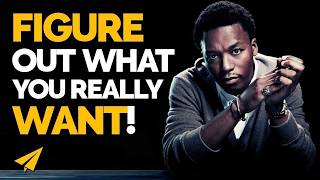
Lupe Fiasco outlines his top 10 rules for success, emphasizing knowing what you want, committing fully to your craft, and refusing to let age limit you. He prioritizes artistic integrity and concept-driven work over radio hits, uses backlash as fuel, and notes that true masterpieces are often misunderstood at first.
He's an American rapper, record producer, and entrepreneur. He rose to fame in 2006 following the success of his debut album. As an entrepreneur, he's the CEO of First and Fifteenth Entertainment. He's Lupe Fiasco, and here are his top 10 rules for success.
Know what you want. I always say that about anything. My number one piece of advice to anyone trying to be in any industry is know what you want, you know, whether it be the most materialistic thing, you want a million dollars and a house, and you know, or you want to be recognized as the best of the best, whatever, you want 10 Grammys, whatever, just know what you want, you know, and then you, you know, then you'll know what paths to take to get there. Um, it's just, you know, recognizing, taking everything serious, you know what I'm saying, not really putting the age limit or any type of limitation on yourself. You know, as opposed to saying, "I'mma do that later," it's like, "Why don't you do it now?" You know, and I think me and my friends, while we were in high school, we decided to take music serious, you know, and put ourselves in a position where it was like do or die, you know what I'm saying? Like, if we don't do music to the fullest, you know, we'll be homeless, you know, for real. Like, we didn't have no— we weren't thinking about going to college or nothing. We was just like— You would be homeless for real if it didn't work out in music? Shit would be that fucked up that you'd be out on the streets? We wouldn't have a job. You know, like, we put ourselves in a position where we weren't gonna go to school, you know, or we— future was music, you know. So we didn't have a backup plan. Our backup plan was like get a government job, like work for the post office or something like that. For real though, people— I don't know if people believe that, but my homies vouch for it, that we actually did it. And that was kind of like the motivation and, you know, the seriousness that we took it. It was like, no, we gonna do music, we gonna be rappers for real. This is gonna be our future. You know, I never want to do the same thing twice, you know. So it's like when you got the superstar or you got the kick push or you got the "I gotcha," even in some instances, you know, You know, it was like, okay, oh, you got The Show Goes On. You know, I was like, okay, that's cool. Now I want to do something else. I always want to expand. I want, I want my catalog of music to be diverse. So when you look back over time, you will, you can get every Lupe album and every song is something different, you know, and everything is a different look or a different take on something. You know, it's not necessarily, I just want to get on radio because that's not my thing. My thing isn't to be on the radio all the time. You know, I tell the record company that, my promo man to tell you that, everybody tell you it's not. You know, Lupe is not really— he's more with being socially conscious, being socially aware, and speaking things that, you know, that is barred from the radio. That's his thing, to get you to play his songs on the radio when you know you're not supposed to be playing them. You know, that's the way for him. Exactly. You really gotta kinda like just accept it. Like, yeah, you hate me. Like, half the world hates me. You know, there are people come up with the wildest excuses to say that I'm I'm ineligible, or I'm wack, or I'm this. And it will have nothing to do with anything. I've had people, they couldn't find anything wrong with the show, so they had to go to my shoes. You know, and there's people who couldn't find anything wrong with the song, so they had to talk about my hair. You know, there's people, there's just, like— and then once you accept that for what it is, that people— there's a certain amount of people that are always gonna be like that, no matter what you do. And if I look back through my history, it really had to turn around and was like, you always been the black sheep. You always been the outcast. Since high school, you had dudes who just wanted to fight you because they didn't like the way you wore your glasses and they wanted to fight you. Me and Bishop G, my man, we first met because he wanted to fight me. Walked in the class, "Yo, who are you?" "Nigga, who are you?" But it's just when you embrace it and accept it, and then you just send it back at them. It was like, I know you don't like me, I don't fuck with you either. I'm at a point now where I felt, you know, everything that I have to do or everything that I'm doing has to have, you know, it has to have longevity and it has to be like very real. You know, it's something that you can't argue. We can argue politics, we can argue, you know, how do we end the violence over here? How do we do this? But you can't argue about, you know, fighting cancer. You know? And for me it was just an easier space to deal with as an artist for the backlash. 'Cause like, I dare you to say something about with this record. I dare you to say something about this. And even if you do, it's great, 'cause now we're having a conversation about fighting cancer. And that's a great thing to do, raise awareness and hopefully raise some money at the same time. So it was a reaction to kind of that, to kind of take myself out of being the punching bag for people. And then make music that I felt like, you know, if I die tomorrow, you know, I want that, I want songs to be like that. I want you to remember what I did like that. You know, Lupe put that into the world. One of my strengths is storytelling and concepts, you know, as opposed to just jibber jabbering jabbering. But, you know, so when I put together an album, I kind of need a framework. I need something to go off, you know. With Lasers, we had a manifesto, you know. With The Cool, we had these characters and these storylines and, you know, this zombie who came back to life and all these different things, kind of used him. So with this album, you know, it was like, okay, let me take something that's like, you know, that exists. America. Let's use America as the concept, you know, and let that be the character and everything. So, you know, I just stuck to my guns, what I'm strong at. Me and Bishop G made a pact, like, yo, if we don't make it rapping, we going to work at the post office, you know. And it was like, we writing raps all day, 12 hours a day, come, go home, you know, stay up, go to school, write the rap, rap the rap that you wrote the night before and do that. For the next 16 weeks type situation. So, you know, for me it's about just the love of the art, you know, the love of putting words together. And like I said, luckily I'm at a, because I think I came in with that already and I didn't need validation from a record company. This is my third record deal. You know, I got my first record deal when I was 19. So I've seen it all. I've been through it all. The people that we've put in positions and the things we've seen and the projects that we've been behind that we've never taken credit for. You know, it's crazy to blow your mind when the memoirs come out. You'll be like, oh my God. But, you know, I have a different drive, you know, is to create the best rap that I can possibly create, even if no one understands it but me. It all depends on what makes sense, you know, if the opportunity is there to pursue it in a real big way. Some stuff I just do just to do, just to get it out the way. You know, I don't really try and feed myself into the expectations. Of like other folks, you know, 'cause they could set you up for failure. You know what I'm saying? Like chasing those fans who like, "Yeah, we really want da da da da da." And you put it out and they don't buy it. You know what I'm saying? So that puts you in a funky spot. So it's more so, you know, for the next like, this next kind of phase is just to do what works. You know what I'm saying? And we always been able to put out stuff that works. Even in the midst of all of the nonsense. You know, we still have a proven track record of putting out joints that work. So that's where the focus is. Yeah, let's put out what works, you know. And if the fans dig it and they draw to it, cool. If they don't, cool. You know, as long as it works is where it's— where we were trying to like make sure that we don't fall into a trap where we're kind of living up to the expectations of people that don't support in a financial capacity, right? Because we still gotta pay the bills, you know what I'm saying? It's real shit. You gotta pay the bills. It's diamond rings and the whole thing. It's just a matter of like, you know, I know what I want out of life as a man, you know, and I know what I've always wanted, and I know the things that I'm not going to do. It's, you know, certain songs that I'm not gonna make for the sake of get on the radio, you know. It's certain songs that I'm not gonna make for the sake of, you know, be heavy in the streets, you know. There's certain songs that I'm not going to because And to do that, you have to subjugate so much of your morals and so much of your ethics. And that don't mean that you can't have a nice car or a nice house or some jewelry or something like that. It's just how you talk about it and how you got it is more important than why you have it. You know what I'm saying? So it's a very kind of interesting line to walk in that sense. But hip-hop in totality right now is a very— I think it's a very terrible thing. Most of the great masterpieces that we look at in art, and I'll compare myself to a masterpiece because I think Tetsuo on Youth is a masterpiece, I don't give a fuck what you think. But most masterpieces that we look at museums and we go to and laud over these paintings and pay $100 for and stand in line and do all this stuff, they were hated when they were first made. They were rejected by, you know, the main things at the time, which was going platinum as a painter or doing whatever. A lot of these artists passed away, died, it took hundreds of years. For their work to be recognized and being put in a position like that. And it was all type of fairy tales and, you know, stories and biographies and stuff attached to it along the way. And then it was who owned it, who stood in front of it and took a picture. A lot of the art was stolen by Hitler and it became like a badge of honor to put this in a museum because it represented the fall of Nazi culture and stuff like that. So there's tons of, speaking of art specifically, there's tons of narratives and things that we think Everything that drops is supposed to just be great and enjoyed right now. Yeah. And sometimes it takes 10 years, 15 years, 100 years, you know, for stuff to kind of really get its true thing. But as of right now, you know, we're dealing in right now, people gonna say it's a failure because we only did so much, right? We only sold so many copies, so it's a failure. It's people who don't like Lupe at all, you know, people who turned off their radios when they seen I was coming, waiting for me to get off so they can go back to whatever the next segment is gonna be without me being on it. So it's understood what it is, but that doesn't take away from what this album is. You know, that is one of the best albums that dropped in the past 10 years. That is probably my best work that I've ever done, which speaks to a lot because my, what's considered my best work is so miles ahead of the next nigga's shit. But you know, it's true.
I like that. It's true.
I never put bullshit in the game. Yep. You know, I've never, you go through my whole history, it's all about empowering, showing balance, getting you to think. I've never hit you with dumb bullshit. Never.
Thank you so much for watching. I made this video because Juan Rivera, asked me to. So if there's a famous entrepreneur that you want me to profile next, leave it in the comments below and I'll see what I can do. I'd also love to know which of the top 10 rules you like the most, resonated the most with you. Leave it in the comments and I'm going to join in the discussion. Thank you so much for watching. Continue to believe, and I'll see you soon.
More from Evan


How the Biggest Mistake in History Created A Trillion-Dollar Empire | Sergey Brin



9 Machiavelli Principles That Force People To Respect You | Machiavellian Philosophy



The First 10 Words That Instantly Ruin A Sales Conversation | Vanessa Van Edwards

The Top 1% Mindset Behind The First $5 Trillion Company | Jensen Huang (Nvidia)

