How BTS, EXO, IU, SEVENTEEN & TWICE Took Over the World
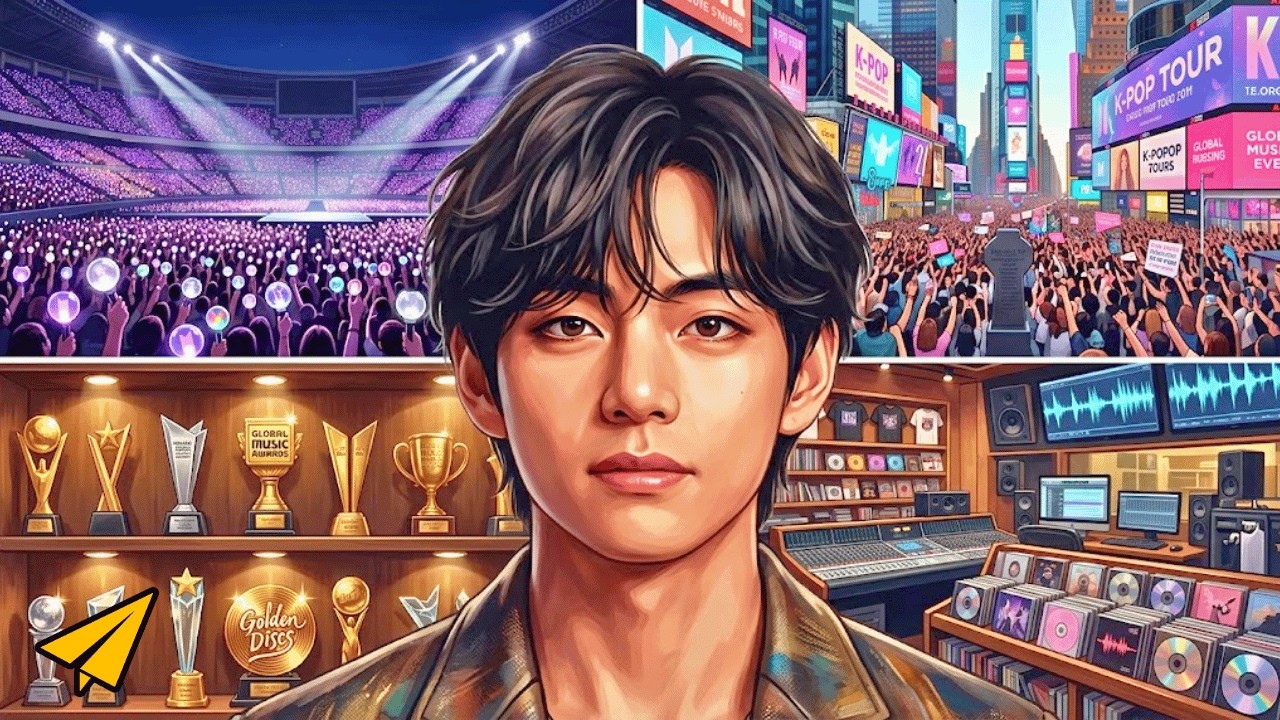
Evan Carmichael breaks down how BTS, EXO, IU, SEVENTEEN, and TWICE went from years of trainee struggles to million-selling albums and Billboard dominance. Each group used self-produced music, social-media-first marketing, and relentless consistency to build devoted fanbases and bypass traditional gatekeepers.
Chapters
You don't need the perfect start to make your life a success. We are one, and let's go! Hi, we are BTS. These K-pop legends struggled to get their careers off the ground, but each of them found a strategy that made them impossible to ignore. Hi guys, we are Seventeen, and we are Twice. If you keep waiting for better timing, more money, or someone's approval, your dream may never get the chance to grow. So today you'll learn the powerful strategies that help these K-pop icons rise from difficult beginnings to global fame. If you've been here before, drop a hashtag #Believe in the comments below so I can feature you here in a future video. And if you're new, welcome to Believe Nation, the only channel that helps you believe in yourself daily, one video at a time. Believe. This group went from losing 3 members at the peak of their success to selling over 10 million albums. Meet EXO, the 12-member K-pop group that debuted in April 2012 under SM Entertainment. Getting there was not easy. Some members trained for years with no guarantee they would ever debut. Suho, the group's leader, trained for 7 years and watched younger trainees debut in other groups before him. He said he wanted to give up so many times. D.O. struggled so much with dancing when he first joined that he had to practice extra hours every day just to keep up with the rest. Sehun auditioned 4 separate times over 2 years before finally getting accepted as a trainee. Each of them fought just to earn their spot. When they finally debuted, SM Entertainment had a plan that had never been tried before. They split EXO into 2 groups at the same time. EXO-K would promote in South Korea, and EXO-M would promote in China, with the Chinese members performing in Mandarin. The goal was to break into both the Korean and Chinese markets at once. It meant twice the schedules, twice the travel, and twice the performances for a group that had just started out. But they pushed through. In 2013, EXO released their first full album, EXO-EXO, which included the hit song Growl. The album sold over 1 million copies, making EXO the first Korean artist to reach that number in 12 years. They won Album of the Year at the Mnet Asian Music Awards and were ranked the most influential celebrity in South Korea by Forbes Korea in both 2014 and 2015. Then, right at the peak of their success, the group began to break apart. All 3 Chinese members, Kris, Luhan, and Tao, filed lawsuits against SM Entertainment and left the group one by one. One between 2014 and 2015. Each of them said the Chinese members were treated differently from the Korean members, received less support, and were not given a fair say in their own schedules. In just over a year, EXO went from 12 members down to 9. Each departure was public and painful, and each time it happens, fans and media ask the same question: was EXO finished? The 9 remaining members, they had an answer. They kept going. In 2015, they released their next album, Exodus, which sold over 1 million copies. They followed it with Exact in 2016, another million seller. Then in 2017, their album The War sold over 1.6 million copies and became their biggest album yet. Every new release was proof that losing 3 members was not going to stop them. And today, EXO is the first artist of the 21st century to sell over 10 million albums on South Korea's Gaon Chart, reaching that milestone in November 2018. They have been called the kings of K-pop by media outlets around the world and built one of the most loyal fan bases in K-pop known as EXO-L. Suho once said, there were many times where I felt like giving up during my 7 years as a trainee, but what kept me going was the belief that if I just held on and worked hard, my time would definitely come. Sometimes the people you built something with will walk away. That doesn't mean what you built has to end. Keep going. Imagine you're 16 years old and your entire life happens inside of one practice room. You wake up before the sun, you dance until your shirt is soaked through, you sing the same 8 bars until your voice cracks. Then you go home, sleep a few hours, come back, and Do it all again. Nobody pays you. There's no contract that promises you a stage. There's a company, a schedule, and a maybe. Now stretch that out for 7 years. While you wait, you watch the door. Trainees arrive after you and they get picked before you. They debut. You see their faces on television inside the same building where you're still practicing alone at night. You're happy for them, but it hurts at the same time. You start counting your age against theirs. You start wondering if your turn already came and went and nobody told you. That was Kim Jong Myun. He spent seven years as a trainee at SM Entertainment before he ever performed for the public. You know him today as Suho, the leader of EXO. This is the story of EXO: twelve members, two countries, three lawsuits, and over ten million albums sold. The seven years nobody sees. Suho walked into SM Entertainment in 2006, picked out of a crowd by a casting agent on the street. Two years later, in 2008, the company was putting together a new group. Suho had trained alongside those. exact guys for 3 years. He had a leg injury at the time, and for that reason and a few others, he wasn't chosen. The group debuted without him and became SHINee. He was 17, watching his own practice partners walk onto television, and what he did next was go home and study for his college entrance exam. He stayed and he kept training. He wasn't alone in that building. Down the hall was a kid named Oh Sehun. A casting agent had spotted him on the street when he was 12 and chased him for 30 minutes before he stopped running. Then he auditioned 4 separate times over 2 years before the company Finally said yes. D.O. joined through a vocal audition and could barely dance. He stayed behind for extra hours every single day just to keep up with the rest of the group. Lay auditioned in Changsha, China at 16, then moved to a country where he didn't speak the language and trained for 4 years straight. His motto through all of it was 4 words: work hard, work harder. Chen got in through the casting system in early 2011 and had 11 months to become good enough to debut. Sehun was announced as a member on January 10th, 2012, less than 3 months before the debut. 12 kids from 2 countries, all of them told for years that they weren't ready yet. None of them had a guarantee at any point in this. Suho was in that building for 5 years before the group he ended up leading was even assembled. There's a reason the wait was that long. Anders Ericsson spent his career at Florida State University studying how experts get to be experts. He studied violinists, chess players, doctors, and athletes, and his conclusion was that elite performers got there through enormous amounts of focused practice over 10 years or more, with raw talent doing far less of the work. Than most people assume. So by the time EXO finally debuted, Suho had already put in most of the decade that the research says it takes. A name from a planet nobody came from. So before any of them sang in public, the company had to decide what to call them. In December 2011, they settled on EXO, taken from the word exoplanet, a planet that is outside of our solar system. The name came with a whole story attached to it. Both of the debut music videos open up with the same animation and the same English voiceover telling a story about 12 legendary powers that split into 2 separate forces to keep alive the heart of the Tree of Life, which an evil force is trying to take. The 2 halves divide the tree between them, and each carries a piece back to its own land. 12 powers split in half, each half in a different world. That was the company's actual plan, drawn as a myth. 12 members split into 2 units, one in Korea, one in China, each carrying the same songs but into a different country. So nobody in Korean music had launched a group with a whole mythology attached to it ever before. EXO arrived with a fictional universe already built in, and 14 years later, that approach is close to the standard now. 100 days before anyone heard a song. EXO debuted on April 8th, 2012. The campaign for them started on December 23rd, 2011. At midnight that night, a timer ran out and the first teaser dropped, a short clip of a member named Kai. Over the next 3 months, SM released 22 more, one member at a time, each showing a face and a skill, then cutting away before you got enough. 23 teasers in between Between them came two prologue singles released in both Korean and Mandarin before the group officially existed. What is Love in January, sung by D.O. and Baekhyun in Korean and by Chen and Luhan in Mandarin. History in March, one version from X.O.K. and one from X.O.M. So by the time of the debut, there were already four music videos out, and not one of them was a debut single. On March 31st, exactly 100 days after the first teaser, they held a debut showcase in the Olympic Hall in Seoul. By the time there was a song to buy, people had spent. Spent 3 months arguing about a group that had never released anything. They had favorite members already. They had opinions about the concept, the mythology already. Nobody in Korean music had built an audience that way ever before. 2 groups, 1 debut. Then SM did something nobody had tried. They split the group in half on day 1. 12 members became 2 units. So EXO-K performed in Korean for the Korean market, and EXO-M performed the same songs in Mandarin for the Chinese market. There were 2 sets of schedules, 2 sets of promotions, 2 countries to fly between. Every song was recorded twice in 2 languages by 12 people who had been a group for about 5 minutes. Lay had to perform in Korean and Mandarin. Chen and Xiumin and Luhan were on Chinese variety shows one week and Korean music programs the next. And because the units promoted at the same time, half the group was often in a different country from the other half, doing the same songs for a different audience on the same night. By design, the 12 of them were almost never on one stage together. The record itself was a mini album called Mama. And after all of that, the debut was fine. Not huge, not a disaster. It got attention, the concept got people talking, and then the industry moved on to whatever was next. 7 years of training, one cool new brand strategy, one of the biggest companies in Korea behind them, and the launch landed somewhere there in the middle. But they kept releasing anyway. Growl. 16 months after the debut, everything turned around for them. On June 2013, EXO put out their first full album, XOXO. In August, they re-released it with a new lead song called Growl. The video was shot to look like one long unbroken take in a school hallway. There were no cuts, there were no special effects. 12 guys and a camera moving through them. In an industry that was built on really quick edits, this is one of the hardest things to fake. 12 dancers had to hold their formation for 3 and a half minutes with the camera never looking away. It hit number one on all four of Korea's major music shows and picked up 10 trophies in three straight weeks. Then the album crossed one million copies. No Korean artist had done that in 12 years. An entire generation. Generation of Korean acts had come and gone without any of them selling 1 million albums. The group that finally did it was the one whose debut nobody screamed about 16 months earlier. By 2015, Forbes Korea ranked EXO the number 1 most influential celebrity in the entire country. The year before, they'd been 5th. The awards then followed. EXO took Album of the Year at the Mnet Asian Music Awards 5 years running from 2013 to 2017, which broke their own record and put them in the Guinness Book of World Records for the most MAMA grand prizes ever won. 5 straight years as the biggest album in Asian music. They were on top, and that's exactly when it started coming apart. 8 days before the first concert, on May 15, 2014, Kris filed a lawsuit against SM Entertainment to end his contract. EXO's first ever headlining solo concert tour was due to open in Seoul on May 23rd, 8 days later. The tickets were sold, the venue was already booked, the posters were printed with 12 faces on them. The company pulled every poster at the arena and reprinted them with 11. The The 7 who were left had to rework the show and walk onto the stage and perform anyway in front of fans that they've been promising this concert for 2 years. Suho after said, I was so confused by the situation. The other members of EXO also experienced a lot of physical and emotional stress stemming from the lawsuit which came with our concert only a week away, but we came together and worked even harder to strengthen our teamwork. Baekhyun said, because of this incident that came only a week before our concert, it was possible that we would fail, but our members worked hard. I want to say thank you to the rest of EXO and that I am proud of you all. They did the show all 3 nights. 3 weeks later, filming a variety show in China, the 11 of them were shown a video montage of everything they've been through. Lay, Tao, and D.O. broke down on stage in front of the cameras. Lay told the room, there would be times where it's tiring, but endure it and it will go away. It's no big deal. We're a team, right? And the group kept winning through all of it. By the end of 2014, with one member gone and the second one suing now, EXO were Japan's best-selling K-pop act of the year. That lasted 5 more months. On October 10, 2014, Luhan filed his own lawsuit citing chronic fatigue and health problems that had been visible on tour. On August 24, 2015, Tao filed the third after ankle and leg injuries he said went untreated. All 3 who left were Chinese members. All 3 were part of EXO-M, the half of the group built to open the Chinese market. Each of them said the same thing about the deal itself: there was different treatment, there was less support, there was no real say in their own schedules. In about 15 months, EXO went from 12 members to down to 9. Every departure was very public, in the press, in court filings, in front of millions of fans who spent 3 years getting attached to a 12-person group. The music press asked the same question after each one: is EXO finished? 9. Exodus came out in 2015 and passed 1 million copies. Exact came out in 2016 and did 1.17 million copies. The War came out in 2017 and did around 1.6 million copies, their biggest year yet. Don't Mess Up My Tempo came out in 2018 and cleared another 1.17 million. 4 albums in 4 years, every one of them a million seller. And after that 2018 release, EXO became the first group to pass 10 million total album sales in South Korea. They lost 25% of the group very publicly in court at the peak of their success, and then they broke a record no Korean act had ever reached with 3 fewer people than they started with. So think about what those 4 years were actually like for the 9 people who stayed. Every interview had the same question. Every comeback back got measured against the lineup that no longer existed because people left. The choreography had to be rebuilt from the ground up because a routine written for 12 members leaves holes in it when 3 people are gone. And guys filling in those holes were the same guys who had trained beside the people who left. EXO handled it by releasing album, tour, album, tour. No public statements about the members who had left. Across their career, that adds up to over 100 concerts on 4 headlining tours. The answer to, is EXO finished, was 4 million-selling albums in a row. The letter between K and M. In August 2014, right in the middle of all of these lawsuits, EXO finally named their fan base. They called it EXO-L. The L stands for love, and it was chosen because in the alphabet, L sits directly between K and M, the letters of the 2 halves of the group. The fans were what the 2 sides had in common, and the timing tells us what the company was actually worried about. The fan base got name in the same season the group started losing members, at the exact moment the 2 halves it was named after were splitting apart for real. Members left, contracts were ending, the lineups changed 3 times in 15 months, and EXO-L stayed through all of it. The albums that broke the 10 million record were bought by people who had watched the group shrink away, and they kept buying anyway. The quiet years. Then EXO more or less stopped. The 7th album, Exist, came out in July 2023, and after that the members scattered. They made solo albums, They did acting, military service, which is mandatory for every South Korean man. They had to go do it. And that meant that the group members disappeared one at a time for 18 months each. Kai went, Sehun went. Between that, a legal dispute between SM Entertainment and 3 more members, Chen, Baekhyun, and Xiumin, ran on in the background. For more than 2 years, there was no EXO. There were 9 men in their 30s doing 9 different things, some of them in an army uniform, some of them in a court, all of them a long way from that practice room back in 2007. The announcement that they were coming back landed just before Sehun, the last of the enlistees, walked out of the army. 14 years later, on January 19, 2026, EXO released their 8th album, Reverse. It was their first album in more than 2 years. The members had gone through military service and solo careers in between, and on day one, it hit number 1 on the iTunes in 35 countries. 14 years after 12 kids walked out of a practice room and put out an album that the world just kind of shrugged at, every single thing that happened to that group in between would have been a real reason to just stop. The just-okay debut, the 3 lawsuits, the choreography rebuilt around all the missing people, the 2 years with the group didn't exist at all and half of them went into uniform— none of it stopped them. Suho waited 7 years for one shot. Sehun got told no 3 times before the yes. D.O. stayed late every night because he couldn't dance. Then them walked out at the exact moment it was all working, and the 9 who were left made 4 more million-selling albums. So whatever season you're in right now, don't call it the end. A slow start, the people who walk away, a year nobody notices— none of that decides how your story finishes. So keep showing up to the room with the mirrors, keep practicing. Your record is still being written. Meet BTS, a 7-member South Korean boy band from Seoul. This group went from debuting with a small album on a tight budget to becoming the first K-pop group to top the Billboard Hot 100. BTS made history once again as it topped Billboard's main singles chart with a non-English song. In 2010, Bang Si-hyuk, the founder of Big Hit Entertainment, saw something special in 7 young talented individuals. He formed Bangtan Sonyeondan, BTS, which was Korean for Bulletproof Boy Scouts, with the vision of creating a group that would stand out in the crowded K-pop industry. While many K-pop groups followed a polished, glamorous image, BTS wanted to connect with their fans through real, emotional, and relatable stories. Their music covered topics like struggles, dreams, and self-empowerment, subjects that were not common in K-pop at the time. However, BTS didn't fit the typical K-pop mold. Their mix of hip-hop and K-pop was new and different, and many people didn't immediately understand it. Big Hit Entertainment, their agency, was small and didn't have the same resources resources or influence as the bigger agencies in the K-pop industry. In 2013, BTS debuted with 2 Cool 4 Skool. The album didn't bring them instant fame, but it was the start of their journey. With limited funds and little exposure, BTS kept pushing forward, staying true to their vision. They focused on making music that resonated with their fans, which gradually helped them build a strong and loyal following. Hi, we are BTS! Congratulations on your Billboard Music Award. You guys won Top Social Artist. Among their many firsts, they were the first Korean pop band to present at the Grammy Awards. The biggest turning point in BTS's career came in 2015 with the release of The Most Beautiful Moment in Life Part 1. The album connected with fans because it addressed the struggles and emotions of young people dealing with themes like loneliness and love and growing up. The album quickly gained attention and BTS began to rise in popularity. The following year in 2016, they released Wings, which cemented their status as an international sensation. That same year, BTS made history by topping the Billboard 200 chart and winning their first Billboard Music Award. Since then, BTS has sold over 30 million albums worldwide, and their music videos have billions of views. They have more than 60 million followers on Twitter, making them one of the biggest musical acts in the world. In 2020, they made history again by becoming the first K-pop group to reach number one on the Billboard Hot 100. BTS also became the youngest group to receive the Order of Cultural Merit from the South Korean government. Their contributions have gone beyond music. They've brought more than $3.6 billion to South Korea's economy through music sales, merchandise, and tours. You don't need to fit in someone else's box to succeed. BTS shows us that breaking the mold can lead to greatness. The monopolized market. So in the year 2010, the music industry in South Korea was a closed system. It was controlled by 3 massive companies. People called them the Big 3. These companies had millions of dollars in the bank. They had deep relationships with all the major television networks. And if an artist signed with one of these 3 giants, they were guaranteed a spot on television. The big companies operated like factories. They took young teenagers and trained them for years. They controlled exactly what the artists wore, what they sang, and how they acted. The final product was always perfectly polished. If you wanted to start a new music company, you were at a huge disadvantage. You could not get your artists on television. You could not compete with the massive marketing budgets of the Big 3. It was a monopoly. Most new companies failed very quickly, but one man decided to try anyway. He'd worked as a producer for one of the big companies. He was very successful there, but he wanted to build something different. He left his secure job and started a tiny company. He had almost no money. His company was deep in debt, but he had a clear vision for a new kind of business. Building the product. The founder knew he could not compete with the Big 3 by copying their strategy. If he tried to make a perfect shiny pop group, the giant companies would crush him. He had to create a different product. He decided to find artists who could write their own music. He wanted them to sing about real painful emotions. This was completely new at the time. At the time, popular music groups in South Korea did not sing about depression or anxiety or the fear of failure. They sang happy catchy love songs. So he started holding auditions. He looked for young men had real stories to tell, and he found 7 talented individuals. He gave the group a name that translates to Bulletproof Boy Scouts in English. He wanted the group to block out the harsh stereotypes of the world like a bulletproof vest. He told the 7 members to be completely honest. He told them to write lyrics about their actual struggles. He didn't want them to act like perfect idols that you see on TV. He wanted them to act like real human beings. Now, this is a massive risk in business. When you introduce a product that goes against the current market trends, you risk total failure. People might not understand it, but the founder understood a fundamental rule of entrepreneurship. If you want true customer loyalty, you must build a deep emotional connection with people. Customers do not connect with perfection. They connect with authenticity. They connect with struggle. The Lean Startup struggle. So in 2013, BTS finally debuted. They released their first album called 2 Cool 4 Skool. It was a monumental day for the 7 members, but the reality was pretty harsh. The album did not bring them instant fame. In fact, their early years were filled with actual intense struggle. Their company was on the edge of bankruptcy. They operated like a lean startup with almost zero cash. The 7 members lived together in one tiny cramped dorm room. They slept in bunk beds in the same room. Sometimes they didn't know if the company could afford to buy them food or not. They had to shoot their early music videos on extremely tight budgets. They borrowed clothes and used their own managers as background extras in their videos. Because their company was so small, small, the television networks did not want to put BTS on the screen. The networks always gave the prime television spots to the groups from the big 3 agencies. Most businesses fail in their first year business because they run out of money and they lose hope. BTS faced constant rejection. People in the industry looked down on them because they came from a poor, unknown company. Their mix of heavy hip-hop and pop music was confusing to many listeners, but they refused to quit. They kept working on their product. They practiced their dancing for 10 hours a day. They wrote lyrics late into the night. They stayed completely true to their original vision. Bypassing the gatekeepers. Every successful business needs a marketing strategy. Since BTS could not get on television, they had to find a different way to reach their audience. So they turned to the internet. Today, social media marketing is pretty normal, but back then, the big entertainment companies tightly controlled their artists on the internet. The big agencies did not let their artists post directly to social media. They wanted to maintain a perfect but distant image. BTS did the exact opposite. They picked up their phones and they started filming themselves. They posted hundreds of videos on YouTube. They used Twitter to talk directly to their fans. They used a live video platform to broadcast themselves eating dinner, playing games, and just talking about their bad They showed their messy dorm room. They showed their mistakes. They showed their exhaustion from all the work they were doing. This strategy cost zero dollars. It was completely free marketing, but it generated incredible value. By using social media this way, BTS bypassed the traditional gatekeepers. They didn't need the television networks to approve them anymore. They built a direct pipeline right to their fans. When you own the direct relationship with your customers, you start to hold the power. So they built a massive dedicated community of fans. The fans felt a personal connection to the members. They did not just consume the music, they became champions of it. The tipping point. If you stay consistent, your breakthrough will eventually come. For BTS, the biggest turning point in their career happened in 2015. They released an album called The Most Beautiful Moment in Life Part 1. This is when their business truly exploded. The product perfectly matched the market demand. The album addressed the extreme pressures and emotional struggles of young people. The songs dealt with themes like loneliness and societal expectations and the pain of growing up. Young people all over the world, not just Korea, heard the music and felt understood. The honest lyrics resonated deep with people, and the album quickly gained massive attention. The grassroots community that they had built on the internet started sharing the music everywhere. The fans translated the lyrics into English in Spanish and dozens of other languages. The fans became a global marketing team that worked for free because they believed in the message. BTS began to rise rapidly in popularity. They proved that you do not need the backing of a massive corporate machine if you have an outstanding product and a highly engaged community. All the years of eating cheap food, sleeping in one room, and posting free videos online finally started paying off. Expanding the empire. Now, once you find success, you need to scale the business. BTS did not slow down after their first big hit. They accelerated. So in 2016, they released a massive album called Wings. This album cemented their status as an international sensation. They broke sales records. They started selling out large arenas. Then they took their business global. In 2017, they achieved something that shocked the entire music industry. They won their first Billboard Music Award for Top Social Artist. They beat some of the biggest American pop stars for this award. They won it entirely because their loyal fan base voted for them millions of times on the internet. The giant entertainment companies back home were completely stunned. The poor underdog from the tiny agency had just beaten everyone on the global stage. The success of BTS completely transformed their company. The small agency went from a struggling startup into now a global Powerhouse. They expanded their business model. They bought out other music companies. They built technology platforms. When their company became publicly traded on the stock market, it was a massive financial event. The founder became a billionaire. The seven members of BTS became incredibly wealthy. They earned equity in the company they helped build. The staggering numbers. The metrics of their success are absolutely staggering. Since their difficult debut, BTS. BTS has sold over 30 million albums worldwide. Their music videos receive billions of views. They have massive influence on social media. They broke world records by reaching over 60 million followers on Twitter and Instagram. They are one of the most powerful business entities in the world. And in 2020, they shattered another massive barrier. They released a song called Dynamite. It became the first song by a South Korean group to reach number 1 on the Billboard Hot 100 chart in the United States. They sold out multiple nights at massive stadiums all across the globe. They performed at the United Nations. They proved that language is not a barrier when the emotional connection is real. The economic powerhouse. You have to understand the true scale of what they built. BTS is not just a music group, they are a massive economic engine. They move entire markets. Research shows that BTS brings in more than $3.6 billion to South Korea's economy every single year. They generate this unbelievable amount of money through multiple revenue streams. Now they sell their digital music, physical albums, concert tickets, and massive amounts of merchandise. But their impact goes even further. Hundreds of thousands of tourists travel to their home country just because of BTS. These tourists spend money on flights, hotels, food. People all over the world buy the clothing brands that BTS wears. Fans actively study the language and eat the local food because they want to feel closer to the group. They drive massive export growth for their entire country. The government recognized this unbelievable contribution, and BTS became the youngest group to ever receive the Order of Cultural Merit from the South Korean government. This is an incredibly prestigious honor. It is usually given to older individuals who've spent 50 years improving the national culture. BTS earned it in just a few short years of hard work, and they did it by refusing to be the standard. The entrepreneurial playbook. So if you're building a business, you need to study their exact playbook. Write down these lessons and apply them to your life and your company today. First, never try to beat the giant corporations at their own game. So if you're a small startup, you will lose if you copy the big companies. You must find a different angle. BTS didn't try to be the most polished idol group. They chose to be the most authentic group. They turned their weakness into their greatest strength. Second, use every free tool you have to bypass the gatekeepers. You do not need permission from TV networks or publishers or investors to reach your audience. BTS built a massive loyal community using a cheap camera and an internet connection. They posted consistent, honest content. They went directly to the end Third, fiercely protect your community. Treat your early customers with absolute respect. Their fan base is the most powerful marketing force on the planet because BTS never takes them for granted. They listen to their fans, they create content specifically for their fans, and if you take care of your community, your community will build your business for you. And finally, you must stay completely true to your vision, especially when it hurts. In 2013, BTS, they had no money. They were constantly criticized. They were starving. It would have been easy for them to quit. It would have been easy for them to change their music to match the popular trends of the day, but they held on to their core message. They believed in what they were doing. You do not need to fit into someone else's box to succeed. You do not need to follow the traditional rules of your industry. BTS shows us that breaking the mold is exactly how you achieve true greatness. You have to believe in your own path. You have to put in the grueling This girl went from sleeping in a cockroach-infested room to becoming one of the top celebrities in South Korea. Meet IU, one of South Korea's most beloved singers. Her real name is Lee Ji-eun, and she was born in Seoul, South Korea in May 1993. Her family was doing well until her father's business failed. The debt piled up, creditors called the house constantly, and the family went bankrupt. Her parents could no longer take care of the family, so IU was forced to work as a maid. Children, so they sent IU and her younger brother to live with their grandmother in a small city outside Seoul. The 3 of them shared one tiny room. It was cold, dark, and full of cockroaches. Her grandmother sold small hair accessories at a market stand every day just to get by. To save more money, they moved in with a relative. One night, that relative came home drunk and shouted at IU for practicing her singing. He told her she would never make it. IU lay still in the dark, pretended to be asleep, and quietly promised herself she would prove him wrong. In 7th grade, she sang at a school event and felt something click. She decided right then she was going to become a professional singer. She auditioned everywhere and failed 20 times in a row, including at JYP Entertainment, one of Korea's biggest music companies. Then she got scammed. A fake agency promised her training and a TV appearance and took every coin her grandmother had saved from selling accessories at the market. IU was heartbroken, not just because of the money, but because it belonged to the one person who had sacrificed the most for her. In 2007, at 14, she finally signed with Loen Entertainment. After 10 months of training, she debuted in September 2008 at just 15 with her first album, Lost and Found. The album failed to chart. She later said, my first album failed, but I'm grateful for that. She kept going. In December 2010, she released Good Day, famous for its 3-level high notes that even trained singers struggled to hit. It stayed at number 1 on South Korea's Gaon Digital Chart for 5 straight weeks, and in 2019, Billboard ranked it the number 1 K-pop song of the entire decade. Korea gave her a new nickname, the nation's little sister. She then took full creative control and started writing her own songs. In 2017, she wrote and executive produced Palette with with all 3 singles hitting number 1 in South Korea. Billboard named it the best K-pop album of 2017, and the New York Times placed the title track on its list of 25 songs that tell us where music is going, making IU the only Asian artist on that list. Today, she holds the record for the most number 1 songs in South Korean chart history with 31 number 1s and has sold over 120 million paid digital downloads. Rolling Stone named her the 35th greatest singer of all time in 2023, and in 2025 Forbes Korea ranked her the number 1 celebrity in South Korea. By 2009, just 1 year after her debut, she had already paid off her family's debts and bought her father his dream car. Proof that Dad was wrong. Don't argue with people who say you can't do it. Just work hard and let your success speak for itself. Imagine lying awake in a cold room. You are wrapped in a thin blanket. You can hear cockroaches crawling on the around you. The room is tiny. You share it with your younger brother and your grandmother. This is your entire world. Your family was doing well, but then your father's business failed. The debt piled up quickly. Creditors called the house constantly. Your family was completely bankrupt. Your parents could no longer take care of you, so they sent you away to a small city outside of Seoul. Your grandmother sells small hair accessories at a market stand every single day just to buy food. She counts every penny. You want to help her, but you're just a child. To save even more money, your small family moves in with a relative. You think things might get better, but they just get worse. One night, that relative comes home drunk. You're practicing your singing. He gets angry and shouts at you. He tells you that you're wasting your time. He tells you that you're nothing. He tells you that you will never make it as a singer. You lie perfectly still in the dark. You pretend to be asleep, but in your mind, you make a quiet promise. You promise yourself that you will prove him wrong. This is not a movie script. This is the real-life story of Lee Ji-young, the girl who would grow up to become known as IU. She is now one of the top celebrities in South Korea. Her story, I think, is the ultimate blueprint for any entrepreneur. It shows you exactly what it takes to survive failure, to take control of your career, and to build an empire from absolute scratch. The science of rejection. Most people give up after one or two failures. IU decided she was going to become a professional singer in the 7th grade. She sang at a school event and felt something click in her mind. She knew what she wanted, so she started auditioning. She didn't fail once or twice. She failed 20 times in a row. She auditioned for JYP YG Entertainment, it's one of the biggest music companies in Korea, they rejected her. So think about the psychological weight of failing 20 times. Science tells us that rejection actually triggers the exact same pathways in the brain as physical pain. A study from the University of Michigan showed that when people experience social rejection, their brains release opioids to kill the pain, just like when they're physically injured. And your brain is wired to avoid rejection to protect you. So every time IU stood on a stage and heard the word no, her brain felt physical pain, but she kept showing up. Then the worst thing possible happened. She found an agency that said yes. They promised her vocal training and a guaranteed appearance on TV, but it was a scam. They demanded money up front. Ayu took the money that her grandmother had carefully saved from selling her cheap hair clips at the market. The fake agency took every single penny and disappeared. Ayu was completely heartbroken. She was not sad about the money itself. She was devastated because that money belonged to the one person who had Sacrificed everything for her. As an entrepreneur, you're going to face moments like this. People will scam you. People will tell you that you're not good enough. You will feel that physical pain of rejection. But the difference between the people who win and the people who fail is simple: the winners just do not stop. They take that pain and use it as motivation. IU did not quit after she lost her grandmother's money. She just worked harder. The breakthrough strategy in 2007, at the age of 14, IU finally found the real home. She signed a contract with Low End Entertainment. She trained intensely for 10 straight months. She debuted in September 2008 at just 15 years old. She released her first full album called Lost and Found, and it completely failed. It did not chart. It did not make her famous. It was a commercial disaster. Now, most teenage girls would have quit right there, but IU had a different mindset. She later said in an interview, my first album failed, but I'm grateful for that. She realized that early failure is the best teacher. If she had succeeded immediately, she might have become lazy. The failure forced her to get better. It forced her to study the market, to understand her audience, and to improve her skills. And then 2 years later, in December 2010, she released a song called Good Day. This was her breakthrough. The song became famous for a specific vocal run at the end. It's called the 3-level high note. It's an incredibly difficult vocal technique. Even heavily trained professional singers struggle to hit those notes. Hitting a 3-level high note requires extreme physical control. The science of vocal cords shows that high pitches require the vocal folds to stretch and thin out, vibrating at massive speeds. You also need to have immense lung capacity and core strength to push the exact right amount of air through the vocal cords without damaging them. IU practiced this relentlessly. She treated her voice like a professional athlete treats their body, and her hard work paid off. Good Day stayed at number 1 on South Korea's Gaon Digital Chart for 5 straight weeks, and in Billboard officially ranked it the number one K-pop song of the entire decade. The entire country fell in love with her. They gave her a massive new nickname. They called her the nation's little sister. She had finally made it. Taking complete control. Becoming famous is one thing; staying famous is another. Many pop stars hit it big and then fade away because they let other people control their careers. They become puppets for big corporations. IU refused to let that happen. She thought like an. She knew that to build a lasting brand, she needed complete creative control. So she started writing her own songs. She learned how to play instruments. She studied music production. And in 2017, she took the biggest risk of her career. She wrote and executive produced her album called Palette. She was no longer just a singer singing other people's words. She was the boss. She was the visionary. She controlled the budget, the marketing, the sound, and the image. Now, taking control is scary when you're the executive producer. You have nobody else to blame if the project fails. But IU trusted her own vision. The result was pretty massive. All 3 singles from Palette hit number 1 in South Korea. Billboard named Palette the best K-pop album of 2017. The New York Times placed the title track on its exclusive list of 25 songs that tell us where music is going. This made IU the only Asian artist on that entire global list. She transitioned from a manufactured pop idol into a respected independent artist. This is the exact same journey that you can take in your business. At first, you might have to follow the rules of your industry. You might have to work for someone else at the start, but eventually you have to take the wheel, right? You have to take control. You have to start writing your own script, your own songs. You have to take full ownership of your company and your product. Building the empire. When you create incredible value, the money naturally follows. So IU built an absolute empire. Today, she holds the historic record for the most number one songs in South Korea chart history. She has a staggering 31 number 1 hits. She sold over 120 million paid digital downloads. But she didn't stop at just music. She expanded her brand. She became a highly successful actress starring in massive hit TV shows like My Mister and Hotel del Luna. She became a brand ambassador for massive global companies like Gucci and New Balance. She diversified her income streams just like a smart CEO would. And in 2020, she made another massive entrepreneurial move. She left her old agency structure and moved to a brand new company called EDAM Entertainment. But she didn't just sign a standard contract. The company was founded by her own longtime manager, and IU was the company's very first and only artist at the time. This means she essentially built her own corporate ecosystem. She surrounded herself with a team that she completely trusts. She dictated her own terms. The global respect that she commands became unmatched. In 2023, Rolling Stone magazine named her the 135th greatest singer all time, placing her alongside the biggest legends in global music history. In 2025, Forbes Korea officially ranked her as the number one most powerful celebrity in South Korea. The ultimate payback. But all the awards and all the billions of won in her bank account do not matter as much as what she did for her family. So remember the cold room with the cockroaches? Remember the massive debt that tore her family apart? By 2011, just one year after her breakthrough with Good On a good day, IU had enough money to do something incredible. She paid off every single penny of her family's crushing debt. She completely cleared her parents' financial burdens, and then she bought her father his ultimate dream car. She took her family from a cockroach-infested room to total financial freedom in just a few short years. She did it through sheer willpower, massive skill acquisition, and a refusal to listen to her haters. Think back to that drunk relative, the man who stood over her in the dark and told her she was The man who said she would never make it. She didn't argue with him. She didn't scream back at him. She just stayed quiet, put her head down, and worked harder than anyone else in her industry. And that's how you win. You don't waste your energy fighting with the people who doubt you. You don't try to convince them with your words. You prove the doubters wrong with your actions. You build something so big and so successful that they cannot ignore you. Don't argue with people who say you can't do it. Can't do it. Just work hard and let your massive success speak for itself. This K-pop group went from struggling during their trainee days to becoming global superstars with over 10 million albums sold. The biggest number for one show has been like 70k. Meet Seventeen, the K-pop group that made history as one of the first self-produced groups. Hi guys, we are Seventeen. But their journey wasn't easy. Some of Seventeen's members were almost cut. During their trainee days because they struggled with singing, dancing, or rapping. The group originally had 17 members, but after some changes, the final lineup ended up with 13. Some members left during their trainee period for personal reasons. Now, despite the challenges, each of the 13 worked hard to prove they deserved to stay in the group. In 2013, Seventeen was supposed to debut, but Pledis Entertainment, their agency, was going through financial struggles. Almost facing bankruptcy. With limited funds and resources, their debut was delayed, but the group didn't give up. Instead of relying on outside producers, the members of Seventeen took control. They created their own music, which was rare for K-pop groups at the time. In 2015, they debuted with their album Seventeen Carat. What set them apart from other groups was that everything from the music to the choreography was made by the members themselves. This caught the attention of fans and made them stand out in a crowded K-pop world. By 2016, Seventeen won their first major award for the song Pretty U, showcasing their talent as both performers and creators. This win helped them gain more recognition and establish their place in the industry. In 2017, Seventeen achieved a milestone by holding a concert at the Seoul Olympic Stadium. This was a huge accomplishment as it's one of the biggest venues in South Korea. Only the top K-pop groups had performed there before, making it a symbol of their growing success and international recognition. Their hit songs like Don't Wanna Cry and Clap gained even more attention worldwide because of their catchy melodies, meaningful lyrics, and the group's powerful performances. By 2019, Seventeen had become an even bigger name globally. They won major awards including the IFPI Global Bestselling Artist and performed at huge international festivals like Glastonbury. The boy band won their first Global Album Award on Tuesday, presented by the International Federation of the Phonographic Industry. They continue to grow their fan base known as Carats, who supported them through thick and thin. Seventeen is also known for their generosity. They have a tradition of donating to charity, especially on their anniversaries helping communities in need. Their hard work and positive influence earned them the title of UNESCO Youth Ambassadors in 2021, a huge honor for their dedication to education and charity work. The 13 members of K-pop group called Seventeen is appointed as UNESCO's first ever Goodwill Ambassador for Youth. Today, Seventeen is one of the most successful K-pop groups in the world with over 10 million albums sold. Their YouTube videos have gained billions of views, and they continue to break records as one of the best-selling K-pop acts globally. Seventeen once said, no matter how tough the path is, keep going forward with courage. We're cheering you on. Success takes time and effort. Seventeen didn't give up, and neither should you. Keep going and you'll get there. The brink of bankruptcy. Seventeen did not start at the top. Their agency, Pledis Entertainment, was struggling. The company was going through massive financial problems. They were almost facing bankruptcy. The group originally had 17 members in training. Some members were almost cut because they struggled with singing, dancing, or rapping. The pressure was intense. Some members left for personal reasons. The final lineup dropped to 13 members. In 2013, Seventeen was supposed to debut. A debut is a product launch. It requires money for marketing, the music videos and outfits. Playlist Entertainment did not have the funds. The launch was delayed. Now, this is a common problem for entrepreneurs. You have a vision, but you lack the capital. You have a team, but you lack resources. The easy choice is to walk away. The hard choice is to pivot. The members of Seventeen looked at the situation. They saw a failing company. They saw a delayed launch. They decided to solve the problem themselves. They stopped waiting for outside producers they stopped waiting for outside choreographers. They took control of the manufacturing process. This is the first major lesson in business: you must own your product. Becoming the product. In the K-pop industry, groups usually rely on large teams of executives. So writers write the songs, producers make the beats, choreographers build the dances. The artists just perform. Seventeen changed the business model. They became one of the first self-produced groups in the industry. So one of the members stepped up and took charge of the music. He didn't know everything at first. He learned through trial and error. He studied how to use production software. He spent hours in the studio making beats. He took on the role of the chief product officer. Another member took charge of the performances. He created the dance routines. He organized 13 people on a stage. He took on the role of their chief operations officer. This decision saved their career. It also created a unique selling proposition. In business, a unique selling proposition is what makes you different from your competitors. Because Seventeen made their own music, their songs felt way more authentic. The lyrics matched their actual personalities. The dances highlighted their specific strengths. They turned a massive disadvantage into their greatest strength. When you lack money, you must use your creativity. So what equity replaces financial capital. The science of teamwork. So managing a startup with 13 founders sounds impossible. Human psychology tells us that large groups often struggle with communication. This is called the Ringelmann effect. The Ringelmann effect states that individual productivity decreases as group size increases. People get lazy when they think others will do the work. 17 beat the science of the Ringelmann in effect through strict organization. So they divided their massive team into 3 specific units. They built a hip-hop unit, a vocal unit, and a performance unit. This structure is actually pretty brilliant. It gave every member a clear job description. The hip-hop unit focused on writing the rap lyrics, the vocal unit focused on singing and melodies, and the performance unit focused on dancing and stage presence. This division of labor is exactly how successful companies scale. You cannot have 13 people trying to do the same job. You must assign roles based on talent and interest. When the 3 units came together, they formed one cohesive team. This is why their name is Seventeen. 13 members plus 3 units plus 1 team equals 17. They built a corporate structure that maximized efficiency and destroyed laziness. The first major launch. By 2015, Seventeen was finally ready to launch. They debuted with their first extended play called 17 Karat. This was their minimum viable product. That minimum viable product is the simplest version of your idea that you can sell to the market. They did not have the biggest budget, they did not have the most expensive music video, but they had a product that they owned completely. 17 Karat was a massive success. It became the longest charting K-pop album of the year in the United States. The market responded to their authenticity. Fans noticed that everything from the music to the choreography was made by the members. This created a deep level of trust. In business, trust is your most valuable asset. Customers will support a brand that feels real. Seventeen kept pushing forward. They did not rest after their first launch. They went right back into the studio. They understood the science of momentum. Sir Isaac Newton proved that an object in motion stays in motion. This applies to a As well, when you get a win, you must immediately start working on the next project. By 2016, Seventeen won their first major music show award for the song Pretty You. This was a critical milestone. It proved their self-production model worked. It proved they could compete with massive agencies. They secured their place in the industry. Scaling the business. Winning an award is great. Building a global. Empire requires scaling. Seventeen knew they had to expand their market. They couldn't just stay in their hometown. They needed international distribution. So in 2017, they held a concert at the Seoul Olympic Stadium. This is one of the largest venues in their country. Only the absolute top artists performed there. It was a massive physical expansion of their brand. Their songs like Don't Wanna Cry and Clap went viral. The melodies were catchy, the lyrics were meaningful, Their performances were powerful. They were building a massive customer base in the K-pop industry. The customer base, it's, it's your fandom. Seventeen named their fandom Carats. They treated their customers with massive respect. They communicated with them constantly. By 2019, Seventeen had achieved global dominance. They won major awards, including recognition from the International Federation of the Phonographic Industry. They were booked for massive international events like Glastonbury, and they were no longer a small startup. They were a multinational The science of consistency. So how did they scale so fast? The answer is consistency. Seventeen releases new products constantly. They produce albums and videos, merchandise, live shows. The science of habit formation explains why this works. When a brand consistently delivers high-quality content, it wires the human brain to expect a reward. This releases dopamine. Every time Seventeen releases a new song, their fans look forward to it. Fans get a new hit of dopamine. This builds intense brand loyalty. The fans become repeat customers. They buy the albums, they buy the concert tickets, they share the music with their friends. This creates organic marketing. Organic marketing is when your customers do the advertising for you. Entrepreneurs often fail because they're inconsistent. They launch one product and disappear for a year. The market forgets them. The dopamine loop is broken. Seventeen never breaks the loop. They work tirelessly to keep the supply chain moving. They understand that attention is the most valuable currency in the modern economy. You must produce consistently to keep the attention on your brand. Overcoming burnout. Now, working this hard creates a new kind of problem. The problem is burnout. Burnout is a state when your emotional, physical, mental exhaustion just by excessive stress and, and prolonged stress. When you are the product, the pressure never stops. You are always traveling, you are always performing, you are always creating something new. Seventeen faced this challenge together. In the K-pop industry, contracts usually last for 7 years. Many groups break up when the contracts end. The stress destroys the relationships. These founders wanted something different. Seventeen did something incredible Rare. All 13 members renewed their contracts early. They survived burnout through aggressive communication. When you have 13 ambitious people, egos will clash; arguments will happen. Seventeen made a rule to talk through every problem. They hold regular team meetings. They force themselves to be honest with each other. In business, unspoken resentment will destroy your company, so you need to communicate clearly and often. They also protect their culture. They remember the days when. They remember when they had nothing. They remember the financial struggles of their agency. They remember the fear of never being able to launch. This shared history keeps them grounded. They don't let the success make them arrogant. They focus on the work, they focus on the product, they focus on the customers. The power of resilience. The journey of Seventeen is a pretty powerful showcase of entrepreneurship. They started with zero leverage. They were trapped in a failing company. Their dream was entirely dependent on someone else having money. When the money ran out, they had 2 choices that they can make. They could complain about all of their bad luck, or they could take extreme ownership of their situation. And they chose the extreme ownership. They learned the new skills. One member learned to produce, another learned to choreograph. They all learned to sing and rap better. They built a structural system to manage 13 different personalities. They created their minimum viable product. They launched it to the world. They gathered feedback. They improved. They scaled their business globally. They built a massive customer base. They delivered consistent value. They protected their team culture. They communicated through the hard times. They became one of the biggest acts in the world. Their YouTube videos have gained billions of views. As Seventeen once said, "No matter how tough the path is, keep going forward with courage." We are cheering. Cheering you on. And this is the mindset you need. Success takes time. Success takes effort. You will face painful moments. You might face bankruptcy. You will face delays. You will face burnouts. The people who win are the people who simply refuse to quit. Seventeen did not give up. You should not give up either. Look at your current problems. Figure out what skills you need to solve them. Stop waiting for outside help. Take control of your product. Take control of your life. Keep going, and We'll get there. These 9 girls went from competing on a tough reality TV show to selling over 10 million albums worldwide. Meet TWICE, the 9-girl K-pop group who fought their way out of a survival competition. In 2015, JYP Entertainment held a competition called Sixteen, where 16 trainees competed for a spot in a new group. The show was filmed and broadcast for the public to watch, and every episode the judges scored each trainee on their singing, their dancing, and their stage presence. The lowest scores were eliminated, and there was no guarantee anyone would survive to the end. So the stakes are pretty real for every single one of them. Jiyo had already been training at JYP for 10 years without debuting. She had spent most of her childhood and teenage years preparing for a chance that had not come yet. Momo was eliminated during the competition and was told that she did not make the group. But days later, the judges brought her back after reconsidering their decision. The pressure was constant, and every performer Only 9 of the 16 made the final cut. In October 2015, TWICE debuted with their song Like Ooh Ahh. The response was positive, but they still were a brand new group that most people outside South Korea had never heard of. In their first year, they released multiple singles, filmed music videos, and appeared on variety shows and music programs every week to get their name out. The schedule was intense, but they kept showing up. In 2016, the hard work began to pay off. Twice released Cheer Up, and it became the most played song in South Korea that entire year. A few months later, they released TT, and it reached number 1 on the Gaon Digital Chart in South Korea and charted across Asia. People started calling them the nation's girl group, and their fan base, known as ONCE, kept growing. But success didn't make things easier. The group was performing constantly, traveling between countries, and releasing new music back to back. In 2019, member Mina announced she was dealing with anxiety. She had to step back from performing and missed parts of their Japan tour that year. It was a hard moment for the whole group. Twice didn't hide it. They spoke openly about what Mina was going through, and their fans showed up for her. Mina took the time she needed and eventually returned to the stage. Twice did not stop moving forward. In 2019, they became the first K-pop girl group to complete a full Japanese dome tour, performing across multiple stadiums in different cities all over Japan. In 2022, they made history again by becoming the first K-pop girl group to headline and sell out a stadium show in the United States, performing at BMO Stadium in Los Angeles. Today, TWICE has sold over 10 million albums worldwide. TWICE once said, we want to repay our fans with great performances and music. Their support is what keeps us going. The ones who win Women are not always the best at the start. They are the ones who never stop trying. Imagine giving up 10 years of your life to one single goal. You give up your childhood, you give up your normal teenage years, you work every single day for a chance that might never come. This was the reality for a girl named Jihyo. She trained for 10 years at a massive company in music called JYP Entertainment. Then she was thrown into a brutal reality television show called Sixteen. There were 16 Girls fighting for just nine spots in a new group, and every single week they were judged on their singing, their dancing, and their stage presence. And if you failed, you were cut. One girl named Momo was actually eliminated. She was told her dream was over. So that's the exact same pressure a lot of entrepreneurs face when starting a business. You put everything on the line. The stakes are real. And today we're going to learn how these nine girls survived this brutal startup phase to sell over ten million albums worldwide. This is a story of twice. The brutal startup phase. Starting a business is terrifying. You do not know if people will buy your product. The music industry is exactly the same. In 2015, JYP Entertainment decided to build a new girl group. They didn't just pick the members in secret; they made them fight for it in public. They created a TV show, a reality show called Sixteen, and they had sixteen trainees compete against. The public watched every mistake. The judges scored them pretty harshly, and the show physically divided the girls into a major team and a minor team. The major team got their premium treatment and the better living conditions. The minor team had to struggle in a lesser environment, and it created intense daily friction. So think about the mental toughness that's required to survive something like that. Science shows that high-pressure situations can completely destroy human performance. A study from the American Psychological Association shows that chronic stress directly impairs brain function and decision-making. These girls were under chronic stress every single day. The lowest scores were eliminated. There was absolutely no guarantee that anyone would survive. So this becomes the ultimate test in resilience. And in business, you will face moments where your competitor is beating you too. You will face days where your customers reject you. You're gonna have to decide if you're gonna keep going or quit. Gio had already put in 10 years of work, 10 years is over 3,600 days of practice. She watched other groups launch their careers while she stayed in their practice room. She could not walk away now. She showed up every single day, every single week, and performed through all of that stress. Surviving the cuts. So failure is going to happen, right? It's just a part of the journey on any successful career. During the show Sixteen, Momo faced the ultimate failure. She was eliminated Eliminated from the competition. She was told she was not good enough to make the final group. So imagine how that feels, right? You worked your entire life for this goal and the judges tell you no in front of the entire world. Most people, they pack up and you go home. Most people would just give up on their business after a major rejection, but Momo kept practicing. She kept working on her craft even when she thought nobody was watching. And that unseen effort is what separates successful entrepreneurs from people who just have ideas. Psychologist Angela Duckworth spent years studying high achievers and found that grit, which is passion and perseverance for long-term goals, is the biggest predictor of someone's success. The judges, they noticed her relentless dedication, her grit, and days later they made a shocking decision. They brought Momo back. They reconsidered their choice because they saw her extreme work ethic and realized the team needed her specific dancing skills. The lesson here is that your current failure doesn't have to be the end of everything, right? You have to keep building your skills. Only 9 out of the 16 Girls made the final cut. They officially became Twice. But surviving the show was just the beginning of the group's real work. The launch and early hustle. So in October 2015, Twice officially launched their product to the public, right? They debuted with their very first song called Like Ooh Ahh. The response was positive, but they were still a brand new startup company. Most people outside of South Korea had no idea who they were. They had zero leverage in the global So they didn't just sit back and wait for success to happen. They went to work. In their first year, they released multiple new singles. They filmed complex music videos. They appeared on variety shows and music programs every single week to promote their name. The schedule was pretty intense. They slept in moving vans between jobs. They worked on very little rest. This is what the first year of a new business looks like too. You have to be everywhere. You have to market your product constantly. You cannot just launch a website and just expect people to find you. You have to show up and Twice showed up every single day. They built momentum through just sheer volume of work. Research on habit formation from University College London shows that consistent repetition is the only way to make a behavior automatic and successful. So they repeated their marketing performance efforts until the audience could no longer ignore them. Hitting product-market fit. In 2016, all that intense early hustle exploded into massive success. Twice released a song called Cheer Up. It did not just do well, it completely dominated the market. Cheer Up became the single most played song in South Korea for that entire year. The song featured a catchy viral moment from member Sana that grabbed the attention of the entire internet. They finally found product-market fit. The audience loved exactly what they were selling. And a few months months later, they followed it up with a song called TT. It went straight to number 1 on the Gaon Digital Chart in South Korea. It also charted massively across Asia. People started officially calling them the nation's girl group. Their dedicated fan base, known as ONCE, started growing at a rapid pace. And when your business hits product-market fit, you have to double down on your efforts. TWICE did not take a vacation to celebrate. They kept producing hits. They secured their spot at the top of the industry by delivering exactly what their customers wanted on a highly consistent basis. The cost of scaling. But success does not make things easier. Success brings a whole new set of massive challenges. As the business of TWICE scaled up, the pressure multiplied. The group was performing constantly. They were traveling between different countries every single week. They were releasing new music back to back. The grind was completely nonstop for them. And in 2019, this intense scaling took a serious toll on the group. Member Mina announced that she was dealing with extreme anxiety. She had to step back from performing entirely. She missed large parts of their major Japan tour that year, and it was a very difficult, hard moment for the whole group. This is a critical moment for any team or business leader. When a key team member breaks down, how do you handle it? TWICE did not hide the problem. They spoke openly about what Mina was going through. The company prioritized her health over short-term And that's backed by clear organizational science. Studies from the World Health Organization showed that unaddressed burnout and depression cost the global economy $1 trillion per year in lost productivity. Taking care of your people is not just the right thing to do, it's the only real way to build a sustainable long-term business. And the fans showed up to support her. Mina took the exact time she needed to heal. Eventually she recovered and returns to the stage stronger than ever. The group survived because they protected their most valuable asset. Asset, which is their people. Global expansion. TWICE did not stop moving forward. They took their massive success in Korea and expanded their business model globally. Breaking into foreign markets is one of the hardest things a business can do. You have to deal with new languages and new cultures and intense local competition. But TWICE trusted their product. In 2019, they became the very first K-pop girl group to complete a full Japanese dome tour. They performed across massive stadiums in multiple cities all over Japan. They proved their business model worked in a completely new international market. Then they aggressively targeted the United States. In 2022, they made absolute history again. They became the first K-pop girl group to ever headline and completely sell out a stadium show in the United States. They performed at BMO Stadium in Los Angeles to a massive screaming crowd. The language barrier did not stop them. The cultural differences did not stop them. Great products transcend borders. Now today, TWICE has sold over 10 million albums worldwide. They went from crying on a brutal reality television show to dominating the global music industry. They built an empire through hard work and constant adaptation. TWICE once said, we want to repay our fans with great performances and music. Their support is what keeps us going. They never forgot the customers who built their The ultimate lesson for your business. So the journey of Twice is a pretty cool blueprint for a highly successful startup. You start with a brutal idea phase where survival's not guaranteed. You face public failure, harsh rejection. You launch your product and hustle relentlessly for that first year. You find what your audience truly loves, you double down on it, you support your team when the pressure gets too high, and then you scale your impact across the entire world. The ones who win in business are not always the smartest or the best at the start. They are the ones who refuse to quit. They are the ones who put in 10 years of practice in the dark before anyone knows their name. They are the ones who get eliminated and still show up to the practice room the exact next day. If you want to succeed, you need to build your mental resilience. You need to take care of your team. You need to put in the work every single day, even when it hurts. Congratulations, you're one video closer to who you're meant To learn what history's greatest achievers can teach you about success, check the video right there next to me. I think you'll love it. Continue to believe, and I'll see you there. The stories that change your life are rarely the ones that you're taught in school. Coca-Cola's history starts all the way back in the late 19th century with a man known as Dr. John Stiff Pemberton, a hustling chemist and pharmacist.
More from Evan


How the Biggest Mistake in History Created A Trillion-Dollar Empire | Sergey Brin



9 Machiavelli Principles That Force People To Respect You | Machiavellian Philosophy



The First 10 Words That Instantly Ruin A Sales Conversation | Vanessa Van Edwards

The Top 1% Mindset Behind The First $5 Trillion Company | Jensen Huang (Nvidia)

