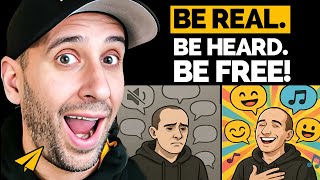
Evan Carmichael and Stephen Kelly discuss why sharing vulnerable stories online matters, even though anything you post stays permanent. Authenticity creates real connection, and judgment is inevitable when you do meaningful work. Visualize your future self before posting to decide if you'd be proud.
Valerie wrote in a long post basically wondering— she's basically worried about that her story is going to be on there forever and that it's going to be up there. Everyone will look at it, you know, no way to take it down. How do you kind of get over that fear of being so public and open that your story is there forever? From Valerie.
Well, I think Valerie, it's a valid element. Once you post something on the internet, it is there forever. So you just need to be, I think, thoughtful and careful about what you want to post. And something, you know, is almost cast yourself and visualize yourself in the future. And if you came back and read what you've written today, would you feel proud of it? But I think it's really important to be authentic. The other thing I'd say is, you know, again, in this world of perfection that we all live in, you know, people, the authentic people have vulnerabilities and they share their vulnerabilities. And I think, you know, in terms of telling your stories, again, emotionally, humans connect to people who show vulnerabilities. People who, you know, like Superman and Superwoman, who are perfect, you know, they kind of repel people. People who show that vulnerability draw people towards them. And especially if you connect in the heart and the head, you know, you connect the emotion, you bring people with you. So I'd be advocate, a massive advocate for sharing your story, sharing your vulnerability, and being really clear about how you can help other people like you who have got a product or service need that you can provide.
I think one of the hardest parts of sharing your story is worrying about being judged and being ashamed of certain parts of your story, right? But back to one of the previous questions about overeating. Now you have to admit that you're an overeater and share all the deep things that you get stressed out over and that's what causes overeating. Like, that's the juice that's going to connect me to your story really deeply, right? Like, if your parents got divorced and mistreated you or whatever it was, like, if that's what led you to that moment, that's what connects with me. But it's also the hardest, like, deepest moment that you have to share and expose. And it's having the courage to do that. And yes, some people will judge you. You know, if nobody is judging you, there's no— if there's no fear, then it's— you've lived it so safe. You've written something so safe that it's not impacting anybody. So some people will judge you. That's okay. And you are the champion of truth. For your people, right? Like, you started this business, you're a visionary, you're an entrepreneur, you're leading the way in some path, and people who've lived that same story or going through the same problems that you went through before, they want to rally around you, and they'll do that by understanding your story. And so it's, uh, to Stephen's point about being vulnerable and being open, that's where the, that's where the real juice is. That's, that's the heart of it. If you gloss over it, then the story won't have the impact. And so part of telling your story is being prepared for a little bit of judgment. But for the most part, every time I put something up, it's 95, 99% positive. So just as you get bigger, you're going to get haters. It means you're doing something right. It means you're doing something important.
Yeah, as you get more successful, you'll get more, more critics. The other thing, we were at a Sage Foundation event last week up in the north of England. We had 75 kids from disadvantaged backgrounds between about 11 and 25. And the whole ethos of them is they came in to sort of do pitches. And these kids just, ah, ah, they were so inspiring because they told their story. They were so authentic. Just to Evan's point, they told about their own personal story, the tragedies they'd overcome or the difficulties they had. And honestly, you just could, you could drop a pin in that room. And like, I was leaning forward. I just wanted to know more about these kids and their story. So I think you've got to be honest. You've got to be open. You've got to have that sense of vulnerability that's relevant to your story. Because the reality is, again, people are people, are humans, and people are compassionate. People want to build and buy awesome products from entrepreneurs like on this, you know, Google Hangout now, that are really good, that meet the needs because you've been there, you've lived their anger or the gap in the market. You've identified that and you've connected your story to the community. You've made that connection. And I think very much part of that, Valerie, is your personality and you want to bring it out.