How to Master Consistency | Evan's Journey in Minutes
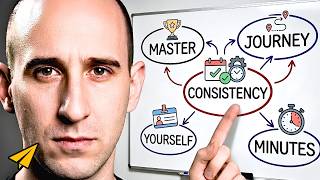
Evan Carmichael argues that aligning your business with core values beats chasing money, which should rank in your top five priorities, not first. He emphasizes a giver mentality, asking for brutal feedback like "why do I suck?" and making big decisions with your heart before strategizing. Consistency matters most: he's produced hundreds of videos to build sustainable impact.
Chapters
Your fear is not a good enough reason to stop. Too many people let fear, doubt, and overthinking hold them back. But the real danger isn't failing, it's looking back and wishing you had tried. In this interview, I show why risk is just in your head, how fear means you should go for it, and why consistency beats talent. I talk about making 350 bad videos before I got good, turning down a 6-figure job to chase my dream, and and how boredom, not comfort, kills success. I say to make big choices with your heart, small ones with your head, and take action before doubt stops you. If you wait for the perfect moment, you'll wait forever. Just start. And if you make it all the way to the end of the video, leave a hashtag #believe in the comments below so I can celebrate with you. Enjoy the video.
Believe. Evan Carmichael, let's go, man. Third time, man.
Let's go in person.
This is nice.
Yes.
How you been?
Great. Thanks for coming to the studio. Of course.
Of course.
So Toronto, we're here.
It's cold outside. Yeah.
First snowfall of the year.
Man, listen, I feel like we're gonna get buried in the snow very soon.
Were you born here?
Yeah.
Okay.
Were you?
Yeah, yeah. Where was I born? I was born in, uh, Scarborough.
We're both in Scarborough.
Uh, I don't know, whatever the hospital is in Scarborough.
Hospital?
Yeah. Yeah.
Were you ever an athlete at all? Athlete?
Yeah. No, you know, I was, um, generically good at most sports, so I could just pick something up and, and compete pretty well, but I don't know why I never really pursued athletics in a serious way. So I could get to like, in like high school, school, I could get to like B-minus level with very little effort. At my high school, this is hilarious. So I'm 6'1", 6'2", and at my school everybody was short. And so I was like, I like basketball, so I played. I was always center because I'm like, I'm the tallest guy on the court. I'm like, "Oh, I'm pretty good at basketball. This is great." I was getting all the rebounds. But then I went to university. I went to U of T, University of Toronto. And 6'2" is not a center. Like 6'2", 6'1", you're getting destroyed. Destroyed. And I didn't have a jump shot because I just played center, turn around, shoot. I couldn't get a rebound. Anyway, so that was the end of my basketball career. But in general, I think a lot of sports I could just pick up quickly. But I don't know why I never really pursued anything.
When I came in here, I was like, he's pretty tall. This first time meeting you in person. And I'm 6'4" and I get the whole, you know, being a center and stuff like that, playing high school. But it's like, we'd be shooting guards if we were playing in America, you know?
Yeah, I mean, you got size too. He's huge. I was getting pushed around, dude. It was rough. I remember just intramural basketball and I just got destroyed on my first day. So, like, okay, I'm not going to figure out my jump shot in university.
No, I hear you.
I don't know why I never picked up sports. I mean, I did. I played soccer a bunch. I played— my parents put me into sports, but it never became the thing, even though I was decently good at almost everything.
But now look at you now, building an empire for yourself and all that good stuff.
Yeah, well, you know, I'll be thinking about this whole sports thing afterwards.
Yeah, right.
Never know.
So let's talk about risks, because I feel like with risks, it's a big thing, right? What has been a time you've taken a risk in your professional career?
It's interesting. I don't see myself as a risky person. Really? But when people see what I do, they say, that's so risky. Okay. So I don't, I don't know. I think I just talk myself through the logic and then it doesn't, it doesn't feel risky. I think, I think one of my biggest challenges, I don't take enough risk. Like, I think I should be taking more risk. I think I've created enough track record and enough momentum that I could take on more risk. But in general, I don't have any debt, never gone into loans for the business. Everything's been organic. Even when I started the first company, I was in university and I had— I thought I was gonna be an investment banker. It was my dream. And I had opportunities to work with Merrill Lynch. And he flew me to New York and put me in the Waldorf Astoria, which is like this super fancy hotel. I decided to not do that job, even though it's six figures out of school, which would have been great, and instead make $300 a month and own 30% of a company. And I think a lot of people would see that as like a risky thing to do. For me, it was just, okay, I can go get another job in a year. Like, if this doesn't work out, I'll get a different job. It may not be Merrill Lynch, may not be as good a job, but I can get another job. The risk was if I didn't do this, I would potentially regret this my whole life that I never at least knew. So I'd rather know and fail than not know. I know that people thought that was incredibly risky. All my friends were taking jobs. I don't know, I don't see that as risky emotionally. I don't feel— I feel like it's a weakness that I don't take enough risk. No, but other people think of what I do as risky.
So of course you got to show up every day.
I don't think that's risky though. I mean, I made— I mean, how many— I don't know how many videos, thousands of videos on the channel. It was 350 videos until I couldn't— I wasn't completely embarrassed by myself. Like, I couldn't watch my videos back.
I remember you saying that too.
Yeah, like 350 public videos before I, I just, I would start playing it. It's like, oh my God, so bad. And then 700 till I inspired myself, where I looked at it like, oh my God, like I'm starting to get good at this. 700 public videos later, I just kept going. I mean, I, I made a lot of mistakes. I didn't have mentors. I wasn't— I mean, you should watch your tape back. You'll get better if you watch it back. Like, I was way— I could have done it in a tenth of the time probably if I asked for help, if I looked, looked back at the tape and tried to improve. So all I had going for me was I just kept going. But I didn't see it as— it was like, this is risky. I don't think— I don't think I— I think I play it super safe. I think I play it way too safe. You played way too safe emotionally. For, again, other people, that might look like a big risk, but I don't see myself as a big risk taker.
And I feel like speaking in camera now is the thing. And as we're going into 2025, my question to you is, you made that many videos. I've made, you know, what, over 500-some-odd episodes now.
Let's go.
What's one way you could tell a content creator to show up now on camera if they have that fear of— because it's like multiple takes. I know about that doing podcasts, sometimes doing like promo things. Yeah, it's multiple takes. I'll take like 20, 30, 40 takes and I'm like, this doesn't look good, this doesn't sound good, something's off. I feel like I'm not, you know, dialed in and things like that. So what would you speak to the content creators of that, how to show up on camera?
Well, just not accepting fear is a good enough reason. Start there. Like, if you're afraid Okay, like it's just not a good enough reason. Whatever you want to create, whatever you want to build for yourself, you're going to have fear. And so fear in that case, it's not like fear you're going to die of an antelope running you over or something, right? It's like, what's the fear? There's no real fear, right? Content creators, they're afraid of, of posting the content and somebody's going to see it and make fun of them, and they're afraid of posting the content and nobody's seeing it. So what are you afraid of? People seeing it or not people seeing it? Like, both. You've just chosen the negative of both versus I just don't want to accept fear as a good enough reason to not chase something down. If fear is the reason, then, then you have to do it just because. Because you don't want to teach yourself whether, whether somebody ends up becoming a content creator or asking that girl out or like whatever the thing is they want to do, you don't want to teach yourself that being afraid is the reason why you're not doing it. Because that's going to cycle into every decision you have in life. So true. So that's where I would start. Like, the fact that you're afraid means you go. Then I would just expect to suck. So just expect to suck at the beginning. Like, why do you think you're going to be good at the beginning? You think your first podcast is going to be good?
No.
But we do. We expect it to be good because they might listen to you and say, oh, look, he's got it all down. He's coming in one take. He's got this booming voice. He's doing it. But some people would look to you and say, "Wow, he's got it all figured out." And you're like, "I'm still just getting started, man." And then you might look to a whoever, you look to a Rogan or whatever and say, "Well, they've got it all figured out." And they're still trying to get better as well, right? So just expect to suck at the beginning. If you can reduce the burden on yourself to be great out of the gate, then it allows you to be creative and start just releasing. Again, I just had consistency going for me. It was the only thing I think I had going for me. The videos were not very good. I mean, they're still on the channel. You can go back and watch them all. Most of them didn't do anything. The first video got lots of views, but mostly because people are going back to watch video 1. That video did not pop when I—
No.
You know, people just want to see the origin story, so they go back. But go watch video number 40 or 37 or 94. Like, they all suck and might have 100 views or something, no comments. And so give yourself the permission to suck at the beginning and just keep going.
Absolutely. As a successful entrepreneur, what do you think is one of the biggest lies that's ever told?
That it's not possible. You know, like, I think, I think the first part of that is we don't think it's possible at all. The second part of that becomes it's not possible for me. Most people have a dream. If they're watching your show, they have a dream, right? It's like They're not watching it to stay stuck in their life, right? They've got a dream. They're a goal chaser, but they may not have started because they don't think it's possible. Or they see someone else has done it. Well, Rory's done it. Look at him. But I can't do it. I can't do it because whatever reason you want to put in there. So, I mean, I think the world's biggest problem is people don't believe in themselves enough to do the big things and even just to do the next thing in front of them. So I think the biggest lie is people don't think that it's possible or possible for them. Um, it doesn't mean it's going to be easy, but it's definitely possible.
That hits me in the feels because it's like 8 years of doing this and some folks—
like, wait, it hits you what? In the feels?
Hits you right in the feels.
Yeah, I've never heard that. Yeah, it's in the field. Where are the fields?
Somewhere in here.
Oh, it's in the heart, man. In the heart. Okay, it's me right in the feels, right? Wait, oh, feels, feels, not fields.
I heard fields.
It's like you heard Field of Dreams, Kevin Costner.
Yeah, yeah. Okay, hits you in the field, you're feeling it. Got it. Okay, okay, okay.
I heard, I heard fields.
Yeah.
I get in conversations all the time with like friends, you know, family members, and they're like, you're just, you're killing it, you're grinding, you're doing all this stuff. And I'm like, yes, but I stay hungry. You have to stay hungry no matter what. Can't get comfortable because I've always, I've always noticed, I feel like if you get comfortable, that's when you start slipping.
I think comfort might be the wrong word. I just say bored. Okay. You know, it's like I think people get bored. And, um, I mean, most people who are watching this are probably bored with if they're in a job, they're probably bored doing what they're doing. That's why they're listening to this, watching this, to try to escape, to go do something else. But I think people who get— if you're comfortable, you're bored in the work, and you're never going to do great work when you're bored. And so the trick is to figure out what your pivot's going to be. And that might be a completely new opportunity, or it could be within your thing. How do you make it different, make it better? You know, if 500 episodes deep on your podcast, I'm sure you've learned a lot of lessons along the way. And so then what do you do about that? If you find, hey, I love these types of people, these types of conversations, uh, or I love doing it in person, or I love whatever, then start to pivot towards that because that's the next level of growth. We're doing a mastermind here and people are flying in from around the world for the next 2 days. And one of the questions that one of the members asked kind of in the pre to get ready for it was, I'm trying to figure out how to make more money off of my channel because I want to scale and grow my team. So what are the options? It's like, bro, everything is an option.
Facts.
What do you want to do?
Yep.
Like, do you want to sell your own masterminds? Do you want to be a coach? Do you want to have a course? Do you want to have a community? Do you want to do brand deals? Like, it's all doable, but it's not, it's not all right for you. It's like, what do you want to do? Start with that. Don't start with your head, start with your heart, and then we'll figure out a plan around it. And a lot of times people don't lead with the heart— or I point to my head— they don't lead with the heart and the feels. People don't lead with the feels because they don't know how it's going to work out. They can't figure out the dots. And so, I forget who said it, but the idea of we play small because we see a path to a lesser goal. And our big goal, we don't see a path, so we settle for a lesser goal on a different path, right? And so start with the feel, start with the heart, and then from there figure out whether it's research online, guidance, mentorship, masterminding to figure out the path to really get to the more ambitious goal.
Absolutely.
So it can all work. Everything can work, but what do you actually want to do? And where people get comfortable is you just start staying doing the same thing even though you know you want to go do something else. So, you know, if you— how many have you done in person for your podcast now in person?
That's a great question. Let's say 30.
Okay. That's—
I feel like it's 30. I feel like it's 30.
So if you've done like 500 total and then 30-ish, right?
So it's like whatever it used to be audio at one point and then it went to virtual.
Yeah.
And then whatnot. Yeah.
Maybe it doesn't make a difference for you, but it's like, it's like I really love the in-person. It's better. So if you then wanted to pivot to in-person, Where most people's brain goes, oh, but it's like, it's so much more difficult and it takes a lot more time and I got to coordinate people. And like, to do this, you know, took more time to kind of figure out. You got to travel here, we're going to talk, you got to go travel back. It's like half a day instead of just doing a part of life though, 30-minute Zoom call. But that's where most people will go mentally, is like you just see the roadblocks of why it's too hard. So, so let me just go back to doing it virtual because it's easier. That's where I would call like it's comfortable. But then you'll get bored of it because if you had a taste of in-person and you really love that, and then you have to go back to only doing Zoom, you'll start to get bored. Absolutely. And then that begins the death march of whatever, you know, your show, whatever you're creating. It's like not having the courage to then go off and do the thing. Come on, come on, she can't jump, her legs are too short.
Here, I got you.
I gotcha. He can jump, but she's not.
Here you go.
Yeah, her little, little legs.
We got a guest on the podcast.
Yeah, Tristana is joining the conversation. Yeah. So I think that's where most people, at the beginning, even just doing the Zoom would have been a dream. And now you've done it and it's easy to keep doing it. But what's the next thing? Because we want to be able to grow. You want to keep learning. And the worst part is when you have something that you would love to move towards, like in person or whatever, but then you don't do it because you only see the obstacles. And not talking to you, talking, you know, the audience, right? We all have these goals and dreams and aspirations, and then we mostly just see the obstacles, and so that keeps us comfortable. But really, we're bored, and you'll never create anything great when you're bored.
Absolutely. And it goes into decision-making also too, making decisions, impactful decisions, because we have work, we have friends, we have family, we have relationships. So it's like when those big important decisions come into place, how does it impact what's going on? You know what I mean? So, for you, when you're making decision-making and you're talking to successful people around the world, how do you balance your time to find out the right calculated decision that you wanted to make?
I didn't think you were going to go time. That's an interesting switch-up on that question. I think, I mean, I try to make big decisions with the heart and small ones with the head. And so I'm, I'm very much a vibe guy.
I can tell.
And like, I just believe great things are going to happen. So even in this spot, like, we had— it's a full day of filming. We have one spot open that I could have easily filled and sold to have somebody come here. And like, you know what, freaking let's get Rory out here, see if we can make it.
And I appreciate that.
But it's like, what's the strategy behind it? I don't know. I like Rory. We're gonna hopefully have a good conversation, right? But like, that's a good enough reason, right? Just chasing the energy, that, that's a good enough reason. And I frustrate my team all the time on this stuff because there's opportunities that strategically make more sense for me to do, but I just don't want to do them. And, and there's other people who message me who's like, I'm, I'm starting my brand new show, I'd love to have you on. I'll say yes to that and turn down a much like bigger opportunity just because I want to. I mean, it's— and maybe it's wrong, I don't know, But it's more off of emotion than logical planning, like strategically this makes sense. And it's worked out, I guess, enough for me. But big decisions with the heart and then small ones with the head. I'm a big believer that when you go to a new environment, when you go to an event, when you watch a video, when you listen to a podcast, when you're feeling bold, like hopefully people watching your show, they've had moments where they felt bold. You know, it's like they got a new idea, it's like, wow, I didn't, That's a different perspective. Rory or guest or whoever came on and gave me a different perspective. And it leads to ideation. It's like, well, maybe I can blank, right? I believe that those decisions are actually the best for you. When you're feeling bold, those ideas that come to you are actually the best for you. And your job is to go chase those down. Because as soon as you go back to your regular environment routine, your brain is going to talk you out of doing those things because it's too big, too difficult, too scary, too whatever. So, you had this, like, little moment of inspiration. That's actually the seed of greatness, where most of what you're doing is going to convince you not to do it. And so, I think everybody has— I've had those moments. I've had those seeds planted. And maybe they start, but they don't continue. Like, they waste their time on planning instead of doing, and then they end up back in the life that they were at. So, What I've tried to train myself to do is if I'm in a room, if I watch a video, I get inspired, I want to, I want to do something, um, I just start doing it. Like, what's the fastest path to action? And sometimes it turns into something big, and sometimes like that alone was enough. Have I told you the Kanye story with the videos on the channel?
No, you haven't told me that.
So the first top 10 I ever did, like, people know my YouTube channel for like the top 10 rules of success that we profiled for I don't know how many years now. But Kanye was the first one we did. Uh, now Kanye has all sorts of issues happening now. It'd be dangerous putting him in the title or whatever. Yep. This was, I don't know how many years ago, uh, shortly after the whole Taylor Swift, I'ma Let You Finish, you know. A friend of mine did a blog post, uh, criticizing Kanye, and, uh, and it was Mark. And, you know, I've told this story, so he's okay with it. I said, Mark, dude, you can learn a lot from Kanye. Like, you don't go up on stage and, and, you know, do that, but there's a lot that you can learn from him. He went from being a producer to a rapper to winning more Grammys than anybody in history at his age, um, becoming an entrepreneur, becoming a billionaire, maybe losing it, whatever. Like, there's a lot you can learn from him and his story. And I choose just to look at what I can learn instead of looking at all the negatives, because who do you want to be? You want to be the the best you. You don't want to be anybody else. There's no person— if you just look at what's wrong with people, everybody's going to disappoint you. Where if you look at what's right with people, you can learn one thing from them to make you a better you. For my friend Mark, I threw away my day. I had other stuff planned, and I'm just going to make a top 10 video on what you can learn from Kanye West. It was meant to be a one-off thing just for my friend Mark, and we released it and people loved it. And they said, hey, can you do Jay-Z? Hey, can you do Dame Dash? Hey, can you do Jeff Bezos? Hey, can you do whoever? It's like, "Yeah, well, it was fun to do. Let's do it." And there's been lots of times where that didn't work out, but I don't see it as a waste. It's like I had a moment of boldness. I'm gonna say yes and do something and throw away what I'm working on right now for the day and try to do this one thing. Because immediate action, like if I went home and just started planning, planning, planning, I wouldn't do anything. It would still be now 8 years later and I still haven't released the video. So you get in that, you get a hit of inspiration. As long as it's in a positive way, then do something immediately in the moment. I call it the first 2%. It's like, get that first 2% done right now, where most people are trying to plan to 100% and they never do. Do the first 2% first.
What does the first hour of your day look like before you hit creativity?
Oh, I don't know that I would. I think I'm always creative, so I don't know that, uh, Like, I just live in creativity. So I don't know that I'd say I'm not creative when I wake up. Like, I'll wake up with ideas.
But there's got to be a pause, though, like, before you start the production of, like, what you're wanting to get into.
Well, that's different. Right now it's productivity, production, not creativity, right? So, and also, I just, I would not want to tell myself, which is probably why I'm pushing back a little bit. It's more not for me, right? I don't want to tell myself that I'm not creative in the morning. I don't like that label for myself. I wake up and I'm creative. I just want to believe it. Whether it's true or not, I want to believe it. So I'll tell myself that I believe it, and then that becomes fact. But I get the spirit of the question. I'll wake up. I'll go to the bathroom. I'll check how my sleep was on my Oura Ring. I'll put some music on. And then as quickly as possible, try to get outside for a run. Brush my teeth. But first thing I try to do, I did this morning, it's cold, it's snowy, great, get outside and go for a run. And on the run, I'll usually have a video often from my channel playing so that in the morning I'm feeding my head with whoever, with today was Zig Ziglar. So I got Zig Ziglar in my head or I got Elon Musk in my head or I got Oprah Winfrey in my head or I got Kanye, or I got whatever, because what they do for me and why I make the videos on my channel is they, they pull me to a brighter future. And that it's easy for me to stay stuck in my head and, and be comfortable and get bored and live in fear, like, I can't do this. And when you are around people who, uh, I call them aspirational mentors— I don't know Elon, uh, yet, you know, I can't reach out.
I love how you say it. I love you. Say it.
Yeah, I don't know.
Yeah.
Go. Let's, let's go.
2025. Let's get it.
Let's, you know, here we go. You can learn from him. It's like where people say, well, I don't have mentors. Well, you don't need to. I mean, it's all available online. I love that you say that. Research books, watch videos. I love that you say that. Like it's all, it's all out there.
Yep.
And then you have people like me who are making it even more digestible, right? Like Elon Musk is not a great speaker. Richard Branson is not a great speaker. If you listen to Zig Ziglar, who I you know, was— it's just in my head because I was listening to it today. He's a fantastic presenter. Like, that's his business is speaking and presenting. And Elon Musk is not a great speaker. And so you might listen to this whole long interview and you have to pull out nuggets. And so what we do is we make that a lot more digestible. My team will watch, you know, hours and hours of content and like pull out the best moments. And there's other people do it like me as well. But what, you know, what's your excuse? You know, When I was growing up, how old am I now? 40. What year is it? 2044. You'd have to go to the library or something. I went to high school just as the internet was coming out. Right? Right?
Those were the days.
Yeah, yeah. Great. So you go to the library. Who's going to a library now? I did a keynote speech in Spain to all of the heads of the libraries from Europe because they are not relevant. It's like, how do we stay relevant again? Because everybody's just going online. Why would you go to a library when you have YouTube, right? It's crazy. You don't need to have a mentor. Does it help? Of course. But there are aspirational mentors out there, and you could be choosing what you feed into your brain. And most people— she's like, she's so deep in relaxation right now.
She's like, it's the magic hands as well.
Magic hands. She's like, you're gonna be covered in fur like a yeti, like I was on the last one. But she's loving life right now. It's all good. What are you doing? What are you feeding into your head right now? And not you, but like everybody watching. How much are you scrolling on Instagram? How much of the videos you're watching are with intention versus you got sucked down some rabbit hole and it's like 45 minutes later you're still sitting on the toilet in the morning watching like gags or something, right?
You know what I mean?
Right?
It's crazy.
But you can intentionally pick what you feed into your brain. And every time you choose to watch a video that is uplifting, that is inspiring, that is teaching you something, a new skill that you never thought you could learn, versus something that's taking you down into either negativity or just entertainment. Some is just negative content, makes you feel worse, and some is just entertainment content, makes you laugh and forget about your problems. But neither of those are gonna help you get to a different spot. So if you wanna be in a different place than you are right now at the end of next year, then you have to start to change what you're feeding yourself with.
[Speaker] Exactly.
[Speaker] And so, yeah, Aspiration Mentors is a great way to do it. It's just like, don't accept the limitations that most people accept. It's like, well, it's not possible for me from my background, for where I live and my family. Well, of course it is. There's people who've come from a way worse situation than you who've gone off and crushed it. You're just accepting the limitations.
Exactly. What's the book that everyone should be digging into? Get into it right now.
Yeah. So I'm not a huge reader. I get— I do read, but I get most of my knowledge from videos.
Like me, that's how we do it.
Yeah, I just, I'm a visual guy. And so like if reading was the only way to do it, and then I would, I would do that. But I love videos. Like if I can see it, I'm much more likely to retain it. And then I like it being customized. So there's, I don't think there's any one book everybody should read or one video everybody should watch. It's what are you looking for right now? Because the right book at the wrong time doesn't make a difference, right? The wrong, the right video at the wrong time Doesn't make a difference. So whatever you're going into next year trying to figure out, you know, how do I get inspired? How do I learn?
Well, who—
what are you drawn to? What do you want to learn? Whether it's a skill that you're trying to pick up, or if somebody wants to start a podcast, great. Go to YouTube and type, how do I start a podcast? And see what pops up. Or there's some story that you're, you're pulled in by, you love whoever, great. Research their story and go learn from them. And this is where people will get stuck on the plan. Don't worry about the perfect plan, just do. What if the first video about how to start a podcast teaches me the wrong information? Okay, then you watch another one. It's like, do. There's no perfect start. Let's just start. Get that first 2% out of the way, because once you go down the rabbit hole, you'll start learning. When people would ask me, like, what business— I've got all these business ideas, which one should I do? I would have them do this exercise of, okay, how many ideas do you have? Well, I got like 10 ideas. OK, great. Write down all 10 on a piece of paper. And then give yourself an hour for the next week on each one. So go and start doing some work. Start thinking about each one. Just dedicate 1 hour to. Then they come back. And I say, OK, how does your list— how does it look? And some of the ideas they didn't do the hour on. And invariably, you'll find 1 idea that they just spent 8 hours on. Great. That's the one to do. Because your heart's in it. Right? And again, big decisions with the heart, small ones with the head. The feels.
Uh, not the fields.
Not fields. Not hitting me in the fields like, what did you eat for lunch? Right?
I love it. I love it, the energy. I love it.
Uh, that's great. I love learning new things too. It's great. In that question, like, what one book should I read? Uh, first off, identify how you learn best. For some people, it's books, and that's awesome. If that's you, there's other books that go— there's a entire libraries in Amazon full of books that you can go and pick up and read. But if you learn better through video, then that's cool. Like, watching a video is reading. A lot of people get stuck up, "Look, I'm not reading the book, so I'm not learning." No, you could learn a lot more from a video than a book, especially if that's how your learning style is. If you're auditory, great, go listen to podcasts. Like, auditory only is the worst for me because I have to focus so hard. If we were doing this and I couldn't see you, Yeah, I know, right?
You'd be like looking at your phone, maybe looking at the TV.
I wouldn't worry about getting distracted. I have like OCD, so I wouldn't worry about distraction. I just, I can't understand it as well when I can't see them. So I would be like this, eyes closed, focused, really trying to hear your words and what you're saying, because I'm slower and I'm worse when it's audio only. And if I'm a guest on somebody's show, I want it to be as good as possible for them, right?
Exactly.
So even if it's an audio-only podcast that I'm doing with somebody, we try to do it on video just so I can see them, even if they don't use the video, right? So understanding how you learn, and then what is the thing that you want to learn, and just focus on— even if you said like, watch one video a day on— you want— I want to start a podcast. Cool. Watch one video a day on how to start a podcast. You're going to start to learn, and you're going to start to—
and it's changing now. Like, look at the way how phones are being customized, especially iPhones. Like to create and start a podcast, audio or video, just prop up your camera on your phone and then you're good to go. Do one angle, one shot.
It's like, and that's a perfect example of like my parents didn't do this. Like your parents didn't start a podcast. No, probably. I don't know.
They watch it though.
Your mom is like, your mom is Joe Rogan's producer or something. I just use my own words, you know.
Uh, we all wouldn't be sitting here if that was the truth. That was the, the vibe.
So if you just dedicate one video a day, that's why I try to— it's what I try to do with my channel for me. I want a video every morning that I could wake up to and watch and consume that'll make me a better version of me. And if you do that every day, then you will get better. Not every video will be a perfect hit, and that's okay. But if you did that for 30 days, you're gonna start changing versus if you only did one and then stopped. You won't see any results.
So true. What's your strategy of staying ahead of trends without chasing them?
I'm honestly more evergreen than worrying about trends.
Okay.
So most of what I do, I want to live forever. So I don't know that we've done much that is trendy. I think it hurts me. I think commentating on what's happening in the news cycle, like, is a fantastic strategy. Uh, I'm just not much of a news buff. Like, for me to understand the topic enough to talk about it. Some people read a headline and can just go off and make a video. I like to think about it, and so it doesn't work very well for me, or I haven't found the way that it can work yet. And I'll often see both sides of an argument, and it's like not as good a video. People want the, "This person is a liar because of yada yada yada yada." So I have tended to focus on and win through evergreen stuff. So the same things that we're talking about here is still valuable in a year, 2 years, or 5 years, or 10 years. I'm still open. I just haven't found the way that works best with me to leverage different trends. Sometimes it'll be through creators or through like, hey, if like you want to do this podcast riding on the subway because riding on the subway podcasts are taking off or whatever, right? Then sometimes I'll be drawn into those things through other creators. But personally, I want the work that I do to live forever. And so I always think about, will this content have a lifetime beyond just a week? It's why even picking YouTube, like YouTube, the content lives forever. Instagram is dead in a week.
That's one of my questions too, eh?
What?
About YouTube.
YouTube?
Yeah. What if it disappeared? How would you change your impact?
Wherever people— where are people going? Yeah, like, I don't care about YouTube, uh, I care about impact. So YouTube is long-form educational content. Okay, so if YouTube disappears, they get blacklisted, whatever happens, where are people going for long-form educational content right now? They're gonna go somewhere. Well, right now, nowhere. No, like, so, but something will pop up because it's a It's a need. And YouTube is different enough. If you look at short-form content, YouTube's in the game with Shorts and, and Instagram and Facebook and TikTok and Snapchat. Like, everybody has their own demographics and there's variants in it, but they're all short-form videos. I like long-form educational video. I'm not making dance challenge and I don't know, whatever other videos.
You know how to do that anytime soon?
Uh, I, I mean, a one-off, one time only, one-off. Oh, we've done lots of stuff. One. Yeah, yeah, we've done, we've actually done dance challenges. We've done, we've done a bunch of one-off videos.
A little two-step here and there.
Uh, well, there's one I had, um, there's a Shania Twain song that I was playing at the office, and a guy in my office, uh, didn't know the song. It's like, you don't know this song? How do you not know? And I was, I just liked it. I had it on repeat. Like, how do you not know this song? It's like, no, this is not a popular song. Nobody knows this song. Like, what are you talking about? And so I made a video for my Instagram stories. It's like, this guy here doesn't— has never heard this song, right? It's crazy, right? And all the DMs are back, I've never heard that song either. It's like, nobody knows this song? And I'm not a music, uh, you know, uh, trend whatever. So I got so upset that nobody knew this song that I decided we would do a Shania Twain dance challenge. And so I DM'd I don't know how many people, but my whole day became about this Shania Twain dance challenge. Again, just like the Kanye top 10, I threw away my day, focused on the Shania Twain dance challenge. And I messaged people that basically just going through my IG and like everybody got a DM saying, play the song and film yourself dancing to it. I'm gonna make a video, put on the channel, right? Alex, who's in the room, who helps me run Toronto Dance Salsa, was at the hospital. Like, I don't care, find a nurse, something, dance to this video. And he did. He found like somebody on the street, or I don't know if it was a nurse or whatever, and he filmed himself dancing outside to the song. And we had all these other people who were filmed, and nobody was like particularly good, right? I mean, Alex, I guess, is a dancer, so it might be a higher expectation. But most of the people I'm messaging, I would message you and say, man, I need you to dance. And you're like, what are you talking about? And today, like, I need it in the next hour. Film yourself dancing to this video, right? And, you know, some people said no, some people ignored me, and some people said yes. And why would they say yes? It's just like the enthusiasm energy behind it. Like, I don't know what he's doing, this is crazy, you know, he's asked me to do this, I'm not a good dancer, but whatever, he asked me to do it, so I'm gonna do it. And we had people like dancing on the street, dancing at their office, dancing in the car, you know, all sorts of weird things. And then we stitched together into this video and released it. It wasn't like this huge home run of a video, and we probably got copyright claimed because we were using Shania Twain's, you know, song in there. At least they didn't block it. But then people were messaging me back to like, you know, I didn't want to do that because I was too afraid to ever get on camera, even to like make a thought leadership video. And I filmed myself dancing even though I'm not a good dancer. Like, thank you so much for pushing me out of my comfort zone. When's the next one? Like, next one? No, that's— we're done. Like, I'm not a dance challenge video guy. I was just like, I got pissed off because of my friend didn't know the Shania Twain song, and so that's why we did it. But I'm not— I don't want to be the dance challenge video guy.
No.
But with the Kanye one, I, I like being the top 10 guy, right? And so sure, we've done some some things like that, some fun projects as one-off. He's done lots of weird one-off stuff. But if it's not— again, like, if it's not— if you're only chasing a trend and you don't love it, you're not going to win. You'll burn out.
So true, right?
So true. How many years making YouTube videos? 2009. So, you know, it's been a minute. A lot of YouTubers are giving up and quitting. It's like, I, I, I'm done after like a couple months or a year or whatever because they're doing work they don't love. Like, it's not just a YouTube thing, it's a It's that anything thing. If you're doing work that you don't love, you're just trying to chase— chase an out goal, right? They want the check, a trend. If you don't love the process— like, after all the people that I've studied, the number one rule for success is you have to love the thing that you're doing. Like, actually love the thing. If you're starting a podcast and you're 500 episodes deep and you don't like talking to people, like, that's a problem.
Yeah, it is.
Go do something else.
It's like, what are you doing it for?
Yeah, it's, you know, like, oh, because podcasting is a big trend. Cool. You're going to lose.
I see a lot of folks getting into the podcasting space and I'm like, you get in conversations, you know that they're not doing it for the right reasons because by the time they get to the 5th episode, they have to realize about the editing. They got to realize about, you know, scheduling studio time or virtual time. Oh, I don't have enough hours in the day. I'm working, I'm doing this. My dog is sick or whatever. You know, all these other excuses come ahead. And when I hear that, I'm just like, I know you don't want it. You don't want it. And it's okay if you don't want it.
Winning at anything is hard. Yeah. The people who win though, it's not hard, it's fun.
Yeah.
I like the challenge. Like, I like— I'm, I'm still thinking about new video ideas.
I come from the school of, uh, pro wrestling, and I love—
You were a pro wrestler? No.
Who's your guy right now?
No. Well, I don't know enough now. Who was your guy growing up?
It was Shawn Michaels, and when he went away, it was Triple H. Okay.
Uh, who was he partnered with initially?
Which one?
Uh, Shawn Michaels.
They were DX, the Generation X.
No, no, before that. Who was he with?
Oh, you're talking about the day Marty Jannetty, The Rockers.
Mark Jannetty.
Yeah, The Rockers.
Yeah, yeah, yeah, yeah, yeah, yeah, yeah. They were flying out the top ropes. Of course. Yeah, of course. Yeah.
But I love what The Rock said.
I like The Ultimate Warrior, but The Ultimate Warrior, yeah, he was my guy.
Yeah, RIP. It was great. It was great. Impactful wrestler. Um, Rock said something I remember in an interview. He goes, a long gamer. And I, and I, when I heard that, I'm just like, and he followed it with a bunch of other stuff. He's just like, look, I'm a long gamer in this art, in this storytelling. Compelling, you know what I mean? And I think that's with anything you're doing, whatever you want to do. Long gamer. Got to be a long gamer.
Yeah, and listen, you won't know until you start. So when I did the top 10 on Kanye, I wasn't long gaming top 10s. Like, I didn't know that that was going to be the thing. It was a one-off experiment, but it ended up being a long game. Uh, the, the Shiny 20 Dance Challenge was, was done. Like, we didn't ever do that again. But I think when you find, like, the thing that you will ultimately win, yes, by being a long gamer, as he put it, But how do you find that thing that you want to commit to? Well, you have to experiment a bunch with different things. Like, you don't know if podcasting is going to be a fit for you until you actually start doing it. And if there's a seed, like, you're not going to be good at it, right? Expect to suck at the beginning. We talked about it. But as long as you are enjoying it, there's a seed there, then you can, you have something to play off of. But I think people also stay in things for too long. Like, they stay in business for too long, the same relationships for too long, they stay in things for too long because they got bored. They never they never pivoted, they never chased things that lead into excitement and happiness, fulfillment for them.
You're getting in the whole other 3-hour, 4-hour conversation if we're going to go down that rabbit hole.
Oh, well, okay. That's episode 4. That's episode 4 or 5, right?
Before we get out of here, what's that one piece of advice you've never shared publicly that stays close to the heart?
If there's something I've never shared, then it's probably a personal story about my family or something that I know they wouldn't want shared, even if I had a positive message. But I'm more of a counterpuncher than a puncher.
I love that.
So I just react. Like, the question that I wish I answered is the question I wish you asked. It's like the question that I wish people asked that a lot of times when I do— I mean, I don't know how many interviews I've done over the years, but what often happens is they have their list of questions, cool. And then you stop rolling and then say, you know, but I really want to, like, how about this? It's like, bro, you should have led with that question. That question that you asked after the cameras stopped rolling should be the first question that you ask. Not me, but— she's getting comfortable— but, uh, anybody, right? Are you not liking my answer there, Tristana? You're sneezing over there.
Um, you know I'm wearing all your hair, by the way. It's all good though.
Full Yeti mode. I've done 10,000 videos. Like, if I ever wanted to share something, I would I would share it. I work best when I'm reacting to something, which has its strengths and weaknesses. And when I'm training my team, I was on a call just yesterday with, with some of the people in my sales department, and they want training and they want like SOPs, standard operating procedures, and, and documents and scripts. It's like, I don't, I don't have a single script. I don't work off a script at all. But I understand that most people do and it's valuable for them. So the way that we workshop it is they play me a call and I say how I would handle it. So if you said, how should we talk to a customer? How should we talk about YouTube as a strategy? I don't know what to say. I don't know how to help them. But if you give me an example, it's just—
Like you trying to jump off?
That's what I'm just trying to do.
What are you trying to do? You trying to jump off? You're interrupting the guest. Exactly.
Come on, Tristana. It's not about you. She's making it about you here.
You want to come down?
You can put her down. Gonna go off and explore.
There you go.
So I work best in reaction mode, and I— it's a weakness because if I could, if I could better structure things, I would be a better leader for my team. They'd have the SOPs that they need. I'd have an answer to that kind of question. But you have to do the thing that is you, and so I have to tell everybody I work best as a counterpuncher. I work best in reacting to things. Give me something to react to. And I think a lot of people on most shows will hold back the punches, will hold back the questions, either because they're afraid of what I might say as an answer. It's like, I can't lead with that question because I don't know this person very well, so I'm gonna leave with something safe. Or they're afraid of their own insecurities of like, I can't tell my audience that I'm struggling with this thing, so I'm not gonna share that, right? And in either case, like, I don't think either of those things are good enough reasons. And so I encourage— we actually send the video, like, you probably got it years ago. I send the video of how to prepare for an interview with me, and I love that. And in there, one of the things is like, ask the questions that you really want asked. And I don't care if you read my bio, I don't care if you tell me, but I don't care. You could talk about whatever you want to talk about, just make it important for you because it's important to you. Then it's going to be helpful for me. Like, that's what I— if you want to go down this crazy esoteric thing about whatever, wrestling, and that's what we spend the whole time talking about, dude, if that's valuable for you, then that's what we're going to talk about for sure, right? I did an interview with Matthew McConaughey for the channel, and I was super stressed out about it because I don't know anything about— I usually interview entrepreneurs, and Matthew McConaughey, I don't even know how to pronounce his name. Is it McConaughey or McConaughey? And I was stressed I was going to call him the wrong thing. He's an actor, and I mean, great, but I don't know him as a thought leader. What I'm going to ask, what's it like being an actor? Like, it's the worst question of all time. And so I started watching his other interviews, and one of the things that stuck out is, oh, this guy is an actor, but he's also a philosopher. If you hear him on the other interviews, he's also very athletic, and his book talked about wrestling. Back to wrestling. And the first thing that came to mind was Bruce Lee. Who was an actor, who was an athlete, who was a philosopher. And so I'd lead that interview with saying, you know, you're like a modern-day Texan Bruce Lee.
I know exactly what you mean.
Right? That's the first thing I say basically, like, welcome to the show. I see you as like a modern-day Texan Bruce Lee. And it like immediately got him thinking, like, modern-day Texan? And then I explained why. And then I said, maybe we should call you Sensei McConaughey. And I was so— he's like, "I like that, Sensei McConaughey." Now, he may not have liked it. He may hate Bruce Lee. I don't know anything about this guy. Maybe he hates Bruce Lee. Maybe he met him and Bruce Lee kicked him in the face and now he's like— I don't know. But I don't want to live in the fear. And the intention was good. If he hates martial arts, I think I can always make it up to them. But the intention was good. So I'm going to lead with that. And that was, you know, among the most scary moments of interviews that I've done with people because I had zero context and I don't know how he's going to react. I hope it's good. Ended up being fine. But taking that risk when you're interviewing someone, what do you love about this person, or what are you curious about from this person that you're going to personally learn something from? If you're doing an interview like this, like, you hope that you're going to learn something, and then you learning, the audience learns. And so the questions that I hope people ask are the ones that are actually meaningful to them on a personal level because that's a way more fun and engaging conversation.
Okay. I love that. Before we end. Yeah, I always say 1% better, but I'm going to flip it.
Okay.
The branding yellow. Why the branding yellow?
Well, it's gold.
Gold, yellow, yellow, gold.
Different. My fault. Sheesh. The pushback. That's like, you know, when you wake up before you get creative. No, no, no. I wake up creative.
To me, it looks yellow.
Yeah, that's fine. You could call it pink. I don't care. For me, it's gold.
Pink is wild.
Right? This is more— it's for me, not for anybody else, right? Like, it's gold for me. If you want to call it whatever it is, that's awesome. And I get it. I mean, you know, even the shoes that have a look a lot more yellow, but to me they're gold. I like it. I mean, the airplane has a bigger story than the color, but initially it was actually blue and white. So if you go way back on the channel, it was still an airplane, looked a little different than this, and it was a a white airplane on a blue background, and I just like the, the gold and the black better. I'm sure it has all sorts of reasons, and you can look up color meanings, and gold will mean royalty and success and money or whatever, which is all— it could all be true. I look at it and I love it. When I watch superhero movies, I always like that they would they went out in their outfit, in their costume, and then when they went to their lair or whatever, they put their outfit on a mannequin. Right.
It's kind of wild that they do that.
Yeah. I'm a superhero going to work every day for what I do. And so I wear this, I put this on as part of my morning routine. It's like, this is awesome. I'm a superhero going out to fight for belief. And again, whether that is true or not or sounds stupid or not, it's That's what I believe, right? And so it's what I do. So gold, I don't know, because I like it.
They say not all superheroes wear capes, but you wear your colors. Yeah, it's the most important thing.
And like, just feeling like what you do matters and is important. And if somebody doesn't like it or disrespects it or whatever, mentally I'm like, I'm— this is awesome.
I appreciate you, my friend.
Cool, man.
And you know what? I'll say this, I'll give you your flowers, is because after we did our second interview, okay, you gave me some value and you said, listen, oh, start presenting parts of the coaching. And that's what I'm going to be working towards. Yeah, 2025, my friend.
I love that, you know.
And I've been telling a lot of folks, hold me accountable with that. A lot of friends are like, they're like, he said that?
I said, yeah, yeah, you're doing it again right now.
Of course.
Did you book your first coaching session yet?
No, but we're gonna definitely do that.
Yeah, it's like the best thing you can do on the way home is like just book the first call.
Absolutely. You know, absolutely.
Once you do one, all the other ones become easier, more fun.
Absolutely.
Did I tell you about how I did the live— when I started doing live coaching here?
No.
I was in LA and I was speaking at this event for YouTubers. And when I go to an event, my favorite part isn't speaking, it's, it's the lobby. It's like I want to speak as early as possible, ideally the opening keynote. It's not always possible, but not for ego or whatever. It's just I'm an introvert and I'll never talk to people in the hallway on my own. And so I'll say on stage, I'm an introvert. I will not come and talk to you, but like, please come and talk to me because I'm here to help and serve. It's my favorite thing to do. I don't like coming in just sitting on the sidelines or like flying home. Like, I'm here to, I'm here to serve. So I speak as early as possible. So it was a 3-day event and I spent most of the the day in the lobby. I'm staying up till like 2:00 in the morning, waking up at 7:00 AM. I'm not eating. I forget to go to the bathroom, running a fever, not noticing. I don't notice. And then my body just falls apart. So now when I travel, I need to have— somebody's usually with me to say, OK, Evan's going now. But I loved it so much that I thought, I need to— this is actually the best of me. This one-on-one coaching is actually the best of me. I need to do it when I get back home. But we have to do it in a more sustainable way. So I said, I'm going to do it from, from here, from my dance studio, and coach people, but also do it on Instagram Live. I think that'd be super fun to do. And so as I'm flying home, it's a 5-hour flight or so from Toronto, from LA to Toronto, and I start to notice the interest, like the, the boldness is slipping. It's like, this is a great idea, and then it's like 90%, like, oh, okay, doubt creeps in. Then it's like 80%, then it's 75%. It's like, okay, before I lose it, I'm leaving the energy, I'm flying back home. Before I lose it, I need to book. I need to book the calls. And so we're flying home on a Friday. I said, I'm going to start Monday. And I told my team like, okay, we're starting this new thing. When? Like Monday. I'm coming back. We're starting it Monday, not like next year or whatever. And I booked the first 5 people from Monday to Friday to come in. And we did, we did the show. When I came here on Monday morning, I was at 0%. I didn't want to do it. This is a waste of time. I have more important things to do. I shouldn't be doing this. Why did I agree to this? But I committed to 5 people already I was going to do it on the plane, so I'm not going to not show up for them, right? And then we did one, and like, oh, that's awesome.
You just, it just flowed, right?
Like, yeah, this is why I did it. I remember now, brought back the energy. It's wild how our brain like keeps us safe and protected and small and, and comfortable and bored. Um, because your brain is— helps you stay alive, helps you stay in survival mode, where your feels can make something, you know, brand new. So I think you'd come alive in those episodes. Uh, and the best thing to do is whenever, whenever you're going to start, like, book your first person and just commit to a date and do it. And like, if it's a half-hour session, I mean, you had time to come here and do this, you can book a half-hour session with somebody and coach them.
Absolutely. Yeah, I hit that. Hits me again right in the feels. Not fields.
Yeah.
Yes, my man.
Let's go. I appreciate you, man.
I appreciate you. Thank you.
Evan Carmichael.
Let's go, man. Justin, welcome to Canada. Thank you, man.
It's, it's quite cold out here. I'm not used to it.
Yeah, good. Strengthens you.
So when you were in university studying to become a banker, you turned down a dream job to join your two friends at their biotech software company, giving up security and a nice life for a shot at your dream. What led you to make that choice?
It was the hardest decision of my life, and I made it out of— Jeff Bezos has a regret minimization framework that I learned about. Basically, live with as few regrets as possible. And I imagined myself being an old man at 40. Now, how old am I now? I'm like 40, 44. I'm 44. When you're 19 or 20 or whatever, like, 44 is ancient. So I told myself, when I'm an old man at 40 and like life is over and it's finished, you can look back on your life and regret this moment. Yeah. And so I'd rather know and fail than not know. And so I told myself, I'm going to give myself a year of trying this. I thought I could get another job if I needed to. It may not be the same job, may not be for as much money, may not be with the same company, but I could get a similar job if I really wanted to. I didn't know if this other thing would come up ever again. And so I didn't want to regret not knowing. I said I would rather know and fail than not know. And that after I made that mental switch, like, then it's obvious that I have to go and do that.
I like that regret minimization framework.
Jeff Bezos. That's probably like a less geeky way of saying it, but, uh, yeah, that, that really helped me.
It reminds me of, um, Alex Hormozi has, has a similar framework where he goes, whichever choice will be the more epic story when I'm older, I always choose that one because I want to be the guy that's, that's old with a super scraggly beard and all these, all these cool stories. And, uh, you know, that's, that's, that's quite cool. That's quite cool indeed. So at 19, you were making around $300 a month with your two friends in that same company, and within two years, that company was acquired for seven figures. What was the biggest change you made to turn that company around?
Oh, wow, that's interesting. Probably asking for help. You know, we were trying to do everything ourselves, and we didn't know what we were doing. We were making mistakes everywhere, and that can sometimes be a good thing, you know. Being new to a field, you come up with brand new ideas. But it was when we started asking for help and getting some mentors, not in the space because it was a super small niche space, but just in general, getting advisors to bounce ideas off of a little more seasoned helped us. And every step along the way in my life, when I tried to do something myself, it just does okay. But when I asked for help and try to involve somebody else, that's when I start to turbocharged my success. And it's funny because I'm still afraid of asking for help. It's like, it's the thing that I know has helped me the most and still the thing that I struggle with doing.
Yeah, well, collaboration's scary, man.
Well, not even collaboration. I mean, collaboration, yes, but if we're doing a collaboration like this, it's cool. It's like, hey, hopefully we both benefit from it. When you're asking for help, you know, can the mentor benefit? Sure, but it's not— you're probably not gonna be able to give your mentor very much, especially at the beginning. And so it's, it's just a lot harder to ask somebody for help when you feel like you can't reciprocate.
Yes.
Well, it's harder to do the ask.
Yeah.
Right. And so that's where I think we could all do a better job. But me in particular.
It's also a bit of a— there's, there's vulnerability there asking people for, for help, right?
Yeah. I remember I was at this— I don't know if you know Brendan Burchard. He's thought leader, entrepreneur, speaker. He has his private mastermind. You can't, you can't buy into it. It's just basically his friends at his place. It was in Puerto Rico at the time. And there were all these big name people there. Russell Brunson, who started ClickFunnels, and billionaires, and a lot of people in the YouTube world who had millions of subscribers and thought leaders. And he invited me to come. And at first I thought, well, what am I going to help these people with? Like, I was teaching mostly about belief, you know. I'm going to teach these guys how to believe in themselves more. Like, it's huge imposter syndrome. Brendan pulled me aside before day one started and he said, make sure you ask. So it's like, you default to always helping. Make sure you ask for something. Make sure, like, when it comes to you— the format was not super structured, it's just like everybody goes around, you get 20 minutes, what do you need help with? And then the whole table pours into them. So make sure when it comes to you that you actually ask for something instead of just trying to help others. Right. And so, okay, I took that to heart and then asked.
Right.
Which is uncomfortable. So and it's a great lesson and reminder still, like whatever my next step is, I probably need to ask more help for that too.
For sure.
Yeah.
Yeah, that's, that's nice, man. That's nice. You always got to ask, right? Always ask for, you know, especially in like, like you just said, the the mentor-mentee relationship, if you're giving more value than you're receiving, or if you're receiving more value than you're giving, it's always nice to reciprocate, right?
I think whatever your default is, you probably need to do a little more of the other, right? So there are some people who just ask, ask, ask, and never give. Well, you should probably give a little more. Or the people who plan, plan, plan, and never do, you should do more. But the people who do, do, do, and never plan, you might need to plan a little bit more, right? So whatever is your comfort zone, you probably need to do a little bit more of the thing that's outside your comfort zone, because that's where a lot your growth will happen.
Absolutely. So, um, going, going back to that software company, after, after you made your exit, um, you started raising money for companies in the venture capital industry. What was the one most important thing you learned about business in the world of venture capital?
Probably still connected to mentorship. I joined a company that had 4 people who were in their 60s or 70s. These were the principal founders of the business, and they knew about so many businesses and had so much experience. When you're in venture capital you see all sorts of industries, like you have all sorts of different companies. They have to be high-growth companies, I guess, so you're not going to have a slow, you know, slow-growth little business. I only knew my one business, like I only knew biotech software. That's it, that's all I knew. And so I also didn't know anything about financing, like we never had to go get financing, and I was curious about it. We sold our company before. It was either raise a lot of money and build a beast, or go sell.
Yep.
And be part of a beast. And so we, we chose to sell. Actually didn't want to, but that's a whole other story that maybe we dive into. So I went to go learn about venture capital, how to raise money, just in case I ever need to do— I was just curious about it. And the best thing that came out of it was when people were pitching business ideas, how do you, how do you evaluate a business plan? How do you identify— how do you evaluate the owners? How do you understand their business model and if it's a good idea or not? Like, I didn't really know. I'm 22, I sold my business, made a little money, cool, but I only had experience from university. Yeah. And then my one business. And so seeing how quickly they would break down a business plan and financial statements, and then when we brought entrepreneurs in, the questions they asked and how quickly they— it's like, wow, this is a whole new world that I had no idea about. Right. So I still use a lot of that information today when I'm helping people and there's they might be in some super wacky industries, like, oh, I've seen something like this, right? And so how do you know so much? Well, I saw all these businesses from being in venture capital, where a lot of times people only know their one niche in one industry because that's all they've, all they've done. So that was probably it, just the, the mentorship of the, the 4 people. And I think they poured into me. I mean, they were 60s or 70s. They liked my energy. I'm 22. I'm this young kid coming in. I was generating deals for them. So they were connected to all the investors. They knew how to raise money, but they didn't want to do the hustle of getting new deals coming in. They weren't connected to the young entrepreneurs who needed the money. And that's a hustle game, right? So, OK, I'm young. I'm willing to hustle.
You got to bring that energy.
So I brought in the energy, and they saw this young kid that they could pour into who was a sponge. And so just being around them, I would learn so many different lessons about business and how to understand an industry and a company. That I was super grateful for that experience. It was a year and a half or 2 years. I didn't want to be a venture capitalist as a business, as my profession, but it was a super great experience after selling my company to— like, I wouldn't have changed anything about it.
So going from such a niche company and industry, biotech software, can you explain kind of what that is just for context?
So it was early-stage drug discovery. So basically, You know, if you're trying to solve cancer, there's a cell that has cancer. In very layman's terms, and I'm also not like the technical person, but you have a cell with cancer. So what are you going to do? You need to open up the cell, put something in, close the cell, see if the cancer goes away.
Gotcha.
Or if the cell dies or, you know, if it gets worse or whatever, right? Most of the time it doesn't work. But if you find something that gets rid of the cancer after you close the cells, like, oh, that's a potential drug. So that's what our software would help you design the experiment around that. And then also publish the report. So once you found your findings, how do you publish your report so that it can be seen by people? And so we had Johnson Johnson as clients, we had NASA as clients, we had, you know, a lot of big biotech companies, government organizations, pharma companies, universities using the tool. And I was in charge of the business side of things, getting customers, getting distributors, getting media attention. And it was really hard because I was 19 and I had all these insecurities. I'm not a scientist. Science was my worst subject in high school. And now I'm trying to sell this biotech software company. I sounded young, so I had a youngish voice. So when I'm doing phone calls, I was so worried they'd notice me and like, are we even talking to the right— now it's an advantage. I mean, it depends on the industry, but you know, like if you're gonna hire a social media, somebody for social media for your company, you're probably not going to somebody who's in their 50s, right? You're going to somebody who's in their 20s. Like you're going to the younger generation because they, you just expect them to know more. But at the time it was like, these guys were twice my age, had all these PhDs and backgrounds, and I had this young voice. I go, Oh my God, this is terrible. So, I did everything over email, and it was a big learning experience for me just to get comfortable being a young person and betting on yourself. But again, I gave myself a year. This has to work out, or I'm going to go back and take one of those jobs. And luckily, I didn't have to go back and get a job. We went through some pretty lean moments, but it ended up working out. My first deal was this company in the UK that was— $13,500 that I got to sign upfront.
From $300 to $13,500.
Yeah, it's like a $13,500 deal. At that time, dude, I was a millionaire. I was everything, dude. And I was scared to send the email. And we were doing an exclusive arrangement where they would sell our software in London, in Europe, in UK, and maybe another country. And they had to hit requirements and et cetera. But we did an upfront fee of $13,500. I was like, do we even charge anything? Should it just be like $500, or should it be $1,000? And I don't know where the $13,500 came from. I was like, I'm just going to send this. And they said, OK. And you're like, what? This is insane. We're rich, man. We're rich. Because you're right. From $300 a month to $13,500 was a huge, huge, huge deal. And more importantly, it gave me a model I could follow again, so I could sign other distributorships, other deals. And we have proof of concept now with one market. So that, that really helped. And so we started making, you know, some money. We didn't make any real— like, I didn't make any real money in the business because we sold it. And so in the sale of the business that I made some money, right? But yeah, it was a wild 3 years in that company.
Wild ride.
Yeah.
In a 2015 interview with Productive Magazine, you said, I don't think people—
What 2015 is? This guy's done his homework here. Productive, you know what Productive Magazine is. Okay, good.
You said, "I don't think people have to burn the boats for them to start a business. Prove it to yourself, start small, make sure you love it, then go all in." Has your view on this topic changed since then?
No. You know, somebody else just asked me, like, "You seem like a risk taker." I don't think I'm a risk taker. I don't think I'm a risk taker at all. Other people might look at what I do as risky. I don't think I'm risky.
Well, risky to them, right?
Risky to them, sure, but it doesn't feel risky to me. And so you don't need to quit your job to go and do your thing. It's like, what are you spending your time on right now? Before I would say quit your job and go all in, I'd look at what are— how are you using your time right now and how can it be used more effectively?
Yeah.
I was just having a conversation with Justin. Can I share this? Justin. So Justin is my videographer as well as Justin in front of us here. And he wants to do a lot more storytelling. He wants to go from just being a— like, this is easy for him to do, this kind of setup with 3 lights and 2 microphones. And it's not really testing him or stretching him, his skills for what he wants to do, but it pays the bills and it's nice and he gets to meet people and whatever. So he wants to work on being a better storyteller. So we just had somebody else in here before who's got an amazing story. So, okay, well, what were you doing while he was here telling his story? And he was working on an Instagram reel of just like flashy stuff, not thinking about storytelling, not trying to get better. And this is where like good is the enemy of great. So what you're doing is good and nobody would say like stop doing that. But if you want to go for great, you have to stop doing the things that are good. Yeah, right. And so stop— maybe he's paying more attention on this one to see if he's coming up with storytelling ideas. Like stop doing those— like, we all have these micro moments where you can choose to go for something bigger. And so you don't have to go and quit your job. This is just a story that we tell ourselves, like, you have to burn the boats, you have to go all in. Well, no, you don't. It's like, you, you date before you get married, and you are wasting time. I'm wasting time every day. We're all wasting time every day, right? You could be a lot more productive with, with your time every day. So, like, focus on that first before you mortgage your house and go all in and go broke trying to do this idea. And I think if you can reduce the risk that way, people are much more likely to get started. We've just created this story for ourselves that I need to go big or go home. It's like that almost never works.
You have to like engineer your origin story, or you could lower that barrier to entry and be like, well, I don't have to mortgage my house or quit my job to start this business. I can just put in an hour on the side when I have free time from my job.
Yeah, start with what you've got where you're at and expect to suck. And go.
Yeah, everybody sucks when they start, right?
But we expect to be good. This is the problem between skill and taste. You have good taste, but you don't have the skill. Who's your favorite podcaster? Who's some people you look up to and say, wow, they're great interviewers?
Chris Williamson, probably. Modern Wisdom.
Chris Williamson, awesome. So you have good taste. It's like he asks great questions. He brings on great guests, but he has good dialogue. He pulls out their story. He's had tons of success. I want to be like Chris Williamson, or at least pull some elements from him to make me better. And if he's A+, a lot of times what we'll say is like, OK, I'm not Chris Williamson. But I'm like, I'm not that bad. I got to be at least— if he's A+, I'm like a B-, and I can get better. And then you go and do your first interview, and it's not a B-. It's like it's an F. It's like total bomb. Like, oh my God, I can't believe I'm that bad. I suck at this. This is so terrible. And you have good taste, but you don't have skills. Yes. And so it's in that gap that then people quit. Yep. And so that's a challenge. Like, just expect to be an F. You're not going to be a B- in your first interview. There's no way. Like, if you are actually a B- in your first interview, then you suck. Like, you should have started 3 years ago, right? Like, you waited too long. Yeah, right. You're supposed to come out and be embarrassed by the first thing you made. That's okay. It's like part of the process. You don't just get on a snowboard and like make your way down the hill. You're supposed to fall over a bunch of times, right? So just expecting to suck at the beginning— most people don't. They expect not to be great, but they expect to be B-minus against the greats, and they're not. And so that's okay. But if you expect to suck at the beginning, you're much more likely to stick at it.
Yeah, and also you're much more likely to put in a large volume of repetitions, right? Which is basically the— that's, that's the way you, you build skill. If you do it over and over and over again for a prolonged period of time, you are bound to get better at it.
Yeah. Now, if you have mentorship, it goes even faster. Yeah, right.
Supercharges the process.
Yeah. Like, the only thing I had going for me on my YouTube channel was I just kept going. This is like 700 videos public until I inspired myself with a video. Uh, that's too long. Like, I couldn't watch my stuff back. I mean, I, I say that I couldn't— I could have, but I didn't want to. I was too embarrassed. But I watched my video like, oh my God, this is so bad. And then I I stopped. You want to get better at something, you got to keep going and analyze what you did wrong. Yep. And get some mentorship and get some help. And when I got my agent in New York, he gave me a lot of feedback to get better. And then on my home page, I show the year-over-year YouTube growth. You probably saw it if you've done all this research. And then you see the year that I met my agent and married my wife, after that we started to turbocharge exponential. Yeah. And so I, I was going, I was making content And I was slowly getting better. But when you combine the repetition with coaching, it turbocharges the process.
Absolutely.
Yeah.
So your YouTube channel has almost 4 million subscribers now. You're one of the largest creators in your industry. And as you love to say, it's a great start. But what's next for Evan Carmichael? What's the end goal for your YouTube channel?
I think the world's biggest problem is people don't believe in themselves enough. So that's the mission that I'm on. I don't know how to solve that problem. My best guess at it right now is content at scale. Yep. So I think by being able to see the videos that I make showcasing successful entrepreneurs and getting their wisdom, I think that can inspire people who don't have mentorship, don't have a family who's started a business. I think that helps start to shift it. I've also started training other people how to do it. So a lot of the big names in thought leadership entrepreneurship, we've helped them with their channels and grow. And now we're training the next generation of people. I mean, you're here coming from my mastermind. So thought leadership, everybody here is trying to build their brand, grow their audience, but has a message to try to change the world in some way. So I'm using those skills that I use for my channel to then help other people get their message out to the world. That's my best guess at it right now.
Right.
I'm sure there's smarter ways, and I'm sure as time goes on, every year there'll be new options and different things to do. But that's my best guess. And so I'm trying to attack it in every way that I can think of, but I don't pretend like it's the only answer. And the willingness to— there's another Jeff Bezos one— is, is being stubborn on the why and flexible on the how. So the why, like, that's— I'm at 120 years old, I'm still trying to solve the world's biggest problem. People don't believe themselves enough. Like, it's never going to stop, but the how will change. Like, people ask me, well, what happens when YouTube goes away? Well, it's going to go away. You think YouTube's gonna be around for the next 80 years? I mean, it might, but probably not. So what do you do next? Well, wherever people are going, that's where I need to be. And if YouTube stops being kind of relevant— I mean, right now, like, YouTube is hyper-relevant. Yeah. Like, for especially for long-form education, it's the only place to go to. It's the best place. If that changes in a year or 2 years or 5, then I go to whatever that thing is. I'm not about YouTube. We might be doing VR into— I get the VR into Hawaii and holograms.
Yeah, exactly.
Like, that will be it. We'll be in people's living rooms. And so I need to be there and not only on YouTube. What I encourage people to do is figure out what the why is, and there's a process for that. And you guys, I'm sure, have your own process too with Lifebook. But then the how is going to constantly change, and you're just doing the best you can with what you got and the resources you have right now.
In your book, you say your who, who you are and why you are doing whatever you're doing, is that stays forever, but the how is very flexible. Yeah, I completely agree with that because obviously YouTube may not be around forever, and maybe podcasts are going to become an irrelevant form of content eventually. But you know, that's not going to change why you're doing what you do.
Even podcasting now has already changed. Podcasting has moved to video in such a heavy way that if you're doing an audio-only podcast in 2025, you're losing. Like, you need to be doing video.
Podcasts are basically YouTube shows now. You put me onto that idea.
And then to be able to clip that for all the other platforms, you need to be doing that. So if you're only focused on audio only in 2025, you're becoming increasingly irrelevant. Long-form educational content will never die. The platform or delivery mechanism might change. It might be holograms, it might be VR, it might be something completely different. I don't know. And like short-form entertaining content's not going to go anywhere either.
Exactly.
The format will change.
Yep.
If we look at the social media world right now, there's lots of short-form places— YouTube Shorts, Instagram Reels, Facebook Reels, Snapchat, TikTok— like there's tons of short-form places. There's really no other long-form educational content place around. You can have your own podcast, audio only, but distribution is insane to try to get new people on.
Right.
So it's really just YouTube, especially in video.
Yeah.
If it— if there was something else, I would do that. Like IGTV was supposed to kill YouTube. I don't even remember IGTV. Like, oh, it's exciting. And Twitter, you can post your long-form videos on X. Cool. It's like, that's not the consumption pattern. Nobody's going to X to watch a 2-hour-long interview.
Exactly.
Not yet. So if YouTube loses dominance and goes somewhere else, cool. Then you just follow where those people are going.
So your word is believe. You've said before that everyone has Michael Jordan-level talent at something. All you have to do is believe in yourself. How has your resounding personal belief changed your life?
I'm still working on it. You know, like, belief is an ongoing work in progress— progress? Process? Progress? I don't even know. And people get surprised by that. They're like, you're the believe guy, how do you not believe in yourself? Like, well, it's the belief in the next thing. Like, I don't know how to believe myself to do What does a 50 million YouTube channel look like? What does a staff of 5,000 people look like? I don't know. It's like even in saying it, I don't know how to even get there. It doesn't feel like it's possible. But people have done it. Well, maybe not 50 million YouTube subscribers. I mean, I guess people have done it, not in education. But a 5,000 person company, lots of people have done it. It's not normal, but it's not impossible. Like it's not that super rare. It's super doable. But even as I say it, it doesn't feel like it's possible. And so it's an ongoing evolution for me as well to like believe in the next step. And how do I solve it for myself? The same way that I'm teaching. It's like I watch a video every day. I try to surround myself with like— I don't know Elon Musk yet, but I have him in my ear when I'm watching a video, and some of it seeps into me. Every major step that I've taken, especially in the professional context, has been on the other side of a leap of faith and belief, you know, that I'm going to figure it And there's a great quote that we put on a t-shirt of a bird. I'm going to maybe mess it up, but a bird isn't afraid to sit on a branch in a tree because her faith is not in the branch, it's in her wings.
Ooh.
So it's like you might be scared sitting up there on this tall branch, you know, and it's windy. What happens if the branch breaks? That's what most people are like. What happens if my branch breaks? I'm going to fall and die. Like, I don't care if the branch breaks. Yeah, I got my wings. Belief in self, right? That's why I like it, because belief is just a different way of saying it. So yeah, we turned it into a t-shirt. My wife wears it sometimes. But that's how I see it. It's like, what's the next level belief look like? And then start attacking it.
Always thinking about the next level.
Yeah, I mean, we want to grow.
Yeah, of course.
Everybody wants to grow. Everyone wants to continue to improve. And it's the balance of personal growth but also serving. How can my growth then serve other people? It's not just about me.
So you love the art of mentoring. What's one trait that all successful or soon-to-be successful entrepreneurs you've mentored have in common?
Loving the thing that they're doing. It's like love the actual process. And it's not just people I've mentored. It's just the most common trait of success that I found is you have to love the thing. If you're starting this podcast, how many episodes deep are you on this now?
Uh, this is the 6th.
Okay. If you don't love talking to people, like, do something else, right? Right. I mean, people, uh, and like, you've done a lot of research and you, you know, you're not just showing up and saying, hey Evan, what's up? You know, you've found articles from 2015 and whatever else you've done, the surprises still to come. Um, but a lot of people start a business because it's the hot thing to do, right? Like start a YouTube channel, start a podcast. It's probably on the list of top 10 things to do this year for a business opportunity, but if you don't love the actual work, you're not going to win. So if you're going to do an interview show like this, you better love interviewing people.
Yeah.
And if not, cool, because you're going up against people who love it.
Yeah.
There's no way you're going to win. Exactly.
Go do something else because they're going to show up 100% or close to it every single day. And some days you're going to be like, I don't want to, I don't want to.
If it's just work for you, if it's just a strategy but it's somebody else's soul, You're just not— like, why are you in that race? Go do something that lights you up.
So the next question was actually, what are the advantages of choosing a career that you're passionate about rather than choosing a career exclusively to generate income? And I feel like you just answered that. You won't win if you're showing up against people that love what they do and you just look at it as a job.
Yeah, or you can win small, but it's cheating your potential. Right. Right? Think if you go back to Justin, my videographer here, what he— he could do this all day long and he's good at it. This is like, again, good is the enemy of great. He could do this and it's good, and you know, the, the post that he put on his Instagram reel is good. Like, it's good, and that can help generate more these kinds of clients, and it can be filled up with these clients, and you could have a nice, you know, little 6-figure business, and great. Like, for, for where he comes from and, and what his friends are doing and everything else, like, it's actually great, right? Like, that's actually great, right? His friends are looking, it's like, oh my God, you're living the life. Meanwhile, they're doing something they hate. They're, they're driving a FedEx truck or like whatever, right? They're actually hating their lives, and they look at him as, you are an inspiration, right? Cool. And there's, I guess, nothing wrong with having, you know, you have a 6-figure business, cool. But it's cheating his potential of what he could do, right? And that's the point, you know. It's like, well, when are you going to lean into that thing that you could be great at, not just doing the thing that you're good at and still kind of like, right? And that's what I'm constantly trying to chase for myself. It's what I'm constantly trying to instill in people that I talk to. And what I love about him is he takes feedback well and wants more of a push. So we had a pretty rough conversation before we started here where I met him a month ago. Our last filming was a month ago. And I gave him an assignment, you know, I was like, start thinking about this and like, let's see what you can do. Like, well, what have you done? Like, oh, well, long story short, he hasn't done anything. He's been thinking about it and like filming stuff, but like hasn't done any real work on it, right? It's like, bro, it's a month later. Like, how long are you going to wait, right? And he's an action taker. And so people get stuck in these loops of, well, I got to do this and I need— yeah, but you could have done it, right? Like, there's always time. We're always— I'm wasting time, so you're definitely wasting time. We're all wasting time in different areas.
right?
And I only say that because I love Justin. He's got insane potential, and if he's still just doing this in 5 years, it's a huge waste for humanity. But unless you start reaching out and doing the work, which is going to be messy and slow and frustrating and like suck at the beginning and not work— it's really hard to, to, when you're really good at something like this, to then start over and, and be messy. And you really care about this thing, and it's not— you have taste, and you like your thing you're making sucks. Yeah, it's hard to work through that, but like, that's the job. That's what you need to do if you want to, if you want to, you know, in that 5 years or whatever, have tremendous success, make an impact, all your life goals and everything else. And when we look at it through that window, like, if I ask Justin, hey, in 5 years, is this still what you're doing most of the time? He's going to say no. But we just lost a month. Like, now we're closer to those 5 years and nothing's happened.
Right.
How many months are you going to waste? Let's go.
You got to start now, right?
Come on, Justin.
So I'll ask you a little bit about your relationship with your wife, Nina.
Okay.
How has your relationship with her impacted your career and financial life? I know you have that chart up on your website that goes year over year, your YouTube subscribers. But how has it impacted not only your career, but also your financial life?
I've been with Nina for 12 years.
What it was on the website?
Yeah. Neither of us really remember how long, which is great, because some guys get in trouble for like, when's our anniversary? Oh my god, I don't know. Because we celebrate more— this is another thing— is I want to celebrate the marriage more than the wedding. The wedding doesn't matter. It's the marriage. People put so much effort on the wedding. It's just a day. It's the everyday that matters, at least to me. That may be controversial. I've only been a long-term relationship guy. So in university, my first real relationship was 5 years. Then after that ended, I was married for 4 or 5 years, like all in. Um, and then I met Nina. And so my first 2 relationships, uh, were really good. Like, it's again, like, good is the enemy of great. Really good. I think there's 4 types of relationships that you can have. You have your partners who— the worst is they're actively against your dreams. Like, why are you starting this podcast, Justin? You think you're Chris Williamson? Dude, what are you talking about? Do blank. They're actively against you. Then you get the ones, which is a little bit better, but still pretty bad, who are passive-aggressive. Like, oh, you really want to go do that thing? They're not actively in your face, but everything you say is this passive-aggressive little dig at your dreams.
Not exactly supportive, but not exactly against it somewhere in the middle.
But they're against it. They say it, but they're not as vocal in it, right? It's like these little subtle jabs, which is also not great. Then we flip to the positive side where you have supporters, where they're like, "Okay, yeah, yeah, go, go, go do your thing. Go, that's cool." And that's what my first two relationships were. It's like they were supportive of the thing that I was doing, but it was very much like, "I do my thing, you do your thing." Right. And then the last category, which is Nina, and I mean, your wife is here too, is an active cheerleader. Where they're like, they want to support you in whatever way they can, right? And when I first started dating Nina, I had some event that I was going to speak at. And she's like, oh, can I come? Like, yeah, you can come, but like, it seems super boring. Nina's not an entrepreneur. It's not her background. My wife, she was in HR. It's like, you don't want to come. Like, it's all business. It's going to be super boring. No, but I like, I want to come and see you talk. Like, okay, sure. I just didn't want to deal with her then being bored and falling asleep at my event or whatever, right? Or whatever was in my head. And then she came, and I remember seeing her in the audience and how great it felt. It's like, huh, that's a different feeling.
Yeah, you got your personal cheerleader, right?
That's it. And it's not like she was, uh, Go Evan, go! You know, like whatever, a cheerleader, I guess we imagine. But just having somebody who I felt was like with me on this thing, even though it's still my thing, like she had her career goals with HR and everything else. She had a 9-to-5 job and I was doing this, but it felt like we were together on it, that she was actively supporting my dream instead of just like being a passive supporter, I guess. And I didn't know how much that actually meant important to me. It didn't feel like it mattered. I'll just do my thing, whatever. You do your thing, cool. But when I found that, it was a completely different feeling. And again, if you look at the website and you see the growth, it takes off in large part because of Nina and her support and help. Now, she's since joined the company, and we work together. And I think it's great. People say don't work together. I think it's the best if you have good communication. So I think it's the key is finding people who actively support you. And when you come and say, I want to be the next Chris Williamson, they say, okay, like, what are you going to do? Not you. What are you talking about? Right. And it goes the same way vice versa.
Like, absolutely.
You support their dreams and what they're trying to work on and what they care about and doing things for them that you would never do on your own, you know, because that's what they hold dear. So people often look at it just one way, like, what am I getting? It was also like, this is a relationship. It's, yeah, it's a, you know, what are you giving as well? Like, are you, are you showing up for your partner? But I think it makes a big difference. Entrepreneurship is a really hard game, often very lonely. And when you're fighting in business world and fighting at home as well, uh, not that you're actually getting into fights, but like you're fighting for your dream and you're the only one doing it, you have no support at all. It makes it really difficult. And it's not impossible. Lots of people have done it. But I'd rather live in a world where I have a supportive person. I think you're just more likely to be successful and happier as well.
Stack the cards in your favor, right?
Yeah, why not?
So going back to what you said about working with Nina, what would you say are the benefits and the drawbacks of working with your spouse?
I think the biggest benefit is knowing— having somebody who knows what you're doing and understands. Having somebody with you on the journey. Somebody asked— I saw this interview where they asked the typical question of, is it the destination or the journey? And everybody always says it's the journey, right? But this guy said it's neither, it's the company. So it's like who you're going on the journey with, not just the journey itself.
Right?
Right.
I think that's a nice little twist. Like, it's fun. It's great making videos and everything, but like, I'd rather do it with people that I have fun with and like want to get to know. Even why are we here? I mean, we're at this event in Arizona at Genius, their annual event, and I just had this idea. Okay, I'm doing this filming day. I got this little gap. What if we invite them up? And you said yes, and here we are. I mean, that was the depth of strategy behind it, right? Where this content goes and how well this show does, I mean, I have no idea. But it's just picking the company that you're doing things with. Absolutely. And we went salsa dancing the night before. And even that idea— I just met you. Hey, you want to go salsa dance? I don't even know how that happened, right? We're going salsa dancing. Do you guys want to come? And you came in. You were there before I was. And you're doing the lesson.
Oh, yeah.
And we just met that night. And there's other people who I've known for years and done nothing with, right? Why? I don't know. I'm not overanalyzing it. It's just following. What makes me happy. So the idea of doing something with somebody and picking your company along the journey, uh, I'm a big fan of. I love working with Justin here, you know, for the video. If I'm, I'm hard on him because he's capable and I love him, right?
I mean, right.
And there's other people I've filmed with who then, like, I— that's the end of our— we do one and that's it. Um, even if strategically it might be better to have somebody else at some point, picking the company really matters. And so I'm super grateful to have Nina as part of it. We were like— the plan wasn't for her to join the company. It was never my intention. And for the first, I don't know how many years, since 20— she's been full-time since 2019. I did a tour in 2019. We did 23 cities in 90 days. And she— I wasn't going to leave Nina for 90 days, right? So I was only doing a tour. She came, and so she took a leave of absence from her job for 90 days to do the tour, and she was a tour manager. And organizing the venues and the hotels and like all the stuff that I suck at that she's great at. And then after that, she never went back to work, at least work for somebody else. She works obviously very hard, but works for us, not works for another business. And it was also a test of can you work together with somebody? I think it's the best. Like, I think it's great. I wouldn't change that for anything. It is so great.
100%.
I understand why some people say don't work with family or friends. I think it's like I I hope my teammates become my friends. I just— you just have to be willing to have hard conversations. Yeah, right. Like, if Justin screwed up here, like, Justin, bro, what are you doing? Right? Like, if you can't have those conversations, then, then there's no point. What's the worst part about working together? Probably she manages to put things on my radar that shouldn't be on my radar because she's dealing with it, like problems that she's facing. That are not my priority, she can put on my agenda because we live together, right? And it's important to her, but it's actually not important to the business. Where another team member, like, why are you bringing me this? This is not— like, figure it out. But because she's struggling with it and because I want to see her— I don't want to see her stressed, you gotta help and struggle— then I gotta help. Like, even this morning, so I'm getting ready Uh, it's a big day. We've got 8 hours of filming, doing tons of episodes, getting ready for Mastermind, which is a huge deal for me. And, um, there's a pan that had our ribs that she made. Ribs. And the pain was like crazy dirty, and like I had to scrub it. We have a guest coming over tonight and had to be clean. And so like, this is not what I should be doing right now, right? Like before I go get ready for the— a whole day of interviews. And I'm going to be behind on work for 65 people on my team. The best use of my time right now is not scrubbing the barbecue sauce off. Yeah, exactly. Like scrubbing this pan from last night of ribs, right? This is not the best use of time. Like, who can I pay to come over here and scrub this pan? But, you know, to make her happy and just to solve the problem, I'm there scrubbing the pan instead of doing something far more important with my time. And so there's that of, of, uh, and, you know, communicating around that. I mean, that's the whether it's a personal thing like that or a problem she's dealing with on the accounting or something, right? It's like, this doesn't matter, but she can put on my radar because we're together.
Yeah.
Yeah, I love that. I don't think it's a strong negative, you know, like you asked for one positive and one negative. That, that would be my negative. But like the pros, 1000 to 1 outweigh the negatives. Well, for me at least, right? You say, of course, but a lot of people never want to work with their spouses or friends and struggle with it a lot. So I don't necessarily say it's for everybody.
Yeah.
But I don't know. If you can't work together, how do you have a marriage together? I don't understand. We teach salsa here at the studio. And we'll have couples coming in. And sometimes they're already in a relationship. Sometimes they're butting. Their fresh love or whatever, like they're dating. And you can see the couples who like are trying to— like you guys when you were dancing, you're trying to help each other. You're not very good, you just start, like you're learning, you take a class, you're making mistakes, you're missing the beat, you're like— and you're laughing your way through it and having fun together. Where you see some couples like get really upset, right? You didn't do this and you stepped here, and it's like, guys, it's a dance class.
Yeah, exactly.
If you're going to fight over a dance class, imagine when something actually big happens, right? Right. Like somebody dies in the family, or you get fired, or your business goes under. Like, how are you going to deal with that if you're super stressed out over a dance class that has zero impact? Like, learning to dance is not a utility skill that's going to help you get more money, or— right, it's a fun thing to do. So anyway, now I guess I'm throwing judgment at people who can't work together, but just That's something to think about. It's like the ability to work together. You're working together in a relationship anyway.
Yeah, exactly. It's a synergistic relationship regardless of if you work together or not in your career.
Yeah.
What would you say is the importance of environment from the perspective of someone trying to better themselves or better their relationship or better their business?
I think you're a product of your environment. That's why I think Content at Scale is the solution, at least right now, to solving a lack of belief.
Proximity is power, right?
Yeah, it's like you may not have mentors, you may not have parents who are entrepreneurs, you may not— chances are whatever you want to do is not what you went to school for, right? Did you go to school to learn how to do this? Like, no, right? Right. And so we are products of our environment, but if you start to change your environment, the easiest way to do that is with the content that you're consuming. Yeah. So what videos are you watching? What do you— who are you following on your Instagram feed? Like, you talking about Chris Williamson or Alex Hormozi or other people that you respect. The goal isn't to be them, but you can learn from them. That's very different than people who are just watching entertainment videos or people yelling at each other and either mindless. We often will go negative and watch top 10 rules of success. People would much rather watch top 10 stupidest things that this person has said or done. Or we go mindless. Let me just numb my brain and look at some cat videos or whatever, right? And there's, there's time and place obviously for all that stuff, but the more you can substitute out negative or, or mindless entertainment and put in education that's helping you— like, the only place, the only way to get to a better place is if you start changing the actions.
Exactly.
And so if you start surrounding yourself with information and people that help you realize that it's possible and then give you the tools to do it, you're— that's how you start to make the shift.
You're much more likely to do it.
Yeah, so that's environment, right? And people say, well, I don't have a mentor. But you don't— like, you have YouTube. All the people who are like the best teachers are on YouTube. They're not in universities. The best teachers are on YouTube. You can go learn anything you want to learn. It's all there. Like, billionaires are teaching on YouTube, or whatever skill you want to get good at. There's awesome content for free that you can just go look up right now on YouTube that you can learn way faster than a weekly class at school or wherever else, right? So you get to choose the environment for yourself. We've been given one, but this doesn't have to be what you remain in. So the books you read, the videos you watch, the podcast you listen to— if you did that consistently every day, like if you listen to a Chris Williamson episode every day, you're going to start to think like Chris Williamson. Exactly. And his guests. And it's going to uplevel your thinking. Realize that much more is possible. If you listen to Elon Musk every day, you're going to start seeing the world like Elon Musk. You're going to start to up-level your thinking every day. And the point is just, for me, take what you like about the person. You may not love everything about Elon Musk, right? Or Alex Hormozi or Chris Williamson or whoever.
Take the good things.
That's it, right? It's like, I don't like that Elon Musk has been divorced however many times. Okay, cool. Don't take relationship advice from him, right? right? Take business advice from him, right? So, like my dad, my dad's been— I mean, my parents are still together. I feel like, from my perspective, have a perfect relationship. I want to have a relationship like my parents have when I'm their age. And when I'm in my, you know, 70s, I want to have a relationship like they do. That's one of the things I learned from my parents. I don't want to take— I'm not taking business advice from my dad because he's not a entrepreneur, but I could learn from a Steve Jobs, right? But I don't want to be a dad like Steve Jobs was.
Exactly right.
So like, there's no perfect person to learn from. If we're only seeing through the lens of negativity and what I don't want to be, then you're, you're never growing and learning. But you can learn something from anybody who's had more success than you in whatever field you're trying to get better at. So the fact that they've done some negative things, cool. Don't learn those things and take the positives that make you better, because your goal isn't to be like anybody else, it's just to be the best you.
I love that.
Be the best you you can be.
Yeah. And to do that, you take different things from different people.
I want to talk to you a little bit about what you call a play bigger trigger. Being a self-proclaimed introvert, every time you see someone and think to yourself, man, I should go talk to them, but I can't because I'm nervous, you recognize this thought as a play bigger trigger. You've rewired your brain to do the thing that it doesn't want to do as a way to get you out of your comfort zone. How can someone watching this podcast use play bigger triggers in their own life?
So there's two. There's words and there's actual objects. So words, if you think about what are the reasons why you're not doing something. If you had to think about for yourself some big goal that you've got, or even if you delayed starting this, what's a reason why? What are you telling yourself why you can't do something? What would you say? Why can't you be Chris Williamson or bigger than Chris Williamson?
I got to work on my conversational skills. My conversational skills aren't there yet.
Yeah, so I mean, that's a skill. Most people don't go like that. It's usually like, it's too scary. It's too hard.
Oh, I can't. OK, I got you. I got you.
If you think about the goals that we have, you'll catch it in your language patterns. I can't do that because blank. I try to train myself to catch it in myself and in others. It's like, well, yeah, but that's that's like, that's too scary a thing. Like, well, like, scary is not a good enough reason. Like, how did we accept scary as the— you're going to do things that you're never scared of, then you're by definition staying exactly where you are, right? Like, how are you never scared? Because repeating the same day that you had yesterday, Groundhog Day. Yeah, when breaking it down, that makes sense. But we still accept fear as the— as a good enough reason. So for me, it's scary, difficult, hard. Those are trigger words that I'll use that if I— those are reasons that I've said historically, oh, I can't do that because it's too hard. Like, oh, I just said it, so now I have to do it, right? Because I caught myself saying it, saying it, writing it. The fact that it's hard is not a good enough reason. So we're both part of Genius Network. Joe, you're wearing his socks here, has a saying, uh, ELF— that's easy, lucrative, and fun. Um, even the fact that it— the E is easy upsets me because I've trained myself that I want to do hard, right? Right. And so I get the the principle of what he's trying to get at. But I've— it's like a— it's every time it's like, well, things should be easy. Well, if it's worth doing, it's going to be hard.
Yeah.
Trying to train myself that anytime, even if I'm not going to call them out, if in your language you say, yeah, but that's too hard, if I don't know you, I'm not going to say, yeah, but come on, Justin, too hard. But in my own mind, it's like, okay, all right, well, I do hard. It's just that would be, yeah, my default. So it's a trigger. So anytime it's being said, because I know those are my weaknesses and trigger words, then now I have to go off and do it just because. The second is objects. So what can you— it could be a positive one or a negative one that forces you to do the positive. So what does your environment look like? What does your house look like? What does your car look like? When you walk in, what do you see? I've got a bag of Doritos behind me at all times. People ask, is Doritos sponsoring your your video? Can't you get a healthier sponsor where you talk about your best life and you've got like the most toxic food behind you on your wall, right? I get that comment so much that we then bought damnededoritos.com, which forwards people to a video that explains why the Doritos— yeah, so my strategy is called Damned Doritos, uh, because when you're on a, when you're on a diet, people tell you get rid of all the junk food from your house. And it probably makes sense as a first step. It's like if you break your leg, you get on crutches. But my ultimate goal is to not have crutches forever. I want to be able to run and heal my leg. So the way that my brain sees the get rid of junk food from your house is I'm telling myself I'm not strong enough to have the Doritos in front of me. And that upsets me. So now I need to have it in front of me all times. And Doritos are my vice. Like even talking about them, my mouth is watering just thinking about eating Doritos. So we went to Costco and got like the half-human-sized bag of Doritos.
Half-human-sized bag.
That's the one that sits on my background. 'Cause damn the Doritos. 'Cause like I'm stronger than the Doritos. That's the whole point of it being there, right?
Absolutely.
So it's a play bigger trigger. I look at the Doritos and I will talk to like, damn the Doritos.
If I'm strong enough to avoid the Doritos, I'm strong enough to do this.
Yeah, exactly. It's like, I feel good about myself looking at Doritos and knowing I'm not eating it every day. It's not necessarily, uh, advice I would give. It's not meant to be prescriptive. It's just, here's what I do and maybe that helps you, right? Because I never eat the Doritos, but I wanted there as a reminder of, of how awesome I am. Like, that's a story in my head. It's like, I'm awesome for not eating those Doritos. I love that, right?
That's fantastic.
And so then when people leave comments on the video about it, uh, we— I would try to explain it every time, and then we just bought damnededoritos.com. And now if they click on it, you can, you can try it. Just goes to a video explaining what, you know, the reason is for it.
That's fantastic. Yeah, I'm the Doritos.com channel.
It's not even a video on my channel. It's like another podcast that I was on.
Are you serious?
Yeah, because somebody asked me, what's with the Doritos? And so, and I get asked that fairly regularly because people are questioning it when we're doing a Zoom. It's so obvious in the background that people say, what's with the Doritos? And so I just took one of those answers and I found the second where he asked that question and I just link it up. So you'll be supporting Justin Evans's YouTube channel if you check out Dan the— Another Justin. It's all Justins. It's coming up Justin today. So play bigger triggers are things that trigger you to play bigger. So it could be words that you catch yourself constantly saying, like, I don't want to be that person anymore. I don't want to be the person who is afraid to do blank. Or it could be— actual objects. So what, what do you need to put in your environment that you see on a regular basis that will remind you of how awesome you are? Right. Yeah, I love that.
Let's talk a bit about your, your weekly schedule or weekly rhythm. It's really interesting to me how you section off whole days for specific tasks, like today is your, your interview day. Uh, can you walk us through your, your weekly routine and explain why it's structured the way it is?
Yeah, so get to the why first, and I can say what I do, because the why is probably more important than than the what. We've all heard of, hey, you know, the switching cost between going from one task to another. Yeah, I have a higher switching cost, I think, than most, and it's more of an energetic switching cost. So as an introvert, it can be hard for me to get going on something, but once I'm in it, it's easier to stay, right? So like getting ready for interview day here, it's all day. It's like 8 hours of interviews. I don't know how many we're doing, like a lot. After this, there's still 5 or 4 more interviews that I have to do. To do, right? Or get to do, whatever. And when I'm scrubbing the pot this morning, I'm like nervous for, for doing it. But once I'm in it, okay, next, next, like it's super fun. Like you're getting the energy from, from episodes I've already done with other people, right? So it's like I'm already in, it's great. You're like, you want to know what I'm going to ask? No, no, like I don't even— don't tell me, just shoot, let's go, let's start. I'm, I'm in, I'm ready. It's easier to stay in that energy. It's like all I have to worry about today is is this, and then the next 2 days all I have to worry about is masterminding and showing up for people. There's a big energy tax, not just a mental tax of switching, but the big energy tax to go from speaking to then writing my book to then making videos to then doing mentoring meetings. And then if you're like bouncing all over the place, I'm not my best at any of those things, but if I can just stick to one thing per day, ideally, right, one type of thing per day, then it actually cumulatively builds. So, what do I do now? So, that's the why. And I actually discovered that when I was writing my book, because I was writing my book, I found that it would take me 45 minutes to an hour just to get back to where I was when I stopped writing it the last week. So, I was writing my book once a week, Year One Word, and I would walk to the Whole Foods and spend time writing the book. It took me like an hour to get back into like, what did I— What was I writing last week? And just getting back into the zone.
Yeah, drop into the flow state, right?
Yeah, just to remember where I was and what was happening and make sure the story makes sense. But then once I was there, I could stay there. I could then write for 5 hours. And so I'd lose the 45 minutes or an hour, but then I gained the 5 hours. But if I only wrote for 2 hours, it's the same cost at the beginning, 45 to an hour, but then I only have an hour afterwards. It's like, oh, I need chunks of time for this. For this creative work, I need chunks of time. And then I realized almost everything I do is creative work. So I need to give everything chunks of time. So now what do I do? So Monday is my mentoring day. We have 65-ish people on the team. So I spend the whole day just mentoring the people on my team. And I'm just on calls all day long mentoring people.
Nice.
Tuesday is my YouTube day. So I spend the whole day working on YouTube video strategy thumbnails, new series, whatever I need to do for YouTube channel. It's not that I'll ignore my team, but everybody knows like Monday is— I'm here.
Monday's the team.
Message me, DM me, you need help, like let me know. I'm all in Monday, give it to me. If there's an urgent thing that pops up, cool, but now you're pulling away from something else I'm working on. Wednesday is my project day, which is usually completely open. That's whatever I want to work on. All these ideas as entrepreneurs, when do you have time to work on them? Most of the time we don't because you're like so busy doing work and other things, you don't get to be creative and have fun. So Wednesday is my whatever I want to work on day and completely open. Thursday is my public-facing day. So that's my extrovert day, spread believe. So I'll have my movement makers in the morning, my training, and then interviews and podcasts and all day long like this. Friday is my CEO day. And that's where it's like, if you were the CEO of your business, what would you do? And it's slightly different than Wednesday because Wednesday I'm working in the business, where Friday I'm working on the business. And I used to do CEO hour every week, and that's turned into an entire day. But like, if you are the CEO of your business and you kind of step above, even if you're a one-person company, okay, you're the janitor up to the CEO, but for this one hour I'm going to be the CEO. What would you do differently if you're focused on being the CEO? Because you're not doing a podcast, you're doing something bigger.
Right.
And I like to space it out that way so that Tuesday is— Monday is crazy, like calls all day. Tuesday is insane, it's just YouTube all day. Thursday is also crazy, interviews all day, like stacked, right? But Wednesday, Friday is completely open. I go from insane busy efficient to then insane open creative. When you're efficient, I don't think you're creative. The creativity is messy. When you're starting something new, it's messy. It's not efficient. It's like, why is it not working? Because you don't know what you're doing, so you got to play. So I leave time open for play on the Wednesday and the Friday.
I like that.
What does Friday look like for CEO day? I don't know. I will start the day as like, OK, what would the CEO of this business do? And I may not have an idea. I might go for a walk for 2 hours thinking about it. But that's fine. I have time for that. If you're just stacked, you can be really efficient. But then you're never working on like actual big things that really move the needle.
Yeah, you don't have the time to pick your head up and look at everything at a high level.
Yeah, I think you just don't have fun as an entrepreneur. If you never have time to be the CEO and you've never time to work on projects you want to work on, you're not having fun as an entrepreneur, right? So then you burn out. Even just YouTube channel is from 2009, so it's been a while. How do I still make videos every week? Because it's still fun, right? Keep injecting fun. So then those days of the week extends into the weekend too. So Saturday's fun day, family fun day. So it could be there's a festival happening, there's a show we go watch, whatever would be fun. And then Sunday is family admin day. So like Costco and buying the couch and whatever, laundry, right? The thing is, if you don't have rules, everything blends into each other. If Sunday is family bin day, you could just as easily go on Saturday to Costco or buy a couch or whatever. But then when are you actually going to have fun? It's like, no, no, we'll do that. That's Sunday. Today we're going to have fun. And if we don't know what fun looks like, well, then that's the job to figure out what's going to be fun today instead of just defaulting to chores. Because there's always stuff to do. That's the problem. In business and life, there's always stuff that has to be taken care of. But it's the big rocks first. You've seen The Big Rocks First?
No, but it sounds familiar.
It's like if you take a jar and there's big rocks, small rocks, sand, and water. If you put the water, sand, small rocks, the big rocks won't fit. But if you put the big rocks in first and the pebbles like work their way around, and the sand works its way around, and the water works its way around, everything gets done. But if you do all the little stupid small stuff, then you just have these big rocks sitting outside that never fit inside the thing, right? But the big rocks are like the thing that matters the most. Talking about creating a playbook for life, like the big rocks are what matters the most. So if you never, if you never have space for fun and creativity, then it's never going to happen. It's just not going to happen on its own. You have to make sure that it's— you need openness, you need space to be able to make that happen.
I love that you schedule in fun, man. That's— I feel like that's something that almost everybody should do.
Maybe.
I mean, I live by my schedule. I work better when I have a schedule. It allows me to be more intentional with my time. At the start, I just did it, I think, like how everybody does it. I just did it for business. And then what I would find is, as an entrepreneur, your business extends into your personal time a lot, too. And then I found, like, OK, well, now I'm never working out. I'm not spending enough time with Nina. We're not doing family stuff. We're always, like— if we're doing family stuff, it's more admin, Costco, laundry, shopping, whatever. It's like, if you had to step back and design your life, this would not be the life. But I'm living it because I'm not intentional about it. So let me step above and actually design it. Then I can jump back in and live the life I just designed. Like, why is it working so well in my business? Well, because I have things scheduled. So what if I just schedule my workout time and schedule time with Nina and fun, right? And when I did that, it worked nice. I don't know that it works for everybody. I'm not— again, it's not like this is what you should go do and make it prescriptive, but it definitely works. For me.
Nothing is ever just one way, right?
Yeah, it's like, try it out, you know, schedule for a week and just see how it goes. And you'll probably make mistakes. Like, you'll often underestimate how long something takes or overestimate how long something takes. So, uh, then next week you can be a little smarter about how you schedule your time.
What's your one message to all the young kids like myself who are out there trying to make a personal brand on YouTube and social media?
Figure out what brand means, like what do you want to be known for? You know, so like what is— a brand is an emotion. So when you look at Nike or Coca-Cola or whatever, you feel something. So mine is around belief. If you thought about the Justin brand, what do you want people to feel when they think about Justin?
Inspiration, clarity of what you want out of your life.
Great. Most people couldn't answer that question. So like, well, let's start with that. If you don't have a brand, well, what is your brand going to be known for? If you think of Ferrari, it means something. If you think of Honda, it means something, right? Nothing's right or wrong, but like, what's right or wrong for you? So when you get— and that doesn't have to be the final version, but it's already a lot more clarity than what most people have, right? Cool. Next step is, what are you going to create around those themes? So if it's always about inspiration and clarity, how can you help consistently show inspiration and clarity? And that might be interviews, that might be solo content, that might be commenting on the news, that might be like lots of different things. But that's your through line to then start creating content around it, right? So if it's not about clarity or giving people inspiration, then you either don't do it or you find a way to make it have clarity and inspiration so that when I look at your thing— like, your brand isn't what you make, it's what other people are saying about you. So what do you want them to say about you? Are you thinking about that when you're posting your Instagram stories and your reels and your YouTube videos and in the interviews that you're doing, how can you bring more clarity and inspiration to everything that you make so that people say, yeah, yeah, if you want more clarity, inspiration, you got to go follow Justin, right?
It's making positive associations with the things that you want people to associate you with.
Yeah. And it's being intentional about what you're doing. A lot of times people don't have intention. They're just making something because It looks cool, or somebody else is doing it, right? But I don't want to do this. This isn't even cool for me. I don't know why I'm doing this. Well, if you run it through the filter of I want to help people get more clarity and inspiration, it might change how you show up and do that thing. If you're making a video about coming to Toronto and it's like, I've never been to Canada before, there's so many ways you could take that video. It could be a travel vlog. It could be your top 5 recommendations of restaurants. It could be we tried Tim Hortons for the first time. It could be like so many different things. But if you put it through the lens of clarity and inspiration, if you said, I'm coming to Canada, it's our first time going because we're here to get inspired, because I want to be the type of person who's going to new countries and having new conversations, like you can tell it through an inspirational journey, right? As opposed to a travel vlog or something else, right? And so having that clarity for you helps the content itself be more intentional when it's being released.
That's fantastic. A quote that I love from your book, Built to Serve, which you should buy immediately, is, money is an important tool. It's just not number 1, but it's also not number 100. Something has to come before money, and that something is your who, your most important core value. Now let me ask you this. How is gaining clarity on your core values and foundational beliefs helped you in life?
I want believe, which is my who. To be at the cornerstone of everything, because that makes me happy. It's who I am, and it— and it's what people gravitate towards me for. That's my brand. And so that's more important than making money. If I was going to make money, like, I could make more money doing negative content— top 10 stupidest things that this person has said, right? We can make more money doing that for sure. And lots of people do make money in negativity, and that's fine. I just would— I would burn out from that because it's not fun. It feels gross. So I wouldn't do it. So if you look at all the videos on the channel, they're all positive in some way. Now, do we hit it exactly as we want each time? No, it can always be better. But the intention, the spirit, is always through the lens of belief. Yeah, that's the most important thing. And they say what? The devil always comes carrying a bag of cash. And so like you could make more money in the short term doing something negative that's against, you know, somebody said, I'll pay you a whole bunch of money, but it's, it's going to be, it's not inspirational, it's not helping people with clarity. It's sometimes a tough decision. Like, oh, I can make a lot more money, but then you end up with like the wrong people and lawsuits and like issues and just chaos and negativity. It's just not worth it. But money is also not bad, you know. It's like people grow up with like money is the root of all evil. But that's not the actual quote. It's like the love of money is the root of all evil. It's not money itself. Money is a tool. It's the love of the thing that is the root of all evil. And so if you don't make money, you're not in business. You're not an entrepreneur. You're not around. Like if you're a charity, if you're a church and you don't make money, you don't have your charity or church anymore. You have to make money. It's a tool. It just can't be number one. And so some people put it as the only thing that matters. This person walking in, that's my next suit, that's my next car, that person's my next purse. Like, no, they're not. They're like a human. You're here to help them, right? And, and helping them is more important than closing the sale. You might, it might be better to push them somewhere else. But it's also— money is also not number 100, because then you never make money. A lot of people are there, like, they have a— they just give and give and give and give and give, and they just want to serve. And like, you never, you never make money, and then you can't actually serve. Like, If you don't make money, then you're just doing this part-time and on the weekends, which is actually cheating the world of your gifts. Because if you had 50, 100, 5 people working for you, you could do so much more. Even if you were doing your work full-time versus you doing part-time, even weekends, you could do so much more. But to do that, you have to be able to make money. So it's, it's very, very— I love making money. I'm an entrepreneur. It's great. It needs to be in your top 5. It just can't be number 1.
A great quote that I love by Ayn Rand is, "Money won't help the man without purpose." Because what are you making that money for if you don't know what you want to do? What is that going to help you accomplish? You have no idea what you want, so what are you going to use this tool for? Probably things that aren't very productive or very constructive. So it's important to gain clarity on your who.
I think so.
Yeah, absolutely. So when we first met, I asked you for a minute of advice on this podcast and a few actionable pointers. You gave me 10 minutes of great advice and then invited me and my wife here to interview you shortly after. It reminds me of a quote from my dad: givers that keep score aren't givers at all. They're traders. Givers are people that give purely out of generosity. What you did that day was pure giving. My question to you is, how do you consistently show up as a giver every day, especially in a world that sometimes feels transactional?
I'm not thinking about it is probably the easiest answer. I'm feeling my way through it instead of thinking about it. So why did I connect with you and spend time in the hallway? I don't know. I liked your vibe. Like, that was the extent of it. And then why invite you to come here instead of others who I have known for a lot longer? I just felt it. So I asked you, you know, it's like I'm— and I'm not thinking about it afterwards. Whether this becomes some great long-term relationship when we start all these businesses together, awesome. Whether I never see you again, awesome. Whether you like last minute decide not to show up, cool. Like whatever, right? I'm not even thinking about it. I'm just feeling my way through it. And I'm sure I could be missing out on other opportunities if I was more strategic. But I know a lot of great things have come by just following my feelings on it. And so it's super frustrating sometimes for my team to know what I'll like and what I won't like, what opportunities to say yes to and what opportunities to say no to or pass. And I just let my heart be the guiding decision, and then I don't think about it anymore. You know, like, if you said no, we can't make it, and then I saw you at the next event, be like, hey, sorry, I couldn't make it. Like, what are you talking You know, that's just how I operate, for better or for worse. And I think if you just make big decisions with your heart first, and then you can use your head to figure it out instead of the other way around, I think you'd lead a happier life. And back to the— it's about the company you keep. Is it about the journey or destination? It's the company you keep along the way. That's what I'm trying to optimize for. I love that.
So right before we end, I would like you, Evan, to tell me why I suck.
So that's the thing. When I go on shows, or when I'm talking to a mentor, I'll ask, why do I suck? Tell me why I suck. Because it lets them give you honest feedback. Most people say, well, you don't suck, but— and then you get the actual advice. Just for context for your audience, because it sounds like a harsh question. You suck because you've only done 6 episodes.
I guess that's fair.
Where's the content, man?
Yeah, yeah, there you go. Just like, like we were talking about volume of, of repetition.
If this matters to you, if you think you got something here, you want to be Chris Williamson, you want to have a huge impact, you want to take this and like do something meaningful with it, WTF on 6 episodes, you know, like go make it happen. And to your credit, you did, like you flew from Hawaii or whatever to come here, that's great. And like, okay, well, when's the next one happening?
Yeah.
Where are you by the end of the year? Where are you going next year?
It's a good start.
Yeah, it's a good— that's kind of a good start, you know? It's like a— it's a barely start if you want to know why you suck.
Absolutely.
Cool, man.
Evan Carmichael, been great talking to you.
Thanks, man. To see me coach other entrepreneurs, check the video right there next to me. I think you'll love it. Continue to believe, and I'll see you there. Making the shift from free to paid is usually just who you're talking to. If I'm helping somebody build their brand or build a YouTube channel, as an example, the things that I'm telling somebody that has a million subscribers
More from Evan


How the Biggest Mistake in History Created A Trillion-Dollar Empire | Sergey Brin



9 Machiavelli Principles That Force People To Respect You | Machiavellian Philosophy



The First 10 Words That Instantly Ruin A Sales Conversation | Vanessa Van Edwards

The Top 1% Mindset Behind The First $5 Trillion Company | Jensen Huang (Nvidia)

