How to Thrive as an Entrepreneur | 12 Essential Rules to Get Past Survival Mode
Stop chasing money and focus on giving customers genuine value instead. Study how Microsoft, McAfee, and Intuit grew their first million dollars, then find a local mentor willing to meet for coffee using a specific outreach script that makes it hard to say no.
Chapters
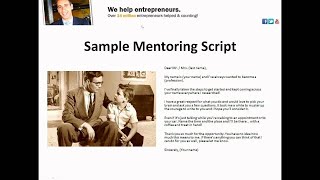
Moving on, so again, Pierre Midyar, "I want people to be entrepreneurs because they think they've got something of value to give to the world, not because they can think a lot of money." Again, this is where it's going to be really important. Provide the value, not just go after the money. One more from Dave Thomas, founder of Wendy's, "The more you give, the more you get in return." And it's true. Keep giving. Keep giving to your clients, and they're going to keep coming back. Ordering more, telling more friends. You know, referred clients will buy more, ask less questions, will be more loyal, they'll tell more people, and it's a great way to build your business without having to spend a lot of money on official formal marketing. And the last rule of our 6 is to model success. And this is one of my favorite tips, and I think it's an awesome way for entrepreneurs to shortcut their path to success. Is if you want to achieve anything with your business, even with your life, the best way that I found is look at somebody who's already doing it and try to learn from their success. They can help show you the way. And when I would have my first software company, I was 19 years old, didn't know anything about how to build a business, and was a little scared and thought, you know what, I'm not the first guy to try to sell software before. So we researched companies like Microsoft and McAfee and Intuit and looked at how did they get started. I don't care how Bill Gates makes an extra million dollars now, but how did he go from that idea to making his first million dollars? That's what I want to learn. This is what I want to be able to copy. And we copied those success strategies and put them into place in our software business, and we were able to explode our growth and get customers in 30 countries and get some branding customers and eventually get acquired, and we sold our business. And so it's an amazing way, and this is what we try to share with our ongoing posts, the famous entrepreneur profiles. Look at people who you respect, and it doesn't have to be somebody you know. For me, it wasn't people that I personally knew, but I still considered somebody like Bill Gates to be my mentor because I was able to learn a lot from his success. So when you're looking at mentors, you can look at people who you do know, who are, or who are, you know, actual people who you can get some contact with, but also what I call aspirational mentors. Who are people who you look up to, who you never even need to meet them to be able to learn from their success and copy it and put it into your own business as well. So a quick quote from Kiyosaki: "Your mentors in life are important, so choose them wisely." I couldn't agree more, and I think when you're looking at mentors, again, you want to find the aspirational ones, the people you look up to but don't know, but then also try to connect with real people, so people who are in your city. You may not know them, but you want to reach out to them and learn from their success. So this is something that I promised you guys right at the beginning, the sample mentoring script. And this is something that I would use if I wanted to get to know somebody who was, you know, close to me that I can go pay a visit to, but I didn't know them. That's something— somebody I've researched and was excited to meet but I didn't actually know them. So, you know, dear Mr. or Mrs. whoever my name is, your name, and I've always wanted to become an internet marketer. I've always wanted to become a carpenter or a retail store owner, whatever it is. I've finally taken the steps to get started and kept coming across your name everywhere I researched. I have a great respect for what you do and would love to pick your brain and ask you a few questions. It took me a while to muster up the courage to write to you, and I hope you'll consider it. Even if it's just talking to you while you're walking to an appointment or to your car, Name the time and the place, and I'll be there with the coffee treat in hand. Thank you so much for the opportunity. You have no idea how much this means to me. If there's anything you can think of that I can do for you as well, please let me know. Sincerely, your name. This is really hard to say no to. It's important when you're trying to get in on a mentoring relationship that you don't go in asking, will you be my mentor? If they've never heard of you— a mentoring relationship is an ongoing, time-consuming thing. So I get emails, "Will you be my mentor?" It's hard for me to say, "Yes, I will be your mentor," because I don't know anything about you. So when you're approaching people, you want to make it really easy for them to say yes. Make it just a tiny, little tiny time commitment on their part so they're not really investing too much, and then you can take it from there. This is a letter that's hard to say no to. They'll probably say yes to a coffee or a quick phone call, and if they see your passion and your enthusiasm and they like you, you can end with something like, "If I have any other questions, would you mind if I sent you an email or called you?" And almost always they'll say yes. People want to help people. If you look at any successful entrepreneur, you'll see that they had people who helped them get to where they are, and so they like being able to give back, but they only want to do it to somebody who they think will actually take their advice and use it. It's such a great feeling when you, when you help somebody and you see that they took what you said and put it to practice and had success. But it's a bad feeling when you go to somebody and you give them advice and they don't do anything with it. That's not a great feeling. You feel like you wasted your time. And so that's the risk for a lot of mentors. They don't want to waste their time, but they do want to help people who are genuinely interested in becoming a success and copying what they've done. So I would try to find people local who you admire, who you want to learn from, and offer to take them out to coffee and use this sample script as a way to get you started. If you do use it and you have success, email me because I want to hear about it. And then some sample questions. You want to think about what you're going to ask when you do find, you get that meeting. Why did you start your business? How did you get your first customer? What's a typical day in your life like? These are just some examples. You can obviously add more specific ones to your business. What do you love most about your business? What do you hate most? Biggest mistake you ever made? Do you have any advice for someone like me who's just starting out? So these are general ones that can apply to any business regardless of what industry you're in. And then I always try to add something at the end about, is there absolutely anything that I can help you with? And for the most part they may say no, but they could be flattered that you asked. You may not be able to help your mentor or your mentee out too much, but you still want to offer. A quick example from my own story, when I was getting started, I was mentored by an older gentleman, and he was not very technology savvy. He didn't really know anything about technology. He used, you know, fax machines and didn't have an email account. And so he gave me a lot of great advice, and what I did was I just set up quick, simple Google News Alerts for his company name and for his industry, and I kept getting ongoing research about what people were saying about him, and I would fax that to him, and he was really appreciative that somebody took the time to keep him up to date with what was being said. So if you have an advantage that you can use somehow, and usually there is a big age gap between a mentee and a mentor, so there may be something that you can use there to be able to benefit them, even if they can't think of what you can do. So you always want to look at different ways to do it. Now, if they are on quick hack, if they are on social media, one of the things that I've done is I'll have my assistant go, and if I know I'm meeting somebody, I'll have them check out their Twitter account, Facebook page, and YouTube channel if they have it, and I try to find something that they're interested in. So if they say they really like the coffee shop, the local coffee shop, then before I meet them, I'll pick up some treats from the local coffee shop. It's just a great way to start off the relationship. That's a bonus if they are on Twitter and they do talking about that kind of stuff. So those are just some sample questions. Again, you can come up with your own, but it's a great starting point. You want to keep it short, and hopefully if they see that you have the genuine enthusiasm and desire to learn more about the business, then they'll be happy to answer those questions and also give you further help as you go on. So they may not be your mentor, you know, formal mentor relationship right from the beginning, and that's something that's really hard to ask for. So make it simple, stupid easy for them so that they can say yes and you start off the relationship. So that was my big speech. Hopefully you guys enjoyed it, and I'm ready to answer some questions if you guys have them.
More from Evan


How the Biggest Mistake in History Created A Trillion-Dollar Empire | Sergey Brin



9 Machiavelli Principles That Force People To Respect You | Machiavellian Philosophy



The First 10 Words That Instantly Ruin A Sales Conversation | Vanessa Van Edwards

The Top 1% Mindset Behind The First $5 Trillion Company | Jensen Huang (Nvidia)

