Evan Carmichael started with a flip camera and learned to make videos cheaply before upgrading. Batch-record once a week, invest only when videos make money, and hunt for audience questions in forums and Facebook groups to build viewers from scratch.
Chapters
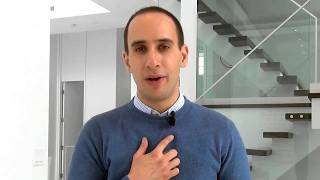
Hi, I'm Evan Carmichael. Welcome to another edition of Ask Evan. Today I'm answering a question from one of my readers, Richard, who wrote in saying that he had purchased one of my worksheet packages, Getting Past Survival, and he's trying to make a name for himself in all things entrepreneurship, and he's wondering how— what kind of advice I can give him on making videos like I do You have now become a wonderful entrepreneurial source for me. Thank you, Richard. So thanks for buying the worksheets, Richard. Hopefully you're enjoying them and working your way through them. To answer your question about how I do the videos, I'm going to kind of split that up into two, two components, I guess, for you. The first is talking about the equipment, and at the start, making videos can be really scary. I know for me, I was a little bit uncomfortable in front of the camera, and it took a while to get going. It took me lots of takes to make each video, and it was frustrating and a really slow process. Now I just kinda read a question and just start answering. So it takes a little bit of muscle to work and exercise to get better at it. If you're first starting out, your equipment— I'm not a big believer in spending money until I'm making money, so I try to do things on the cheap as much as possible, bootstrap, spend my time but not my money, and find ways to get it started. And so my very first video was off of just my little camera and use it off of a flip. And if you go back on YouTube channel, you'll be able to go back and see how poor quality they were. Things were shaking a little bit, the lighting was really brutal. And then slowly, slowly got better and invested in better equipment as I started making some money off of it. So you can go out and buy all the fanciest equipment if you want, but the risk is that, you know, maybe you won't love making videos or maybe it's not gonna be something you stick with and then you end up with all this equipment that you're not gonna use and you have to, you know, take back or sell. So I don't like spending money until I find a way to make money off of it. So it started off just me with my flip camera, you know, wobbly camera and terrible lighting, and slowly I invested more and back into it. Now I use just a Sony camcorder from Costco that I picked up. It's on a tripod that I picked up at a camera store, and I use a microphone that connects. So you can see here I've got a little bit of a microphone coming up through my sweater here, and I did that because people were complaining that the feedback, the quality of the sound wasn't fantastic coming from a flip camera. And so I just found the highest-end Costco camera that had an external microphone jack that I could plug into. In terms of the workflow, I just save questions that come to me from my readers and I put them on my phone and then I save them for the week and then I just kind of go through them and once a week I sit here at my house on a Wednesday and fire up the camera, get a cappuccino ready to go so I have a little bit more energy, and drink it back and start answering questions. And so if you're just getting started, you may not have an audience yet to pull from. Right now, all the questions that come into me are from my readers or Facebook fans or YouTube video watchers all over the place, which is awesome. But if you don't have that audience yet, you can build it up and basically go out and look for questions. So you could join different forums or different Facebook groups or LinkedIn groups and see what kinds of questions people are asking and say that you're you're gonna make a video response for them. And so hopefully then they'll watch it when you actually do create it, maybe spread the word a little bit about it. But that would be how I would get started if I didn't already have an audience to be able to pull questions from. So hopefully that helps. Good luck in getting a video started. It is a grueling and tough process to get used to. At the start, I always had to do it by myself in front of the camera. I felt when there are other people around, it was a little more nerve-wracking, a little harder to get the message out. And I've done a lot of TV and interviews and that kind of stuff, but for whatever reason, when it's just you and there's like a person watching instead of asking you a question like on a media interview, it's a little more nerve-wracking. At least for me, it was a little bit harder. So it took a while to build the muscle and just practice, and you may have to go do a lot of takes. You know, I may have only done 1 or 2 videos in a whole day that I was happy with, and now I look back on it and I think, oh, those are really bad. Those are really bad. But, you know, I kept them up there so you can go back and check it out. And now it's a lot easier to go through just as you get more practice with it. And we've had, I don't know, 400 videos or something like that that I've created now and keep going strong with. So, hopefully that helps. Good luck to you. When you do launch your first video, let me know. I'm excited to see it and I will definitely watch. That'd be a cool full circle moment. For those of you watching, if you liked the video, please give it a thumbs up below. It makes me want to do more videos for you. And if you have a question about this video or a question about your own business, I'd love to try to answer it for you if you want to leave it in the comment section below. So thank you, and I'll see you on the next episode.