Why Your Best Days Actually Start After 65 (Ask These 2 Questions)
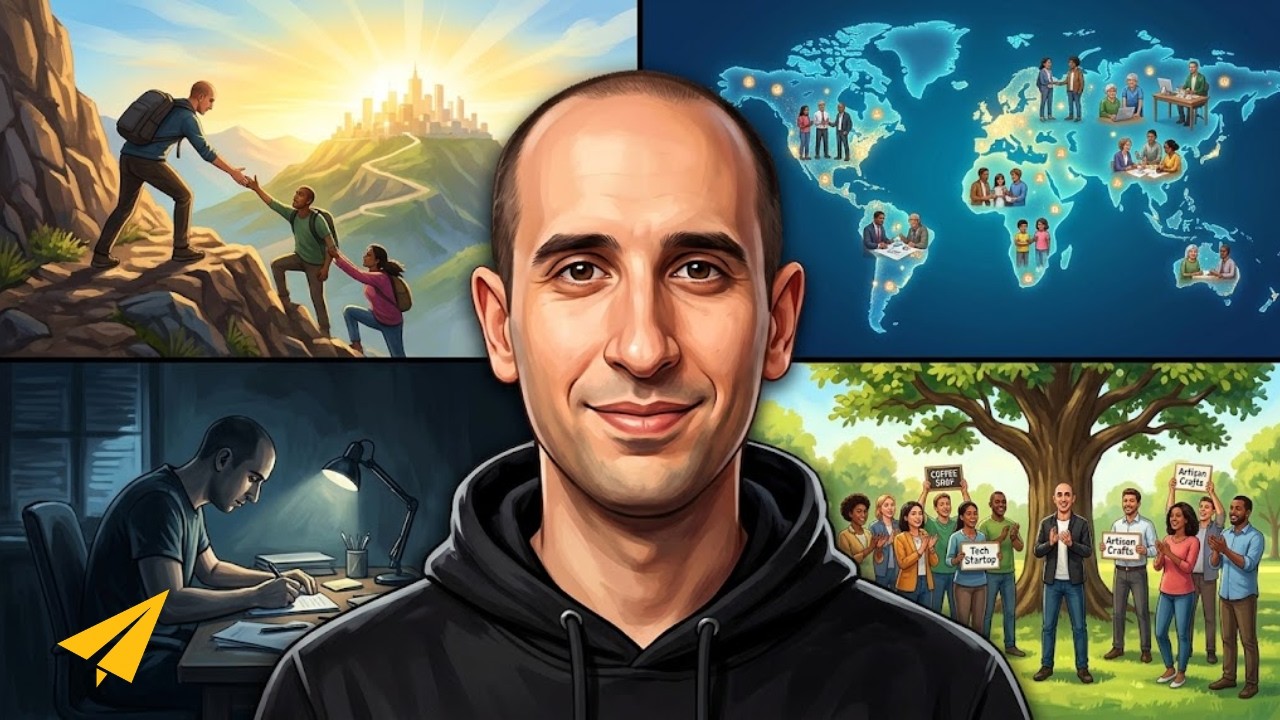
Evan Carmichael and Jason discuss how retirement can launch a second act. A 69-year-old built a 140,000-subscriber YouTube channel after selling his insurance business. Ask yourself what excites you and who you can serve, then solid financial planning gives you freedom to pursue it.
Chapters
People think their life is basically over the second they stop working. I worked every day, I showed up, it was awesome, and now it's great that I don't have to, but I don't know what to do. And so it's finding out that next level and that next chapter. I'm sitting down with my YouTube Mastermind member Jason to prove that your best days are actually still ahead of you. There is no age limit on your dreams unless you want to be a basketball player. Like, there's some things, I guess, like I'm 46, I'm too old to go play in the NBA too, right? But for the most part, there's no age limit on your dreams. What do you want to learn? You can go do it. Yeah, it's just the permission to do it. We talk about how to find a real purpose instead of just sitting on the couch all day. You don't just want to sit on the beach all day either. We want to have something, some hobby, some activity, some meaning, some purpose. It's, um, an amazing time because now you actually have the time to do it.
Asking that question of what, what gets me excited, or Who can I serve? I think that's like really tangible.
You'll hear exactly how another one of our masterminders, Markham, built a YouTube channel with over 140,000 subscribers in retirement. We have a member in Mastermind, Markham, who started a YouTube channel when he was 65. Yeah, now he's 69 and he's got 140,000 subscribers. It's crazy, right? It's awesome. And he's sitting there telling his friends like, I, I'm a YouTuber now. We also show you why learning simple new skills like dancing or woodworking can make you happier right now, that you don't have to go build build a multimillion-dollar business, right? Like, if you want— if that's you, awesome, great, do it. But just what do you want to learn now that you have all this time? What's a skill set that you wish you knew? Have a beginner's mindset again. If you love butterflies, learn. You love woodworking, learn. Like, just keeping your mind active every day is really important. Get ready to learn how to make the next chapter of your life the most meaningful one yet.
What if the best work of your life hasn't even started yet? What if retirement isn't the end of your story, but the beginning of the most impactful chapter of your life? If you're getting close to retirement or you're already there, you are going to love this conversation. Today I get to interview Evan Carmichael. He has dedicated his entire professional life to helping people, and he's done a really good job of breaking down what makes people successful and even more so fulfilled in their life. So if you're between the ages of 55 and 75 and you've realized this quiet ache that retirement isn't what you thought it could be, stay tuned because we're going to help you turn that into a life that has purpose that you get excited to wake up for. Evan, good to see you again. Thank you for doing this.
I got to bring you with me everywhere with that kind of intro. Yeah, yeah. This is fantastic.
I'm so excited to share all of my audience with you, or all of my audience, introduce them to you because, you know, you talk a lot about people's purpose a lot of times comes from their pain, whatever their purpose is. But I think also with retirees, some of that purpose can come from their passion. Maybe it's a hobby, woodworking or gardening or whatever, or it could be something from their professional life. So what advice would you have for somebody in this season of life that kind of feels a little bit lost in terms of purpose?
Yeah, I mean, a lot of, a lot of people struggle through the transitions. Like you had this identity, you were this person and you got a lot of meaning and camaraderie and friendship and felt like you woke up every day and like maybe you weren't making a massive impact, but you were doing something that other people cared about. You had bosses and colleagues, and then it's a— it can be a major shift to have to— now you wake up like, oh, I don't, I don't know what to do. I mean, I've got Jason, he's helping me save all my money, and I'm, I'm set financially, but like I need, I need to find some kind of fulfillment again. And Some people just take some time off and discover or travel or whatever, and others want to feel like they're making some kind of contribution to the world in some way. And so it's a great opportunity. I mean, it's a— it can be a jarring shift for people. A lot of people don't know what they want to do next. Like, I think a lot of people are hopefully planning financially so that they're set for the next X number of years of their life. Hire experts like you who are helping them figure that out so that they're not surprised, you know, like, oh, I don't— I'm not going to have enough money, right? You're helping them with that, which is amazing. But what are they doing with life afterwards? How do they find meaning and purpose and joy? And not just, you know, you don't want to just sit on the couch all day. Like, it's great you don't have to show up and work for a boss who maybe you don't like or whatever, but what activity you're going to do? We all want to feel like we do something that matters. Every day. And a lot of people really struggle on that journey, not just retirees, but anybody making— when I sold my first company, like, oh, what do I do today? It was great. It's like successful, awesome. You got an exit. But I worked every day. I showed up. It was awesome. And now it's great that I don't have to, but I don't know what to do. And so it's finding out that next level and that next chapter. And a lot of it comes from, you know, what are you excited by or who do you want to serve? He's like, if you woke up and felt like today was gonna matter to at least one person, what would it be? What would you do? And just having to be okay with not having it all figured out yet. Figure out your financial plan. Don't be messing around with that and you're like 65 years old, you're gonna retire in 3 months, like, I don't know what I'm doing. Like, talk to Jason, get all that sorted out. But the other stuff, what would be fun? You know what you want to do because you don't— you don't just want to sit on the beach all day either. Like, we want it. We want to have something, some hobby, some activity, some meaning, some purpose. And it's, it's an amazing time because now you actually have the time to do it. Mm-hmm. But also scary because you can do anything. It's blank page. A lot of people don't know what to do at all.
I like the way you frame that. Like, what do you get excited about or who do you want to serve? I think people can answer that question. If people are going from, you know, like working years into their retirement years, I think there's almost like this expectation that, hey, I just want to sit back. I just want to relax. I've had to get up super early. I've had to work. But asking that question of what gets me excited or who can I serve, I think that's like really tangible. I think that's really good that people can kind of take home. Is there anything else in terms of like simple steps? You know what I mean? Sometimes I think people just don't know where to start. You know what I mean? I think those two questions are good. And it's kind of like, you know, the kind of the what is around you, your immediate family, and then your community. And then, you know, so you can kind of work out what impact can I have in terms of people I want to serve or whatever. But anything else that you'd add to that?
Yeah, it's like, what do you want to learn and who do you want to help? So I did a series where we interviewed— I think the youngest was 75 and the oldest was 101. Of just advice. Like, you know, what advice do you have for living?
That must have been so much fun.
Oh, it's great. Oh, and like, so like, how does somebody get to 101 and still be active and have all the faculties and still feel happy? And every day she was learning something. It's like, what do you want to learn? Don't stress out about— you don't have to go build a multimillion-dollar business, right? Like, if you want, if that's you, awesome, great, do it. But just, what do you want to learn now that you have all this time? What's a skill set that you wish you knew? Have a beginner's mindset again. If you're curious about AI but are afraid of it, just learn. Like, as long as you're learning one thing— if you love butterflies, learn. You love woodworking, learn. Like, just keeping your mind active every day is really important, just for longevity, for happiness, for peace of mind, all of it. And so what do you want to learn? Like, what— there's no right answer. It's just what are you curious about? Pick up a painting class, go salsa dancing, whatever it is, right? When we're here in a salsa studio, that's why it comes up. But we, we have, you know, retirees who they never learned to dance. Yeah, like, I always wanted to learn to dance, I never learned it, so now I'm gonna, I'm gonna start, you know. I can still move around, I'm gonna learn how to dance. Yeah, like, that's cool. Like, it's inspiring. We have a member in Mastermind, Markham, who started a YouTube channel when he was 65.
Yeah.
Now he's 69, and he's got 140,000 subscribers. It's crazy, right? It's awesome. And he's sitting there telling his friends, like, I'm a YouTuber now. Yeah. And he started it because his dad, when he retired, just became an alcoholic, basically. Like, had no meaning, had no purpose. Drank, got worse, and then was drinking every day, and then drinking all day. And then eventually he, he basically drank himself to death. And it's a story Markham shared, so I'm not sharing anything secret. And he's like, I want a different retirement. I want to be active. I want to be healthy. I want to learn. I'm going to figure out this whole YouTube thing. I want to serve. I want to help. So it doesn't mean everybody has to be a YouTuber. Um, if you do, I'm happy to help. But, uh, what do you want to learn? Like, what is exciting for you? Instead of being afraid of it, beginner's mind, you're going to not be great at the beginning. But if I learn one thing every day, I'm going to be happier. Like, we love— humans love progress. We love getting better at stuff. We don't have to be world-class at it. But the idea that we are progressing at something makes us feel good.
Yeah.
Like, if you were in a job for 40 years and you just did the same thing every year, you're probably not going to be happy. If you progressed and you got progress and you got promotions and new responsibilities, like you— We want progression. You can get that with anything. So what are you curious about that then you can start getting some progression on? And then how do you use that to help? And what I love about retirees is just you have so much life knowledge. Like, why did I go to that series interviewing the 75 to 101-year-olds? Because there's so much life knowledge and advice and wisdom that—
AI can't replace.
Well, for sure. And the connection, the stories. That a lot of times people will feel like they have nothing left to contribute because their job is over. But it's like, you have a wealth of knowledge. So do you wanna write a book and share some of your knowledge? Like, what's the advice you'd give to your great-grandkids who may not know you yet, right? Whatever's inspiring for you. Like, there's no right answer except for the thing that makes you come alive. What are you happy about? What would you wish you always had the time to do? And then go do that thing. Even in small micro ways, right? Again, hopefully the finances is taken care of. If it's not, that's the most important thing, right? Like if you don't have money, that's super stressful, but you work with Jason, so hopefully you're all set, you know? But after that, right? Like what are you gonna do with your time? And so what are you gonna learn and how are you gonna help? And if you can answer those two questions, I think you have a fantastic retirement.
You're right, because, you know, like, Getting your finances in order is extremely important, but it's really just the fuel for your decisions. If you have confidence in your money, you have freedom in your choices. Well, then you have to make choices. Where do I want to travel? What do I want to do? I think it's funny that you said if you can learn anything, learn butterflies. So shout out to my wife. She hates butterflies. So I think that she's going to—
wait, how do you hate butterflies?
Believe you me, it's been a constant conversation about that.
But she'll bring that up in the—
she'll love seeing this. But I will say she had a conversation that parallels what you said. She was working at a hospital and there was this lady playing the harp and it was just beautiful harp. And so she just sat there during one of her breaks and was just taking in this woman's talent and whatnot. And the woman stopped. So she just walked over and started talking to her. And I might get the ages wrong, but I think the woman was like 71 and she started learning when she was like 66. She just, and the harp is kind of not a regular instrument or not common one, right? It's just, she had this dream. It was angelic and all this. So she learned it and now she's doing that. And she said that she actually has a lot of people that come up and just compliment her. And she says, I just love sharing, 'cause it's a way for her to share and serve, you know, 'cause she's bringing this joy.
There is no age limit on your dreams. Mm. Unless you wanna be a basketball player. Like there's some things, I guess, like I'm 46, I'm too old to go play in the NBA too. But for the most part, like there's no age limit on your dreams. What do you wanna learn? You can go do it. Yeah, it's just a permission to do it. And a lot of people just struggle to give themselves permission to go off and do it.
You jumped ahead of me.
I was like, okay, sorry, that's my bad.
Rewind. I think that that's something, you know, as an advisor, I encourage people, hey, your plan is in place. Quit worrying about finances. Go enjoy it. Right? Like, like if, hey, I want to leave these things to the kids, you can. And if that's the way you want to bless your kids, great. But what if you just grabbed them all and went on a trip and experienced it with them? As long as they know that they're going to be okay, they want to do those things. And I think it's permission. Permission to enjoy, right, your, your nest egg, your life savings, but then also permission to dream and permission to think about what I want. And I think especially like YouTube, like you said, um, you can learn anything. There's literally free, free everything. And I've always said like, I, I actually look forward to, um, to retirement in that regard is I already have a list of things, you know what I mean, that I— my kids are young, I'm, um, you know, running a business and whatnot, so I don't have necessarily all the time to do that. So I'm really looking forward Part 2 of that. One follow-up question there. In terms of purpose, I'm sure you've been around retirees, people that are 55, 60, a little bit older, maybe one of your parents, aunt or uncle, community member. Who have you seen that you're like, "Man, Bill seems like he's doing retirement right. He actually has purpose there. They did this and now they're doing this." Maybe it's similar, maybe it's in the same, but maybe it's not.
Yeah, so two people come to mind. The first is Markham, our Mastermind member, who like, he had a successful business in insurance and super successful and then sold it. His family business, I think four generations, and sold it. And that was now a major shift for like, I'm not doing this anymore and I have to find something new. And I have a fear that I'm gonna be like my dad who had this, became an alcoholic. And so, I'm gonna find a new way of doing retirement. And so, he calls it retirement transformed. And so, then he became a YouTuber. He works out every morning. He has all these— He had to shift his life and put it in a different direction, put all that energy. Now, he doesn't work full-time. He doesn't want a full-time job. But for the hours that he is— He also doesn't wanna sit on the beach all day. And so, he spends half his time in New Jersey in the summer and half his time in Florida. They bought a place in Marco Island.. And they go between, so they're always warm, but they're working on their channel and building their business part-time to the amount that they want to be retired and still enjoy their family, everything else, right? So for him, I see as someone who's— who had to shift his entire identity and did it, I think, remarkably well compared to where most people like really struggle losing a piece of themselves because their career is a big piece of who you are. The other person that comes to mind is We had Les Brown speak at our mastermind and he's 80-something and shows up and still has energy and fire and passion.
And he talked to us about AI.
He was like, yeah, like you're learning AI from Les Brown. It's crazy.
Sadie.
Yeah. And fierce and in it and intense and still loves what he's doing and serving. And he asked me if he can come speak to the group. Right? He's like, hey, what— what he asked, what are you most excited by? Like, my mastermind group. What's your mastermind group? Like, I have these YouTubers and we come and we meet and we try to help each other grow and build. It's like, I want to come speak there. What's your— when's your next event? It's like, in 2 weeks. I'm coming. Like, great, right? It's like the passion for what he's doing is still so strong. And so both of them are, are doing things that they are— I mean, so Les is in his 80s, Markham is 69. They're both doing things that they're excited about. Les just never stopped. He's been a speaker and getting your story out there, and he just never stopped doing what he was doing. And Markham had a major pivot transformation he had to come to grips with and build a better life, a new chapter. So both of them, I mean, again, I'm 46. I'm not there yet. But I hope that I have the courage to keep going like either one of them. Either I keep just keep doing this and it's, it's forever, and I, I'm doing YouTube or coaching or whatever until I'm, until I'm gone. Or if that gets taken away or I can't do it or whatever else, that I have the strength to pivot to, to something else. I love that you even bring it up because you have an ability to make complex things simple. And I think especially in the world of finance, a lot of people who look like you scare clients into doing things and like money is scary and people don't want to talk about it. And if you don't have this, you're going to end up, you know, broke. And it's like it's a lot of fear-based selling to then get people in the packages that may not even serve them but pay a higher commission, like all this kind of stuff. And like you flip it to like, no, I want you to actually understand these concepts. I'm going to make it as easy as possible. And you may have gone to school for it and never studied it, but like, I really want you to understand the concept. And the way you think, like, visually and can show it in a way that just makes sense is really a gift. But then to think about, okay, now, now that that's done, you have some peace of mind. Like, what do you want to do?
That's so much fun.
It was like— but that's rare. Like, for people who do what you do, it's also like super rare. It's not a common thing that's like, hey, we're set. Now what? How do you have a happy life? Versus let me sell you this other thing that you also need, or your kids won't have anything.
Yeah, it's funny, because a lot of times— I was just telling our team recently, I'm like, I feel like a lot of my review meetings are encouraging my people, my clients, to spend money to enjoy it. They've worked so, so long. And to just piggyback on what you talked about with Markham and with Les, Another interesting aspect of that is Markham works with his wife. So this second phase, he, you know, they have their thing together and then Les brought his daughter. And so they're, so that's like, it doesn't have to be like that, right? You can kind of have your own independent thing. I like woodworking and she does gardening, whatever it may be, you know, she does volunteers, but it can also be together and it can be a spouse, it can be a brother or sister, it can be a cousin, or it can be one of your kids or grandkids, which is, which is really neat.
I'm so jealous. Like, I mean, Nina's in— Nina's my wife. She's in my business. When I first met her, she had an accounting job, HR, payroll kind of stuff. And she didn't know anything about art, but she doesn't know anything about YouTube or any of this stuff. And then eventually she joined the company. We did a tour. We did 23 cities in 90 days, and I wasn't going to go without her. So she left her job, leave of absence, to like organize the tour. And she's much more organized than I am. Details. And I mean, you know, every compliment. Yeah, yeah, yeah. I mean, I would be a complete disaster then. But then after the tour, she just never went back, and so she just stayed in the business. And the idea that you can do something together, I think, is so cool. So Markham and his wife, I mean, they, they, they were intentional about what does a retirement look like for us. And it means spending time with family, and it means working out every morning. So they work out in the morning, they go for walks, they want to be, you know, warm all the time. So New Jersey and then Marco Island. And then last, like the handing off he does, he's in business with all of his kids and his daughter is now kind of picking up some of the mantle and doing training on telling your story. I think it's so cool. Like, that's awesome. I'm jealous. You know, it's great to have models to look to and it's great to have, advisors like you who are even asking the questions to frame the thinking because people may not have even thought about it until you bring it up because they're so stressed about, is our money okay? What does a life look like not just for you but for your spouse and kids and family? It's such a great— even just asking the question, what does a great life in retirement look like for all of us? Yields answers. Yeah, right. I just— a lot of people don't even ask the question because they're too stressed out or they never had anybody give them permission to dream about what could be next. So I think it's— I think it's a real gift. Like, the best year— your whole motivational speech at the beginning, I love, is great. Like, the best years are still ahead. Like, why not? Why can't it be the best years ahead of you? We're living longer than ever. The healthcare opportunities are amazing. What AI does to expand longevity is insane. You have your financial side taken care of. Like, what do you want to do? Where do you want to go? Who do you want to be? Like, the world is your oyster. If you think about like most people at 65 now, the opportunities they have compared to their parents at 65 is crazy different, right? Like, your parents at 65 is a completely different world than you at 65.
Yeah. And I want to speak to the lie that I think may be out there. That their wealth of knowledge, their life experience is being somehow diluted by AI. And I couldn't disagree more. I, I think that when you're 65, you're in this amazing time where you have so much to give, right? And so you can give some type of mentoring, you know, insights, whatever it may be. And then you can also, like you said, not have to be the sage. You can go be the student and go learn something new. So it's just wonderful. I think that Why and why not comes up a lot. Like if somebody says, I want to do something, right? Why, why, why? You keep asking that question, you're going to get to the root of it. And then unfortunately, there's a lot of limiting thoughts. I can't do that because why not? Why not? Why not? And you keep going down that road and then you find the why behind the why. And then you kind of get all the obstacles out of the way. And then they're like, all right, I am going to buy that RV. You know, I am going to go, you know, start that nonprofit, whatever it may be.
But, but no, that's like a mini rant on AI. Just that is, I think, the biggest thing missing for a lot of people. What is your job? Like, AI has a lot of great information. I use AI every day. I love it. It's amazing. So I'm not anti-AI. It's like, it's awesome. And you could ask AI almost any question. It doesn't mean you're going to go make the change. You could ask AI, how do I live a great retirement? You can ask AI, how do I lose £30? You can ask AI all of these things. It doesn't mean you're going to do the thing. That it tells you to do because there's still like doubt because it's not a real story where like Markham started his channel at 65 and grew it to 140,000 subscribers. That is real. And so you could ask AI, how do I grow my YouTube channel? And it'll give you a bunch of advice, but you may not believe that it's possible. But when you see somebody and you share your story, you're giving the person belief that you did this, you had this career, you went through these struggles. Maybe they can get through it too. Mm-hmm. Right? It's like the wealth of— it's why I love going to interview, you know, the 101-year-old and everybody else. It's just there's so much wisdom. But not just the advice. The fact that they went through it makes me believe that I can too. So if you're struggling because you're getting divorced or whatever, and like somebody's been through a divorce, You could go to AI and say, "How do I get through my divorce?" And it'll say, "Go to see a counselor," and give you great advice. But when somebody then says, "I went through this. I know what you're going through. Here are some things," it's just way more believable that there's hope that I can get through it too. And that's something that you're not going to get from AI or from a textbook. And I think that's where people are really discounting their lived experience. It's like it gives people hope and belief that they can— whatever struggles you went through and solved that they're struggling with right now, your story is the inspiration and hope for somebody to believe that they can get through it as well. Yeah.
And I think it also— that's a great point— hits on like those life experiences and things that people learned. They may not necessarily have written it down, so AI can't pull from it, right? It's just in their head, right? Like they, hey, I struggled during my divorce or I struggled with alcohol or whatever. And these are some tools that I used. Or whatever. And if that's not written down in a PDF form that AI can read, it's only in these people's heads. So they have this like gold. And I think that that's sometimes that people don't necessarily believe that or realize it, maybe even think about it, which is, which is an opportunity to, to do that.
Everybody, I think, should get some version of their story out. Doesn't mean you have to make a YouTube channel or publish a book, but just getting some documentation out that, you know, you lived and that you loved and that you had experiences and like whatever you would want to have your grandkids or great-grandkids know. I think, I think it's a valuable exercise to go through. It also realizes, oh, like I actually do know a lot. Like, yeah, I didn't realize how much I actually have inside me. And so whoever the person is, if your grandkids or your great-grandkids was like 3 years old, but Hey, what, you know, what should they know about life? You have an incredible amount of wealth of information to share with somebody who's now got their entire life ahead of them.
Yeah.
That you've experienced, that is believable because you went through it. That sure, they can ask AI for tactical things, but the fact that like their grandma, grandpa, whatever, went through it, it just gives a lot more. I think what a gift. Like, I think it's just an incredible gift that you can give them. Yeah. So if somebody hasn't done that, I think it's incredibly valuable.
Once again, you're two steps ahead of me.
Oh, okay.
Well, you know. I love it, man. You're so good. This is why I'm so glad you took the time to do this interview with me. My brother Justin wrote a book and the title is The Great Inheritance and the subtitle is Seven Steps to Leaving Behind More Than Your Money. And it is about defining your story defining your family values, and there's a lot of different reconciliation amongst people in the family because a lot of families are, are fractured. And, and it, you know, I think I probably see it more so than anyone else because I'm, I'm sitting there saying, okay, so who are the beneficiaries going to be? And then it comes out, right? You know, uh, I don't— and, and so there's all these opportunities, um, that you have, but kind of zeroing in on that telling your story and leaving a legacy, I think is really, really important. And so have you any practical advice, anybody that you've seen who's done this well? Like, hey, these are our family values. Here are my life experiences. Here's my story. Here's what I want our kind of family to stand for so that it survives generations.
I think about my mom. My mom was like our family historian. And she did this whole deep dive on both sides. Like, my mom knows more about my dad's side of the Carmichael side of the family than he does and traced it all the way back. And just, hey, did you know that your great-grandfather did this? And did you know that how all these people that came together and pulling— like, she cares the most about the entire family and knowing the history and who did what. And like, these are lessons that like, you know what blood you have in you of people who came from different countries. I don't often talk about the details because she's a very private— I mean, my whole family is kind of private on that stuff. But it's like knowing, oh, it's like I wasn't just born to my parents. Like, there's a rich history. And it means something.
Yeah, lineage, yeah.
Right. And it's like I have a connection that is really deep. And so just knowing some of those stories, knowing— growing up, I think my grandma was always kind of old, but knowing what she did when she was younger and the courage to come here. And that's in me.
Oh, yeah.
Right? And so it's like just knowing that that's in you because of what they went through is like, oh, maybe I'm stronger than I think. But they won't know that unless you share it.
Yeah.
Right? And I love that your brother wrote the book, and that's part of it as opposed to just— buy these index funds and how much you need for retirement. Because I think that becomes the most important thing. We want to leave a financial legacy for the people who come after us. But also, your story and what you went through and the courage could be a source of tremendous inspiration for people to know who they came from and what's in their DNA. I love it. I think is incredibly powerful.
Yeah. Can I slide in one bonus question?
One last one. Hit me.
All right. You have built an amazing company. You're 46. I know you don't plan on retiring anytime soon. But when you think about retirement, what— you know what I mean? Like, I've seen this, or I want to travel. I want to get an RV. I want to golf every day. That doesn't sound like you. But what do you think about when you think about retirement?
I hope I always do something. I want to wake up and just feel like I'm doing something that matters. Every day. And I hope that continues. I don't know what form it's going to look like. Like, I don't know what I'm doing tomorrow. I'm going to hang out with you tomorrow. I don't know what I— like, I'm not even halfway through, I think. Like, at 46, I don't think I'm even halfway through. So I don't know what I'm going to be when I'm 86 or 106 or 126. But I hope that I show up with the courage of Markham and Les Brown and my ancestors who come before me to continue to serve and feel like the best days are always in front of me. Back to kind of how you started, like, if you believe it's possible, then it is. And you're just one decision away from a completely different life.
That's fantastic. Thank you, Evan.
To learn how an Army vet built a $13 million YouTube empire, check the video right there next to me. I think you'll love it. Continue to believe, and we'll see you there.
One of the things I'll talk about is that $13 million deal with one of our partners, Vetcom. You want to turn your YouTube in an asset that can leverage your brand.
More from Evan


How the Biggest Mistake in History Created A Trillion-Dollar Empire | Sergey Brin



9 Machiavelli Principles That Force People To Respect You | Machiavellian Philosophy



The First 10 Words That Instantly Ruin A Sales Conversation | Vanessa Van Edwards

The Top 1% Mindset Behind The First $5 Trillion Company | Jensen Huang (Nvidia)

