Running Advice from Sifan Hassan’s Coach Tim Rowberry
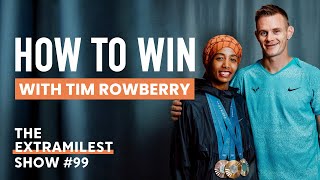
In this Zoom interview hosted by Floris Gierman, elite coach Tim Rowberry shares how he came to coach Olympic champion Sifan Hassan, his flexible, athlete‑centred coaching philosophy, and practical advice for runners of all levels. Rowberry stresses the danger of over‑specialising, urging a balanced mix of training stimuli and mental variety (music, podcasts, exploration) to keep mileage enjoyable. He highlights the importance of foot stability, occasional barefoot or grass running, core strength, and proper protein intake as foundational health pillars. Simple habit‑building tricks—like laying out running clothes the night before—are presented as powerful performance boosters. Rowberry also discusses his social‑media presence for sharing altitude‑camp experiences, the transition from middle‑distance to marathon training, and the value of humility and surrounding oneself with knowledgeable people. The conversation concludes with actionable take‑aways for recreational and elite athletes alike.
Chapters
figure out what makes you interested in running, whether it's exploring, whether it's listening to something, whether it's like listening to something you're learning while you're running. There's so many things you can do to, to make what would normally be boring better.
What are some, some common mistakes that you see runners make?
Yeah, I think it's the same between recreational and elite. A lot of the time everyone has a bias in training and whatever. There's something you're going to be too focused on, whether you're an amateur athlete or elite athlete or elite coach. There's always going to be something that you need to back off of, like you're focusing too much on. The first step to learning is admitting that you don't know something. You have to figure out what you don't know in order to even learn. I have, I have no ego when it came to asking absolutely everyone, you know, what should we do? If you're getting bored, it's because you're probably only thinking about one thing.
Knowing what you know now, what advice would you give to your younger self, someone who just started out coaching?
I'd say the number one key is patience. You have to have never-ending patience with athletes because it goes a long way. Never joke negatively. There's no benefit to it. There's just so many positive things you can do for people that you should focus your time on being positive and lifting people up.
In this episode of the Extra Mile Show, I'm joined by Tim Rowberry. He's the coach of Olympic and world champion Sifan Hassan. Tim is a thoughtful, curious, and highly analytical coach who blends science, psychology, and intuition to bring out the best in his athletes. We dive into his coaching philosophy, his approach to developing athletes over time, and the key lessons he has learned working at the highest level of the sport. We also explore what it's like to train and race alongside Sifan Hassan on some of the biggest stages in the world. We recorded this conversation over Zoom. Tim was located in Kenya at the time at a training camp with Sifan Hassan, and it was really cool to hear some of the adventures that they go on together. I really enjoyed this conversation and hope you do as well. This This episode was brought to you by LMNT. This is my go-to electrolyte drink for training, racing, and daily hydration. Whether I'm out on a long run, recovering from a hard workout, or just trying to stay sharp during a busy day, LMNT helps me stay hydrated without the sugar or junk found in many sport drinks. It is packed with science-based levels of sodium, potassium, and magnesium—exactly what endurance athletes need to perform at their best. Many members in our running coaching program are drinking LMNT daily, and they've found it very helpful too. If you would like to give it a try, go to drinkelement.com/flow. That is drinkelement.com/flow. They're offering a free sample pack with any purchase. Without further ado, I hope you enjoy my conversation with Tim Rowberry.
I've been training with Siphan, like actually doing her training. Like before the Tokyo Olympics, I was doing 100% of pacing her workouts. Wow. You must be in really good shape then too. Yeah, so I was like, so like when we were getting for Tokyo, okay, so like I was running for my life literally because, uh, at the time, you know, I only had, I only had a short-term contract in the first place when I, uh, joined Nike. And it was really one of those things where they were like, hey, yeah, we only really promise a year. Like if we like you, we can, maybe we can think about signing you to keep you on further later.. But they were really vague about it and I actually said no the first time they asked me. But anyways, yeah, so, so anyways, there's a weird way how I got into training Siphon and then like when we were going to races, even I think 2018 or something, like after her race in London, she ran a mile or something. I paced her on the track in some workout right after the race. Like, so it just because like I was watching, watching her, she was, she wanted to, she was supposed to do workout after the race., and I knew she needed help and I was like, so I like, I was like in an undershirt. There's all these fans watching from the, like the side of the track. They can see the practice track and I was just like, you know, she needs it. I don't really care. I'll just do it in pants or whatever. I think I might've been wearing some weird like jean shorts. I don't even remember. But, um, anyway, so that's a weird thing is I like, I've been doing a lot of training with her. Um, not all the time because, uh, I can't handle some of the long, long distance stuff that she does. Another weird thing is, I guess I really focus on overall health and I want to make sure that she has the longest career possible. And then I guess the third thing is like pretty obvious that like I am trying to come at the way that she does her running in a real unique way, you know, going from middle distance to marathon. I just really hate the idea that you can't do 800 and marathons at the same time. And I like, I really want to prove that wrong. I don't know if I'm going to get the chance, but I really want to prove that wrong.
Well, you're on the right track there. I want to start out with, you're currently in Kenya. You're over in Kenya with Sifan Hassan. Tell me a little bit more. What is an experience like that? I know there's different training camps, but are you currently going through a training camp, a training cycle over there?
So it's pretty— I'd say every year is pretty similar for us. So we're based in Park City, Utah, but during the winter, it's pretty— that you can train there. Like Connor Manz is training there and he's doing really well, but it's like not— there's better places to go, or at least more comfortable places. And with Siphon, normally we would go to Ethiopia this time of year. Um, and we actually had planned to go to Sierra Nevada and, you know, just try to really buckle down and get some good training. Because what happens is after we do these crazy things each year, you need just sometimes you really need to shut down for a month or two or three or even 3 months. Every year it's a little bit different, but it's one of those things where she shuts down maybe a little bit too much sometimes. And so then we're playing catch up this time of year, just trying to get her back in shape. And even last year, that was the case when we went into Tokyo Marathon. She was completely out of shape because I wanted to make sure that she was really, really ready to push into how hard it gets in the training cycles leading up into the Olympics.. So I kind of try to think ahead a couple of months. And so anyways, here in, in Kenya, we, we, it's one of those things where you have to adapt to the altitude and the environment first. And in a way we do it on purpose because we want to be so distracted with the new environment and the new training things and, and just trying to find a way to, to make what we do work in a new place., I think I'm using it as a tactic for both of us so we don't get bored. And so it actually just makes training fun. Um, because it's one of the hardest things in training is like, I mean, if training was fun, everyone would do it every single day. But I think it's one of those things where we are here because we wanna see the new landscape. We, we were here a few years ago and I'm actually surprised we ended up here again. And that was like a last minute like change. Like we were, we were gonna go to Sierra Nevada, we had their hotel booked, we had all of the, like, even even our flights and everything all arranged. And then we looked at the temperature and immediately changed our mind because it was like, why go to a place? We might as well just stay in Utah in that case instead of run on a treadmill, which was what a lot of people have to do there.
So anyway, so let's pull on that string a bit more. Even before we started recording, you talked about keeping things interesting in training and mixing things up. And I see that quite often with recreational athletes too. They might go through a certain training cycle for whatever distance they're training for, right? Like shorter distances or half marathons or marathons or beyond. And at some point it gets quite repetitive or it gets pretty similar. So what sort of way do you guys go about that? Like mixing things up? Like you do have that option where you get to travel quite a bit, but tell me more about how you keep it interesting in training there.
There's probably multiple ways to do it, but I'm gonna say that, I'd say the pro— the bottom line is you probably should set at least 2 goals. Most people just set a goal. I'm gonna do this one thing, or I'm going to do this. In fact, sometimes people get too rigid. They're gonna, they say, I'm gonna break this time in this race, you know, exactly on this day. And sometimes training is just not going in that direction. But what happens if you give yourself multiple goals? You say, I wanna do this and I wanna do this. What happens is you end up having to balance yourself out between two things that it actually makes your training better. It makes you more aware of what you're doing and it also keeps you so busy. Like I was saying, you keep yourself so busy that you don't have time to like actually get bored with training. You, you are always like, oh, what do I have to do now? You know? Oh wait, but I gotta do this too. You know? And I feel like that's how it is with like decathletes, heptathletes, those kind of athletes that have so much different things they have to do that I don't know if they would get bored of training as fast. I, I, I wouldn't know cuz cause I'm not one of those athletes. But yeah, that, that's the first thing I'd probably say is just have multiple goals and be flexible on the goals too. The year that Siphon broke the mile outdoor record, it was one of those times where like we were just doing normal training. We were, we were thinking about pushing her into the 5K, 10K that year. And she was, I mean, that's hard enough. And what happens is like if you see yourself naturally succeeding in a certain race, race type workout,, you, you really need to listen to your body and follow that because even if you set your, your heart on, I'm going to run this time in the 5,000 this year, if your body's telling you to go a different direction, you're just gonna hurt yourself if you keep forcing that. And so that's why those multiple goals help you have a realistic idea of, okay, where is my body trying to go? And then you're not trying to force things in workouts because if you really capitalize on what you're doing well in, in, in, in different years, maybe in one year you're having a really easy time doing a certain type of workout, but in a different year it's gonna be completely different and you might feel, feel, find yourself like even struggling in something that used to be easy. Just really just lean into that because those kind of things are your body trying to tell you like, hey, I, I can really go in this direction a lot more. So you just capitalize on what you're good at and, and then you just try to make it work. Like I, I'm not saying give up goals, but I'm saying be flexible in which if you see something happening, then, I mean, you push for the mile. Like, if you're doing really well in the mile, you push the mile. And if your body's letting you do something else, you just try to figure out what that is.
And do you identify that based on having conversations with the athlete? Is it looking at times? Is it like following your own intuition as a coach?
How do you go about that feedback loop? Yeah, well, I guess, I guess that's kind of built into the way that I do things because so every race has like an equivalent race time. Like if, like if you race a 5K, then you can have, there's a million calculators that say like, oh, you can run this fast in the 1500. And I think one of the ones I like the most right now that's like just easy online is the IAAF scoring calculator. And that one you can look up any race time and you can say, hey, what is that equivalent in a similar event? So if you do run a race and you, or even you run multiple races, multiple race distances, and you can kind of compare those two times, you can kind of see like, hey, where am I weak? Because I also see that like, even if you're good at one kind of workout, that also might be an indication that you haven't done enough work or you're completely skipping another type of workout. And the extreme case of this would be if you look at 5K runners in the Diamond League, if you wanna win, a lot of times they have to close their last mile sub-4 minute. Most people don't think like, oh yeah, if I wanna be a good 5K runner, I've, I have to also be a sub-4 minute miler. But that's actually the case. Like, and that's the extreme case of, of kind of looking at like the balance is if you were to look at the, the scoring calculator between like a fast 5K time and the mile, you might get overwhelmed by like what it says. In a way, you should probably also, that should give you confidence. It should tell you, hey, you might be capable of this too, you know, if it's a close enough event.
Yeah. And have you found some of those calculators to be Are they a decent indicator or have you found pretty big discrepancies over there too? The main reason why I'm asking, because sometimes I come across people who are very strong in a 5K or a 10K, or even some people who have run a 1:20 half marathon and they can for the life of them not get under 2 or 3 hours in full marathon. And so I feel sometimes some people are really good at one, and then just to be able to push that through in the longer distance, it might sometimes fall apart.
Yeah, yeah. No, I think, I think everyone has their own natural range and I, I think there's so many indicators in training of what kind of athlete like a specific person might be. And so you do have to kind of like get a feel for like other people who are similar to you that succeed in certain types of training or, you know, some things come naturally than others. But, but at the same time, if you work on your weaknesses, that's when you're gonna see the biggest improvement because your body never uses one energy system. It's always using anything it has. And so it's always in your benefit to improve the easiest thing that you can. So that's like a lot of people will just focus on mileage, for example, and they'll just do miles and miles and miles and miles. And to a certain extent that works in the, like the longer distance you do, the more that like is the case that you just need miles. But as you get into different race distances, the different energy systems you're using, you'd be surprised like instead of trying to add like another 20 miles per week, maybe you can just work on some of your speed a little bit or your form or your, your power, how much you're lifting, that kind of stuff. There's, there's like a lot of things that you can probably improve faster. But in most cases, those calculators I think have been more accurate than you would think in showing you what your weaknesses and what you probably should be working on. At least that's, that's the way that I see it. And I know there's people that like, obviously I'm working with Sifan Hassan that has like the craziest range ever. So I, I completely understand that. But at the same time, um, I think that everyone has a range within them and that there's no question that everyone has the same energy systems and that you can, you can benefit them to a certain extent.
That's fascinating. It really is. And, and indeed she does have such a range between 800 and the marathon and everything in between. So yeah, um, talk to me a little bit more about Kenya, like, so you guys are there now, like, do you typically go just for a few weeks or do you spend multiple months there? And what, what does that look like when you're out there?
Yeah. Yeah. So, so like I said, I think we have a pretty repetitive schedule every year, but it's just a different country we're in. We got here in January and that seems to be what's typical. You know, she'll be training in December, but it's pretty, you know, just building up. Um, I met her in the, the Netherlands for a few weeks first. Um, and then we came here near the second half of January. So she was coming from, from sea level and I was coming from Utah, which was like a, a good advantage. And I like used that as much as I possibly could. So when we got here, I was like looking back at her and runs and I'm like, oh yeah, like she was dying. And I'm, I'm just like, wow. I'm, I finally have the edge. I just gotta keep, keep this up, you know? So, so I, I mean, so far it's just been building mileage and what it typically looks like is we, we just introduce, you know, workouts little by little. So, like I said, it, like you just try to touch on all the different energy systems and I'm someone that tries to mix in every type of workout. So, I mean, every type of speed. So like if you were just to look at, Hey, my mile race speed is this, my 10K race speed is this, my marathon is this, whatever. Um, I just try to keep mixing it up, going through the different paces. Um, maybe that's me, another sign that I'm getting bored easily of everything. It's pretty boring though. We, we come here, we eat, we sleep, we train. Um, it's, yeah, I mean, we're staying in Lorna's Camp. I don't know if you know. The high altitude training, it's like the main place that people stay. Um, and we're staying in like one of her— she has an apartment that's outside the main facility.
Uh, it's like 800 meters away. So we, uh, Alderete or Katagat or—
no, no, Iten. Oh, Iten. Yeah, there you go. Yeah, yeah. But Sifan is actually part of Global Sports Communications and they have their own camp in Katagat, like with with Kipchoge and Faith Kipyegon and everyone. So we could have joined them, but Sifan's a lone wolf and she likes doing her own stuff.
So, so it's mostly the two of you guys going out and getting your workouts in and going through the training?
Yeah, right now it is. Yeah, yeah. I, I want to have more athletes with me in the future, and we're working on that right now actually. But right now it's just, yeah, really boring. Just me and Sifan going out on runs getting lost in the forest. We've explored probably more than most people would possibly want to here. Got some funny stories of just exploring itself, though.
Tell me more, let's go! Like, I think those are kind of the things that keep it interesting, right? Like, yeah, you can put in all of your mileage that you want, but I think it's sometimes those things that, that somewhat of an unknown kind of going into new territory. So tell me about some of those, like what, what did you get into on some of those runs?
Yeah, well, like I said, when I first got here, I was in a little bit better shape than Sifan, and, um, I know that doesn't last long. So it's like one of those things where like I've gotta, I've gotta do more than usual to like keep ahead of the curve, um, especially because like, I mean, she's, she's crazy good at the marathon, and, um, I'm, I'm like a pure 400-meter runner. Like doing the distance stuff is not natural for me, and it's something that I've like learned since I've been coaching. Is like getting more into the distance stuff and exploring that. And I was always like a low mileage person, but, um, so since I've been here, um, so I started waking up, uh, she would do her runs like mid-morning and most people wake up early. So I was waking myself up early and doing a secret run on my own. And so I was like logging these on Strava and all that stuff. And, uh, so I'd do a secret morning run. I wouldn't tell her. And then like sometimes I couldn't guess like when she'd be ready for her run, but sometimes I'd only have like 30 minutes or like an hour, you know, not much time to like get to the next run with her. And then she'd go explore and we'd do some crazy long run. And so I ended up running, uh, let's see, 210 kilometers in a week, um, because I was doing that. Because like there was one day that I ran like 40 kilometers, 42 kilometers, like in runs, and it was like 3 runs split up or something like that. And, um, it was because like I did one of those morning runs and it was like a little bit longer than usual, and then We went into the forest and it was one of those days where we found like this beautiful trail. We just kept going up and up this mountain and then I'm just like, are we going to go back? And then like by the time we came back down the trail, I think it ended up being a 30K run by itself or something. That's what it felt like. I don't even, I might have damaged my brain at that point, but the whole time I was looking at like every tree and flower and I was like, I want to eat that flower. I was like so dehydrated and like anyway, so we were, We found a really cool place, but then we were supposed to be heading back and Sifan wanted to go up one more hill. And it was like, like the hill is not easy. Like Kenyan hills are like legitimate, like they're real, like, ah. So anyways, we start going up this hill and then like, I'm like arguing with Sifan, I'm not going to go with you. Anyways, I end up following her anyways. That happens every time because I like, I'm also worried about her being safe and just being by herself exploring and all that. So she's running up this hill and then, and then she starts turning around and like at that point I I was just like, my mind was just like, nope, I'm going to still keep going. And so I just like, I kept going up the hill, made her follow me, made her do even more. And so we actually had an interview later that week with the Dutch media and they were trying to record us, but we were just like laughing so hard because like, I was also dying. So I was like making these like terrible breathing sounds like, oh, like, you know. And so anyway, so Sifan was trying to run in, but she's also laughing this whole run. Anyway, so, well, yeah, so we're exploring the middle of nowhere and just trying to survive. And, um, anyways, that's like a typical easy run that happens for us.
That's the best though. Like, I think at that point you almost lose sense of time and place, and it's just you guys getting the mileage in, but really like catching up and exploring and just discovering. Like, that's, that's a nice way of getting out there.
Yeah, and we, and we split up, like, so we have a healthy, like balance to like, Sifan just does her own thing when she needs to do her own thing. And sometimes I just need to do something else. And so like half the time she'll be like, hey, come, I want to show you this trail I found. And then like, I'm like, no, no, no, no, come on this one I found. So we're like fighting about which way we're going. And yeah, anyway, so yeah, it's a really nice way to keep interested is just to keep exploring. And not everyone has the ability to find more places, but who knows? I mean, like go down a new street. Um, for at least for me, when I would have like a goal of like, hey, I want to see what's over here, that gave me so much more motivation to just do my runs than, um, yeah, unless you love a run. I, I'm also one of those people that if you love a place, then you can do it every day, you know, goes both ways.
This is one of the reasons why I love trail running so much too. As much as you will be racing on road, or at least Siphon, or on the track or on the road, just how much it changes your environment, how soft it is on the body, how it keeps things interesting. Like, I think it's such a great way of getting, getting those workouts in. And then obviously there at altitude and with some of the hills, that's a whole nother level, especially compared to the Netherlands where it's pancake flat.
So no, and I do want to point out that we stay on the soft trails. Like, like I remember asking when, when I was just getting to meet pro athletes, I was like, I was asking them Like, where do you do your easy runs? And I was like, how often do you run on the road? And they would say like, 95% of the time we don't go on the road. And I'd just be like, what? Like, really? And I adopted that myself. And I'm, to this day, I, I, I think it's one of the best place to, ways to stay healthy is just stay off the road. If you can try to get on a soft surface, it's getting harder and harder to find these days, but it's, it's so good for you.
What about when you go into speed work into like, pushing it harder or as you get further into the training cycle, how do things change at that point from a day to day?
So I, I mean, we're, we're kind of in that period right now where we're trying to pick up speed workouts and it was one of those days where like on the warmup, Sifan didn't feel good and we were gonna cancel the workout. Honestly, like we were, we warmed up and we're just like, nah, this is not happening. Like maybe we can try to, come back in the evening cuz she's, she's fasting right now actually this whole month. So it's like we have to really play it by ear on a lot of the workouts to see like, I'm not gonna push her past what she can. We ended up doing the workout anyway cuz I was just like, oh hey, let's just, let's just do one stretch. Oh, she was like, let's do one 200. And we ended up doing just jumping into a workout. Like, so even though mentally and physically she didn't think that was gonna happen that day, sometimes you just have to throw yourself into it. You have to start somewhere., and I'm a really like logic-based person. So you like, whatever you do has to make sense of something you've tried. And if you haven't tried anything yet, then it's time to just throw yourself into something and figure out where you're at. Because if you have no point of reference, then you can't really get better easily. So it's, it's, we always have a goal of where we're trying to get, but every year's different. We never get to the same place every year. Sometimes her speed's better, sometimes her, her endurance is better. Sometimes we'll do more volume than others, but I think we keep things pretty simple compared to other people. Yeah, not, not a lot of the really, really crazy marathon stuff that I've seen out there.
And I do think that flexibility in training that you're talking about and listening to the athletes and still kind of testing the water sometimes with how things feel, because sometimes indeed it might be at the beginning of a workout, you just don't feel like it, and then that feeling can change rather quickly again once you're moving. So it's, yeah, that's, That's a good approach. How do you go about that, about pushing athletes hard enough, but also knowing when to back off? How do, how do you go about that?
Yeah, so I mean, that's, that's really one of the reasons I'm still running right now and the reason I'm trying to train with Siphon, because I know that my days are numbered. I can't do this forever. I can't do it that much longer. But it's one of those things where I try to stay in touch with exactly how it feels and exactly where my own training falls apart. So I can prevent that and what she's doing. And, um, there was times in the past when I would see coaches pushing their athletes, like I'd see, you know, a coach even getting more out of me that I thought that I could get out of other people. And I'd always be like, oh man, I'm like, I'm never gonna be able to push, you know, you know, push athletes or inspire them to do these workouts like other people. And I think it's one of those things where like the better you get to know someone, the more you can. Kind of, you know, you know where to push and pull and you know where you, where you need to change things. And that's the best thing that I've like kind of built up with Sifan is that we have been together and done so many workouts together and I, I made so many mistakes before I met her with college athletes and learning, you know, from mistakes that, yeah. Yeah. I think it's one of those things where even I would joke with her and guess her heart rate after runs and I would be on. I could really get, even guess like what her, like her pace was or her heart rate, um, just by looking at her. And that's, that's something that you build up over time. So I think it's, it's something that, I mean, with yourself also, like sometimes you know exactly what you can handle, what you can't handle for better or worse. You might be boxing yourself in. Yeah. Yeah. I mean, but everything's goal-based. If you want something, you have to do the work that's necessary for it. So like if you say you wanna do a marathon, but you're not doing the work to do it, then you either pay for it in that workout or you're gonna pay for it in the race. And that's what I, I always tell myself is like, hurt now or you're gonna hurt later. So you might as well make yourself happy in the future and, and just do the work now.
About 3 years ago, um, we're in Eugene, Oregon, and we had a coffee and with Eliud Kipchoge and Sifan Hassan was there as well. And at that point, Sifan actually asked Eliud, she, she asked him like, all right, what is it gonna take to run marathon under 2:10. And like, come on, Elliot, like, give me some advice over here. And it really did come down to like, be impatient with it. It's like a long-term approach. And it's like, but you have to put in the work as well, the consistency and building things up over time. And you can't rush through that.
No, but that's why, that's why the goals are so important. Like, if you have to have like somewhere you're looking towards, because if you have, if you have a really clear vision of where you want to get to, it's so much easier to make like a road to get there, or, you know, it's just, yeah, I think having that long approach or exactly know where you're going is just so invaluable.
If there's a few memories of you and Siphon that I can think of over the last several years, one was the London Marathon. That one stood out to me a lot. I was at mile 25 at the Chicago Marathon when Siphon came flying by and she won that race. And then there was Siphon falling into 10,000 meters and getting up again. There's, there's been that, that it really seems there's no dull moments when you're, when you're training her and, and racing with her, isn't it?
Yeah, yeah. Well, I mean, maybe is it because I built— I build in the craziness in our training? I mean, like, uh, maybe because we're always in such new situations that we bring the chaos on ourselves. I don't know. But yeah, we've been in such interesting situations. I, I always keep like, every time something happens, I'm like, wow, this is like nothing like this is ever going to happen again. And then like something crazy happens at the next competition too. And so it's, it's, uh, it's a lot of fun. But like, I mean, maybe we've seen the craziest stuff, I don't know, but probably not.
When you were going from a shorter distance to a longer distance in training, how was that How did that training approach change? Because obviously running intensity had to be quite different. How was it for Sifan to start running at a lower intensity and putting in more mileage?
That was really, really hard for her. Yeah, to change the intensity level. The whole time we were in the press conference, she was looking back at me and even on the bus to the race on race day, she was just like, what am I doing here? We're with all these people who are like really serious about marathon and I'm just like, I'm just totally out of place. And it, it was one of those things where we tried to follow what people said. Like we, we got advice from the best people in the world. I mean, she was lucky to be someone that was able to talk to Kipchoge. Like we literally saw him in, in the Netherlands. We, we would go to Nijmegen and while we were there, he would be staying in the same place as us. And, um, at the same time, you know, I'm also a fan of running too. Like, I'm also just like, like, we're just talking to him casually. He's just hanging out with us and it's just such a weird thing, you know. And then just being able to ask like, you know, you know, what, what should we do? Like, I have, I have no ego when it came to asking absolutely everyone, you know, what should we do? And then before the race, we talked to even Steve Cram, who was one of the announcers, and, and asked him his experience there in the race. And he was actually really, really helpful and just, you know, helping us, you know, kind of visualize the race and, and, you know, how to get into it. And going between the low intensity and the high intensity has been really hard. And even today, I think we, we're still learning because going from marathon back to the doing, um, speed stuff, Stéphane was really afraid that she just would lose her speed doing marathon stuff. So she hasn't done sprinting in, you know, I don't know how many weeks or whatever.. And, um, but then she found that she, it's just there. She naturally has it still like that. That was definitely a talent that she was just born with to be able to do some of that speed stuff. And so, um, again, it might be one of those unfair situations where she has a huge talent to, to be able to do that. But at the same time, I think it's again, one of those things where you have to start somewhere. You just have to figure out where you're at. And just try and then you just build from there. So there's, there's no easy answer. It's just one of those things like if you, if you have to do two things, like for her, she has to get ready for the 5K finish in the Olympics and also the marathon. You just have to throw yourself into a little bit of both and then hope it's enough because you can only do what you can do.
I really like what you said earlier about the part of kind of setting aside the ego and just asking, different people who have the experience and who have gone through some of these different things that you might have less experience with and being very open to that. I think that is what makes you a great coach. That's what makes you being open to continuously learn. I was listening to some of your other conversations and you said that you're very frequently listening to different podcasts, that you're diving into what other experts are saying on the field of nutrition or the field of other different areas. And I think I think that's really, really key to continue to learn that way. And yes, you have your own intuition, you have your own experience, but then also surrounding yourself. And obviously you have access to great people there.
So yeah, that's a really good way of going about it. Yeah. And I heard this, I think it's actually, they said it was a Chinese proverb. Who knows if it is, but it was like the first step to learning is admitting that you don't know something. So it's like you have to figure out what you don't know in order to even learn.
I thought that was an interesting way of looking at it. Totally. Totally. How do you guys measure running intensities? Earlier you talked about heart rate. Tell me a bit more about the data that you guys look at, because I sometimes see Sifan really listening to her own intuition. But I'm sure you guys have more of an approach in the backend as well that we might not see.
Yeah. Okay. So a lot of it comes from just experience with the athlete and that, but Siphan has a really unique past where she was with, uh, Henri Hoot. Uh, I don't know if I said that right, but she was with Henri in the Netherlands and he was really heavy into the typical pure middle distance, um, lactate training. And so Siphan was doing the lactate testing. She was really into that. She, um, it was driving her crazy too. She hated, she hates doing the lactate testing. Um, but it was one of those things where if you do something enough, you can actually learn, you can figure out what the number is just by feel. Like you're like, oh yeah, that's what it feels like. Okay. And the same, I had the same experience with heart rate. Like I used to, you know, look at my heart rate constantly on runs and then like you get into a practice where you like, you can kind of guess like my heart rate's about this or, and then it's, it's the same with like some athletes can really dial it in on a certain tempo workout or, Everyone has their own workout where they, you know, they just kind of know how it feels. And so because of that, we haven't had to jump so deep into like as lactate as like some other people do because Siphan kind of knows how she felt when she was succeeding in a lot of those workouts in the past. And I can kind of see where her energy is at in the workout. So the data we do use is like, I'd say we do look at heart rate pretty often to get just an idea of where, how she's recovering. And I was mentioning earlier that like sometimes I could even after her run, I could guess what her average heart rate was on her run. And so I think that's one of those things that like I'm using that on purpose as a practice that I can kind of see like, no, no, she's getting fatigued. We need to back off on this. Or, you know, we're doing a little bit of this, a little bit too much of that. And, um, yeah, so I'm trying to think. We're really careful on nutrition, I think, more than anything else, of just trying to make sure that we're following all the basics on that. Um, that's one thing that we're really, really careful on.
I'm always trying to remind her about every little thing. Tell me more about— you're saying we're really careful about nutrition, meaning like eating the right foods, eating enough calories, eating and like fast enough after workouts?
In what sort of way are you careful about nutrition? Yeah, so we, we never look at calories by themself, but when it comes to like micronutrients and, and that's one of those things where like when I'm listening to the podcasts, there's like, there's, I can never find enough podcasts to learn new stuff. There's just, there's too much stuff out there. I have a list of probably 20 that I wanna listen to right now and it's just so hard to find time. I just try to keep up on, you know, the latest like You know, what are the recommendations for simple things like protein? I'll, I'll message my friend who's an exercise, physiologist at a university all the time to ask him a simple question of like, how many carbohydrates do we need to recover from this workout theoretically? And like, he's able to just spit back a number at me and then I can be like, okay, well there's no way that Sivon's gonna need that. Like in between events at the Olympics, for example. And I can be like, okay, well, So you can drink fruit juice that has that many carbs. You know, like it's just like one of those things we're like looking at making sure we're getting enough protein and carbs in, but then also those, all those micronutrients. Like there's, it's, it gets so complicated that I don't even know if I wanna get into that with just the, you know, antioxidants, polyphenols and you know, just all those things that you can really get down into getting obsessed with how, you know, fiber, how many different types of fiber you can get. And like there's, there's a million things fermented foods. And you know, there's, there's, there's so many things that you can balance in your diet that I think most people will balance one thing and then they forget that there's like, there's like a whole spectrum of foods that you probably should be eating in a week that like you're just gonna forget. And that's, that's the one, you know, with training, that's just how it is.
There's always so many things to think about and you're trying to remember as many as you can. And sometimes even going back to the basics, right? Indeed. Like keeping, keeping some of it simple and some of it on a consistent basis, clean. And yeah, you have many years of coaching experience right now with athletes on a variety of different levels. Knowing what you know now, what advice would you give to your younger self, someone who just started out coaching?
I'd say the number one key is patience. You have to have never-ending patience with athletes because it goes a long way. And never joke negatively. There's no benefit to it. And there's just so many positive things you you can do for people, that you've got to— you should focus your time on being positive and lifting people up and giving them more confidence. You never can learn enough. Um, if you think you know what you're doing, then you're wrong. Um, yeah, I don't know, there's, there's so many things. Like, it's, it's, it's one of those things where, like, I think about the mistakes I made in the past so, so much, and it's one of those things where, like, of course you feel sad about making mistakes, but those things are what make you better in the future. So you just have to trudge through making, you know, it doesn't go well with every athlete all the time. Unfortunately, you, you learn from mistakes and that's, that's gonna, you know, whatever athletes I have in the future are gonna learn from whatever mistakes I make this year.
So, so well said. I do, I do want to go back to the London Marathon for a bit. Siphon's first attempt at the marathon. You guys went through a training cycle, went into that. Sifan went to the press conference and was almost speaking about like, I don't know what's going to happen kind of thing. And that seemed to be like both your mindset and her mindset. Talk to me a little bit more about the actual race day, how that experience was for you guys, and like kind of what unfolded on race day just from your perspective there. Her first one in marathon, that's what you're talking about, right?
Yeah, like her, like the actual first, first marathon day, like the London Marathon when she was running that? Okay. Yeah. So we were training in Ethiopia that year and like you were saying, you were asking how it was for her to go from like the high intensity stuff to the low intensity stuff. We were just completely out of our— that's not something I had experienced with myself. And so again, I was leaning on other people. And so when we were in Ethiopia, actually, I want to say like less than a month before,, we had decided to cancel the race and we were like, yeah, we're not gonna do that. There's no way we're gonna be ready. So, but we were, but we were just like, okay, but even though we're gonna cancel it, London can't announce that. We don't wanna mess up their marketing. And cuz that's just how it goes. And so, and we're sort of like, well, okay, well if we're gonna try, then what do we have to do? What's the bare minimum? And then we were like, okay, well at least we can try to do, you know, this many long runs in this time. And if we can try to, you know, get as close as we can to, to getting, you know, some of the basic advice of what these other runners say that you have to do. Um, at least we can do that much. So we, we just, you were, we were just kind of trudging along and she was, you know, just trying to just do her basic training. She was doing runs with other athletes there, um, trying to do those slow things and just, you know, like the whole time she's like, you know, I really have to go this slow, you know? And then at first she tried to go too, like she, she tried to ignore it and she just was killing herself because if add miles plus intensity, like it just, it hits you pretty fast. Like you just can't do it for very long.
And so she hit that wall first and learned from it. And then, um, real brief, what, what intensity would she have to run? Like she would have to run like a, like zone 1, zone 2 and keep the heart rate below whatever.
1. Yeah. Zone, zone 1 was an alien to us. There was no zone 1 happening. It was like all zone 2 or higher. Um, that was, that was our norm. So,, yeah, learning, learning to feel comfortable doing any zone 1 or, or just not feeling like it was just wasting our time. Um, that was something we had to learn. And then even when we got like 3 weeks out from the race or something like that, we sat down with, um, some people who are coaching some top Ethiopians that like, like probably know exactly what they're, they're talking about. And, and we were like, so this is what we've done in training so far. We've been on this, this, this.. And they were just like, no, you can't run it. You're not ready. That's not, that's not enough. And so like, again, we were just like, okay, well, I mean, we already signed up for the race and like, like our mindset literally was, okay, let's see if we can make it to 35 kilometers in that race. Let's, I just wanna see if we can get that far. And obviously we were, we were doing like the mileage that was necessary, I'd say, but it's like, but then we were seeing everyone else that was getting ready for these marathons are doing like these crazy like 5K repeats, 3K, 1K, 2K, like doing these like insanely long workouts and they're at altitude and we are just like trying to survive basic workouts on top of the mileage. Like we're just doing, you know, some 600s or some 200s and like we had the mindset of like, we literally decided at one point like, okay, well we might just try to run this and like if we have to drop out, that's fine, but let's start getting ready for track. And I, there was even, I think I still might be one of my posts is still there as I posted Siphon. Um, I think I posted like track plus marathon cuz I was like in my head I was like, uh, yeah, well we're getting ready for track now. Um, even though the marathon is like gonna happen to us, we really had like half con— like half decided that the, the race was just gonna be terrible and that we're gonna do it anyways. Just like, okay, we'll just do it. And, but anyways, like I said, we tried to do the bare minimum. We tried to do like as much as we possibly could with the energy she had to get used to those miles. And then when we got to the race, she was, uh, like, like I said, on the bus even, she was just like kind of looking panicked at me, like, do we need to stop this? Should I just not run? Like, should I just not do this? And, you know, I was just like, let's just get through what we can, get through the spirit experience, see how you are. We, like, she just wanted to see, can I do this? Can I finish a marathon? Like, that was still a question in her head, like Can I do a race and not just like drop out halfway through or something like that? Cuz we've seen so many people struggle. So, but I, I should say that, um, at the dinner before I told her that like if she would, I made a bet with her that if she won the race that I would go off sugar for the rest of the year. And she said, she said, no, if I win the race, then you're gonna go off sugar until the, until the, um, Paris Olympics. And anyways, that ended up happening. I went off sugar and yeah, I was, yeah. So anyways, like there was like always a healthy amount of like optimism, but also a healthy amount of like, you know, just let whatever happens happen.
Yeah. How does it go for you on a race like that? Like when you are trying to follow your athletes, are you like, because for example, for me, even at the Chicago Marathon, I wanted to see Siphon at several stops. Spots. And so it was my sister and I were kind of like just looking at the route and we're like, okay, we can see it here and then we have to cross over there, we have to look over there and then we can maybe get like find another way to get towards the finish line at mile 25 or whatever.
But how do you go about it as a coach? Yeah, so normally what they do is they bus all the coaches from the start line to the finish line just right after the first like 10 minutes of the race or like in the first something. And even on the bus, sometimes they'll be showing us the race on the monitor. Um, but I think everyone knows how marathon, uh, broadcasts go as far as just like showing commercials or talking, doing interviews in the middle of the race when like a break happens. Anyways, they drive us to the finish line. I got a chair in like right in front of this big screen TV, and it also was arm's length from like, you know, the coffee table and snacks and all that stuff. So like I could actually still grab stuff. I was just, that was the most anxious I have ever been in any races just watching those, that race. Um, because yeah, when she, when she was like grabbing her, her leg or like, yeah, when any of those things happen in those races, I'm immediately like, oh my gosh, like I hope she's not injured. Like that's the only thing that I care about is just, you know, like whatever the experience is, getting injured is, is something that's hard to come back from mentally and physically. So it's just one of those things where like, you know, I'm just like, oh, I hope we didn't mess this up. Like, like it's, if you push too hard in a workout, that's one thing. If you hurt yourself in a race, it's usually worse.
But, um, yeah, it's just cramping up at multiple occasions, right? Trying to do mini stretches. Even the announcer saying Sifan should just get off the course, like she is making a fool of herself, like what, she just doesn't know what the marathon is. Is it like the negativity that came out of some of the commentators? Yeah. And then like she took the water bottle, like she ran to the other side and like had to run back.
And there were so many different things in that marathon that, yeah, Yeah. And it was the perfect circumstances too. Like if they, the leaders were all so worried about each other that they slowed the race down enough for her to catch up too. But she did like the comeback she did on the broadcast. Like it went from me thinking that like, oh my gosh, is she okay? Did she stop running? To next, like, no, she's still running. And then like the next thing I know, she's like with the lead pack. And I'm always one of those people that like, I always thought like if myself or Siphon can be like at the end of race with a pack pack, you can win it. You know, that's always been how I look at, at races. And so like, I remember like when they finally, they said she, she got under the lead pack and I was with some of the top Nike guys actually. And, and I was like, I remember I made some comment that like probably sounded really like, it probably sounded too confident that like Siphon could win. But, but really like, I think that like if Siphon is there at the end, it's, it's dangerous. And I, I'm really scared for some other athlete to come up and be like Siphon in the marathon, like to be like that person who tries to outkick people at the end. It's bound to happen.
Someone else is gonna be like that.
But anyways, what was that like when you as a coach saw her win her first marathon? Oh, that one. Oh man. So I actually snuck through that. The, uh, like medical tent to get to the finish line. Um, so I'm, so at the, at the end you can actually see me, um, running up and, and, uh, and, uh, congratulating her after the race. But, um, there's even a video of me somewhere of like how emotional I was of just like when I'm, you know, realized that she won it because like there's a lot of emotions that go into like, you know, if you, if you're gonna cancel a race, it's for good reasons. And like, so you, you get to the point where you're like, there's so much stress to like, okay, how's this going to affect us? I was like, you know, both like, how's this gonna affect, you know, future races? How, you know, for that to flip around and become like a massive, one of the craziest comebacks and just an amazing race overall. Like probably the most enjoyable race I've ever watched of marathon. It like, yeah, I was just speechless and beside myself and just, um, I think the over most overwhelming emotion is just how proud I get of Siphon after these, these races. Like I'm just like, So proud of like her character and just, just who she is and the grit she has.
Unbelievable. What, what advice do you have for other runners who are hesitant before their first race? They don't know what to expect. They're in doubt, they're in fear.
What, what, what advice do you have to them? Well, like I said, when it comes to workouts or races, it's you have to jump in at some point because You can't fix what you don't know. You have to see what the problems are before you can fix them. And sometimes things just go well. And so you have to have that, like I said, that optimism that things can go better than they probably deserve to. But at the same time, I think before we do a lot of these crazy races we do or these combinations, we actually already accept that we might blown our chances or that we've, in our mind, we've already accepted what it feels like to lose that race or to, to mess everything up. Or it's, you know, I think that's something that we, we try to come to terms with first. So like you have to accept what could happen, bad or good. And then, um, and then just kind of be excited about like, wow, you, you can see what you just did and then you can see the results of how that trans translated to your race. There's no better way of learning, and there's no better way of figuring out what to do next. And so that's— I think that's why running's so addicting.
It's like you— there's always something else, you know. I like that approach though. It does seem that it takes some of the pressure off when you go through, like, there's different scenarios that this race can go, and being okay with that, accepting that, it does seem to take some of that pressure off, really.
Yeah. And obviously I'm more of a fan of doing the crazy— the crazier the better. Like the unprepared is great because then at least you have a million excuses for yourself not to beat yourself down and for yourself to do better in the future. I think that, I think when you do crazy things, it, it just, it takes away that, like, you know, like if you think you did everything right, then it, it's a lot different. Like you, you, like, if you don't know what else to change, that's, it's, it gets hard to be like, okay, how do I go back to this? What do I do now? You know, you, I think you should be crazy. You should, you should go out of your comfort zone in training, especially. I know so many people who don't change what they do ever. And I feel like that's like— this is, this is the call to you: change what you're doing.
You gotta— you just gotta keep things interesting. Absolutely, absolutely. I want to be respectful of your time. Last few questions here. The 10,000 meters, when Siphon fell, describe what, what happened and how she ended up overcoming some massive obstacles there.
Yeah, um, are you talking about in Budapest? Yes. Yeah, man, there was a lot of emotions that day because, um, you watched Femke bowl within maybe even more heartbreaking fall, like at the line. Um, and so that really set Sifan into a different mindset. Um, we, we get so lucky to have these, you know, things that set us up to have a better mindset. And so when she got to the media right after the race, she was like not even disappointed. Not like it— she was okay because she saw, like, she saw what could happen before. And so she got to be— she was disappointed, you know, in what happened to Femke also. And, um, at the same time, she— we were, we were pushing so hard even in Budapest to try to combine the marathon, then track, then the marathon again. That even her being close to getting a medal was like more than we— that was like the best case scenario. Like that we— it really was. And so even though she didn't end up on the podium in that particular race, we felt like we won it. Like we felt like we had— we got exactly and more what we wanted out of that race. And people thought she would be, you know, maybe be disappointed or something, but it was, it was just one of those times we were just so grateful for our test of doing marathon to track to marathon. Um, we felt like it was working out, and, and like I said, if you're doing crazy things, it's much harder to be disappointed.
It's just, yeah, we were just loving the experience. That's why you guys make such a good team too. You guys are both up for crazy adventures, like approaches that are unusual, and I feel like you have to have the coach-athlete fit that really works with each other that way, because it's definitely— you're one of a kind and she's one of a kind, and it does seem to fit very well there.
So yeah, I don't know how we met each other, but it— yeah, I was just doing a temporary coaching camp, and she's the reason I got my job. She's the reason I'm coaching, um, her today, is because she actually went straight to Nike and she said, I want you to hire this guy. I was just there to help her in her summer. And, but we immediately saw that we had the same, like, I was really flexible with like immediately with how her workouts were going and trying to adapt to her. And that was not something that she had experienced with other coaches.
And so we, we got so lucky to just get paired together. So that worked out so well. What are some, some common mistakes that you see runners make? Like there, there's a variety of mistakes that quite a few runners make. What, what are some common ones that you come across? And this doesn't only apply to elite athletes, but even for recreational runners.
Yeah, I think it's the same between recreational and elite. A lot of the time everyone has a bias, everyone does in training and whatever. There's something you're gonna be too focused on, whether you're an amateur athlete or elite athlete or elite coach. There's always going to be something that you need to back off of, like you're focusing too much on. And I'd say try as much as you can to step back and be more balanced in trying to do, you know, a lot, a little bit of everything and not trying to be perfect at everything or perfect at one thing. Because if you're just trying to balance things out, you're usually going to be better than if you go too far down one road because that's where injuries happen. Doing too much of one thing. And so yeah, that's what I'd probably say is that like learning what else you can do and learning what you don't know and just trying to educate yourself about, you know, just what are, what are other, other people doing? And don't be afraid to try what they're doing because like I said, that's what makes it, that's what makes training interesting. Just don't get too focused on one thing. If you're getting bored, it's because you're probably only thinking about one thing. But then again, I listen to podcasts and music and all that stuff on my runs and that's the only way I can stay doing mileage and stuff. So I mean, it goes to a certain extent, but figure out what makes you interested in running, whether it's exploring, whether it's listening to something, whether it's like listening to something you're learning while you're running.
There's so many things you can do to make what would normally be boring better. Well said, Tim. Where can people find more about you? I know you're active on Instagram. What is it?
What is your handle and some of the other areas? Yeah, my handle is my last name, just Rowbery, um, R-O-W-B-E-R-R-Y on Instagram. Um, I haven't posted nearly as much as I probably should. I still have like a whole bucket list of the trips that we've been on that I, that I plan on, on posting on my account, um, that I can just share with like the places that we've, we've explored and the other altitude camps that people can go try out.
But that's the best way to, to look for me right now. Right now. So I'll make sure to link to that in the show notes. Last question. There's quite a few recreational athletes listening to this and they're looking for ways to become a stronger, healthier, happier athlete.
Do you have any closing thoughts, any closing advice you would like to share? Yeah, most problems happen starting in the feet. So try to do stability stuff, like stuff where you're standing on one foot, balancing exercises. They sometimes seem really simple, but that's where a lot of problems start. Having really strong feet. I think grass and barefoot running is really good to do just like, you know, at least a little bit. You don't have to go too far into that. But, and then also basic things like core, getting enough daily protein, you know, just fueling yourself right. Like you should be eating foods that specifically give you the fuel to recover or to get ready for a workout. So you just have to think about things in that way. Yeah, I think that the hard thing is just the doing little things that make it easier for you to make a schedule. If you can set a habit, if you can even just set out running clothes, you know, the night before, if you wanna run in the morning, that makes a world of a difference just to be able to just like, okay, I, I wake up, I put on my running clothes.
Just get out the door. That's half the battle. So well said, Tim. Thank you very much. I honestly really appreciate it. Um, I'm in Utah quite a few times, so maybe next time I'm in Utah we'll go for a run, or next time you're in LA, it would be great to run some miles together. So yeah, that would be great. Yeah, I'd love to. Anytime. Awesome. Cool. Well, thank you so much.
Thanks. Bye now. Thanks so much for listening. Tim is an inspiration. I love how he goes about some of these things. Pretty non-traditional.
Like, going from an 800-meter to a marathon does require a bit of an adaptation, a bit of a change in training style there.
And the way he goes about it, he doesn't have an ego. He really shows that some of the things he doesn't know how to go about it, and he surrounds himself with the right people there. And I tremendously respect that. I would love to hear from you. What was one thing that stood out from you from this conversation? Please let me know in the comments below on YouTube.
This was already episode number 99, episode number 100 coming up soon, and I look forward to seeing you there.
Have fun out there on your runs. Bye now.
More from Floris


Ryan Hall 2.0 on Strength Training For Runners, Lifting Heavy & Trail Running




You’re Doing Zone 2 Wrong (Even If You Think You’re Not) | Scott Johnston Round 2


How to Build an Unstoppable Aerobic Engine (Even If Starting From Zero) | Scott Johnston


Stress Is Killing Your Running (The Relax Fix You’re Missing) with Dr Kasim Al-Mashat

When things get hard, say this, it (works in any race) #jeffpelletier #running #ultrarunning