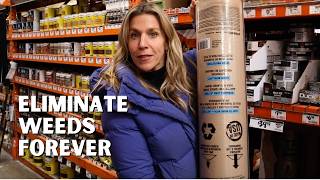
Nicole Johnsey Burke shows how to nearly eliminate weeding by using raised beds at least six inches high with dense planting, and covering pathways with biodegradable paper under mulch instead of plastic. The method targets two weed sources: underground runners and airborne seeds.
Questions this video answers
2015.
$13 for 408 square feet.
$40 for 360 square feet (about $0.10 per square foot).
At least 6 inches to 1 foot off the ground.
About six weeks.
Chapters
What if I told you that with the gardenary way of setting up and planting the garden, you can completely eliminate weeding forever? Over the next few minutes, I'm going to teach you this exact method so that you can have a stress free and low maintenance weed free garden. Let's get started. First, let's talk about the two places these weeds are coming from. We've got weeds coming from the ground and we've got weeds coming from the air. The ones in the ground are coming as runners. So lots of plants that grow near your garden space, things like grasses and ground covers, they have the need to spread and they often spread through runners that they send from their roots underground so that those roots then grow up and create sprouts that show up in your garden. Then we have airborne weeds. Many plants have seed systems where the seeds are encased in light, fluffy material that catches the wind easily and carries these seeds through the air to to new spaces in nature. Oftentimes, these seeds land right in the middle of your garden space. So even if you don't have a grass or a ground cover that's likely to spread in your garden underground, you can still have weeds in your garden that literally showed up out of thin air. Now let's talk about the two places that weeds are going to show up in your garden space. First up, you're going to have them in your actual growing beds right alongside the plants that you're hoping to grow. So weeds will pop up from underground right alongside your intended plants, and they'll also get carried there from the air and show up among seeds that you planted just a few weeks ago. You'll also see weeds growing in the pathways. Places that you've cleared out to make entrance and exit into the garden easier will often end up with airborne or underground borne weeds. Now for the good part. Let's talk about how to eliminate those weeds so you don't have to bend down and pull even one. Let's talk about how to prevent weeds in the pathways and in the growing beds. I'll start out with the paths. There are two steps to take care of weeds in your pathways and the first is to clear. This is really best done at the outset of setting up your garden space. But if you're watching this and your garden is already set up, you you'll be able to take today's lessons and hopefully retrofit your garden space a little bit. So the first step to dealing with weeds in the path is to clear the entire space. You want to be extremely thorough with this Step and do all you can to get all of the vegetation completely cleared from your garden space before you set up your garden paths.
You can see this is $13 for 408 square square feet. So if you don't have a spreading grass that grows in your garden area or you don't have a lot of weeds that you know you're going to be fighting, you can absolutely use this cheaper paper to get started.
Most people, including myself, used to use this stuff.
This is weed barrier cloth.
It's got lots of plastics inside of.
It and it's just a no go. Anytime you want to plant inside any space, it's going to be terrible to get inside this to make room to plant. It's just not worth it. It's going to impact the environment negatively. And why use this when you could.
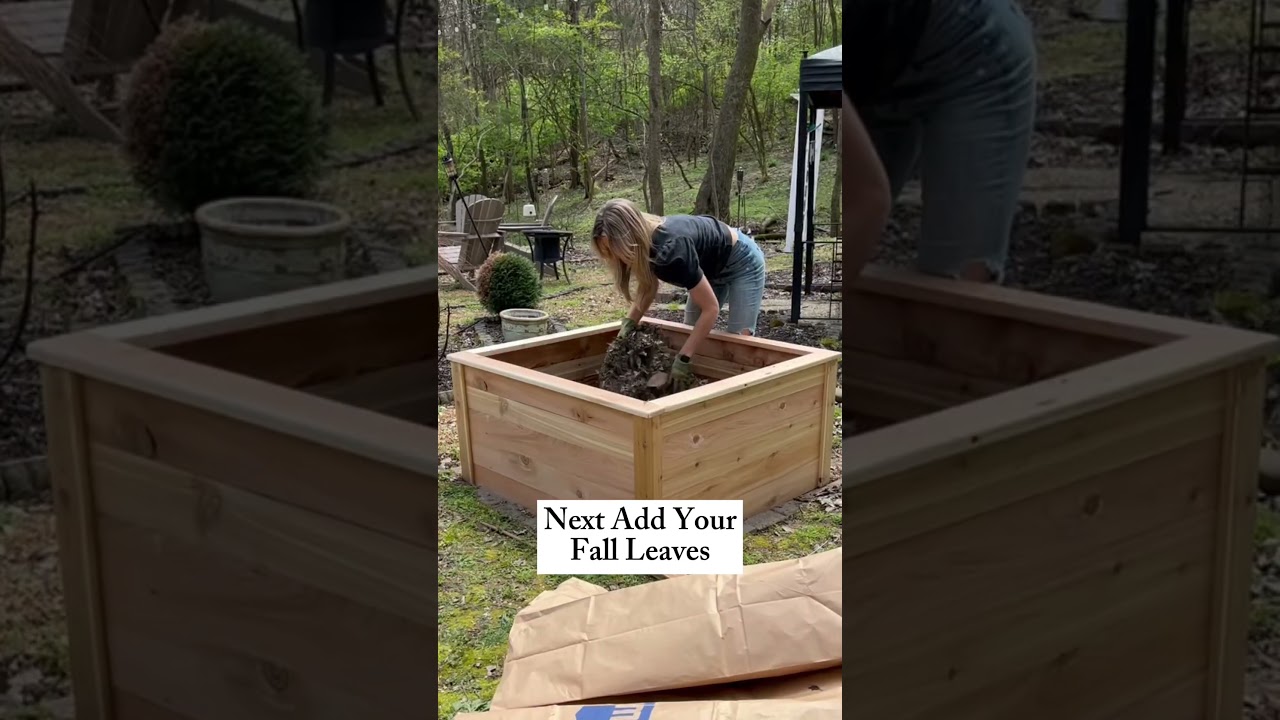
Use brown paper that biodegrades instead? All right, once you've got your middle layer, then you are ready to completely cover your pathways with mulch or gravel or stone. Anything that's going to make it nice and easy for you to get into your pathways. And now you can be sure they will stay weed free. Did you know that people will actually pay you to do all this work for them? When I first started my garden coaching business back in 2015, I. I thought all I was going to do was talk to people about setting up their garden. But then they turn to me and look and say, well, Nicole, can you do that for me? And I realized they would pay me to do it. So first I did the work and then I hired other people to do the work and then I turned it into an entire business of giving people advice about the garden and then actually doing the work for them. The heavy lifting of clearing and covering and setting up the raised beds and even planting the raised beds. And it's called garden consulting. And I would love to teach you how you could do this too. If you want to apply to become a gardenary consultant, you can find out a link right below this video where you can apply. Now, let's talk about the garden beds. The easiest way to be sure that you do not end up with weeds in your garden is to elevate them. Getting your gardens at least 6 inches to 1 foot off the ground is going to make weeding a thing of the past. When it comes to gardening, my favorite way to do this is by setting up raised beds. In fact, when it comes to preventing weeds, the taller the raised bed, they.
Make a lot for just a big roll of paper. But this is going to save you so much time and hassle for years to come in the garden. $40 over 360 square feet. This is like 10 cents a square foot to cover your space and it really gets the job done. It's a much more sustainable way to do it than using weed cloth. All right, this is a second cheaper option. If you don't have a lot of inground weeds, if you don't have a glass that tends to spray spread through runners, then you can use this cheaper option. It's much, much thinner.
It's a builder's paper.
And you can see this is $13 for 408 square feet. So if you don't have a spreading grass that grows in your garden area or you don't have a lot of weeds that you know you're going to be fighting, you can absolutely use this cheaper paper to get started.
Most people, including myself, used to use this stuff.
This is weed bearer cloth.
It's got lots of plastics inside of.
It and, and it's just a no go. Anytime you want to plant inside any space, it's going to be terrible to get inside this to make room to plant. It's just not worth it. It's going to impact the environment negatively. And why use this when you could.
Use brown paper that biodegrades instead? All right, once you've got your middle layer, then you are ready to completely cover your pathways with mulch or gravel or stone, anything that's going to make it nice and easy for you to get into your pathways. And now you can be sure they will stay weed free. Did you know that people will actually pay you to do all this work for them? When I first started my garden coaching business back in 2015, I thought all I was going to do was talk to people about setting up their garden. But then they turn to me and look and say, well, Nicole, can you do that for me? And I realized they would pay me to do it. So first I did the work and then I hired other people to do the work and then I turned it into an entire business of giving people advice about the garden and then actually doing the work for them. The heavy lifting of clearing and covering and setting up the raised beds and even planting the raised beds. It's called garden consulting and I would love to teach you how you could do this too. If you want to apply to become a gardenary consultant, you can find out a link right below this video where you can apply. Now, let's talk about the garden beds. The easiest way to be sure that you do not end up with weeds in your garden is to elevate them. Getting your gardens at least 6 inches to 1 foot off the ground and is going to make weeding a thing of the past. When it comes to gardening, my favorite way to do this is by setting up raised beds. In fact, when it comes to preventing weeds, the taller the raised bed, the better. Once you set up your raised beds, the way you plant those raised beds also matters when it comes to weed prevention. Instead of spacing out the plants like all the plant tags tell you to do, I recommend my method of intensive planting, giving each plant the space it needs and nothing more. With our intensive planting method, within six weeks of planting the garden, when you come back and peer over your garden beds, you should see no exposed soil. This is a cross.