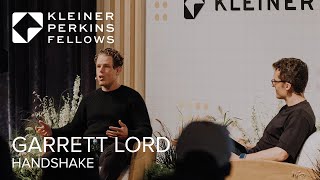
Garrett Lord (Handshake) - The Network Effect [Entire Talk]
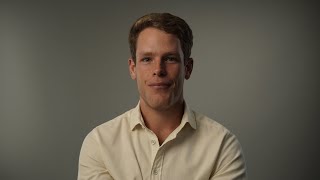
Garrett Lord dropped out to build Handshake, a career platform now serving 17 million students and employers. He spent two years driving across America pitching universities with handwritten notes, survived 150 VC rejections and refinanced his father's house, then cracked the marketplace by getting five schools first, which attracted employers and created the network effect.
Chapters
So, welcome everybody to the Entrepreneurial Thought Leaders Seminar at Stanford or ETL. ETL is brought to you by BASES, the Business Association of Stanford Entrepreneurial Students, and STVP, the Stanford Engineering Entrepreneurship Center. I am Ravi Balani, a lecturer in the Management Science and Engineering Department at Stanford and the director of Alchemist, an accelerator for enterprise startups. And today we are thrilled to have Garrett Lorde, the co-founder and CEO of Handshake, with us. How many people have heard of Handshake? Okay, I'm glad. Okay, so Handshake needs no introduction. You guys know that it is the career platform for Gen Z, but you may not understand the full story behind it, which packs in so many seminal lessons on entrepreneurship. Garrett grew up in Detroit and went to college in the Upper Peninsula of Michigan at Michigan Tech University. And then at school, he met his co-founders Scott and Ben, who were fellow classmates. And then in 2014, I believe as a junior at age 20— how many people here are 20? Or within a year of 20? Okay. So I just want you to put yourselves in Garrett's shoes. At age 20, he drops out, really goes and drives in a Ford Fusion and lives in his Ford Fusion with the ambition of starting Handshake. Handshake's mission is to democratize access to opportunity by enabling students and alumni to establish meaningful relationships, no connections, experience, or luck required. And it really has attacked what's probably one of the most difficult businesses to build. It's a multi-sided marketplace, and now it's becoming an AI-first platform. Marketplaces are notoriously the most difficult businesses, but also the biggest businesses if you can succeed. And today, Handshake has over 17 million students, alumni, employers, and career educators. And Garrett and his team have developed an amazing network where career advice and discovery turn into first, second, and third jobs. Nearly a million companies have joined the platform, and he's raised over $400 million from venture funds including Lightspeed and Kleiner. And today, the intention is to really double-click on the experience and go deep into the challenges that built the handshake that you guys all know now. So without further ado, please welcome Garrett Lorde to ETL. So Garrett, obviously everybody knows Handshake, but I don't know if people know you. And I understand that Handshake really came out of a personal mission, a personal story. So can you start us off with just the origin story of Handshake?
Yeah. I mean, anyone here from the Midwest, by the way? Show of hands. Got some Midwesterners, okay. So I grew up in Michigan, around Metro Detroit. And I grew up in a working class family. I'm not really complaining about it. My dad's in construction. Things weren't that challenging, but to kind of set the background, I paid my way through school. So I worked a couple jobs while going to community college for 2 and a half years, trying to save money on applying to go to university, and I transferred up to a school called Michigan Tech, which is in like the Upper Peninsula of Michigan. Most people don't even know there's an Upper Peninsula of Michigan. I'm sure at Stanford you probably do. And it's about 8 hours away from Detroit, 6 hours away from Chicago, so it's a pretty remote spot. I picked it because they had a great computer science program, and it was the cheapest tuition that took the most amount of credits from my community college. And the reason I started Handshake is I got an internship my freshman year. A professor helped introduce me to one of his friends at Los Alamos National Labs. So I did like supercomputing, InfiniBand benchmarking research. I mean, you can call it, it was more benchmarking, less research at Los Alamos. And I met a bunch of kids from Stanford and MIT and a lot of the top schools. And kind of was convinced I wanted to break out in Silicon Valley. So my, the reason I started Handshake was really trying to make it easier for other students to try to find internships and jobs. Because Michigan Tech was just, you know, there were only maybe 200 companies that came to campus. And if you studied computer science, like, you took a job at like Target, or you took a job at Whirlpool. And I don't mean to like disparage those opportunities, but there weren't many opportunities in Silicon Valley. and I wanted to make that a lot more fair.
I love that. I love that origin story. So was it difficult to make the decision to drop out, or what was the moment when you had enough conviction to say, I'm going for this?
Yeah. So, I mean, to connect a couple dots, like, I talked about going to Los Alamos, and really the impetus for starting Handshake was all the— basically all the top students from all the best schools had said, you need to come to Silicon Valley. And they said the hardest internship to get was at a company called Palantir. Most of you guys know Palantir now. Palantir's about 200 people. It was like the coveted internship to get. They said the number 2 internship to get was working for Drew at Dropbox. They said those were the hardest interviews to get. And so coming from Michigan Tech, I applied to Palantir's website and like nobody responded. And I was pretty convinced, like I had met a lot of these top students that had been working at startups and I was like, I was really dead set on working at Palantir. And so I started cold emailing the recruiters and friending them all on LinkedIn. And I got a callback and I eventually got an interview and I went to work at Palantir as a sophomore in college. And this kind of fast forwards me to Silicon Valley. I met a bunch of kids. I'd never really met anyone in Michigan that started a company, you know, like a software business. So I show up at Palantir in Palo Alto and I'm like, I'm like, what are people doing outside of work? And they're like, I'm building companies, I'm starting companies, I'm dropping out of Stanford, I'm raising money. And I'm like, raising money? In my mind, the type of jobs you did in college in Michigan were like, you like mowed lawns, you like picked up leaves, you like shoveled snow. And people are raising like $2 or $3 million from Accel or Lightspeed or Kleiner. And so I was like, I got back from that internship at Palantir and I got back to Michigan Tech and I like started telling all my friends they needed to work out in Silicon Valley. And Palantir would actually pay you like $10,000, $5,000 to $10,000 if you referred your friends to Palantir, and I paid for all of my school my junior year by referring my friends from Michigan Tech to Palantir. And so my dad, I mean, he finally called me after I told him I was gonna be paying for school after not taking out student loans. He's like, this nerd shit you're doing is like really working out. You know, I went from getting kind of like grounded by being on my computer all the time to like he finally understood software engineering. And I just left extremely inspired working at Palantir. It was the smartest people I'd ever worked with before. It was very entrepreneurial. I got to work with directly talking to customers and building products. And around that time my sister graduated from college. And my sister is cooler than me in every single way. She was a better student, she's more social, and she fell flat on her face after school. She didn't know what to do next, and she was really struggling to find a job. So I was like, I made all this money on these referral bonuses from referring my friends. My sister, who I really look up to, is struggling to find internships and jobs. My friends, I got my friend a job working on Facebook's infrastructure way back in the day, working at Dropbox, working at Palantir. My friends are super talented. The jobs they would have taken was working at Target, and the job you took from Michigan Tech working at Target is you were installing point-of-sale systems. So we studied software engineering, and your job was installing point-of-sale systems. That wasn't software engineering. And so I was like, well, maybe I could start a company kind of like the Stanford kids do. Really, that's what I told my friends. And I met all these kids starting companies. Maybe we could try to start a company to make it easier for people from non-brand name schools who, or people that just didn't have access either via geography or due to their parents. Maybe we could start a company that makes it easier for every student in the country to try to find an internship, to find a job. And I really broke down the problem as like, not only was there a lack of access, like Palantir didn't recruit at Michigan Tech. Google, there wasn't a single alumni that had ever worked at Google from Michigan Tech. Apple didn't recruit at Michigan Tech. Microsoft didn't recruit at Michigan Tech. I mean, it was like, it was a good school, but it was just so far away that companies couldn't afford to go there. And so I really thought we wanted to aggregate or improve access for students to find more opportunities. And we also really wanted to improve the information. Back then, I'm sure many of you guys do this search, but like, what's it mean to be an APM? Like if you go to Stanford, you know what that means, an Associate Product Manager. Do I want to go to a startup? Do I want to go to a big company? There's so much information that's available on campus. If you go to Penn, you learn all about banking and boutique banking and TMT. I had never heard of Goldman Sachs. I had never heard of McKinsey. I didn't know anyone that started a company. So I really wanted to improve the access by linking up schools together, and I really wanted to improve the information. Of helping students learn from one another. And so yeah, I dropped out, I finished my internship, I went back my junior year to Palantir. They paid like $12,000 a month, so that was like too good to pass up, I think. I went back to Palantir.
As an intern, as an undergrad intern?
As an intern, yeah.
You must have been the highest paid undergrad intern.
It was cool. And you know, I went back to Palantir, and like nights and weekends while I was working at Palantir, I was working on Handshake. I worked on Handshake my sophomore summer, my full year junior year. And I went from getting a 4.0, doing really well in classes and taking that seriously, to basically like, ostensibly like— and I don't recommend this— failing a lot of my classes. And we would do funny things like we'd go to the career fair. And at the time, I was representing my old GPA. I had a 4.0. I'd worked at Palantir. We'd go to the career fair. I would literally get interviews. 18 companies, 15 companies, schedule myself back to back, and I would sit down with the recruiters and I'd be like, what, like, I'm gonna flip this interview on you. I don't want to work at Jackson National Life Insurance. I'm probably gonna get in trouble, this is recorded, but I don't wanna work at Jackson National Life Insurance. How do you recruit from college? How do you pick your core schools? How do you select students? I was doing, I actually watched online the Stanford class, it was the Peter Thiel Startup School. Has anyone seen that? The, yeah, it's like a prolific, like legendary talk by Peter Thiel at Stanford. This is like really early days of Y Combinator. There's a little bit written by Paul Graham. And they were just like, talk to customers, talk to customers. So I would go up to the career fair. We actually would sneak into other career fairs. We snuck into University of Michigan's career fair. We snuck into Northwestern's career fair. We snuck into University of Chicago's career fair. And we would just talk to these companies. And we started to really stitch together that, the real opportunity was we couldn't go direct to students. The companies, it was just too hard to acquire people. A lot of people here are entrepreneurs, but like, we didn't think SEO would work, we didn't think paid ads would work, we didn't think referrals would work. There was no way to get to scale. We really had this insight that we needed to partner with universities. That universities could really serve as partners in acquiring students and building a broader network. And we thought that if we got the best schools on the network, we would sign up all the big companies. And by signing up all the big companies, we could encourage those companies to recruit from other schools. And we could like broaden the diversity of recruiters that recruit on the network. So that was my junior year. I then signed up for my senior year after I got back from Palantir. I signed up for my senior year and basically failed. I was like on track to like fail all my classes because we were driving to each one of these schools as like beta partners. So we'd get in the car at Michigan Tech and drive down to different school partners and get feedback on like what we should be building for career centers. So, it's a little bit of the background.
No, it's fantastic. And there's a couple of lessons I just want to underscore there. One is this virtue of bridging worlds is a common theme for starting companies. In a weird way, you know, you guys at Stanford have a liability because you're not between the world that Garrett came from and this— some of you are, obviously. But that bridging of worlds to seeing opportunities, I think is a hallmark thing. And then this other idea of you went through sacrifice because you cared so much about the idea. So that was sort of the thread then that pulled you into Handshake. I want to now start talking about tactically, and I know you're starting to go into this, because Handshake is one of the most difficult businesses to build. Conceptually, marketplaces, you guys all know marketplaces are the biggest businesses. If you look at Amazon, if you look at Apple, they're all marketplaces ultimately. but they're also the most— they're the biggest businesses, but they're the most difficult ones to take off, usually, because you have this chicken and egg situation. So I want to dive deeper into the— tactically, and you were starting to speak about this, but Handshake is a— it's a three-sided marketplace. Is that right?
Yeah.
So can you give color onto just the dynamics of when you're thinking about the business that you were going to attack? What were the dynamics and what was your approach? Whether it was deliberate or just accidental, in terms of how you hacked the chicken and egg situation with the marketplace.
[Speaker] Totally. Well, I think everyone realizes in starting a marketplace you have to have like supply and demand. You have to have sufficient supply, you have this chicken and egg problem where you can't get demand unless you have supply. So we realized that pretty early on, like, you know, originally we had called Handshake Trajectory, and like, Students couldn't consistently spell the word trajectory, so that was like, we then called it Handshake. And we started really with like, how do we acquire both sides? How can we get, how can we acquire and onboard students, and how can we get employers? And that's really where it came out in the interviews with customers at these career fairs that all the employers work directly with the universities. So they kept on saying like, PricewaterhouseCoopers, McKinsey, Ford, General Motors, they come in and say, I go to universities to recruit the students. I sign up for the career fair to recruit the students. And so that really led us to the career center at each one of these institutions who's responsible for really talking about the ROI of your Stanford degree. Like the career center's responsible for running the career fairs, for running the on-campus interviewing, for running the career counseling. And then actually reporting out what students are getting what jobs. And so what we tried to build for them at the beginning was just like a small point solution. Like we just said like, you know, if we build the software that helps you engage your students more effectively, like would you buy this? And it was very clear that like what they really needed was like a full system of record. So a full system record is like, they were using this old, they were using this really old tool that was not mobile first, had zero relevance, was just this private equity backed old school cash flowing company. And the problem was is that Peter Thiel in the class, he talked about you had to be like 10x better than the existing solutions in order to be able to sell these universities. And so that was really the insight. If we could sign up the schools, the schools would upload the students and drive activations and drive student engagement, and they would also force all their employers to come through the marketplace in order to be able to connect with the students. And if you recruit at Stanford today, like most of the employers that come on campus, they're required to sign up on Handshake, so it's like a natural customer acquisition channel by powering the universities. I think the hard part for us was like convincing these universities to take us seriously. Like we were like, you know, 22 years old, we took over the computer lab that had Macs on campus. Our friend that was a photographer took headshots, we built vanilla printout handouts to send these career centers. We cold emailed, we cold called them, and nothing worked. None of these universities, universities are fairly slow moving. They're very risk averse. They were happy with their old system, and really the thing that, that drove the first 5 customers to sign up was like us getting in our car. So like we kind of didn't take no for an answer. Like at this point I had dropped out of school, my friends had graduated, we had worked on this for like 2 and a half years in school, my dad had like refinanced his house and written us a check, my grandpa and dad drove up like a Ford Focus to the Upper Peninsula of Michigan, 'cause my car kept on breaking down like Driving to all the schools from the Upper Peninsula of Michigan. And my dad's like, you know, I don't really know this nerd shit how it totally works, but you're obsessed about this. He refinanced his house, he wrote the first check, they drove up the Ford Focus, and we just started driving to schools. So we drove all the way to Princeton, we drove all the way down to Wake Forest, we drove to so many schools. University of Chicago, University of Wisconsin, we drove all the way out to Denver. The way we got the meetings was from writing handwritten notes. They wouldn't really respond, I mean they would respond like, oh yeah, cute, cute students. But really what worked is we made a coffee mug for every single University of Christian Undergraduate director, where they went to school. So if they went to University of Michigan, we'd print out a Go Blue mug, and we wrote a handwritten note, and it said, if they said they were a Michigan football fan, The top of the note would be like, my name's Garrett Lorde, we're huge University of Michigan football fans. Like, you say you go to church, we're big churchgoers. Like, Christians over here. Like, you know, can we please have 30 minutes of your time? And then they would open this box up with a mug on the top, a printout of us in like the Apple computer lab with like professional headshots. We built Palantir track jackets 'cause we thought that was like so cool, but we put Handshake on it. Try to look as professional as possible. We wrote them a handwritten note, and they would respond to our emails. They'd say, yeah, you can come down. So we would then get in our car, we'd drive from Upper Peninsula, Michigan, and there wasn't much money to go around, so we would like, you know, back then Starbucks didn't have as good a Wi-Fi as McDonald's did, so we'd like sleep in the back of McDonald's parking lots and drive.
This is the Ford Focus. I said Fusion before, but it's like the Ford Focus, guys.
Just, OK. And it worked. We probably visited like 40 campuses. I almost got arrested at Princeton because we would shower. Every school has a pool, including you guys. I actually showered in your pool when I came here. And it's always open for cardio for students and for professors in the morning. So I showered in the pool at Princeton and campus security got called. It actually went a long way, 'cause the director's like, wait, you got caught showering, why? Well, we drove here 'cause we really wanted to meet with you. He's like, well, I'll do the meeting. He was actually the old Stanford Career Service Center director that then became the Princeton Career Center director. But because of some of those kind of like hard work, you know, one of our core values is like leave nothing to chance. Like we left nothing to chance. We completely went for it, and we signed up 5 schools. And then so much of company building, I'd also say a lot of your friends do it, is like a lot of it's luck. We set up these 5 schools, it was a complete disaster. It barely worked. But, I mean, we took over, like we actually like, the founders split up, we like worked out of the career centers as software engineers, like building features for them as it was breaking and like learning and learning and learning. And then the year after we powered, about 4 months into powering all 5 schools, one of our leading competitors bought the second best solution on the market and forced a migration. Of all the customers from the second solution to the first solution. And because of that moment, you know, a miracle, luck, timing, right place, right time, we were able to suck up Stanford, Michigan, Cornell, University of Chicago, Princeton. They all joined after these like 5 smaller schools had joined. And then we were credible. And once we were credible, we came out to Silicon Valley, raised a seed round, we then raised an A round. That was pretty brutal, but. The rest is, you know, been hard, but—
Yeah, it's the most dilutive round, or that's going to be the most— OK, there's a lot to unpack there. So I just want to make sure that you guys are all getting the takeaways. So you start— you know this is a two-sided marketplace. It sounds like the first thing was that you identified which side of the marketplace you needed to get to get the other. So that was the first critical decision. If you get the universities, you'll get the corporates. And then you just hustle. Which is very common for marketplaces. It's just like raw hustle to get there. And then that allows you then to start the flywheel of getting the venture capital dollars.
That got all the students and that got all the employers. Yeah. So we powered the 5 schools, that onboarded hundreds of thousands of students and all the employers, and then we focused year 2, year 3, year 4, year 5, which is sign up schools, sign up schools, sign up schools.
And with the universities, were you optimizing for monetization, engagement, growth? You know, with those first 5 customers, was there— —did you charge them any?
No, we charged the universities. I mean, universities, you know, pay for the software, but the universities for us is like, these university career centers, they really care about trying to help their students, and they really care about engaging more of their employers, and so we kind of aligned ourselves with them around helping them engage the students and helping them manage their employers, and the first 5 years was the only focus. I think so much of these marketplaces, like, oh listen, Tony from DoorDash who was here, it's like, so much of it is just like having a point of view. Our point of view was that if we signed up the schools, we would start a network effect. And the network effect was that, and you know, the network effect is like, I talked about Michigan Tech, like no, very few Silicon Valley companies recruited out there. Well, once we signed up Stanford, all the Silicon Valley companies signed up to recruit at Stanford. And what they ended up doing was then clicking, I wanna recruit at Michigan Tech, I wanna recruit at University of Michigan. And Princeton uploaded all of like the boutique incredible opportunities in consulting and finance. And guess what? They then said, I wanna recruit at Stanford. So Stanford's career center was like, you know, you guys, the Stanford career center was like, we have no problem in tech, but all of our business students, you know, I don't wanna use the words frustrated, but like, there's less opportunities than we'd like available. And so this network effect was like, helping companies recruit at more schools, which increased the number of opportunities per school, and then it ended up, universities kind of flocked to the network to increase their access for their students. Yeah.
So it's all these positive feedback loops. It's fantastic. And then when you go to the corporate side, is there a decision about whether to go for the big four, the big corporates, or go for sort of small SMB players that would engage quicker? Was that a decision? How did you decide once you sort of saw the writing on the wall that you're going to get lock-in at the university side, how to attack the corporate side?
Yeah. Well, I think the conventional wisdom in Silicon Valley historically has been like you start off like SMBs and you grow upmarket. Like that's the tried and true tactic at most Silicon Valley companies, like start start with other, like Y Combinator. You're at YC, you serve your other YC friends. And then the companies in YC grow and you adapt to their needs. And you like start downmarket. The other school of thought was you actually go upmarket first because there's real discipline to be learned around like selling to the largest companies in the world. So we actually decided to go upmarket first, and you know, like, that was the whole second chapter. It was like after the first 5 years of signing up schools, it was then figuring out how to like convert the free companies, 'cause there's a million companies that use Handshake, and we needed to figure out how to convert those free customers to pay customers. So, and we targeted the biggest companies in the world. So today, 100% of the Fortune 500 uses Handshake, and 75% of the Fortune 100 pay for it. So the biggest companies in the world pay a lot of money to be able to have, to be able to proactively engage with students. And that was kind of like, I think in a marketplace, there's very few resources to go around, right? So like, we couldn't have early on focused on making universities happy, 'cause you have to have like referenceable customers, and you have to like have customer evangelism, and there has to be like, you have to be 10x better, right? The NPS has to be super high. So that's like a really hard bar just on one front. So we focused on one front for the universities, and then we shifted our attention totally to employers, and you know, put the university product on, you know, slower iterative improvements, and then started building out the premium tool, But today, I mean, this year we'll do $200 million ARR, we'll be profitable as a core business, and the bulk of that revenue comes from the biggest companies in the world, but we're now actually, as a business over the last 18 months, have been building a self-service and mid-market product. You know, the mid-market product's like, we're adding like a million dollars a week on the small business side. So we've now, because we figured out how to go upmarket, I think it's much easier to go downmarket than it is upmarket.
[Speaker] Yes, I think so too, yeah. Yeah, yeah, so the challenge— you have to overcome that challenge of getting the sale initially. Yeah. But then it is an easier path, I think, once you have that pedigree. That's interesting. I know there's a lot to discuss. I'm going to open it up in about 5 minutes, gang, so start thinking of questions that you want to ask Garrett. I want to move into your co-founder relationships because I think it's interesting, this idea of starting a company with your college friends. Are all 3 of you still at the company today? Yeah. And can you talk about how do you have a good co-founder relationship, or what have you learned about co-founder relationships, starting companies with your friends, do you recommend that? What are the salient learnings that you would give to other future founders that might start things with their friends that are here?
Yeah, I mean, I think what's different than starting at Stanford is like, we didn't come from much. Like, my co-founder worked on like a chicken, you know, has like a chicken farm, and my other co-founder, like, We, this was such a radical dream to like even, you know, it was such a crazy dream to even think we could start a company and that it would work. And there was so much, I don't know, trauma at the beginning, like blood, sweat, and tears, like highs and lows that we really built like almost like a, you know, I call these co-founders like almost like brothers. You know, at the very beginning, like, I didn't think Handshake was gonna work. And like, Ben didn't think Handshake was gonna work. But Scott did, and he's like, guys, we got this, you know? And then like, you know, sleeping in the back of these McDonald's parking lots after getting like, you know, we visited probably like 60 schools and we got 5 yeses. And you're just driving 18 hours, 12 hours, like, exhausted, like, no money. Dad refinanced his whole entire house, and like, Ben and I are like, you know, So we went through a lot, I think, together, and this has been a dream. I mean, to be able to build an organization that, it's really cool, everyone in the room raised their hands, they know what Handshake is. And I think it's really special to be working on a company where we're really trying to make the student experience awesome. It really is our dream to help every student, not just at the best university in the country where Sam Altman's on campus every week, but to help every student. Across the country, find great opportunities, like that's really inspiring. So I think it's like a mission that matters to all of us. I think it's like, this has been incredibly humbling and like a big dream to be able to build a business. And then I think we keep it light, like, I think we keep it light, like, you know, my co-founder was my best man at my wedding, like, we're going through life, we're about to have a kid, my co-founder's just getting married, like, it's fun to share these chapters together. But yeah, moments are super hot. There's definitely, we've definitely yelled, we've definitely cried, we've definitely not talked to each other for days, we've definitely been on the verge of like, you know, some of us quitting. But I think we really care about each other as people, and we have each other's back.
[Speaker] Do you have any sacred rituals or practices that you would definitely recommend to other co-founders that are friends when they start? It's okay if you don't. I don't wanna fish for something that's not there. I'm just curious if there's any.
I mean, I think the one thing we always agreed upon, which is a little bit uncomfortable, but we did, is at every step of the journey, we would always ask ourselves, are we the best person to be in the role that we're in? So, and at some points, that's really challenging to take a step back from a big leadership role, and I think you just have to approach that with love, and just like, we got here together, and we're gonna like, we also, we're kind of the boss, so if you don't want to do something, we're gonna make a new role and we're gonna make you happy. So now we have sufficient resource to do that, but I think that's a really hard moment when you go from running the whole engineering team to then trying to hire somebody better than yourself, but we always were very candid with feedback with one another. But yeah, and this is just, yeah, this has just been like a dream. We live in such a great place. We're Silicon Valley, we like made it, you know, like, so I think a lot of us stay pretty humble about that.
It's very rare to have 3 co-founders at this stage of a company, you know, when you're at the multi-billion dollar stage and from the origins, and there's such a competitive advantage of the earned authority that the leaders have. There's a lot to discuss. I wanna ask, I wanna open it up to you if you can share, I know there have been a lot of challenges in the journey. We won't have time to go through all of them, But I'm curious if what's the darkest moment or the most difficult challenge that you feel comfortable sharing publicly? Can I invite you to share that and how you dealt with it and how you— if there's any lessons on resilience or other lessons learned that you can share?
Maybe I'll share like one funny one and one serious one. Okay. One funny one, so everyone, you know, a lot of people here will start companies or are starting companies. When we were students, we flew out to Cal Hacks, which back in the day hackathons were just getting started. I met the founders that started Treehacks around that same time. And universities, this is pre-universities, so universities would not sign up for the product and we were using it. And so we wanted to power the connection between employers at Cal Hacks and students at Cal Hacks. And so we powered the resume book drop essentially. It was a pretty simple service area. And there was really only one thing we needed to do, so for all the engineers in the room you can make fun of us. All you need to do is like power an employer registration, and then like a self-service selection of like an explorable resume database basically, very simple. And we need to be able to onboard students, and we need to be able to email them when like an employer expressed interest. So sound pretty easy, like for some of the engineers in the room? Like you could probably like vibe code that today. Well, we got the queuing wrong on emails to students. So it was like probably 1 AM in the morning at Cal Hacks, first Cal Hacks. They had like taken a bet on us. We had been working on Handshake for like 18 months at this time. And essentially we emailed like every single student that went to Cal Hacks like basically until Gmail would max out. I mean, we're talking like, we had pretty good domain authority, so I think we probably sent like over 100 emails to every single student. And it wasn't queued up in a single thread. It was actually like, you know, Garrett Lorde, Garrett Lorde, Garrett Lorde, Garrett Lorde, Garrett Lorde. So I'm sitting there at Cal Hacks and like the students are like, dude, are you getting these frippin' emails from Handshake? Like my inbox is like blowing up. I'm like, what do you, and yeah, of course, me too. So I call my co-founders and my co-founder Scott's pretty stoic. He's like, we have like a big problem, dude. Like we have a big problem. Like I don't even know how many emails are still queued up. 'Cause we use Mailgun, like an emailing API, and we had sent like, hundreds of thousands of calls to Mailgun, and it's just like sitting in a queue, and you can't cancel the queue unless you have premium support. And you couldn't sign up for premium support until the next business day. So I kind of like was so embarrassed. You know, here I was, like trying to hang with the Silicon Valley entrepreneurs at a hackathon, and just like emailed every kid at Cal like so many times. So that was embarrassing. And my co-founder, yeah, so that's one.
[Speaker] And then you just sort of laughed it off and then moved forward?
I mean, it was really embarrassing.
I know it was embarrassing, but what can you do?
But we laughed it off and moved forward.
I mean, yeah. Yeah, yeah, which is good.
But hard. OK. Raising the Series A was hard. I mean, like, fundraising is always—
but— Yeah, anything you feel comfortable sharing. Is there a moment that was particularly— because now, I mean, it is fantastic to bask in the position that you're in now. Looking back, is there a moment that felt really, really dark and hard? And what was that moment that sticks out to you, and can you share?
I mean, so when we started the company, like, my dad refinanced his house. My dad had worked very, very hard to like save up this money. And so this was like really emotionally, it was really important for me to try to make sure that we could pay him back. It's like pretty, you know, pretty stressful. The way we thought we'd raise money in Michigan was like, my dad had friends at country clubs, so we would pitch doctors and dentists at country clubs and raise like $25,000, $50,000. And then we realized we'd like, you know, it was just not really working raising money from doctors and dentists. So I booked a one-way ticket to Silicon Valley with like, we were basically running out of money, my dad didn't have any more money to give us, and I lived on my old Palantir friends' couches, And I didn't want to be like too annoying, so I basically like would rotate between friends every night for a long time. I think I was here like, it was like over 5 months. You know, it was like kind of embarrassing. One of my good friends, Alex Atallah, let me like actually properly live in his house for a while after a while, then started OpenSea and now started another company. But yeah, it was really brutal. I mean, basically we got nos from like every, everyone. I think I had met, you know, over 150 venture capitalists. And then one person said yes. Yep. And we, you know, booked plane tickets for the team. My cousin quit his job at a bar and drove a U-Haul across the country. We took over a mansion in Palo Alto like all the Silicon Valley Stanford kids do, and the rest is kind of history. But yeah, that was bleak. I mean, it just, being on your 5th month fundraising and getting over 150 nos, yeah.
[Speaker] And what made you say yes to that 151st meeting to get yes? 'Cause I think it's such a significant lesson. If you just didn't go to that 151st meeting, Handshake potentially wouldn't have existed. I mean, maybe it still would've, but what kept you going for that, at that 151st time?
[Speaker] Losing all my dad's retirement money. [Speaker] Okay. Yeah. And like I convinced all my friends to quit their job, like not take jobs. Yeah. And like everyone had like believed in me and believed in us. Yeah. And I'm like an athlete, I'm a competitor. Like I put on my like Gucci mane and my AirPods and like cry on runs and like just be like, you can fucking do it, man. You got this. Like literally like, you know, I would just like cry on a run and be like, you gotta do this, you gotta do it. You gotta better figure it out, dude. I like had a little sign like Phil's Cafe and like it was bleak. But yeah, one person said yes and then they're all VCs, so I don't mean to make fun of them. Once one person says yes, the next person says yes.
[FOREIGN LANGUAGE] [Speaker] Yeah, they all follow each other. Yes, yes, fair enough, fair enough. Well, thank you for sharing. And this idea of having commitment to somebody and then following through on that commitment is such a virtue. I wanna open it up, so if anybody has any questions, just raise your hands, we'll try to get, We have one person on and one person on deck. So maybe— OK, we'll go to the back, the woman in the back on deck. And the red zone will be first. Oh, red zone? Can you give it to the red zone? Oh, put the mic back the other way. Yes, there we go. Thank you. Hi. Thank you very much. My name is Will. Wonderful talk.
I was just wondering, really throughout all of his experience, how How were you able to really stay focused on your mission at Handshake to like provide access to every student to really pass like through the good times, through the hustling times, through the right place, right time things, and then even bringing that into your present, how does Handshake try and keep that mission at center now and going into a future? That's a great question. I was so confused, I thought you like literally called your classroom like the red zone. There was like a touchdown area. No, no, no. We're still trying to communicate.
Touchdown center over there. So that's cool.
[FOREIGN LANGUAGE] How do you keep your mission going? I mean, I think the thing for me that does it is like the individual stories. Like, you know, we look at a lot of KPIs, you know, day 1, day 7, day 30 retention, average session time, you know, job liquidity per, you know, there's all kinds of metrics, but the thing that really excites me is like talking to real people. It's about making these numbers like real. I mean, I have, it's kind of goofy, like I have like Google Photos and like there's like a whole like album of like pictures I've taken with other students and like, I'll give you one story that I think about a lot. Like there was a student I met at Stanford at an entrepreneurial night. I came down about a year and a half ago. He was a black student, first generation student. Went to a small school in Tennessee. He got a message on Handshake from Microsoft. He had said he never like even thought that was even a possibility. He went to go work as an intern at Microsoft and took a full-time job. And his family story was like, you know, pretty inspiring to go work at Microsoft, to put it that way. And then he got inspired by working at Microsoft that he wanted to come to Stanford. So he actually came to get his master's degree in machine learning at Stanford because he got inspired at Microsoft. And then he's now finishing a master's degree and he dropped out of his master's degree to then, or not dropped out, finished, completed school, and then started a company. And he walked up to me and he's like, you know, he's like, thanks man. Like, thank you so much for building Handshake. So it's like, the individual stories are really what does it for me. I mean, we send too many messages and the student product can get way better and the feed kinda looks, You know, you're always embarrassed about the first version of what you ship, but you just like, don't quit. Keep working at it, keep trying to improve it, and we have like 650 people at Handshake that love this mission and care so much about helping our universities win, helping our students win, helping our employers win, and so, but for me it's less about the KPIs and the OKRs and the operating cadence, and it's more about the stories. That's what inspires me.
Thank you. We'll go over there next, and then who wants to go next after that? Maybe we can give a mic back there for next.
Okay, go for it. Yes. Okay, kind of a similar question, but I think your hustle and your scrappiness is like really admirable, like definitely Stanford spirit. So I'm curious, like now that Handshake is super established, like You don't have to go knocking on universities' doors asking for them to join. Like, how do you maintain that scrappiness, that hustle culture, like within the leadership team, but also like new hires and the entire company? I mean, I think there's like, this is not my quote, but like, and I'm gonna mix it up a little bit, but it's like, you know, you can't, You don't teach somebody to hustle. You either have it or you don't. And oftentimes, no matter how successful you get, you still have it, right? Like, we have our CMO, Katherine, up here, and probably one of the best leaders of the entire company. And she's certainly very accomplished, and she just hustles. She loves it. And I think, how do you keep that pace up? I mean, I think there are cultural things you do, like what you recognize, what you reward financially, how you promote. There are systems in place that you can do to try to encourage certain kind of cultural attributes in your company. We care very much about focusing on the details, for example. That's a cultural attribute that we call out at all hands and we promote managers based on it and we leave nothing to chance. This whole idea of just never wondering what if, just go for it, right? That may be my spirit. But at really the C-team level and their true leadership level, people are just naturally super gifted. They like, they have a screw loose, they really care about, they're hell-bent on making an impact on the world, and like nothing can stop them. And I think, I don't know if you can teach that. And I'm sure many of you have it, 'cause you're at the best school in the entire world, here on a, you know, at 5:11 PM, so you guys clearly wanna learn. So I think the one thing I would just encourage, I know this isn't your question, but I would just, If you're gonna start a company, try to do something that really matters to the world. That's the one thing I would really, everyone's so smart, there's so much money to be made over the course of your career. If you can build tech, the reason I wanted to work at Palantir is 'cause they're making an impact. I work on the National Center for Missing and Exploited Children. So that was my project, helping the National Center for Missing and Exploited Children find child predators. So I have always loved working at the intersection of tech and impact. And so I just, I don't know, like grocery delivery is cool, but I just, sorry, that was rude. But I would try to do something that really makes an impact on the world. That's great.
We're gonna go back, I think to the back, and then who wants to go next? If you raise your hands. Raise your hands if you wanna be on deck. Okay, we'll go here next, okay.
Yeah, awesome talk, thank you very much for coming. You mentioned early kind of building it yourself, with your co-founders. I'm curious, what was next? Like, in the early days, how did you transition from that into recruiting kind of different talent that you needed to help take the next step? Yeah, I mean, I think there's that mode switch is pretty fast. You know, you go from like default dead, you know, your company's like just not on track, to like, you know, investing in growth. I mean, money does two things: it either compresses time or extends time. I think that's a fun way to think about it. You use venture capital money to either buy yourself enough runway to figure it out and you're default dead, or you use money to speed up and compress time and grow really quickly, right? And so the mode shifts, it took me a little while to shift that mode from Michigan blue collar, gonna fail, 150 nos, crushed in the face, to like, wow, this company's working, we need to grow quickly. Drew Houston I talked about back in my day, that was like the coolest, you know, it was a really cool company Dropbox back in the day. And he had this podcast that we talked about like you have to reinvent yourself every 6 months. And I took that really to heart. Like, how do I surround myself with people that I can learn from? And I was just like unrelenting about that, just like really trying to figure out like what I need to learn to build this business, you know? What does it mean to build a Biz Ops function? What does it mean to hire product managers? What does it mean to build a design team, right? Like, what does it mean to do upmarket sales? I mean, but the way I would do it is, and I encourage you all to do, is like, I didn't, I read a couple blog posts and then I bought a sport coat from like Men's Warehouse and I like flew to New York and I like lived out of a hotel with our CRO and we just like knocked on doors essentially with big companies and just like, didn't take no for an answer, and figured it out. And like nothing at work is something you can't figure out. I mean, I just like, I think you have to have that mental, you can figure anything out. I mean, maybe you can't figure out like how a transformer works at like, you know, OpenAI scale and like what's actually happening, but like you can, other than that, you can figure out, you know, I promise you product marketing is like not that hard, dude, you know? I promise you, the job of an account executive is not that hard. It's hard, and you have to have empathy for it, but you can figure out everything you need to build a company. And I would just really try to surround yourself with people that you can learn from. And I would be extremely unrelenting about just being like, I wanna meet with you, I wanna meet with you, I wanna meet with you, I wanna meet with you. Can I please get half an hour, can I please get half an hour? But I learned a lot at building Handshake from other people that had built great companies. And not like generalists, but like specialists, like talking to CTOs of companies, talk about scaling an engineering organization, or talking about the heads of people, talking about how you're head of, first head of people, you're always just trying to pattern match on what good looks like and figure out the next 6 months. And then I think the important job now for me is being ahead of my team, thinking farther into the future to connect the dots and figure out what do we need to get good at in the future. Yeah. I mean, a fun example of that just to share is like we're, one of the largest parts of our business right now is help, or what's quickly becoming, what's quickly becoming like, you know, our core business will do $200 million ARR. We're building a new business that will grow much, much faster than our core business, and that's helping the foundational model companies find people to do data annotation, specifically around like STEM reasoning. So it's like prompt-response pairs. We're in an engineering building, so I think a lot of people can handle this, but it's like, the actual soda breaking prompt, then the step-by-step chain of thought reasoning, and then the ground truth answer, and they're using that for supervised fine tuning or reinforcement learning. And we have access to 500,000 PhDs, and we have access to 3 million master's students, so we're directly competing with companies that are exploding in this industry, and we have students that trust us and want to make $100 an hour training these models. And so that business is like, I had to figure it out. And I could've sat there and been like, I don't know the space, I don't know what's going on, you know. I spent Christmas break, all the New Year's, like taking flights like every other day, like going to speak to people, flying from Phoenix to San Jose, flying from Phoenix to Seattle, turning around the same day, flying all the way home, being like, I'm gonna fucking, sorry, I'm gonna figure this out.
No, it's great, I love the passion. I love the passion.
I'm gonna figure this out. No apologies. I'm gonna figure this out. And now we're figuring it out, and we're like, we're doubling month on month, and it's exploding at Handshake. And that's using, so you just have to throw yourself in there.
One last question, yes. I'm just curious about, it feels like a lot of startup building is a function of grit, hustle, and you talking to customers. Hustle, just by whatever skills It does not matter what skills you have, it matters what you do. Uh, what I'm curious about is, do you think that talking to customers and figuring out stuff are the main attributes for you to have built Handshake, or are there some other meta things that have perhaps helped you in this journey? In 60 seconds. Yeah. Yeah.
I mean, I think there are two tales in Silicon Valley. People that are at the right place at the right time behind a wave that you can't miss, and you know, you can be the worst surfer in the world, and you paddle, and you suck at paddling, and the wave just catches you and blows up, and there are a lot of companies in Silicon Valley that are huge. But I think when you get like really legit as a founder, you kinda look at those other founders, you're like, cool story, bro. And then there are companies that like, you know, most companies, which I would say is just like, living in the execution, like talk is cheap, like figure it out. And I think it's a lot about, yeah, talking to customers is super important, being in the right place at the right time is super important, thinking about the strategy of the company is super important, thinking about the competition's, you know, maybe important depending on your industry. Yeah, I would just, yeah, I don't have a perfect answer there.
[Speaker] Is there any way that you can engineer luck? In your experience?
Yeah, I mean, if you, maybe a fun analogy of like, you know, you want me to hit one home run out of New York, you know, out of some ball stadium, and you film me over 4 weeks trying to do it, you know, what is luck? Did I like hit it on the 3rd day at like 7 PM in the afternoon and hit one home run, and that's all you saw? Is that luck, or was I just there for 4 weeks trying to hit home runs? I don't know, so like, That would be my answer.
Yeah, if you're just present— if you're present when the activity happens, then you win. Yeah. That's great. That's great. Well, on that note, I'm going to draw this ETL to a close. Please join me in thanking Garrett Lorde.
More from Garrett
This Entrepreneur Made A Job Site That College Students Are Using Instead Of LinkedIn | Forbes