Kori Sampson: On Sobriety, Ultra Endurance, and Reality TV | TUH #257
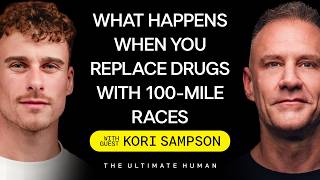
In this episode of The Ultimate Human Podcast, host Gary Brecka interviews ultramarathoner and former reality‑TV participant Corey Sampson. Corey recounts how his early exposure on a reality show gave him a brief window of brand‑deal opportunities, but he quickly realized that lasting success required a deeper commitment to fitness. He describes a lifelong habit of training since age 16, which became a lifeline during his party‑heavy years and later evolved into a professional ultra‑endurance career. Corey discusses his journey to sobriety, noting how alcohol once masked social anxiety and low confidence, and how consistent training helped him build self‑esteem. The conversation shifts to the importance of sleep: Corey moved from a "sleep‑when‑you’re dead" mindset to recognizing sleep as essential for recovery, performance, and mental clarity, citing insights from the book Why We Sleep. He also explores the role of internal self‑talk, explaining how he deliberately uses a critical inner voice as fuel during races, while balancing it with self‑compassion. The episode concludes with a reflective discussion on what it means to be an "ultimate human," with Corey emphasizing legacy, impact on others, and the desire to be remembered for more than athletic achievements. Throughout, Gary interjects with bio‑hacking perspectives and promotes his VIP community and sleep challenge.
Chapters
You hear it all the time with links to trauma, to ultramarathons. You have to be able to take a punishment and a bit of a beating. So I think when you've had a certain amount of stress, you've built up this resilience.
There's also a lot of science around doing hard things, how the brain actually grows and creates new neuronal pathways. And stress can be good or bad. Exercise is an extreme stress, but you strengthen in response.
The harder the stuff that I do and the more I prove to myself like I can do these things, to feel like I deserve credit for what I do.
People put off exercise, they focus everything on their business. They don't realize that their superpower is still locked inside them. Physical feats can actually unlock that.
You've got all this money and everything, and you're not doing what you need to do. That impact that I can have means a lot more than getting a medal in a race.
So how do you maintain, like, an ultra-distance athlete training schedule and then still keep a physique?
I've lost my legs a little bit with the running, but yeah, I, I try to Hey guys, welcome back to The Ultimate Human Podcast.
I'm your host, human biologist Gary Brecka, where we go down the road of everything anti-aging, biohacking, longevity, and everything in between. And today's guest is someone very, very special, so appropriate with the journey that my son is on. But he's an ultramarathoner, has an amazing story. I can't wait for him to share it with us. Welcome to the podcast, Corey Sampson.
Thanks for having me.
Thanks for coming on.
Yes.
Um, we ran an awesome little workout in London when I was there. Yeah. Um, and then it was crazy, was this morning, 6:30 in the morning, I'm over, uh, working out with my son. Yeah. And his gym is under his house, so it's outside. I was just running down there and you just randomly ran by and you're like, Corey?
And I was like, no way. Yeah, we had no idea. We were just trying to find a good spot for some like filming, lighting, and, and we were trying to find the water and we were like, oh, there's a little island that like will run that way and Yeah, we just passed you.
It was so— because I didn't know who he was yelling at, and he started screaming, Corey! And then all of a sudden I saw you stop, and I'm like, dude, we're running a podcast in 2 hours.
Yeah, no, so, um, at least we know we practice what we preach, right? Exactly.
Yeah.
And I was meeting one person in Miami, and I bumped into you, which is quite crazy.
So, and I mean, this is one little house. I mean, and if you know anything about Miami, it's pretty, pretty dense. Yeah, one little house with one little gym under it, and he just— yeah, the chance came cruising by right when we were working out.
And we only met like a couple weeks back, right? But I wanted to— when he was like, oh, if you're you're in Miami, like, let's make it work. I was like, I'm very much like, things don't get done unless you do them, right? So I was like, oh, I'm in LA next week, I'll just fly in on the way home. Like, yeah. So yeah, well, I'm glad you came by.
Um, you know, I talk about this all the time on my podcast, and there's a sort of a theme that runs through a lot of my guests. And I find that some of the most impactful, passionate, purpose-driven people have solved some kind of problem in their life. And whether it's a mother that has a child that had autism or somebody with crippling Lyme disease, or they just couldn't find help in the normal medical system, or maybe it was somebody that overcame drug or alcohol addiction, like Jelly Roll calling to mind. You think about the number of people that he's inspired, not just through his music, but through his personal journey. Right. And he talked about how this sort of pain to purpose journey that he went on, where he had— it's for public information— he had alcohol addiction, had a drug addiction, had a marijuana addiction and a music addiction, thankfully. Addiction in general.
Addiction in general.
Yeah. And I just wonder if for you, because I don't think anybody wakes up one day and says, I want to be an ultramarathoner or I want to be an ultra endurance athlete. Right. And you just won the Amazon Games and got a quarter million dollar IFIT contract.
Yeah.
Congratulations.
Yeah.
So maybe I should charge you to be on the podcast because you're all freaking loaded now.
It doesn't go very far out here. It doesn't go far out here.
And I'm sure the UK takes their bite out of those taxes too, don't they?
Yeah. It wasn't prize money. So because it was a contract, it's still taxable, right? If you win some TV shows, if you win prize, you get all the money. It's untaxed. But because it's a contract, I got taxed on it. Oh man, and my agency that I work with takes their cut.
And dirty scoundrels, dude, they should have given you his prize money.
I know, I know, I know. Um, yeah, no, yeah, so to be fair, like, everything I've kind of done kind of built up to me being ready to, to be the best I could on that, which is quite nice. But yeah, I think there's like, you hear it all the time with like links to trauma to like ultramarathons, and I think what the, what the thing is like you have to be able to take a punishment and a bit of a beating. So I think when you've had like a certain amount of like stress, you've built up this resilience. But I read something really interesting about this the other day. It was on, um, How Bad You Want It. It's a sports psychology book, really good. And one of the chapters talks about this, but there was a guy that's like at top of his game in Tour de France, but he kept on losing near the end of each race. He ended up winning in the end, like 30-odd years. Like, he was— he lost the most amount of times.
Lost the most amount.
He lost the most. He, like, he didn't win, but he'd come, like, second, like, twice, and he didn't win so many. He was the longest-standing person to win after losing so many. But basically, like, his thing was he, he had, like, the perfect childhood, the perfect, like, entry into sport, like, really young on the bike, got scholarships, did all this stuff. He didn't have any, like, hardship to help build his resilience, so he suffered on the the climbs, the, like, the pressure. That was his thing. And I think there's apparently— there's— so in the book it says there's like, there's two sides of it. If you have too much trauma, it's like scar tissue, and it's like sometimes it just completely wipes you out. But I think there's like a bit of a middle ground where I was. Like, I didn't have like a bad childhood, but I think like with— same as Jelly Roll with drinking, drugs— probably not at the extent he was, and I kind of checked myself quite early. But I had a very addictive personality, and I went through all these different things. And I think that resilience I built up getting over that and what I went through with it has helped me in sport.
Because I think a lot of it is the circle that you're in, right? I mean, at that time you were a male model, right? And in fact, you were on the show. What was the show called? The Sexiest?
Too Hot to Handle. Too Hot to Handle.
Yeah.
So I did a bit of reality. Yeah.
So I mean, you're a handsome man. Thanks. So, I mean, you have, you know, you're young, you're handsome, you're on this reality TV show, you probably experience some level of stardom and celebrity. And, and, you know, then it's like, well, what's next? And, and drugs and alcohol are there. They're very—
yeah, pressure and pressure very available. You get like, you know, you've got events Monday to Friday with after parties and free tables in clubs and all that stuff. So where I already was fighting something a little bit. It was almost like a bit of a, a downhill spiral if you, if you let it be. And yeah, I think that's what it was. But I was quite— before I went on the show, I was still quite bad, like, back home with, with drinking, drugs, and mainly drugs. I think I moved to London when I was like 18, did a couple years, like, did a year at uni, didn't really get on with it, but started raving and partying then. And then went back home, kind of took them bad habits with me. Nothing else to do, was a bit bored, like didn't really enjoy what I was doing with my work, wasn't satisfied, was a bit like— I always thought, I like, in my head I've always had this belief that I was a bit like destined for something greater than what I was doing, I mean. And I think that was the catalyst for what I wanted to do. I used to look at the YouTube bodybuilders, or when I was bodybuilding, and like I was looking at them people like, how can I get a lifestyle like that? It's like the freedom, financial freedom, the whatever it was— respect or attention or money, whatever it is. And I think I was really unhappy with my situation, so I was taking it out on myself, trying to escape it on the weekend. And then it was every Friday, Saturday, then it was Thursday to Sunday. And do you know what I mean? And it got progressively worse. And then, yeah, the same thing— went on TV, thought it would change things. Now I had money, but it was more like more opportunity to— yeah, to do these things, uh, right, which made it worse. So I was kind of like treading a bit of a line, um, and I just kind of got sick of kind of being guilty and the shame that I like attached to it because I knew I was like, I could be doing something better with myself. Even when I got to that point where at one point I was like, that's like the greatest thing ever, like my pinnacle, whatever it is, like to be in that position. And then I was like, actually, I'm not happy still. Yeah, what, what's wrong? What's not adding up?
Yeah, you know, it's interesting, I saw a documentary on the two-time Olympian snowboarder Shaun White. And he talked about he won his first Olympic gold medal. He was happy, or he was depressed afterwards. He won his second Olympic gold medal and he was unhappy afterwards. Then he lost in his third Olympic Games and was the happiest he'd ever been. You know, he talked about just the, uh, the pressure and that it was okay for somebody else to kind of move into that position. And, and, um, and I think, I think so many people, because you get into a lifestyle like you had, and a lot of it is also who you choose to surround yourself with. So getting out is not that easy, right? Because you're, you're, you're leaving friends behind, you're leaving your, you're leaving your sphere, you know, behind. I mean, I've A good friend of mine used to say— he's a billionaire— and he used to say, you show me the 5 people that you hang around with the most, I will tell you exactly where you'll be in 3 years.
Well, the 5 people I was hanging around with at the time are still doing the same thing. Yeah, now 5 years later. Yeah, um, each to their own, like, they're happy doing that. But like, yeah, I had to change my environment. I even like— I lived with friends and it was like easy to get caught out in going out, and there's always an event or something happening, especially if there's 3 or 4 of you. I have different opportunities, then you drag each other into it, right? So I was like, right, first thing I was— when I was going sober was like, I need to move out, get my own place. Like, you need to be— I had to change. Didn't really see people for like 6 months maybe. Now I can kind of like go out and see them, and I'm like, I don't have to drink, I don't have to feel pressured to do anything. And you just have to reshape your whole relationship with it before you can do that.
But you made the choice to like really pull the plug, change your— change your environment, change your friend circle. Change where you lived just to put yourself in the best position to succeed. And how did that translate into— because I still don't think anybody wakes up one day and says, I want to be an ultra endurance athlete. Yeah.
Um, do you know what, it took me a, it took me a year to go sober. A year of trying to go sober.
So we'd be like a month on.
Yeah, like a couple of months. I'd be like— so I actually did a charity boxing match, like a bit of an influencer kind of thing. So that was the start of that year. I did 2, 3 months of just training and stuck to it, did the fight, then went out for the weekend and went missing for 2 days. And then it was like the same thing. I'd do 2 months and then I had a holiday planned, and then the holiday would be like 3, 4 days, and then it kept on being like that. Um, but I signed up to do London Marathon, so I was— I started running in—
is that your first marathon?
Yeah. Okay. I was running lockdown. Um, when I was a kid, I actually ran a half when I was 16, um, in an hour and 36 minutes. And I trained for it, worked hard, did it, and then I just stopped running. And I was really gutted I did because I'd be so much better now, um, with like another 10 years under my belt. But yeah, so I did— I started running lockdown because the gyms were shut, wanted something for my head, got quite addicted to it pretty fast. I was like, this is actually quite good, like I'm enjoying it, I'm pretty good at it. Did like— everyone was trying to run a 20-minute 5K and I did it like 22 minutes the first 5K around. And I was like, okay, maybe I should try get in. And just, it was like chasing that progress. Um, so I had 2 years of that and obviously still living the party lifestyle I was doing. Then I was like, right, I want to run London. So I signed up for that. That was 3 years ago. Um, and 2 weeks before, I'd done this 16-week training block and I was so like regimented with it. Had a 30th birthday party in Ibiza, which is—
yeah, this is a dangerous place to go.
And I was like, right, I'm not gonna drink or do any drugs. And it was like 5 days of like carnage. And then 2 weeks later I ran the marathon and I was like— and I did it quite a good time, I got like 3:18 my first marathon. And like, wow, I like enjoyed doing it. I pushed really hard. Like in training I ran 30K easy like pace, like I didn't run anything near what I should have been doing and I still did quite well. And I was like, instead of being like, oh, I can get away with still doing this, I was like, what happens if I go all in and don't and then it led to like one thing led to the other and then kind of ended up where I am now.
But yeah, but I mean, and, and, and then that marathon sort of set the hook to like ultra distance because you've done hundreds, you've done even further distance. And yeah, you know, my son talks about this sort of pain cave that he goes into. And I think at some point if you're running 100 miles or if you're running more than 100 miles, even in, even in a marathon, you reach that wall where like every fabric of your being wants to stop. You know, your body's telling you to stop, your brain's telling you to stop. I've heard a lot of ultra— I've never run 100 miles, but I've run a marathon. But I, I, I've heard ultra marathoners, Moab 240 guys.
Yeah.
We talk about how your brain like starts playing tricks on you.
Yeah, 100%.
You could just stop and sit down over here.
Even your body will like lie in a sense that it's really hurting, like too hurting. That's what a lot of like pain reception— like if you get inflammation in your knee, it's like your body is just going, oh, something's wrong, like stop. So yeah, and if you push through it, the pain goes away and it shifts somewhere else anyway. You start running a bit different. And then especially with the really long stuff, but yeah, I think, I think the nice thing about running 100 miles and stuff is you can actually stop. Yeah, you can have a minute. Yeah. But then you've got so much like opportunity to kind of push through that. I think so. The first long thing I did was 5 days. I did 220K in Africa.
220.
Yeah, so it was just after I did London Marathon, I went and ran a trail race, a marathon in, in, um, France. I did a fast, another fast one, and then I was like, a year later I ran 220. And, um, every day was the longest I'd ran from day 3. So I did 50K, 60K, 50K, and I'd only ran 40-something K before that. And wow, I blew up on the second day, like my knee went and I was like really struggling. And I pushed through like this pain for like 5 days, like 8, 9 hours a day. And the third, fourth day I woke up, it was my birthday, 2 AM in a tent in Africa, hadn't slept well, was like in so much pain, getting my blisters wrapped and all that stuff. And yeah, I've got going, and I was like, this— I was like crying while I was running. I was on my own in the dark, I was going really slow, like people were overtaking me I hadn't seen because I was so injured. And I was just like, start crying. I was like, I don't think I can do this, I think I need to pull out, like And then I was making all these excuses like, oh, it's fine because I can go back and do the last day and I still finish, but I don't get competitive time, or whatever it is. Like, I've done enough. Like, this is the furthest I've run. And then I remember getting to the first aid station, sat down, and I was like, yeah, I'm checked out. I'm not doing this. I'm— and then I think like just sat there and I was like, you know what, let's try to get to the next one. And I was like, like, fuck it, like, is what is. I'll walk for a bit and see what happens. And took a painkiller started running, and then all of a sudden the sun come up, started feeling a bit better. I was like, why was I— I like beat myself, do you know what I mean?
Yeah.
Now whenever things get tough, I always go back to that one moment where it was like I quit, but I didn't actually quit. Yeah. And now I'm like, if I can push through that, it's same thing's gonna happen again, and I'll just push for that.
Yeah, I mean, if your energy is low during the day, the problem usually started the night before. Sleep affects focus, mood, metabolism, literally everything. And most people never learn how to properly support it. Our free sleep challenge is April 29th and 30th, and it's designed to teach the basics of better sleep in a way that's realistic and easy to apply. If learning how to sleep better feels like the right place to start, we'd love to have you join our challenge on April 29th. Now let's get back to the Ultimate Human Podcast. Yeah, I mean, he, he, he talks about this primal state where, uh, all you literally care about at that moment is rest, food, water, and maybe shelter, right? Like, where you're— the things that truly matter, like, your, your scope narrows. Like, you're not thinking about cars and watches, or, you know, who's, who's following your Instagram post. Like, none of those things that, like, trouble us and stress us during normal daily life. And he's like, you know, I guess he only experiences it during that You know, that pain cave, what he calls it. And, and being able to like build a mind that's strong enough to go through something like that, um, is applicable to so many other areas of life.
It makes everything else seem so easy. Like, I don't really get stressed out about much, and things don't really bother me that much. I'm quite like generally at like a nice level.
Yeah.
And I— even my partner, like, certain things she'll get really like upset about, something called like react like really fast to something, I'm like, it's not the end of the world.
Yeah.
And I like— there was, um, Shaquille O'Neal had a— did a, um, like a talk before, like on a podcast maybe. And I remember seeing it, and his dad, he said he was having a bad game and he was like throwing his toys out the pram. They'd lost to some— someone. And his dad was like, come see us, like fly back home. And then he flew back home and he's like, right, we're going out at 6 AM. And he said he went out and they were dead silent in the car, and he drove and he was driving and, um, they parked up. There was like a tent under a bridge and homeless people. And then this guy got out, like they waited like a couple hours, sun come up, guy come out, and then his wife holding a baby. And he said, he said, turn around to him, he was like, you think you're under pressure? Like, that's pressure. Like, that's hard. Like, you athletes are like, you've got all this like money and everything and you're like you're not doing what you need to do. Like, it's not that hard. And that's what I always think now. I'm like, I could be way worse, in a way worse position than I'm in, especially with like social media. And like, if anyone's like, oh, do you like struggle with the negative comments? Or yeah, I'm like, come on, man, like, like, what do you mean? Like, I'm, I'm like so grateful to be in a position I'm in, which I lead with when I do all this stuff. And I had a friend that broke his back a couple years back, um, and he's in a wheelchair now, and he's been in and out of hospital with— yeah, he had sepsis at one point, and he's like best friend from school, we grew up together. His job was cutting trees. We fell out— he's a tree surgeon. He fell out a tree, broke his back. And, you know, he's got like a bit of an insurance thing and he's like, can live comfortably, he doesn't have to like whatever. But he'd give anything to, to do what I can do with my body. And even says it to me sometimes, like, mate, I love you, but like sometimes I see some of your stuff and it like actually upsets me a little bit. I can't do that anymore, right? So I always think now I'm like I get to do this. Like, when things get hard, I'm climbing a mountain and my back's hurting. Yeah, it's not that fucking bad.
Yeah, yeah, yeah.
I mean, yeah, it's gonna be over in a day.
Uh, it's, it's— there's so much evidence too for— I, I used to think that this was really granola, like, tree hugger, way out there in the cosmos shit. But like, you know, when people talk about journaling and practicing gratitude and reconnecting with your faith and And for me, that's one of the biggest parts of my day, is I always will find like 6, 8, 10 minutes. I get outside, I do a little breathwork, I let some sunlight hit my skin. I look, you know, I just do some horizon gazing. But it was always really hard for me for years and years and years to sit in silence and just be alone with my own thoughts. And now I just do a little exercise of like, you know, what are 2 or 3 things that happened to me yesterday that I'm just grateful for? And now, like, my body, like, it's weird. It almost craves them. Like, let's get out on the balcony and think about what we're grateful for. And I think that mindset matters. You know, I mean, you had the discipline to just cold turkey eventually stop the drinking, change your friend set, you know, your friend group, get into a new place. Start training, get into this addiction of training. I'm going to just call it that.
Yeah, that's what I— yeah, that's what I— it's another drug. Like, yeah, feeling good is—
yeah, yeah, feeling good is a drug, right? Like we talked about it when you got here. I was like, I was actually a little late to meet you because I was in a cold plunge. Yeah. And, uh, and I'm like, that's my drug of choice. Like, nothing makes me feel better for longer. So I do it every time before I come on a podcast. Um, but for you, like that shift in mindset. So now you're an ultra endurance athlete, quite a good one, I might add. And I think that you're setting an example for younger generation. I love to see this. Like, you know, the Nelk Boys ran the 100K with my son, or the boys are like game streamers. Yeah, game streamers doing pranks. And they still do pranks, but like heavy into the alcohol, the party scene. And And as they got older, they, you know, their mindset has matured. But one of the things Kyle talks about, Kyle Forgard, who ran the 100 with my son, is the number of touchpoints in his life that have been positively affected by this, just doing this 100-mile race. And I wonder if you might shed some light on that. Like, what, what are some of the touchpoints in your life? What else has improved? Since—
do you know what's funny? Um, when I ran— so I ran 800K across England.
800K?
Yeah. So I did, I did Land's End, which is the most south. So a lot of people would do Jogal, which is the whole country upwards, but because I grew up in Devon, which is down the south, and I live in London, I wanted to run through both. So I ran from south to southwest to, um, the most east. Okay, so 2 marathons a day, 80K a day, 10 days.
2 marathons a day?
Yeah, I did 80 kilometers every day for 10 days. Yeah, 50 miles for 10 days, so 500 miles. Wow. Um, and it was, it was hell. Like, 2 days in, it was the hardest thing I'd ever done onwards. And it was the longest. I think after that, 2:20 was the furthest I'd gone. So 2 or 3 days in, I think I got to the furthest I'd run, and everything after that was just like a battle.
Yeah, every step is a PR.
Yeah, it got, and it got, it got easier as it went on. I think 5, 6 days in, I kind of went over the hardest bit. Um, also there was loads of elevation, but the, the one thing— so I did it for a men's mental health charity, and that was great, like raising the money. And there was a couple things I didn't realize that was happening, which kind of added to this, but I didn't find like the fulfillment I was kind of looking for doing it. I've— I built it up to be this huge thing, like achievement would like solve all my problems, would feel amazing. Did it, and it was just like like kind of flat. I was just like, oh, it's done now. What's like— not what's next, but like, I don't know, there was something a bit missing out of it all.
Yeah.
Um, and after like really reflecting on it and chatting to a couple people, like different, like a sports therapist and other people like that, and kind of just like unpacking it a little bit more, I actually went on holiday like 3 weeks later. And it was the first time I've been on holiday and I've actually just like not thought about work not thought about social media, not like put pressure on myself to do content or to what's the next race, or like I had no like expectation set about what I was going to do next. I canceled something I was going to do later in the year because I was like, I had a bit of, um, I actually couldn't really bend both of my ankles fully, so like the tendon in them got so bad that like my big toe was kind of like stuck here because of the tendon, um, and it took a while to get that back. And I was kind of just I found peace. That was the, the point. I found a little bit of peace in myself. Like you said about sitting still, and yeah, like, I'm ADHD and all these things with the addictive personality, and I struggle with that. And it was first time ever I've been like, I actually feel quite good.
Yeah.
Um, and you're on holiday with, uh, with my missus. Yeah, we went to like Mykonos and not party, we were in bed. Like, they were doing the turndown service and we would already be in bed, and they'd come into like— and everyone else is out like A little bit of a different life. Yeah, like we changed dinner, getting in the shower to go out. Yeah, it's great. You get a booking everywhere because no one goes out at like 5, 6 o'clock when the restaurant's open. Yeah, it's so nice. Um, so yeah, we was, we were just having this like really chilled out holiday and I was just like, it's funny because I've actually reshaped my thinking about what I want to do next now as well. I was like, I don't want to run that far ever again, like that's way too far, it was miserable, I hated it. And now almost already thinking like, actually maybe I should do this next year, or like, do you know what I mean? Um, and I think it was what I was really looking for all along was that kind of peace. And I think that's what I've noticed from the harder the stuff that I do and the more I prove to myself like I can do these things. Winning the show, like, I had a bit of an emotional moment on there, like crying after as well. I was almost like, everything I do, I kind of don't feel like it's like I've done enough. Like, I feel like I have to really put myself through hell to feel like I deserve credit for what I do.
Yeah.
And I think that's what I've kind of found doing it, is actually like, I don't need to do it.
Yeah, because you want to do it.
Yeah. And now, now I'm leading with more like, I actually enjoy training and I enjoy pushing myself. I like— I'm actually quite happy when I have a goal to work towards. Like, even now I've got this Achilles thing I was telling you about where I'm like, I had a couple weeks of running.
Yeah.
Before you leave this week. Yeah. Um, even now I'm like, I feel a bit lost. Like, the last 2 weeks I'm like, I want to be pushing towards something, but I don't feel like I have to. I'm almost like, it is what it is. Like, it's gonna work itself out, and whatever happens happens for a reason, and we can work through things. But like, yeah, I found a bit of peace in, in life from doing this stuff, which is weird because you'd think, yeah, the most chaotic thing you could do is like the stress you put on your body and your mind and stuff to do these things.
Well, you know, there's also a lot of science about around doing hard things, how the brain actually grows and creates new neuronal pathways. And, and stress, you know, can be good or bad. Like hormetic stress, like a cold plunge or, uh, sauna, is a stress on the body. Um, exercise is an extreme stress, but you strengthen in response.
Yeah.
And I think we don't talk enough about what exercise, exercise does for the mental state, you know. And I think that people put off exercise to focus everything on their business, especially young entrepreneurs.
Yeah.
And they don't realize that their superpower is still locked inside of them. And maybe some of these, you know, physical feats can actually unlock that.
So because there was something about whether like mental health is led with the mind or your body. And I really think like the strongest foundation for your mind is to have a fit, able body, and then you can build from there. And I think someone said it, like Chris Williams said something like, um, you can't, you can't out-sniff a cocaine addiction, you can't out-think mental health problems. But if you, if you're struggling with your mind and what you're thinking about and you sit in the house on your own lights off or something, can you sit there and just think about it? Make it worse, right?
Yeah, yeah.
But you go out and like, you go for a run, you release some endorphins, you feel great. And that's what I really think, like, it helped me with going sober 100%. Like, I had half marathon to run on a Sunday morning, I couldn't go out, so— and I went out and I felt amazing. And then I started making friends that also wanted to run half marathon on Sunday morning, and then we'd go for breakfast and you get coffee. And then I started a run club, and then people would come and join just to run 10K.
Yeah, you have a London run club?
Yeah, yeah. So how's that going?
Listen, There's what I share on this podcast, and then there's what I share with my inner circle. If you've been following me for a while, you know how I hold nothing back here. But my VIP community, that's where the real magic happens. Picture this: you're struggling with energy crashes, brain fog, or just feeling like you're not operating at your peak, and you don't know where to get real answers. But here's what really sets this apart. You're not just getting my insights. When I have incredible guests on the podcast, VIP members get to submit questions for a private podcast segment. So that world-renowned expert we just interviewed, you get exclusive access to their knowledge tailored to your specific situation. This section is under the private podcast section in the Ultimate Human Community. And speaking of exclusive, you're getting my personal protocols, the exact tools I use for water fasting, gut optimization, and morning routines that have taken me decades to perfect. This isn't theory. This is what works in the real world. The community launches challenges throughout the year where you get direct access to me and my network of experts. It's like having a personal health advisory board for less than $100 a month. Your health is your wealth, and this investment pays dividends for life. Join the VIP community at theultimatehuman.com/vip and step into your ultimate potential. Now let's get back to The Ultimate Human Podcast.
So we've kind of— I don't know, we went— it was doing really well and we did a couple of years and it's kind of got to the point where I can't commit enough time to be there all the time. And I've got plans to leave and it's kind of come to a bit of a natural end, right? Um, but I, I feel like I have such a more impact online, and it's hard— like, my audience is very spread out, and it's hard to get everyone in one place. And I'd get messages all the time like, mate, I'm in London, when's the run club? And I'll be like, oh, it's the end of the month on Saturday, so if you're not here on that Saturday, you can miss it anyway. Um, so now I'm like trying to think like, how can I have that like communal aspect without it being in person so everyone can get a bit of a a taste of it. And I think iFit's gonna— we've got like a run club we're doing virtually where people can start joining every week, and we're filming that at the moment. And so that's like kind of the next step. And then when I am in certain places like Boston Marathon, we're going to do an in-person one. Hopefully people can be there. And the same with London. And so I'm going to do it a little bit more like one-off kind of.
Yeah, I love seeing all these— like a lot of, uh, like DJs and rap artists and—
yeah, yeah.
Who's the rapper that has the run club? Gonna run club. And, you know, Diplo and Jelly Roll has one now called the Losers Run Club. Yeah, it's just so awesome because it's like now if you, you know, if those are some of your idols or, you know, some of the celebrities that you look up to, now you can get this communal sense with them by, you know, around physicality, around something other than drugs and alcohol. I think it's amazing. In fact, I read a statistic I think in Miami, you know, alcohol consumption is down like 34% in the younger generation. And there's all these cool things creeping up like Coffee and Chill, which, you know, if you walked into one of these events, you would think it was any other like South Beach rager, you know? Yeah. The chicks are in bikinis, all the guys are in board shorts, but there's no drugs, no alcohol. It's just cold punches, coffee. And instead of your calling card being like the Ferrari you pulled up in or the— yeah, it's your physique.
Yeah.
And you can't fake that, you know? So, you know, I just, I love seeing that, that, that sort of shift, especially in the younger generation. Even a lot of the data around longevity, anti-aging, and wellness, a lot of the stats are driven by Gen Z. And that's like surprising to me. I would think it would be my, my generation. I'm in my mid-50s. Yeah. But it's like it's starting in younger and younger.
Yeah. You see a lot of like guys doing like older guys as well. They're doing HIIT in getting involved. I think like there's some sports like triathlon, you end up being better, or even ultra running. I think you get better as you, as you age because your body just accumulates more like compounding effect, like of tolerance to— yeah, especially with running, I think. But yeah, nice. It's amazing to see. And that's one of the reasons why as well, like for me with sobriety, so like one of my values is integrity. And like when I say something, if I'm gonna do it, like I've got to do it. Like that's— it's going to get done at some point. I might not be able to do it when I say I will, but it will happen. Yeah. And, um, one of the things like people always ask me now, like, are you going to be sober forever? And I'm like, to be honest, like, the way I am as a person, I probably should. But I've also reshaped my whole relationship with alcohol, definitely. So like, if I was out for dinner, I could probably have a drink. I could have a beer. I have a zero beer now. Like, that's what I'll drink, like zero alcohol. But I could probably have a drink and it wouldn't be, where's the party? Like, after party and no sleep and all of this stuff. But what kind of example would I be setting to all the young guys, especially because obviously relate to me the most, that have made these changes, have gone sober themselves? Like, I get messages all the time like, I'm running my first marathon because I saw you do this and I'm so inspired and everything's changing, my mental health. That's the best. I love the, the messages. But like, imagine if I then went, yeah guys, I've done 3 years and now I'm like, actually, I'm, I'm a bit bored of it, I'm gonna go back to doing what I was doing and everyone else would just go, oh, fuck it. Like, yeah. And there's actually quite a lot— like, not in a bad way, but there is a few running influencers for views, and you can, you can have a drink, and like, they'll drink a beer when they're doing a run.
Yeah.
And it's like, like, it's going a bit viral, and like, fair enough. But like, I don't want to be a bad example. So like, I wouldn't even work with, say, like a gambling company, right? Because I've never had a problem with gambling, never gambled, but I've got an addictive personality, and I've got a problem with addiction, and I know people do have that issue. So I don't want to be a catalyst in someone else's problem now. I feel like I have a bit of responsibility. Yeah. Um, so I, I think it's, it's great that people are making these changes, and I think so too. Yeah.
So how do you maintain like, uh, an ultra distance athlete sort of training schedule and then still keep a physique like someone who's— yeah, yeah, trying. Yeah, I mean, you're lean, but you look good. I mean, you know, so I, I think You know, when I was doing triathlons heavy, yeah, um, I would say the vast majority of guys that I raced with, we were all skinny fat. Yeah, yeah, yeah.
So there's like, look, because it's a little bit to do with stress, I think, on the body. So like when I first did the marathon, I felt like I looked a little bit out of shape, like because my body was just so stressed out.
It was crazy. Like my fraternity brothers would come see me and they'd be like, bro, you okay, man?
Yeah, yeah, you know, you're getting enough food?
And I'm like, what are you talking about? I just did it.
Yeah, because you're burning, but like yesterday it's inflammation. And yeah, but I, I think so. For me personally, I still eat like a bodybuilder and I'll train like a bodybuilder, like in the gym. So I'm, I'm in the gym 3, 4 times a week at least every single week, and I've always maintained that. It's like my first love because I did, did compete when I was a bit younger. Um, but also like fueling with protein's a bit overlooked. So like a lot of the guys, when you're doing marathons, they'll be like, right, you need this many carbs per hour and salt, and they look at all these different things, but they're like, but you want to fast digest your carbs, so you don't want to eat protein with it. I'm like, yeah, but if you want to keep the muscle in your legs when they're like literally catabolizing muscle to work, you want to eat protein. So I'll eat like, even this morning, like 10K easy run, breakfast with protein, carbs before running.
What does the breakfast look like?
I mean, when I'm at home, I'll have, um, a big bowl of porridge, like 100 grams of oats with I don't know if everyone knows grams, but yeah, I don't know what else is that. Um, and then protein, protein shake in it, like powder, and mix it up and then put like honey, blueberries. That would be like every day I have the same thing before you go out, before I do any training. Yeah, yeah, because I just like— unless I'm like really trying to burn fat, like if I want to get lean really fast and like unlike, I don't know, eating a bit bad on holiday for a week or whatever, like fast— like training fasted at high intensity will just get you shredded. Like when I was doing that kind of stuff, it would work. But for me, performance and keeping my muscle— but I've lost muscle in like— I always say this, like, you can't have a high VO2 max and a high squat. Like, yeah, I've lost my legs a little bit with the running. But yeah, I try to eat well and also fuel. Even when I did the long ultra stuff, I was eating like— I was drinking like, um, like a Skyr yogurt shake kind of thing. Yeah, 30K in, because A lot of people wouldn't do that, but I— my stomach, I kind of trained it well to eat properly. But I think protein's like one of my essentials. If I have it every day anyway, if I'm running 100K, I need it as well. You can't then forget about it.
So how do you get it when you're running? Do you blend it?
Yeah, so like that was obviously when you're doing the, the like the stuff where it's self-supported and you have aid stations, like self-made aid, we stopped every 10K to eat, right? So I'd, I'd have— I was eating like a bit of anything, but like we'd have the shake, and I'd have like 2 or 3 shakes. I'd have breakfast like normal and then have 2 shakes throughout my training.
Yeah.
And I'd do the same if I did like a 100-mile race. I'd get someone at an aid station with like shakes and stuff. Yeah.
You know what, this, this next race, uh, for my son— so he just did the 100-mile, then in November he's doing the 10 Ironman in 10 days.
And it's going to be long days.
Those are gonna be long days. Yeah. Yeah. I mean, uh, You know, full distance triathlon's a— I mean, it's a 2.4-mile swim, uh, 160 bike, 160 bike, 160-mile bike, and then a marathon, and then a marathon. Yeah. So, you know, pro time is around 10 hours, so he'll probably be 12 hours. So that means he's literally exercising 12 hours a day, and the idea is to try to fuel him entirely with whole foods.
Yeah.
And I know people that have done it. I mean, there's, there's, there are guys that have circumvented the country and yeah, on sweet potato and white rice. Yeah. Because if you saw the garbage that these guys were putting in on the 100-mile— yeah, I bet he had 50 Rice Krispie treats. I was getting like a twitch. Yeah. In the van.
And I did a lot of gels when I did 100-mile. I did gels and not like the best food. And it did get to me by the end. Yeah. Yeah.
But if you— I think you can do that for one day, one day, 24-hour period.
You go fast, you need it.
But if you're 10 days in a row, because if you shut your gut down, that's it. If you can't process foods, I mean, in fact, I guess the majority of the reason why professional athlete would bonk in one of those races is they just didn't get their nutrition right. Yeah. I mean, their condition.
I did. So you can do a breath carb test. Have you ever heard of that?
So VO2 max will look at your carbs.
So this one's like, what? Like a B.O.E.? Yeah. So the science behind it is you have no C12 for a day before, and then you have gels with high C12 content. And then what they do is that you, you run fat— C12 is like a type of car— something in the carb. Okay, it's called C12.
Okay.
Um, it's just like— and it apparently, it, it burns. Like, so when you put the mask on, it detects how much C12 you're breathing out. So if you have, um, 100 grams of carbs over the hour and then you breathe in the mask it will give you 80% accuracy of how much you burn because it will tell you how much C12 you burn out. So there's a guy in the UK that's doing it, um, it's like— I don't know if it's a new science, but he's like leading it, I think. And we did the testing. I was burning on an easy 60 minutes 100 grams of carbs, which is a high end of carb. Like, most average they say is 50 to 60 at 80%. So if I'm doing 100 at 80%, it's more like 120. Wow. So that's a lot of carbs to take down. Um, in an hour.
So does that mean that you're more of a carbohydrate burner? So you actually need—
yeah, I also, I also noticed from bodybuilding days I could eat higher carb and sugar and not put on weight, but if I ate really fatty rubbish food, saturated fats and cheese and stuff like that, it would make me fluctuate more. So even now I've tried to avoid a lot of that stuff, but I think my body must just genuinely work better on carbs, which is a good thing when you're running fast. Oh yeah, marathons and Yeah, yeah.
So do you fuel with gels?
And yeah, I use— yeah, when I'm running like races where you have to like carry stuff, I don't want to take—
but not on multi-days or—
no, on the, on the run across the UK, I did like a lot of food, a lot of main— mainly food. Every now and then we'd have like— I think I did the first couple of 10Ks, I'd eat a gel in the middle of them. So I'd have like whole food, gel in the middle, whole food. By the end of the day I'd have like a packet of sweets in the middle rather than a gel.
Yeah.
And just to change palette, and because you get a bit sick of anything.
Yeah, yeah.
But everything—
I thought it was pretty wild when they were at— it was before mile 93, it was like the middle of the night, and, um, I think the pain was hitting and like the guys were going into the pain cave. And, um, uh, finally the trainer Matt, uh, who ran this thing like a military operation— I mean, hats off to him for keeping these guys safe.
Yeah, I know him and Gabe.
Oh, you do?
He's one of the ones that drinks in there.
Yeah, yeah, yeah. I did a podcast with him too.
Yeah, he's Funny.
What a great story. What a great human. You know, he was in the Coast Guard.
Yeah.
Didn't have a particularly, you know, good upbringing. And same thing, you know, just turned all that pain into purpose. And now, like, he's just so intentional training these guys. My son would never finish this race if it wasn't for him. But the way they structured it, I was just so impressed. You know, like, it was all designed to keep them safe. They had the support cars there, um, wouldn't let them rest too long in the rest station. It was like in and out in 5 minutes. You know, I remember they were like on their backs, getting their legs rubbed, eating, you know, pasta on their back on the side of the road.
Yeah.
And he's like, time to go, time to go. Yeah. But, you know, then, you know, 3/4 of the way into the race, in the middle of the night, finally let them have their first dose of caffeine and some Advil.
Yeah.
And dude, you would have thought these guys found the Messiah. I mean, they started dancing, singing to the music, a rap song, running sideways, and they were like, you know, 70-odd miles in, um, and it just, you know, woke them up. I know there's a lot of strategy, uh, uh, to that. So yeah, you know, I'm happy to hear that you fuel a lot with this.
I did, I did something similar with the first 100 miles I did as well. I had a like 20-minute nap at about 20, like 20-odd hours in or something, like early in the morning, just like laid down 20 minutes, eye mask, and then straight out caffeine. And I was— and then started taking like painkillers and stuff for like a little bit. Yeah, because I woke up and I was like almost like, oh, actually now something's hurting. It's like as if it settled it didn't hurt until then. And then, but then after like a little while, I was like buzzing. And then the early that morning, I was like, felt amazing when the sun came back up. Like that morning, it was, it was pretty cool.
If you want protein to build lean muscle but without the caloric impact or need to cut, you need Perfect Amino. It's pure essential amino acids, the building blocks of proteins, in a precise form and ratio that allows for near 100% utilization in building lean muscle and no caloric impact. So we build protein 6 times as much as whey, but without the excess body fat we normally get during bulking. This is the new era of protein supplementation, and it's real. If you want to build lean muscle without having to cut, you need Perfect Amino. Now let's get back to the Ultimate Human Podcast. So, so what's next for you? I mean, the, um, you, you've got an IFIT contract, um, and is that where a lot of your focus is right now. I mean, what's next for you? Do you want to be an ultra distance influencer? I mean, um, if you want to just, you know, be very vulnerable about your story and lay it out there to inspire other people.
Yeah.
Um, you know, because I, I really find that what motivates people is what determines the duration that they're able to sustain something like this.
Yeah.
I feel like a lot of athletes— you even talked to about this. Um, well, peak was some big great race. Like, for me, when I finished the Chesapeake Half Ironman, I put my bike on the wall in my garage. I didn't touch it for 3 years. Yeah, I could literally— did not get on the bike, did not get back in the pool. And I think I just hit that limit of—
I've done that with my bike since my triathlon as well. I started running, but like, yeah, the bike— I haven't been on the bike since the tri. But also, the weather's just bad. I did it in Dubai in November, and then back to London. Yeah, I did 100K. That was my first one. So I didn't learn to ride a bike as a kid, and then I learned last year. So I bought a, like, um, racing bike and learned on the racing bike to ride it, put my cleats on for the first time a week before.
Oh wow.
Did 20K as my longest outdoor ride, and then obviously had to ride like 80. Um, but obviously, like, I just don't do things by half measures anymore, so I had to, I had to kind of like— I can't just do 100. I couldn't do like a short one, I had to go straight in on the 100K, like half Ironman kind of.
Yeah.
Um, but yeah, no, I think to be honest, I, I wanna, I wanna dabble a little bit more in like performance in these races. Like I did a race last year, I did 100K and I placed in top 10. Um, it wasn't like the most competitive race, but like I know that I've got potential to do something with the sport in general. Like I want to go into that. Um, this year I'm running all the major marathons So more for just because like I've got to deal with On as a global ambassador, and then iFit, we're taking— like they sponsor some of the races, so doing run clubs around them, and then obviously racing and kind of coaching some people into that. Um, so this year's like I'm gonna get fast again, which is quite nice, do a bit of speed work. I got injured a little bit, but yeah. Um, and then next year I want to take on some big races again, like 100 miler, maybe Moab. Something like that.
But yeah, Moab's legit.
It looks really cool. I think I'm pacing Ashley from iFit who's racing it with them a little bit for like through the night, and I've got a couple friends doing it, so it'll be nice to go there and see it, and then I'll be like, right, next year I'll come back in and give it a bit of a welly. But I think like for me, I've got the most fulfillment not from just achieving things and like ticking this stuff off, is who I'm helping along the way and like the impact I'm having. So like with iFit, I've got more of an impact because they've got this community of people that are already doing— so I filmed some run workouts and they're on the treadmills. They released yesterday and I'm already getting messages, people tagging me. It's like, oh, I did your 5K run at this beach in Cornwall today.
And that's so—
which is so cool. And I know like the messages I get from kids that getting into stuff, like there's someone running, um, I had a call with him, so I got a message. This guy's like, mate, I want to run around Ibiza. So I did the whole island. It was— I was like fastest person to do it by far, but it was not like an official thing. But someone walked it in 10 days, and they do this yearly thing. And then someone ran it in Spain in like 70 hours. I did it in like 20, 30, 30 hours, 28, 30 hours. Um, but he wants to go and do it now, and I'm like, mate, sick, I'll give you all my notes on route, what went wrong, where was like difficult, because some of it was like really bad, like probably not safe at all. Had no insurance, had no permits, no safety measures. Wow. It was just me and a couple of mates driving me around, and I was just running, and they were like meeting me at certain points and then pacing me. It was really like, really cowboy, kind of primal. Yeah, really cowboy, but also like amazing, like so fun. But yeah, I'm like, that's so cool that he can go do that. If it works out, I'll go out and support him. But like, just some random, random guy on, on the internet. But yeah, it's like that impact that I can have means a lot more than just like getting a medal in a race. And yeah, and also who you become doing the stuff is, yeah, cool.
So Yeah, I mean, do you feel like you've become a completely different person? I mean, how— yeah, how have your goals and your priorities or relationships, work, how have those things been affected by—
well, I mean, like, for me, like, my career's taken off with it anyway, just in general. Like, the stuff that I'm doing now, I probably wouldn't be doing anymore. So like, when I did the reality TV stuff, you kind of have this window of like working opportunity that you can get out of it unless you go and do more shows and keep the ball rolling. And I think a lot of the guys that go on these shows kind of just piss it away like I was doing in the beginning. And then a couple years later, the brand deals dry up and they go with new people that are on new shows, or a new show comes out, or like the new season's out, so you're forgotten about. And right, I think that's kind of the— you get like a little time frame of like do something with it or like get left behind. And I'm really glad that I found— like, I love training and fitness anyway. Like, I've been in the gym almost every day since I was 16. Even when I was partying, I was always in the gym. That was my bare minimum. Like, it's keeping me afloat was to look a certain way and yeah, train and just like feel a little bit of like lifting myself up from, from the, from the ground, right? And I think like I was really lucky that I made that into like my career. So now, like, things are going really well. Like, I'm coming out here more, and like, just stuff's just happening that wouldn't have happened if I didn't make that decision to go all in on it. Um, but also just like, like, even with drinking and stuff, I think I was like lacking confidence. So I'd have to like— I'd have a bit of social anxiety. I'd go out and I'd like be at these like crazy events with people, and I wouldn't know how to talk to anyone, and I'd be a bit like— didn't know I could do it. And then I'd have to have a drink, and then all of a sudden I'm on a night out somewhere like doing something stupid. But I think I needed that. But now I've like built up so much confidence in myself from doing all this stuff. Like now I kind of hold myself like I value myself more because I feel like I've earned that respect to myself. Do you know what I mean? Yeah. Which I don't think you have to— you don't have to earn the respect for yourself. You should be able to do it. But I think I needed to. Yeah.
Um, I think a lot of people do too, you know. I think, I think a lot of times it's it's the voices that we use internally with ourselves that nobody else hears. You know how we— you know, I've heard some of the great thought leaders talk about giving yourself grace and speaking to yourself internally like you would speak to a best friend that was going through a tough time. Yeah. You know, because very often we were really hard on ourselves and it, you know, we're our own worst enemy. And I think when you realize that you can accomplish really hard things and push through it, it reinforces the fact that, you know what, I am trustworthy. I can, I can set a goal and I can achieve it. And I'm sure that that has touch points in other areas of your life. It, I mean, it helps you in relationships, helps you in business, helps you as an entrepreneur. I think most entrepreneurs realize, like, sleep and how you feel is your superpower.
It used to be like, sleep when you're dead mindset. Like, you don't need sleep, it's for losers. Yeah, yeah. But now it's like this, like, if you look at all the— I read the Why We Sleep book and like done all I'm like, I'm probably entry level on the biohacking in the health and wellness compared to like you. Yeah, but like, yeah, I think sleep's so massive and you like, you don't perform if you don't sleep. Like especially in sport, like you don't recover and you don't like, you can't train to your full potential without it. But even mentally, like if I don't sleep properly, I have like a night flight in economy and I'm like 4 hours sleep and I wake up like, you just, you're on your ass. Like yeah, um, so I think it's so important. But it's funny, the mental, like, the internal voice thing, I actually use it as fuel sometimes, the negative voice. So like, there's been times in races where I'm struggling and I go into this, like, this hole of like, this person thinks you can't do it. And like, from remembering what someone said, and I'm like, create this like false image in my head of everyone wants to see me fail. So I use it as like motivation. So I'll like— I'm, I'm very competitive in what I do. When I race, I'm like always like, I need to catch this person up and get this— like someone's overtook me, so I'm like trying to claw back places. And I do it mentally as well. I'm like, I'll think about stuff and like other people's achievements, and I'm like, well, if they can do that, why can't I run a bit faster in this thing? And it helps me to push. And I think it's a bit of a fine line to tread, but I've spoke to sports therapists about it and stuff, but you can use it as motivation. I think, and I think that's how I've kind of got to where I have with training and sport, is to be a bit self-critical because you can't give yourself too much. Yeah. But also, like, you can't pat yourself on the back too hard. Yeah. Yeah. You need to be like, all right, you've done that now, like, get up and—
because there's somebody else that's just as motivated as you.
Yeah. And they're working harder.
Yeah, they're working harder. Exactly.
Exactly.
Um, so I have this, uh, group of VIPs, and I told them that you were coming on. They got a whole bunch of questions for you. So in a few minutes, we're going to transition over to our VIPs. Um, but I always wind down all my podcasts by asking my guests the same question. So if you've watched it, you know this one's coming. If you don't, yeah, there's no right or wrong answer to this question. But what, what does it mean to you, uh, to be an ultimate human?
I think like, I used to think it was a very internal, personal thing, quite a selfish thing, which is what I did a lot of my— I did a lot of self-work, but it was all about me. And I think to be an ultimate human, it's, it's more than just you. There's a bigger picture, like the impact you have in, um, you know, it's like no matter what you achieve and you do in your life and stuff, there's— what do you want on your tombstone? Like, what do you want them to talk about I mean, on your analogy, like, who you were as a person, like, I think imagine like it's your funeral and they're talking about you and they're not going to go like, oh, he made this much money and he did this, he did this time in this race. And like, people remember you because of that, but I think like the impact you have in general is, is what, what's gonna— what, how you touch people, right? So I think that's the, the biggest thing for me, to be an ultimate human. To have a good impact.
You know, at your age, to be thinking about legacy is a great place to be, man. And I, Corey, I wish you all the luck. I think you're going to impact an entire generation.
Thank you.
Love what you're doing. Son's a big fan. He's excited to run a workout with you.
Yeah, we'll get something in there.
So we'll head into the VIP group. If you want to, uh, become a VIP, just head over to theultimatehuman.com/vip and sign up. I'd love to have you as a member of our community. You can see more from Corey Sampson in there, um, questions asked and answered. And until This time, that's just science.
More from Gary







Perimenopause Symptoms Can Start in Your Late 30s - Dr. Remina Panjwani | TUH 312

