Future Of OHIO Dentistry Group Workshop: 3 Easy Steps to Hire Right In This Tough Market (6.8.21)
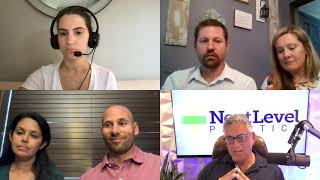
Gary Kadi leads a workshop on hiring for dental practices in a tight labor market. The three steps: package your practice around vision and values, write detailed recruitment ads that attract aligned candidates, and adopt an abundance mindset with systems like hire slow, fire fast. Practice owners share revenue growth and operational tools they used.
Chapters
All right, let's do it. So Tuesday, June 8, we're going to stamp this date because it's a day a long time coming. I'm Gary Katie. I'm your host this evening. And we're going to be talking about the future of Ohio dentistry. And specifically tonight, we're going to talk about the content of three Easy Steps to Hire.
Right.
In this tough market, you know, nationwide, it's a big issue to really recruit, hire and onboard talented people. And we're going to give you that content tonight. We're going to talk about three key takeaways. Number one is how to package your practice as an irresistible product. We're going to and we're going to give you a bunch of tools as well. And then we're going to talk about the difference between writing ads and just job posts and then really writing ads. And we're going to give you some samples tonight as well. Ava will get those to you. And then we're going to talk about the hiring mindset, the right type of hiring mindset. We want to make sure that we give huge value tonight. And this is a commencement. This is a long time coming. This is many years of a vision of really our heroes. I call them heroes. Josh and Natasha from New London, Ohio, and Mike and Hettle from Upper Arlington, Ohio. And I had the privilege of meeting them years ago, and they're going to tell their story just so you can get a sense of who they are. But they've done extensive work and you'll see why I call them heroes because they've taken their trials and tribulations and turned them into triumphs. And now they're in a position to really give it away to other colleagues in Ohio. And they're going to share about their vision. But really where this came from is they said, well, we've gotten this opportunity now to do the work and we want to share it with other people. So the vision is to create this as a quarterly collaboration of leaders of what you're going to learn about tonight is called Complete Health Dentistry. And these live virtual workshops we're going to hold quarterly. Our next one is going to be September 21st, and that one's going to be called Find the Money, get the Money, Keep the Money, and ethically doing it ethically. And, you know, the vision here is to share freely and socially and give and pull advice and resources together. You know, because the community of Ohio dentists is a tight, you know, it's a group of people that we want to bring together so that we can share resources, share ideas, and help the colleagues and the people of Ohio really have a high standard dentistry. I'm going to leave it to our heroes here to talk about that. We're going to really look at how can we raise the discourse of dentistry? How can we raise the conversation about going to the dentist? We know that when the value proposition is higher, everyone wins. Patients get healthy, dental teams grow personally, professionally, financially, and obviously, practitioner practice owners grow. And so we're going to share all that. And I'll just give you a little background about myself. I actually put a little PowerPoint together, so I'll show you a little background about myself. So here, let's do this. And okay, so I, you know, my background is in business development and team development. And how I got into the business was patients were coming in the front door. I would bring like 100 patients marketing wise to the front door of a dental practice and they would go out the back, and when they were there, they didn't invest in anything. So I realized what this. Dennis, you know, Dennis left dental school not prepared to run a business. So I spent the last 27 years, 6,000 practices, codifying a systematic process that allows dentists to really be free to do the type of work that you want to do and be less burdened by the business side and the team side of the business so that you can go out and do what you love to do. And, you know, we've done that all across the United States, Canada, the Caribbean, and now we're doing it in Ohio. No, we're going deep inside Ohio and we're going to rock Ohio. This is about really blowing this up and having a core group of community people. Tonight, as we evolved this, it was a bunch of systems and processes and training and consulting. And then over the years, it evolved. And where it turned was when my dad had a heart attack. And I was going into a hygiene meeting, and I had this meeting with five hygienists, big practice. And we were talking about systems. And they thought that I was really pretty beat up. And they said, what's wrong? And I said, my dad had a heart attack last night. We were in surgery last night. I just got home recently. And he lived. And then one hygienist goes, well, how was his perio? I go, my dad had a heart attack. Now, not being a clinician, I heard that in a very different way then most people would hear it. I realized at that moment about the oral systemic connection and learned that this was the Holy Grail. What I Got to see that. All the reoccurring issues, including recruiting, hiring and onboarding talented people. And we are going to talk about that tonight. Positioning yourself differently than everyone else on how to attract somebody that is going to be talked about tonight. This system of complete health does so many things at its core, and I'm going to let the doctors and partners talk about this. But it is a game changer, this idea of complete health dentistry, the oral systemic connection, the value proposition of on a good day, we save a smile and on a great day, we save a life. But I think it's better off hearing it from people that do it day in and day out. Now, I want to turn this over first to Dr. Farah and Dr. Badia of Upper Arlington so that they can introduce themselves and give us their, you know, give us your story about, you know, and I did. I had to do this. I had to set this up. Oh, sorry about that. Of course, we have to have a beautiful picture. I didn't have your children. And then we'll go next to the. The people that have these weird T shirts called the Indians, but they have Yankee hats on. So. Good. Good choice of hat, I'm going to say here. Okay, so we'll turn it over to Mike and Heddle, please. Go ahead.
Yeah, let's dive in here. So I guess the reason that we're here is because we've had success and we want to find an opportunity to share that with everybody else. Where we started was really, I'm kind of proof that God protects idiots and small children. My father was a dentist. He practices in Columbus. He sold his practice to his best friend who then bought a bunch of other practices. And even though my. What I thought was going to be my practice was gone by the time I got out of the army, there was a practice waiting for me, for my. For my dad's best friend, who then mentored me and helped me build a really great dental practice. And so a really great family dental practice. And we had success, but what happened is we didn't have sustainable success. We got to the point where we got really exposed for not knowing our business. We had the matriarch in our office that every dental practice has, who knows, like every patient in the computer system and who to call to have come in in the last five minutes.
We had our. Well, she was our one and only front desk person, quote, unquote, front desk person. And she's. She was with the practice. She was with Mike's dad's practice from. I mean, since he was probably five years old. So to walk into that practice, we felt, of course, very safe because she was there forever. But we're coming out of dental school, coming out of the arm, not knowing we know how to do dentistry, and that's about it. Not knowing anything about the business, not knowing how to schedule patients or really what happens in the front. And she was the only person in the entire office that really, she had control of everything. So we were very vulnerable. And then she told us, hey, here's my two weeks notice. See ya.
Oh, my gosh.
And so that was that. And that was kind of when we were exposed. Like, we really realized we didn't understand our business. We didn't know what to do. We went into a spiral of serial hiring to try and find somebody to fill that front desk spot. Meanwhile, our only solution for growing our business and increasing revenue and keeping our head above water was to work harder and work more. And it was, it wasn't going to be sustainable. I mean, we had achieved a modicum of success, but it was basically I was behind, pushing everybody. I was in front coaxing everybody along. And it was just like the constant jazz hands and mic show. And it wasn't something I was going to be able to keep doing that. It wasn't going to be a career. It was going to be a burnout and a midlife crisis. And so what's interesting is we always had a consultant in the practice, and so we always had tactics. We were always told, do this, do this one thing, look at this one thing. And tactics are useful. But there was thinking that we weren't doing, and there was a level of problem solving understanding that we didn't have. And that's what we weren't getting. And that's what we started looking for.
We didn't have engaged team members. It was really just the two of us doing everything in the practice. So when we were done with our last consultant, Mike, and it was just the perfect timing, the two of us are like, okay, what do we do next? I mean, it's just the two of us. And then at that time, we remember from our cpr, he invited us to an event where we met Gary. And at that time, that was absolutely. It was just the perfect timing. So when Gary spoke to us for two hours, we were like, this is exactly what we needed and what we really wanted at that time.
And then that just started us down the road. And then I can say that today we've come a long way, We've learned a lot. We have an Engaged team. We've created a great opportunity for them and for us. Metrically, I mean, our revenue has almost doubled in the last five years. And that's, and that's without significantly increasing our patient base. It's just, and it's just a matter of we're able to educate our patients. They can see what we see and then they want to be healthy. It's not just about fixing a tooth or me buying a boat, which is everybody's favorite joke. We've created an environment where the patients know it's about their health and they get to choose and they get to decide. And that's what complete health is. We tie it to what's important in their life, to their overall health, and they can see that benefit. And now we're not talking about, you should buy this. They're basically saying, how do I afford this? And it's just really changed the way we, our relationship with our patients and how we talk to them. It's that that whole concept has been.
Terrific and most of the education is not really coming from us, it's coming from our team members. So really enabling and allowing our team to do what they love to do, which is to talk to patients, to educate the patients, and it's really getting the right people on the team to follow the vision of what we want as a practice, I think has really changed everything for us.
That's great. And I know you're humble and won't say it, but you, you have a new building as well.
We do that, yeah. That's, that's part of the, it's a kind of a two pronged attack. It's. The practice has grown to where we need more space and so we're building out a new office and adding a classroom and some kind of just life upgrades for our team so that they have space to spread out and feel like that the practice is their own too. And we're adding a classroom so that we have more opportunities like this to help people. And then the other side of that is, that's part of the Mike and Heddle plan, is the building, while it creates a space for the practice, is a large enough building that it has a positive cash flow on rents. And so it becomes part of our retirement plan too. And that's come directly out of the growth that we've, or well, I guess the growth that we've seen in the last five years.
Yeah. Congratulations guys and thanks for sharing your story. It's really awesome. Really awesome. I'm so inspired by you guys and let's go up to New London. O h, I o. And see what they got going on up there. Hi, guys.
Hi. How are you?
Good, good, good. What's happening in New London? How did this all come about for you?
Our story was a little bit different. I bought half of a practice directly out of dental school. So I went from massive debt to even more massive debt. And I guess I naively thought that once I was able to start practicing, everything was going to be sunshine and rainbows. And I was quickly disabused of that notion. And I basically slogged my way through nine years. Eight. Nine years of our lives just being on this giant hamster wheel to where every day was the same and I'm just running, running, running, running, running, just trying to make ends meet. And it took a toll on just my family and our relationship. And I was. At one point, I was literally so defeated, I'd gotten one of those flyers in the mail that said, hey, if you want to sell your practice, give us a call and we'll talk. Remember walking out of work one day and it was just. It was one of those just awful days, like you just couldn't wait to get out. And I got in my truck and I grabbed that letter and I got in my truck, and this is no lie. I pulled my phone out and I was on the verge of dialing this number to talk to whoever was on the other end about just getting out of it, not having to deal with it. And then I remembered that the same CPA that Mike and Heddle had had sent me a letter saying that Gary was going to be coming to Columbus and, you know, inviting me to hear him speak. And I was like, well, you know, I'll give him a try. I don't know if it's going to change my mind because we'd already done two consulting, two consultants in the past, and they were always big on promises and short on results. And I get easily roped in and fired up about stuff, and Natasha generally pulls me back. So we ended up going down. And I went down by myself. Yeah, I went down by myself and I pulled Josh, and I came back, like, just pumped, you know, like, this guy's going to solve all our problems. And she's like, putting the brakes on.
I said, no, not again. I can't do this again, because I wasn't set up to be in a dental practice. That's not what I went to school for. I was a accounting manager, auditor. I didn't sign up for this. And, you know, we moved up here and I still worked and we had our first son and I stayed at home and I got thrown into it. I got the phone call of, hey, you have to be here. We don't have anybody else to do this job. And I didn't know what I was doing. I had no idea. I was like, oh, great. Yay.
Fun.
I had no clue. So I went in. I've been in there for 12 years. 12 years. And I slowly have stepped into a role and I stepped back from roles and.
Well, like, like. So to convince her, like, we actually went to New York, I took her to New York.
That was my convincing my time. Like my pictures popped up and it's been six years since we've met you, where I got to raise my hand and ask you all of my questions because I was the naysayer.
Yeah, yeah. She's like. Because I mean, our town literally has 2,500 people. So she's like, this is not gonna work in this, this rural community, nobody's gonna care about complete health. And it has been anything but that. It works wherever you are when administered properly.
And you have the team that we have a great team and they want to stay with us and we've attracted them and we've got to pick and it's been great. And I can step, step back knowing that if I'm not there, I have somebody that can do what I need them to do and I don't have to be there. And he can do dentistry and we're good.
It took two people to replace you, Natasha. Two. You have two people you can go to?
I do, yes, I do.
And of course, being humble, you're not going to say that you have a building that you're building your dream practice, but also I want you to highlight what you're going to do with your existing practice and what the vision is for that.
The vision for it is an even more so after even just this past week is to open a clinic, an all access clinic for those in need. And Huron county and the surrounding counties. There's not enough. There's not enough. So whether. And going from dental into medical like that dream is to be able to have it all there.
So you have a new building that you're going to move this practice into. Your old building is going to be an all access care for those who don't have typical access to whole life living. And so I really applaud both of you. That's why, you know, for those that are attending tonight and those that are Listening after, you know, that's why I'm so touched to donate my time here to them and their vision because of what they really stand for. And you know, why do you want to give this away to other people? And then we're going to get into the content. That's like, that's the question there for me if I'm sitting here for the first time meeting you. Your story sound interesting, but it's like I think the unanswered question at this point is why do you want to create a community here in Ohio? Why is that important to you? Let's go to Josh and Natasha first on that.
There's no reason for, I don't want anybody to feel as defeated as what I felt on that day when I almost called about selling my practice. We've learned the hard way, Mike and I and Heddle and Natasha both or all have. We've learned the hard way and we don't want that for anybody else. We want to bring all of our accumulated knowledge to them and show them that there's better ways that, you know, you don't have to, you know, settle for your chain dentist, you know, dental places. You can, the private practice can still be viable and alive and kicking and there, there are ways to, to just live your dream and not be beholden to anybody else.
Yep. Natasha, anything additional for you? Do you want to add anything?
I just when like the abundance, living in abundance and being able to give it away and see other people, you know, have the success that we've seen and like we see it in our team. So to be able to know that we can give it to doctors and then to their team, like that's, it's been life changing.
Awesome. Thank you for your generosity. Let's go to Mike and Heddle again. The question is, you know, why would you want to bring together a community of people in Ohio.
Really? I guess the purpose of our practice is that every single person that touches it is better for it. We want to make everybody's lives better and that actually starts with our team members and then our patients and then bigger. Mission is changing healthcare. Dentistry is hard, dentistry is changing. And in a world where everybody's telling us we're all going to turn into McDonald's and that's where a lot of things are going. There's still Michelin star restaurants out there and I think it's possible to create a Michelin star restaurant, something that delivers a level of health and care that people really want. And if we don't decide how Dentistry is going to change and create that future, then somebody else is going to do it for us. And I don't want to see our profession that's done, that's just done wonders for my life and changed a lot of people's lives. Turn into something that's just drill bill and fill something that's just McDonald's where you're getting calories but not nutrition. Like, I think we have an opportunity and an obligation to make dentistry better and then make everybody's lives better. My long term vision is I really think that dentistry can become a true career for our team members, not just a side hustle. I think that dentists can continue to be the owners of their practices and it's not going to work the way that it has. I think the people in our peer group and our age group are going to be fine. If we practice, we'll be able to retire, but the kids that follow us are either going to be, we're either going to sell to DSOs and we're going to turn into a franchise or we create that future ourselves. And so really our mission is to make dentistry better for everybody involved. And that's, that's why we're here. And then the turnaround on that is, you know, if we can find people to partner with now we get like minded people that we can talk to. You kind of create, you know, you're an amalgamation of the people you spend the most time with and the people you network with. The more people that are thinking like this and the more people that practice like this, the better we all get. And so it just kind of raises the, you know, rising tide raises all boats. It makes it better for all of us and then gives us the chance to again continue to direct and change dentistry for the better.
I mean, we have a practice now that we were excited to go into. We don't dread that Sunday night like, oh, we have to go to work the next day. And it was like that for us. I mean, eight, nine, ten years ago. And we still know so many people. We've got friends that are in dentistry that are. They hate it. They hate doing what they're doing. I mean, they love the dentistry part, but they hate owning the business. They hate having to deal with the team. And it's just we want to be able to share our knowledge with what we've done and how we've done it. We really want to just give that away. Things can be so much easier for them. And that's what gets me excited and passionate to Be able to share that with my friends that are going through the same thing that we went through years ago.
Well, cool. What we want to do now is we want to shift now that we know who you guys are and why you're here, we want to really give value. This is about collaboration, not competition. How do we collaborate? And we want to get right on the court and talk about how you're positioned because you're fully staffed up, you have a players, how the heck did you do that? So we want to really unpack that tonight so that you can walk away tonight with value and get a sense of how this group is going to work. So there's three steps. We like to keep things in threes or acronyms. Three easy steps to hire right in a tough market like this. Right. And this is the number one thing. I'm going to be speaking at a group dental, Dental economics next week with the editor. And so that's why, you know, this is the hottest topic in dentistry right now beside, you know, DSO issues and stuff like that. So the step number one is to this concept, we want to give you a tool right now just to be thinking about is packaging your practice as an irresistible product that new higher prospects buy into. So these are no cost tools that we're going to give you right now. Now, they're not always easy to create. Like when I first started with Josh, I remember he's like, I've been trying to write a vision, purpose and values Gary for 10 years and darn it, it's like I can't get to it right. And usually vision, purpose and values. When you hear that, it's like some calligraphy on what I call the hallway of amnesia. You know, they said yes in the back and they walk down the hallway of amnesia and forget everything. And you know, then it's like, you know, they get up front and they say, I don't remember what was said back there. And then you might pass that, that thing that's collecting dust called, hey, this is what we are. And it's usually some version of like to offer the best service with the best technology and the best customer service. And it really just becomes some generic thing. One of the things that we've learned is this distinction of on offering a, you know, getting yourself as a dentist decentralized and creating an entity that allows for people to buy into. So it's not about the dentist name and then you're offering transactional dentistry. What we've learned is when you offer the means, that's like a Commodity. That's what you can't out DSO the dso. But if you create your position, that is something that they can't offer. You can then go into a 2,500 population and double your practice. Right. How do you do that? And how you do that is you create your practice as a meaningful entity. So, you know, I actually want to go out to Josh and Natasha on this one first. Talk about this vision, purpose and values. Josh and Natasha, you know, talk about this concept and I'll pull it up, I'll pull yours up. If you'd like to talk a little bit about how this has impacted your practice from having your team buy in, getting an aligned team and then really attracting somebody to come all the way from Cleveland to New London. That's insane. Like, who's doing that? So let's talk about it.
So, like Gary alluded to, I had. We had mostly me. We had a really hard time figuring out our vision, purpose and values. Like, it was something that should have been so easy, was so incredibly hard because nothing we came up with, it just sounded. Sounded trite and overused, like cookie cutter. And it just didn't speak to us. And so, like, I don't even know how. It just came about in our meeting with Gary, but, well, when we started looking at the broader picture, like, what did we want to accomplish? Like, we sat down and we're like, you know what? We want to impact not only our community, but we want to impact all the communities around us. And so we started looking at, you know, the populations of other counties and we had this like, like huge number in there. And then we just distilled it down to the Greater New London area, which is broadly based anywhere from Cleveland to Columbus.
So.
That'S, that's, you know, just a little plug for New London. But, like, the purpose was what, like, really ended up speaking to me. And that was like, our goal is not only from, from our patient standpoint, but from, from our team standpoint, just from us. Like, like, we want to inspire people to live life better. You know, you don't have to as a person. You don't have to hate work. You don't have to feel bad. You know, there. There are things, things to do, whether it's dental or whether, whether we point you in the right direction from a medical aspect. There are things that you can do to just live life better and enjoy it more. And so, you know, from there, like, our values just kind of came pretty easily. You know, we. We use the acronym HERO because we want health to be greater than disease. We want excellence in our practice. I'm very OCD about what the work we do, because I want to put my name on something that's excellent. Respect. We not only respect each other, but respect the patients. Everybody comes from all walks of life. Everybody always has different life circumstances. And so respect goes into not judging them. You know, we don't come in new patients. We don't make them feel bad for, you know, whatever their past is. You know, this is. This is square one. This is the starting point. And wherever they're at is the perfect place to start.
Start.
And that goes. That literally goes so far in getting them to trust you and believe in you. And we always look at each day in each month, each year with a sense of optimism because we know that if we hold true to these visions of purposes and values, you know, the future is just unlimited. You can unpackage an unlimited future for yourself.
Yeah, it's special. And what's happening here is you're offering people an experience and it's not the means, which is transactional dentistry, drill, fill and bill. It's transformational dentistry that changes people's lives. And when you raise the value proposition, then you raise your ability to attract people, whether it's patients or team members. So having this, you know, when Josh came to me, goes, man, I'm ready. I need to get me and I need to get an associate. I just, like, need to get an associate. And he showed me the ad. And we're going to give you ads that, you know, you can run that are engaging, tied to this. See, when your vision, purpose, and value is clear, you can then articulate that out in the world. And now this is what people are buying. They're not buying. I work for Josh. See, I learned long ago people are not there to help make you rich. They're not there to do tasks. But if you can give them a high purpose and a reason why and have that match up with their why all of a sudden you're going to attract people. We do not.
We have.
We. You know, yes. It's much more difficult to attract people in today's world. Am I frozen right now? Was I frozen there for a second? Am I good? Okay. Yes. Our employee base has shrunk 10% nationally. Yes. But there are people that are dying to work in high purpose places, especially millennials. And that's like over 60 to 70% of the people who work in practices today. And they like, Ava is on my team. She's a rock star. She's a hygienist. She's a hygienist. I never would have attracted Ava if we did not have a high purpose that matched up with hers. It's just not going to happen. And Josh, I'd like you to share. Like, you know, Josh wrote this art. You know, he wrote this ad for this associate, and we stepped back and we rewrote it. And you'll get a chance. We'll show you the before and afters. And then Josh wrote this ad with this context, with this purpose. And Josh, tell us the quick story about your new associate that's starting, I think, at the end of the month.
Oh, Monday.
Oh, my gosh. Congratulations. Awesome.
Thank you.
Yeah.
So her husband has a job at Cleveland Clinic, main campus. And so she. She found us, reached out to us, you know, wanted to, you know, talk to us, interview, you know, long story short, she. She came, spent, you know, the better part of a day with us. And at the end of the day, she's like, I gotta be honest. She said, I really was hoping I didn't like it here as much as what I do because, you know, I'm an hour from Cleveland. And her husband works in Cleveland and there's a million dental practices in Cleveland. And we out competed them all. She interviewed, I think she ended up saying she interviewed at about 15 different places. And none of them offered her the. I think the level of. Of care and the word's escaping me. None of them, none of them offered what we were offering. Not from a monetary standpoint, but from a patient care standpoint, because she truly is invested in bettering the lives of her patients. And so that distinguished us from the rest of the pack. And so she's going to drive 45 minutes to come work for us next Monday.
Congratulations. I'll never forget getting that call. Just like one of the biggest joys in a while, to get an associate to a rural place is not an easy thing. But this is an example. And we see this all over in Hays, Kansas, in the middle of Machias, Maine. This is what's happening when you have the right position. And that's what we want to share with you. Let's go to Mike and Hedl and let's talk about this vision. 25,000 people enrolled in complete health by 2025. Let's talk about this Mike and Heddle, please.
Well, that really came down to, like I said, the purpose of our business is to make people's lives better. And 25,000 people enrolled in Complete Health by 2025 means that, you know, that's. I'm not going to see 25,000 patients. And I don't think between Josh, me and Heddle, we're going to see 25,000 patients. So the idea is, how do we get other dentists to jump on board, too? And so that's where that vision came from. And because I think that's our best way to make dentistry better for everybody involved. And so that's how all of that fell together and came together. The values are actually our family values. Like, my kids have to recite those and tell us about them.
They know it by heart.
Yeah. And what we believe is a business is really, it's a physical embodiment of who you are as a person. And so you're putting that culture in and you're creating that business around who you are. And so you have to know who you are and pick your values and then share that with the team. And what ends up happening with that is now the team knows kind of a why they're coming to work. They kind of know the rules of the game that we're playing and what game we're playing and what we're playing for. And so, yeah, we have days where it's just, you know, you look at the schedule and you're just going through your next patient, but for the most part, we're looking at how do we get our patients healthy, how do we help each other, and how do we make everybody's life better today? And then as far as spreading complete health, my team members are. I mean, they're zealots. Like, they always. Every time we have an opportunity, they're recruiting their friends. It's actually turning into a club. And then this kind of an opportunity is how we can help get our vision there, too. It's just to get more people interested. Incomplete health.
Yeah. And the other piece that I want to add here is it's one thing to create this, but then it's another thing to have systems and structures, low cost systems and structures to get your team tied to the business. So we invented a system called the Dream Program. And the Dream Program is basically exactly what it says. It's. But it's structured. So when. When. What we've learned is that when a team member feels that their personal dreams are being fulfilled inside of the business, what happens is, is that if they get a bonus, which, you know, we like to bonus our teams because they help grow, and as a business owner, you want to willingly share part of it into what they're accountable for. So we built a systematic process. And Ava, if you can just put in a link to Million Dollar Dentistry, I just thought of that. You guys can have a copy of it. We'll put it in the chat and explains the bonus system. When you have a person who manages it, we actually have some structure to it. There's a role and responsibility of a dream manager. It's the person accountable for helping other team members realize their dreams. We actually have, it's a dual role. They're another role. They're usually someone who's really lit up about helping people live their dreams out. And then, you know, we have a structure where they have to fill out 100 dreams. Financial, mental, social, spiritual and physical. And it's not easy to fill out dreams. But what happens is when you start filling them out and get and people are sharing ideas and you have a wall in your lounge, all of a sudden this is a low cost way to bring in great energy. And when you say that we offer a dream program and you're recruiting and hiring, onboarding, low cost, high impact ties your team emotionally to your business and it also drives them to do better. Because when they're tied to a bonus that they can affect, like an appointment coordinator, filling the schedule, like an assistant, helping you get whatever your measure is for your daily primary outcome as a doctor, now all of a sudden they're like driven to like, you know, as a business owner you have a risk and reward. The better you are running a business, the more income you have and the more of an impact you make. But they don't, they get capped at a dollar amount. And when you put a bonus structure in and then give them a reason to drive towards something, like one of the biggest things is like a Disney vacation, paying off debt. Like, you know, they have like a lot of dreams that get fulfilled now they're tied to the business in a brand new way. It's a nice way to recruit people. And again offering a package, you could say we offer a dream program. It's where you start creating your dreams. And we have a bonus structure. You see, you are using your practice as a purpose driven place that has elements of people fulfilling on their dreams. And when you can offer that to people, you have a competitive edge and people will drive 45 minutes to come to your practice. So now I want to move to the next piece of the content. It's writing killer ads now. Are you posting ads like this one? This is a great one. Or do you just post it and it's, you can see this is vanilla. This is a commodity. People in today's world, if you're selling commodities, whether it's dentistry or selling the commodity of a job, you know, you're not going to get responses to something like this. You know, it's like, box, check, box, check, box, check. You know, take a look. No one's responding to this. But when you start writing ads that have your vision, purpose and values hide in here, now all of a sudden they're reading that and they're going, okay, just how this ad is written is completely different. And by the way, Ava is going to give you a copy of this so you can customize it and you can swipe it and take it and use it. But they want to know what is, you know, why should I come? What makes this practice different? Right? And so having the vision, purpose and values at the top, by the way, you might. A lot of people say, well, oh my gosh, you know, an ad should be short. No, yeah, the ones that people just sling out resumes and you don't want them working with you anyway. But the people that really care about not getting a job, but having a career and a, and a work home, they appreciate having detail. And by the way, they really like to learn and be challenged. We did a study on do you want an easy job or do you want to be? Do you want to be. Do you want to be challenged and learn and grow? 8 out of 10 people said they want to learn and be learned. They want to learn and be challenged. And so, you know, that is why that is there. And then what is the philosophy of your practice? That is a big one, especially for hygiene. You know, there's three types of hygienists. There's the tooth polishers, the gum gardeners, and there's what we call the hygienist is the people that want to educate and transform. If you want to get that higher level hygienist, you know, you have to put your philosophy in there. And then of course, job responsibilities and then really what the ideal candidate is. And the key is the last part, because this separates having to spend so much time, you know, interviewing people is if they can't follow this direction exactly once they get into your practice, then you're having to get them on board and you might be training the wrong person. In the subject line of the email put, I'm your world class hygienist. If they put hygienist, they might have missed it. They didn't follow direction in the body of the email write, why you're the right person. Now they have to have self esteem. If they don't have self esteem, they're not going to write something validating about themselves, attach your resume, can't tell you how many times they forget that, and then include your salary or hourly working requirements. So now you can make sure that you're in the right ballpark and when they respond, you're going to get less people. But this is a vetted group of people that are much more aligned and have a clear ability to take direction. Because how many times have you gotten somebody on your team in there and you get in, you just take them and, and you don't know what their values are. You have to. They're wreaking havoc on your culture and they actually do the opposite. You know, then really add value and add value to the team. So I just, I'll turn it over to the docs and spouses and partners and, you know, anything that you want to say about this, that, that, that I might not have covered anything you want to add to this approach?
We actually did follow this. Exactly. And it. You would be surprised on how many times people don't read the entire ad and keep sending you resumes without adding anything to it. So this has worked out really, really well for us. Mike.
The biggest learning that we've had in hiring is you're looking at three things. You look at skills, you look at aptitude, and then you look at values. Skills you can teach as long as you can accurately assess aptitude. And that's something that we've missed on a bunch where you hire somebody that, that doesn't have the skills and, and can't ever get the skills. And now you have this person you really like, but you have to let them go because they can't do the job. But the, and then, but the thing about values is that, you know, aptitude can be assessed, skills can be taught. Values are the kind of things that people fight wars over and they don't change. And so if somebody doesn't share values and it doesn't have to be spot on, but it has to be enough that you guys can move in the right direction. And if you don't have that up front, finding that out later is costly and it hurts the team or hurts morale. Even if your team members don't like somebody when they leave or when you fire them, it really rocks everyone. And so it's a very one step forward to take two steps back thing when you miss on a hire. And so getting it figured out up front is absolutely worth it.
Josh, Natasha, you want to add anything?
Harry, I can just say just hiring for warm bodies can absolutely wreak havoc on your office culture. That's how we used to hire. And yeah, it doesn't happen or it doesn't. You don't hit on people doing that often.
So.
So, you know, be. Be selective on who you hire, because when you're selective on who you hire, you. You don't. You don't get a staff where you don't get an employee. You truly get a team member, and that's what you want because that's what actually drives the practice.
Yeah. And I think, Josh, let's pick up on the third distinction that I wanted to deliver tonight. The mindset of hiring. And especially now, there are two distinctions. An abundance mindset or a scarcity mindset. And if you hire from a scarcity mindset, you're going to be hiring warm bodies. You're going to hope to have anybody who has a pulse that shows up to an appointment. I can't tell you the horror stories that I've been hearing, like, hey, I can't even get people to show up for an appointment for their scheduled time. Good, because you don't want that person. And if you stand in, there's more than enough. And what was missing was how you positioned yourself, which is the vision, purpose, and values. And then the bridge to that, how you articulated that once you clean those two things up, you're going to start seeing the right people coming to your practice. Right. But if you're in the scarcity mindset just because of the approach and what your other colleagues are saying, what happens is that when a warm body shows up, the game's over. Because here's what happens. You try to train that person, you're wasting your time. The other thing that happens is people play down to the lowest player. So what happens is that everybody's playing not to get fired. So this is the underneath thinking they play not to lose their job. Cs, business owners, we play to win the game. The challenge with team members is they play not to lose their job. Once they see that the lowest person is getting away with not showing up on time, not following the system, not following all the processes that go on. Everybody, you actually play down to the lower person. I'm not a great tennis player, but I played one guy who was really good. I thought I was like Roger Federer because you get into a cadence and a mindset that I got to play up to a guy. It raises the bar when you Play with somebody better than you. But if you let a B or C player come in the games, the game not only hurts that position, it hurts the rest of the team. And that's when you start sinking. That's why this is such a critical time to build a practice and to do it right. So would you guys like to. Anybody like to share about the scarcity and abundance mindset? Anything you want to add to that before we go to questions? Because we'll then open it up to questions. Anybody want to add anything to this, this piece? I see you guys smiling.
I'll just share my. My desperation. Higher. That made it four days. Like, literally it was Monday. Oh, this is going to be great. And on Thursday, I was like, here is your. Here's your notice. I appreciate your time. This is not going to work out. And it was. And we were just. It was when we were in panic mode. And then, I mean, that kind of started our revolving door of hiring and letting people go, trying to find just anybody. We were just flailing and it was miserable.
And it's counterintuitive. Like, what we're giving you is counterintuitive. That's why it works, because it's already proven and we do it in all these practices all around the North America. And you're going, well, I should write a shorter ad, not a longer ad. The other thing we do is we take our time. We hire slow and fire fast. So they have to read. Watch this. If you thought this was crazy, you read Million Dollar Dentistry, which Ava gave you, gifted you tonight. You actually read that. And they have to write a book report on that. Like, I mean, really? Yes. And then they have to take a personality test, Then they have to do background checks. So, like, here's what we've learned. Ava and you went through the process. So Ava's on my team. You know what happens when you go through the long process? What happens for you as you experience that? I'd love to have you share from an employee, a team member standpoint. Would you like to share? Yeah, absolutely.
Go ahead. Give me the question one more time. Gary, I'm sorry.
I said, like, going through the hiring process and you have to fill out, you know, you have to read Million Dollar Dentistry, you have to do a book report, you have to meet with team members. What happens to you as you go through that process?
So it kind of. It gave me a chance to familiarize myself with the company because I actually shared this with Kelly, who's our COO a while ago when I did my 60 day review with her, I told her when I first applied, I wasn't really sure, you know, what I was getting myself into. It was a big leap for me to leave the clinical world of dental. So for me to have the chance to read Gary's books and to see what the team culture was like. And there were a lot of hoops I had to jump through in the interview process to make sure that they were equally as good of a fit for them as they were for me. So it wasn't just them interviewing me, it was almost like me having to interview them as well. So I really appreciated the time that it took because I have been on plenty of job interviews where, you know, like the ad that Gary had shared earlier, there's tons of hygiene ads out there where it's very just, it's bland and you really don't know what you're getting yourself into. And I think it was very, very important for me to make sure that when taking the next step in my career, which was very important to me, that I worked with a company that was aligned with my vision, purpose and values, which, to be honest, I didn't even know I had until I started here. And that was one thing. Like Gary was saying, it took somebody time to get their purpose. And that was one thing that actually took me a lot of time, that took me weeks to figure out because I really had to dig deep and think what my purpose was. So I actually ended up. My purpose is to impact community beyond a smile at a time, because that is part of the reason why I stepped out of clinic. So it goes both ways. You have to make sure that you're a right fit.
Thank you, Ava, for sharing.
You're welcome.
Yes. Let's go. We're going to open it up for questions. So if you'd like to. If you have any questions or if there's anything in there in the chat, Ava, that you want to. This is a good time. We have a few more minutes before we close out this evening, but if you have any questions for Josh and Natasha, Mike and Heddle, this would be a good time to ask that. And then I want to let you know if you'd like to participate in our next session or if you'd like to chat with the doctors to learn more. You want to have a personal connection with them, you can just let us know that and we can connect you guys and make sure that, you know, you start a dialogue. Because we want to really begin a dialogue of building a, you know, a whole community so what do you do if you do not get applicants who respond with the instructions? So we, we can not. Now, you can evaluate this if you want to just practice your interviewing skills. And they missed one thing. We give them a pass. Because it's, you know, it's, it's pretty rigorous, you know, but if they come close, we let them, we let them go. And you know, obviously you read the resumes, you see what their backdrop is. So if they didn't get it 100% perfect, you know, no human being is. But if they made an attempt and you can see that they read it, you know, because there's, there's, there's the resume slinger. They're just, they don't even know who they're interviewing with. It's, it's crazy to me. And then there's the people that are the right fit, people that really, you know, align with what you're doing. So that, that's how I would answer that question. You know, give them, give people, you know, the benefit. You know, we're not like impeccable about things, but especially if they have good resume and they wrote why they're strong, because, you know, that, that whole thing about writing, why you're a good fit, you have to really have a deserve level. We call it a deserve level. To say my self esteem is strong enough that I can talk positively about myself. Not everybody can do that. And when you get somebody like that, when you give them a system and train them, like Ava, like she was chosen because she had self esteem, she goes, I can help further this action and help people get healthy. That's what I'm passionate about. And I just don't want to do a chairside. I want to do it on a bigger scale. And she, she is, I mean, look at it. There's, you know, 25 people who have registered for our session tonight that she's going to make an impact on. So her purpose is being fulfilled here. Right. And by the way, Ava did get everything 100% correct. So, you know, and what happens is you'll find that you'll start a. We have practices that actually have a grapevine built of like, that's the practice to work for in the town so that we wait list people. So like we're always recruiting. And people know we create scarcity. Not on the dental side, but on getting a job in one of the complete health practices. Creating scarcity. The flip flop, like, I want to get into that practice, especially a Rural practices are really like that. Anything else any other Questions, we're coming up. Yes. Hi, Sarah.
Hi.
Hi.
I'm the one who posted that question.
So cool.
We have. So we're in Columbus and we have struggled, gosh, granted, through a really crazy year, but for about a year, posting now repeatedly to look for a treatment coordinator with no luck. We hired one. She stayed for a week and then quit one night through a text. And that's the closest we've been. Otherwise, I get applicants who don't. They don't respond with the four things. Most of them honestly don't even respond through an email. They respond just directly through Indeed. And it's just whatever the Indeed resume is.
Right.
Yeah.
And I'm lucky if they have any dental experience. Most of them are nowhere near a customer service background even. So what do you recommend doing in that situation?
Well, opening up. We do open up now. I always like dental as a dental background, but in cities, because you're in a city, like, you know, in city areas, because of, you know, people not working in the city. So, like, there might be even less in city. City centered areas, we actually open up the opportunity to recruit outside of dentistry because that will also expand your opportunity to do that as well. So that's, you know, I'd suggest considering that as well. People who have a, you know, customer service, you know, they're presenting, you know, they're used to presenting things. So you can consider that as well, Sarah. So that. That's another opportunity as well.
All right. Thank you.
Thanks, Sarah. Yes. Oh, Barbara Clashy's here. Hi, Barbara.
Hello.
I just got home. This is Week of Weddings, so I'm sorry I'm late.
Congratulations. Well, we're just actually wrapping up because we're at the top of the hour. But I'm so glad that you came. Barb is another community member in Columbus, and Barb is the first on the planet to combine medicine and dentistry. She has a cardiologist husband and permanent partner. And he was working in a hospital, and now he came on board, and now they're partnered. So they have one of the ultimate complete health practices in Columbus. And to have that in Columbus is a big deal. So, you know, what we're about to do is just close out today. Barb, would you like to share? We have doctors from around Ohio. Would you like to share anything about creating a community in Ohio? Would you like to send any messages out in closing today?
Well, I apologize that I am late. I was hoping that you guys would still be online here. Welcome, Ohio. Dennis. I'm so proud to have the Merrills and the fairs within our community. It's been a challenge, but it's been great as every year has proven to be more successful as we start networking with other medical providers and other dental providers and really seeing the difference that we're making in our patients lives. I have the opportunity with having a phlebotomist right in our office that works with my husband, the cardiologist Eric Goulder, and we're able to do blood draws before we do any type of dental therapy and treatment. So I can really empower the dental community on what a difference that we could make in our patients lives because we actually finally have different objective testing that we can use to show that our work really makes a difference. So doing blood work and then doing periodontal therapy or root canal therapy and then doing blood draws again and seeing the difference that it makes. So I encourage you all to take a leap and get into the complete health dentistry movement. It's so gratifying. It really creates passion in our day to day work. That finding the right team that has the right thought and mindset and culture really empowers you to do some great things. And I really thank Gary for onboarding me what, 10, 11 years ago when we first met. I'll never forget that day. And he is such a motivator, such a person to support you and keep your passion alive. And surrounding yourself with like minded people really helps you stay on the path to do something a little outside of the standard of care.
That's great Barb. Again, thanks for being such a pioneer in this community nationwide, but also obviously being in Columbus with leading this charge is a big deal. One of the things that I'm donating my time at the bottom. If you'd like to get a call for a half hour, zero obligation, talk about your specific concerns, questions, issues about your own practice, we can do a zoom just like this. It'd be one on one. That's how everybody else started here. And all you have to do is go to nextlevelpractice.com Future of Ohio discovery and you'll get right on my calendar. And I'll do that for whoever would like to do that this evening. And then the last thing I wanted to do is let you know about the next one on September 21st. Tuesday 7pm Find the money, get the money, keep the money. We're going to be back sharing some more content and some more value. Just I want to turn it over to our heroes of Ohio and just close out from some parting thoughts. So let's do that. Mike and Hetl kick us off and then we'll go to Josh and Natasha. I want to acknowledge that we're a few minutes over and if you have any other questions, just please just let us know and we'll get those questions answered. Mike and Heddle, please. Did I say Mike and Heddle or Josh and Natasha?
You said Mike and heddle. Go ahead, please, just you guys. Thanks for the time tonight and thanks for giving us a chance to talk. If anybody wants to reach out, we're not hard to find. Most of us. We actually kind of all know each other. So don't hesitate to contact us directly. We want to share. We're always happy to sit down for a. Or a bourbon or whatever floats your boat and talk dentistry and talk about our experience and anything that we can do to help. That's what we're interested in doing. And also, I appreciate your patience. This is a brand new experience. I was like, I've been sweating over here on this side. It's weird to be in front of an audience. And so I just appreciate you guys giving us a chance to talk. So thank you.
Thank you guys for listening. We appreciate that.
Yeah, thanks, guys. And Josh and Tasha, take us home.
I think we can echo Mike and Heddle's sentiment and thank you guys for showing up and listening to us ramble about our lives. You know, this is truly the most inclusive community that we've been a part of. And what's great is everybody pulls for each other, everybody's there for each other, everybody is willing to help. Just like Mike and Heddle just said, hey, contact us if you need to. Same with us. We're always happy to talk because as Mike so eloquently put it, you know, a rising tide raises all boats. So we're all in this together. We need, we need to support each other and make dentistry better.
Thank you.
Thank you.
Great, guys. And I'll leave you with a quote, my favorite one, which is never doubt that a small group of thoughtful, committed citizens could ever change the world or Ohio. Indeed, it's the only thing that ever has. So thank you all. Have a good night and you'll get a follow up from us. And I look forward to seeing you when we see you. We'll definitely see you soon. Have a good night, everybody.
More from Gary

The Smallest Room With the Biggest Payoff in Dentistry #DentalPractice #DentalBusiness









Dental Cancellations Are Contagious: How one bad habit can infect your whole practice
