Million Dollar Dentistry Masterclass- "The 3 Places Money is Hiding In Plain Sight In Your Practice"
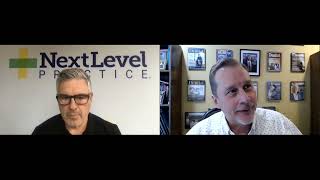
Gary Kadi and Steve identify three ways dental practices leak money: no real-time financial tracking, keeping underperforming staff, and missing revenue by treating only symptoms instead of presenting a full care plan. They demo a QuickBooks dashboard and an employee correction process.
Questions this video answers
December 15, 2021.
Million Dollar Dentistry is in its seventh printing and an eighth printing is on the way.
28% (average case acceptance nationwide).
22% (patient returning twice rate).
0 to 150 (Abundance score scale).
Chapters
Hey, practice owners, thanks for tuning into our webinar tonight. I'm thrilled to have my buddy Gary Katie back. Gary, how you doing?
I'm so good, Steve. We, you know, 12 times. We'll get it to be a charm, buddy.
Yeah. This is not a. This is a bonus episode. So we started off on your worldwide bestseller, Million Dollar Dentistry, first edition, and it is in seventh.
So.
Seventh printing, right?
Yes, sir.
So. And you. Did you tell me the 8th is on the way?
Yeah, it is. We had. We had to get the pronouns in there, Steve. He, them, the she, the they. You know, I got to make sure I'm relevant for all people, you know.
Well, the cool part is this is, you know, we've talked about this before, and anybody as docs are kind of coming in here. Anybody who's watched a few of these has led into it knows that the chapters, the 10 chapters in this book are as relevant today as they were in 2006 when you wrote it. But there are a lot, a little bit of updating things. So, you know, in 2006, there was advice on, you know, getting your ad in the Yellow pages, and in 2021, not so much Yellow Pages, but the fundamentals are still the same. You know, the things you do are still the same. And that's what we're going to talk about tonight.
Yeah, they're more relevant than ever, Steve, like the solutions we've always had, but people weren't searching them out because they weren't dealing with the problems that they're faced with today, which is profitability, which is finding good team members, which is how to deal with team members that are not aligned. You know, all those problems are now surfaced, and people are looking for solutions that are proven, and they're throughout that because here's why. And a lot of docs ask me why, what makes this unique. They're built on the fundamentals, Steve, of basic business principles and basic human motivation. If you understand those two basic principles have been around for hundreds of thousands of years, then you can apply this work and understand it and figure out why it all works. And we're going to unpack today. Three blind spots, man, that people are, when they find them out, they're like, oh, my God, jaw on the floor. No wonder why I can't take time off. No wonder why I. I have money with wings. I'm making money, but it's going out the back door. And, you know, these are, these are blind spots that are hidden in plain sight. They're right there. Once you see Them you're never going to be able to look at your practice the same way ever again.
So you, you know, to use like, as you were talking, I always think in terms of like a car metaphor. You know, you got a, you know, your car runs really smooth and over time, you know, it gets funky and, you know, like a plug wires come off or something's wrong and. And it's just rattling. But you still keep driving it. And instead of 25 miles a gallon, you're getting six miles a gallon, and you still keep driving it. At some point, you can stop Tinker. So it's not necessarily time to buy a new car. Might just be time to fix what you got. And that's really. As you get under the hood here, what jumps out at me about these three things is that they are, you don't need one new patient. You don't need, you know, you know, we'll talk about staff here, but. But you still have a chance to. What do I want to say? Get your staff on board in a way that's productive as opposed to just replacing staff when they're clunky. Maybe it's not the staff person. Maybe it's. Maybe it's not your team member. Maybe it's something that you're doing. And when we get to the third one, the last one here, which is about staff, and I don't want to jump too far ahead, but you show the healthy mouth baseline. That is a thing that I think I've seen change practices in a way that if nobody. If you haven't seen it and you're watching tonight, I think it will change the way you view your practice. So I'm pretty excited to get to that. You ready to jump in?
Let's do it, man.
All right, so three places money is hidden in your practice that you don't even know. And it's not like the supply closet, but it is, because one of our chapters, we talk about the supply closet. So if you want, get in, get the book and read that, tonight we're going to talk about. I have down here the cost of not tracking your profit and loss in real time.
Yep.
So what does that mean?
Well, you know, it's funny, Steve, because a lot of my docs and the docs that I meet that come from your group, and you're called the profitable dentist, they just. It's archaic the way they have to track their expenses and, like the accurate numbers. And usually what happens is on the 15th of the following month, the CPA will send you a Reconciled P and L that tells you how you did the month prior. The reason why I always challenge that was because you're getting archaic information. You know, I can't tell you, like, I have alerts on all my expenses and I can see like, like my team, they bought like six years worth of this software. Cause they wanted to save money and it was like five grand, you know. But if you don't have structures in real time and checks and balances, you know, you have this money leaking throughout the year and it adds up. And before, by the time you get down to the end of the year, it's like, oh my gosh, like, why are these expenses the way that they are? And most doctors, I would say 9 out of 10 or 4 out of 5 dentists surveyed only read the, the P and L that comes in January for the year prior. And the reason why is because they're like, how much am I going to end up paying in taxes? Right? So that's when they wake up. And I have, I have such compassion for our practice owners who are true clinicians, Steve, that, that don't enjoy numbers. They just, they're just like, you know, it kind of. They cloud over when they look at it. But they want to have more free time, they want to make more money, they don't want to work more hours. And so I came up with a way, and I was inspired by Dental Intel. And I'm really grateful for Weston and his team. They were the first that brought analytics to real time. And the value of bringing real time analytics, that gave me an idea. And I partnered with a really great guy, Brian Laskin, who's the innovator of, of all software that's, that's really hot in dentistry. And we built a real time dashboard that you plug into your, into your QuickBooks, you plug into your bank. And now we can have real time data. And I'm talking about all the way down to ledgers. So if you want to discover why something is up, you can then just click of a click of a button and you can see it all. Let me share it with you right now. Okay. See it, Steve. It's like really profound. So can you see my screen? Is it fully?
Fully, yes. You're covering the whole thing? The, the, the dashboard here? Yes.
Yeah. So the Abundance score is an algorithm that benchmarks you against the other doctors around the U.S. and it, it's like a FICO score. So like, you know, 0 to 150. And this guy, this is a true practice that we're Running right now, they're, they're at 130. So really strong financials just, just at a glance shows you how you're performing. Then the lower left is most doctors don't know what their practice valuation is. Again, another algorithm based upon EBITDA. You can see December 2019 to 2020 was worth 4.8. Now it's worth 5.3. And like there's other nuances that can make it go higher or lower depending on the market you're in, depending on if you have standard operating procedures. And so, but that gives you a good idea of where you're at. And then the practice profitability piece is where I want to click in today and really show our, our, our viewers. Here's what I love about it. I mean, you can look at all your percentages. This is through November, but let's say, you know, it's not reconciled yet. Let's just say, say through September. And you know, you can click and let's just say you want to look at your operating expenses. You know, you're down some 7% over the year prior. And I could look at everything here, like Google Store. Oops, sorry, hit that. We have Google storage, we have CVS, we have, you know, JetBlue, you know, you can see Amazon. And it just, it shows how everything is categorized, how much you're spending. This is a very powerful tool. I don't know about you, Steve, but I want this for my own business because I get, when I find, when I see a line item is, is high, and I get it two weeks after we reconciled the month I got to then write it down, send an email to my CPA and say, can you give me a printout for my ledger? And now it's all right here. And so, you know, this is a really powerful tool that allows you to plug it in and then all you do is check it each day and you'll see the numbers that are going up or down. And you just, you can just check and you can do it at month at a glance, annually and year over year. So it just really lets you know. What I love about this is, look at this, Steve. You can now know in real time, Your income is 5.6, your expense is 4.4. This guy's pulling in 1.1 in profit. And you could just keep clicking through and clicking through and have different views so you know exactly where you are at any one time in real time. And this gives you a check and balance system so beautifully. So, yeah, this, this is changing the Game on Real time analytics for expense management.
When this is. This is on your desktop or do you still. Do you have. It's. You can see it on your cell phone.
Yeah.
So you and I have talked before. One of my favorite things from the old consulting days was somebody would say, hey, I'm struggling, can't make payroll, and I've spent a ton of money trying to get new patients. And I get, you know, 20 in the door and 21 out the door. And. And I'll say, awesome, let me see your P and L, your profit and loss. And they say, hang on. And they call, you know, the accountant and he faxes over the tax return from last year. And you know, what they don't teach you is that is looking backwards. There's nothing you can do if you owe. If you suddenly owe $87,000 in taxes and you can't meet payroll next week, you can't go back and fix that in March. You can't go back and say, holy cow, look at what happened in March. I should have, you know, we paid this or we didn't pay that, or income was down. We were. We spent more than we brought in. All those things are in hindsight, and it can't be fixed. So I'm a fan of whether, if you look at where we're doing this at the end of November.
I can.
Still fix some things in November. If we've got some problems in the practice number wise, either revenue or expenses, or we've got too much of this cost or that cost, I can still fix it as we get to the end of the year and you say, oh, I'm too profitable. That's an awesome thing in theory, but depending on your tax bracket, you can be sending 36 cents of every dollar to Uncle Sam. You know, January 1st. Wouldn't it be neat if you could say, hey, instead of making that profit, let me spend 100 cents of that dollar on a new piece of equipment. And now I get to spend a third more than if I wait till January 1st and say, darn it, now I got to pay taxes. But the point is, it's real time, and you can deal with it now while it's fresh, rather than looking back when you can't do anything. So, you know, and really, at the end of the day, you can do this on your own every day. You can have somebody go in and print out all these reports. And you know where I fall on the dashboard? I love everything on my. On my phone. I like to be able. On the way Home to hit a button. I call them my end of days, my EODs. I like to hit a button and say how we do today and if we didn't do so well, you know, I'm going to go in tomorrow and say, what was the problem? Could have been anything, could have been a flood, could have been school was closed, could have been, who knows? But we're dealing with it in that timeframe rather than a month or two from now. So you've just done a, you've just taken what you can do on your own and made it really simple and put it in the palm of your hand, you know, when you get home or when you're driving home. So, and you were looking at, you're looking at a real practice there. Right. I know you cover up like the name or whatever, but this is live data. So the other thing that you've done, and I don't know if you, if you want to share this, but you can. So you can know how you're doing, but you can also know how you're doing compared with other practices, right?
Yep.
Which is important. You know, you can look at your own P and L doctors and say, hey, I'm doing great, but are you doing as well as you could be? So this gives you the ability to do that, right, Compare with relation docs.
Well, because you're most docs where they, where they fall short is they benchmark against themselves and their history versus what's possible. And you know, the story is the Roger Bannister effect, that Roger Bannister ran the four minute mile. The minute he ran it, he was the first in 1936, 37 people within three months ran it. What changed the belief that it could be done? And so when, you know, we'll have a chance, you know, as always, each month I block out 10 slots for your listeners, viewers and readers. And that's what we go over. We go over what's possible. You know, Yes, I want to hear your story and that's shared. I love hearing the stories of doctors and their journeys and their trials and tribulations. And then I'm like, what do you want to create? And they say, well, I don't know, you know, I don't know what's possible. And I said, let's do some quick diagnostics and I run a few equations and they're like their eyes are popping, going, wow, I didn't know what my potential was. Or, you know, without adding any new patients, without marketing anything, with just going inside, getting your team on board In a certain way, we're going to give one of the tools here because that's where money's hidden in plain sight. It's like your ability to retain your patients, convert the treatment that you're presenting and accepting. You know, Steve, we talked about percentages. I love you and I love numbers because numbers tell the story about how things perform. The average case acceptance nationwide is 28%. And the average patient retention, the patient coming back twice, is 22%. You ask a doctor without true numbers, they're gonna say we close 80% of our cases and 80% of our patients come back twice. And it's just not true. Even the best performing practices are at 50, 50, and that's the best of the best. And there's still a ton of room to grow in those as well. And I wanna highlight, it's not because they're in a city or a rural area. It's not because they have better hands or better, better team. They just know where to go to find money hidden in plain sight that you can get ethically. That's it. I mean, it's that simple. The rest is the stuff we make up in our head. I call it low deserve level, where you don't think you deserve to have it and I'm trying to give it to you and your brain comes up with reasons why to kill it off.
Well, at the end of the day, if you have a even say a $900,000 practice, $900,000 went through your hands in the course of a year. The question is, where did you spend it? And you and I have both been enough practices know, Gary, that a lot of times the doc doesn't even know where it's getting spent. So suddenly you find out that, gee, we spent 875 of it, so we've got this much left over. But what if you could spend 750 and have that much left over or 600 and have that much left over and you really don't. You can't look at that April of 2022 and do anything about it. You can fix it next year, but having your, your, your P and L, your profit and loss, the money that comes in, minus the money that goes out and what's left is profit, hopefully not loss. Knowing that on an ongoing, at least monthly, weekly would be awesome. You have a tool that can do, I mean, they can do anytime. You can get up at three in the morning and know how you did yesterday. But that gives you the ability to change it, I guess is my point. Now, while it's hot as opposed to down the road. So, you know, there's a lot of money. I don't care who the business is, how well it's run. I've run a lot of businesses. There's no business that I've gotten involved in where we didn't suddenly find 5, 6, 7, 8, $10,000 a month in stuff that's just we didn't know we were spending it on.
Right. You know, the pandemic was great for that because we had the time and we stepped back and we started scouring through and then here's what happened, you know, slowly chipped away. We added this software, we added this thing. I got it all the way down and saved like 25, 30%. And we need this and we need that and we need this. And here's some hidden stuff too. Amazon, Amazon. If you don't break it out and it's not translated to, you know, if it's just one big Amazon account, be wary of that. That's, you know, what we didn't talk about was this also can prevent embezzlement because embezzle, I've never been embezzled on in any of my practices after we came in. Now before we came in, they were embezzled upon or when the doctor hired us, there was resistance from the person that was embezzling and they tried to kill us off. If I'm a doctor and you say, hey, I'm going to talk to this guy and people start getting squirrely and going, now we don't need anybody, we're fine. Just know that you, you know, you trust and verify, that is a red flag. Again, I'm not, I'm not saying don't be untrustworthy. What I'm saying is when somebody's resisting and they, and they don't want somebody to come in and start looking around or plugging in a piece of software that gives you real time data, good indication that there might be some possibility there that they're concerned about. Because why wouldn't they want to be a champion for you being more profitable? Why?
Right. Well, they, I think a lot of docs, I heard a phrase some time ago, checkbook accounting. Dentistry is full of checkbook accounting, which means if I got a little money left in the checkbook, then the accounting is okay.
And.
I agree, I probably have an opposite practices that I've owned or been involved with. I don't know of 10% that weren't being in some form or fashion, you know, it's your money stolen from whether it's. Whether they're paying a Target bill twice in a month. One of them is the practices for, you know, paper towels and stuff, and the other one is, you know, the office manager's target account. And that. That's the true thing. I literally found that. I noticed when you were scrolling through a minute ago, there was Cheesecake Factory on there. You know, you know, employee meals or whatever. Somebody could just say there's one line on the accounting. Employee meals or just meals or entertainment expense or whatever they do. If you're looking through and you say Cheesecake Factory, that's really neat. But I don't ever remember going there. That's. I hadn't thought of that. But you're right on. If you're looking at that every day, you can find it. If you look at it next March or April, when the accountant says, you owe $83,000 in taxes and you wonder where it went, and you go back and found, you know, 112,000 of it went to, you know, an employee's account somewhere. You can't do anything about that. So that is a. That's a good. Not only is it a good place to find money now, but it's a good place to keep money from slipping through those cracks.
Yeah, and CPAs love it, too, because it limits how much interaction they have to deal with with their clients because everything is in real time. And then they can really focus in on adding value to the client by being a tax advisor rather than a bean counter. And it really allows them free space and time. So a lot of CPAs really pick this up, Steve, and they give it to their clients, and it just makes everybody's life a lot easier, which is really special. And, you know, most docs don't even know. Like, I had a doc, he's like, my CPA hasn't reconciled any of my months in the last six months. So it also really is a nice check and balance with your CPA. See, a lot of people have relationships with their CPAs, and the reason why they have them is because they haven't been audited. So that's the reason why. But there's, like, there's. There's CPAs that are just bean counters and they tell you what you owe. But there's great CPAs that are focused in dentistry. There are great advisors, they're smart, and they're going to help you end up. Like, I had a guy, he owed 400,000 in taxes. He was able to mitigate his taxes before the end of the Year and he saved 200, legally saved 200,000 taxes and he has free equipment that he would have paid, you know, money on. And there's just there, it's endless. The opportunity, once you put your attention on it in real, excuse me, in real time, day to day.
And, and, but really looking forward, that's the key. And, and docs, you know, anybody watching tonight, you can do this on your own. You can every day get into your QuickBooks or into your ledger. You can go through all this. I'm personally a big fan of letting an inexpensive app do it for you and have it in my hand just to scroll through. You know, there are a lot of ways that this can benefit, but fundamentally it's know your numbers. However you do it, know your numbers. And you know, like I said, Gary has a platform that is hot off the press and that's one of the reasons we put this into play. I don't know that we could have had this conversation a few years ago. What you would have said is know your numbers. Which is almost a part time job for somebody. Right, Your office manager. Well, now you can know your numbers again at 3:30 in the morning. You can get up and say, hey, what'd we do yesterday? And you can know it just with a simple app on a phone. So, so check that out. All right? Number two places money is hidden in your practice right now that you're not even thinking about the cost of not dealing with an employee who is defiant and not performing. So what, do you just fire them and start over? That's how that works.
Yeah, slow your roll, Steve. Especially if you're on the coast, California or New York where employees are just standing out.
They're just waiting for you to pick them right now. Right?
Yeah. The first thing to get around this issue is doctors are not making moves because they're like, I can't get new people so why should I get rid of the old ones? This is the exact time to deal with all of it because the great resignation resignation is on and it's, people are resigning. And you know, I just did an event with Brian and the topic of the discussion is lost, Lost half your team to the pandemic. Good for you.
It's overhead.
But no, it's, you know, sometimes, you know, and you know, I'm a loyalist. I really care deeply about people and I don't make practices better by getting rid of people. But sometimes, Steve, people hold on to old thinking that doesn't allow for growth. And I see this happen very often. There's the Debbie Downer in the practice and the Debbie Downer, as long as you keep her there. And most docs keep her there or him there, the Barry Bummer or the Debbie Downer because they go the sky skill set on this person is amazing. Meanwhile, the attitude is horrible and it whacks the culture, you know, and what happens is, Steve, because most of our docs are non confrontational, just like me, people pleasing, non confrontational guy. You want people like us and they don't want to deal with and hopefully we want to avoid it and hopefully it goes away. But here's the cost of it. Your vacation time, your profitability, your income. Here's why, and this is proven over and over, Steve, people play down to what you allow. The, you know, people say like, you're only as happiest as your unhappiest child the team. You're only as productive as your least aligned team member. And how do I know this? Because when we had people leave across the board, we broke record, Steve. We had a refill, the hopper. And by the way, don't be so concerned about not getting people. I put an ad in. We had 87 people respond to an ad last week. Steve. It's because you have to know how to write the ad and you have to speak to the calling of an individual. You know, I was just, I just posted something on Facebook. It's like, now hiring Office Depot. Now hiring. You're dead. Because that's commoditized. They're going, I got to sit in this store. You got to package this thing and you got to position it so you reach a calling. Now when you have a demand for all these positions, it leverages your existing team. Right now, if they're hearing you say, we can't find anybody, they go, oh, we could take our foot off the gas because he's not going to fire us. And then he lets Debbie Downer show up late half the time. And by the way, docs, just because you've allowed that in your practice, it doesn't mean that that's how the top performing practices run. They don't, they don't put up with people showing up late. They don't put up with people with bad attitudes. The top providers don't put up with that stuff. Even now when there's a supply and demand issue, we can get people to show up. And then when you do and they see 87 people interviewing, they're going, I can't take my foot off the gas. I got to perform because there's somebody ready to take my job. It's the Ritz Carlton. That's how Ritz Carlton works. They have way more people than they need to fill those jobs. And you can create that for your dental practice. And it's working. And that's why our practices have wait lists to get into their practice. They're not sitting there telling everybody, I can't find good people. And that's the opposite of what you want to do. Now, one more thing I want to say about this, Steve, and then I know you have a lot of thoughts about this. I ran the Tour de Tucson recently, okay? On my bike. Ran. I don't run anymore. I ride on my bike 57 miles. I did 17 miles an hour, Steve. My best time ever. Why? I rode it with Kevin, who's a better rider than me. He made me a better rider. I was out of my head. I was focused in on being connected to him all 57 miles. And I had my best record ever. Watch the efficiency of this. 57 miles in 3 1/2 hours. I used to do 40 miles in 3 1/2 hours. 17 more miles in the same time period. The same is true with your dental practice. If you don't. If you don't have people playing at high performance and you're in a high maintenance position, here's what it's robbing you by not confronting it. You can't take more time off and you can't put more money away. You're going to extend your retirement. That's the costs. Because I know what doctors do, they look at that person, they go, I don't want to confront this because I'll put up with the devil I know, not the devil I don't. And it's just not true. We have the numbers to prove it.
I know I would have again, back in the old consulting days when Woody and I would go into a practice. And, you know, I'm learning I'm coming from a different field altogether. And if you have issues with an employee, you know, you deal with them. And then, you know, obviously, an employee is an investment. You brought them on for a reason. You've invested money in them. You spend a lot of time to get them where they are. And I always like to think in terms of two things. One is a temporary situation. People have life situations that pop up and just take their eye off the ball. That's a temporary situation. A death of a parent, a divorce. You know, buying and building a new house is a temporary situation. And then there are permanent things So I know you've developed, you're reading my mind, Gary. You've developed a tool to help get through those difficult conversations that they didn't teach in dental school that you have to do. If you own a candy store, if you own a, you know, billion dollar business or if you own a dental practice, you are going to have conflict and difficult conversations. But the good news is there, you're not the first person, you're not the last, and you're not the only one. There are tools to help do that. So you have, and I've seen this before. We were kind of leading to the, it's the PIP form. You want to explain kind of how you've used this over the years.
Actually, Steve, I want to give you a bonus tool which is the crucial conversation that leads to the pip. So I wanted to get this is, this is a little bonus six steps that leads to a PIP form. So one of the key things here is the course correction of someone. See, if they don't know they're not performing and you don't gradiently bring this up to them, what happens is they're like, they think they're doing fine. So I built this thing for the non confrontational doc. Now docs, you should not be doing this. Your team leaders really should be. If you haven't, if you don't have a team leader, you definitely want to get one. That would be a conversation that you could have with me at the no cost discovery call. Because I always believe there should be someone in between the business owner and the team that does the translation. Someone who understands what the business needs and then is the bridge to the team and communicates to them with compassion. Now we put in a series of agreements, Steve, and agreements are who's going to do it, what are you going to do? By when will you get it done? So every upset or inefficiency in a practice, Steve, is rooted in a missing agreement or a broken agreement. So an example, let's say there's Leslie. Leslie is an assistant. Leslie is like the doc, can't work without her. But Leslie has a bad attitude. She shows up late all the time. She, you know, there's no integrity with regard to her impact on the rest of the team. And so here's the way you have this conversation. Leslie, I want to acknowledge you, you've been with me for 10 years, or if you're the team leader, you've been with the practice for 10 years. And we really appreciate your care, love and service for the patients. And I Want to share something with you, and I'd like your permission about something that's not working for the practice. And it's really putting a hurt on us in a big way in terms of our efficiency, in terms of how the team is responding, our culture, our overall culture. Can I share something with you that's not working for us? And we'd like to have a discussion with you about. They say yes. So now you got permission. You're not going to get resistance. They just said yes. Leslie, are you aware that we've been really tracking, because we wanted to make sure we were bringing facts to you, that over the last 30 days, business days, you were late 22 days. So when we have a huddle, it's at 7:45. You've been late 22 of 30 days. Are you aware of that? No, no, no, no. I'm not wearing it, you know, and they'll go to denial on that most of the time. And then if they say, thank you for bringing that to my attention, I want to course correct it, then great. Can we make a new agreement that you'll show up at 7:45 every day? And because you're a leader and people look to you, you've been here for 10 years, and we. And when, when, when they see that you can do that, it gives them permission to do that, not only in the huddle, but when we put in new initiatives. Leslie, what happens is when we put new initiatives in, we make agreements. And those agreements have no value because we don't even. Can't even keep an agreement to being on time for the huddle. So that's the cost of it. And then if she doesn't say that, okay, I'm going to ask you to be on time. Are you willing to be on time? And you know, for you it might be. You come in five minutes early and you're ready to go. You're sitting there, you're ready to go, you review your charts, you're in your seat and you're ready to go. So do you accept that agreement? And then she says yes. And then you manage the situation by sticking to the facts. Don't let the emotion come in. And then you say, what support do you need from me to make sure that you fulfill in your agreements? Well, you know, can you. Can you. I don't have an alarm clock, so can you call me and wake me up? And I could say no to that. But the only reason why I know that one, Steve, is that's how irresponsible people are. Because that actually was a real request that somebody had.
Oh, I can imagine. Over. You know, you and I are both entrepreneurs, and we've had a lot of people over the years. Yes, the things that you hear like that. But here's the thing, Gary. They're very real to those people.
Exactly.
I had the guy, you know, in a former life, I had a telecom infrastructure company, and I hired a lot of young guys, and they were truck drivers and they. They worked on big power equipment and this sort of thing. And. And it's been so long. I. You know, I can tell I had a guy named Robbie. Robbie was late every day. Every day there was traffic on I65. Every day there was, you know, a terrible traffic jam. Every day there was something. You know, the problem with Robbie's story, You know who lived next door to him? Darren. You know what Darren did? Darren got there on time every day. And I said, robbie, I got a. Here's a suggestion. Just ride with Darren. But to Robby, he genuinely. I mean, he really felt these things. He felt it was traffic, it was this, it was that. And until we sat down and talked and he said, you know, you're kind of right. And after that, Robby was never late and they split the gas and so, yeah, those kind of things. He was a good kid. He just. I'll never forget him saying that to me. And me thinking, dude, you live 20ft from a guy who's here on time every day. And it never occurred to him. And I think sometimes, Gary, you. You hit the nail on the head a minute ago. They think it's okay because nobody said anything to them. They just think it's fine, it must be fine. I'm sliding in. I've got a good excuse, man. Traffic was heavy or it was rainy today or whatever, and nobody said anything. So it's okay. And incrementally it gets okayer and okayer and okayer. And I like the way you approach that. I love that lead in. To just have it instead of saying, hey, you're late for the 23rd time.
You're.
And I think a lot of docs do that. Don't you think they're ready to punish when maybe they need to. What's the phrase you use? Redirect or realign your team member? Yeah.
Let me give it to you. I learned from child psych because, you know, I would. As a parent, I would do a smackdown without gradiently bringing a person along. And I did that with my son. I'm like, son, you know, we're going to take your phone away if you don't make your bed and keep the toilet seat down. Right? So we have agreements around that, but he didn't do it. And in child psych, there's this process that we've adopted called the aid system. And it's a gradient management of the agreement. A stands for I asked you, I asked you to be on time. So the first time Leslie's late, you review the ask. Then the I is insist. We have to insist. Now, Leslie, this is two conversations after we've had that agreement. D is demand. And we're, you know, what's next is I have to enforce this. And what enforcing, enforcing looks like is a performance improvement plan. And by the way, each step you have the team member send you an email so it's time stamped and it goes into their folder because now you have a paper trail about the conversations you're having with people. Very important because then it's memorialized. They don't say, oh, they don't get the amnesia of like, oh, I don't remember that we did that. Then you just have a paper trail and then you, this is the big one, this is the enforcer, which is called a perform a performance improvement plan, a PIP that you brought up earlier. And it's basically the name of the employee who's present at the meeting. And then we write the summary of events, the issues, timeliness, attitude, goes down in that expected improvements, you know, on time, you know, 90% of the time. If not, you call and communicate, you know, positive attitude. When we bring new initiatives, you ask, how can I help the support to be provided. We're going to, we're going to have a coaching call with you once a week. We review it every. And by the way, review dates are every end of the week for 15 minutes. Then there's like this accountability at the end of each week to see their progress. And in that progress, it's either plus or minus. And so the, you know, you do this for, you know, up to like six weeks. And it's an automated course correction. Now you'll see here, it's designed to help people get successful and line up with what you want them to do. It's not about like, you know, memorializing to get rid of them. It's like this is a rehabilitation in writing and much more rigorous than the ask. And then the S in AIDS is suspend. So it's ask, insist, demand, enforce, suspend. And the suspension, by the way, you don't ever have to end up suspending. Maybe one out of a hundred times, when you start clamping down and getting rigorous, people either line up or step up or they just, they deselect themselves because they never had an intention, of course, correcting their behavior.
Well, they, they again, they may not think anything's wrong, so it's better to deal with it up front in a constructive way. And I like, you know, nobody wants to get written up. I'm going to use air quotes. So the idea of written up is a little different here in that, hey, this is a punishment or this is strike one. It's more of a, okay, here's how to get us back on track. And you know, maybe, maybe somehow we've gotten out of alignment. Here's a way to get us back. And I tend to agree either at it. So expand on this a little bit. Maybe your team, I think when they know this is happening with. What did you call her? Debbie Downer?
Yeah, yeah.
And they don't need to know details. They just need to know that it's been addressed and Debbie is improving her behavior as opposed to. You just ignore it, hope it gets better, which it won't. It didn't get here by itself. And it will not get better by itself that it helps the team, the whole team. As opposed to. So you don't lose somebody good back to where your money's hidden. Every team member is an investment. And when you just fire somebody, you're starting that investment over again. Not only that, but you're probably starting them over at the same pay level of the person who just left. So you've accomplished nothing. And you may get a new person. You certainly have a learning curve till they get up to speed. And then once they're up to speed, they may not be any better than the person that left. So the money is just. Employee turnover is expensive.
Yeah, it's expensive, but it's also more expensive to have a Brian bummer on your team who brings, let's say 10 people down here. All boats rise, Steve. When the worst player is. Is playing at the level of my friend who rode road with me in that Tour de Tucson, it goes back to you play up to the lowest person around you and we have so much more capacity. And this is the blind spot. So yes, there is a cost of transition, but there's a bigger cost of if you don't have a fertile ground to implement new initiatives. Because when you say white, they say this person says black. And she mobilizes everybody around her, you know, and she says, let's kill this Off. Let's kill this initiative. Off. They all follow suit. And she has that kind of leverage on that. Now watch what happens when this happens. Those people are also influenced her positively because when they see her showing up, changing her attitude and behaviors, all those boats are rising up and they're going, hey, this is serious. He's not messing around or she's not messing around. And I can see it in her. And I never thought she would change. Her. He. He wouldn't change. It's so powerful, Steve, and it's so tangible. Not when you're like dealing with the confrontation of it, but after everybody goes, man, oh, going to work is much more positive experience. By the way, if you have a Debbie Downer and you're trying to recruit somebody and they come into the energy of a negative energy, that new person that you're trying to recruit is not going to come in because they're going, this is negative energy. I'm going to get the hell out of here.
So you can, you can feel it. Yeah, you can. I mean, there are practices. You can also feel the doc who just ignores it. And it's obvious to everybody. And you know, I think that's probably the. That's, that's a great way to put that is. Is what it. Not, not that one employee, but what allowing that to grow sort of spreads the infection to everybody. And at some point you, you're going to lose somebody you don't want to lose because they're just tired of working really hard. And Debbie's always late, she's always complaining. Every new initiative is, oh, we tried that a couple years ago or oh, we did that over at Dr. Smith's office. And that isn't going to work. Meanwhile, they're smiling at you saying, rah, rah, Doc, let's go. And it is, it's a thing they don't teach in dental school. They don't teach you, you know, in dental school, all you got to do is show up and do procedures, right? You know, you just hire somebody to talk to that. That person. And I think that's the one of the things you said earlier. I wrote down bridge that there are things that are bridge between you, the owner, the practice owner and your team members. And even with that front desk person or office manager or whatever you call them, you still have to be the person that runs the show. Your team needs to see you as the leader and in charge, otherwise you're going to lose good people. So, okay, so, you know, one of my favorite things, Gary is coming Up. So that's two not knowing your numbers on a real time basis. Two is your employees and the downward effect they can have or up. And the third is the cost of not asking the patient what brings you in today and then having a tool to deal with it. One of my favorite things, healthy mouth baseline. I know you're going to show here in a little bit, but what do you mean by the cost of not asking the patient what brings you in today?
Yeah, doctors, clinicians were trained by their professors to find the chief complaint and fix it, right? So they just, it's just an automaticity that has happened in dentistry. And really, medicine is really find the symptom, let the patient tell you about that symptom, then you go searching and you, you do your diagnostics and then you treat it. Now, here's what that does, Steve. It creates. A lot of docs are trying to get off insurance, right? You can't get off insurance because patients are. They're only investing in things that they think they know they need. And if they don't think they know they need it, they say, do whatever my insurance covers. 90% of dentistry is asymptomatic. There's no symptoms. So if you ask the question, what brings you in today? Is there anything hurting, anything bothering you? Actually, what you're training is you're training the patient to say if it's not symptomatic, it shouldn't be treated. Because most doctors and most team members are not advisors. They're. They're symptom hunters. They're searching for symptoms rather than to say, here's what's healthy in our practice, and when I go through and do my diagnostics, we're going to see all the things that are not healthy, and then you're going to understand what you needed to put your attention on. You'll be able to understand it as a patient. We know that you didn't go to dental school or hygiene school, so we have to do a better job of teaching you what's healthy and what's not. So we invented something called the healthy mouth baseline. May I share it with you? So that's the way you present it, and it's really simple. It is really cool. It actually. Do you see it, Steve, up on the screen?
Yes, there it is. One of my favorite tools in dentistry, right here.
Oh, man. This is a game changer because, like, you know, everybody hates to sell, but we know we need our patients to understand and have them invest and buy. How do you flip the script? Well, just Like I shared with you, Steve, I said, can I share the healthy mouth baseline with you? Because our patients didn't understand what was healthy and what was not. So we break it down on the left side with your gums. That's the pink part, that's the soft tissue teeth, mainly the white part, your bite, how your teeth come together. We look at the airway in this practice because we're responsible for that, and then your general overall health. So you'll see there's check marks. And we're going to walk you through all these things from your gums, pockets, bleeding, receding gums, if they're swollen, if there's plaque. Your teeth, we're looking for cavities, decay, broken fillings. Do you get food traps? Yeah, I get a food trap. I got a floss after every meal. Do you have sensitive teeth? Do you have cracked teeth? Do you have headaches? Headaches are created from how your bite comes together. Are you clenching and grinding at night? How do you have jaw pain? I'm going to walk through and do it. I'm going to walk through with my hands and see how your jaw comes together and how the muscles are working. And is there clicking and popping? Is there missing teeth or crowded teeth? Then we're going to look at your airway through our education system to really see. Do you have sleep apnea, do you snore? Do you have daytime fatigue? Do you have dry mouth? Is there bedwetting or ADHD if you're kids? And then we look at your overall health. Oral cancer, lumps, sores, any acid reflux? We can see tooth wear if you have acid reflux, smoking, any mouth pain. And if you're biting or ice or not chewing, then what happens is those are the conditions that create things like gum disease, oral bacteremia, that affects Alzheimer's and dementia and heart disease and all these chronic diseases. The mouth is the gateway to overall health. And so I'm going to walk through this. Do you have any questions so far? No. No. Thank you for telling me that, by the way. Steve, patients love that. You just explain to them what's healthy and what's not when they don't know. And you ask them the question, what brings you in here? Is anything hurting, Anything bothering you? You've just given the power of the revenue of your business. And we'll talk revenue, but we'll also talk. Your patients aren't getting any healthier because you're not the advisor. You're just letting them dictate what you're treating and here's what happens when this happens. You usually double the amount that gets treatment presented. I'm not even talking about accepted. We're tracking the treatment presented. And we have tracking, you know, our friend Josh Merrill, you know, in a small, tiny town with 2500 patients, you know, he has a lot of them, but he was not presenting treatment, and he went from 100,000 to over 225 in treatment presented. And then you work on your conversion rates, which is using internal cameras, some language, some verbiage, and, and, and the like, and all boats rise. Because you double the amount that gets presented ethically and accordance to your license, you're not selling any dentistry. That's not needed. Just what's being spoken here. Your patient raises their hand and says, doc, you told me this was unhealthy. You showed me the visual. How do we get out of my, out of our mouth? How do I pay for it? How do we figure it out? Because I want to get it fixed now. You flip the script and the patient's coming to you because they now know what's healthy and what's not. You're showing them and they're co diagnosing with you.
Well, so the reason I love this again, I didn't go to dental school, so I wasn't taught to look for the thing that's broken and fix it and that's it. Or there are a lot of other things that go into it. But one of the things I wrote down when you were talking is it's an open ended question versus a closed ended question. Close ended meaning has anything changed since, since you were here last time? I can say no and we're done and I can move on. Yes. No is closed ended. That's it. Or a number. You know, how many times have you done whatever? 7. That's a closed ended. What's the question? What brings you in today is an open ended question. It could be anything. It could be, you know, this hurts or that hurts, or just for regular old hygiene, you know, I'm just here for hygiene. And again, that's an awesome situation that you came into. You just want hygiene. But then you go through this and they say, well, yeah, I've got terrible breath, my gums are always bleeding, I've got X, X and X. You now get to expand the conversation, not just start it, which you did. You get to expand it beyond just, all right, what's broken that needs fixed in my insurance covers? And now you got to hustle that patient along so you can go Pay somebody a bunch of money to get a bunch of new patients when there was one right in front of you that can expand on your, your production in a way that you can't even imagine yet. Josh Merrill is one of my all time favorites. They literally, they don't even have a stoplight. They've got like a flashing light where two roads meet. The whole county is what, 2500 people. And he just, his business grew two and three times on what he already knew. Now he's done a lot more since then. He's a great guy. If you're listening to this and you think, oh man, I live in a little bitty town, you know, I'm doing all that I can do. I'm sure Gary would love to connect you with Dr. Merrill and he's a great spokesperson for. Don't sell yourself short. Don't do the math that a lot of the dental industry will tell you that you're going to do $3 of restorative off of every $1 of hygiene. And you can do eight, eight inventory slots, eight hours of hygiene a day. So, you know, you do the math. And I'm going to tell you when you do that math, you are barely staying alive, especially if you're writing off 35 and 40% of it to insurance. So you can do that, but you're taking home a really tiny paycheck and you're sweating it out every month. This gives you the ability to expand that. And what's interesting is when you see patients do this. I've watched your guys do just changes the way they view dentistry and the patients view them. So back to what brings you in today is a great conversation starter, but also expander. And you know. And you came up with this, right? This is, this is your invention?
Yeah, it's a proprietary. It was built in the Croton on the Hudson. I had four hygienists and four docs and they couldn't agree on what was healthy. And so I had some, I had a hygienist, she told me she took her treatment plans. She was hoping that this doctor came in and did the hygiene check because he wouldn't invalidate her in the education that she already teed up. The patient was already bought into and he wouldn't kill it off. Like there's that kind of thing. I also want to say where this is, there's two other places that this is appropriate and really changes the game. There's a lot of places, but two in particular, especially now that we had a big Transition of docs selling out to DSOs or small groups. And they're leaving. Their patients are leaving and going to other offices in the market because they. They don't like the look and feel of how the practice is being addressed. And how often have you had a doc? I'll never forget it. It's like, oh, man, I love my old doc. So you get a new patient sitting in the chair, and they go, I love my old doc. Why did you love your old doc? Because I went to him for 20 years and he never recommended anything to me. And now you come in and you put a $10,000 treatment plan to fix his, you know, head in the sand and thinking he's a good guy by not treating the patient and you look like the bad guy or gal because you're recommending $10,000 in treatment. What this system does is it invalidates the doctor they just came from and validates you because they see that you're coming from an integrous, integrous place of a different philosophy, and you're just laying it out and you're not forcing anybody to buy anything. Game changer. All of a sudden, you become the hero, not the guy that they just left. The other thing that this does is a lot of docs want to put associates in, and what happens is the associate, Cliff, you think you're going to save time by sending them in for her in or him in for recare visits. And what happens is they diagnose not what the practice can treat, but what their confidence is to treat, which is a lot less than the founding doctor. Total treatment presented shrinks, Total treatment accepted shrinks because they don't have the confidence, the team doesn't have the confidence in them, the patient doesn't have the trust and confidence in them. And their treatment presented and accepted goes down. These are just a few applications of money hidden in plain sight, blind spots that people don't understand. And once you understand this, you'll never go back to the same way of practicing ever again. Because this is where practices leak money. And it's not on a P and L. It's not a cotton roll. See, everybody thinks I'm going to make more money by saving on cotton rolls, and it's not true. You're stepping over dollars to get to pennies. All three of the recommendations, you know, tracking your profitability in real time, dealing with the Debbie donor or Brian Bummer. It's not giving your power away by saying what brings you in today? And hunting symptoms, but actually becoming an advisor to your patients, a healthcare advisor to your patients and putting in some structure to it. Simple, easy things. And I'm telling you, the numbers go exponentially up. If you do all three of these things, forget it, you'll be able to retire next week. Well, maybe I don't know what your numbers are. Ballpark.
You're in a whole heck of a.
Lot better position than you are if you're not doing three simple things. And they're not always easy. Confronting people is not always easy. Trying something new with the patient isn't always easy. Like, how is the patient going to respond?
Like.
But if you've done 6,000 practices in all of North America with somebody, either it's me or somebody else, they can walk you through this. And Steve, that's like, really brings me to like what we do on the discovery calls for your people. I mean, that's come up. You know, you got calls into your, into your, into the profitable dentist asking what am I going to do with Gary? And the first thing that I always do is really get to know and get connected with you and really understand what is your journey. And docs, you know, I'm a very safe space. I'm non judgmental and I don't judge people. I just say like, tell me it straight out, like, give it to me straight. And they'll tell me about their divorce and their embezzlement and their, you know, their fear of, their fear of being, you know, a salesperson or their fear of dealing with situations that arise. They're seeing numbers as adversaries. These are all the things that when docs get out and they share with somebody who's loving and caring and compassionate, they go, oh man, I really needed to get that out to somebody who understands me. And then once we get there, the next question is, what do you want to create? And it's very timely at the end of the year here, such a good time to really plan your 2022. Don't plan 2022 in January or February. Get in December. Get your plan together and that's what I'll do with you. You know, I'll ask you, what are your top three goals? Nine out of 10 doctors, Steve, do not have a specific measurable outcome and a plan to get there. For 2022, you are not alone. It's completely fine. And we'll be able to really lay into that and have you see things that were maybe blind. I could do some quick questions and really open your eyes to what your practice can do in its potential. Not versus what it's done in the past, the Roger Bannister effect we talked about earlier.
Well, and I. One of the things you do, you call it reverse engineering that I want to make sure, as we sort of offer this up, you do half hour discovery calls or a free consultation for our listeners and viewers. That's sort of the trade we have where, you know, you get to, you come on and we, we pick your brain and, you know, basically let you show us what you've done with 6,000 practices around the country over, you know, a few years, a few decades. And in exchange, you know, people can call and ask you whatever questions they want. I think there are a lot of people who are watching this tonight and say, okay, explain this healthy mouth baseline thing to me or explain this how I deal with conflict. And I always encourage, and I'm going to do it tonight, just click the button, sign up for get in. I think Gary gives 10 spots a month to the profitable dentist listeners and viewers and readers, which we appreciate very much. Very gracious with your time. I know you're on the road a lot, so it's an awesome opportunity. Just get in and ask Gary anything. Nobody's trying to sell you anything. You don't have to sign up for anything. There's no, you know, a hundred dollars to have a call or whatever. It's just a conversation. And out of that, I know you and I have talked, Gary. We learn a lot. I do the same thing on the back. I learned a lot with every conversation with a sole practitioner who is struggling. And because I look at it and wonder, I don't understand why you're struggling. They can't understand why they're struggling. And I don't know, 8 times out of 10, 9 times out of 10, it's very simple. Things that they change, that suddenly changes their life. They just have to ask. So here's a good opportunity. And if they want to get those tools or get the, you know, get the book, Million Dollar Dentistry, get on Gary's calendar, tell them you want a copy, they'll be glad to send you one. Just. But I would say spend 30 minutes. Challenge Gary. If you're in a little bitty town and you think it's impossible, call Gary, let him connect you with a couple docs, and they'll say, yeah, I used to think it was impossible too. There's no magic. It's still hard work. But we appreciate that. And so your reverse engineering is always the thing that I hear back from.
From.
I hear back from somebody who Says, they usually tell me two things. One is, yeah, this guy told me my practice should be doing $2.7 million, and I thought he was crazy. And now three years later, we're going to hit that. The other thing is how you take somebody and say, what do you want to do? And you know who I always think of? Donna Williams wants to take a couple months off every year and do some amazing philanthropic work. And you backed into how she could do that. And she's in her third or fourth year of doing dental work in Tanzania, is that right? For two months. It's just part of her practice. And the cool thing is you can show anybody in just a few minutes how to do that, but they have to decide what they want to do. They can't just say, yeah, I want to make more money, and that's that. There's got to be more than that. So I would encourage anybody who's watching, click the button, get 30 minutes of Gary, ask him anything you want, challenge him. You know, he's pretty good at swatting those things away and putting you in touch with somebody who's done exactly what you want. So. So, Gary, again, we appreciate you doing that every month and also with these episodes, this bonus episode. So as we sort of round our wrap up here, I always save my Gary ism for the end. And I think you might write them down. I don't know, you always seem to have them, like, right off the top of your head. I've heard a couple today that I wrote down or tonight. So what is your Gary ism for today? What are you going to. What wisdom are you going to leave us with?
And I think it's like all of 20, 21 and 2, it's like asking for help is not a weakness, it is a strength. And, you know, it doesn't mean that you should have known it. And there is all this stuff. It just means that you know what you know and you know what you don't know. And when you don't know it, you just ask for help. And the better you build this muscle, Steve, the quicker you can get from A to B. Because there are people that have been, you know, I had somebody, Steve, you'll love this. They're recreating standard operating procedures for their front office, and they're writing them from scratch, like, you know, just because. And they told me just because we are adverse to asking for help. And I know that. And I've been battling this my whole life. And I'm finally, like, sick and tired of trying to recreate the wheel. It's already been done beautifully, and it can be customized for our practice so it fits. And that is the message. I mean, it's like, stop trying to do it all yourself. You don't have to. And it's not expensive. It's actually when you get somebody who knows what they're doing, you'll get a return on investment in no time. And now you don't have. Now you can get on to what you love to do. And that's golf, grandkids, whatever it is, go do it. That's the game. Stop trying to do it all yourself.
Well, thinking you, I think a lot of docs, especially, they went to dental school. They think they need to have the answers to the business side, and they don't. I got news for you. Forty years into this, I don't have all the answers. But a good leader knows how to find the answers. So don't be afraid to say, as Gary said, gee, I don't know what this means. You know what? I'm making a ton of money. I should be doing some tax planning. What does that mean? Don't be afraid to ask. Or it's probably more expensive to not ask than ask. Put it that way.
No doubt. Or take action. And the big thing, Steven, this will close us. People get stuck in their comfort zone. And what's in your comfort zone are squares that are all connected. You know what you're dealing with. Then what happens is when you step out, the other reason, all right, now I'm asking for help. The person that will help you will take the chaos that would be look like chaos to you because it's not your comfort zone, and just connect all the dots so you can understand it, and then you apply it and your life is better. And then that becomes the new norm. That's what a good coach and a good advisor does, and that's what you're going to do with a patient. When you make a recommendation to a patient, they're in their comfort zone. Nothing hurts. You show them why they need it. Then you just connect the dots and show them how their life is going to be better because of the investment they're going to make. And then they make it. And that's just the way patient education goes. That's the way you change human behavior. You create a safe space to help them and lead them, hold their hand through the space and they get to the other side and they're going. The number one thing I hear is, I wish I'd done this 40 years ago or 30 years ago because my life would have been dramatically different. And then, you know, that's my other saying. I'll leave you with, you know, regret is just something that is put in there to make you feel badly. But just really be grateful for what you have. And when you're grateful for what you have and you got it in this lifetime and you're not taking it to the dirt nap that you're going to take and when you're buried six feet under and that dirt nap, you're taking the dirt nap, you've got it done in this lifetime because there's a lot of guys and gals that don't have the privilege of doing it. And you will. So it's, you're never too late and the good time to do it is now at the end of the year. So jump on.
Wisdom. Wisdom and dirt nap. I wrote that down. Gary, you have all this stuff that just comes to you. I have to write it down, memorize it and you know, that's your good dirt nap.
I've never heard.
All right, now this is, it's been, it's been great. It's a great way to sort of wrap up our, our commitment to Million dollar dentistry. Again. I still have my, all my post it notes and my notes in here. If you, if anybody who's watching if you don't have this, you should get it, you can download it. You know, we're not here to sell books, but we are here to put this into your hands and the, the things that Gary wrote about in 2006. Look at that. There's Gary in 2006. Who's that handsome devil?
That dude. That dude needs a workout. And stop eating donuts.
He's pretty. Well, he's got that Gucci suit. He dresses a lot snappier though. But, but the principles are the same. The running your business is the same. Dental practice is the same. And I think there are a lot of docs that might have started out when we, when we started doing this and say, yeah, that's not me though. I could never do that. And I hear that. But they have 20 reasons why it won't work. I promise you. Click here. Get a half hour with Gary. You're going to change your mind completely. So Gary, three places money is hidden in your practice. The second bonus installment of the million dollar Dentistry series and the wrap up the final. So we're going to have to find something else to do next year.
We got it, man. Look for what we got coming out, it's going to be hot stuff. So. It is.
Yes, it is. So we'll be right to owners. Yeah. Thanks for watching, Gary. Thanks for doing this. Click. Get your half hour with Gary. Any questions you can reach out to me. If you can't get through, reach out to me and I'll find a way to connect you. But until next time, Gary, thanks for doing this. See you practice, owners.
Thanks, everybody.
More from Gary

The Smallest Room With the Biggest Payoff in Dentistry #DentalPractice #DentalBusiness









Dental Cancellations Are Contagious: How one bad habit can infect your whole practice
