Raising your Healthy Deserve Level on "The Mindset Change" podcast with Paul Sheppard ft. Gary Kadi
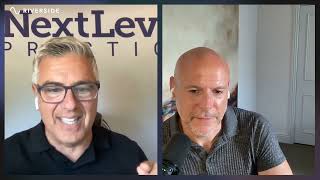
Gary Kadi explains why you get what you think you deserve, not what you deserve. He breaks growth into five domains: physical, financial, social, mental, and spiritual. The rubber-band effect and integrity work help you raise your deserve level and reduce anxiety.
Chapters
And I'm very excited to have Gary Katie here with me.
Yeah, thank you, Paul. I'm so excited to be here. I mean, I love your work and I love the difference that it makes in people's lives around anxiety and peacefulness.
Thank you so much. We're going to jump straight in. People who've not familiar with your book will not know what their deserved levels are. So what would someone get from. From being introduced to their deserved levels?
Well, I think the best way to describe it is I was a person that was living an unmanageable life. You know, my wife wanted to leave me, my son had autism, I was suffering from alcoholism, and my life was completely unmanageable. And so I did some work that we're going to unpack here today. And, you know, now, the breakthrough I had, Paul, was in life and in practice and in business and in parenthood and in living. You don't get what you deserve. You get what you think you deserve. Nothing more and nothing less. So if you're looking for peace, freedom, joy and fulfillment, that's what people are going to get from today.
Wow. You literally just beat me to the quote. That's one of my favorite quotes from the book. And it's just stuck inside my head in a really, really lovely way. So again, it's. But what is a healthy deserved level? What is it in general?
Yeah, underneath it all, I've learned through self. Self discovery and self awareness, which you're a real big proponent of, like really looking inside oneself. You know, I was about three years into sobriety. I had this moment of clarity where I was really connected to all the thinking that we're going to share today. And this book came through me, not from me. A lot of things come from me, like, oh, here's a thought, here's how to solve a problem. But this truly came to me. You know, there's some things in life when you have a clear space that there's an opening for new thinking to happen. And that's what happened with deserve level. So the first word is healthy. And you know, it's not the word high or it's not, you know, it's. It's healthy. So it's, you know, I know your listeners range from teenagers that want, you know, great groundedness and mindfulness and peacefulness and. And then you have your. Your housewives who, you know, are, they have to look good or house husbands, they have to look good, they have to manage kids, they have to. They have all the stressors of living that life. Or you have entrepreneurs that, you know, have teams of people and have a mission and purpose in life, and they might be struggling to get that. And all of this is at its root core of healthiness. And when I distinguish healthy. Paul, five domains of health. Most people think of physical health, but I like to say that there's a healthy relationship to physical health, financial health, social health, you know, in relationships, mental health, you with yourself, and then spiritual health, you with the universe around you. And so when I say healthy, I want to unpack this a little bit. It is really in those five domains. It is a healthy relationship too, and it is whatever it is for that person. Because, you know, Paul, you and I are very aligned. I love your work, I listen to you, I hear you, we talk. But you might have different levels of expectations, intentions for each of those things than I do. So it's everyone for themselves inside of those five domains just deserve the default. There's two types of living and that I found the social way, how we interact with the world. Most of us have a mask on. And I'm a believer that when you can be authentic about your inauthenticities, that becomes the breakthrough. That's you with the world. Erasing vulnerability. Now, I want to say this, this is really interesting. Like, I used to have a term called vulnerability. And the reason why I had that was. Was because I was protecting the part of me that I didn't think people liked or should know about. Like the shameful things, the guilty things, those things. But what I've learned is the better I get at getting it past my teeth that I am an alcoholic, that my son had autism, that my wife wanted to divorce me. Like, those were things that I was shameful of and I was living in secret shame. And when you live in secret shame, you're going to be stressed out because you have a world that you're living in and the world around you you're afraid to share. So I don't have vulnerability anymore. It actually disappears when you're okay with being okay with you as you are right now. And that's not an easy thing to do. It takes some work, but it does. It is possible, right?
Okay. Yes. That's just blow my mind a bit.
You want to.
Yeah, I just. Yeah, well, it is. That's blew my mind a bit. I think anyone listening to this is going to go, whoa, okay, there's a lot there. That's. That. How did you get to that point, though? How did you get to that point where you went, do you Know what? I. I've got all of these things going on. My sobriety, I've got all of these things going on, you know, in your life, with your, you know, with your relationship with your son. How did you get to the point where you went, you know what? I'm not going to have vulnerability anymore.
It all starts with severe trauma. And I know that that's flipping the script on its head. You know, my dad used to beat me mentally and physically, right? And then I tried to prove to the world that I mattered. That creates a manifestation of a gap between who I am and who I think I am and who the world thinks that I should be. That causes anxiety because there's a gap there. And it's not. You're. You're telling a true, you know, an untruth to the world. And then it's scary to break free from that. And where it came from, where the moment of clarity came from me, for me, is that I got sick and tired of struggling to keep up the like. Because if you would looked at my life, Paul, right, And this is called the rubber band effect. I call this the rubber band effect. I feel so unworthy and so broken and so spiritually disconnected to the world. I was spiritually bankrupt. And that, like all pain is a touchstone for transformation. See, if I didn't have pain, I wouldn't look inside myself for the answers, right? I read a lot of books and I got a lot of wisdom, but that's intellectualizing. So the word intellectualize, I tried to out think this thing. You can't out think peace. Peace comes from 18 inches from the head to the heart. The word intellectualize and rationalize, they both end in the word lies. Both words end in lies. And it's the lies we tell ourselves. We're telling ourselves lies. And then we get on this, you know, treadmill with no off switch of these lies. And then we try to live in a world that. That's not our truth. And that's where unworthiness and undeserving comes from. And in my case, mental illness, Paul. I mean, I haven't shared this, like with a lot of people, but I'm about to now because I want to help people. I realize I can't hold this in. And this is something. My term is get it past your teeth. Get it past your teeth. That means you got to put it out in the world, not from here. And for three years I lived moment by moment because I lived in such pain, panic, anxiety, severe fear and panic attacks. And I'M glad I went through it and I didn't drink. I'm glad I did. Eat a little carbs, though, Paul. I'm gonna, I'm telling myself I ate too many carbs because that was my, that was my healing. That's what I needed to heal myself. But at the time, but ultimately, you know, walking through the fire and getting to the other side is really where that's what it takes. But most people won't step on the hot coals and walk through. They'll step on a coal and step back, step on a coal and step back. And it's like if you ever did, I did Tony Robbins and he teaches you to go, cool moss, cool moss. Say, like, interrupt the patterns in your head so you're not thinking about the hot coals and you can actually walk across the hot coals. And that's what I did that day and that's how this thing opened up.
That's a lot. I just try to get my head around how you went through so much as a young bo and then that carried into adulthood. And I just trying to get a little bit of a sense, Gary, of obviously you became self aware enough to make these big changes and then you've turned it into something. Which I have to say, even though it's written for dentists, I know people say that to you. It's like, but you wrote it for dentists. You wrote this amazing book that came, that's come through you from your experiences, from your trauma, which is, which is pretty phenomenal.
I'm sorry for interrupting you, Paul. Yeah, please. Did you have another thought there?
No, I just, it was just. I want, just trying to get that sort of timeline together of the trauma, what you were going through. It's like, I think a lot of people could relate to this. You know, you had a lot of carbs, you had things going on with you, which, you know, you're suffering with panic attack and panic. And I know what that's like. I had a panic attack disorder, I had anxiety. And I know what that's like, how debilitating it is. And I'm very grateful. It's led me to where I am now and here I am, I have a voice and I'm talking to you. I mean, what, you know, that's, to me, I'm very grateful for what I've been through. But I. Trying to get that timeline of where, how you got to where you are and you wrote a book for dentists in this area.
Well, I happen to, I happen to be in the space of dentists and dentistry, and that happens to be my vocation. But really why I'm so successful with dentists is because, you know, dentists are really good. While they have. First have the highest suicide rate of all professionals, they, they're not, they're the. The public hates them. So their self esteem is in the toilet. And they're not a doctor, they're not perceived as Doctors. So for 27 years, I've made a stand for dentists to be. To know that they matter, they make a difference. And not just dentist, Paul. The people that work inside of dental practices like, you know, dental assistants are profound in the difference that they make. But they feel like they're, you know, just, you know, men and women who, you know, scrub, you know, operatories and hand instruments and they're way bigger than that. You know, one of the things that I take and I happen to, you know, that happened to be the niche of business that I chose. And I want to say you, because of who you are, you're pulling me out and allowing me to bring this mainstream. And I want to declare because of you and the millions of lives that you're going to help touch Paul. I'm starting a Facebook group to keep this dialogue alive. So we're going to start it here with you, and we're going to start something globally that's going to really help people that are living with anxiety. You know, the other thing is I have a suicide prevention mission to help people who are grappling with mental health. My mom died recently of COVID and I decided to create a foundation that honors people with mental health. And this is the first of a future. And I want to thank you personally for, you know, because I had like, you know, I'm too busy or, you know, I can't be too busy for human beings who are struggling with anxiety and mental health. And you brought this out. And I got to tell you, because of who you are and inviting me here today, I'm just really humbled today and honored. Like, I'm moved too, because, like, I'm literally moved by you. Like, this is a universal, you know, impact that you're pulling me out and bringing this world, this work to the mainstream, to the housewife, to the teenager, you know, to the entrepreneur.
And I'm just sincerely grateful, honestly, I'm absolutely honored to have you on the show. You know, Benjamin Hardy, the author, recommended your book and I was like, but it's for. He's like, but it's written for dentists. So I thought, okay, and now that you've explained why you did that, I mean, honestly, that's. It's incredible what you have done, obviously for the dentistry industry, as in giving them a voice. But also at the same time, I didn't realize that it was, you know, now that you say it seems quite obvious, you know, the whole, you know, Persona, you know, the whole idea that it's the dentist is someone we don't enjoy going to see and the struggles that they can have. I never realized, I never saw a. On that level before. But your book, even though it's written for dentists, when I read it, I was just sat there, just. I mean, I've. In a way, it's not the most incredible new information, I would say, but it's the most. The way that you've put it just simply resonates and it becomes so understandable in regards to. This is important. Listen, you know, when I'm reading this and obviously I put something out on TikTok and there was a great response to it, people are like, oh my God, you know your quote, it's not true in life that you get what you deserve. Instead you get what you think you deserve. Nothing more, nothing less. I mean, all of that, it has changed my thinking and that's why I had to have you on the show. Even my partner, we joke all the time. We literally say, you know, it's not a low deserve level choice of are you going to carry on with that? You know, we do this thing and it's become part of our vocabulary. Hence why anyone who's listening to this, it's really. I would heartily recommend please do get the book. Please, please do join Gary's Facebook new group. I'll put the details in the show notes. Because this is a way of cultivating a growth mindset. This is what this is focusing on and the way that you talk about it as a healthy thing, not a high thing. Again, yeah, that's. That's a, that's another level of just being able to think about this in a way which is more holistic and not so all about the materialism. And is that a mistake that people make with this about the materialism? This is going to be. I'm going to get rich if I raise my deserve level.
Yeah, yeah, you may, but everyone has different currency. You know, the distinction here, Paul, is very, very important. And you know, you say there's, there's universal truths in the work that I put out, but this is a distinction called something new but familiar. See, the most powerful things that I can assimilate are new but familiar. So that distinction is very powerful that you brought forth. This is. I use the word distinction. And the reason why it's a distinction is because if you remember back maybe when somebody said, hey, can you like me on Facebook? And you didn't know what even Facebook was and what the word like meant in that context, that's what this is like. I really want to get your brain set to hear what Paul and I are going to unpack. Because if you're listening, the mind wants you to listen to it. Like, oh, this is like that. And that is like this. It's. If you bring, like, you know, bring a blank slate to the conversation, like, and not try to hook it onto other things, it'll allow you to have a breakthrough in awareness and relationship to receiving. So this is not about acquiring, this is about receiving. So let me give you an example of this, Paul. My number one way to get a sense of someone's current deserve level. The first thing to do is look around in the five domains. How's your body? How's your money? How's your relationship to your partner? How's your relationship to your peace and health? Mental health. How's your relationship to the world around you? Right? So if you look around and you're wondering what your deserve level is, it might be, you might be fit as you know, you know, Usain Bolt, but your finances might be in the toilet. Or you might be fit and have money. I know a lot of entrepreneurs that are fit and have money, but they have no relationship to their wife and their husband and their spouse and their partner and their kids. They're just working and they're missing out on life. Or someone who is struggling with mental health but hasn't stepped onto that coal because they're just afraid. The devil we know, Paul, is sometimes better than the devil we don't. So we'd rather reside in the pain and suffering rather than step into a new world of the unknown. Like, that's more fearful than the pain and suffering. Because some of us have a threshold of pain and suffering that is very high. And we can. We just deal with it, right? And we. We just think this is the way that it is. And my. For those people that are living in there, make the unacceptable unacceptable. I didn't know Paul. I lived in fear. I didn't know Paul. I was trying to acquire things to solve a problem. If you looked at my life, you would go, that guy is the most luckiest guy in the world. My wife is gorgeous and caring. My son is just a beautiful young soul. By the way, he's off the autism spectrum. If anybody has challenges in that, get in this group. And we've developed protocols to break through some of the challenges in that area where there's no hope. You know, you would have looked at, I had fast cars, penthouse apartments, but I was unfulfilled, spiritually bankrupt, disconnected to my business, to my wife, like I was the walking dead.
Paul. Right, so it's a good analogy.
Yeah, yeah. Paul. It's not about the 911 that I went, you know, that I went and got. And then I wanted people to look at that car and go, that guy's successful. And I was trying to get to close what I call the black hole. We all have something called the black hole. That no matter how much money, how much sex, how much, whatever you're trying to solve that black hole problem with, until you fill that hole and tar it over, you can't be free and get a chance to have mental health, anxiety reduction, connection to human beings and all that. And that's really what it's about. The reason why I wanted that Ferrari and that Porsche and that Penthouse was so that people. Those were hunks of metal. What I really want is people to love me and be loved. And the booby prize was I was trying to get it through acquiring things and showing people that this is what's so. And you know how. This is how simple it is. I walked around, Paul, moping as a victim to. Nobody loves me. See, I have all these things, and I do all these things for people, and nobody loves me. I was a victim. And then all of a sudden, I realized how I get more love is. How I get more love is I give love away. How I. There's a. I'm not religious. I'm spiritual. But there's a great quote by St. Francis. I went to Assisi this summer to Italy, and it's like, you know, don't seek to be understood. Go understand others. Like, wow. The opposite is true. The opposite is true. Like, instead of being victim from what you're not getting, flip the script and start giving it away to people, what you want, and then you start getting it for yourself.
That. That's very powerful. That's. That's given me a little light bulb moment. So when you. Yeah, so I wrote. I did a podcast episode recently called is your average life making you anxious? And just from what you were saying about the, you know, you know, we. We try to to acquire all of these things. But we do it in a. In a. In a comfort zone. We do it with what's familiar when actually that' painful. And it does lead to a lot of anxiety because we're not daring ourselves to go further to reach what would be a healthy deserved level because we're familiar with the pain. And I can relate to that. I did another episode recently called why am I Struggling? And I caught a little unconscious program where I was on without even realizing it. I wasn't doing things that would really help me, and that was creating a struggle because a big part of my life had been struggle. And it was so familiar. I was unconsciously keeping a part of that in my life. But it was nice to catch. And what I like about when I was reading your book was a healthy deserve level. Catches helps you catch those programs with self awareness.
Yep, absolutely. You brought to me a beautiful mystery in living in my family. Fighting, yelling, chaos. I always say yelling was a whisper. So that's the familiar that I was brought up with. Right. So I'm like, I don't want to have that in my life. So I went to a spa one day and I opened the door, Paul, and there's feng shui bells jingling. There's aromatherapy beautifully emanating through the space. There's this gorgeous spa music from serious, you know, radio. And there's this angel of a woman sitting behind the desk. And she whispers, how may I help you, sir? And I said, oh, my gosh, who are you? And did you create this beautiful space? And she goes, yes, my name is Judith, and yes, I'm the proprietor of this spa. I go, do you want to get married? Right. So it didn't go that fast. I'll just for use of time here. I met her on April 27th. I engaged her on April 27th. Then we got married on April 27th. I guess I have a big forgetter. So I want to remember those important dates. But here's the thing, Paul. We got married. We got married, and then I was causing chaos in a peaceful home that she created. She duplicated the spa in our home. And because yelling and screaming and chaos and fighting was what I did when I got what I wanted. I invented my past and brought it into my future. And that is what HDL does. That's when I really had my personal breakthrough moment in hdl. Because I realized I attracted and created the life and designed a life that I wanted. And what I was doing was bring. Here's. I use this term called Keeping the tribe alive. Keeping the tribe alive. We have a subconscious responsibility, or we so think, to keep our past ancestors alive in the present. And that is what we're doing. We want to break the chain of the past and not bring the past into the present, creating a different future. We want to acknowledge our ancestors and our experience of growing up and say thank you. And I choose to live this life, you know, 40 years later, and this is the life I choose. So what I used to do is like I would come home and create fights with my wife and upsets and all those peaceful things got overrided because I was uncomfortable being comfortable. I was uncomfortable being comfortable in that setting. And that is the beginning of seeing where. That's the breakthrough in HDL right there, Paul.
That is so familiar to me, just listening to that, of that struggle. And I think for a lot of people listening to this, being at peace, being happy, being healthy, being wealthy is alien to them because their past has been different. And even though they would like to have all of those lovely positive things, they're kind of held back by, I think, a lack of self awareness. They're just repeating it on an autopilot. Trance and again. And this is what HDR is actually all about. It's a way, it wakens you up to what if you want these things which you say you do, because most people are saying, yes, I want happiness, but they've got no idea how to get there. And so they just shut down and they go back into trance. And as I was talking to you earlier, you know, I've been asleep at the car of my business, in the car of my business for a while and to some degree and you know, it's. We have these things which through self awareness we can become awake to. And I think your book is as a wake up call for a lot of people. It's been a wake up call for me.
Yeah, lovely. And I. That's why I really connect with you. And I think I could probably do hours and hours today because of the way you, you. What I love about you, Paul, is that you're on the court, you're a man in the arena. You take your bumps and bruises and share them and your listeners. I can see why you have such a big following because people can relate to you and I relate to you so well. And the distinction I want to bring forth here, just to bring it more of a visual. Think of your life as a past, a present and a future. My past was full of trauma, mental, physical, all that stuff in My present I got, I get. See what we don't realize is we get the ability to choose. See, I forgot like I was given this life and I tried to survive and what was happening was my pat. My past was mapped over my, my present. And I couldn't see that. Therefore I couldn't invent a new future. So I want to give you a model here so your listeners can get around this. So let's just say I think I deserve to be £200, right? And that's the body that I think I deserve, right? So £200 happens. So now if I'm, if I'm now I'm in the present and I'm going, I'm 210 pounds. Well here's what happens, Paul. I get out my fit. Like I have my apple watch, I'm counting my steps. I, I take a shake and I'm eating better and then I ride my bike. I'm a cyclist and I'm doing that daily. And I'm like 210 goes to 205. 200. Now I'm, now I'm 195. You ready, Paul? I'm 195 and I'm going now here's my subconscious at play. I don't deserve to be 195. So my what we do is we have invisible CPAs, invisible trainers in our heads. We have all these things in our heads and we have all these benchmarks that we set subconsciously setting. Mine's 200, I'm 195. I'm uncomfortable being better than what I expect myself to be. My deserve level. So all of a sudden I'm too busy, I'm way too busy to go on the cycle. I'm too busy, busy. I get busy, right? I start eating crispy like my car, my car drives me to Krispy Kremes and I get a dozen donuts and I pop two or three of them. But I didn't get go there, my car just drove me there, right? And now all of a sudden I'm 200 and then all of a sudden I'm 205. And if you, if you've ever had this like where you're grappling with self sabotage, if your benchmark, I'll give you another example, my wife. But there was like a time when I met Judith and I'm like honey, I want to make 500,000 a year. Now I come from poor two bedroom house for four people, one bathroom. You know the story, you know my past based story was we are we are poor. My entire family's poor. How can I create wealth? There's no way, you know? So for me, 500,000, Paul was like, I was. I could retire and a wealthy man at that time. And she goes, gary, why are you limiting yourself now? My wife is not. She's not. She doesn't want things. She wants connection. That's what her currency is. Right. She doesn't want me in my phone and working hard. She wants to be with me. She actually likes me. We still like each other after 20 some years.
Nice.
But she said to me, she goes, gary, why are you limiting yourself to 500,000? That was my subconscious benchmark from my past because my dad made $75,000. And so I'm like, man, five times, six times that amount is going to be like, I did much better than him. So she goes, I invite you to just play a game called why not a million? And literally the year, that year we created it. See, whatever the subconscious benchmark is, we create up to that and no more. And if it gets better than that, we kill it off and self sabotage it. So this is like a visual to get in your head a little bit. You want to say anything about this and add anything here, Paul?
Well, I think there's a couple of things that come to mind about how many people we have seen shoot up in their career. I mean, look at the Will Smith, Will Smith incident recently where he punched Chris Rock on stage. Where someone's taken their career, they're at a pinnacle, and suddenly they do something to create a massive struggle for themselves where they're going to be humiliated. Bill Clinton with Monica Lewinsky, all sorts of things where people are at the pinnacle of their career and then they do that one thing or, you know, a line of things which suddenly reduce them back to maybe something familiar. That's what that was. What was coming to mind when you were talking about, you know, taking yourself to a certain level and then going backwards again.
Yeah, I call it a perpetration withhold. The perpetration withhold is something we withhold and then we blame something outside of ourselves to kill off the progress. So. And that's why integrity is so vital to what you receive in the world. So when I. I'll give you an example. So I was, you know, I'm stages, I'm. I speak to hundreds and thousands of people. I've been on thousands of stages. And I was coming from, you should listen to me. And this is why. And I gave some good information, but it wasn't Until I realized that people didn't want that. What they really wanted was first they wanted to connect somebody that they could relate to and then they really wanted to make sure that I understood them, that I was dealing with what they were dealing with. And then they want to know how I figured it out. And like, just give me some simple steps to get into action. And you know, one of the things that happened was for me it was like this perpetration withhold idea is like you're doing something like I was drinking. Like my integrity is. Integrity is, is three levels. Number one level is making promises to other people and keeping them. Right? So that's number one. So like if I say I'm going to be on time and if I'm not on time, if I step over not acknowledging that I broke my integrity with you, Paul. Right. So you scheduled the time I had technical difficulties. The first thing I did with you, I said, paul, I apologize for being late today. I didn't give an excuse, I just acknowledged the integrity of my promise. So it restored my word with you. By the way. This is where if you want to reduce your anxiety, if you just did this, this will reduce your anxiety dramatically. It did for me. So getting, getting. When I make a promise that has three things, who's going to do it? Me. What I was going to do is be here on time at 8:30 my time. And, and by when, by when I was in the moment I promised you the next one is the promises you make with yourself. So I said I was going to be £200 and then I'm eating donuts and I'm not working out, I'm breaking promises with myself. That's an integrity breach. Right. Then the third is you have values, morals and principles that you are brought up with and you're either living inside of those morals, values and principles or you're not. That's a breach in integrity of a greater, greater stand that you're making. Right. So when you're out of integrity of those three things, what happens is the mind goes, I better kill this off because I. And by the way, this is so subconscious. And where stress lies, I call it the post it note, broken agreement. So in our heads we have all these post IT notes. When I break an agreement, I would make a post it note, broke agreement with Paul and stick it on my head. And, and what that does is it uses the RAM inside of our brains and doesn't allow us to be present. By the way, the makeup of a human being is designed not to Be responsible and do all these things, because when you're responsible, that brings forth a whole new level of poo that you need to deal with called success problems.
I'm trying to remember your quote. I highlighted it. I wish I'd written it down for this interview. You wrote a great quote on integrity. If you don't, maybe you can remind me that if you don't keep to your word, it's something about you lose power in the world or something like that. It was something like that.
Yeah. Integrity and work. Integrity brings forth workability, trust, and connection. And what happens is, if you want peace, control, time, money and fulfillment, if you do it on a bedrock of personal integrity and making and keeping agreements, you actually create for those that are overwhelmed and working too hard, you can actually create with your word rather than doing so. You might wonder, how can that guy or gal do what they're doing? Because they create with their word. They say something and it get. And the world around them gets created versus having to put the effort behind it. For those people that are looking for living an effortless world, the connection, it's a direct line, by the way. When you give your word and when you speak to people around you, they know you're serious. And they start moving in new intentionality, new direction. This works for parents with their kids. This works for parents, entrepreneurs with their team. I learned all this the hard way. I was a horrible parent. You know, my sister, she's awesome, but when she says, don't do that, the kids don't listen to them because she's not a. She doesn't follow through with her word. And so her kids just create chaos for her. Right? For me, I would say we're going to take on this new initiative with my team. And because I didn't keep agreements with doing reviews and raises and all the promises that I made for people, they listened to me the same way and didn't follow through. But now I have a whole space. By the way, it took me just to give you an idea. This is how out of integrity I was another example. I like clean spaces, and my car was dirty and my desk was filthy. By the way, if your desk is filthy, that is the picture of your brain. If you have a space that is filthy and chaotic and cluttered, that's your brain outside of your head. So if you want to just, you know, take the first step, go clean a drawer, go start cleaning something and you feel better and clearer and less stressed, and what happens is it'll take over you and you'll start cleaning up your whole life and you won't allow all these broken agreements and all this clutter and chaos anywhere in your life. And when it creeps in, you know that how the pain of the stress of that. We have an agreement in our company. You leave every day with your desk with nothing on it. That's part of the agreement inside of our company.
Well, again, it just points back at. This is why your book resonated with me quite a lot about the integrity side of things. And it is important, you know, to have. I, I know I'm a big fan of having a clear environment. Was I realized as I was reading your book that I'd let my integrity slip in a couple of places. And I think, you know, and our lives are a reflection of every decision that we've made. And Yep. Just as I said.
Yeah.
Just bringing that up. And yeah. I realized my word was. I was losing power with my words because I wasn't keeping to it.
Yep. Yeah. And just take a look how you know your, your word when you speak. People have questions. So I'll give you an example. I go team. We're going to put in a new software. They're like, oh my God, what does that mean? What do we do? What do we do with this existing one? They start. That means they received your communication and they're now looking at it, how it relates to themselves. If your kids don't push back. Like we help kids, we help parents with kids on the autism spectrum, one of the things is changing their diet. One of the problems is we talked about gut health earlier. One of the problems with kids on the spectrum is their gut is whacked. Their, their lower intestine is. And when you eat gluten and dairy as a kid who is affected by the toxicity of those two proteins, you can't get your brain to be healthy. It's a physical thing that happens with these kids that are on the spectrum, usually boys too. And when we say you're gonna have to put your kid on a gluten and dairy free diet, they go, my son, that's never gonna happen. Or you're like, you're gonna. My friend Lloyd Mandel said it best. Paul, you're gonna love it. I love quoting him. He said Gary, because he was the first friend with parents that was a parent. He was the youngest kid of all of us. And he said, either your kids are going to cry now because you're going to be a stand for what the boundaries are, or you're going to be Crying later when they become adults and they run rampant all over the world. So like when he taught me that, I was like, I don't want my kid to cry. I don't want him to kick and scream. But you'll see these kids on a spectrum with boxes of Cheerios and their hands in them and slapping gluten in their space because they're addicted to it. And then by the way, guess what? It mixes in the lower intestine and gets them highest kites. And then they're flapping their arms and they're gone. They're not even on the planet because they're highest kites.
Wow, there's a lot to unpack there. Obviously anyone who's interested in your, you know, how you helped your son and all that information, they would be able to find that on the Facebook group. As I said, there's a lot there that people might have questions on.
Yeah, I'm not, you know, my, my other business that I make dollars from, you know, that's curated Facebook groups and we educate you. It's not, it's going to be monitored. Just bear with us because we wanted to put a place for people to go to be in the conversation around hdl. So it's good. Just, just go on, you know, healthy, deserve level. Gary, Katie, just, you know, get in the group and you know, I'll direct you, you know, get. But I'll have, you know, my team direct you for where to go. My wife really donates her time to parents if they want to really get the specific things and the modalities and the biomedical treatments that we took. And it's not for everybody, Paul. It's like, look, it's one way. Anything that we do is one way to do it. And it just happened to work for us. It may not work for somebody and you know, we're just here, you know. I dedicated my life of service when I was an alcoholic. It was all about me and it was a self centered world. And Ben Hardy's book changed my life and that he said the opposite of addiction is connection and willpower doesn't work in his book. And so I'm just about being connected and doing the best I can and giving people and then they choose to do it or not. You know, I can't force them to do it or I don't even know if it works for some people. You know, the one thing I do know is my program for dentists works when they work it that I can guarantee. And that's, you know, one thing I can guarantee the rest of the stuff I can't, you know, control the outcomes of. And so, yeah, that's, that's, that's the game there. Yeah.
Going back to hdl, what would. If someone started to work on their hdl, what do you think they would begin to notice happening in their life?
Peace, freedom, joy, connection, love, abundance, freedom. A new way of living. That's going to be completely uncomfortable. I'll give you an example. My friend Michael, who is actually how Ben got the book and, and how I came to you. So like I always say, he's like six degrees of MF. That's his, that's his initials. I call him an MFer because he's like, he changes my life and anything good in my life comes from him. And he read the book and we've been friends for years. And I wrote the book 10 years ago and now it's just like, now it's coming alive globally. And he was one of the influencers of that. And what happened was for Michael was he's like, Gary, you know, I've known you forever and I hear you speak about this stuff, but it wasn't until I got it for myself that my life changed. Now here's what's going to happen. You're going to step on the court of this and it is going to feel uncomfortable because you're so used to suffering and the suffering goes away. So I want to give you the first step of this process is you're going to be uncomfortable being uncomfortable. So you're going to sit there and you're going to go, okay, I blocked my old thinking. I'm having new conversations, I'm taking new actions. Life is really getting pretty good. What I've always dreamt of. And then like you're gonna. What's gonna happen to you is the uncomfortable being uncomfortable. And then you're gonna want to go back to. His thing was about being nice and he wasn't being straight and he just wanted to be connected. But he, but people didn't listen to him like to. And he was getting resentful because he wasn't getting what he wanted. Right. So he was. His, his winning formula in the world was being nice, but it wasn't about being straight and respected. And he wasn't getting some of the things that he wanted in the five domains. He started getting straight, he started getting those things and it got so uncomfortable for him. So you be you. I call it uncomfortable being uncomfortable. The breakthrough moment is when you get to UBC uncomfortable. You know, no cbu. I'm sorry, I had it backwards. Comfortable being uncomfortable, that is the breakthrough moment where you reside in that spot. So I don't want to. I'd like to hear from you here, Paul, just to hear what you just heard. Tell me what you just heard.
Well, it reminds me of a. You know, this year working with Ben and your book has been a big part of that is I've had to wake up and make choices, which, you know, I was talking about being asleep at the well is I've had to make choices where I've had to be. I've had to learn to be more vulnerable and more uncomfortable being uncomfortable in situations because making these big changes, at some point in time, they will become my norm. But to make that, to make that big jump, it's scary, right? It's one of these things where your, your mind's going, can we just go back to what we did before? You know, you were just a therapist, Paul. You know, you saw a certain number of people just to stick with that, stop talking to people on podcasts and do stop the video, all of these sorts of things. So. And then again, it's learning to lean into the uncomfortability. So learning to. This is what I. A big part of what I teach is working with your autonomic nervous system being, you know, working with emotions so that you can get more. You can lean into being uncomfortable so that you're more comfortable with it to a degree, you know, in other words, you know you have to do it. You know you have to do it and you will adapt. And it's that, it's that confidence to know that you can do it. It's going to feel unpleasant, just like going to the gym. Sometimes you go to the gym and you're like, this is going to be a tough one. But you do it because you want the results. And it's, you know, being comfortable being with being by being uncomfortable. So that's. That's what I was. What was coming to my mind when you were talking just then.
That's brilliant. So I want to give you the whole process of how it goes, because one of the things I learned, Paul, is I need to handhold people through the emotions that would kick you back to the safe ground. You know, I jumped out of a plane and I had to do it just because I wanted to step and really confront fear. So I fear of heights. And I didn't. Number one was I didn't do it alone. I had a guy strapped to my back right and so I, you know, don't. We tend to do things alone? We don't raise our hand, we don't ask for help, right? So I did that. And by the way, I had so much fun in the air. He goes, At 5,000ft, you need to pull the cord. And so I had a cameraman filming the whole thing. And I'm like, yes, this is great. Like, oh my gosh, I forgot about my fear. And I was in the moment. And he's tapping my wrist and he's going, pull the damn cord. Pull the cord, pull the cord. And then all of a sudden he had to pull the cord because we were getting too low and. And then you go up. And then I got scared again because I was like hanging there 5,000ft above the earth, like never hanging there. Like I was hanging there. And my point to you is this, you know, facing fears, trying to become confident. You'll never get there. It's be, do, have, not have, do, be. When I have confidence, then I'm going to do what I want to do and then I'm going to be happy. It's the other way around because you can't control having this and you can't get to having this until you switch. The only thing that you can control, there's only one thing in control, is who you're going to be. Moment by moment. The word beingness is how you show up for yourself and others. That's the only thing we can control. The rest we cannot control. Now, you can control some doingness, but here's we have a lot of overworked people, overwhelmed people. That's because they're trying to do more, to have more. This is now, by the way, when you master hdl, you get to be and then have. And there's no doing. I know this sounds crazy to people, but this is how you get wealthy. This is how you get peaceful. This is how you get out of overwhelm. You be who you are, you speak what you want to create, and then you get to have it. I'm living that world right now. That's how I know that works, right? And I, I was such a doer. I worked 24, I was a workaholic, you know, and an alcoholic and all those things. So my point to you here is then I have. So first step is don't do it alone. Get with Paul, get with whoever, and get with somebody that can help you move through this space. Because they've already done it. So that's number one. And by the way, in 2022, after the pandemic, Paul, if you haven't learned one lesson, that asking for help is a strength, not a weakness, take a look inside of. You know you're suffering because you want to hang in the suffering, because people have answers if you want them.
There's.
I found there's always an answer to every problem. I've never not found an answer to a problem. But if I want to stay in the suffering, it looks like I'm all alone and there's no hope. That's number one.
Amen. Amen to that. Because, yeah, I have help. You know, people say to me, but you're a mindset coach. You should be all sorted. And I'm like, literally, there's, you know, that's called a fixed mindset, growth mindset. I want to keep progressing and other people will know things I have no idea about. I'm unconsciously incompetent until I hear what they have to say.
Yeah, well, you have one thing, you have one trait that makes you that. There's only two types of people, Paul, the willing and the unwilling. That's it. You're either willing to look and get the answers, or you're willing to stay where you are and stay in the suffering. I would say pain is necessary. The pain of something tells me it's not aligned with my values and integrity. Suffering is optional. Pain is necessary. Suffering is optional. If you stay in the suffering, that's your choice. But if you want to get out, there's always a way out. There's always a way out. When I hire people, I ask them, do you do your best or do you find a way? And nine out of ten say, I do my best. And we only use 10% of our capabilities. I want the team member that says, I'm going to find a way to get the answer and the outcome. So I hang out with people that find ways and look for solutions. Right? And then what I learned is once you get help and once you get on a path, then you need to understand the emotional things that will kick you back. So step number one is you're going to be uncomfortable, being uncomfortable stepping into the arena. You know, I always say, get out of the stands, step in the arena. Stop conversing about things and talking about things, talking about your weight or talking about wealth or talking about your relationship, complaining to the girls at the tennis club or whatever about your men, and go, this is not acceptable. Or men complaining about your wife. Don't do that crap. Because complaints, by the way, keep you Suffering. But if you get on the court, it's a different place to look from. Then you're going to be uncomfortable being uncomfortable. Then you're going to go, hey, I'm going to sit in this storm. It's, it's storming, norming, perform, high performing. There's going to be a little bit of a storm. Then you're going to norm, then you're going to high perform. Those are the, that's the process you're going through here.
I love that.
Then you're going to go, hey, I'm uncomfortable. That's cool, right?
Yeah, yeah, I love that. I know, I love that.
And then you sit there.
No, carry on. No, go ahead. No. What came to mind was comfortable being uncomfortable. Yeah, uncomfortable being uncomfortable. And how if you combine this with Grant Cordone's 10Xing yourself, this is, this is like a map to do that, isn't it? This is, you know, provides the keys. You know, you talk about the five. The five, you know, the five areas. Your financial, your social, your mental, your physical, your spiritual. It provides you with the tools necessary if you really want to 10x yourself. If you really want to take yourself, your life to where you really want it to be, not where you've been conditioned into believing it could be. But you're going to hold yourself back anyway. Your book provides the, you know, provides the map for that. That's what. No, that's what I wanted. Just that was coming to mind, by the way.
Yeah, thanks, Paul. And like, and here's the path you're going to walk on. You're going to be uncomfortable being uncomfortable. The breakthrough moment is when you can be with the uncomfortability. Like when I was sitting there realizing that I was killing off the peace, calm, joy, connection with my wife, I was responsible for that. So I became comfortable that like my brain was telling me, start an argument with your wife because that's more comfortable than sitting here. Because it was so quiet, Paul, that it was like screeching loud in my ear. Like, do something to shake this piece up. Okay. So then I got, then, then my new norm was my comfortable being comfortable. I'm like, I don't. The thoughts of being uncomfortable in a peaceful environment are no longer there. I don't look to start arguments and perpetration withholds with my wife. I tell her that she's beautiful and, and like, you know, by the way, her deserve level. When I told her she was beautiful, she would refute it and say, no, I'm bloated. I'M ugly like herself. Her self look at herself was not what I could see. And I said, excuse me. I said, honey, I said, can we go together? And this is where intimacy is. I didn't know what intimacy was. I go, can we work on this together? That was intimacy. She was looking for intimacy. Wow. And I just asked her, I said, can we work on this together? Now I found what intimacy was, right? And then I didn't know what intimacy was. Nobody modeled that for me. It was like haymakers, throwing fights and fists and punching and screaming, yelling and drinking and. And then what happens is. And this is where you get 10xing yourself. You get uncomfortable when you're comfortable. And you've been saying this the whole time. This is where you look inside yourself and you reach success in those five areas. And then you're like, what's next? And then you go, hey, I'm going to take on and challenge myself to reach more people, impact more people. By the way, that's what happened to me. The dental field was so limited because I love it. And I reached a max. I've been doing it for 30 years. And then this book came out, and then Ben started talking about it and he invited me to his group, and then you invited me to your group. And now you know, you have 750,000 followers on TikTok and something you shared. And I'm like, I did nothing. Zero. All I did was put something out in the world. And I'm sitting here in my vacation home in Arizona and I am privileged to be on your podcast, honored, like you're a hero to me for the work you do in the world and I get to share a piece of work. I didn't know how it was going to happen, but because I say I want to get. I want to make a global difference. By the way, the vision of our company is to get a billion people healthier. A billion people. I don't know how I'm going to do that, but that was the new challenge. And now I know how it's starting to show up. It's starting to show up because I'm a man of my word. I said my game before I died is to get a billion people healthier in the five domains. I couldn't just do it in the dental industry. And here I am talking to a guy who has 750,000, you know, connections on a TikTok video. How do you.
That takes your next. Well, that's. That's a next level practice, isn't it? That's what we're, that's what we're referring to. It's a next level practice completely. But I know what you mean. I, you know, I was a big fan of your book. I did that TikTok on a spur of the moment, by the way. And next thing you know, I'm waking up to your response and I'm like, I am going to ask him to come on the show. Gary, you have been an absolute delight. Thank you so much for coming onto the show. I know you've got to go soon because you're going to be, you've got other engagements. Where can people find you? I mean, I'm going to put these details into the show notes anyway, but where can people find you if they're listening to this?
Yeah. We have a brand new Facebook group that we created because of you, Paul. Darn it. It's called Raise youe Healthy Deserve Level. It's coming and we're going to build a community of people, of like minded people that are, that are willing to go past where they're stuck and be uncomfortable, to be uncomfortable. Just go on Facebook and then connect with the Raise your Healthy Deserve Level group. We'll let you in. If you run this podcast, you're a guest, you're a welcome guest. And then we're going to start the chat and keep the conversation alive and going and then I don't know where it's going to take us, Paul, but I have a mission to get a billion people healthier. And so wherever that takes us and whatever people that are listening have opportunities to spread this message. You know, I'm going to be donating my time to do that.
Well, I'll do anything I can to help that. Again, thank you so much for everything that you. It's been an amazing conversation. Again, people, please do download the book, buy it, Raise your Deserve levels. You will not regret it. It is a game changer. Thank you so much, Gary.
More from Gary

The Smallest Room With the Biggest Payoff in Dentistry #DentalPractice #DentalBusiness









Dental Cancellations Are Contagious: How one bad habit can infect your whole practice
