What If Being HIGHLY Successful Is Actually HURTING You
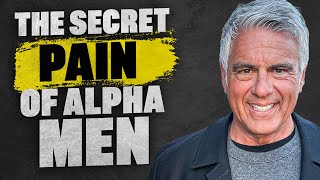
Gary Kadi explores how extreme success isolates high-achieving entrepreneurs, leaving them lonely despite their accomplishments. He shares personal stories about building real relationships and why vulnerability matters in leadership.
Chapters
If you've ever feel like nobody understands man, they don't know what I'm going through. Like I have to carry the weight of success alone. We're going to talk about how successful men feel isolated, the pressure to always have it pulled together. The problem with that is it keeps us from real connection and how to build meaningful relationships that support your success. Loneliness and the feeling of being unwanted is the most terrible poverty. Getting out of loneliness is a game changer. Welcome to the Inside man podcast. I'm Gary. Keith. Katie, you can call me gk. And today we're diving into one of the biggest challenges for high achieving male entrepreneurs. Loneliness. Yep. If you've ever feel like nobody understands man, they don't know what I'm going through. I try to explain to my wife, you know, all the people my employees like, I have to carry the weight of success alone. If you're feeling that way, this episode's for you. In this episode we're going to talk about how successful men feel isolated and how the pressure to always have it pulled together. Throw the mask on, throw the armor on. And the problem with that is it keeps us from real connection and how to build meaningful relationships that support your success. So I like some quotes. I'm going to give you a few here. Many successful men build an empire only to find themselves alone in the castle. A lot of big houses out there, just dudes in them. And the other thing is loneliness and the feeling of being unwanted is the most terrible poverty. That's Mother Teresa. Before we dive in, please make sure you hit the subscribe button so you never miss an episode. And if this resonates with you and you know a brother, you can help, please pass it along to him. Now listen, the point why this happens and the root of the problem is high achievers often feel alone, even in a room, room full of people. Getting out of loneliness is a game changer. You know, I remember being on the road, I would speak to, you know, 500, 1,000 people and I would feel all alone up there. I had a whole team and I still felt like I was alone. I would start a new, go into a new group and feel like I was unwanted. I want to say that the Harvard Business Review had high achieving entrepreneurial men 70% more likely to be disconnected in personal relationships. And see, that's really what the true value is, living in the world. You can have all this money, but it's being wealthy and bankrupt at the same time. Bankrupt in terms of time, connection, health. See, and this podcast is all about sharing ways and methodologies so that you can actually have it all right now. The other thing that creates this is the pressure to always be strong. And I'm going to share a story about my son, how our relationship changed forever. Because I was always conditioned to be the rock, the guy who has all the answers. I never crack, I never need help. I don't raise my hand. It's a sign of weakness, showing emotion, forget about it. I never used to cry at all. And you already seen I cried on the podcast here asking for support. Hell no. I'm going to go on YouTube university and figure it out or chatgpt or whatever I got to do. And I'm going to research it and find it out. I'm from Jersey. In Jersey, we come out of the womb and they smack you on the ass and they go, you need to know everything. And if you don't know, you gotta figure till you make it. And all this stuff and all that does is separate people. Being self righteous, having all the answers. It might work for a little while like it did for me, but then it really ends and then you get a different kind of listening from people. So success should deepen relationships, not erode them. The higher you climb, the more isolated you're gonna feel. And something's broken if you feel more isolated as you grow and not really bringing people with you. And watch this getting out of the middle of your business, decentralizing yourself and empowering others. You know, I know a lot of guys walk in the room and go, I'm the stupidest guy in the room, you know, blah, blah, blah, no. And like you're like, oh, back of my mind, I feel like I got to be the smartest guy in the room. So, you know, humbling ourselves is something that is not a default mechanism, especially at the the places we go. And I think Oprah said it best. She said, you know, she was interviewed after she went from her crazy successful show to her channel. And I never forgot this quote. You know, there's those moments that you remember things she said, they go, why are you failing? You're so successful. Here she goes, as we grow and climb the mountain, the air gets thinner and not everybody can continue on the climb of the mountain. Profound, profound. So when we lose relationships, it may mean that the air can't be taken in by them and you might lose some relationships and that might show some growth. Also mainly why we get stuck because we are being a certain way. We always have to look in the mirror first. This is not about blaming your team or saying, yeah, see, that's a justification for that. I didn't want to hear that quote that way. I just want you to get that if you don't transform yourself along the way, and as you grow, you're gonna get stuck. So the key question is, if success is supposed to make my life better, why does it often make me feel lonelier? I wanna share my personal story with you. For years, I told myself I had to be the guy who figured it all out. I was the leader, the provider, the one who people looked for solutions. You know, I was Jersey Kid. It was worth. I got in consulting, I'll never forget. I was shaking in my boots. I was like. It was like I was preparing for jeopardy. If you will, the first day I got my first consulting gig. Like I was trying to get more data, more information. Like it didn't matter how connected I was. I didn't know that at the time because connection, you can work through anything even if you don't have the answer for things. Connection is the senior most thing. Connection is the antidote for addiction. So if you're out there, you know, fandueling, horning, whatever you're doing to numb yourself out, connection is the antidote for that. And I didn't know that. You know, I was feeling completely alone. I remember sitting in a room in a networking event, laughing, shaking my hands, talking business. And yet there was a voice in the back of my head that none of these people really know me. And I would also say if they knew me, would they like me, Right? These are the things that I'm talking. And you're going to really see how we unflap shame and guilt here on the podcast, the Inside Man. Shame and guilt are invented things that really stop us. There are emotions that stop us from really expressing ourselves and being connected and being vulnerable. Because when you're shameful, what's on top of that? I call icing on a poo poo pie. Shame is the poo poo pie. The icing is, look at me, look, I got this handle. La la la. Don't look down here at the poo poo. So, but imagine having, I love carrot cake with like cream cheese icing on the top. It's not a poo poo pie. It's like carrot cake and then it's ice and then it's delicious. It's not shit sandwich, right? So, you know, I was being the leader. I had to wear a mask. I wore my, you know, armored up because I didn't Know what? Fine hell was going to. You know, I hate being ambushed. I don't know about you, but like, I was a six year old CEO running the business. Scared out of my mind, right? You know, it wasn't until. Here's the turning point. It wasn't until I got sober. See, by the way, you can't heal until you feel. And if you're numbing yourself out with alcohol, drugs, porn, gambling, whatever it might be like, it's. If you're ready to stop suffering, this is where the suffering ends, right? And it takes some courage. I'm not gonna lie. It takes courage here, guys. I mean, you're gonna have to step in and do something you've never done before. And I couldn't live without my friend. Alcohol was my God, right? So anyway, that's another episode. But it's like, gary, you're a great leader. My sponsor called me out and said, you're a great leader. And he called me out and said, but when was the last time you let someone really see you? Not the polished guy on the stage, successful version of you, but the real human being struggling, sometimes uncertain you. That hit me hard. Because, see, what I was doing was that little voice, the unevictable inner roommate in my head was telling me, you're not enough. So I proved to the world that I was enough. You don't belong here. That inner voice tells me so. I have to be funny and charismatic and buy people drinks and talk about success. And what I learned was he's like, gary, you know, every superhero has a kink in their armor. And I was like, oh. So I now walked up and said, you know, he goes, the more authentic, the more vulnerable, the more transparent you are. When people can see the real you, they could be themselves. If you're this rock star kind of guy, having it all hand together, buttoned up with the Kinton suit. I love my Kinson suit, by the way. It's badass, it's sheen, it's bad, it's cool. Guess what? I'm hiding behind that suit. And it's like my watch, my Panerai watch. Hide behind that crap. My car, I roll up in a 9 11, you know, I got the Ferragamo belt, the circles, you know, look, nobody gives a shit. But that was the veil I was hiding behind because I didn't want you to see who I really was. And man, when I said never, I never really did that. And I didn't even do it. Like I somewhat with my wife, I was somewhat vulnerable. But I Wasn't really, like, I still had to hand it all together. And then, then my son. So let me give you this next story about this, where my son came to me and he was about to leave for college, and he's like, dad, I don't feel connected to you at all. And, you know, that was heartbreaking. You know, we would go to Yankee games and we would go to basketball games, and we were like, we connected over sp. Right. But he never really confided in me. And he was like, dad, I just feel I don't want to go away to college without really being connected to you. Would it be okay if I got a therapist for us and we had a therapy session? I'm like, holy. What happened? First of all, I went, holy shit. Stuff must be really bad here that he can't talk to me about it. The other thing was, like, I thought how profound my son was in wanting to do this, like, ask for help. The generations after us have a tendency to be open to this type of thing. You know, when Michael Phelps really promoted mental health, I think it really opened up a lot of things. That's my opinion about that. But, like, so he went and nothing happened for a bunch of weeks. And then all of a sudden he's like, dad, I got the guy. When do you want the appointment? And I was scared out of my mind. He went to the appointment. I thought you forgot about that. Right. Like, I have to really step on the court here with my son, with a therapist. Like, oh, God, no. Right? So that's what's going on inside me. I go, yeah, let me hold it all together and go, yeah, you can make it for this Friday. We sit down in his room, the zoom comes on. This guy comes on. I'm scared because I'm not in control, right? Control, free. I'm in every domain as an entrepreneur. I own the stage, so nobody's really questioning me. And by the way, that's another thing that I designed, and that's our safety zone for high achieving male entrepreneurs is like, we reach the pinnacle so nobody bothers us. I didn't realize that was happening. So anyway, the therapist goes, hi, Mr. Katie. I said, call me Gary, please. And he goes, do you know why your son called this? I said, yeah, he wants to be closer. And I thought it was the most profound thing that ever happened. And to me and him, and I was really. I slowed down. Like, I wasn't on my, you know, typical. Like, you know, even. Even my voice cadence changed, My tone went down. Like, I'm giving to you now. I didn't realize that I was just in this iOS internal operating system of machinery, of holding it all together. I didn't know it until this moment, right? So he says, well, I said. And I said, I want to know. I turned to my son, and I never talked to him this way. I didn't realize it. I said, son, I'm so scared right now because I don't know what's going to happen here. But I also want you to know how proud I am to know that you cared enough about our relationship to call this session. I just said. And I started to get moved. And the guy said, well, Gary, where would you like to start? Tell me about where you're starting from. And I literally started bawling. I said, I'm so scared to be alone. You know, we're empty nesting. We're moving from New York City to Arizona. My son's going to be living on his own, and he never has. And I'm worried about him. I'm feeling it right now as I'm sharing with you, right? And this is what people want, what I'm sharing with you. Like, I'm going back to that moment that my son and our relationship was transformed forever. And not only did he transform our relationship, he transformed my relationship with my wife. Because I never shared that way. I never shared, like. Like, honey, I'm scared. Honey, I need help. And I started doing that. And you know what? Oh, my gosh. The loneliness started to disappear and connection started to happen, and I didn't feel like I had to do it all myself. My son, after I was sharing all these fears, right? I never share the fears of my. Because I was. Thought I was. I always thought, like, a dad has to have it all handled. Like, even if you don't, you don't show your kid because you don't want to scare them. Like. Like you're not a rock solid foundation. But they know. They know, like, you can't be alpha at home. You have to learn how to be a mega. I learned as a dad, and I also wanted to assert my values on my son. And what I learned was, you can't compete with the womb. When you have a son, the mother's really connected to the son, and they go to them first. He would always talk to her about sports and everything. I'm like, dude, I'm right here. And I stopped giving up trying to protect it. And all I needed to do was keep quiet. And when he asked me something, he would just come to me all the time. And you create a vacuum the other way and you put yourself in the buyer's position. You're going to learn about being in the buyer's position. It's where you don't have to sell anything, but wherever you stand, you're in the buyer's position. And with my son, I was trying to assert myself like I do with people at work. And by the way, this fabric wove right into my things at work where I didn't have the answers. And I would say, look guys, you're coming to me here. And I know I've been the guy who would, I would generate some made up shit in the moment because I didn't have the answer. And most of the time it was pretty damn good, right? But it kept me lonely, it did not keep me connected. And I would say, like I now say, like when somebody brings me a problem, by the way, I was the problem fixer. Everybody was texting me all day long to fix the problems. No wonder, because I was self righteous, knowing and I would always be the crutch for these guys. And when I stepped out and sold the business and I took two years to transition out, there was a lot of crutches that I didn't see until you leave those spaces, right? You can't see them when you're in them. So it's so vital to lead with transparency and how vulnerability, it strengthens your leadership. I always say vulnerability, authenticity and transparency are the type of leaders that people follow. And if you want to get out of the middle of your business and you want to be connected, you want to have connected relationships, you want to have simplified health and time for the things that are important to you and have bulletproof money. I know it sounds weird, it's counterintentional or counterintuitive that vulnerability actually isn't a weakness. It has people trust you more because you don't have it all figured out and they feel like, hey, he's not going to knock me down if I don't know something. And it takes a little while. If you've been like this and you've had people around you and by the way, retaining people, this is a key to retaining people. I couldn't keep people because the standard which I set and the operation and how often I was working and 24, 7 and 365 and like having all the answers. People get fried around you. And I say you because people got fried around me. Whenever I say you, please know I'm going to practice saying it's me. But I want you to know, like, hopefully you see what happened to me and you and then providing the solutions that I went through to give you that. So the best leaders don't inspire just with their successes. They inspire through their struggles. In your next leadership interaction, whether it's with your team, family, or friends, here's your action step. Share one challenge you're working through that could be like, do a little one. You don't have to do a big one. Here I am. I dumped on my son that we're going to be empty nesters. I'm going to miss my son. He was like, dad, I love you. And he gave me a hug, and he hugged me in a way that I never got hugged before. Right in the middle of the session, it was like, oh, my gosh, this is what I wanted the whole time. And it was right there all the time. But it wasn't him. It was me looking in the mirror and really being a powerful example of the next generation of the family tree. I was keeping the tribe alive. You know, the tribe from the Depression, my grandfather from Italy, my great grandfather and great grandmother coming over on the boat, and then my dad having two jobs, just trying to make it. They all did the best they could with what they had. But this generation, we need to provide something different for them. And empathy and compassion are very much important to these young men and women that we're bringing up into the world. So just share something with your wife. I'm having a challenge with this. What do you think about it? They're going to start going, what the hell happened to that dude? Right? Just practice. I want to get you on the court. It's really important that you come to the podcast. You hear the stories, you get the takeaway, and you go out and use it, right? So here's the conclusion and the takeaway and the call to action. Key takeaway. Success means nothing without connection. Connected relationships, you hear it like, you know, basketball coaches, you hear, we were connected. You'll hear the team going, we're really connected. It's a big, big thing in the world of sports, and I want to bring it into business here. And that's what this is, what they're meaning by they're vulnerable. They don't have it all handled. They talk about their vulnerabilities, really important. And if you shift, if your wins are isolated about you instead of deepening your relationships, that's how you know it's time to shift how you're leading. Here's my call to action. Please subscribe to this podcast. If I gave you something and you're. You're your wife or, you know, spouse or you're a female, share it with as many men as you can, please. And also, guys, please share with your friends. I've heard some. There's guys getting together now and they're starting men's groups where they get together for coffee in the morning and they're. They're just sharing vulnerably and starting to build a network of men who are connecting that in this little shell. Because you gotta sometimes practice with the closest people to you, like other guys. And then I have a few guys like Kevin and Michael and Wes and just the guys that I talk to, Mike Akshay, just. We talk about real things. And when you practice that there, start bringing it home because it's hard to bring it at home first. So do it with your guy friends and talk about this and share the podcast and then maybe share notes on it. And then make sure you do your work. Make sure you get on the court, because it's not. Information without implementation has no value. And notice, I'm not telling you to, like, rip the bandaid off and dive right in. I'm giving you gradient examples of things you can take action on to start moving in the direction of it. It took me 20 years to start getting to the mastery level of this stuff because I was patchworking it together. Now what I've done is curated it in a way and made it codified for you. And simple. That's my stupid human trick is the ability to take a problem, a real problem that runs deep, get to the root cause of it, speak it in a way that people can access it. Men here. And then give you small, actionable steps to see that. Like, here's what I know with control freaks like myself. When you start trying something new and it works and it feels good, you do it again and you do it again, and before you know it, you're operating from that new way. So it's really powerful. This is Gary Katie reminding you that real strength isn't about standing alone. It's about standing with the right people. I'll see you on the next episode. And the next episode is going to be a no miss episode. Please come. We look forward to seeing you there.
More from Gary

The Smallest Room With the Biggest Payoff in Dentistry #DentalPractice #DentalBusiness









Dental Cancellations Are Contagious: How one bad habit can infect your whole practice
