I'm Ready to Own My Own Dental Practice!
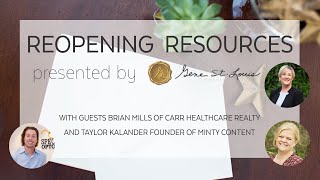
Recorded webinar (May 16, 2020) led by Gene St. Louis with commercial real estate broker Brian and marketing specialist Taylor explaining how to start a dental practice. Brian emphasizes tenant/buyer-only, dental-specific representation, location choices (retail vs. medical office), team members needed (dental lender, CPA, attorney, contractor, consultants), realistic timelines (negotiation 2–4 weeks; permitting 6–8 weeks; construction 60–90 days) and cost ranges for startup components. Taylor covers marketing strategy, brand building, and tracking (email lists, ideal client avatar). The session closes with live Q&A about leasing, market timing, and geography.
Questions this video answers
May 16, 2020
Gene St. Louis (host), Brian (commercial real estate broker), Taylor (marketing specialist)
About $3,500–$4,000 (commonly capped between $3,000–$5,000)
Designer/interior design: $10,000–$25,000; architect packages often start around $25,000 (full architect fees can be ~ $50,000)
$130–$200 per square foot (turnkey finish)
Chapters
Nothing yet.
I know. I'm waiting. It's coming.
There it goes. Hopefully it doesn't go. Five slides ahead. So I am a commercial real estate broker, so that's not that big of a deal, but I am twofold. I'm a double niche. So this one in bold here is probably the most important. Yes, we are a national firm. We're actually the the nation's largest commercial real estate firm that's dedicated to two things which I'm specifically dedicated to. Number one. And the most important is we only do tenant buyer representation. That makes us wildly different from every other real estate firm out there is our fiduciary, which is a fancy word for legal. Our fiduciary legal responsibility starts and stops with our clients. We do not list properties, we do not have relationships or fiduciary legal responsibilities to landlords, sellers, developers, owners, you name it again, we only work on the tenant or the buyer's side. And I only represent dentists. So building a dental build out is like a mini hospital. It's wildly different from an office use or even a physician. There's tons of things that go into it that are worth hundreds of thousands of dollars and you have to be careful if you don't know what you're looking for or negotiating in the infrastructure of a space. So we do tenant buyer representation and dental specific. So that removes any conflict of interest. My legal responsibility is to protect you financially at the highest level. And our services are free. I always forget to mention that our services are, they don't cost you anything. That's how real estate works. Whether it's residential or commercial. The tenant or the buyer is always, always, always, always afforded free representation no matter what. Remember that if you walk away from this webinar and you choose to work with somebody else, make sure they do tenant buyer only and just know that you're allowed free representation.
Okay, I can already tell I'm overly excited and I'm going to talk a lot. So areas that I assist in, I do lots of startups.
These are things that I call traditional real estate transactions. So building purchases. You want to go out and buy your own freestanding building, do ground up construction. Yes, those things do exist in Southern California in many areas. In many areas they do not.
Additional locations, medical condos, you, you name it. But I also really known for just pure lease renewals for doctors who are already in spaces and practice acquisitions. So I am a completely unbiased party. I don't care if you do a startup, if you buy a practice, I Don't really care. I can represent you at the highest level in any of those transactions, just as Jean and her team can. So we don't care what you choose to do. Our goal is to educate you and make sure that you make the right decision for you. Because there's a lot of misnomers out there about, oh, what a startup looks like versus a practice acquisition. And some things are just flat out completely not true or opposite of what you've heard. What I love about Jean is she always spends a lot of time with clients pro bono educating you and to helping you make that first step.
So let's talk about the dreaded startup. You know, I'd say most of my clients that I sit down with, they all say the same thing verbatim. I don't know where this comes from, but everyone comes to me and they sort of put their head down in disappointment. They're like, you know what? I've been looking for a practice to buy for two years. I don't know why two years is the magic number. It's kind of like, I've only had two beers, officer, I promise. So two years is the magic number. And then they say, I couldn't find anything to buy or what was out there wasn't worth it. So I guess I'll just do a startup. Well, did you know that startups actually outperform the market in terms of all types of transactions.
Practices you can do? A startup has less than half a percent default rate. I don't know if that surprises anyone. And I will say respectfully to all the lenders out there, sometimes they don't do a good job or they just forget to tell you that because it is much easier for a lot of banks just to help a doctor buy a practice because it's a paper trailer. When you do a startup, it may take us six months, a year, you never know to do your ideal startup. So it's a much longer process and the bank has to be in it with you for that time. Whereas trading a couple pieces of paper and purchase agreements back and forth seems a lot easier and to get through. But make no mistake about it, typically scratch startups with no patience had the highest success rate in the market because it's very, very controlled and it's done like a franchise. And ultimately that number three point, when it says I will fail, you have to understand that the banks have a way of franchising a startup that you don't get to make a whole lot of financial decisions based on what they already have in front of you and the numbers across the nation that they've been tracking since the 1980s. So number two, the market is saturated, right? This is where you really have to understand the facts around startups. The market is not saturated. Yes, if you want to go open in the triangle of Beverly Hills or in Newport beach or somewhere else, it may be saturated. But to say the market as a whole is saturated is absolutely not true. And I stole this from somebody, I'll have to remember who it was. Maybe Jean said this and I can credit her, but if startups didn't work, Starbucks and Dunkin Donuts would be out buying old coffee shops, rehabbing them, but that's just not the case. There's a Starbucks and a new Dunkin Donuts on every stinkin street corner around here because startups work. So usually I would say maybe kind of the gold standard. You can find numbers higher than this, you can find numbers much lower than this where doctors are successful. But usually one of the ratios for a doctor to patient ratio is one doctor per 2,000 patients. Alright, last time I checked in Southern California alone, I think we had 25 million people that live here. What's a guess on how many active dental licenses there are? There's around 10,000. So 10,000 active licenses to 25 million people, you're already in a 1 to 2500 patient to Dr. Ratio. So there is ample opportunity to do startups in this market. And less than half, less than half of the market has an ongoing relationship with their dentist. So you have at least half the market to choose from. So startups work. It's too expensive. Okay, it is very expensive to do a startup, right? But again, as long as you follow the bank's rules, which you have to. And Gina will have a spreadsheet and she's going to suck all the fun of that and not let you exceed the budget because that's one of her main goals is say, hey, as she taught me many years ago, if you want to take money out of one hand, you know you're going to have to find it somewhere else. Money's not growing on trees. That's how the banks protect you. At the end of the day they're going to have a budget for everything, including the lease. And that's what people don't understand is the banks going to tell you how much you can spend in a monthly lease for the first three years and they're really controlling it. Alright, Gene helps you manage your funding to, to know where you're going to get the biggest return on investment when it comes to that spreadsheet. But you don't have a blank check to go out there and do whatever you want with it. I don't know how to start or run a business. That's where consultants come in. Okay, And I'm going to say this very, very clearly. Consultants and marketing companies get a very bad rap because most of them deserve it. Unfortunately, dentists are very, very easy targets. I could be a consultant tomorrow and charge you an exorbitant amount, and some people would probably fall for it. I don't know a tenth of what Gene knows. Right. So the consultants and the marketing companies that are good are worth their weight in gold. But for you to say a consultant is not worth it, that's just the wrong strategy to have. Even the best golfers in the world have a coach at the end of the day. So I'm a huge believer in coaches. You just have to have the right one. You know you have the right one. When somebody's willing to give you a lot of information up front and let you make the decision and then are referred to you by other people.
Mimicking the DSO model. That's something I'm going to talk to a little bit. We have lots and lots of young doctors who are coming right out of school going into the dso, dental service organizations or corporate dentistry right now. Pacific, Western, Heartland, you name it. Okay, so they're looking to mimic that. And I always say, well, is that the type of practice you want to have? And they immediately rear back and say, no, absolutely not. Okay, well, we don't try to mimic what they're doing then, because we're gonna find yourself in that same position. You'll never have the same marketing dollars that a DSO has. So you need to try to differentiate yourself in it in a. In a different way. The DSO corporate model is actually trying to look much more like private practice because they have a problem with patients walking in the door, getting a chain experience, and walking out the back door, never coming back. So patients are seeking a different experience.
Holy Starbucks, look at this. This is your competition. It's not necessarily another dental practice. Believe it or not, dentistry is much more retail, I hate to say these days, and much less medicine. So you're competing with retailers, restaurants, Las Vegas, everything. That's probably within 30 minutes to five hours from you. Again, when we talk about a proven number that less than half the population has an ongoing relationship with their dentist. Well, it's not that they don't have money to spend. They're just spending it somewhere else. Where do they find value at? Alright, so this is why build outs are extremely important. Because this is your competition right here. But when we talk about a dentist, dentist to patient ratio and even dentists are the biggest culprit in this, they'll say well that market is too saturated. Okay, well why do you say that? Have you done any demographics to understand that? No. Well I see a dentist here and a dentist there and blah blah, blah. Well, with 25 million people here, we actually have the lowest vacancy rate in the entire country. So we just don't have enough places to put everyone because of parking mostly and some zoning requirements. So we don't have enough places to put everyone. If I'm going to put you in a retail center, you bet your butt I'm going to fight my hardest to get you exclusivity in there to block out any other dentist. So when we look at these retail centers and you see a dentist, absolutely. You're going to see a dentist in every retail center. You're going to see four or five GPs in every medical office building because that's the way that the cities have planned it. Those are the only buildings you can put a dentist in. But if you have five dentists in one building, you may have 400,000 people in that community, but they're all segregated to that one building by design. So don't let what your eyes show you fool you. Okay? You have to do some demographics to prove it. Again, lowest vacancy rate, we are coming off an all time high and people want to know what the market's doing right now. We just had a call about that. In our market we have very heavy hitter landlords and they're not, honestly they're not that worried about what's going on right now. They're not worried about solvency and immediate cash flow. They're worried about finding the best mix of tenants in there. So we just came off a less than 1% vacancy rate. So some of the goal is just to get into a space and you'll inherently box out much of your competition. Because if you went to Irvine right now there may be one retail space in all of Irvine. You could open up a dental practice and there may be two medical buildings with adequate space for a dental practice and that's it. And Irvine probably has five cranes doing major residential and commercial construction right now. So sometimes about getting into a space before somebody else does. A lot of doctors have what we call paralysis by over analysis. Always looking for that dream space that doesn't exist out there. Where's that unicorn at? If you wait for that dream space, oftentimes you'll miss out and you'll never open up your practice. So you put your best foot forward and you try to find the best opportunity with the right numbers behind it.
So here's the DSO model in a nutshell. Location is everything. I would say almost 100% of all my young doctors come out saying I got to be in the biggest, baddest location where a bank or a restaurant would go on a street corner that has its place. Right?
But it's not everything. Location does not make or break a practice. Really what you're looking for in terms of location is, is it easy to find? Right. Are there some geographical areas I can point to that patients can find me? And really, it's about brand image. Do the neighboring tenants bring your brand down? But signage does not matter. You can have the largest monument sign out there. You can be right on the street corner and look at this gal right here. She's putting on her eyeshadow, she's drinking coffee, she's on a flip phone. So this is an old, old picture. But that's scary. If you look around anywhere, people are texting and facebooking and twittering and looking at ways and anything but paying attention to what they're doing. So every time I meet a new doctor at a Starbucks, I say, name two businesses you pass on the way here. They can't do it. They absolutely can't do it because they're not paying attention other than where they're going and where their destination arrival is. So don't let this myth sort of control you that you have to have this premier location. All right? Really, the demographics will tell you if you should be in retail or a medical office building.
So location is everything. So obviously, what do you see here? You see, I don't think we have Vic's idea. I think this is the grocery store in Oklahoma where I grew up. I don't think we have any vix igas out here. But if you're going to go into a large retail center, first of all, a large retail center can bring your brand down. You're either going to get lost in the mix or you're going to have consumers that are consumer minded and they're looking for deals. So being in the wrong center can actually hurt you in terms of your demographic. You have to know which demographic you're appealing to. But if your demographic is better suited to a retail location and there is a demographic that, that is better suited to. The first thing you have to ask yourself is when does that Trader Joe's or that Albertsons or that Target, whoever you're going in there to be next to, when does their lease expire? Because if their lease expires in a year and they haven't renewed and they leave, you can find yourself in what's called a dead or a dark center, meaning that you're, you're the shop spaces or these small 1500-2000 square foot spaces are the only thing that's left. And there's no anchor tenant in there. So you do not want to find yourself paying high rent to be next to a Target. And Target is gone in a year. So the first, first lesson here is when you go into a retail center, ask your listing broker or your, the tenant broker who's representing you. I'll tell you Target has less than a year and they haven't renewed. Okay? You have to be very, very cautious of that kind of stuff.
Now you're probably thinking I'm bashing on retail. And I am somewhat. Most people want to have a high end PPO or fee for service practice. I have lots of clients who would say, put me in a different demographic, put me in a much lower demographic or blue collar or even lower. Okay, so let's get to that. If you're in a, if you're in a lower demographic, you should go into a retail center, right? That demographic finds comfort in a retail center. If you're in a higher demographic, and I always say, who's your patient base? Is it me? Is it Gene? Is it Taylor? Is it you, doctor? If you look, look at yourself in the mirror, if it is, then you need to stay away from heavy big box retail because you're going to miss out on more patients than you're going to get. And I say that, I mean that. I mean if you're in a retail center where you have an Albertsons or a Target, I'm not going to come see you because I'm educated, I'm somewhat affluent and I'm going to put you in the same box that I put my dermatologist or my primary care physician or my pediatrician. And I'm not going to go see them if they're next to a Piggly Wiggly. So I'm not going to go see my dentist in that same retail location because it devalues who you are as a doctor. That's if you're appealing to a higher demographic. So people think about, well, I get so much Foot traffic here you probably do get some foot traffic. But how many people are you missing who just won't go to you or even give you a second look because you're in a retail center now saying that not every retail center is the same. I do really like small boutique retail centers where there's maybe a Starbucks and a high end salon, something else that matches your brand. So there's a difference between these small boutique retail centers and these large big box where you have a Target and a Kohl's and grocery stores. You get lost in the shuffle and sometimes it can really bring your brand out. So these are things to think about and walk through with Gene and do demographic reports on what works best for that demographic.
So medical office building, if you're appealing to a higher clientele, you should go into a medical office building ideally or one of those very small, well done boutique retail centers. Sometimes you don't have a choice. There are certain areas where you don't. You can't choose one or the other. There may be one option and that's it, but you have to make sure that it matches your brand. And if you want to do a high end fee for service practice that you're not next to, you know, a liquor store, a vape store, a marijuana dispensary, unless it's a really high end marijuana dispensary. So these are things you have to think very carefully about. I would say that again, the DSL model is a fallacy for most high end practices. Most people are going to find you online through your online presence. So save your money and look at a medical building. If you want to target a higher demographic and invest in a very sophisticated marketing and SEO search engine optimization. Most high end producers in a high demographic are in medical office buildings.
So what does a startup look like? I think I showed this one time, I was speaking at a seminar somewhere. I think somebody said, hey, that's my practice or something. But this is also the fallacy that a lot of startups think that they have to do it on the cheap, they have to save up. They don't even know that they can get a startup loan just by having DDS or DMD behind their name and very little in assets and a whole bunch of student loans. As long as your credit score is close to 700 and you've been out of school for a couple of years, more than likely you're gonna get half a million dollar startup loan because it's very risk adverse for the banks because the default rate is so low. But I do have a lot of clients thinking that even with that loan, they really need to scrimp and save or, you know, let's be honest, we all know our profession. I'm not a dentist. I feel like I am someday sometimes. But if a dentist can find a way to reuse something or do something innovated to save a buck, you will. And hopefully people are smiling right now. Dentists can be really ingenious about saving a buck. But when it comes to a startup and your build out, you can't have the mindset where you're stepping over dollars to pick up pennies because it will greatly affect your production. It greatly affects the patient perception of your practice. And this rings true 1000%, whether you're in a low socioeconomic demographic or you're in the very highest. Because everybody, no matter where they're at on that scale, works very hard for a dollar and you will lose patience. It doesn't matter where you're at if your build out is not up to par. So build outs are very, very important. This is not what a startup looks like, okay? So get that out of your mind.
This is the other thing that you absolutely cannot do. And I've said for many years, and most of the banks are now officially supporting everyone on this and they've walked away from this. So this is called a jump start. Some banks may still have this, but by and large most banks have gotten away from this because the track record just is not there. So everyone think about their, you know the restaurant in town where everyone's gotten food poisoning a couple times, right? And it says under new management or something else. Are you going to go back there? No, not likely. This place has Japanese, Korean pizza, everything else, you're probably not going to go eat lunch there.
And that's the same thing with what we call a jump start dental practice. A jump start means you're really coming in and you're buying a low performing practice or you're just buying maybe a build out and some old equipment. Well, if somebody is selling their practice for $200,000, I mean, what the heck went wrong in 30 years where your practice is worth $200,000? There may be a backstory there. Sometimes build outs are scarcely available, but unfortunately it's only when there's times of some sort of tragedy. A doctor passed away or something else, or maybe they moved to a different location. But even at that, these build outs are just not worth it. You'd be much better off to start from scratch because just like a restaurant. It takes many, many years for the general population to disassociate themselves from the previous owner to the new owner. So if somebody's doing $200,000, something's gone wrong in there, okay, you're going to inherit a team that you probably wouldn't pick for yourself. Old equipment, old build out. Banks have found that doctors just do not get off the hamster wheel of associating. They never stop associating to turn that practice around because the cash flow isn't there. So if you're going to go out and buy a practice, buy a real practice. Something that's probably a minimum of half a million dollars, 600,000, $700,000 that's got room for improvement, but something that's going to pay your personal bills and your student loans because if it's 200, 300,000, the cash flow just isn't there. And you'll never stop associating. So you just can't do these jump starts. I'm a big spreadsheet person and the math is not in your favor here.
So what should a startup look like?
You should be able to build your dream practice from day one that you never have to move out of. These are any pictures that I show outside of that last one are real offices of mine. So these are traditional startups with B of A and Wells Fargo, half a million dollar startup loans. This is what it looks like. And when I show these to people, they get really surprised and excited. Oh, I didn't know you could do that. Right. Most people think, well, you can't do that in California or you can't do it somewhere else. You can if you have the right team around you. And my clients may not have had this mindset when they went in. I know Gene will tell you the same thing. They're all thinking about sort of maybe trying to, you know, cut corners respectfully or start on the cheap until they can build it up not knowing that this lies in front of them. You can have this kind of practice from day one and you can have all your dream equipment. You may not be able to outfit all five or six ops day one. You may not have a cone beam or CEREC from day one, but you can get to this level of build out and you can feel inspired and excited to go into work today and your patients can walk in and go, man, this must be a great doctor. This place is gorgeous.
So you need a team to get there. Who's on your team? You need a dental specific real estate broker, number one. Obviously, I mean, why do you think I'm on this call? You need a dental specific lender. Everything I'm going to tell you is going to be dental specific because it's important. No, you can't go to your personal bank and get a startup loan. They may give you some money, but the problem is they have no idea how to schedule the payments. And that's the big thing. Even if they match the loan that B of A and Wells would give you, they don't know how to defer the payments properly and everything else. And it's really about lessening the overhead burden in the beginning that allows you to take off and not be so stressed about it.
Dental specific cpa. You need a dental specific cpa. You need a dental specific attorney. You have to have these people throughout your career. In the very beginning you need it as well. You cannot, cannot, cannot sign a lease without having a dental specific attorney. Your brother in law who does divorces or your sister who's a criminal attorney is not the same. That's like trying to go to an orthodontist to get a root canal. Could they do it? I'm sure they could, but not at the highest level, that's for sure. And they're gonna miss some clauses and some language in there that's gonna have a huge detriment to you and your practice. You need a contractor, a dental specific contractor. Now just because they're dental specific doesn't mean they're good. There's a lot of really crappy dental specific contractors and designers and architects out there. And it's about this network in front of you to help you vet who's good and who's not. Because respectfully, they're working harder for people like myself and Gene, who may represent dozens and dozens of clients. They're working harder for us than they are for you as a single doctor because we may be worth dozens of opportunities to them. So we're vetting these people and if they screw up once, they usually go in the penalty box and don't ever come back out. Consultants. Like I said before, and I'll say it again, dental consultants get a really bad name. And be careful. Most of them are deserving of it. But the ones who are good will help you outperform the market and your peers like you would not believe. Marketing companies. Same thing. Lots of marketing companies that are willing to take a check from you. But the ones who are good are phenomenal. If you try to do this stuff on your own, you're going to quickly Figure out how hard it is. But if you can find a great consultant and a great marketing company can make a huge difference in your practice.
So what's a timeline on a startup? Finding an ideal location. Literally it could be one day to. It can be years sometimes, because this is all I do is help people help dentists with their real estate. I'm doing this every single day, dozens and dozens of times a year. I have a team that works for me that does dozens of dozens of deals themselves. So I know where everything is in the market. I know what's coming to the market, I know what's coming out before it even hits the market. I have literally had lunch with somebody and said, hey, we're going to go to a building. And that person said, this is my dream location. But I wasn't ready for this. So I always leave every conversation with if I find you your dream location tomorrow, are you ready to move forward? Because sometimes it can shock people how fast the process can go when you're working with somebody who does this only day in and day out. I don't sell houses or do anything else but this. So you have to be prepared. What is your timeline? Are you getting married? You have a mission trip, you have a baby coming? And let the team know what your personal timeline is. Now, a deal that we negotiate today, it may not take effect for nine months, you probably won't open for seven months. And if I do a deal for you now, you're probably not going to pay rent for close to a year. So you do have a long Runway ahead of you. But it's important to know what your personal timeline is and when you're looking to open. So finding ideal location. It's never too early to start.
So it usually takes me. Once we've identified a space, it could take sometimes I've done multiple deals in a building, it can go very quickly. Sometimes it's a first with a landlord who's never leased to a dentist before, or it's been a while and forgets everything that goes into it. It's somewhere between two to four weeks before I feel like we've concluded some really hard negotiations and I have a deal that's significantly beaten the market. So plan on two to four weeks for what I do, which is heavy financial negotiations. Once we've concluded that, we all feel like we've got a big win, then that goes in front of a dental specific attorney for the legal negotiations. Again, depending on the landlord's response, it could be two to four weeks. Or if you say, hey, I want to drag this out a little bit, Brian. We can always sort of drag that out a little bit more. But on average it's going to be, excuse me, two to four weeks in legal negotiations. So the attorney is.
Volleying back and forth with assignment language, death and disability casualty language, you name it, percentage, lease percentage, rent negotiations to make sure that you're protected and taking out all those really nefarious clauses and coming to terms on the other one. So this is really, really important.
Design. So I should put a little asterisk behind this one. The first two. My job is two to four weeks. The attorney's job is two to four weeks. We're working in tandem together. During that time, you should also be working with Gene to interview designers, contractors, so they're using that time wisely. If it looks like the negotiations are going well, you should start to use this as some additional free time, if you will, to work on your design so that by the time your attorney is done and I'm done, maybe you have what's pretty close to the final design and you can start to get that ready to submit it to the city in the next couple weeks.
So permitting, permitting takes six to eight weeks. That's when your, your contractor has done your final city ready permit or plans and submits that to the city. Okay. The city's going to take six to eight weeks to provide notes on that. Now, there's two different ways you can start. You can wait for those permits to come out, all right, and not do anything. Or a lot of contractors will pull like a demo permit and they'll start work inside the space before the permits are signed off on, you're okay to do that. Typically, as long as your plans are into the city, you can use that six to eight weeks and you can start doing some light framing and construction. The rule is you just can't cover up any of the plumbing and electrical because if an inspector comes by, the, they need to be able to see and check your work and make sure it's not covered up. So you can work during that six to eight week process as long as you have a demo permit or you just don't cover anything up. So once the permits are issued, if somebody waits for the permits to be completely done and they say, okay, Jim, you're green light, go, go. Start swinging a hammer. They can often, with a dental specific contractor, you can typically finish a 2,000 square foot space within 60 days. But it's probably 60 to 90 days in actual, actual physical construction that Shocks a lot of people that you can do this infrastructure so fast. But this is all they're doing is dental offices every day. So they know exactly what they're doing. And that's to turn key finish. That means your.
Sconces, your wall coverings, everything. The only thing you put in place is you put your chairs, lights, units and your office furniture and you're ready to go. But that's to a turnkey finish.
So how much does all this stuff cost? Well, I'm free. So again, if you leave here and you work with somebody else, you're always afforded free representation no matter what. Just need somebody who's an expert, does tenant buyer mostly and hopefully has done at least one dental office in their career. So a dental attorney. A dental attorney can be honestly, it could be anywhere from 500 bucks to $10,000. But the men and women on either side of that are a little bit concerning. To me, I will say flat out and maybe ruffle some feathers, you should not be paying somebody $10,000 to review a lease. That is astronomical. So the great dental attorneys that I work with, that Gene works with, they're all one in the same. There's only a handful. They're gonna have a cap on their fee of somewhere between 3 to $5,000. Usually it's about 3,500 to $4,000. And that's for a lease review and all their negotiations. So whether it's one page of notes or 50 pages of notes, they usually have a set fee. Okay. They don't put you on an open ended retainer that says, well, I'm going to charge you hourly. You don't know what that bill is going to look like. They've done hundreds if not thousands of dental leases. They should know what it's going to look like and what the end result is going to be. So it's usually somewhere between 3,500 and $4,000 worth every single penny. You're talking about 3,500. That could save you hundreds of thousands if not a million dollars in your career.
Design. So I'm going to talk in more detail about this. But a design is going to be about 10 to $25,000 whether you use a designer who is maybe not necessarily an architect, but more of an interior designer. And that can be okay. You just have to understand what you're getting up to $25,000 with an architect. So most architects fees are about 50,000. But a lot of dental architects have a starter package for 25,000. You just have to understand what you're getting. So you're gonna have to pay for a design in this process. No matter what, your contractor is gonna charge you probably $15,000 for a design. Okay. So you can either have your contractor do it or you could have an interior architect or full architect do it for let's just say 25,000. Well, for 25,000 you're going to get not only the design for 10,000 or excuse me, 15,000, but you're also going to get.
A pop up. You're also going to get interior design fees. So you're going to get the drawings that you would pay 15,000, but an additional design package where you're picking out flooring, fixtures, furniture, that kind of stuff. Sometimes that can be upwards of $10,000. So for 25,000 you're really not spending any money. You're getting what you would have gotten already. You're just paying an architect to do it, which may be a better product or a designer to do it, which may be a better product. I'm going to show you what you can't do here in just a minute.
So construction, how much is construction actually in Southern California we're actually cheaper than most of the the country by national average. If you went to like Colorado, they would be much more expensive than us. If you go to Northern California, depending on where you're at, or if you go into, you know, Beverly Hills or downtown la, it may be more expensive just based on some of the noise mitigation hours that they have. But on average it's going to be about $130 to $200 a square foot to turnkey finish out. Now why the big delta? Well, it depends on your contractor. It also mostly depends on your finishes. Do you have Carrera marble and gold faucets all over the place? That's going to bring the price tag up a little bit. But for $150 you should be able to do a magazine cover office. Everything I just showed you in those pictures is well within this range and well under $200 a square foot. My job is to try to negotiate as much money from the landlord so you don't have to sacrifice sometimes, not all the time. I can get the landlord to pay for the entire build out.
Equipment. This all depends on what equipment you choose, what configuration, whether it's ADEC or Belmont Rear delivery over the patient deliveries, it's going to be about 20 to $50,000 per operatory. Not all dental equipment is the same. Sometimes there's a big price tag up front it's worth it. Sometimes there's a low price tag up front and you got to be careful on the long term cost. So those are things Gene can help you navigate as well. Consultant. 25 to $60,000.
You know, that's. There's all kinds of consultants out there. There's some exorbitant price tags. So you just have to be very, very careful sometimes. You don't always get what you pay for when you look at those big price tags. So any consultant should be able to walk you through, here's exactly what I do, here's how I do it, and show you up front where the return is. Marketing, I usually say 20,000 for the first year. Gene would be a better resource for this. But I often say that includes a website.
Marketing may not include a whole bunch of direct mailers.
Efforts, including your website for a full year.
So when it comes to design, here's what you can't do. What is this?
It's not. It's a test fit. Okay. And this is not to bash my friends at Henry Schein, who I love, and I love Patterson and Benko and Burkhardt and everybody else. They all do the same thing in terms of being full service and it's necessary. It's really great that the dealers have stepped up over the last many years and they can provide these services. We need to start here that will provide you a test set, show you what will fit inside the space to make sure what I'm negotiating will fit everything that you're looking for. I can usually tell you based on square footage, how many ops you can put in.
But. Oh.
Yep.
Your audio was going in and out, but we. We're okay. You're okay now.
Now you're not. Can't hear you.
It was okay. It was just spotty.
How about that?
Good.
That better? I think I'm hitting mute or something.
Okay.
I'm gonna try to get through this. I'm getting a little thing on my audio, so for some reason it's bugging up. So we'll try. So this is not a design. You need to pay a designer to do this because if you present this to a contractor, this test fit, you have no idea what a budget's gonna be. They're going to give you a rudimentary number off the top of your head, and it's going to be way low.
As long as you know that's what it is, it is not a design. Okay? So.
This is a real design. This is a finished floor plan. By spending money on this, which may cost you somewhere between 10 to $25,000. This walks you through everything. What is the floor made out of? The lighting, the front desk.
The doors.
These are all things that are very important in a budget. That first floor plan, you have no idea what that stuff is made out of. And by bidding off of that, that may cost you under $75,000. And you're too far from the contractor at that point to stop. So for a real design from a designer or an architect and save you a lot of money. Okay.
You were breaking up. I don't know if it's when you're moving or not, but you're doing great. And then all of a sudden it'll start spitting.
But yeah, I'm almost done. I think we've gotten through most everything is negotiable. Okay. Kind of lease rate. Absolutely. You need to get the lease rate down. Typically free rent. As a startup. Yes. You better have free rent for a build out. And after you open, you need to have a Runway. Free rent after you open. Surprisingly, you're not ti. This is tenant improvement money. This is money we get from the landlord to help you pay for the build out. Sometimes we can get the whole thing paid for. H Vac. If you don't have enough H Vac, you can't open there. You're going to be sweating your butt off. Electrical. If you don't have the minimum electrical requirement, you can't run your cone beam, your chairs, everything you're going to have now and in the future exclusivity. If you're going to a retail center, you better fight really hard to get exclusivity. So you're the only dentist in there. Triple net operating expenses. You cannot negotiate that. You can put a cap on it, but it's not highly negotiable. But you should try to put a cap on it. And how much does that rent increase every year? Because it's going to increase. You should absolutely put a cap on that.
At least for new home. You should be negotiating.
Things to watch out percentage rent in a retail. You never want to pay a percentage of your business to the landlord. This is a common thing in retail locations. Relocation clause. They can pick you up and move you at no cost to you. If you go snowboarding and you break both your wrist and you can't continue, you better be able to get out of that lease. Pass throughs. This is the triple net expenses. Can the landlord remodel the entire center and pass through the cost to you? If you don't Catch it in your lease. They can. They have a blank check to do whatever they want. Assignability. If you don't have a strong assignability clause, you may not be able to sell your practice or you may find yourself personally guaranteeing the buyer.
These are not scare tactics, by the way. There's companies out there that use scare tactics. These are not one of them. They're practice language to make sure you're okay. But if you don't have any of it or if it's heavily landlord favored, you're going to be in a bad situation. Personal guarantee. You don't have a personal guarantee for the buyer of your practice, but you're going to have personal guarantee.
Short term leases. As a startup, you never do anything less than 10 year lease.
Options. You need renewal options or you have no legal right to stay and continue past your expiration.
So real estate is extremely important. It's the second highest expense in your practice. It's important that you do not take these things lightly.
Buy this. You can buy commercial real estate as a startup. There are banks that specialize in that. You just have to know what to look for. The difference between the building on the left and the right is really just parking. They're both square buildings. You can flip a service garage or an old video place into your dream practice. You just have to know what the limitations are as a startup. If you have an existing practice, you can buy your own building. Not to buy anything. No money out of pocket, which shocks a lot of people. This was an old search and converted into a pedal office with the ability or absolutely gorgeous.
Medical condo. This is probably the most likely for.
A startup is to buy medical condo. Nothing wrong with that. This is a ground up construction. We tore this, this restaurant down. Sorry if this is your favorite hamburger place, you better hurry because we're into this pretty soon.
It's all about knowing the numbers, right? And you need a team of professionals that can help you with that and really have your back, so to speak. So don't try to do these things on your own people. Like someone has a two mile horn. There's chain, there's CPAs, there's, there's dealers, there's lenders, you name it, that are dental specific that would love to help you on your path.
I know my audio is bugging out. There's my info.
All right, awesome. Thank you. Thanks Brian. That was great. Appreciate it. Take a snapshot of that. We will also be putting this on YouTube so you can subscribe to this as well. Brian, I'm Going to ask you to.
Let's see. I think I should be. Okay, let me take a look here.
All right.
You just get this into full screen mode.
Okay. So thank you for listening so attentively to Brian. And Brian, thanks for sharing so much. You've covered a lot of great stuff. If there's any overlap, just for your own knowledge, I'll go ahead and skip over that. But I always love this slide. It's on attitude. And I think it's so important. It was written by Charles Swindoll, if any of you have ever heard of him. But it's great because it really is important, I think, in this journey that you're on of life. And so often, and I think especially now during this pandemic, it's given all of us a chance to kind of take a step back. And if you are an associate or if you are kind of out there thinking, hey, I want to open another practice or do a startup, I believe it has to do with us taking that look at ourselves and saying, hey, our attitude is what's going to help us to embrace the day and move forward. And so startups have many components. The first and foremost is I want you to understand the process. Brian's done a phenomenal job of explaining that perfectly, but also the importance of advanced planning. And he's also kind of let into, like, why it's important to work with trusted advisors. This by no means by either of us is a sales pitch. We don't care who you use. We just know you need to use dental advisors. That's specific. And then I'm going to go over some key steps in financing. So I love this saying by Walt Disney. First think, second dream, third believe. And finally dare I know when you as dentist or, you know, you didn't go into dental school and say, I think I'll try dental school. And, you know, maybe I'll fail, maybe I won't. You went in saying like, I want to be a dentist, and I think I'm going to be a really good dentist. And so when you go to think about doing a startup, I want you to think the same way. Don't think about. Yeah, but what if? What if? I mean, Brian said it in his presentation that sometimes, you know, all of us have a tendency to, you know, get analysis by paralysis. You know, you analyze to the point where it just causes you to do nothing. And pretty soon it's another year down the road and you're in your associate one more year. And so I think, you know, I would Challenge you to dream more and to make sure that you, you believe that you can succeed. So what are some of the roadblocks of a startup? Well, first of all you have to ask yourself are you prepared as a business owner? Do you know what it's, what is involved in dealing with a startup and different from a transition? A startup is centered around, you know, no known variables. In other words, in a, in a transition when you buy a practice there's variables, you know what they are. You have historical business data. In a startup you don't. So you have to begin with a business plan. What is your mission, what is your vision for this practice and what does the Performa look like? And then obviously as Brian said, you have to align and get yourself as the team of trusted advisors. I think the most important thing in this, if you see I have the doctor as the nucleus of that group, you are the person that all of those individuals work for and don't forget that. So the difference between working with someone dental specific and not is that that person that is dental specific has a much more intricate involvement in just dental alone. That's it. So yes, you could go to local banker, you know, ABC bank on the corner in your town and the banker knows you and maybe does well by you. But I have, I've dealt with practices that have done that and the banker does not understand a startup, does not understand a dental practice in that you have to ramp up the payments. You don't just start day one and your payments at this level. So those are just some ideas. So in the startup process the first thing that I always say is hey, let's get you connected right away with a bank. Let's get you pre approved. It's like if you go out looking for a home and you're pre approved, you're, you're more, you're more apt to be taken serious by, by the landlords and whatnot. The other thing is if you haven't found a location, you need to connect. I always connect with a healthcare real specific person like Brian and the reason being is because he knows the markets, he can go out and help you get those locations. The other thing is really understanding what location you want. There's lots of demographics reports out there. I find that when I have a doctor that says well I'm not really sure, I kind of want like this area or this area or this, I'm not really sure we live here, I'll say well let's get a best sites demographic report and see out of those three Areas. Let's compare who has the most growth. What about, do you like working on kids? Is it adults that you like working on? So we really get the demographics of all three areas and then you can make a decision to say, hey, Brian or whomever, I want to focus on this area. And then obviously, you know, signing an loi an loi is a letter of intent. A letter of intent is saying to the landlord, hey, I intend to do, to release this, but it's all going to be pending bank approval and it's going to be pending what your lease terms are, Brian. And, and the likes are going to always be do all the preliminary negotiations, they get the tenant old improvements, tenant hold improvements, for those of you that are not familiar, is money that the landlord gives you to help you with the build out. So he's, you know, he's great at negotiating and getting the tenant yourself a good thing before you then forward it onto your attorney to be finally reviewed and then signing of the lease. So how do you choose the ideal practice location? You know, kind of on the invitation for today, it was location, location, location. Well, you've heard Brian say, yeah, that's important, but is that the only riding factor? And the answer is no. You know, if you, if your passion has been that you want to, you know, you want to do dentistry in an underserved area, well, the demographics of that area are going to be far different than the demographics of an area in, you know, a more affluent or highlier educated. So the demographic, when you're choosing your location, the first thing is you want to have a clear vision. So I always kind of say, let's go over and work on a vision together and make sure that your vision mission is clear. We want to make sure that the ratio between a healthy patients that would be served by that dentist, that the ratio is a good ratio and you want to understand the income and educational attainment levels. What does this social economic pocket or area that you're looking in, what does that look like? What are their characteristics so we know how to market to them. You also want to understand what is the staff potential? How can I, you know, am I going to be able to hire and if so, what does that look like? And then understanding the marketing demands, what you know, are people in this market or this area more into technology or are they more, you know, baby boomers and older baby boomers, are they into a certain way of how they receive their information?
The other thing that I like to talk about is what is your position in regards to PPO or HMO or Medicaid or Deni Cal. It really is each individual person's most practice startups. Unless I have a doctor that says to me, you don't understand, I really want to take Deni Cal or I really want to take HMOs, I love that most. I advise not to in a startup. I have hundreds of practices nationwide that have done startups and absolutely succeeded on just accepting PPO and fee for service. So it absolutely can be done. And then lastly, you want to make sure that. And one of the things that's important is understanding the fees. So making sure that you're clear on what fee range we can charge. And you know, you can go from the 40th to the 95th percentile. There are fee analysis reports that help in that process. So let's look at the positive of a startup. You're not buying someone else's bad habits or philosophies. You can train the staff with your values and your vision the way you want. The patients absolutely are going to have good habits because they're going to have your philosophy and your culture. The other thing is you get to create your own legacy. How exciting is that? Like, that's so cool that you'll own your own business and creating your own legacy, you'll be the CEO of your own business. Believe it or not, banks lend 100% even to dentists with student debt. And the failure rate, as Brian said, it's less than point, you know,.02%. I mean it, the reason banks lend to dentists even though dentists have 200 to, you know, 500,000 in student debt, is because the failure rate is so low. I mean it's, it's literally extremely low. So there once in my 38 years have I had one dentist fail. And the reason he failed, he was in New Jersey. He, he was over. He was very, he didn't listen to his team of advisors like he should have. Like me, he built out 11 operatory startup and equipped 8 operatories with ADAC equipment. He was way over his head from the beginning. He didn't have a fighting chance. And what was very, very sad is he was oversold by people that really didn't care about his afterlife. Meaning when he opened the doors. The other thing about a startup, you can get the technology, can you get all of it? Like Brian said, are you going to open and have that cone beam and that.
Cerec? Maybe not. But I always say let's put it on the wish list. You're going to be working with a team of professionals that have done this thousands of times before. So it's not new to them while it's new to you. You're going to be realizing your dream. You're going to be learning firsthand the business side of dentistry, which is really exciting. Marketing, that is going to be reflective of your vision. I know that there's marketing out there that you've seen, and you'll say, oh, I can't believe this dentist is doing this. Like, it's so tacky. And you know that that would not be reflective of how you would want to be seen in the public's eye. The other thing is you're making 100% of what you're producing yourself versus, you know, not 35% of what you produce. You create an office that you love. And the other thing is that the banks allocate for you 50 to 75,000 in working capital so you don't have to quit your associateship job. You scale back maybe two and a half days as an associate. We'll go through that a little bit. What are some negatives? Let's talk about the negatives. You're not going to have an established patient base. That's true. It's going to take time to create practice awareness. You know, you're going to have to get on social media. You want to really kind of expose yourself, get yourself out there.
You could choose the wrong location, you know, in a high rise building, in the back of the building, no exposure, no elevator. That's kind of like probably a space. Brian and I would say, well, it's kind of a tough spot. You're not seen. And aside from not being seen, you don't have really good accessibility. Not saying on budget, that can be a negative. Sometimes Dennis, get really caught up in it and they just don't. I always tell dentists, listen, you do not need to build Taj Mahal. You just need to build a really good, solid practice. The ones that Brian were showing you were right in the budget, which is perfect.
You sometimes dentists don't do a startup because they have a fear of not understanding the insurance plans. And how does it all work? And how would I get credentialed? And if I get credentialed, how does that work? And I've never done any billing. I've only been an associate. Sometimes it's going to take anywhere from 8 to 10 months to hit breakeven. So what does that mean? That means break even is when you collect money. You, your collections are able to pay all of your bills. 8 to 10 months has been the guide for most of the practices I work with. You will need to keep your associateship position for about the first year, maybe two, depending upon how the practice is doing. Why would you do that? Because your associateship position will help pay your bills at home and the working capital is going to help pay the bills in the practice until you hit break even. And the other thing is, you could not be good at treatment acceptance. You could, you know, just say to yourself, I'm not, not really good at that. And I'm worried that if I own my own practice and my livelihood depends on how I present dentistry and it doesn't get accepted, how will that work? So those are some negatives. So you, you don't have to answer this, obviously, but just kind of ask yourself in your own head, what. What is it? You know, how are you going to get patients to walk through the door? How are you going to. What types of procedures are you going to do? How are you going to charge for them? Are you going to, you know, are you going to do root canals? Are you going to do Invisalign? Who's your competition? What are they doing? Don't mimic them, but you want to know what they're doing. How can your practice have a competitive advantage? What can you do differently? One of the things that you can do differently is obviously have a good social presence and get out in the community. Join the Rotary Club. You know, if you're not an extrovert, there's other ways to get your name out there without being, you know, Ms. Or Mr. Dr. Social Butterfly.
So when we look at internal marketing versus external marketing, internal marketing might be something like an appointment card that is, you know, perforated in the center and there's a care to share card on it. And a care to share is basically saying to the patients, hey, if you care to share this card with a family member or friend, we will give them X amount off their initial visit and give you X amount off. So there's proactive marketing and passive marketing. Proactive marketing might be you sponsor a little league team and you put a banner up on the fence at the ballpark. That's kind of proactive. Passive is more, you know, that care to share card that I mentioned that you hand out at the appointment visits? And then, you know, when we look at, are you going to be taking DMOs or PPOs or only fee for service on a practice startup? I never recommend that. You only take fee for service. It could be a goal that you have to get to, but it's not what you want to start out saying, I will not take any PPOs, that's not advisable. So right now, for those of you, your heart might be pounding and you might be saying, like, how am I going to make this happen? I have all this in debt, I have credit card debt. So there's good credit card debt and bad credit card debt. If you have 25,000 in credit card debt and it's not specifically linked to, like I took a spear course, education course, clinical course, or, you know, AGD course or something like that, that could be construed by the bank as bad debt. So credit card debt overall is not ideally what you want to have.
But if you have a small amount and you're paying it off as you go, that's fine.
So some questions that you might have or what you're causing you to maybe feeling a sense of panic is, you know, should I associate for another five years and save money to reduce my debt? And the answer is by myself and banks who finance this is the banks would never finance it if they thought you were going to fail. They just wouldn't. And so an answer to that is, I always say to dentists, you don't want to work any more time working for someone else. If you can start your own gig, your own practice, why not do it? So your practice is, you know, obviously going to be financed by the bank. They're going to help you in that whole process. The criteria that you need to know, we're going to go through in a minute. And there is a budget. Generally speaking, the budget is what the bank is going to lend you. That's your budget. I have doctors that say to me, you know what, I have an extra hundred thousand, I've been saving to do my startup for a while and I want to put in an extra hundred thousand. And I say put that in your bank, keep it safe, don't put it in unless you're absolutely burning, yearning, it's burning a hole in your pocket. You don't have to use your own money. And right now, money is cheap, everyone. Money is really cheap, like three to four, four and a half percent. That's very cheap to get money. So why not use the bank's money? Don't take the risk and deplete your savings. So what are some components of a business plan, a vision mission, a demographics report, a pro forma that has, you know, expenses and goals for three years? And I'm going to show you that momentarily. In addition, marketing strategy, you want to make sure you have a marketing strategy. How are you going to make this happen? Is a part of it. Training of your staff, leadership training and establishing your insurance and your fees. So now you need to understand that you have to manage your income to your lifestyle. Just because you're a doctor doesn't mean we have, we can spend, you know, frivolously or in, you know, the attitude of well I'm a doctor, I've worked hard, I can spend it. Hey, if you've got it, go for it if that's what you want to do. But generally speaking, I try to say. Hold on a minute. So let me, let me go ahead and pull up some other information for you. Give me one minute.
First thing I'm going to pull up for you is going to be a proforma. So the Performa.
Can you guys see my screen? Okay, just shake your head.
Yeah.
Okay, so this is as a good rule of thumb, this is the Performa. And this the first year, if you're working four days a week, eight hours a day as a dentist, that's 1536 hours in the year. In a startup, the very first year you're going to work two and a half days a week as an associate, two and a half days a week as a owner. And so that would mean that you would be working 768 hours in the year right here under year one, in that first year you're going to be producing on two and a half days a week, about 250,000. This is very conservative. I'm very conservative. Most of all the startups that I work with are averaging between 350 and 375. Why do I set the goal at 250? Because I want to know if we can meet our budget on 250 than anything extra. 325. 350. 375. That's bonus. That's just icing on the cake. Then year two you will stop associating and you will begin working as a full time dentist in your practice and you'll pull in a hygienist for two and a half days a week. So the total you will work is four days a week. Hygienist will be two and a half days and the practice will do about 559 that second year. By year three, the hygienist will be full time and you'll be full time. You'll be doing about 960. So let's kind of look at how that shakes out.
So generally speaking, the banks are lending about between 5 to say 550 for a general dentist, about 600 to 650 for a specialist. So you can kind of see as we go along this performa, this column E is projections of what we say you're going to produce the first month that you're in business. So you're going to produce 4,000. You're going to collect 3,920. The actual monthly expenses, once you open the doors, we then write them under the green column F. What are the actual expenses? So as we go initially, when you start out, we are looking, I ask you to do what are your personal expenses? So you write down what are you taking home per month, you and your significant other, what are your monthly expenses? What does it do monthly? So in this case they, they are making 16,006,6amonth and their expenses are about 14,009,77. So let's jump back to this one. So based on that, I know should you work two days a week as an associate, three days a week, based on where your expenses are, that drives how many days you' in your practice. Then we look at what are the expenses going to be and setup months are our estimated expenses of what's going to be for the build out, for the everything that you're doing. So you can see in this I have 50,000 in working capital. So right now at this point, this was work in progress. We were at 416,000 for the build out so far. And then when the bids actually come in and we work on those together, we know, oh, okay, well, what is the bid and what did you commit to for that, that service? And we add it in there. So that's how that looks from a performance standpoint. So let me do one more share and then you'll kind of have a better understanding a little bit. So Brian had said, hey, it could be anywhere from one month to 12 months. The longest I've ever seen anyone take has been 18 months. The shortest from start to finish was three. So three in the sense of literally three months. And they were done with the build out. That was in New York. That was so rare. But when we're doing a startup, a green check mark is a completed task by you. A yellow check mark is work in progress, or a red check mark is a dead task. So six months to one year ahead, we have everything. Everything is analyzed based on the category. On the far left you'll see attorney. So what the items in the middle, what does the attorney need to be focusing on what are the details of why the attorney needs to be doing that. And then you'll see license permits and negotiations, fictitious name searches, the accountant, your NPI numbers, what does the accountant need to be working on? Do they Want you on QuickBooks? What about your insurances? What insurances do you need prior to opening? There's some that are nice to have, there's some that are must have. Obviously your malpractice, your disability, your workman's comp, those are must haves, business interruption, employment practices, those are nice to haves. What does the banker require? What is the consultant working on? What about your equipment? So looking at the blueprints, looking at the layout, looking at your contractor bids, your it, your supply reps, your financial, getting your phone number, getting credentialed from your insurance. So there's three to six months ahead, what needs to be done two months ahead, what needs to be Done one month ahead, what needs to be Done 1 to 2 week ahead. And then lastly, what's the shopping list you need to buy that is not on your dental suppliers list? So that kind of helps you a little bit, I hope, with what you need to do for making sure that you're kind of ready from a performance standpoint. So I went through the timeline. Ideal patients equal an ideal practice. In order to really get there, I believe that you have to build your practice with the patient being the most important person. If you build a practice and the philosophy is a patient centered practice, I have found that practices are hugely successful. You have to build your practice establishing the blt, believable, likable, trustworthy. If you get patients to believe you, like you, trust you, that you're out of the mode. If you were in a DSO with sell, sell, sell, sell, sell, you just need to tell you need to be the best clinician and the best diagnostician you could be. You will get that patient feeling like, wow, I am the most important person to this practice. So gaining commitment is really. You probably have seen this on some of my other webinars. I really love this saying by Andrew Carnegie. It's teamwork is the ability to work towards a common vision. The ability to direct individual accomplishments towards organizational objective. And it's the fuel that allows common people to obtain uncommon results. So.
All of us are either starters or finishers. A starter can just jump right in. We've got the energy and you just get right in. But you need others to help you finish. And finishers have a hard time starting, but they need the Endurance to make it to the end. So support is needed by both types of people. You can, you know, become a finisher if you're a starter, and you can be a starter if you're a finisher. We all need help, so we're here to help you with the startup process. If you. If you want any help, obviously reach out to Brian myself, and we're happily here to help you. So I'm going to go ahead and stop sharing and I'll let Taylor pick it up and then we'll answer questions and we'll go through that polling.
So let's see.
There we go.
Go ahead, Taylor.
I can't hear you. You're muted.
How about now?
Now we can hear you.
Great.
Now to get back to my presentation.
All right, so I.
You need to share your screen. We can't see your screen.
Sorry.
No worries.
Share screen.
There you go. It's not up yet, but I'll let you know when it does. Okay. It's popping up now.
Great.
Wonderful.
All right, so as Jean just mentioned, people are starters or finishers. I am personally a starter. I love the beginning of a project and outlining goals and execution expectations and doing research on the market. So I'm going to talk about the power of a written marketing strategy and hopefully help you guys form.
The foundation for what you're looking for in creating your dream practice. So I love quotes, so I started with one from Mark Murphy, who has done a lot of research on goal setting. And I'm sure you've all heard this, but writing down your goals.
Is super important to accomplishing them. Your chances go up 1.2 to 1.4 times, and especially if you do them vividly, if you get super specific about what you want to accomplish, what it looks like and feels like and smells like, and just down to really minute details.
So the components of a marketing strategy are first and foremost, your ideal client avatar report, which I'll go into in just a moment. Your marketing plan and your brand guide.
Your ideal client avatar report is something that a lot of people have a hard time with and maybe haven't even heard of, but that I personally think is the most important component of your marketing strategy. So that you know who you want to be marketing to. You create this fictional person, and that's the person who you want to see walking into your office each day.
I have a worksheet workbook that you can fill out, download, and fill out on my website, mintycontent.comica and you'll go through information on creating this fictional person.
And then you can make sure that every decision you're making with marketing aligns with who that person is and would appeal to that person.
And then share, share that information with your new staff members, with your consultants, so that everyone is on the same page with who you want to be attracting to your office. So that, say you go to Brian to help you find a location. He knows exactly the type of location that your ideal client avatar would want to patronize.
The next component is your marketing plan.
The parts of a marketing plan are market research, researching your target market, dental community research. A lot of people call this competition research, but I'm a big believer in community, not competition. So you do want to know who else is out there. But don't look at it as competition. Just look at it as a team of awesome people serving the same community. Number four is your mission statement. Number five is defining your product. Number six is your marketing strategy. 7. Branding.
8.
Budget. Nine goals and 10. Tracking. So the first part of your market research. I feel like Jean and Brian have done a great job of explaining how important demographics are. I completely agree. I love diving into those and making sure that they align with the kind of practice you're hoping to open. But I think that nothing is more valuable than just sitting in the space that you're looking at, sitting outside of it, hanging out in your car, in the parking lot. So much can be gleaned just from watching the kind of people who are walking in and out, how busy it is, the kind of businesses that are around. If there's a shopping center, say across from a medical building, go there, start having lunch or coffee at those businesses and really get an idea of the kind of place that you're looking to open your practice. Because it's really easy for realtors to only share select numbers to make a location seem more appealing than it is actually spending physical time there will answer a lot of questions for you.
Looking at your target market. It's just easy to look at the demographic information, compare it with your ideal client avatar worksheet and make sure that they are aligned. Make sure that it reflects your location's target market.
Looking at other dentists in the area is very important. And I would encourage you to even go and introduce yourself, whether in person or on social media. Follow them so that you can make sure that you are setting yourself apart and so that you are starting a relationship with them that's positive from the very beginning. I can't promise that they'll reciprocate, but at least you know you'll have done your part to create a friendly relationship.
Come up with a mission statement.
I think that's really important for not only you, but for your practice and again for the people who are helping you open your practice. If people know what your goal is and what your practice's mission is, it will give them a better idea of how they can serve you and get you into the right location, help you make the correct marketing decisions and such. So I would personally start with a personal mission statement. I would keep it short. I would involve your staff members. If you don't have staff members yet, involve colleagues or people who you trust. And then once you have it defined, post it all around you. Put a post it note in your car, on your bathroom mirror, on your bedside table so that it's always on your mind and so that you know that each decision you're making aligns with your mission. I thought I'd share my mission statement with you. First of all, my personal one is to shine, whether that is brightening someone's day or shining a light on something that I care about.
Whether it's a cause or politician. And that relates to my business mission statement, which is the Mintee mission is to provide fresh content to dental practices who know the value of social media marketing but lack the time to create posts consistently. So I want to shine a light on what is possible through social media marketing for my clients, but I also realize that they might not have time to do all of the research themselves. So I like to shine a light on what's important and what will help them accomplish their goals.
The next is to define your product and in your case, you are the product. And the way people feel when they walk out of your office is the product.
And you might have tangible products in your office, but really the most important part of your product line, so to speak, is the way people feel when they're walking out of your office. And that will determine how they refer to you or do not refer to you and will determine how they feel about their overall dental health.
In terms of defining your marketing strategy, there are so many ways to go and I just suggest that you choose one or two and really get it nailed down before you move on to another. Also look at your dental community and who else is serving your community and see what they're doing because you might want to differentiate yourself so that you're not in all of the same places so that you're reaching a new audience.
My personal suggestions are to have a great relationship with your PTAs for the schools in your area, whether you're pediatric dentistry, family dentistry or cosmetic. I feel like those parents are super well connected. And you're also going to be establishing relationships with people who have who are younger and who might have a longer.
Time with your practice as a patient. And no matter what marketing decision you're making, be sure to check back with your ideal client avatar worksheet to make sure that it aligns.
And also look at what the big guys are doing in your community. If you are in a, say, a shopping center with a national brand or there is a national brand across the street, use the information that they're putting out either in their annual reports or just by following them on social media to see what is coming up as trends so that you can kind of ride the coattails from their million dollar marketing departments.
Branding I'm going to talk about in the next section, so I'm going to skip that part of the marketing plan.
Your budget should be 10% of your net or 7% of your gross and protect that 10%. Marketing always seems to be the first thing to go. I know from personal experience and it really, it should be protected. I think that it's easy to look at it as disposable and I think you'll be very happy if you hang on to that.
And also with your budget, make sure that everything is working together. As Brian said, there are so many marketing companies out there who have really flashy bells and whistles and they're trying to sell you on things or events or taking out an ad.
And make sure that your community events are leading people to your website, that you're then capturing the information from the website visitors and directing them to your social media. Just make sure that everything is working cohesively as a marketing ecosystem and that you're not getting too disjointed with everything that you're trying to do and invest in.
So for goals and tracking, I could spend hours talking about it. But the one goal and the one metric that I'm most concerned about, your email list. Whether or not you do email marketing. Building an email list since the beginning of Internet marketing has been the best way to get new customers. You have no idea how long certain social media channels are going to last or be trendy. You have no idea when Facebook or Instagram's algorithm is going to change.
Throw things into disarray with your online marketing strategy. If you have a good email list and are consistently building it with lead magnets and by collecting emails from website visitors. You will be happy and you will have a lot of options should things change in other areas that you're invested in.
So for brand guides, I would start with trying to define your brand by using feeling words. How do you want people to feel when they visit your office? And also look at other brands and how they make you feel. And try to align yourself with those brands and then dive into them. Look at the fonts and colors that they're using, look at the types of imagery they're using on social media and their websites.
And then check URL availability. I'm going to bag on my parents who have a skincare clinic.
And they have a horrible website URL for it. Make sure that your URL is available and easy to remember. Just to give you the example, my parents is Laser Med, the number four skin for an aesthetic spa, which is just difficult to communicate to people. Also think about the length because this is going to be printed on everything that you create. Business cards, flyers, tablecloths for community events, T shirts. So try to keep it concise and make sure that it's available. Before you get too invested in a name.
You also want to look at how your name looks in serif font, which is the ones with the little kind of hooks on the ends of the letters sans serif, like the font that you're looking at now. And in script font, you also want to pay attention to how it looks with different punctuation marks. I had a rather unfortunate incident with someone named Anna who I worked with Ana. I created some graphics that were featuring her on a company website and added an exclamation mark to that, and I'll let you figure out what that looked like spelled out.
Next up, I would choose primary, secondary and tertiary colors so that you can transition your brand as trends change. So if you have a primary color and then a couple of accent colors, should things change and should say neon pink not be trendy anymore, you can slowly transition into something new without having to rebrand everything.
Use a classic font, don't use anything too cutesy.
And make sure that everything translates from in your office to online. You want people to feel, have the same feelings and have the same imagery and graphics on your website and on your social media as you do in your office.
And make sure that you're not using any puns or misspelled words. I don't want to call anyone out specifically, but.
Pay attention to how things are going to pop up when you google them. If you change the spelling of a word around to make it more dental related. It might be difficult for your search engine optimization and also Google and search handle availability on the social media channels that you'd like to be a part of. Make sure that there's nothing that you maybe don't want to be associated with that's related to your name idea.
And that's all I've got for you.
All right. Well that was awesome. That really wrapped up perfectly with what Brian and I had talked about. So that's awesome. I really appreciate it. Well, we've got Brian if you want to unmute, we've got a couple of questions. So let's see here to everyone. I'm in an escrow. In escrow to purchase a practice at the moment. Do you recommend price negotiation drop to due to the drop in revenue after COVID 19.
I'll take this first and then punt it to the rest of the presenters. I've been working on several offices that are going to be closing and are in escrow as well. And generally speaking, what we have decided is that we're letting the office that is for sale open and be open for about 30 days, seeing how they're picking up before the closing occurs. And in answer to should the price be dropped or not really between a 30 to 60 day window, I think after the practices are called to open within the state they're in, you would have a better indicator as to should that affect the, the value or the price for that practice. That's my two cents. How about you Brian?
Well, just in terms of the real estate, you should, whether you're in an up market or a down market, you should always take the opportunity to renegotiate the lease. You don't accept what the buyer, excuse me, what the seller is paying unless they have multiple years. But most sellers put their practice on the market when they have maybe one or two years left. If they have less than two years then you should take the opportunity to renegotiate the lease to more favorable terms. And a lot of that includes free rent up front. So most people put their head down and they simply assume what the seller is paying. And you shouldn't do that as a strategy if there's less than two years left, more than two years, you may have to. I agree with what Gene's saying. I would love to sit here and say, you know, buying a practice is more than just a two week transaction. You're buying the goodwill of somebody else. But you don't know. You're looking at historical data and it's just too soon to tell. So you don't know what's going to come back? I had faith in the market that it probably will, but you don't want to be foolish with that investment.
Yep. Taylor, do you want to answer that or are you okay?
No, I'm good.
Okay. Next question is, does your company have any branch in Bay Area of California? Do you guys provide service at the Bay Area? Yes, I do. No, I don't have a branch there, but, yes, I have many clients in the Bay Area along with other parts of the U.S. brian, you want to answer that?
Yeah, me as well. So reach out to me. If you. If you need help anywhere in the country, we can help you. So I'll be your single point of contact right now until I get too overwhelmed. But, yeah, in the Bay Area. Feel free to reach out to me and I'll connect you to our broker.
There and then Taylor.
Absolutely. My clients are all over the country and I'm always looking for an excuse to come to San Francisco.
All right, I'm going to go ahead and launch the poll, if you would, please. We've got plenty of time. Again, it's anonymous. It's not, you know, can't see it. But the first one is, who are you? Are you a dentist? An associate? A hygienist? An rda? A da? Office manager, Administrator? Just go ahead and click and answer again. This helps. Just us. It's a fun thing. I'll share the results with everyone. So someone take the first plunge. Come on. I have faith that you can do it. Next question is, when does your lease expire? Less than one year. 12 to 24 months. 24 to 36 months. Four years from now, five years plus from now. Have you ever created a business plan for Forma? True or false? Yes. True. Okay, we've got. We got two of you going. Come on. We got plenty more on the line. Please start answering. Thank you. Do you feel prepared to reopen your office? So far, the trend is 80% of you are comfortable with reopening your offices. 20% or not. How long have you been an associate? One year or less is 20%. 20% are two to five years and more than five years is 60% still answering. This is good. Keep going. We like to see where we're trending. Can you guys see my screen?
I see the poll up. Yeah. Yeah.
Cool. Okay, so keep going. Feel free. We've got about a minute, 25 seconds left, and then we can also answer any additional questions that we might have.
You know, the one thing that's really cool gene that I was in. I've been taking a bunch of. I always, well, I shouldn't promise to everyone, but I, for the most part, I try to take professional photos of all my new practices and I give them the rights to use it for their marketing, et cetera. But I did three new startup photo shoots last week, and every each one of the practices, the doctor was saying, you know, it's really hard because I have patients calling non emergency patients who want to come in. They're not even batting an eye. They're like, hey, I have time off and this is a rare opportunity where I want to come in. I need a, I need a crown or I need to have something redone. I can wait. It's not an emergency. Doctor saying, well, I got to kind of follow the rules here. But they're saying the patients are still calling saying, I'm ready to come in, like right now.
Well, that's funny you should say that because I've talked with, you know, literally hundreds of dentists over the last couple of weeks and many have echoed the same thing. One doctor in the state they were in was Nebraska, they got noticed that they could open. He sent out a patient, you know, email saying, hey, we're accepting appointments for cleanings and whatnot. And within like a half hour, he had 30, 50 phone calls within 30 minutes. So same thing in Illinois, same thing in California. So, yeah, it really has been, has been really picking up. I think people's mindset has been that they're feeling safe in a dental office. More so I think than most anywhere else about it. We, you know, we are protecting ourselves very, in a very safe environment. And so I think they're feeling comfortable with it. So it's a good thing.
Yeah. All right, so where are we trending here now? We've got 70% of the people on the line are dentists and 30% are associates. 10% is an office manager. When does your lease expire? Less than one year. 30% of them, 12 to 24 months. 20% of them in 12 to 24 months. 24 to 36 is 10%. Four years from now is 20% and five years from now is 20%. So the biggest is 30% in one year. I have created a business plan, Performa. True. 70% have good, 30% have not. Do you feel prepared to open? Still trending at 80% are saying yes and 20% are no. How long have you been an associate? One year or less. 10% and 40%, two to five years and 50% more than five years. So.
You guys are on the right seminar. I'm glad you're here because you're able to kind of see what's important and I hope you enjoyed our presentation. We're here to help.
Hey Gene, let me say, and this ties back to our other webinar that we did last week or a couple weeks ago. If you're in practice right now and that 30% on the line that has less than a year left on your lease, it's very important that you don't make a misstep and you go to your landlord and ask for free rent right now. Because in my professional opinion, that free rent is rightfully yours and you should negotiate that in conjunction with other concessions. So if you ask for free rent right now from your landlord, you may really jeopardize the posture that you have to renegotiate a long term lease and get free rent. Negotiate it rather than ask for it because hopefully we'll get you free rent, lowered rent, maybe some tenant improvement money, et cetera. But if you could, from a position of weakness and you ask for free rent, you're going to lose all those other concessions that in my opinion are rightfully yours if you know how to negotiate it properly.
Okay, great. Anyone else have any other questions or anything else from the panelists that we can share or answer? I think all of you know from my perspective, you have my contact information. Happy to help you answer any questions, walk you through anything in more details regarding a startup or if you are one of those existing doctors that were on the line. If you want a complementary baseline analysis, you know, to just contact me and we will be. Just so you're aware, we are offering CE for all of our webinars and that Taylor, that goes out with the thank you notice, doesn't it? With the CE link?
Yep.
So you'll get one credit hour for the the webinar so you don't pay for it.
Awesome.
So yeah, compliments of Clue Dental Marketing, which is great. They work really closely with us on that and they're able to offer that. So that is very. We're very grateful for that.
So Melanie, I can send it to you directly, but I just checked my website and it worked for me. So maybe try it again and I'll send it to you directly. If not. Jean and Brian, I'm curious if you were dentists and about to decide where to open. Where do you think is an underrated market.
In the United States?
Usually when I have a dentist, they know some Kind of demographic area. Like I like Michigan, I like California, I like Florida, whatever it is. Then from there I try to narrow them into, you know, it's very hard to like go and get a demographic report and say, okay, you know, give me the whole state of California. What's the best pockets?
Too big of a spot.
I'm just curious from your observation, yeah.
I do see trends throughout the country at times. You know, trends of where startups are spiking versus not.
I would say they're pretty consistent. Now I've got lot going on in California. It's interesting. I have had clients that have said to me, you know, I was hesitant to do a startup because I called an attorney and he said absolutely not, like startups are a bad thing. And I scratch my head and I'm like, why? You know why? And I called the attorney and I said, why are you telling people not to do startups? And he's like, well, California is saturated. And I said, well let me ask you something. How many startups do you work with after they open? Well, none. Okay, that's my point. None of them have failed and they're not there. Yes, there's like Brian said, there's a lot of population, but there's a lot availability.
So I always point one startup to a previous one if they want. I think it's important to talk to people. I know Gene, you're, you're big on that kind of stuff to say, hey, don't ultimately don't listen to me just because I'm saying I don't have a vested interest and I'm conflict free. Call here, I'm an open book. Call these startups and they'll tell you what their pain points have been. But I think by and large you'll find most of them will say I was shocked at how quickly the success came.
So that sort of rings true through a lot. But you can't, I don't think anywhere in the country people are looking for the ability to hang an open sign on the door and be successful. We don't live in that world anymore. So when people ask me, and they ask me that all the time, Taylor, I say that's sort of such a loaded question. First of all, tell me about you personally. Tell me about your family and your goals and do you want to be around your parents or your in laws? Are you going to get married? Because there's always an opportunity somewhere. But being in Eastvale or Chino Hills may be way different than being in Irvine or Beverly Hills or The Valley. So I think you have to start with that personal aspect first. We can always put you in a right location. And the numbers don't lie. But I do love what you said, and I say this a lot, is there's no substitute for having lunch or coffee because whoever walks in that door, those are your patients. So the numbers can say whatever they want. But in terms of a demographic on who you're going to be serving, you need to go spend some time in a day and shop and have lunch in that area. That's who's going to be walking in your door. But most of my doctors who say, I will open anywhere never open at all because they're just not focused for some reason. So you have to start with some focus, whether it's professional or personal. And you have to kind of narrow it down. You have to have some sort of vision in your head.
So next question is, is Orange county saturated for pediatric offices?
No.
I would say the same thing. No.
I have a wonderful location for a pediatric dentist. If somebody wants to be in south Orange county, call me immediately.
Nice. All right, well, I think we are done. I thank you all for your time, and I know we ran over today, but we had a lot of great content and I hope you enjoyed it. Please go on to our YouTube channel, Jean St. Louis Consulting. And the tape will be there. We've recorded it. It'll be there. So you have access to it. I would ask you. I'm trying, like, really hard to get to 100 subscriptions, so. So tell your friends and family to subscribe to our channel so we can get up there on the polls. So that would be great.
Thank you.
Thanks very much, everyone. Have a great day.
Thanks, everyone.
Thanks, Brian. Thanks, Taylor.
My pleasure.
Bye.
Bye.