Brad Slater: The 10-Week Journey to Ultimate Health & Performance | TUH #103
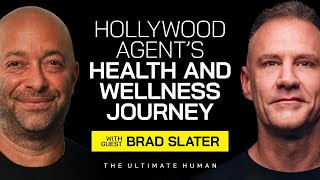
Brad Slater, a talent manager at WME, dropped 30 pounds and fixed his sleep and shoulder pain in 10 weeks using blood tests, targeted supplements, strength training, cold plunges, and stem-cell injections. He credits the changes with improving his mood and work performance.
Chapters
How is it possible that I know more about my car than my body? Wow, this is crazy. I was 255 pounds. All of a sudden, my injuries started popping back. A lot more inflammation, work out like an animal couldn't drop a pound. And it just felt like someone pulled the plug, like the switch was off. It didn't feel right. And then along comes you, educating me about your guts connected to your brain. And so that explains why I'm more stressed out than usual. And it's all tying together.
What has happened, this shift in your health done for your career, your mental health.
I start getting on the supplements and working out, lifting weights, walking. I remember where I was standing. Literally, I can go to the spot in my backyard one day when I go, oh, my God. I feel totally different.
Really, I'm getting goosebumps, man, I love hearing that.
I don't think you have to have a mental illness to focus on your mental health. All of our lives are peaks and valleys, but I deal with things much differently because I'm like, you know what? I'm being tested right now. But I've been doing all the things to take care of myself. I'm ready for this test.
I think so many of us have accepted this erosion of our baseline sense of normalcy, and we're like, okay, well, I'm supposed to have brain fog because I'm old. What would you say to those people?
You talk about getting to the root cause of the problem. Instead of treating people for their ailments, you're treating people for their.
Ultimate human. Hey, guys, welcome back to the Ultimate Human podcast. I'm your host, human biologist Gary Breca, where we go down the road of everything anti aging, biohacking, longevity, and everything in between. And today you are in for a plot twist because we have a senior talent partner from WME on the show today, a good friend of mine that I've been on a health journey with for quite some time. Your list of clients in Hollywood is a who's who of who's who. Welcome to the show, Brad Slater.
Thank you so much.
It is. We've been wanting to run this for a while.
I know this is a long time coming. It is such an honor to be here. I've been so excited about it from the moment that we met. Just, you know, about a year and a half ago.
Yeah, we met a year and a half ago, actually. Dana White introduced us at Gecko in Miami.
He did.
He did.
It was. I'll tell you, it was just before that. I think it was March of that year, not last year, the year before, I was with Dana in Las Vegas. We were watching the Las Vegas Aces play. I represent Kelsey Plum, and it's a good friend. She's a good friend of his as well. And I saw Dana and I was like, what are you doing? You look unbelievable. And. And he was just feeling so great, and he said, I'm gonna introduce you to Gary Bracken. It's gonna change your life.
Yeah.
And I said, well, tell me more, please, right now. And that was, like, during the game.
Yeah.
And then a couple months later, we were in Miami, and UFC had a big card there, and he said, we're going to dinner at Gekko, and you're gonna meet Gary Braca. And I will never forget walking to the restaurant, meeting you. I was so excited because I'd done some homework.
You were pretty pumped.
I was pumped. And you looked me in the eyes. It's so nice. And then you said, we're going to. We're going to make you superhuman.
And.
Or said something like, I remember to get you on the protocol, but I took it, like, in my own crazy mind, like, oh, my God, he thinks I'm sick. He thinks there's something wrong with me. No, I really do have to.
You're going to be my next superhuman project. That's what I.
Yes.
Yeah.
And. And so after that weekend, I raced home. I was introduced to Stephanie Martinez. Devin. I got my blood tested, I got the genetic test. You know, a couple weeks after that, I was hitting the ground running. But I can tell you, during that time, Miami, I remember, you know, being with Dana and. And being out. Out on a boat with Max Crosby, who I know has been on the podcast, and these guys are walking around with their shirts off, and I'm like, not me. Sure stays on these guys. I'm like, but I'm gonna get there. And. And I went to work and. And, you know, it's just. It's. It's been unbelievable.
You actually really did go to work. And before I even get into your background, I mean, because, I mean, you are an iconic force in. In Hollywood and in the. In the talent management and agency business. And I want to. I want to talk about how you climb that ladder, because it was a very non traditional route. You know, I've done my homework on you too.
I mean, you.
You were, you know, selling European movies or movies, you know, overseas.
American films. Overseas.
Overseas. And. And didn't. Didn't actually go through the traditional ladder.
Right.
I mean, you didn't because, you know, in the back of my mind, you know, sometimes when I look at other industries, I'm always fascinated by how does somebody get into that. Right? Yeah. And to me, Hollywood, entertainment, sports management, talent management, being a talent agent, that, to me, represents one of the most competitive industries in the world, simply because you got a lot of egos, you got a lot of people with con connections, crazy connections. You've got a lot of people with money, and you have a lot of people, like all of your clients have choice. Right. Dwayne the Rock Johnson, you know, Eva Longoria, you know, these are some of the most iconic names, figures in the world of sports entertainment. You know, just the. The level of celebrity status. So you've got to be relevant to them and you got to provide value for sure.
Right.
Because if you don't, somebody else. Sure, absolutely. So I'm gonna. I want to circle back around to our health journey together because, you know, it's a health podcast. But I also want to talk about your journey climbing the ladder, because to me, that is fascinating, and I think it's so applicable to any other industry, whether you're an entrepreneur starting a tech company, whether you've got a passion and a purpose and you're. And you're starting out and you've got big forces against you. But talk a little bit about how you got into the talent agency world and became like, literally the. If not one of the top talent agents in the world.
Well, I appreciate that. It is an untraditional journey for me, for sure. And I think everything in my life has been untraditional. I'm actually super proud of that. Listen, I was born and raised in Los Angeles, and I know that Hollywood is kind of all around, but I really. I had no ties to the business at all. I didn't have, you know, my parents weren't involved in the business at all. I didn't have any family.
That's the thing that fascinated me.
Right.
You didn't have a path to follow.
Yeah, no, I really didn't. And no aunts and uncles or even friends whose parents were in the business. It just really wasn't around for me. But I always love movies and television. I was an athlete first. And like every young guy, I mean, I thought I was going to play professional sports. That was really my dream. I was a baseball player and. And took it pretty far, you know, in high school and had some opportunities to play in college. Nothing big time, but. But had I wanted to go on and play, I could have done that. And Decided to go to University of Arizona. I was number two in the country when I got there, and I was never going to play at University of Arizona and decided I was just going to go have a great college education or have a lot of fun, too.
Yeah. Oh, University Arizona is a place to have.
Let's just call it a college experience. And in my second week on campus, there was an opportunity to see a movie for free. And you remember being in college. Anything for free, you're jumping on.
Oh, yeah.
And it was the movie Last of the Mohicans that was directed by Michael Mann and star Daniel Day Lewis. I went to the movie. I was so blown away by it. I took three steps out of the theater. I grabbed my friend Garrett Feldman by the arm. I said, hey, listen, I don't know how I'm going to do it, but I'm going to be in the movie business. That was my freshman year, and so I really dedicated everything I had to learning everything I could about it. Worked really hard to get some internships in the summertime when I was home. And this was late 90s, you know, this was 1990. I graduated in 1996, but we're talking 94, 95.
Yeah, you're dating yourself. This is pre. I'm.
Hey, listen, I just turned 50 years old. I'm good with it.
Yeah, your first contract was with a.
Hammer and a chisel, but you're not kidding. I mean, listen, there was no Internet, okay. There was no email. I didn't have a cell phone. Nobody was texting people. Right. And so if you were going to go out and try to get a job, you got to be really creative about it. And so I would spend my days, you know, driving, delivering assistants who work for people. Cookies and. And cakes and things like that, just so I can get my resume on their boss's desk. And getting people's fax machine numbers in their home and writing them faxes so that, you know, that was the last thing they would check at night, the way we check our cell phones now. Back then, they would go check their fax machine. They get a letter from some kid trying to get an internship, and, wow, that led me to some great things. You know, I'll spare you the rest of the details, but I'll tell you this. I never thought I was going to be an agent. I use the word never probably 50 times, which is the greatest lesson. Everybody always says, never say never. And I really went through the whole process. It's true. My first job out of college, I was Selling American movies overseas. And I learned about making deals with people and learning how to communicate, because a lot of times I was making deals with people who are speaking different languages from all over the world.
Yeah.
And I loved it, and I loved deal making, and I knew I was pretty good at it, but I also knew I wanted to be in the. In the core of the entertainment. I wanted to be at a management company or an agency, because that's really kind of the nucleus of everything. And found my way in. And I had a short run as a manager first for three years, which is a little bit more personal relationship with the clients.
So somebody else is an agent you're managing.
Exactly, exactly. You're kind of the quarterback or the CEO for the talent and making sure that all the parts of their business are running smoothly. Everything from the agent to the publicist to the lawyers to the business managers who handle the finance. The agent side of the business is you're really the deal maker, and you're the one who goes out and is responsible for getting the jobs that the talent ends up procuring, and you're in charge of sculpting a career. And for me, it was a really, really exciting thing. It gave me the opportunity to do all the things that I think I do really, really well. And for me, it's been building plat, taking people who have a big platform. Yeah, Dwayne Johnson's a great example. Right. Started off as a wrestler, was known for that, but picked it up and became a movie star and built that platform so big that it turns into a tequila, you know, magnate.
And the most followed man probably in. In America on social media. Yeah, absolutely. Cristiano Ronaldo into total followers.
Yeah. And.
And early on, he wasn't a big fan of getting on social media.
It's true. Yeah, he's talked about that. He's talked about that a lot. He didn't really think that. That, you know, maybe was for him at that time, but, boy, he's. He turned that around. And what he does on social media is incredible.
You know, it's funny, my. My father has a saying. He says life is what happens to you when you're on your way to doing something else. Which sounds very fitting for your, you know, your career path. But I. I was doing some digging and I. I found a really interesting story on you, and you talked about how in one of your initial interviews, you said, I'm going to be the most untraditional agent ever. And. And I think it spooked the other side you know, you. You talked about this, and so I was a little ballsy, right. For. For. For you to kind of be an interview with it. And this was back when WME was, like, a very traditional agency.
Exactly. For, like, I love that you found that, by the way. But I.
So I dug.
It was the original William Morris agency before the merger with Endeavor, so. Before Emanuel and. Exactly. So this was Willie Morris, and I must. It was around 2003, and I had been a manager, so I was never trained really, as an agent by the book. And the old William Morris was the New York Yankees of agencies. Right. It was traditional, and everybody who was running the place at the time was traditional. And that was not me. I didn't. First of all, I didn't think that I could compete at the level of some people if I was just going to go apples for apples and be traditional. I wanted to do something different. And I also learned from a legend in the business named Michael Ovitz. He was talking about personal handheld devices when I was, you know, starting out in 1998, saying, soon the world is going to feel this big because you're going to be watching television, buying things, talking to your friends, answering your emails, all on one thing in the palm of your hand. And a lot of people were like, I don't really know about that. I just want to put people in movies and tv.
Yeah.
And I was like, no, that's how you can create global stars. And so I think that that led me on this path where I wanted to be a little bit of a trailblazer, I guess, and be like, it's okay for a movie star to be in a television commercial instead of just doing it for some obscure bank in, you know, Tokyo. It's okay for a movie star to do a television show just to be in a TV show or a reality show, you know, or produce or own their own business, be an entrepreneur. And that's led to a lot of great things. And I think that's a big part of what I do. Like I said, I take people who are known for one platform and then expand that thing and try to turn it into an enterprise.
Yeah. And I think you talked about how, you know, initially there was this scarcity mindset, like if. If you became too available to your audience, people actually wouldn't want to go see you in the movie theater, because you wanted to drive people to the movie theater if you were representing an actor, because that was the way that you got access to that talent. But your mindset was a lot Different. And, you know, you embraced the technology. You even encouraged your, you know, the talent that you were working with to expand their horizons. Just like you said. Maybe we should do a. I've heard you talk about, you know, global credit card commercial that's gonna be translated into all of these languages. Why not? And increasing the exposure. Exactly. And I think people understand and embrace that now. Obviously, social media is a vehicle. It's my vehicle. It's.
It's absolutely.
It's a vehicle for all of us to gain exposure and sort of circumvent the system. Goes directly to our audience.
Yeah, there was a saying. I think it was Sidney Po who said it. I'm pretty sure if they can see you, if the audience can see you Monday through Thursday, they'll never pay to see you Friday and Saturday. Right, right.
Such an archaic mentality now.
Well, I mean, in that era, I get it. You know, that's the. That's how it was. And then that has kind of shifted. I think now it's like if they.
Kodak and Blockbuster thought, yeah, sure.
And if they don't see you now Monday through Thursday, if they don't really know you and they're not invested in you and you're not totally authentic to them, then they probably won't come to see you Friday, Saturday either, or anywhere else.
Yeah.
You know, so it's definitely shifted. And that's one of the great things about our business. It's always evolving, and we got to try to stay up and stay contemporary in it and keep your finger on the pulse of culture. And so.
And now you're finger on the pulse of the biggest names in the world, the Kardashians, you know, Eva Longoria, like we just mentioned. Talk to me a little bit about how your experience expanding your career as an. I think most people watching this that don't understand how Hollywood works and don't understand how talent management agencies really work, it seems like a very, you know, it's a very nebulous concept to a lot of people. How do you branch from entertainment into also sports, and not only just branch into sports, but at such a high level. What is the value proposition like, you're bringing to the table?
I. I think that the worlds have merged so much between entertainment and sports. And to be clear, I don't. When I deal with athletes, I don't do any of their. On court, on field, in the octagon deals. That's for them. Right, right. That's what they do over there. I started to look at them and Say, you know what, there's a, there's a large handful or, or a certain percentage of athletes in, across many different sports that have the opportunity to cross over and come out of their sport and be successful in the movie business or the television business, or the brand business and endorsement business, the venture capital world. And that's kind of what you're referring to. Listen, I, you know, I met Ronda Rousey when she was virtually living out of her car here in Venice beach before there were women in the ufc. And that's how my relationship with Dana started, because when he decided to partner really with her and launch that women's division in the ufc, that was.
She just literally armbarred her way through the ufc.
I remember, and I was around for, for every step of that, but really believed that she was so unique that there was gonna. That there was a hole in the marketplace for somebody like her. And then that translated into some really good movies for her television. She's a New York Times bestselling author. She's now a screenwriter. She's just adapted. She really. Yes, her, her book, My Fight, your Fight, she adapted into a movie and she, she just wrote the script for it and, you know, and sold it recently to Netflix. And, and I mean, then she had the career, you know, in the wwe, and so all of those things. Yeah, you know, are incredible. There's. There's athletes out there that have the opportunity and the talent to cross over if they choose.
Yeah.
To do a lot of different things outside of what they do in their day job, which is, I gotta imagine.
That, you know, an athlete, somebody like Ronda Rousey, has a sphere of influence around them, you know, and I've, and I found, you know, I won't name any names, but I've worked with a lot of entertainers, celebrities, sports figures, and initially, at least with my engagement with them, they're very forward thinking. They're like, gary, I really want to work with you. You know, I usually connect with them directly, and then within a few weeks I run into that sphere that's not as welcoming as they are and is not really excited about inviting you in to that inner circle, especially as something as personal as blood work, genetic testing, supplementation, like, you know, finding out what's really making that person tick. And I got to imagine that you coming in from the talent agency side and, you know, running into an athlete that you feel could make this crossover, there's got to be a political quagmire there to kind that you got to navigate to get to that athlete.
I mean, 100% know what you're talking about and sure, that makes sense. But you know what if you can't get through that and you can't find a partnership and fit into the team and assimilate with the people that either have been there for a long time around them and have them accept you and you accept them, it either works or it's not going to work. And if it's not going to work, then no business is going to get done.
Yeah, I have this term that tide raises all boats. I mean, I think it, you know, just learning how to negotiate that and, and say, listen, I'm here to create a win win. I'm not here to take your talent away from you. I'm here to, to enhance what your talent is already trying to build. Yeah, so that's, that, that, that's incredible. But so let's, let's, let's jump back to our, our, our journey together because I, I really have enjoyed this, this, I've enjoyed it so much getting to know you. You're an, you're an amazing human. We were talking before the podcast today how you were. You're a great grandfather in the cold plunging world.
I'll take that. That's man. Thank you.
Because I was doing, I was doing some, you know, background for the like dude guys on a, on a, a show in 2022, like talking about how he's cold plunging in his pool. Yeah, true. And you know, before cold plunging was cool and that's one of the components of what we do. But I think there's so many people listening to this podcast that are where you were and they may not know. They want to, you know, they have a destination they want to get to, they want to lose weight, they actually want to feel better, they want to look better, they want to sleep better. In your case, you mind if we.
Just open up the, a little bit while we're here? Let it rip.
Yeah, I mean we can always cut it out, you know, but, but when we met, you had a very typical setup for somebody burning the candle at both ends. You know, in a high stress career, raising a family, being a father, being a husband, being, being, you know, the breadwinner and career oriented and also having big aspirations for your career, not sort of having settled down and it's okay, it's just nine to five. I mean your balls out. But your physiology wasn't keeping up. You know, that was your limiting factor. That was the ball and chain was your own physiology. And I remember when we went through the blood work at the first time, and for the record, I'm not a physician. We had a team of medical doctors that were involved in your case, too. When we went through the blood work and the genetic testing for the first time, your adrenals were fried.
Right.
Cortisol was through the roof. You're running on adrenaline. Pre diabetic, I think you were 50 pounds heavier than you are today. Yeah. And, you know, very typical setup. Elevated cholesterol, elevated triglycerides, insulin resistant, you know, all of these things. And I personally get really excited when I see that stage set because I feel like I can see your future. I know exactly where you're going to be in 10 or 12 weeks. And I know that if we can set this hook right, this is going to be the trajectory for the, for the rest of your life. So talk a little bit about that, that journey and, you know, what it, what it's meant for you.
Yeah, I mean, it's been. It's been incredible. Listen, I was. I think I was just about to turn 49 and probably just chalking everything up to like, I guess this is what happens when you're, you know, approaching 50.
Everybody does a little bit.
But also it didn't. It just didn't feel right. Like I didn't feel horrible. There wasn't like one thing where I'm like, something's wrong.
Yeah, yeah. I'm not going in the er. Totally.
But I just knew I wasn't myself. Well, physically, I mean, I was 50 pounds heavier. So let's start there. Yeah. You know, like 200.
I still have that vision of you the night that we met.
And you look, I have a picture of it, which I sent to you guys. And feel free to throw. We'll throw it up on here. Yeah, I was 255 pounds, which is just like, I can't. I couldn't even believe that I got there. But listen, Covid happened. We're all in our homes. I was working out a lot. I was like getting on my bike. I was riding like 125 miles a week. In the beginning, I was, I was feeling good. I was in good shape. You know, I was a proponent, like, you know, the vaccines. I'm like, yeah, I'm going to go get the shot. Got the first one. Fine, whatever. Second one.
Remember? Yeah.
You know, and I have the card and I know when I got. I can go back and look at photos and like, the progression, like, things just weren't right. Like it didn't matter. All of a sudden, my injuries started popping. Back body pain, a lot more inflammation. I was gaining weight, gaining weight, gaining weight. And it didn't matter what I cut out of my diet. You could cut carbs, you know, for three weeks. Couldn't lose a pound. Yeah. Work out like an animal. Couldn't drop a pound. And it just felt like someone pulled the plug, like, switch was off and just, you know something. It didn't feel right. I didn't feel myself.
And I, we talked about this.
I am big energy all the time. I'm like, I always feel good. I'm always going to. You asked me how I'm great, and I, you know, and I believe that, like, but. And then we meet and I start learning from you, and you just have this gift of how you speak English. It makes, it makes sense.
Yeah.
You talk about getting to the root cause of the problem. Instead of treating people, you know, for their ailments, you're treating people for their deficiencies. And so you look at my blood test and there are things that were just like, jumping off the page.
Right.
My vitamin D is through the floor. Yes. Okay, well, I guess someone could have told me about that. I've been pretty good. I go to, I've had doctors.
It was on a lot of your previous blood tests.
Yeah. You know, was vitamin B, C super low? But then I start learning what. And you and your team are explaining to me, like, what it means, what it effect it can have on you if your vitamin D is as low as mine is and how vitamin D controls your gut. Well, your gut's connected to your brain and now your cortisol levels and all these things. Well, I'm like, oh, so that's why my Cortisol is at 26. That's why I'm like 26.
By the way, guys, if you don't know the cortisol range. Yeah. It shouldn't be outside of about 19, but.
Yeah. And so that explains why, you know, things are. I'm more stressed out than usual. Deal with a little bit more, you know, anxiety and things like that, and it's all tying together. And then, you know, I start getting on the supplements and working out simply, by the way, simple weight program, you know, 35, 40 minutes, weights in my backyard, which I made a conscious decision. I'm like, I'm not doing this with the trainer. All the discipline is going to be on me because I wanted it to feel doable. Yeah, backyard, lifting weights, walking, 35 minutes of dad.
There are more pictures of this man with his shirt off on my phone.
I. Listen, I did the work.
I had to show to somebody like, no, you were. You were so fired up, man.
I was into it.
And.
And. And, you know, trying to walk simple, you know, six days a week, get out there as many as I could. And I remember where I was standing. Literally, I can go to the spot in my backyard one day when I go, oh, my God, I feel totally different. I actually feel different right now.
Really? I'm getting goosebumps, man.
I love hearing that. I remember. And it's like space opened up in my head, and there was. And. And it's been like that now for 14 months, you know, and just continuing to work. Continue to work and stay on it.
And.
And I have to say, it's so doable, you know, it really, really is. Listen, there's no magic pill. You have to.
Can't supplement me your way around a bad diet. I totally agree.
You cannot. And, you know, I did. Listen, I remember I started two weeks in, and then I went to Italy on vacation. And it is not easy to go to Italy, not have pasta, not have pizza, and do all the things. But I'm like, you know what? If I'm gonna do this, I'm gonna do this. And so I had a lot of. A lot of prosciutto and a lot of steak while I was in there. And no red wine on that trip. And then, you know what? You can do that.
Yes.
You can have a pretty good. You can eat just fine. Yeah. You know, and. And my whole lifestyle, you know, really changed because of it. And I. I feel better than I ever have.
Yeah.
And it's all due to. Listen, I'd never taken vitamins in my life. I was. I'd never taken a multivitamin or anything. And then we can talk about, you know, the genetic. You know.
Yeah. You have the gene.
I do.
I do, too. So I can affectionately.
A lot of people do.
Yeah.
Was it.
44% of the population has it. And I remember, you know, in some of our initial conversations when we were talking about the myriad of things that appeared to be wrong. Right. And I think a lot of people think about these things as spokes on a wheel.
Right.
They're like, I have this mental issue. I have this sleep issue. I have this weight issue. I have this energy issue. I have a focus. Concentration issue. You know, I have. I have all of these different issues. And what I was able to convince you was that you didn't have 10 problems.
Right.
You had one problem causing 10 symptoms. And you were, you were so engaged in that concept and you were like, man, that makes so much sense. It gives me so much hope. And you bought all in. I said, give me 10 weeks. And at the end of 10 weeks, if you want to go back to what you're doing, go back to what you're doing, because I know that you're not. And we started, and, you know, every, you know, week, I was getting the updates from you. I remember the update around the time you're talking about in your backyard where like this, this, you had this epiphany and then you were kind of all in. You were like, you know, that person that found religion. Like, you were just dedicated and all in. Want to get an extra hour of quality good sleep every single night? Let me tell you how I do it. My wife and I sleep on 8 sleeps pod 4 ultra. This is a technology that fits over your mattress to cool or warm each side of the bed, giving you up to an extra hour more of quality sleep. And every single night. My wife likes her side of the bed warmer than mine. But I've noticed that I've improved deep sleep at cooler temperatures. It even elevates automatically when it detects snoring to improve airflow. With 99% accurate sleep tracking, you can leave your wearables on the nightstand. And I even had this thing independently EMF tested to make sure that I was not getting any extra EMF at night, which I'm not. Get $350 off the Pod 4 Ultra at 8sleep.com forward slash Gary. That's 8sleep.com forward slash Gary. And use the code Gary G A R Y for your discount. Transform your nights and elevate your sleep. Now let's get back to the ultimate human podcast. One of the other, you know, challenges that you had too was you were considering soldier shoulder surgery.
Yeah.
And you had a frozen shoulder and you couldn't rotate your arm, couldn't put your hand behind your back without extreme pain. And we talked about before having shoulder surgery, maybe one of the things we should look at are these stem cell and exosome injections. And I, I remember flying out here with Dr. Sarda, our, our clinic.
Incredible.
She's amazing. Shout out to Dr. Sarda. She's amazing. She's a board certified OB GYN. She's delivered, I think, 9,000 babies. And she's one of those people just constantly educating herself, going to continue kidney education courses. She's got two master's degrees, but can't say Enough about that woman. But I said, I'm going to fly Dr. Sarda out here and we're going to do these, you know, stem cell and exosome injections into, into the joint. She brought her ultrasound out. We started, you know, we ultrasounded the shoulder. She put you through some orthopedic tests, but the funniest thing was we were in your library, at your house, your, your office. We do the, we do the injections, you know, in. And then she's like, okay, raise your arm. And I remember you could only get your arm to about here. And then you raised it straight up. Then you popped up out of the chair and you started bouncing around the room. You started tucking your hand behind your back. And she's like, no, no, no, don't. Don't overdo it. Yeah, yeah, it was, Listen, major epiphany for you.
I mean, and my wife and everybody knows that I'm, I can exaggerate sometimes. But let me tell you how bad my shoulder was. Years of injuries, starting with baseball. We couldn't sleep through no I, I for, for 12 years straight. Okay. I would wake up three times a night. Shoulder would be locked. My entire arm would be asleep. Had to wake up, shake it out, try to fall, you know, fall back asleep at least three times a night.
Wow.
Reaching for the shower head. It felt some, you know, on some days, like it could slip out at any time. I was living through chronic pain every single day and continuing to, like, do jujitsu and, and, you know, Muay Thai and do those things and try to find ways to train through your belt.
Right.
What's that?
You're a purple.
Purple. Yeah. Yeah. And, and so I, it was so brutal, you know, And I, and I'd seen the best of the best shoulder guys all who told me, you have to have shoulder replacement. And I was like, there's no way. I'm just not doing it. I'm not going to have shoulder replacement surgery. I'm not going to take myself out of whatever. I'm probably be terrible with the rehab because I just know that I would and I'm not doing it. And then along, you know, comes you educating me about exosomes and you guys come do that at the house. Series of shots, you know, around the joint or into the joint. This is crazy. No one will probably believe it, but the first night, the first night, I think I slept through the night. Yes.
I remember the text. This is almost a year ago. The whole team. Yeah.
I just to put on like a suit jacket. For me would take like 30 seconds extra just to like, get my arm, like, in the. Normally. And. And my. Listen, it didn't heal the injury. I still have the injury. It's there, but I have no pain during the day. I can move freely. I can grab my wallet now, right side. You know, when I put my hand back and lift my arm, I sleep so much better. That's more weight than. Than, you know, like. Like, probably like I did in high school with. With no pain. So the. The quality of life because of it is so much. And by the way, chronic pain for anybody who's gone through, like, that takes its toll.
Oh, it'll. It'll wear down the strongest, you know, human beings on the planet. I've seen it. I've seen it. You know, it's like. It's like. It's like that relentless sandpaper. It's like, what do they say, like, the water over the rock. You know, eventually the water wins. Right. I mean, the rock is just stable, but it will erode that rock. It will, you know, your willpower, just.
This break the will for me. I don't even think about my shoulder during the day anymore. And there will be times I could just be sitting at my desk and be like, man, this is uncovered. When the weather would get cold because obviously, you know, arthritis and whatever, it would just. It. It's an amazing science, you know, to quote you, it's just science.
Yeah, it's just science.
You know, and. And I know it's getting more and more, you know, data and getting more and more popular, but, boy, what it's done for my situation. Yeah. Has been a real, real game changer.
And you know, what's interesting about these stem cells exosomes is they're really just harnessing the body's ability to heal itself. You know, I talk a lot about believing more in what God gave us than what man makes us. Meaning if we can enhance what God gave us, if we can strengthen our immune system and let the immune system do the fight, if we can actually return our physiology back to where it's supposed to be and allow our physiology to walk our way out of this, if we can, you know, examine the body and find the deficiency and make up the deficiency. This is when magic happens in human beings. Right?
Absolutely. I mean, what I learned from you. Sorry.
Yeah, no, no, it happened in your case. Yeah.
In all. I mean, the. Even. Listen, we didn't. I had high blood pressure, that cholesterol, you know, my cholesterol was high. You know, listen, I would. Poor Stephanie Martinez. I'd be taking pictures.
She's our nurse, by the way.
Of my.
She's another.
I, I love taking my blood pressure. I do it every single morning. And I'm like always screensh, nodding and sending. Look at this. You know, like, you know, and, and. But that I think is a direct result of, you know, the vitamin D being back up, obviously the weight coming off. Yeah. Too. But I'm not on blood pressure. No medication anymore.
That's so awesome, man.
You know, I'm not on it. I take. I literally. And my monitor it daily. I'm not talking like three times every single day. Just kind of for sport. But also just to like, you know, to, to see. It's great. You know, incentive to keep. Yeah. On this.
And I remember, I mean, and for the record, I don't take people off of blood pressure medication. The clinical team does. But I remember when there's always this point where people start getting on the supplements for deficiency, very often they have high levels of homocysteine, which you actually did have. And, and when they have high levels of homocysteine, there's a correlation to these, these vascular spasms, you know, the clamping down of the arteries. I think a lot of people don't realize that about 70% of our circulation is not actually done by the heart. It's done by an activity called vasomotor. And like a snake swallowing a mouse. And when this vasomotor activity is compromised, when you make the pipes smaller in a fixed system, pressure goes up. So as we relax those. And again, if you don't mind, I'll just talk about some of the supplements you were on. I mean, they're everyday supplements. Resveratrol.
Buy them all. Most of them off Amazon. Yeah, not that, but yeah.
Yeah. Resveratrol, trimethylglycine, which is an amino acid that the clinical team put you on. I remember watching your cortisol levels start falling, your triglyceride, the measure of your blood fat start to fall. I remember watching your homocysteine plummet from the high double digits into the low single digits and week over week. As we got to the 12 week mark, which is, I think, where we did the first set of blood work when it came back in and I talked to Dr. Sarda, like, we couldn't wait to get on the phone with you because I was like, I know based on this paper how good you're feeling. And of course, you know, it, it, it was. I had the, I had the Shirtless pictures to prove it that were coming in and I had to buy. I had the, the blood pressure update, which, I mean, that to me is. Is chicken soup for the soul. Because I think so many people watching this podcast are on the pharmaceutical hamster wheel.
Yeah.
And they don't know how to get off because they are seeing highly qualified, well, credentialed physicians that are saying this is the rest of your life. Right. This is permanent. You have this genetically inherited condition. You have this familial disease. And once you accept that, then you accept that you need to be on a lifetime of medication, which. Which you didn't know.
Yeah. And I think it's just so. To me, what's so cool is that, you know, most of the stuff, like you said, is either vitamins and supplements that I'm getting from you guys.
Yeah.
Because they're great. Or I'm buying on Amazon.
Yeah. No chemicals, no synthetics, no pharmaceuticals.
And. And you know, we are in this world.
Hey.
Oh, you feel it? Take this. You feel like. And I'm talking about friends. Not even just like doctors. Oh, you should take this. I take it. Well, what's good for you might not be good for me.
Right.
You know, the folic acid thing is very real.
Yeah. You know, I get so hammered by that. You know, there's so many doctors on social media that are. He's fear mongering folic acid. Folic acid is not bad for anybody. Folic acid is a man made chemical that doesn't exist in nature. It does not exist anywhere on the surface of the earth. And it is simple to get out of your diet. And if you have the MTHFR gene mutation, which you do, and 44% of the people watching this podcast have, just try it. Don't even take my word for it. Right. This is not a. This is not a difficult experiment. Get the fortified or enriched foods out of your life for one week.
Yep.
This isn't even like a hardcore dogmatic diet. You know, it's not vegan, vegetarian, paleo, keto, you know, pescatarian. This is just get the fortified or enriched foods out of your diet for a week. I have moms and dads literally all over the world. Like, I'll walk through an airport now, or I'll get on a commercial flight or I'll go to a restaurant. And somebody was always coming up to me going, oh, my God, Gary, I, you know, I didn't do your test. I haven't done your blood work. I've never done anything with Your clinical team. But I watched this podcast strip folic acid out of my kid's diet and out of my diet. My kids are not a full contact sport to get them in the car to go to school in the morning. And I remember you talking about the mental clarity and everything. And I want to sort of shift that direction.
Now.
What has this shift in your health done for your career, your mental health? And I know that mental health is on the forefront of so many people's minds right now. I think very often they feel trapped. They don't realize that what they're putting in their bodies can actually cause the conditions that they're facing upstairs. It's always interesting to me how a lot of modern medicine will look at this being completely separate from this. It's almost like this is over here, not connected to the rest of this. And you said it very eloquently in the beginning of the podcast. Once we start fixing the. God, all of a sudden, mood and emotion and, you know, mental clarity, focus, concentration, which you were really struggling with in the beginning.
Yeah.
Light comes back on.
Listen, I don't think you have to, like, have a mental illness to focus on your mental health.
I hate to turn mental illness.
Yeah. Right. And I think we all. There's so much coming at us, everybody, every second, whether it's your TV or your phones, your thing or your life or your what up? Your job. And so for me, I mean, like I said, there was. It's like the space really, really opened up in my head where everything became a lot more clear. But you guys say it all the time, and. And, you know, Sage says it all the time. Both you, like, whatever normal's supposed to feel like. That's what I feel. Yeah. Like you're never gonna hear me. Like, oh, my God. I'm like. It's like, euphoric, and I'm running around, and I can go feel like it's. It's not that I feel normal. Yeah. And then I can go function the way I want to. And there are definitely things that used to get me worked up, like, really worked up. Yeah. And I have definitely, you know, listen, all of our lives are, you know, peaks and valleys and. And. And. And I. Trust me, I've had plenty of valleys, but I deal with things much differently. Yeah. Now. And I can. And I can feel it.
Yeah.
I can. I literally. Sometimes I don't say I welcome it, but sometimes I do because I'm like, you know what? I'm being tested right now.
Yeah.
But I've Been doing all the things to take care of myself. I'm, I'm ready for this test. Yeah, I'm good to go. Okay, let's go.
Yeah.
You know, and so, meaning, like when.
Those stressors come into your life and you're like, okay, this situation is not working out the way that I wanted to, but I actually have the mental fortitude to get through this and I'm going to problem solve rather than lose my cool.
Yeah, I feel, I feel a lot more confident in, in those type of situation knowing that I've, I've been working really hard to take care of myself and, and it's, I think it's important.
Yeah. Well, now, I mean, it's clearly a priority of yours. I mean, down 50 pounds. I mean, just we, again, we were talking before the camera started rolling about, you know, you're in the gym and you pick up that 45 pound weight and you go to throw it on the bench press and you're like, whoa, wait a second.
Yeah, I was carrying that around.
I was literally carrying this, or I was sleeping with this on my chest.
Yeah.
You know, I was going to the office with this. I was coming home, I was trying to chase the kids around with this thing on my backpack. No wonder I was always exhausted and fatigued and edgy. And I think people may not have a vision of how close normal is to them.
Right.
You know, you may be a few minerals, vitamins, amino acids, you know, simple nutrients away from truly feeling normal. I say it all the time, and you really eloquently shaped it that people will say, oh my God, Gary, I feel amazing. Like, you don't really feel amazing. You feel normal. You just accepted such an erosion of your baseline sense of normalcy that you think this is what normal feels like.
Right.
But normals, normal is amazing, man. God wants us to thrive. We're supposed to have it all, right? The girl, the car, the fortune, the career, the happiness, the sleep, the libido, the energy. You were supposed to have it all. That's what human beings were put on this earth to do, was to thrive. And I think when people's physiology begins to be eroded, what happens is your, your physiology drags you into the place where it most comfortably exists, and it's not where you most comfortably exist, where your physiology is. And I think restoring that is, I mean, that's a mission that I'm on. It's a message that I'm committed to. And you're. You, you truly exemplify that.
Appreciate it.
So, you know, I want to get back to, to your career because I think it is so applicable to, you know, so many different industries. You take this non traditional career path. But now that you're senior talent agent at one of the biggest talent agencies in the world and you are managing some of the most iconic talent on the planet, I've got to think that staying there is just as hard as getting there. Right. Like, how do you continue to provide value to people of that caliber? I mean, how do you stay relevant with a Kim Kardashian? How do you stay relevant with a Dwayne Johnson? Because from my myopic view, if I'm in their position, listen, if you're, if you're not providing value. Yeah. Go find it somewhere else. You've had a long, sustained career and I'd love to get into the mindset, the mentality, the practices that are keeping you where you are.
Yeah. I think, you know, first of all, it's, it's good to have young kids. I have twins that are 13, 13 years old.
I've never heard someone say that.
If you want to, if you want to know what's, what's cool. And it's important I'm staying relevant and understanding what's going on in, in culture. Right. And, and seeing where, you know, trends go and what people, not just in California and New York are doing, but people in the middle of our country too, like what movies they're going to and, you know, what TV shows they're into and what, you know, products there they are, you know, are excited about. It's really paying attention to those things and, and trying to embrace the change. We've been through so much of it. Right. You know, I mean, if I were to tell you, I don't even know what was it 15 years ago that, that, that subscription thing for the DVDs, you know, called Netflix, where you could get three sent to your house. As soon as you're done watching them, you could send them back, you get three more. If at that time I was like, and by the way, in about 10 to 15 years from then, they're gonna have a whole channel. That's all you're gonna watch movies and television on. You'd be like, what? Even talking about, you know, and streaming's, you know, it's changed a lot of things. Yeah, but it's okay. Like, it's, you know, like.
But I feel like you've got to be on the forefront of that so that you've got to be at the level of talent that you're you're managing, you've got to be bringing things to them before they bring it to you. So you don't feel, feel like you're being reactionary, you're being proactive like you, you. Dwayne, we gotta, we gotta get on this wave.
Listen, I think that, you know, when you're fortunate enough to be in any client that you represents live, it's because there's a matter of trust there.
Right.
That you're gonna have their best interest in heart and that their businesses are as important to you as they are to them, if not more.
Yeah.
And so that's our job. We have to be out in front of those things, and we have to be curious, continue to be curious and do things like that are untraditional and, you know, do things a little bit differently and not be scared of that and be okay taking, you know, calculated risks.
Yeah, you know, it's funny you say, you know, curious. I think intellectual curiosity is one of the greatest emotions we can possess because it makes you a passionate person. Because, like, I'm, I have a childlike fascination with science and the human physiology and the human body. And I feel so blessed to be in the industry that I'm in because I, I want to read it and study it and learn about it for sport. You know, like, when I'm on vacation, that's what I'm doing. Like, that, that is my downtime. Like, I, I, I've sort of meshed the, you know, the career path and the intellectual curiosity with my deep fascination. And I feel really, really blessed that they're, they all come together, and I sort of blurred the lines between, you know, work and play. And I've got to imagine for you a little bit of that is the same thing. I mean, you're an amazing people person. I mean, it's coming out on the podcast, for sure. You can just see your gregarious 50 pounds lighter and. Yeah, I mean, you're a great, you're a great people person, so you've got to enjoy that interaction. And truly, I've gotten to know a lot of your clients as people behind the scenes, and they're, they're great human beings. Kim Kardashian is a great, she's a great person. I mean, I think Dwayne is an unbelievable person, and what you see on the screen is, quite honestly, what you kind of see behind the screen. He's one of those people that's also, like, has a childlike fascination with the human body and performance and health and wellness. And like, like, like, I think if you were to ask him, he'd say, my best days are ahead of me. Right. You're like, how are you gonna beat.
What I just saw? Right.
Like, the most iconic, you know, actor in Hollywood, you know, WWE star, you know, social media guru. He's like, he resting right. He's not putting it in neutral.
He's works hard.
Pressing on the gas. Yeah, he works really hard.
Yeah.
So that must be inspiring to you too.
It is. I mean, you know, you're fortunate enough to. To work with really, really great talent. I've had. I took an acting class in college and. Acting class one. Trust me, it. It's hard. It was so hard. I was so awful. I was so awful that I immediately gained such a respect for.
Yeah.
Talent.
Oh.
You know, and acting. But, like, what. What really talented people possess. And. And so I'm driven by their success. I. I want it so badly.
Yeah.
For them that it's personal to me.
Yeah.
You know, I.
Their wins are your wins.
It's. I just want to. Yeah, I. I just want the best. I think that's our jobs as. As, you know, as representatives. But I really do wear it on my sleeve. I mean, I do. I. I love the job. I. I always say to people, there's where I park my car at the. At. @ WME. I have to, like, get up, like, six steps to the elevators, and a lot of mornings I'll, like, run up the steps. And I don't.
Know. You're like.
Yes.
Yeah. I'm not.
Late. I'm just like, I think I'm excited to be there. And the day that stops, then I know I'm probably gonna have to, you know, go baseball or something, you know, but. But listen, you have. And this goes for any job. I don't care if you're a doctor. You have patients, lives in your hands. You know, you. You know, firemen, police. Like, my job is not that, you know, is not that.
Important.
Yeah. But I am responsible for people's livelihood, for their.
Careers.
Yeah. So I take that.
Seriously. Yeah. The.
Passion. And so it's my job to stay up on things and try to get the best opportunities that I can bring them all the time. We do our best at.
That.
And. Yeah, you obviously don't win every single time out, like, anything in life.
You know, and what do you think makes the difference between a good actor and a great actor or a good entertainer and a great entertainer? I mean, you've been around a lot of greatness, right? I mean, I think I talk about this all the time with athletes, with celebrities, with scientists, with career entrepreneurs. I think anybody could be great once, right. There used to be a show in Hollywood called like, where are they Now? Or the One Hit Wonders, you know, and you're like, oh, I remember that song. And then you're like, what did happen to that person? They're homeless, behind the dumpster at Walmart. And what do you think keeps some of these people on the top of the, of their game? Like what, what makes.
Great. I think they're extraordinarily extraordinary hard workers. And I'm talking about like all the extra things. You know, used to hear this, you know, stories about, you know, just like athletes, you know, Kobe Bryant, when they were all at the Olympics, you know, guys were going out partying and they came home from the clubs and he was getting, he was getting in gym. Yeah. When they were coming home or on the court, clubs like shots. And I've seen the great, the great actors, the difference. Those are the ones who are still working with acting coaches. They're not just like getting the.
Job. Still working with acting coaches. That's a great.
One. Showing up. They don't just show up on the day that they're supposed to work. They are in there. They're working with their coaches. They're watching other actors, they're seeing other films. They are devouring other things to see and learn. You know the difference. And you know what? Like, now there's so much to choose from as a consumer. You can turn on any, you know, you can go to the movies, you can turn on any platform, anything. You can catch something you want to see pretty much anywhere. So back, you know, 10 years ago, good was good.
Enough.
Ah. I don't think that just being good gets you there.
Anymore.
Yeah. Now you got to be.
Great.
Yeah. To keep going and do all those things. Yeah. You know, you have to be great all the time. And, and that's hard. But it's all the things that we're talking about, trust me, they're not great if they're not taking care of themselves. Yeah. All the time. Most likely. You know, if they're not working on their, their health and their mental health and all those things. And I. And you see, you know, tell me more. Tell me everything. And I'm telling about you. He's like, I need to meet him. I've been feeling, I've been feeling this and I've been, you know, I'm not. Yeah, I, I need something. I gotta, I gotta get Better. I gotta get.
Healthier.
Superhuman. I am up at 5 now.
Happily.
Wow. I'll go downstairs, let the dogs out, grab coffee first. I know you don't get the coffee.
First. I think you wait a little bit, but that's.
Fine. I go coffee, water.
Supplements. You're in the Baja Gold. You're doing perfect.
Aminos.
Yeah. Hydrogen water.
Bottle.
Yeah. You're all in.
Yeah. Dude, I left my hydrogen water bottle on a.
Plane. I'm gonna give you this one right.
Here. I'm.
Sorry. That's what you get for coming on.
Today. I left it up recently. I was really, really sad. It was. It was. I might as well. I would have been happier if I left my.
Luggage. You know, the sad thing is when they cleaned that plane, they threw it away because they looked at that and they were like, I don't know what that.
Is. I know. Seriously, I. You could have lost my luggage. And I've been less upset than missing my. My water bottle. That's the truth. But pent mat immediately for like 25.
Minutes. The.
PMF. And then right into my infrared sauna that has a red light kind of tower in.
It.
Yeah. So I'll turn on the red light first while the sauna's heating up. So I'll do 25 minutes with the. With the red light. And by the time that turns off, sauna's at 170 or something like that. So I'm in there for like another 25.
Minutes. 30 minutes, you know what, on raising your body.
Temperature. And then immediately out. Cold plunge day. And then. So usually I keep it at 45 degrees. Yep, 45. And I'll do that for most days, three minutes. And then sometimes I'll just do six just because. And. And that's. And then so I'm already done. It's like. It's like 6:15 by.
Then. And.
Then. But then my kids aren't even up.
Yet.
Right. And I'm.
On. I call it my drug of choice all the time. Nothing makes you feel better for.
Long. I feel great. Yeah, I'm totally ready to go. And I always say this. I'm sure you feel the same. Like the cold plunge never gets easier. So that's like a real metaphor for the day. Like if you knock out the cold plunge, what's going to be harder for you in your day than.
That?
Zero. The procrastination that goes into actually getting in it for me. Like, I'll grab my phone while I send 10 texts.
Before. Yeah, yeah, yeah. I.
Know. It's just Like, I don't. And then you do and you're like, yes, I did it. I feel so good. Let's go. And then, and then I'll, you know, try to get, you know, I'll get a workout in. Now I have a new, like, weight program that I've been doing three mornings a week. And so I go somewhere, do it. It's really close by my home, so it's an hour and then. Or I.
Walk. Yeah, I love that it's, you know, the importance of self care. Some people say, oh, that's just being selfish. You know, I'm like, well, putting yourself first is actually being very selfless. Because, you know, I'm sure. And I don't want to put words in your mouth. You feel that you are a better father. You probably feel that you are better able to serve your clients. You're probably a better partner. I mean, you know, it touches every sphere of your.
Life. Yeah. I think. And listen, by no means perfect, obviously. And you know, all of us, you know, I think majorly flawed. I would hope that my kids say, you know, he's. He has been better since he's been doing this. Bad days. But my wife, you know, who has to put up with me all the time with now she's, you know, cares. Such a, A saint. And, and she just started with you as well, which, which is so.
Great. She's on the journey now too. We can't just have one superhuman in the house.
Man. No, come on. But, but no, I think it does. It, it, it. I think there's ripple effects everywhere. Right. It's like that thing you drop a pebble in the ocean and, you know, goes out.
Everywhere. Yeah. What you've got to start adding to your morning routine is waking your spouse up with the ice cold fingers out of the cold plunge. Oh.
It'S. I don't even wonders for a marriage. I've been trying to get her in the cold just to get in the cold blender. We'll get there. That's a goal in.
Mind. Well, I mean, you know, Sage is. Sage is thin and she fought it for a long time and now it's like her favorite thing. You know, she had an L5S1.
Fusion.
Right. Right. When we first started dating years ago. And you know, depending on how she sleeps or what kind of bed she sleeps in, it does, you know, flares up and causes her a lot of pain. So now she's addicted to the cold, plunging because, you know, sometimes even 30 seconds or a minute before we go to bed, and she's very thin framed, and she gets down in there and soaks that part of her body and lets the temperature cool down and gets the blood flow. And then she, you know, she sleeps so.
Much. The effects that. That there's so many different things that the Cold Bunch can. Can help with. It's unbelievable. Day to day, I mean, but the most fun for me is like, honestly, you find me a person, I don't care what kind of mood they're in before they go in, but after is still in a bad mood.
Yes. It's so true. I always say that you could be in a bad mood going in. You're never in a bad.
Mood. Getting. Now you.
Can'T. You. You can't.
Be. You.
Cannot. You cannot get out and say, I am so pissed angry about.
This. Right? It's like, isn't there? I think you said it like, you can't ever wake up. You can't wake up.
Laughing. Yeah, you can't wake up.
Laughing. Can't come out of cold. One plunge.
Pissed. I like that, dude. I'm gonna adopt that now. Can't come out of a cold.
Plunge.
Piss. You heard it here.
First.
Yours. It's.
Fine. You have a.
Shirt. You know, what would you say to the folks that are watching this podcast that are in similar industries? Right. I mean, we're all in the grind. You know, what was the tipping point for you and, you know, what mental resilience did you have to have to get through that first 10 weeks? Because I want people to know how close they are to feeling.
Amazing.
Yeah. Really feeling normal. And if you go back to where you were right around the time that we met, was there a. Like you said, there was nothing going on that I, like, I didn't want to go to the er, Right. You know, it's like my arm was constantly numb and, you know, I could. Couldn't move my fingers or something. It was. But I think so many of us have accepted this erosion of our baseline sense of normalcy. And we're walking around and we're like, okay, well, I'm supposed to have brain fog because I'm old, older, you know, I'm in my 40s, I'm in my 50s, and I'm not supposed to remember names and dates and times and places. I'm not supposed to remember where my keys and wallet are. You know, I'm not supposed to sleep that well. I'm supposed to have a little spare tire around. Around the middle. I'm supposed to feel stressed out and A little bit edgy. It's just part of getting old. Like, what would you say to those people? And what, if anything, was a tipping point for.
You? Well, the Miami trip was definitely a tip. First of all, as we all know, there's no one more honest than Dana.
White. Oh.
Yeah. And if he thinks that you, you know, might not.
Be. I find it so crazy when people are like, gary paid him to say that. I'm like, first of all, thank you for thinking I'm wealthy.
Enough. Right? Dude. Dude. To have the money to move David and White's needles. No, he.
Was. I just ripped that 100 million out of my savings account and threw it at.
Dana. He joked. He wasn't joking. He said to me, he's like, you have to do this. Like, you're getting the bullfrog thing under your neck. And I was like, oh, wow. You're like, I'm asshole. How dare you? And, no, you know, but I. It is right there. It is right within your reach. However, I think you have to really, like, take a look at yourself. Literally. Like, you can go look in the mirror and go, I'm. I'm going. Taking two feet in. It's not a toe. It's not one foot. It's two feet. But you're not killing yourself doing it. It's Just do it. Commit to this. Give me. Give me the 10 weeks. Yeah, give me the 10 weeks. The things that are wrong with you, that you're not. The reasons you're not feeling well, you're going to give them things that should alleviate that. The. All these things are.
Reversible.
Yeah. For the most. I mean, you know, they're. They can be.
Changed.
Yeah. You have to make a commitment. You can do.
It. You can look at 10 weeks on the calendar, too. I mean, like, it's not even Thanksgiving yet. I mean, this podcast is probably going to air right around Thanksgiving. Thanksgiving is two weeks. So is that Thanksgiving? No, no, it's before Thanksgiving, which means that we're not even to Thanksgiving yet. Before Christmas, you could be a different.
Person.
Like. Like, that's a really achievable goal. That's. That's the other message that I really want to give people, because a lot of times they look back at, you know, at people that have been on this journey with me. They go, man, I just don't have a year to commit. And I'm like, no, no, no. They just. They only committed 10 weeks. They just didn't get off the band. They got off the pharmaceutical hamster wheel. And, And. And got on the supplement for deficiency wheel, and now it's their choice to not get.
Off. Well, you know, I've sent a lot of people your way, just like.
I know a lot of some very influential.
People. A lot of your people have, you know, and I hear it all the time. Every. I think it's like a competition going on, like, who sent more business to. To you. Everyone's like this many haven't met one yet that has called. Been like, yeah, it didn't work for me. Yeah. You know, because again, you're. It's. It's right there in front of you. You. Here's where you're. Here's your deficiencies. Here's something that's gonna, you know, help turn that around. If you do it and you do it, get outside, move around. Movement is like, go move around. Yeah. Watch what happens. You know, it's not crazy. You know, you just. You. But you have to be.
In.
Yeah. No, you can't. You. Not a seven out of ten. Just be a ten to ten. No, you're not. Your energy doing isn't a ten out of ten. You're just committed. Ten out of ten commit. Yeah. Like.
Anything. Yeah. I hear people talk about the necessity for discipline being more important than motivation. You know, usually when people start this journey, they're not motivated. Right. In fact, they're starting the journey because they don't have the motivation and also the.
Knowledge. Listen, someone said to me, they said, how is it possible that I know more about my car than my.
Body? Wow. The fluid levels in your vehicle, Fluid levels in your body heat. So many. So many viral.
Snippets. Right? Like, and so it's like, okay, go just get the blood test. Start there. Yeah. Like, get it. Study. You know, you don't have to be obsessed. I was crazy. I'm, you know, reading everything. I'm up every morning, every single article, reading every research paper that you post in the podcast. Yeah, you don't have to do that. Just do the.
Work. Yeah, no, I love it, man. I love it. So I. First of all, this has been amazing. I want to have you back on the podcast because I want to keep checking in, checking in on this.
Journey. I'm due for blood tests. I'll be hounding you and Stephanie.
And. Oh, let's do that over here. We got a nurse here at the Airbnb. You know, let's go. By the way, we're at an airbnb in. In LA for my birthday. My birthday is tomorrow, September.
21St. Oh, my.
Goodness. But you're like my birthday.
Podcast. Happy.
Birthday. But, you know, I love, you know, just checking in from time to time on the. On, on these journeys, but I, I sort of bring every podcast to, To a close by asking all my guests the same question. There's no right or wrong answer to this question. And that is, what does it mean to you to be an ultimate.
Human? I think to me it's, how much can you give of yourself to get the best from others? I.
Love.
Wow. I. I really love helping people, and I think that's. I get to do that every day in my job. I think that I've been lucky to be in a position that I can help people, you know, whatever help needs. It could be the smallest thing to a big thing, but I love that. And so how can I, you know, to be an ultimate human, it means a lot. I mean, it's not just health, it's what kind of person you are, you know, and, And I've all. And I try really, really hard. I've always wanted to be successful, but I always wanted to be a good person, too. And I wouldn't trade the other one without the.
Other. I mean, I gotta say that, that you are a living embodiment of that, because I've, I've never asked you, and. But you have voluntarily referred to me some of the most influential clients I've ever worked with. And I, I appreciate that endorsement because the greatest, you know, possession that you have is your reputation and your relationships, and you expose a lot of those to me and put your reputation on the line for me. So I just want to publicly thank you for.
That. Well, I mean, it's easy, first of all, because, you know, one of the things I love, that I've loved about getting to know you is that, first of all, you've never pushed anything on me. You've never sold anything to me ever. But, you know, and I think that's really important. And I've also never heard you say a bad thing about.
Anybody. Thank you. Yeah, I don't believe.
That. And I'm talking about other people in your field. Yeah.
Yeah. And I don't believe in the adage that I'm good because everybody else is bad. You know, a lot of my peers do. But, you know, I think, you know, it's funny, even some of the guys that, that, that attack me, you know, make. Make a career out of attacking me online. I look at them and I'm like, you know what? I actually don't think that guy's a bad guy. He's not a scumbag at a liar and fraud and a cheat. I think he's misguided in the way that, you know, he's building his career because he's or she is, you know, saying they're great because this person's bad. But I also try to find things in those people that are like, hey, we're actually both trying to do the same thing out in the world, trying to make the world a better place. So I try, try not to attack them either. But, dude, you're a special person, man. And I, I, I, I appreciate you coming on and sharing your story and being vulnerable, because this is going to be the tipping point for somebody that's watching this podcast right now. And if it is, guys, just commit. You don't even have to do it with me. You don't have to do with 10x health or the Ultimate Human. Just make that commitment to get some data on your body, some blood work, some genetic testing. Start supplementing for deficiency, not just the sake of supplementing, and see where it.
Goes. Gotta do it right? Do you owe it to yourself? You got to do that, do that. Just do that one thing. Yeah. Go from.
There. Awesome, man, Brad, thanks so much, brother. You're. You're a legend. Thank you for coming on. You got to duck under the microphone there. This is amazing. We will have Brad back on the, on the podcast. We're going to check in on him in a couple of months. But as always, guys, that's just.
More from Darrian


How to Balance Female Hormones Naturally: Blood Sugar, Estrogen & Cortisol | TUH #250


Sahil Bloom: On Social Compounding, All-Cause Isolation, and the Five Pillars of Wealth | TUH #249






