Free Online Event on Healing the Five Areas of Grief
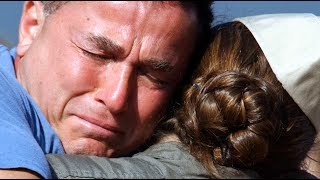
Grief expert David Kessler presents his Five Areas of Grief: understanding, healing, the mind, legacy, and continued connections. He draws on losses including his son to argue that pain is inevitable but suffering (self-blame, rumination) is optional, and that grief must be witnessed. A five-week course starts July 15 with video lectures, live sessions, and homework.
Chapters
Hi everyone. If you're just coming on, settle in.
Let's give it just a moment for everyone to hop on board. I'm David Kessler. I'm looking forward to this talk today. Well, thank you for being here. I know that, my goodness, just looking at some of the Facebook posts today and some things that people have written me, people out there are struggling and there's no doubt that loss is brutal.
Someone dying is a devastating thing, I don't have to tell you. And besides the pain of our loved one dying, there's added suffering that happens in the world and we can even think we're doing grief wrong. We can get stuck in our grief. And I've done as many of you know, decades of working in grief. But besides working in grief, I've dealt with my own losses. I had my, both my parents have died, I had a nephew that died Suddenly and my 21 year old son unexpectedly died. And so I've been through this road with you. I'm not, you know, being a grief specialist, talking to you about academics and what we've learned in studies, although I do share that information with people. But I've been through this road before. So I want to teach you some things that I've learned over the years in grief today, as well as things that have actually helped me because life is possible after loss and I know it can be very challenging. So I'm so glad you're here. Take this time, turn your phone on vibrate or off if you can to really give yourself time to honor your grief and, and maybe learn a little bit. One of the things for those who of you who know me is my style in grief work is very different. I'm not just about, I'm going to teach you to, you know, really feel all your pain. Of course you need to feel and go through the pain, but I want to take you out the other side. And the other side is not forgetting your loved one or moving on or getting over them. The other side is having a life that honors your loved one. That's what's most important. And that will bring you a lot of peace at the end. I want to take some specific questions because I know what it's like to sort of, oh, he's talking about this stuff. But really what I need to hear is this. So I want to have some time for your questions. So I hear there's a place below that you can post them. So in this quick training we're going to do, I want to talk to you about the five Areas of grief. And the five areas that I've seen are understanding. To understand what grief is, the area of healing when we begin to heal ourselves. The third area, our mind in grief. What does our mind do? And the fourth is legacy. What kind of legacy do we have and do our loved ones have? And the fifth one is continued connections with them. Now, sometimes people have said, oh, you've got five areas. Is this a new grief model? Does it have to do with, you know, Elisabeth Kubler Ross, who was my mentor as well as my co author? Nothing to do with that. It's just how my mind organizes for those who are you just tuning in? I'm David Kessler. Some of you know my work. Many may be new to me. I've written five books on grief and loss. Two of them were with the legendary Elizabeth Kubler Ross. I was able, in our last book together on grief and grieving, work with her to take her stages of dying, and we adapted them for grief. I also wrote a book with Louise Hay. So I believe in bringing positive psychology into this. There's been so much work in the psychological world about how positive psychology can help us, so I bring that into my training as well. And I think as we look at these five areas, we often find areas that we personally get stuck a lot of times because of our history. So we have to look at our history. You know, I often think about. We talk about the people who push your buttons, but sometimes we got to look at who installed those buttons. And that comes up in this. You'll see. And I know from all my work that, you know, this kind of looking at these areas really makes a difference. People often ask me, what is the goal of grief work, of doing this? Well, to me, the goal is to remember those who have died with more love than pain and to live fully in the face of loss. We often talk about, is there life after death for our loved ones who have died? And that's an important question to ask. But I also want us to ask, is there life after death for us? What about our lives in addition to theirs? So we're going to look into some of this and I want to tell you at the end about a special group that I'm putting together that I think may be of interest to you. When we've had a loss, one of the first things we got to realize, and our mind may tell us the opposite, is that it's not your fault. And there is a solution to all that blaming you may be doing, because we have to work with all the what ifs, all the if onlys, all the regrets. And I'm sure you've seen this in your grief. Like I have in mind if you say to a friend or a relative or someone, gosh, I just wonder, what if we had taken them to another doctor? What if they had one more chemotherapy? You know, what if I had taken them to one more 12 step group? Might they not have died of an overdose if I just called them that night? Might they not have died by suicide? All those what ifs and regrets. And what do our friends do? Don't think like that, don't talk that way. And sometimes you got to get them out and you got to go through them with someone for you to find peace with that possibly not being true. And working with people in grief, most of the time when they truly work through them, they realize it is not true. There's a TV show that's on Friday nights, I believe it's still on, called what would you do? And they always have some scenario where someone's in a public situation and you kind of overhear what they're talking about. So one of the things that, you know, I saw a show once that they had a mother and daughter, and the mother was buying her daughter a dress and the mother was just berating the daughter and telling her how horrible she looked in the dress. And of course other people luckily in the store stepped up and said, you know, you shouldn't talk to your teenager that way. Not realizing these were two actors. But I thought, I wish they would do a. What would you do on grief? Because if we were out at a restaurant and there were two people at the table next to us and we heard one of them just had a really tragic, terrible loss and the next one was going, look at you, you just need to get over it. I mean, just snap out of it. And I heard that this week from someone that that's the answer to grief, is to snap out of it, right? So you should just snap out of it. Just quit having a pity party. You're not the only one. If we saw someone talking to another person that way, we would go up to them and we would go, excuse me, she's had a tragic loss. You've got to be gentle, you've got to be kind.
But you know what? We wouldn't let her talk to someone else that way. And yet in grief, we often are hardest on ourselves. Our mind will talk that way to ourselves. So we need to find a life after grief that doesn't destroy us and doesn't harm us and really honors our loved one. I think of a quote from Erich Fromm, and he said, talking about what a universal experience grief is, he said, to spare oneself from grief at all cost can only be achieved through the price of total detachment, which means not having the experience of happiness. I don't know about you, but I don't want to take this journey here on earth without love. And I understand it means that we will grieve and that it's a package deal, and that's the reality. And grief is optional. You can skip it, but you can't love them. And even for the people who I've loved dearly who have died, I wouldn't have missed being with them. Even with all the pain their grief has been with me. I wouldn't miss that journey with them. Now. You wouldn't be here if someone you didn't love hadn't died. And so we are what's called bereaved. And even the word bereaved means to be robbed, to feel cut off, to have our heart cut out, our right arm taken off. And if you're in grief, you know, that's what it feels like. And you may be newly in grief, or you may be struggling with an old grief that's still giving you a lot of pain. So let's talk about that first area, that area of understanding. It is important that we understand how grief works. In some ways, I feel like I'm teaching what our grandparents knew, our great grandparents knew, and our great grandparents knew how to be with the dying and how to go through their grief. They weren't trying to do it quickly or move fast or get out of it. They knew how to be with it. And the gentler they were with grief, the gentler grief was with them. So we have to remember our soul, our mind, our psyche knows how to get through grief. But we have a society, we have our friends, our family members, who just want us to get over it. They're not coming from a mean place, but they just want us to be happy again. But sometimes that interferes. One of the things I often teach people is grief must be witnessed. There's something primal about that, that we don't understand, that we want our grief witnessed. And it's to help us realize we're not alone. We don't want to be alone in our grief. We need to be seen. You know, grief is not about me. Grief is about we. And I've been, you know, teaching that for years about how we have to do this together. And the idea of grief must be witnessed. I. A couple of years ago, I did a tour through Australia, and I was speaking there, hopefully going there again in 2018. And the people were so amazing in Australia. And when I was in Northern Australia, a researcher came up to me. She told me about how she does research on these small villages in Northern Australia. And she said, do you know how grief must be witnessed? And I said, yes, you know, and she said, well, I want to tell you about something I find that kind of proves exactly what you're saying about grief must be witnessed. And I said, sure, I'd love to hear it. And she told me how in these little villages, the villagers told her, the night someone dies, everyone in the village must move some piece of furniture or something outside and make some obvious change. And the researcher said, well, that's interesting, but why are you doing that? And people in the village said, because after someone dies, we want their family to wake up the next morning and to see we know everything has changed now. And I thought, that's such an amazing concept around witnessing grief, recognizing that when your loved one dies, everything has changed. And I think about that idea in America and in many Westernized cities. I know we have people watching now from Australia and the UK and cities all around the globe. I think of this idea of witnessing grief. And when we wake up in these Western worlds, our loved ones died, our world has changed forever. And we look around, and everyone's going about their life like nothing happened. And our grief doesn't feel witnessed. Our pain doesn't seem to be seen, and we don't heal well. And so our loved ones don't know how to do this anymore. So we have to count on ourselves to heal. So when people ask, what is grief? How does this work? Here's the visualization that I think of for grief. I think of grief like a river. And it's a river that we come in two different ways. Some of us have a loved one who's dying, and as they die, we slowly walk into the river of grief a little at a time. Others of us are walking through the world, and we're happy and life's good. And on a random Thursday afternoon, we get a call that a loved one died out of the blue who wasn't sick, and we're just thrown into the river of grief and we are drowning. And the river can be challenging at first. However, it's important to know the river will take you to your healing. The river will take you where you need to go. Now, our friends and Family members are going to be yelling, get out of the river of grief. But grief knows where to take you. We're not the first generation to go through grief. We actually know how to do this, and there has to be a lot of trust in that process. Now, when we talk about the river, a branch may fall in the river. When the branch falls in the river, what do we see? We see leaves accumulate. There might be debris. And in that place where the branch is, the river slows down. That branch is complicated grief. You will hear all the time about complicated grief. And all that is is the branch that complicates it. It could be that it's an overdose. It could be that it's a suicide. Whatever it may be. Your loved one died by suicide. It could be that it's a sudden death. Anything can be a complicator. In fact, many theorists ask, is there any grief that's not complicated? Because it often is complicated for us.
There's even times that branch is so big and the debris is gathering that the water starts circling. And when the water starts circling and makes a little whirlpool, fishermen call that an eddy. It's like your grief is going in circles. You're going in circles. You're not healing anymore. So we do have to figure out what that branch is and get it lifted up right? So it's important to understand these concepts and grief. And understanding is not just enough. We have to actively move towards healing, and we have to turn our attention towards healing. So that's the second area. The first is understanding. The second is healing. Grief keeps moving down that river. Your grief changes, it flows. And you find you have this gradual transition from when you're in acute grief. You might cry all day. That fog is just completely over you. And then you'll have days when you feel like you're getting better and. And maybe you're only crying an hour or a little bit in the morning. And then you feel like, oh, the grief is getting calmer. And then people start having what we call grief bursts. Out of the blue, things are going okay. You feel like you're catching your breath, and then all of a sudden you have this burst of grief, and you just fall apart. Your grief is telling you it needs time with you and to allow that unpredictability to happen. Remember, your soul knows how to heal, and you have to feel those feelings. You know, we often talk about, you can't heal what you don't feel. We get a fear that our feelings are going to overwhelm us. They're going to be too much. You actually only feel one feeling at a time. You'll feel it, it'll pass through you and you'll go to the next feeling. But we have these thoughts, am I grieving correctly? And we have people in our life who will tell us you're not. You should be over it by now. You should be done with grief. You should have moved on, right? And then we can feel like, is this never getting any better? And then we wonder if we're grieving right. When you wonder if you're grieving right, that's a shortcut to stopping your grief from happening. Because our grief isn't meant to be analyzed. Our grief is meant to be felt. A woman came up to me at one of my lectures and she told me how her and her husband had been married for 30 years and the loss of him was just devastating. And she says for the past two years she's been reading books and going to groups and she's just trying to get through this grief and get past this grief. And she wanted me to tell her how to do it. And she's been working so hard in these two years. And I said to her, you know, from the way you're talking, I don't know that you've had two years of feeling grief. I think you might have had two years of resisting grief and trying to go around the grief. And sometimes we do that and it takes trust in the healing and we have to recognize the healing is occurring.
But that brings us to the third area. We want to make sure our mind doesn't slow us down. Let me give you an example of how our mind can slow us down. There was a woman who said to her 12 year old son and her husband, she said, I'm tired of looking at the refrigerator with five to do lists on it. She said, I can't take it anymore. Let's just choose a day. And we got to run errands and go through our to do list and just fix things. She said, I'm tired of it, you know? And her husband and her 12 year old son was like, okay, all right, just tell us when. And she said, Saturday, make no plans for Saturday. And they went, okay, all right, we'll do that. She said, no matter what, no plans. They're like, okay. Then Friday afternoon comes and a friend of hers, an old college friend, calls her out of the blue and says, hey, I happen to be in town for work and I'm going to go back late Saturday afternoon, but do you have Time for a quick cup of coffee tomorrow or maybe a quick lunch. And she says, oh yeah, let's do a quick lunch. The next morning she starts the errands with her husband and her 12 year old son. And then it's just about lunchtime and she said to them, I'm going to go meet a girlfriend from out of town for a quick lunch and you guys go have lunch, then we'll meet up after and we'll, you know, get started. So if I'm not back from lunch right away, get, get started without me. And her husband and her son, they weren't going to tell her she was breaking the rules she had set. You know, they were just happy to be doing this stuff. So they split. They go for lunch. After lunch with her friend, she picks up her phone to call her husband. A police officer answers her cell phone and tells her that her husband and son have been in a horrible car accident and they're now dead. What do you think her mind does with that information? Do you think her mind believes the car accident killed them? Do you think her mind believes anything killed them outside of her? Or what do you think she's thinking? Her mind is saying, if you hadn't broken your own rule, they'd still be alive. If you didn't go to lunch with your friend, they'd still be alive. That's what our mind can do. I say, isn't it bad enough her husband and her son died, but now her mind turns on her and wants to blame her for it. There's a wonderful writer, many of you know her, Annie Lamont. And Annie Lamont has a great quote that she says, my mind is like a bad neighborhood. I try not to go into it alone. And sometimes that is how our mind is. It's like a bad neighborhood and we shouldn't go into it alone. And one of the big concepts I try to teach is that loss, that loss is challenging. But here's the concept. Pain from loss is inevitable, but suffering is optional. Pain from loss is inevitable, but suffering is optional. The pain of that woman losing her husband and her 12 year old son is just devastating. I wouldn't take that pain away from her. That pain is valuable, that pain is evidence that she loved. But her mind telling her it's her fault is her suffering. And we often have these distortions in our minds. These things from childhood or early adult years shaped how we think. And a lot of times we blame ourselves for things. Here's how it works. There was a woman, well, let me give you the concept first. So you can sort of see the concept is in our childhood or our young adult years, an event happens. Then we make a conclusion about the event and then that conclusion in time becomes our belief system. So it's event, conclusion, belief system. So there was a woman in one of my lectures who shared how when she was a little girl, her parents were divorcing and she loved her father so much and she hoped if someone was moving out, it was her mother because she loved her father. But then of course, it turns out it was her father that was moving out. So as he was packing everything up in his station wagon outside, she followed him from room to room and as he got everything in the station wagon and was about to drive away, and she was like 5 years old at the time, she told us at the lectures, she said, do you know how in any book you've read or any movie, there's that moment where the dad, just as he's about to leave, turns out little girl and just says, don't you worry honey, Daddy loves you, he's never going to leave you. He's coming back for you.
And she said, she stood there waiting for that moment and she said he never looked back and he just drove away. So that was the event. And her mother, because of her own wounds and you know, the reality is wounded people wound people, right? We've all experienced that. Our parents were wounded, they wounded us. We're trying not to wound our own kids, right? Wounded people wound people. Healed people, healed people. So this little five year old girl sees her dad leave and her mind makes a conclusion because no one explains to her this wasn't about her. Her mind concludes, I'm not worth a look back. I'm not worthy enough for a look back. I'm not lovable for a look back. And so she's horribly wounded and that I'm not worth a look back. I'm not lovable enough, I'm not worthy enough becomes her belief system as she grows up. So then what happens decades later when she's in the middle of her own divorce or a loved one dies on her? What does her mind say? Her mind goes, see, everyone leaves you because you're not worth a look back. So we have to go back and we have to examine those distortions and that we now bring to grief and then turn on ourselves. Our mind can get so stuck in the past and we need to bring it into the present and begin to look towards the future. Now when we talk about getting our mind out of the past, we're not talking about forgetting our loved one who had died. I want you to remember them with love. But we are talking about being in this present moment and having wonderful memories that comfort you, not haunt you. The next area I want to talk about is the area of legacy. Legacy is very interesting. I think about when our loved one dies, they've left behind a legacy, and we help shape their legacy. What legacy are we shaping of theirs? If our loved one looked down from heaven or wherever they may be and could see our life, did they see we created a legacy, that my loved one is still with me and they experience life with me? Or would they see a legacy that we've been paralyzed and we've suffered because of that loss? We have to go through the pain. I'm not saying that won't happen. But do we then become so paralyzed that we don't live fully anymore? I don't think our loved one would want that legacy. I don't think they would want that for us. And then we have to look at our own childhood. How were we raised? What distortions were we given? And, you know, our parents taught us how to grieve. Did they teach us to be strong, to snap out of it, to just forget about it, or to move on? What did our parents teach us in how to grieve? Many times our parents skip the subject altogether. And if you're in grief and you have children, you want to know how to help them, how to help them have a legacy of loss. Because our kids are going to deal with loss, and we want them to have a legacy that's healthy. We want to be a healed person experiencing grief that's helping them be healed. We don't want to pass on those wounds, so we want to give them a good legacy of loss when someone dies. And I think it's so important to look at children, because children are often the forgotten grievers. And we want to understand what's happening to them and how to approach it and maybe how it was done with us. Right. I also think about legacy in general. You know, what's our legacy going to be in our life? But in those small moments, what's our legacy? Like when we leave a room, when we leave her room, do people go, oh, my gosh, it's so sad. She's been so broken by grief. She's been destroyed by grief. Do you want that to be your legacy and your loved one's legacy that the last thing they did is they destroyed you? I don't think that's what we'd want. We want to be authentic. We have to go through the dark night, but we have to find ways to incorporate that. You know, our life is about hills and valleys. You know, there's mountaintops and there's deep, you know, canyons that we go through in life. And there's no going around that. I had a therapist a while back in one of my classes. She said that she had a client who couldn't attend funerals because she just found them too sad. And she wanted to know what's the clinical term for her client. And I said, selfish, self centered. When in our western world did funerals have to quit being sad? When did we decide that, you know, death is optional and oh, your loved one died. Well, I'm so sorry for your loss, but that's all I can do. I'll do a posting on Facebook, but I can't show up to your funeral because it might be too sad. I don't know about you, but I don't want to live in a world where we sort of don't want to deal with the sadness of life. Because if you don't deal with the sadness, you're never going to find the happiness. The lower we go, sometimes the higher we go, the richer a life we have. And I think that's so important.
And the last area that I think about is the idea of continued connections.
We want to continue a connection with our loved one. When they died, when our loved one died, we didn't stop loving them. And you know what? They did not stop loving us. And those connections need to continue. So we don't know how to have a relationship. So I like to explore those practical aspects, of course, is their life after death. But in a healthy relationship, we have a physical relationship with our loved one who died. We have a spiritual relationship and we have an emotional relationship. When our loved one dies, the physical is gone. And we don't know how to have a spiritual relationship. And part of our task is we knew how to love them in their presence, but we also have to love them in their absence. That's really important that we do to maintain. And our loved one will go down that river of grief with us if we allow that. But if we try to move on and get over it, those continued connections can't happen. So it's important that we understand these connections. One of the things that I want to share that I think is important with how we incorporate this. I was lecturing in Germany recently and I went to Hamburg and I had never been to Hamburg, Germany before. And when I went there, it was this beautiful new city. It was just all new. And usually when I'm in Europe, I'm expecting old. So I said to someone there, I don't understand why the city is so new now. Of course I knew about, you know, world war and Hitler and everything that happened well, but I didn't know the specifics of the city of Hamburg. And what someone shared with me is that.
How the British and the Americans had just completely destroyed the city. And I actually met with a woman there who, both her parents had died in that bombing. And what was remarkable is she said to me, as devastating that it was that her parents died, she understood as she got older how important that was for the freedom of the world, that Hitler be killed and that that world stopped. And I thought it was remarkable that someone in time could look through their own possible distortions of parents dying and seeing that Hitler's reign needed to end and that might mean her own parents being sacrificed. Now, the remarkable thing is in this beautiful new city of Hamburg, in the middle is a church called Saint Nicholai. And Saint Nicholai was destroyed in this bombing. And it is the one place in the city that they have not rebuilt. So you see this gorgeous city with this destroyed church in the middle. And when I think about our loss, I think that's so symbolic of it that, you know, my loved one dying. There is a place in me that will be destroyed forever. And no one can take that pain away from me. But to realize I can build an amazing city around that devastation, and I think we have to learn ways to do it because we weren't taught how to do this. So I want to thank you for letting me share these five areas with you. And I want to tell you about a group that I'm starting that I think is going to be really important. Maybe when I talked about the five areas, you noticed an area that your mind maybe is really hard on you, or you learned some things about grief that, oh, I actually don't understand grief well, or you never thought about a legacy or how to have healthy continued connections with the person who died, or how to facilitate healing. And it's really important you go through each one of these areas, and this is not natural and it's not intuitive in our society anymore. You're not doing grief wrong. You've just been taught how to do it in very confusing ways. And, you know, when I talk about teaching us what our great grandparents knew, they knew how to experience grief. They knew how to feel it, to gently move through it. Now, our family members live in states. You know, in other states, we're not around grief and loss. Death has been so sanitized, we don't talk about it. I think about when I was a child, we would be driving somewhere, I'd be in the backseat, and we'd get stuck behind a hearse. You know, when was the last time you were stuck behind a hearse? In our western country countries, the dead move around in white unmarked vans. So we don't even know what death and healthy grief looks like. So that's why I wanted to put together a really special group and I really want to make it that everyone can participate in this group because I love to see people heal. And I really hope this feels right for you as you hear more about it. Now, some of you have seen me at my lectures and workshops and, you know, I often don't have enough time to work with people as long as I would like to. So I love the idea of having an online group that we can really work through some of these aspects. And many of you have told me you live in areas or your schedule. It may be hard to actually get to a group. I always recommend in person groups if possible, but if you can't, there's additions like this. And Elisabeth Kubler Ross, my co author and my mentor, talked about how the dying are our teachers and in some ways the grief, the grieving are our teachers too. And what's great when we get together is we can witness each other's grief and we begin to heal because grief is personal. Your loss was personal. So of course the grief is personal. So we've covered the five areas, and this is a course that I'm going to be doing, one area a week. So the course and the group is going to be for five weeks. What? People in it are going to have a weekly training where they're going to have a video lecture from me. And in addition to that, then we're going to have a Facebook secret group. Now, let me explain. When you have a Facebook group, your friends, your loved ones can go, oh, I see. You're in that group. I didn't want that for you. I wanted you to have complete privacy. Privacy. So Facebook has what's called a secret group that we've set up so your relatives, your friends won't even know you're in it. It will be completely private and it'll be interactive. You'll be in this great community with these live sessions I'll do every week. Where you'll be able to ask me questions. And this is going to work from any device you have anywhere in the world. On your iPhone, on your Android, your iPad, your computer, however you wanted to do it. In addition to those five weekly Facebook lives and the videos, every week we're going to have some homework light, not to worry, but exercises that really bring about your healing. And we actually did this class once before in a small test group of random people who were grieving because I wanted to see if this really helped them. And one of the things we talked about is when we get together, we heal as a try. We can't heal alone. Sometimes we get very isolated. So on July 15, I have this new group that is starting that I would love you to be a part of now. You might go, oh my gosh, I am in pain now. July 15th is like, you know, a week away. If you join this group, you are going to immediately get another video that I have created of 10 Things yous Can do right now in your grief to help lessen that pain. Because I wanted you to have help the moment you join. So besides the bonus of what to do now, the 10 things, the five weekly Facebook lives, as well as the five video.
Learning teaching from me, you're going to get, I also have an additional five interviews with thought leaders like Marianne Williamson discussing Greek and how she believes we can facilitate our losses and get through them in a healing way. Interview with Louise Hay, Alana Stewart, who went through her friend Farrah Fawcett's dying. Just wonderful thought leaders who are sharing. So that's an additional, you know, five interviews that are hourly that you're going to get. This group, as I mentioned, people have used it already and, and the members of the group, they may have had a spouse die, they had a child that died, a parent that died.
A family member or friend. And it's really affected them. What your loss is really doesn't matter. Your healing is what matters. That's what's most important. Because grief is a reflection of that love. So the form that your love took, whether it was a family member, a pet, whoever it was, a husband, a wife, a child, it's that healing of that grief that's important. So don't worry about does you know this apply to your loss? I promise you it does. And it's interesting. In the past group we did, some people wanted to be really involved. Other people wanted to just sort of stand back and watch and learn. And that's the beauty of a class like this in a Course like this is that you get to do it in your kind of character. You know, I talk about we grieve and character. So you don't have to worry about, oh, I'm going to have to talk or you'll only do those things by choice. And we're going to meet every Saturday. People talked about how they were really looking forward to every Saturday after a while. And when the group ended, we were all sort of messaging each other and still posting about we missed each other on Saturday. So you'll find there's something important when you make an appointment with your grief, when you make an appointment to be healed, people just feel less isolated. And we got to work through those areas that people feel stuck with. A very gentle, honest approach to it. So I'd love to have you be part of this group. And I think about in this group where some of the things we talk about is grief is a no judgment selling. Any of you have heard me speak, always hear me go. Grief is a no judgment zone. So we'll do these Saturdays and give your grief a time and a place. And we'll go deep into the grief and we'll go into those what ifs, whether it's a death from a natural cause, a death by suicide, overdose, a child loss, a sudden loss, a heart attack, whatever it may be. We're going to talk about all these areas, disasters, all these areas that death comes into our life. One person said she couldn't do the trainings live, but she wanted them to be able to do them. I know we're doing this in summer and some of you may go, oh my gosh, I have a bunch of Saturday scheduled. Just know you can do this training later. If you get it now, you can do it at 11pm at night. We want it to fit into your schedule. So the training is going to be limited in its size and I expect it will fit, fill up quickly like it did last time. And as I said, it doesn't matter what kind of loss you're dealing with. And I'm going to show you how to help yourself with this grief and all that teaching that I've had from Elizabeth Kubler Ross and Louise Hay and teaching therapists over the years how to work with you and my own grief and the things that have helped me with my son's death and my parents death and help me to continue to live a life worth living. That's what I want for you. I want you to be able to have a life that honors your loved ones. And if you are still here. If you are still alive, you deserve happiness. That's your birthright. And there's going to be a lot of support in this class. Now, you may have been watching this video for a friend who's in grief. This would be a wonderful gift to them. I wanted to make this accessible for everyone. The cost is less than one therapy session. I still want you to see your therapist if you do, but the cost is less than one session. And if you cannot afford this, I want you to send us an email because we have scholarships available or if you can only pay on a sliding scale. I don't want to be grief to be something that, you know is for only people who can really afford lots of things. And I really wanted to just give you so many assets and this program and so many friends, and people told me you can charge a lot more and you're going to see when you realize all you're going to get. I could charge a lot more, but I didn't want to do that to you because I wouldn't want that done to me in grief. And if you have a financial situation, you cannot afford that. I want you to write to customerservicerief.com just know there's not a call center you're writing to. It's me and two other people. So I want to make this possible. The other thing, if you're not sure about trying this, you can have a refund anywhere along the line. And I'll tell you, for no reason, you just can get a refund. And I'll tell you what's amazing, is out of that first group, we did not one person wanted a refund. So if this interests you, please go to the5AwaresofGrief.com or click the button below for 5AwaresofGrief.Com and if we have time, I'd love to just take some questions real quick.
So this is from Pamela. What if the grief is an aspect of yourself that you've lost? Wow, that's an interesting question.
You know, then I want to help you, and I think this class will help find that place of yourself that was lost. Because sometimes we lose our innocence, Sometimes we lose our sanity, Sometimes we lose our peace of mind. So whatever you feel is lost, you know, my intention of this group help you be whole again. You'll never be the same after a loved one dies, but you can be whole again. All right, one person writes about what? About multiple loss and that she's had, oh, my gosh, so many devastating losses. One of the things I've learned around multiple losses is we cannot grieve multiple losses. We can only grieve individual people and you have to separate out those losses. So we'll be talking about that in the course because multiple loss is very challenging and it doesn't have to be. It doesn't have to be, you know, five people in a car accident or two people in a car accident. It can be you were in grief and then you had three months later someone else died. And then three months later someone else died. Alright, Gwen wrote in April.
Alright, let me see what they all are. Here we go. I'm finding them here. Obviously this is live in April. I spent the last couple of weeks with a dear friend who was dying and I assisted him as a certified life companion. I feel great help from my friend. But the family showed up on the last day and took over. However, since they won't speak to me, nor will they give me any items that were my mine, it's gotten very weird, which totally shocked me. I thought they would have appreciated it and yet all they did is cause me more anguish. Is this common? I wish I could tell you that's unusual, but so many times people tell me how they might be shut out of the funeral or they don't get possessions that are rightly theirs and it is more common than it really should be. So just know you are not alone in that and we'll talk about ways. Because at the end of the day you have to find a way to heal yourself regardless of what they did and how bad they may have treated you. So that's your wholeness. You want to get back to suggestions for holding the space of someone who is about to lose the third member of their family. Oh my gosh, a daughter, a husband, and then the mother within months and is now losing their sense of God. How can God exist when people die? I'll tell you. It's not unusual for us to question our relationship with God and it's not unusual for us to be angry with God. And I'm not someone who ever judges anyone. As I said, grief is a no judgment zone. So I think it's really important that we realize it's okay to be angry at your loved one who died. It's okay to be angry at God, it's okay to be angry at the universe. And those are very normal things that help it happen in grief. And you just want to make sure you find ways to let your anger out. And we'll be talking about that. How do we go through and cope with anticipatory group and anticipatory grief. In other words, the person is still alive, but we are grieving the loss of the person who was once they were alive. Many times this happens, like in Alzheimer's, there will be people who will go, is that a lot of anticipatory grief and Alzheimer's? And the reality is what happens is we don't realize when they don't remember who we are, that's real grief in the moment.
When they don't remember who they are, that's real grief in the moment. And we also want to understand that we all the moment there's a diagnosis, we all have anticipatory grief. And that's very normal. You know, when you grow up, you have anticipatory grief. At some point it hits you, my parents could die someday. That's normal anticipatory grief. And we'll certainly be talking about that. Please describe the difference between pain and suffering. This is great. Now, the joke is that I always say anyone who's Jewish or Catholic may get confused on my. Because I'm a little bit of both. Because I think about when I say pain from loss is inevitable, suffering is optional. Many times people go, but isn't pain suffering? So here's what I mean by that. The pain from loss, your loved one dying, I can't take that pain away. And you may have been taught that that pain is suffering. When I'm talking about suffering, I'm talking about what are chronic crazy mind can do with that grief. Our crazy mind can blame us. Our crazy mind can turn on people we love. So that's what I mean by suffering, is what our mind, in unhealthy ways, can do to make our grief harder. All right, someone else writes, what do you say to people or scream at them who say, you should get over. You cannot walk away. And if you're depending on them for your living, for your assistance. Challenging question. People are going to want you to get over it. And you have to realize that they do not have to understand your loss. In fact, people around you are never going to understand what your loved one meant, what your relationship was. If your mother, your child, your sister, even other family members who knew them may have a different experience of them, a different relationship, so they're going to have a different grief. So your job is to honor your loss. And if your livelihood is dependent on that person who doesn't understand your loss, that's what this group is for. Get in this group and find people who understand your loss, because the outer world doesn't. And many times.
People come up to me and their parents are alive or all their kids are alive. They don't know what it's like to have a child that's died or to deal with some of these horrible things. And you know what? When they say something stupid to me and I realize they haven't had anyone who's died, I'm so glad for them that they haven't experienced the pain that I have. And sometimes we have to have something to say back. And there have been times that I've heard people say things like, I'm sorry you don't like the way I'm grieving, but it's important that I honor my grief or whatever people have said. Sometimes not so nice. But our job is to let go what other people think about your grief as none of your business, but to let go of that. And that's why I wanted to make sure the group is secret on Facebook so no one knows you're in it. So you don't have to worry about other people and your grief. Alright, one last question. How do you deal with info you never knew about a loved one who's died? Well, if you take a look at my Facebook page and we'll cover it in the class too, we talk about what happens about these secrets that come out and to realize we all have secrets. And as I talked about, event, conclusion, belief system, it's what your mind concludes. If your mind looks at a secret that comes out and goes, well, they didn't love me, that's a conclusion that's going to harm you. So we want to help your mind conclude things in a healthy way. I want to thank you for joining me. I'm David Kessler. I hope you'll join this class. As I said, those of you who can afford it, you're going to be shocked at the price because it's very doable. And if for some reason you're in deep grief and you can't afford it, send an email to customerservicerief.com and if you can only do a sliding scale and pay part of it, we're going to do our best to make it work. Because I don't feel like anyone should be turned away in grief for a lack of funds. Please take a look at the page, click on the link below. I'd really love for you to join me in this class. I hope today's session has been helpful. I hope that we get to see each other. And just remember, no matter what you've been through. You can heal. You can love again. And you can find a life that honors you and honors your loved ones memory and keeps them alive within you. Thanks so much for joining me. I'm David Kessler. I hope to see you in the class.










