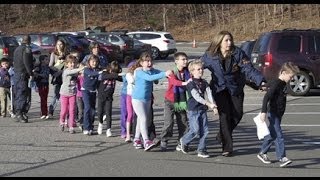
A short TV interview (YouTube) segment featuring grief expert David Kessler discussing the emotional aftermath one month after the Newtown (Sandy Hook) school shooting. Kessler describes deep shock among parents and students, advice for talking with children and supporting grieving families (including attention to siblings and pacing grief), and recommends simple, present support (hugs, meals). The clip closes with a note about Kessler's book and website.
Chapters
One month after the Newtown, Connecticut school shooting, emotions still very raw both in that community and across the country.
While most of Sandy Hook students are back in classrooms, some are still meeting with grief counselors. You can imagine parents are undoubtedly on edge. Joining us now is grief expert and author David Kessler. Good morning, David, and thank you for joining us. We understand that a few days after the shooting, you actually met with some of the parents of the students who attended Sandy Hook. Talk to us about how they are now. We can only. We can't even imagine.
Right. I talked to some of them this weekend and I will tell you, deep shock, still trying to comprehend what has happened. You know, it will take a long, long time for them to really find any footing. Again with this.
I have to say that as a parent, I grappled with how much to talk to my younger son, who's 12, to talk about this, because in some ways you want to say, here's what happened, because you know he's going to find out and you want to be the one to tell the story. In other ways, you don't want them to be scared. I can't imagine. If you're a parent of a child in that school, how did do you advise them to? What do you say to them?
Well, talk about mixed emotions that, you know, here they're going back to this school, but it's a new school and yet some of their friends are now dead. So they're having a tough, tough time with that. To really understand, I think you bring up a good point. We need to sort of tell our kids what's going on. But the other piece is we need to say to our kids, what did you hear today in school? What are your friends saying to get the feedback?
Also, we do know that we all process grief differently. Each person manages in a different way. What do you think it's healthy for those families now to be doing at this stage of the game?
Well, for the families that have lost a child there, to really make sure they try to meet their needs of their other kids, siblings often get forgotten in this sort of situation. That's why we call children the forgotten grievers many times. The other thing is to really take their grief at their pace. People will begin to say, move on, and those sort of things that we hear and to really help them find their inner guidance and do it at their own speed.
Are there lessons that we can take away? Not just about Newtown, about. About how we grieve and how our friends and family grieve in other situations. Things that we can take away from this, that we can apply to our lives today.
Well, we're always looking for the right things to say to people in grief, and it really is about being there to say, I don't know what to say to you. I don't know how to deal with your loss, but I'm here with you during this.
That's a very good point, because oftentimes we feel uncomfortable, and it really isn't about our comfort level. It's about providing support and love for those people.
Right. I'm here with a hug, a meal, whatever you need. Just think of me. I'm here to help.
All right. Well, we appreciate the guidance you can get David Kessler's a book on grief and grieving, wherever books are sold. You can also check out his website, grief. Com. David, thanks.