How to Refine ChatGPT Outputs Using the Narrowing Technique
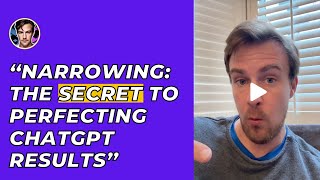
A short YouTube tutorial (Kyle Balmer) explaining the final “narrowing” step of the RISEN prompt-engineering framework. After generating an initial ChatGPT output, the speaker advises iterating by adding focused instructions (narrowing) to fix issues such as robotic tone or unwanted emojis; narrowing is applied after testing the prompt.
Chapters
More from Kyle
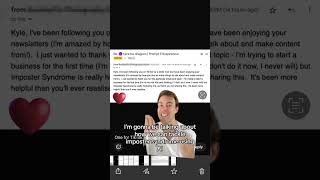
What’s the number 1 reason for not starting a business? I polled my 60,000 newsletter subscribers
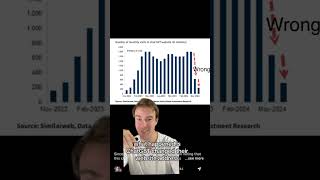
Is ChatGPT dying?? Goldman Sachs published this chart showing traffic to the chetgpt website
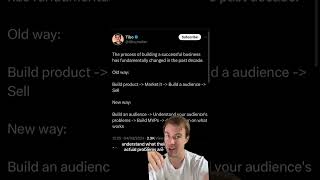
The new way to build a business : audience first! Inspired by Tibo - follow him on twitter
How to grow on social media? I stalled out in growth the last month - and have finally started again
Is gen AI a dud? Kinda hard to reconcile with the massive productivity gains some of us are already


Companies banning AI is a massive opportunity for you as an AI expert Doesn’t make sense? It’s

Quick tip on using AI for personal development and making hard decisions Have it act as you in the
Is ChatGPT’s new advanced voice mode illegal in the EU? It’s ability to detect emotion is a no no