Why do you assume you are smarter than an AI? Humans tend to overestimate their abilities and
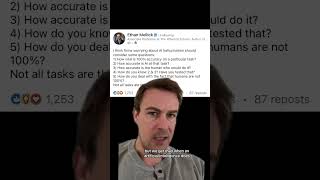
Kyle Balmer argues humans overestimate their abilities while underestimating AI. He points out that 80% of people think they're above-average drivers, and that most tasks don't require 100% accuracy. We should measure AI and human error rates rigorously instead of trusting our gut.
Chapters
More from Kyle

What’s the number 1 reason for not starting a business? I polled my 60,000 newsletter subscribers
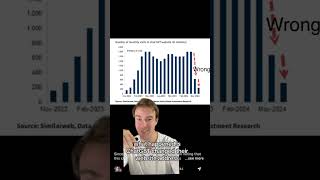
Is ChatGPT dying?? Goldman Sachs published this chart showing traffic to the chetgpt website
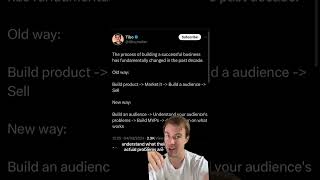
The new way to build a business : audience first! Inspired by Tibo - follow him on twitter
How to grow on social media? I stalled out in growth the last month - and have finally started again
Is gen AI a dud? Kinda hard to reconcile with the massive productivity gains some of us are already


Companies banning AI is a massive opportunity for you as an AI expert Doesn’t make sense? It’s

Quick tip on using AI for personal development and making hard decisions Have it act as you in the

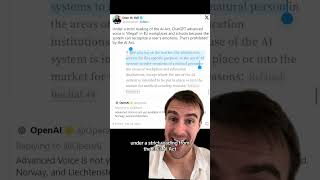
Is ChatGPT’s new advanced voice mode illegal in the EU? It’s ability to detect emotion is a no no