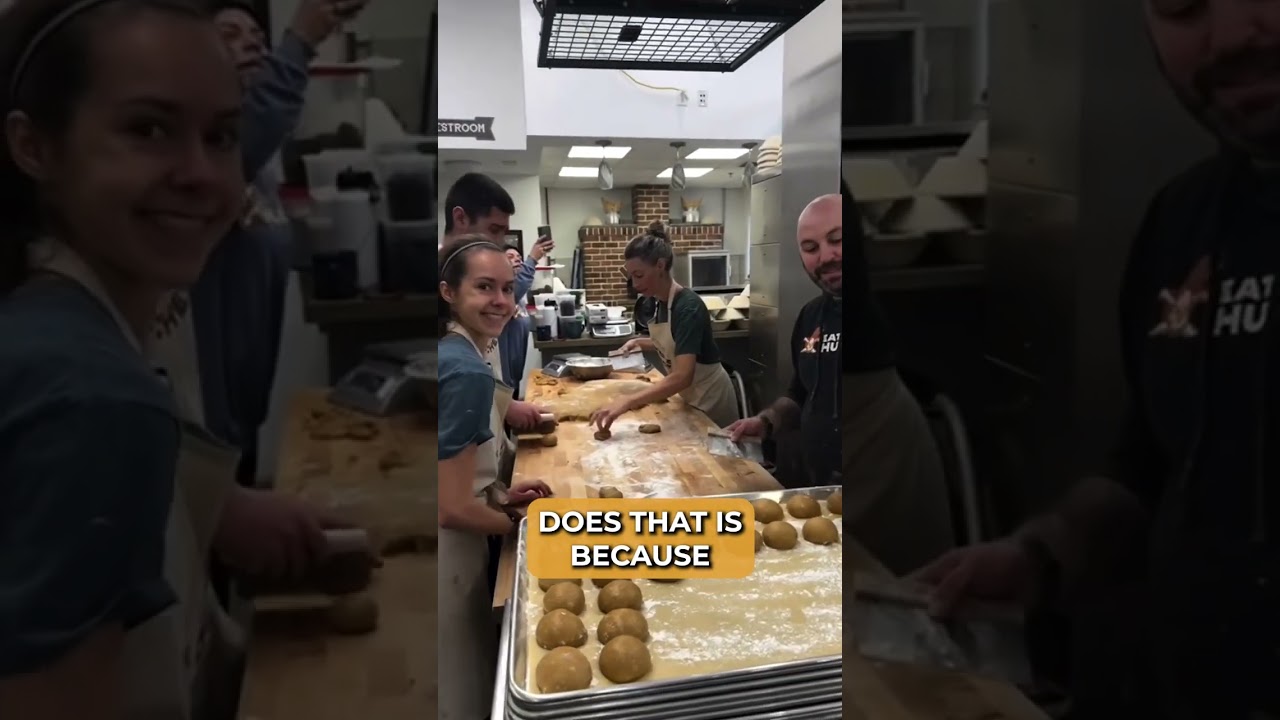
Sourdough tastes different everywhere because of local wild bacteria and yeasts, not just the recipe. Unlike McDonald's burgers that taste identical globally, fermented foods like sourdough capture terroir, the unique sense of place. This variation is what makes traditional fermented foods the foundation of most diets worldwide.
Chapters
Sourdough bread is obviously a completely different food than other breads for a lot of very, very important reasons. One of the things that it does brings in the sense of terroir. We celebrate the fact that you can get a McDonald's hamburger in New York City and a McDonald's hamburger in Tokyo and they taste exactly the same, or you can get Budweiser all over the world and it tastes exactly the same. It's not something we should celebrate. What we should celebrate is the fact that all traditional food provides that sense of terroir, that sense of place in so many different ways. And one of the ways that it does that is because the foundation of almost every traditional diet I've ever found around the world is fermentation. Fermenting dairy, fermenting vegetables, fermenting meat, fermenting sugars into alcohol, fermenting grains, all of these things. The colonies of wild bacteria and yeast that exist in different places are different, and they produce different qualities. Even if I made the same exact loaf of sourdough bread and you made a loaf of sourdough bread using the same recipe and even the same flour in San Francisco, there'd be little differences. That's something we should really celebrate.