Skin talk - our largest organ with Megan Bre Camp of Summer Solace Tallow
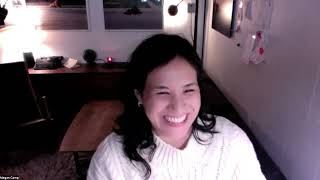
Megan Bre Camp founded Summer Solace Tallow in 2014 after making an unscented balm for friends' children with eczema. She renders suet herself using a dry method and copper vessels, sources from local regenerative ranches, and sells balms, soaps, and candles at farmers markets and online.
Questions this video answers
May 2014 ("That was in 2014, May. And I've been doing it ever since.")
"Rendering 45 pounds on a Friday, every Friday" (picked up Thursday, rendered Friday).
Approximately 150 miles ("Actually 150 still.")
Code: EatPluck — offered as unlimited (indefinite) 15% off.
She directed listeners to her website, given in transcript as "www.summer solace tallow .com" (spoken spelling in transcript) and to Instagram @SummerSolaceTallow.
Chapters
Okay, go ahead.
Megan. I am really excited to talk with you. We. We're just getting to know each other. Right. And. And we were brought together from Connor, who works with us. And I loved. When he first introduced me to you, I loved hearing that you're working with Tallow. It's for skin and home care products. And I really. I was very excited to be able to ask if you'd be a part of organuary, because we're all about nose to tell during organuary. Yes, we promote organs, but we're all about showing people how to use more of the animal. And you are doing that with the fat. So thank you for joining us on our January.
Thank you for having me.
So I would love to just. I know a little bit about your bio, but I'd love for you to share it with everyone. I. It's been.
It's.
And to share kind of why you. You talked about, like, you're a very specific kind of personality and that you. You really dig into kind of ancestral ways of. Of how things were constructed or done in the past. And I'd love to kind of get a feel, more of a feel of why, you know, and, and how you came to making products with Tallow.
Yes. It's been a beautiful journey. So I'm Megan Brake Camp. I'm originally from Anchorage, Alaska. I grew up there with my father. He was a military man, Green Beret, during the Vietnam War. And he is an ethnic minority from the central highlands of Vietnam. So he's an indigenous descent from that area. And my mother is indigenous to the Philippines, the northernmost area in the Philippines. So they're both mountainous people, and they met in Alaska. And so that's where I was born and raised. And I just think growing up with my father, he just instilled so much of being in tune with seasons, being really in touch with nature and really listening and feeling and respecting, affecting nature and animals. But then came, you know, I was 14 and I was delved into Buddhism and vegetarianism. So I was a vegetarian during my high school years, which in hindsight, I kind of regret because.
Well, but I mean, so many. So many people do that. So many people do that. And so it's like you wouldn't have. You wouldn't be here if you hadn't had that. Right. We need the contrast to then learn what we need. Right?
Totally. Exactly. I studied culinary school. I went. I studied culinary. Went to culinary school there. And then this is in high school, after high school, college.
Okay.
Yeah. And then after college, I came to Berkeley to study holistic nutrition. So here in the Bay Area, I was cooking. I was working as a cook, working my way up to sous chef to executive chefs at different restaurants. And then in about 2010, I went to Maine to work on a farm. And there I met these young radical farmers who were raising your own livestock, canning lambskins, and just doing all the traditional methods of homesteading, husbandry and using all parts of the animals. And at first I was, you know, as a vegetarian, I was like, okay, this is cool, I guess I could do this. But I think that that planted the seed because when I came back to Berkeley, I started working at a community supported kitchen called Three Stone Hearth. Yeah, right, yeah. And so that was the first time I was introduced to West Any Price.
That's Jessica. Is that Jessica who runs that?
Yeah, Jessica Prentice formally ran it.
Yeah, that's who I know. Yeah.
A co op. Yeah. A worker owned space. But yeah, I mean, reading, nurturing traditions just blew my mind. And I think everything clicked. That whole being in sync with nature growing up in Alaska, indigenous practices and then traditional ancestral diets, and I was just illuminated.
That's awesome. And so you, you, when you were doing your professional chefing in Berkeley area, you were. Were you specializing in desserts? Like what was your specialty or were you doing savory?
I was doing both. I actually was, yeah, yeah, I did, Yeah. A lot of California cuisine, of course, because this is our area. So locavore, organic, seasonal. I did raw foods for a while. I helped out, helped start up Cafe Gratitude when they were here in San Francisco, in Berkeley. And I even moved on after Three Stone Hearth to be a French chocolateier. So I did that for a while and that was really beautiful. But even at Three Stone Hearth, I was doing, you know, the nutrient dense pastries, I guess, or sweet desserts.
Yeah.
Along with savory. Yeah.
But so Summer Solis Tallow is the company that you now run and what? Well, first of all, where did that name come from?
It was a play on the solstice. So, you know, I believe in the UK they'll say, oh, summer solid is another way of saying solstice. And I just thought that really conveyed, you know, the beautiful grasses in the summer here in Northern California, the herbs, the sunshine, the pasturelands, and then also the soothing elements of a beautiful pasteurized organic animal. Fat for the skin. Yeah.
Oh, that is nice. Now, what brought you so Weston A. Price got you kind of out of the veganism or the plant based eating, got you kind of more in Touch with your roots from in. In Alaska, but even took, taking that further towards more ancestral kind of eating and, and products. So what made you land on like, what was your very first product? Was it a soap or a lotion? What was it?
So after, after I left three Stone Hearth, I left my chocolatier position. I was at my holistic dentist's office in Berkeley. And I was just sitting there thinking, okay, well what do I want to do next? Do I want to be a bread maker? You know, just thinking, what's my next step? Because I like to keep going. And I. It clicked at that moment as I was in the chair thinking, oh my gosh, that's because my friend's children would be suffering from eczema or diaper rash. And then I just knew, oh my gosh, I could really, really help them by incorporating my food based knowledge, my holistic health knowledge. And I created a cream and I went home and I literally spent like the day figuring out, okay, this is what I love. This is what I want. This is what I want to see in the world. So it was a balm, essentially my hallow balms. I sat there, I spent about that day figuring out what do I want and what sense I want to create. I ordered those products from organic sources. I knew the ranch I wanted to work with was simple Creek Ranch. I knew how to render raw to it. I do everything by hand from the source. So it's like baking, you know, by scratch. And yeah, I busted it out. And then on the Friday, I went downtown to Oakland, got my business license, got zoning, got everything on my way up. As I was traveling back up, because I'm in North Berkeley, I hit up three different shops and got in. And that was in 2014, May. And I've been doing it ever since.
Wow. Talk about, like moving fast.
There's so much inspiration and I just, I just felt the power within me. But you know, yeah, the inspiration within me to make this and make it something beautiful and elevated and something that I want. You know, I love to travel. I would travel internationally. And all that stuff that you see at the airports were just, you know, laden with chemicals, things to, you know, put on your face and skin. And I was like, let's just do this fat and make it great.
Now what made you choose tallow over other fats like coconut or, or lard or, or. Or any of those? Like what, what made you gravitate towards animal fats versus because particularly probably around that time, coconut was very popular. And I mean, it still Is to a degree. But you were really seeing. I was seeing a lot of skin care products come out with coconut around that time. So what made you go animal?
Well, I don't have coconut trees within 150 miles around me. You know, I wanted to embrace regional, I wanted to embrace local and then support my community of ranchers and farmers. Which is why I, shortly after the, after I started my business, I was at the farmers markets and that's just the community I wanted to bring. You know, we're very particular about what radicio we source from and what farm. Well, let's take that to the animal fat level as well.
Yeah. Now when you. Oh, sorry, go ahead.
No, no, go ahead.
Well, I was going to ask you because you knew exactly what farm you or ranch to get the to su it from. What were you looking for? You clearly you wanted 100% grass fed. What are, what are some kind of quality markers you're looking for in that animal that then translates to the fat? Because clearly, I mean this is something we all have to remember of course is that whatever, whatever you put on your skin is one of your largest organs. But technically whatever you eat is of concern. But even more so is whatever you eat eats. Right.
Yeah. Quality, soil, equestrian, carbon, family owned ethical practices, you know, small scale to a degree. Stipple Creek is, they're so wonderful and I love how large they are, you know, for what they are for being small scale and then just also the terroir, like where are they? I mean simple Creek Ranch lies by the tamales in Tamales Bay by Pacific Ocean, you know, beautiful water, beautiful grass, beautiful sun.
Yeah.
Yeah. Are you out there?
Do you go out there and kind of check on, do you get to know any of the animals before they're slaughtered? And you how, how in depth do you get into the sourcing?
You know, years ago I, I was. But now I'm pretty much a one woman show. I have one assistant. I can't get to Petaluma too often, but I do work with the local butcher shop in Berkeley as a pickup space. And so at least I know my butchers who actually do the whole animal butchery and supply me and give me that suet from Stubble Creek. Yeah, yeah.
Now, curious, did you, I'm sure you've had lots of testimonies of people using your product and you mentioned you started using your product because of your friends whose kids had eczema or issues, skin issues. I'm assuming those were your first test people, right? That you first tested your product. On those kids. And so what, what were the results and what kind of feedback have you gotten when people switch to using this animal fat and these clean ingredients?
Just positive results, you know, something they've never felt before. Which is, which is real because this is something that has fallen out of favor. But you go back about 200 years ago, this is what people use. They live close to the animals that they bred, I mean, raised, and they use the fats. And so, yeah, this is just kind of missing, but then something different yet familiar, I think with a lot of people because they're like, oh, like there's this core part of us that remembers animals, animal fat around us. You know.
Did your friends, kids, those skin issues go away from using the product or how they did?
Yeah, yeah. I gave them an unscented, which is great to start with. Even though I work with beautiful fine essential oils and everything was great. And then my husband was like the second tester and he loved it. You know, fair skin, Norwegian descent, very discerning when it comes to smells and ingredients. And the other thing, I didn't want to bring coconut or nuts because not everyone resonates with those plants and plant based material. But people all over the world, no matter what skin tone or culture, will resonate with a true animal fat. I love tallow. Yeah, about tallow, actually, I chose that because I love the consistency, I love the feel. I've worked with so many different fats, I wouldn't want to put schmaltz on my skin. Lard. I do work with lard. I worked with pasture's leaf lard. But in the beginning I wanted to do a tallow for my first decade of work. The consistency is great. Lamb is too tacky. There's a smell to it. But I believe I. Yeah, the work that I do is like, I feel the best because you don't smell anything. It feels great. And then the blends of oils are really, really lovely.
Now some, sometimes tallow fat does have a smell. So what have you. I'm sure you. Have you ever experienced that? So how did you get it to not have a smell? Is it sourcing solely or what is it sourcing?
I mean, I, I go quick, I get. They break down the. How local butcher shop breaks it down on a Thursday. I pick up the suet. Friday, I'm rendering 45 pounds on a Friday, every Friday for 10. And it's just like the culinary world. You get that ingredient in, you work with it, you bring it out. And so everything is like, you know, done Quick done, fresh, done to the best quality. And I apply all of my techniques because I started chocolate here as a chef. You know, I worked with chefs who shaped me before during starting my work with Solace.
So I think all of that combined is this smell. Then sometimes the aging of the fat or what have you found? Because I'm sure when you first started, you, you had to deal with some of these issues, you know, like what? Or let me ask you that, like, what were some initial issues when you first started that you had to solve?
Getting the rendering process right the way you want to do it? I don't work with any water. I do a dry method and I work with copper vessels. All of these things were in my mind because I always love holistic health and like Ayurveda and, you know, vibrational things like that. So I always knew what, you know, materials to work with. But yeah, Mel, smell is one thing and, you know, when in doubt, throw it out. And so when it comes to that, then I'll just make, you know, a family candle or something. I, I do have little, like, grades where the, the most purest quality grade goes to the balms and then goes to the soaps and candles. But honestly, my work is all quality grade. So it's, it's the same, you know, it's just. Yeah. Working with your medium and knowing it well.
Well, I imagine 10 years in you, you, you do know it well. So that's.
Yeah.
I mean, it's amazing how you've been in it for 10 years. So how, what is the. How has the business changed in 10 years? Are you, you said you're you. You're mostly doing it on your own, but I imagine you've grown a lot, right?
I have grown a lot. I've always stayed positive. I mean, everyone would poo poo my work. Not everyone, but, you know, it was the whole vegan trend for a moment. And that's totally cool. I get it. I mean, that's part of my story as well. But I just have such faithful and loyal and sweet customers who I feel, I feel feel my products. And I think that they know, okay, this comes from the heart, this comes from the soul, this has intention in it. This has healing qualities to it. I don't whip my balms because that just invites air and bacteria and it gives you a false sense of volume. So my stuff is, you know, thick and hand poured and just luxurious. And I make this for everybody.
What was the word you said? You don't, don't do what to Your bones.
I don't whip it.
Oh, whip it. So you don't want a lot of air? You don't want the air in there?
No, no. Marshmallow fluff. Just nice, like, dense. And I make this for everybody, whether it be like a snow climber to like an influencer, you know, from Sephora. So it's something that can just stand both, you know, interests.
Right. Wow. Well, I'm excited. I know I haven't personally used your products yet, but I, I know those that have and I've spoken very highly of you and that's why I was like, well, we got to get her on, or, you know, in the organuary. But can you tell us a little bit about the products you do offer?
Okay, cool. So I do regenerative tallow based palms. So I'm working solely with farmers and ranchers who take care of the land and take care of the soil and practice, I like to say, traditional farming, organic farming methods, regenerative agriculture. So I do balms for the hands, face, body and hair. I use it all the time, Use it on my face, care hands. The whole family does. No one leaves the house.
Skin looks amazing, by the way. I know we're on a. A zoom call, but still, I can tell even from this video that your skin is radiant.
Thank you. Well, it's just, it's food. I do call it skin food for a regenerative future. Because it's just something that we need, we need to wax this canvas, you know?
Yeah.
I do beautiful soaps. I work with. I do about eight different soaps. Two of them are lard, but I work with local ingredients. I mean, all of my labels read like a farm to table restaurant menu. You know? You know where the ranch is from. You know where this is from. I work with Seca Hills in Cape Valley, California, and they produce extra virgin olive oil. It's. They are a tribal owned olive oil company, so they do everything hands on, owned by the tribe, stewards of the land. So I love working with them. So that's essentially my base. I work with Sonoma Herb Exchange for organic calendula flowers from Northern California. Sonoma Herb Exchange is a space for herbalists to source high quality herbs and flowers. Yeah, so that'll always be my base. And then I do beautiful tallow candles, the local beeswax. Beeswax comes from my neighbor down the street. He's a master beekeeper from Yemen and he also owns a bee and, or a honey and beeswax shop here in Oakland.
Oh, wow. Well, I love how you really are walking your talk around local finds. I mean your everything is. I mean would you say it's within what, a 50 mile radius or what's, what's the mileage radius? Is it about 50 miles?
Actually 150 still.
That's fantastic.
Essentially.
Yeah. I call it.
Yeah. This is a slow body care movement. So I always, I started that when I first started my business. Okay. Summer solace. Slow body care movement, very similar to a slow food movement. Like I said earlier, locavore regional.
And are you primarily using just for practical reasons when people buy your products, are you. Obviously there's different products but for example, the balms and stuff, are you primarily using those before you go to bed or when, when is the most optimal time to use particularly the skin product?
Oh my gosh, anytime.
Oh, okay.
Yeah, it's before bed. Yeah. It's in the morning, it's during the day, it's when I'm outside. It's when I want to feel this lovely barrier on my skin. It's my only moisturizer. Yeah.
Oh, okay. And you don't find like. I think there's a. Like, would you say that there's kind of a myth around animal fats that they're going to create, you know, acne or something, you know, that they're going to be too oily for oily skin? Are there, you know, can you dispel any of these kind of myths that people might have around using animal fats on their skin?
Well, it's probably because they want to promote their, you know, chemical laden products that come. Yeah. You know what I would say try. You know, there's so many factors when it comes to things like that. See your dermatologist, see your esthetician, you can mix things up like you can. I still use like a vitamin C serum but this is just my moisturizer because that's, you know, the, the mission and the intent resonates with my lifestyle and what I want from my food and my products. When it comes to acne, so many different factors, hormones, I mean they make us so, you know, try a little, try some on your hands. But eventually, you know, when you try something new and something so like calming, I think it kind of shocks the body. And so, you know, I don't think you can go wrong with this.
Yeah. When it's such a clean, clean product. Now I'm curious because obviously we're talking about, you know, eating, you know, making sure that the products you're putting on your skin are Things you would eat in a sense, you know. Right. Very clean products. What are you eating these days? So, so what is your diet like these days? Because I imagine, you know, we're. I'm mentioning how radiant your skin looks. I imagine it's also because you have a clean diet, which is. Would you, would you kind of. Do you find that those really do kind of like go together that you want to be using these clean products, but you also want to be. Make sure you're eating clean as well?
Yeah, exactly.
So what is your diet now these days coming from that plant based so long ago.
Seasonal, you know, what's in season, what the body needs, what's growing, which is seasonal meat. Grass fed meat. Right now it's winter time, so some braises, some stews, root vegetables. Not gorging. So just eating until you feel good.
Yeah.
Delicious single origin coffee with ghee or grass fed butter. Yeah, just kind of, you know, really light things to get you going through the day and give you sustenance and energy. I shop at the farmers markets because I work there every weekend selling so, yeah, vegetables, meat, not too much grains. My husband does make sourdough bread, so I'll eat that. Or quinoa from a local vendor.
Are you eating your organs?
I am. Oh, and I make a delicious liver pate.
Oh, nice.
Yes. Every time, you know, I roasted chicken once a week. It's usually a Monday night roast chicken. And I get all the, you know, the giblets and the, the heart, the lungs and I do the liver and I saute with butter, a little bit of Dijon and brandy and parsley.
Good for you.
We do eat our organs.
Yay. All right, well, I. You have graciously provided product for the winner of the organuary. They're gonna get part of your collection. It's like over. It's like 110 plus shipping, handling, covered. I mean it's, it's, it's a really fantastic giveaway. Products. Some of the seaweed, tallow soap, the beeswax candles, the tallow balm, tallow lip balm, large size tallow candle and beeswax candle. But for those that don't win, you offered a 15 off code for them to shop on your store during. Is that just unlimited or is that just during the month of January?
Unlimited.
What? You're so great. All right, so, so everyone, you use the code and we'll put this in the notes, but use the code Eat plus pluck and tell everyone where they should go to use that code.
To my website. Www.summer S u M M E R Solace S O L A C E and then the word tallow t as in tom a l l o w.com or follow me on Instagram at Summer Solace Tallow.
Awesome. And are you on other socials or is Instagram the main one you do?
Instagram's the main one. My mind or my brain just can't do too much and I've got work to do. I've got production.
Yeah, here he is. So anything new that you're working on? Like, we just have a few minutes left, but any, any products that you. That aren't available yet but that you're working on to get people excited?
Yeah, totally. I think a beautiful vanilla tallow and beeswax candle is needed for the winter and Valentine's Day and Mother's Day. I also want to do a, actually, I am doing a beautiful A face and body oil, but I'm working with emu oil from a small ranch in Washington state, so not too far from Alaska and California. And I wanted to incorporate that with some beautiful cold pressed oils from Northern California and, you know, beautiful scents. So something a little different that you could add maybe to your callow bomb or just straight up.
I've heard emu oil is very, very nutritious as well. Heard that before.
Yeah. Yeah, I'm excited by it. Yeah, I really like it. I really love animal fats. I just, I don't want to use anything else.
Yeah. Good for you.
Thank you.
Thank you so much for joining us again, everyone. 15% off indefinitely with Eat Pluck using the code, but going to the summer Solsthalo.com we'll have that all in the notes for people. And thank you so much for joining us. It's. This is your first year doing organiware, hopefully not your last. And just very excited to be sharing your products with everyone. Can't wait to hear anyone that uses them. Make sure to share with us how, how you enjoy them and which, which sense you get. And it sounds like you're making sense based on seasons. Right. So you're kind of following your, your instincts around what, what you want to do and adjusting appropriately. Right?
Well, well, things do change, but essentially my base or my core line of balms are set for practical uses. So really quick. And we have four minutes. I do a pure unscented balm. I do a lavender, organic Bulgarian lavender. I have a chest and muscle rub called Feel Better and that's based on traditional Chinese medicine. So it has beautiful clove and turmeric and ginger. A little bit of Ayurveda in there, but it helps to like. It's like an organic version of Vicks or maybe a tiger balm. So great for children. I do one called Chef and gardeners with rosemary and helichrysum and myrrh to help heal cuts and scrapes and burns from hard working hands. Masculine feminine is my signature scent. Woodsy with frankincense, patchouli, myrrh and Japanese science cypress and sage and so that's in the giveaway. And then I do one that was in Oprah's magazine called Sacred Sense. And it helps with like hormonal balance, you know, during a cycle or during times where you just want to feel a little bit grounded. Tallow, salt, scrub. Yeah. Soaps and candles.
Oh, that sounds amazing. Sounds so delicious that all of us abundance. I can tell you how that culinary background because even the way you describe things makes me want to. Makes me hungry. You know, even though we're talking about skin stuff, I love it.
It's all so lovely. I'm gonna send you some stuff.
Oh, that would be awesome. Well, thank you again and I'm so excited to share your products. Everyone watching this, listening to it, let us know when you try their products, how you like Megan's stuff. And I'm excited to hear from you and thank you again for, for joining us on this nose to tell journey. Very, very excited to continue to push these regenerative farms and, and these ways that people can use the whole animal. I was just learning just, I think yesterday someone was telling me something like 30% of the animal gets wasted. So it's always, it's just, it always warms my heart when I learn of companies that are trying to not waste these products because we're already taking the animals lives. We gotta make sure we honor the animal by using the whole animal. Right?
Exactly. Yes. And I love, I sell climate beneficial sheepskins. I'm a part of a group called Fibershed here in Northern California. So it's all, it's also incorporating animal textiles, natural wool, but also regional textiles, flax as well. So it's so lovely to bring to show children and families. Oh, there's also wool and fat, you know.
Yeah. Oh, that's beautiful. Well, make sure to go to their website. I'm sure you list what farmers markets you're at, right? As well.
I, I do.
Excellent. Well, when you're in the Bay area, go check her out. This is very exciting. Thank you again, Megan.
Thank you.
Have a great. Rest of your day.
All right? Happy New Year.
Yeah.










