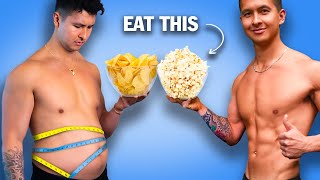
YouTube video (Jeremy Ethier) presenting five evidence-based dietary strategies to reduce belly fat and improve health: 1) favor low calorie-density foods (fruit, vegetables, low-fat items) to eat more volume for fewer calories; 2) prioritize lean protein because of a higher thermic effect and muscle-preserving effects during weight loss; 3) prefer polyunsaturated fats (especially omega-6 PUFA and omega-3s) over saturated fats to reduce harmful visceral/liver fat; 4) using non-nutritive sweetened beverages may aid weight loss vs plain water in one cited 2015 trial; and 5) prioritize favourite foods (sustainable adherence) within these categories. The video combines mechanistic explanations (calorie density, thermic effect), selective trial citations, and practical food swaps and adherence advice.
Questions this video answers
About 5–10% of calories burned during digestion.
About 0–3% of calories burned during digestion.
About 15–30% of calories burned during digestion.
About 70 calories more per day.
67 abdominally obese subjects over 10 weeks.
Lemon water, cayenne pepper, apple cider vinegar, chia seeds and Kombucha. The top five Foods Google Said I Should Eat To Lose Belly Fat While this will lead to the most uncomfortable dump of your life, these won't do anything to get rid of belly fat. Let's cut through the BS and look at the real science behind the foods that can actually help you lose belly fat. Food number one has to do with something called calorie density. Here's what 200 calories of strawberries looks like. Here's 200 calories of oranges, watermelon, spinach, zucchini, mushrooms, broccoli, fat free popcorn, carrots, green peas, boiled potatoes, shrimp and ground chicken breast. Basically, most fruits, vegetables and low fat foods classify as a low calorie density food. Whereas Here is what 200 calories of a higher calorie density food like granola looks like. And here's 200 calories worth of chocolate covered pretzels, trail mix, muffins, ice cream cheese, pork chop, ground beef and peanut butter. Now these low calorie density foods are so effective because your body is designed to hold on to your belly fat. So the only way to get rid of it is to adhere to a calorie deficit for long enough. Simply put, you need to eat less. But there is a workaround. You see, studies have shown that feeling full is more likely to make a person stop eating than is the calorie content of the food consumed. And studies have shown people who eat lower calorie density foods consume fewer calories every day, but end up eating more actual food. Think about it. You can eat 400 calories of double stuffed Oreos and actually get even more hungry after. Or you could eat 200 calories of strawberries and pretty much eat yourself sick. This is what makes high calorie density foods so easy to overeat. But that doesn't mean you should completely restrict yourself from them. You just want to eat less of them and instead add more low to moderate calorie density foods into your diet. For example, for breakfast, instead of having high sugar granola, go for a whole grain cereal with fruit. Or instead of having two pieces of toast, have one piece with a side of raspberries in your morning coffee. Instead of whole fat milk or cream, have skim milk or cashew milk. For dinner, instead of having two cups of rice, have one cup of rice and one cup of green peas or a side of vegetables. When you're watching TV and snacking, instead of having trail mix or chips, have some Fat free popcorn. For dessert, instead of one cup of regular ice cream, have just half a cup with some fruit. Believe me, these small changes to your diet will make it almost effortless for you to start losing fat, especially when you pair it with the second food on our list. So depending on the type of food you eat, your body will burn a certain amount of calories just to digest that food. Research suggests that for carbs like rice and potatoes, it burns about 5 to 10% of those calories for digestion, for fats like butter, nuts and oils, it's much lower, between 0 to 3%. Whereas for protein like chicken or fish, it shoots all the way up to around 15 to 30%. This is what's known as the thermic effect of food and is part of what makes our next food, lean proteins, so effective for fat loss. One study actually tested this by having subjects live in a lab where researchers could measure how many calories they burned every day. They put one group of subjects on a high protein diet and two other groups on a low protein diet. Subjects on the high protein diet ended up burning about 70 calories more per day, with another study of similar design finding a similar result. Now, to be honest, if you crunch the numbers, the fat loss benefit you get from this isn't anything to get too excited about. But the importance of having enough protein when losing fat goes far beyond this. It's the most important food to help you maintain or even build more muscle as you lose fat, which is going to help you look better once you get lean enough to lose your belly fat. But it also seems to correlate well with preventing fat regain after your diet is over. But it's important that you pick the right types of protein because they're not all created equally. And this goes back to calorie density. You see some protein sources, they contain significantly more calories relative to the amount of actual protein they deliver. Typically, these are high fat protein foods like ground beef, steak, eggs, pork chop and sausage. Whereas lean proteins, they deliver significantly more protein. And for fewer calories, egg whites, shrimp protein powder, low fat Greek yogurt, extra lean, ground beef, chicken breast, turkey, tofu and whitefish are all great examples. You can still have the fattier protein sources in moderation, but by eating mostly leaner proteins, you'll not only consume fewer calories, but you can also potentially swap those saved fat calories for something else. For example, instead of having four whole eggs and toast, if you had two whole eggs with some egg whites, you'd be able to add a serving of fat to your meal, such as peanut butter onto the toast. Or instead of having normal ground beef, you could have extra lean ground beef and that'll leave you some room to top the meal with cheese or have some dark chocolate afterwards. But choosing leaner proteins also comes with one more unique benefit for fat loss and it has to do with the third food on our list, Omega 6 Pufa. Alright, so remember how I recommended to moderate your intake of high fat foods. While that is true, you still need about 20 to 30% of your calories to come from fats to support your general health and hormones. But it seems like the specific types of fat you eat matter when it comes to belly fat, but not the belly fat covering your abs, the deep belly fat surrounding your organs that's associated with serious health implications. Illustrating this is a 2012 clinical trial that took 67 abdominally obese subjects and had them follow a 10 week diet plan designed to maintain their weight. All the subjects ate the same amount of calories and the same amount of protein, carbs and fats. The only difference was one group had most of their fats come from saturated fat, in this case butter, whereas the other group had most of their fats come from what's known as omega 6 polyunsaturated fat or PUFA for short, which are found in foods like nuts and vegetable oils such as sunflower oil. So after the 10 weeks, despite little to no changes in their body weight, the saturated fat group ended up gaining a significant amount of liver fat, which is far worse for your health compared to the belly fat covered in your abs. Whereas the polyunsaturated group, again despite little to no changes in their body weight, they ended up losing a significant amount of liver fat. Another study conducted in 2014 found similar results, but this time young normal weight individuals were put on a weight gaining diet. One group was fed muffins high in saturated fat, whereas the other group was fed muffins high in Omega 6 PUFA. After seven weeks the saturated fat group gains significantly more liver fat, significantly more visceral fat and significantly less lean mass than the PUFA group. So to potentially avoid building up this dangerous fat in the belly and organs, try to moderate the amount of daily fats you get from saturated sources such as bacon, cheese, butter, cream and fatty meats like pork and beef. Instead, try to have more of your fats come from foods rich in omega 6 PUFA, such as nuts, seeds and seed oils, as well as Omega 3 PUFAs which have been shown to have other health benefits and can be found in sources such as salmon, tuna and flaxseed. So the fourth food on the list is a controversial one and it was put to the test in a 2015 study where researchers took 300 overweight individuals and had them start the same weight loss program. Only difference was one group was assigned to drink an additional 24 ounces of water every day, whereas the other group had to drink that same amount but with what the researchers called a non nutritive sweetener which include diet sodas and pretty much any sugar free drink. Here is a graph of the one year results. Notice how the sugar free group not only experienced significantly greater weight loss, but they were also better able to keep that weight off for good. Now what was the reason behind this? Well, the water group ended up reporting an increase in hunger throughout their diet, whereas the group with sugar free drinks they reported no change in their hunger. So it's possible that in the water group, limiting access to sweet beverages may have promoted their desire to satisfy their cravings from other sources like candy and desserts. I've definitely noticed this as well. I personally always keep my fridge stocked with some kind of sugar free drink or diet soda and whenever a craving hits during the day or after a meal rather than going for some candy or chocolate, oftentimes just having a sugar free drink is all I'll need to satisfy it. Not to mention that if you're someone who regularly consumes sugary drinks or sodas, then making this simple switch alone can easily save you hundreds of calories a day. But let me know in the comments below what you think and if you've had any success by making the switch over to diet sodas or sugar free drinks. So far I've given you a lot of great food options to lose fat. But let's be honest, some of the foods I mentioned won't appeal to you. I sure zucchini is a low calorie dense food and yes, egg whites are a great lean protein source, but if you don't enjoy those foods then don't force yourself to eat them. The key to making your diet stick is to eat number five on our list, your favorite foods. For example, here's Matt, one of our Built with Science members who lost almost 80 pounds with our program and by eating healthy foods that he actually likes. He loves mushrooms so he eats lots of them. He also loves black beans and eggs so he makes breakfast burritos five times a week. And for me personally I love wraps, burritos and shawarmas so I make one pretty much every single day, but I'll incorporate what I taught you earlier by using a low calorie wrap or pita, adding plenty of veggies, using a lean protein source and then adding fats or calorie dense condiments in moderation. So pick a handful of your favorite foods from each of the categories we went through, add a couple of your favorite treats to have every now and then and that's pretty much your diet. It's as simple as that guys. And if you want someone to take care of all the guesswork for you and create a training and diet plan full of foods you actually enjoy and can stick to, Then head to built with science.com and take our free quiz to find the best science based plan for you and your body. It's worked for thousands of others and it will work for you. Highly recommend giving this video a watch next to learn about what I believe is the most underrated exercise to lose belly fat and just lose fat in general. Thanks for watching and I'll see you next time.